
Crematogaster grevei
- Sci. Name
- Crematogaster grevei
- Tribe
- Crematogastrini
- Subfamily
- Myrmicinae
- Author
- Forel, 1891
- Distribution
- Found in 1 countries
Introduction
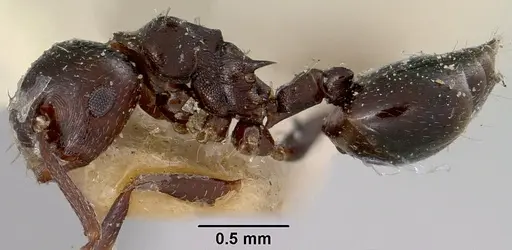
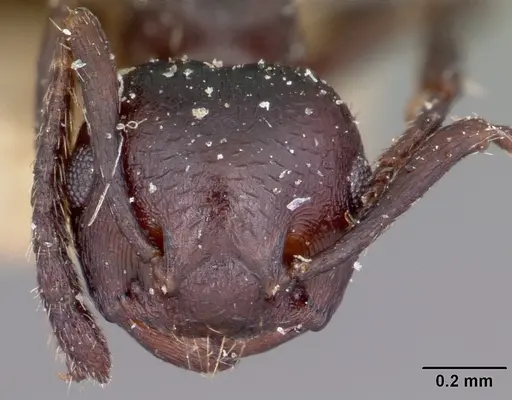
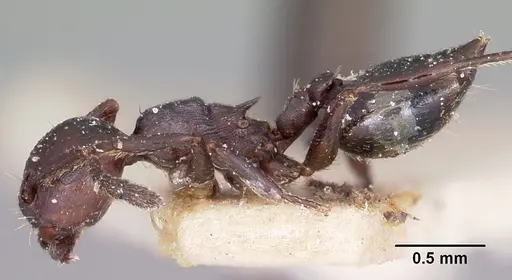
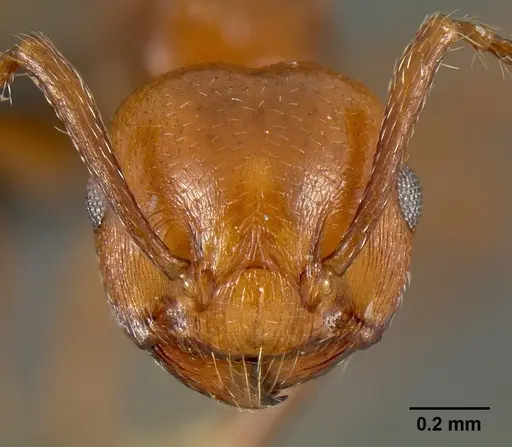
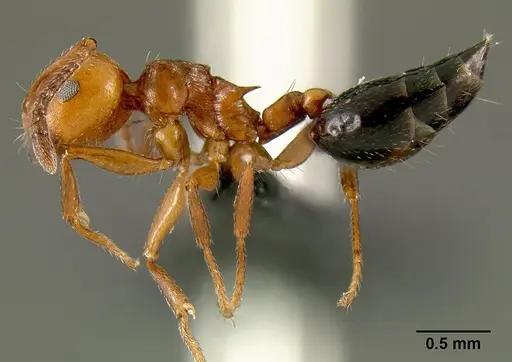
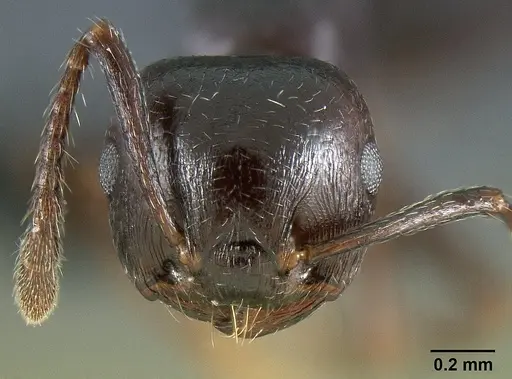
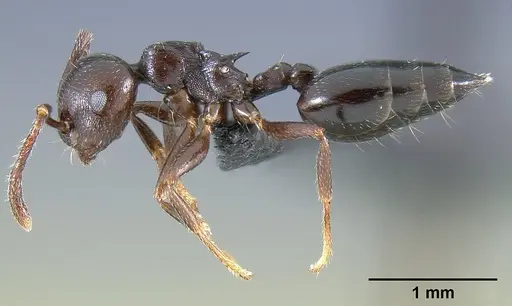
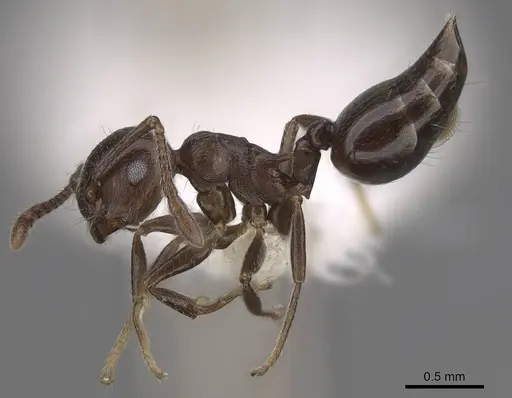
Crematogaster grevei is a small ant species native to Madagascar, found in seasonally dry forests and spiny forests of western and southwestern regions . Workers have a distinctive raised promesonotum and bilobed postpetiole, with two color variants: bi-coloured with orange-red head and dark gaster, or uniformly brown to black . The species is endemic to Madagascar . A notable behavior is tending scale insects for honeydew, similar to other Crematogaster species .
Quick Summary
- Difficulty: Medium
- Origin & Habitat: Western and southwestern Madagascar, seasonally dry forests and spiny forests [1]. This species is a Malagasy endemic [2].
- Colony Type: Unconfirmed, no specific literature on queen number or social structure.
- Size & Growth:
- Queen: Size data unavailable, full body length not measured in literature
- Worker: Size data unavailable, full body length not measured in literature
- Colony: Up to several hundred workers, estimated from typical Crematogaster colony patterns
- Growth: Moderate
- Development: Estimated 6-8 weeks based on typical Crematogaster development at warm temperatures (Development time inferred from genus patterns, actual timeline may vary with temperature)
- Antkeeping:
- Temperature: Keep at 22-26°C, based on their tropical origin and habitat in Madagascar's warm dry forests
- Humidity: Moderate humidity, keep nest substrate consistently moist but not waterlogged, as they come from dry forests [1]
- Diapause: No diapause required, Madagascar has mild winters, so keep warm year-round
- Nesting: Prefer nesting in dead twigs, rotten logs, leaf litter, or under stones [1]. Y-tong nests or test tube setups with twigs work well.
- Behavior: Active foragers with typical Crematogaster defensive display, raising abdomen when disturbed. Workers are small, so escape risk is high, use barriers. They are not highly aggressive but will defend the colony. Both arboreal and ground-nesting habits are observed in the wild [4].
- Common Issues: small size means escapes are possible without proper barriers, dry forest origin means they can die from excessive humidity or mold, colonies may decline if not provided with honeydew or sugar sources, slow founding phase can lead to beginner impatience and overfeeding, wild-caught colonies may harbor parasites that affect captive survival
Housing and Nest Setup
Crematogaster grevei naturally nests in dead twigs, rotten logs, leaf litter, and occasionally under stones or in plant stems [1]. For captivity, use Y-tong nests or test tube setups with small twigs inside to mimic natural sites. They adapt to various nest types due to both arboreal and ground-nesting habits [4]. Ensure excellent escape prevention since workers are small.
Feeding and Diet
This species tends scale insects for honeydew in the wild [3]. In captivity, offer sugar water or honey regularly, along with small protein sources like fruit flies or pinhead crickets. Feed protein 2-3 times per week and keep sugar water available at all times.
Temperature and Humidity
Keep temperatures at 22-26°C, matching their native Madagascar habitat. For humidity, provide a moderate level with a moist substrate but avoid waterlogging, as they come from dry forests [1]. Good ventilation helps prevent mold.
Colony Development
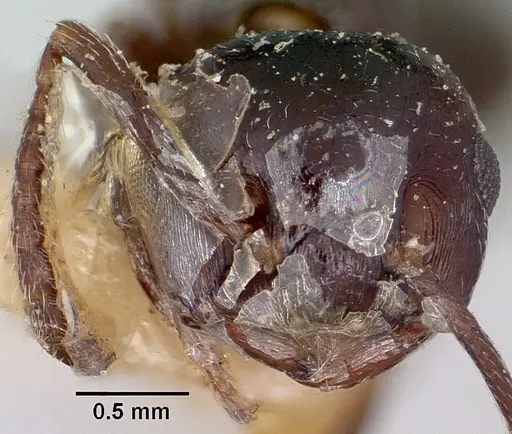
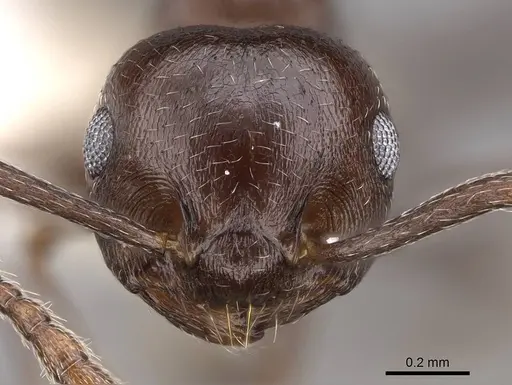
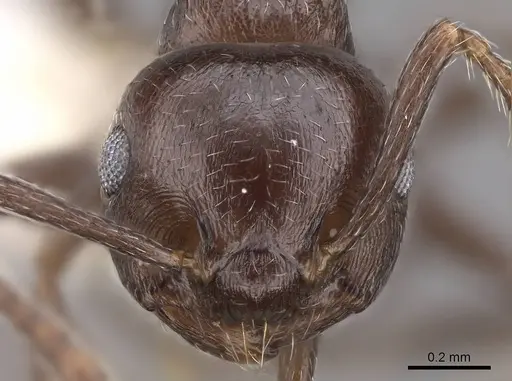
Head width measurements indicate small size: workers 0.82-0.89 mm, queens 1.26-1.33 mm [1], but full body length data is unavailable. Development from egg to first worker is estimated at 6-8 weeks based on typical Crematogaster patterns. Founding behavior is unconfirmed.
Behavior and Temperament
Crematogaster ants are named for their acrobatic defensive display, raising the abdomen over the head when disturbed. Workers are active foragers and will explore their outworld. They are not highly aggressive but defend the colony. Escape risk is high due to small size, use fluon barriers.
Frequently Asked Questions
How long does it take for Crematogaster grevei to produce first workers?
Based on typical Crematogaster development, expect first workers around 6-8 weeks after queen lays eggs, assuming temperatures around 24-26°C. This is an estimate from genus patterns.
What do Crematogaster grevei ants eat?
They feed on honeydew from scale insects, sugar water or honey, and small insects like fruit flies [3]. Offer protein 2-3 times weekly and keep sugar water available.
Can I keep Crematogaster grevei in a test tube?
Yes, test tubes work well for founding colonies. Add small twigs inside to mimic natural nesting in dead twigs [1]. Transfer to a larger nest once the colony grows.
Do Crematogaster grevei ants sting?
Crematogaster ants have a modified stinger for smearing venom, but they rarely sting humans. Their main defense is the acrobatic display.
Are Crematogaster grevei good for beginners?
They are rated as medium difficulty due to small size and sensitivity. Beginners should start with easier species like Lasius.
What temperature do Crematogaster grevei need?
Keep them at 22-26°C, based on their tropical origin in Madagascar. Room temperature is often suitable.
How big do Crematogaster grevei colonies get?
Colonies likely reach up to several hundred workers, based on typical Crematogaster patterns.
Do Crematogaster grevei need hibernation?
No, they come from Madagascar with mild winters, so keep them warm year-round.
Why is my Crematogaster grevei colony dying?
Common causes include excessive humidity (they prefer dry conditions), mold from overfeeding, temperatures too low, or stress during founding. Check humidity and temperature settings.
Report an Issue
The current care sheet is based fully on literature. See inconsistencies, or something that's incorrect? Please , it will be resolved after review from an admin. Contributing to the blogs tab also helps providing information, to make us be able to further improve the caresheets. Thank you for your support!
References

This caresheet is licensed under CC BY-SA 4.0 .
Community Blogs
CASENT0101558
View on AntWeb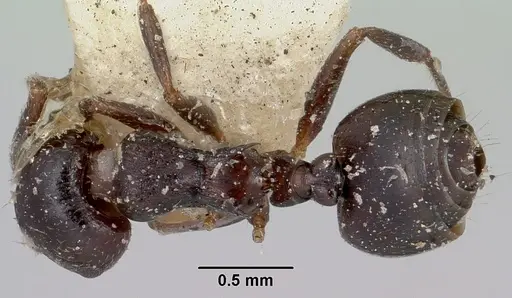
CASENT0101572
View on AntWeb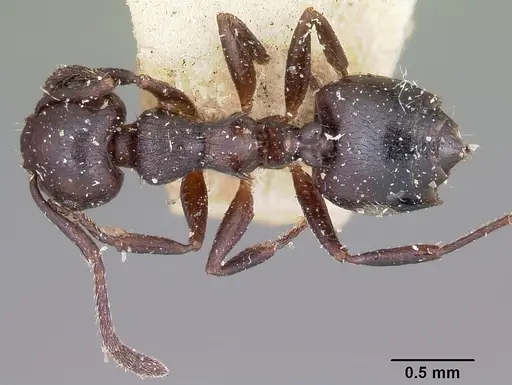
CASENT0449661
View on AntWeb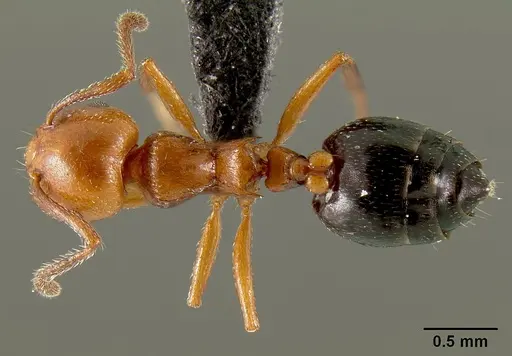
CASENT0454184
View on AntWeb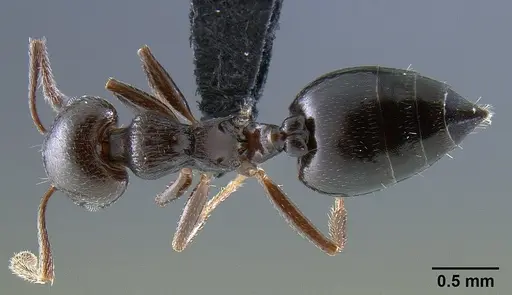
CASENT0922639
View on AntWeb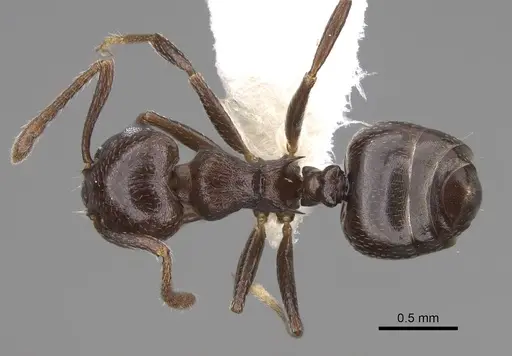
Literature
Loading distribution map...Loading products...