
Crematogaster gambiensis
- Sci. Name
- Crematogaster gambiensis
- Tribe
- Crematogastrini
- Subfamily
- Myrmicinae
- Author
- André, 1889
- Distribution
- Found in 4 countries
Introduction
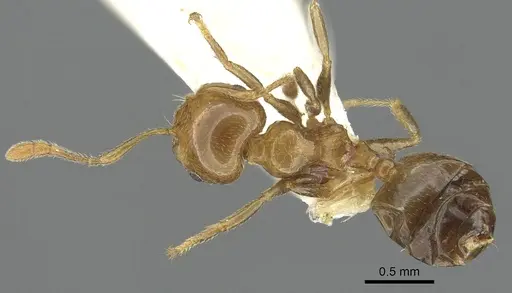
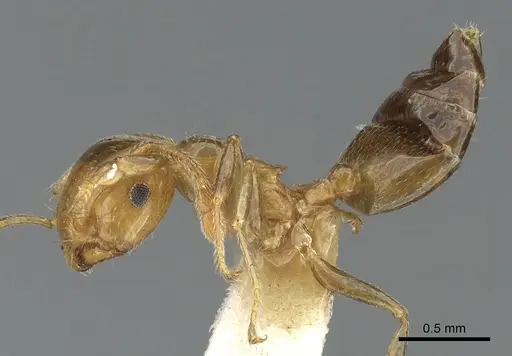
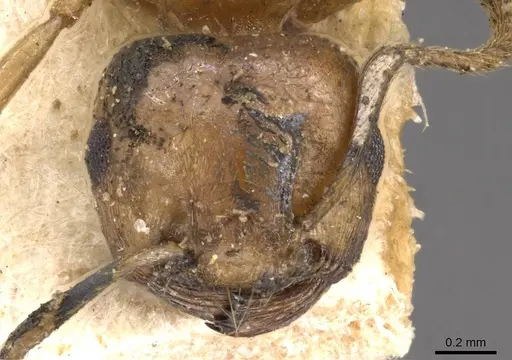
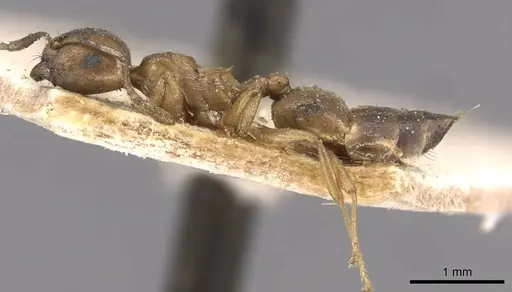
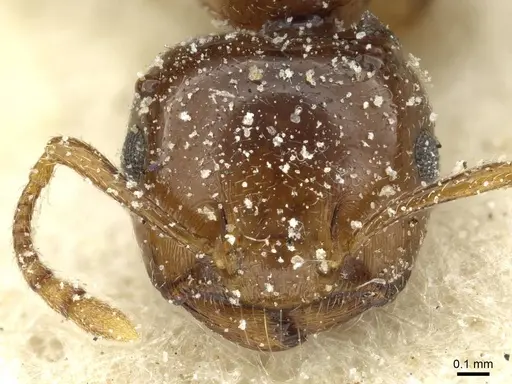
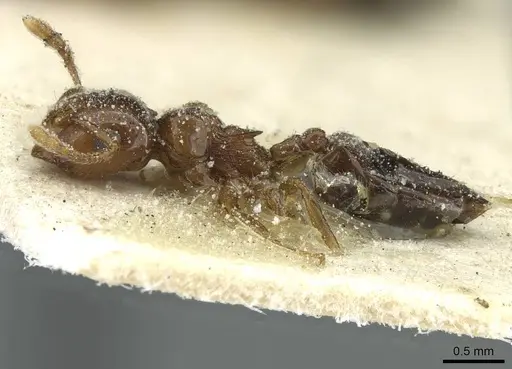
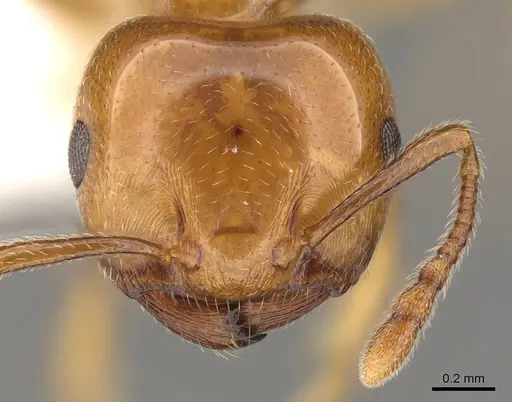
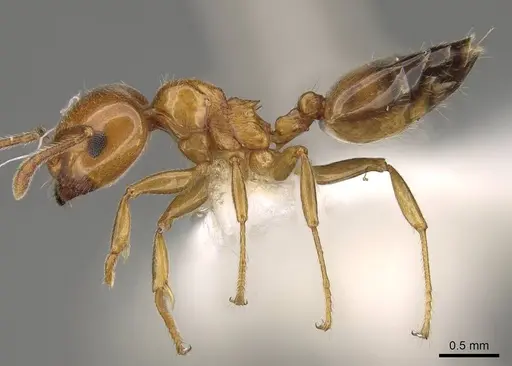
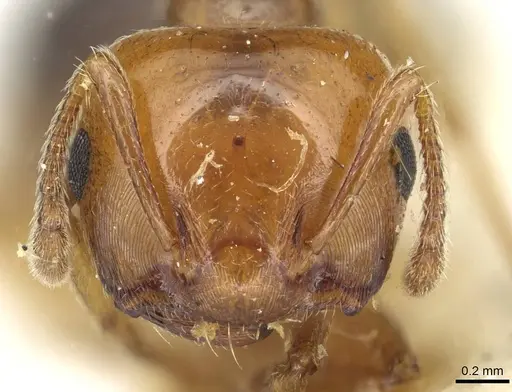
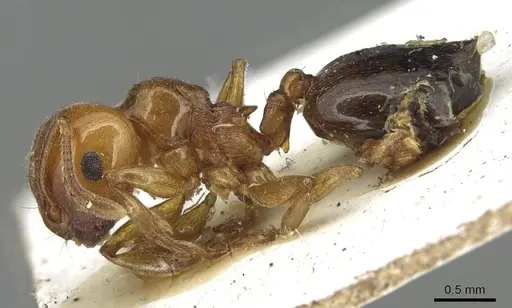
Crematogaster gambiensis is a small arboreal ant species native to the Afrotropical region, found across West and Central Africa from Gambia to Kenya. Workers are tiny, with the characteristic heart-shaped gaster that gives acrobat ants their name - when threatened, they raise their abdomen over their head like a scorpion. They have a dark brown to black coloration with lighter legs and antennae. This species nests naturally in dead twigs, under bark on trees (including cocoa), and in red mangrove vegetation . They are often found foraging on mango trees and Isoberlinia doka . What makes this species interesting is its arboreal lifestyle - unlike many ants that nest in soil, these ants prefer elevated nesting sites in woody material. They form moderate-sized colonies and are known for their defensive behavior, quickly swarming out to bite any disturbance. Their ability to nest in mangrove environments shows they can tolerate high humidity.
Quick Summary
- Difficulty: Medium
- Origin & Habitat: Afrotropical region, native to West and Central Africa including Gambia, Ghana, Nigeria, Kenya, Democratic Republic of Congo, Sierra Leone, Benin, and neighboring countries. Found in tropical forests, savanna edges, and mangrove areas [1][2][3].
- Colony Type: Colony structure is unconfirmed, likely monogyne based on typical genus patterns, though some Crematogaster species can be polygyne.
- Size & Growth:
- Queen: Size data unavailable, inferred from genus patterns to be approximately 5-7mm
- Worker: Approximately 2-4mm, based on AntWiki records [3]
- Colony: Up to several hundred workers, estimated based on typical Crematogaster colony sizes
- Growth: Moderate
- Development: Development time is unconfirmed, estimated 4-8 weeks at optimal temperature based on typical tropical Myrmicinae patterns (Tropical species typically develop faster than temperate ones)
- Antkeeping:
- Temperature: Keep at 24-28°C, they are a tropical species accustomed to warm conditions. A heating cable on one side of the nest can help maintain warmth if room temperature is lower.
- Humidity: Moderate to high (60-80%). These ants naturally live in humid tropical environments and mangrove areas. Keep the nest substrate slightly moist but not waterlogged. Their mangrove nesting suggests they tolerate higher humidity well.
- Diapause: No, as a tropical species, they do not require hibernation. Keep them at warm temperatures year-round.
- Nesting: Arboreal setup works best. They naturally nest in dead twigs, under bark, and in small cavities in wood. In captivity, a Y-tong (AAC) nest with narrow chambers, a wooden/formicarium setup with twigs, or a naturalistic terrarium with branches works well. Avoid fully soil-based setups, they prefer woody nesting material.
- Behavior: Crematogaster gambiensis is defensive and will aggressively defend their nest when threatened. Workers quickly swarm out and may bite. They are arboreal and spend most of their time in elevated nest sites. They are good climbers and may escape if given the chance. They feed on honeydew from aphids and scale insects, plus small insects. Their small size means escape prevention must be excellent, they can squeeze through tiny gaps [3]. This species uses a smear defense mechanism, they wipe venom onto enemies using their modified stinger rather than piercing flesh.
- Common Issues: escape prevention is critical, their tiny size allows them to squeeze through standard barriers, arboreal nesting means they need woody/stick material in captivity, not just soil, colonies can be defensive and may bite when the nest is disturbed, high humidity is important, dry conditions can cause colony decline, wild-caught colonies may have parasites that affect captive survival
Nest Preferences
Crematogaster gambiensis is an arboreal species that naturally nests in dead twigs, under bark, and in small cavities within woody material. In the wild, they have been found nesting in cocoa trees and red mangroves, using dead vegetation like twigs, small branches, air roots, and prop roots [1][2]. For captive care, you should replicate these conditions. A Y-tong (AAC) nest with narrow chambers works well, or you can create a naturalistic setup with small twigs and pieces of bark. Avoid deep soil setups, these ants prefer to nest above ground in woody material. If using a formicarium, include some small diameter tunnels or twigs for them to use as nest chambers. The nest should be kept humid but with some ventilation to prevent mold.
Feeding and Diet
In the wild, Crematogaster gambiensis forages on mango trees and other tropical vegetation, where they likely tend aphids and scale insects for honeydew. They also hunt small insects and arthropods [3]. In captivity, offer a varied diet: sugar water or honey as a constant energy source, and protein-rich foods like small crickets, mealworms, fruit flies, or other small insects. Feed protein 2-3 times per week, and keep sugar water available at all times. These ants are small, so offer prey items appropriately sized, fruit flies and small mealworm pieces work well. Remove uneaten prey after 24-48 hours to prevent mold.
Temperature and Care
As a tropical African species, Crematogaster gambiensis needs warm temperatures between 24-28°C. They do not require hibernation or winter cooling, keep them warm year-round. If your room temperature falls below 24°C, use a heating cable on one side of the nest to create a warm zone. Place the heating on top of the nest, not underneath, to avoid drying out the nest too quickly. Monitor humidity levels, these ants come from humid tropical environments and mangrove areas, so aim for 60-80% humidity. The nest substrate should feel slightly moist but never waterlogged. A water reservoir connected to the nest can help maintain humidity over time. [1][3]
Behavior and Temperament
Crematogaster ants are known for their defensive behavior, when threatened, workers raise their characteristic heart-shaped abdomen over their head like an acrobat, which is how they got their common name. This species will quickly swarm out of the nest to defend against threats and may bite if the nest is disturbed. They are active foragers and good climbers. Their small worker size means they are excellent escape artists, you must use excellent escape prevention with tight-fitting lids, fine mesh barriers, and reliable barrier methods like fluon. These ants are best observed through the nest walls rather than frequent disturbances. As members of the tribe Crematogastrini, they possess a modified, flattened stinger used to smear or wipe venom onto enemies rather than piercing flesh. [3]
Colony Development
Colonies likely start with a single claustral queen who seals herself in a small chamber and raises the first workers (nanitics) alone using her stored fat reserves. This is typical for the genus, though specific founding behavior is unconfirmed for this species. Once the first workers emerge, the colony expands as the queen continues laying eggs. Development from egg to worker likely takes 4-8 weeks at optimal temperature. Colonies grow to several hundred workers over time. The queen is larger than workers and has a robust thorax for egg-laying. Colonies are moderately fast-growing compared to some other ant species. [3]
Frequently Asked Questions
Can I keep Crematogaster gambiensis in a test tube?
Test tubes can work for founding colonies, but these arboreal ants prefer woody nesting material over simple water tubes. A test tube setup works for the founding stage, but consider moving them to a more appropriate arboreal setup (Y-tong with twigs or naturalistic setup) once the colony reaches 20-30 workers.
What is the best nest type for Crematogaster gambiensis?
Arboreal-style nests work best. A Y-tong (AAC) nest with narrow chambers, a wooden formicarium with small tunnels, or a naturalistic terrarium with twigs and bark pieces. They naturally nest in dead twigs and under bark, so replicate this with woody material rather than soil-based setups.
How long until first workers with Crematogaster gambiensis?
Expect first workers (nanitics) approximately 4-8 weeks after the queen lays eggs, assuming optimal temperature (24-28°C). This is an estimate based on typical genus development times for tropical Myrmicinae.
Do Crematogaster gambiensis ants sting?
Crematogaster ants can bite but are too small to effectively sting humans. Their main defense is raising their abdomen (the acrobat ant behavior) and swarming to bite threats. Their small size means their bites are not painful to humans.
Are Crematogaster gambiensis good for beginners?
This species is rated as Medium difficulty. They require warm tropical conditions, high humidity, and arboreal-style nesting. They are also small and can escape easily. They are better suited for keepers who have experience with tropical arboreal ants.
Do Crematogaster gambiensis need hibernation?
No, as a tropical African species, they do not require hibernation. Keep them warm year-round at 24-28°C. They are active throughout the year in their natural habitat.
How often should I feed Crematogaster gambiensis?
Offer sugar water (honey or sugar solution) constantly, keep a small container available at all times. Feed protein (small insects like fruit flies, pinhead crickets, or mealworms) 2-3 times per week. Remove uneaten prey after 24-48 hours.
Why are my Crematogaster gambiensis dying?
Common causes include: low humidity (they need 60-80%), temperatures below 24°C, escape-prone small size leading to colony loss, or stress from frequent nest disturbances. Also check for parasites in wild-caught colonies. Ensure the nest has appropriate woody material and maintain warm, humid conditions.
Can I keep multiple Crematogaster gambiensis queens together?
Not recommended without specific evidence. While some Crematogaster species can be polygyne, combining unrelated queens of this species has not been documented. It's best to keep one queen per colony.
How big do Crematogaster gambiensis colonies get?
Based on typical genus patterns, colonies likely reach up to several hundred workers. They are moderate-sized colonies, not supercolonies like some Crematogaster species.
Report an Issue
The current care sheet is based fully on literature. See inconsistencies, or something that's incorrect? Please , it will be resolved after review from an admin. Contributing to the blogs tab also helps providing information, to make us be able to further improve the caresheets. Thank you for your support!
References

This caresheet is licensed under CC BY-SA 4.0 .
Community Blogs
CASENT0902057
View on AntWeb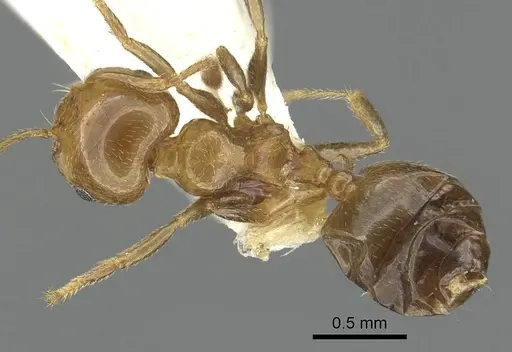
CASENT0908607
View on AntWeb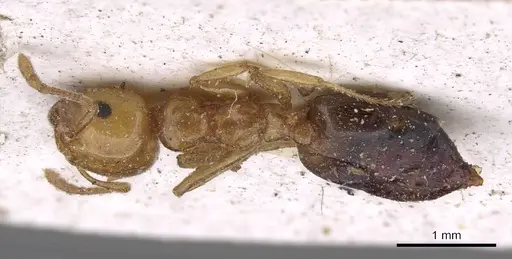
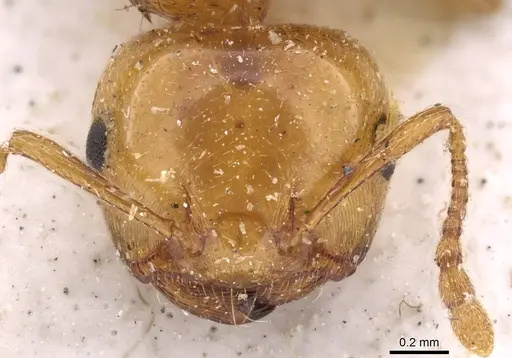
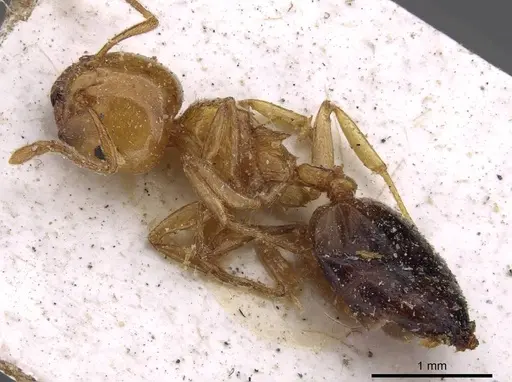
CASENT0908608
View on AntWeb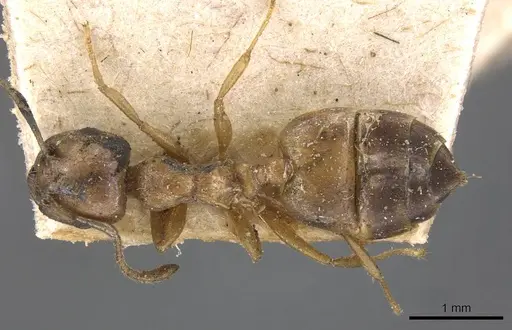
CASENT0912799
View on AntWeb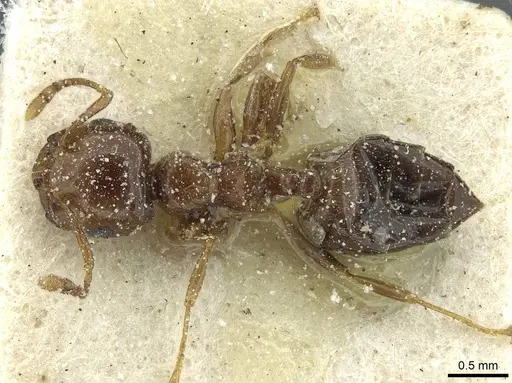
CASENT0914189
View on AntWeb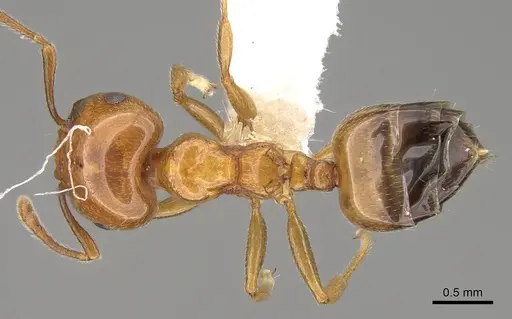
CASENT0915369
View on AntWeb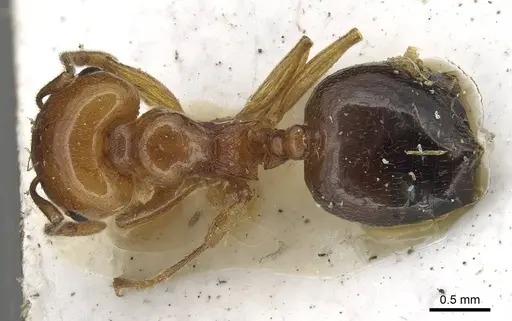
Literature
Loading distribution map...Loading products...