
Crematogaster gabonensis
- Sci. Name
- Crematogaster gabonensis
- Tribe
- Crematogastrini
- Subfamily
- Myrmicinae
- Author
- Emery, 1899
- Distribution
- Found in 1 countries
Introduction
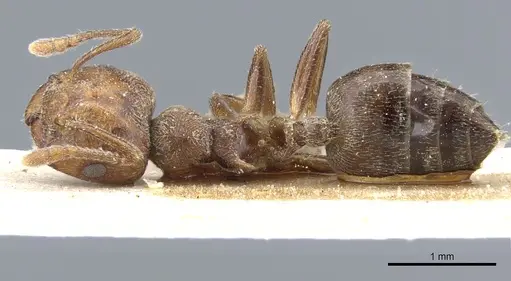
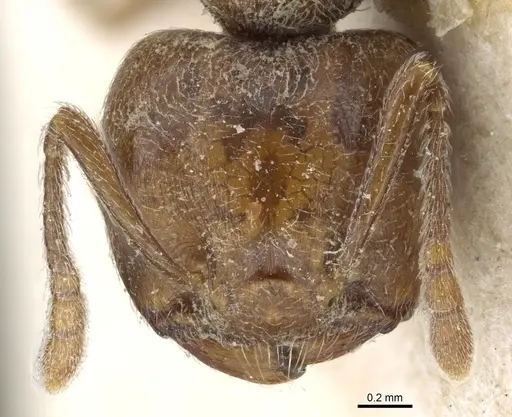
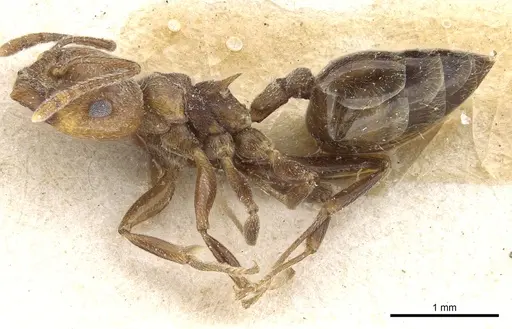
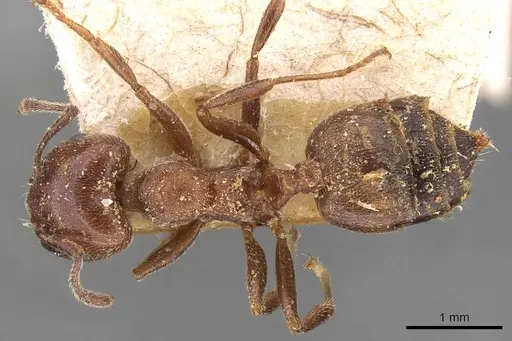
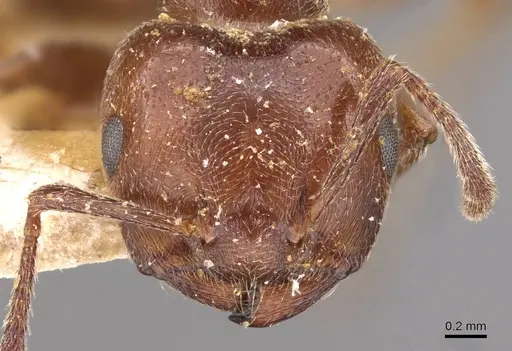
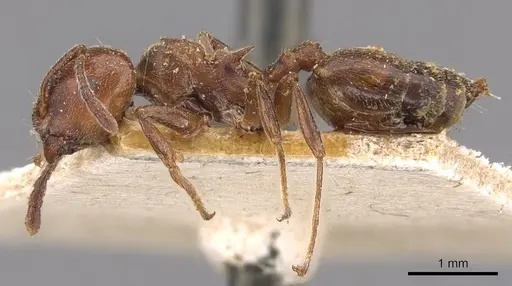
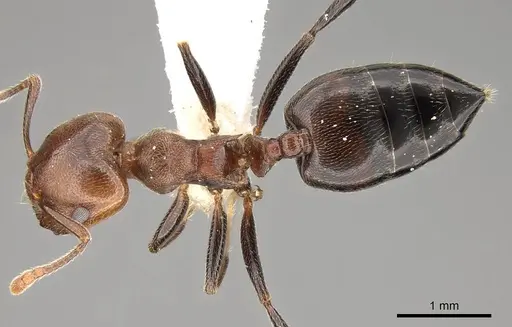
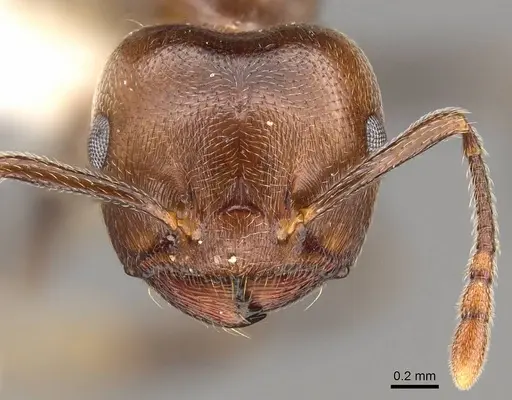
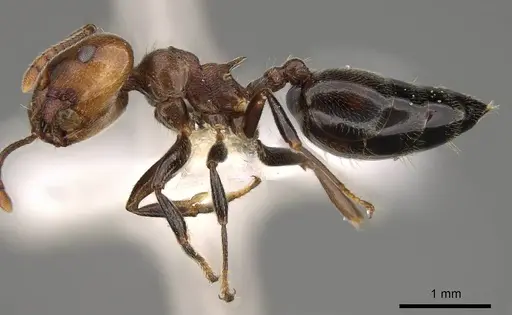
Crematogaster gabonensis is a small ant species native to the Afrotropical region, found across Central and West Africa including Gabon, Cameroon, Democratic Republic of Congo, Nigeria, Ghana, Ivory Coast, and Kenya . Workers are approximately 3-5mm based on genus typical sizes. They have a distinctive heart-shaped gaster that they raise when threatened, giving them the common name 'acrobat ant'. Their coloration is typically dark brown to black.
Quick Summary
- Difficulty: Medium
- Origin & Habitat: Native to West and Central Africa (Gabon, Cameroon, Democratic Republic of Congo, Nigeria, Ghana, Ivory Coast, Kenya). This is a canopy-dwelling species commonly found in cocoa farms and palm oil plantations, where they build carton nests on shade trees, in hollow twigs, branches, crevices, and old pods [2][3]. They thrive in humid tropical environments and are among the numerically dominant ant species in Cameroon cocoa agroforestry systems [4][2].
- Colony Type: Colony structure is unconfirmed for this species. The genus Crematogaster typically has single-queen colonies, but species-specific data is not available.
- Size & Growth:
- Queen: ~6-8mm, inferred from Crematogaster genus typical sizes
- Worker: ~3-5mm, inferred from Crematogaster genus typical sizes [1]
- Colony: Colonies reach several thousand workers, this species is documented as numerically dominant in some areas, indicating large colony sizes [2][4]
- Growth: Moderate, based on typical Crematogaster development patterns
- Development: Estimated 6-8 weeks at optimal tropical temperatures (around 24-28°C) (Development time is inferred from typical Crematogaster genus patterns since species-specific data is not available)
- Antkeeping:
- Temperature: Keep at 24-28°C (warm tropical conditions). A slight gradient is beneficial. Room temperature in heated homes is often suitable, but a heating cable may be needed in cooler climates.
- Humidity: High humidity (60-80%), these ants naturally inhabit humid forest environments and cocoa farms. Keep nest substrate moderately moist but ensure good ventilation to prevent mold.
- Diapause: No, as a tropical species, they do not require hibernation. Maintain consistent warm conditions year-round.
- Nesting: Arboreal nester, in captivity they do well in Y-tong (AAC) nests or plaster formicariums with vertical surfaces. Provide materials they can use for carton nest construction (paper, plant material). They prefer elevated nest sites and will often colonize upper portions of formicariums.
- Behavior: Moderately aggressive when defending the colony. They are arboreal and spend most of their time on trees and vertical surfaces. Workers are active foragers and will readily explore their outworld. They have the characteristic 'acrobat' defense response where they raise their gaster. Escape risk is moderate, use standard barriers but they are not as prolific escape artists as some tiny species.
- Common Issues: high humidity requirements can lead to mold if ventilation is inadequate, arboreal nature means they prefer elevated nest sites, may not use horizontal tube setups well, tropical species requires consistent warmth, cold rooms can cause colony decline, colonies can become very large, ensure adequate space for expansion, sensitive to disturbance, may abandon nests if stressed
Housing and Nest Setup
Crematogaster gabonensis is an arboreal species that naturally nests in elevated locations like tree branches, hollow twigs, and carton structures on shade trees [3]. In captivity, they do best in Y-tong (AAC) nests or plaster formicariums that provide vertical space. Horizontal test tube setups are often rejected in favor of more elevated positions. Provide a water test tube as a hydration source and keep the nest area humid. They appreciate having plant material or paper strips in their enclosure that they can use to create semi-carton nest structures. Place the formicarium in a warm, humid location away from direct sunlight.
Feeding and Diet
Like other Crematogaster species, these ants are omnivorous with a preference for protein sources. In their native cocoa farm habitat, they likely feed on honeydew from aphids and scale insects, plus small insects and arthropods. Feed them protein sources like small crickets, mealworms, or fruit flies 2-3 times per week. Offer sugar water, honey, or diluted jam as an energy source. Remove uneaten prey after 24-48 hours to prevent mold. Fresh fruit slices (especially citrus or melon) are often accepted. They are foragers and will send workers out to discover food sources quickly. [2][4]
Temperature and Humidity
As a tropical species from Central and West Africa, Crematogaster gabonensis requires warm, humid conditions. Maintain temperatures between 24-28°C year-round. They can tolerate brief periods slightly outside this range but prolonged cold will weaken the colony. Humidity should be kept at 60-80%, use a water tube and occasional misting, but ensure adequate ventilation to prevent stagnant air and mold. In dry climates, you may need to mist more frequently or use a humidifier near the formicarium. Avoid placing the colony near air conditioning vents or drafty windows. [2][4][3]
Behavior and Colony Dynamics
This species exhibits the characteristic Crematogaster behavior of raising their gaster when threatened, this is where they get the name 'acrobat ant.' They are moderately aggressive and will defend their nest vigorously. Colonies grow to several thousand workers and can become quite active in the outworld. They are arboreal by nature, so they prefer to travel along branches, vines, or vertical surfaces rather than across open ground. Workers are fast-moving and good foragers. In the wild, they show resistance to insecticide treatment, likely due to their protected nesting locations in carton nests and tree hollows [3][5]. This resilience suggests they are a hardy species once established.
Growth and Development
Colony growth is moderate, faster than some slow-growing genera but not as rapid as species like Monomorium. A newly mated queen will found her colony claustrally, sealing herself in a chamber and raising the first brood using her stored fat reserves. The first workers (nanitics) will be smaller than normal workers. As the colony grows, new chambers can be added to the nest. Expect 6-12 months to reach 50-100 workers under good conditions. Colonies can live for many years with a healthy queen producing workers continuously. Requeening may occur if the original queen dies, though this is not well-documented for this specific species. [1]
Frequently Asked Questions
Can I keep Crematogaster gabonensis in a test tube setup?
Test tubes can work for founding colonies, but this arboreal species often prefers more elevated, vertical spaces. Once the colony reaches 20-30 workers, consider moving them to a Y-tong or plaster formicarium with vertical chambers. They may not use horizontal tube setups as readily as ground-nesting species.
How long does it take for the first workers to appear?
Expect first workers approximately 6-8 weeks after the queen lays eggs, assuming temperatures around 24-28°C. This is typical for Crematogaster species in tropical conditions. The exact timeline for this species is unconfirmed but inferred from genus patterns.
Do Crematogaster gabonensis ants sting?
Crematogaster ants have a stinger but rarely use it on humans due to their small size. They rely more on their characteristic gaster-raising display and biting when threatened. The genus is not considered dangerous to humans.
Are Crematogaster gabonensis good for beginners?
This species is rated as Medium difficulty. They are more challenging than common temperate species like Lasius because they require warm, humid tropical conditions year-round. They are hardy once established but need consistent care. Not the best choice for a first ant, but manageable for those with some experience.
What do Crematogaster gabonensis eat?
They are omnivorous. Offer protein sources like small insects (fruit flies, pinhead crickets, mealworms) 2-3 times per week, plus sugar sources like honey water or sugar water constantly. They will also accept fruit and some will take seed baits. Remove uneaten food promptly.
Do they need hibernation or diapause?
No, as a tropical African species, they do not require hibernation. Keep them at warm, consistent temperatures year-round (24-28°C). Cold periods will stress the colony and may cause mortality.
How big do colonies get?
Colonies can reach several thousand workers in the wild, and they are documented as numerically dominant in some cocoa farm ecosystems [2][4]. In captivity, expect colonies to grow to hundreds or low thousands with proper care over several years.
Why are my ants not using the nest I provided?
This arboreal species prefers elevated, vertical nest spaces. They may reject horizontal test tubes or shallow setups. Try a Y-tong nest with vertical chambers, or provide materials like paper strips they can use to create their own elevated structures. Location matters, place the nest in a warm, humid area away from vibrations.
Can I keep multiple queens together?
Colony structure for this species is unconfirmed. The genus typically has single-queen colonies, but species-specific data is not available. Combining unrelated queens is not recommended as they will likely fight.
What makes this species unique compared to other Crematogaster?
This species is notable for its dominance in cocoa agroforestry systems across West and Central Africa. It shows remarkable resistance to insecticide treatments, likely due to its protected nesting behavior in carton nests and tree hollows [3][5]. It is one of the few ant species that thrives in agricultural environments while remaining ecologically important.
Report an Issue
The current care sheet is based fully on literature. See inconsistencies, or something that's incorrect? Please , it will be resolved after review from an admin. Contributing to the blogs tab also helps providing information, to make us be able to further improve the caresheets. Thank you for your support!
References

This caresheet is licensed under CC BY-SA 4.0 .
Community Blogs
Literature
Loading distribution map...Loading products...