
Crematogaster fraxatrix
- Sci. Name
- Crematogaster fraxatrix
- Tribe
- Crematogastrini
- Subfamily
- Myrmicinae
- Author
- Forel, 1911
- Distribution
- Found in 2 countries
Introduction
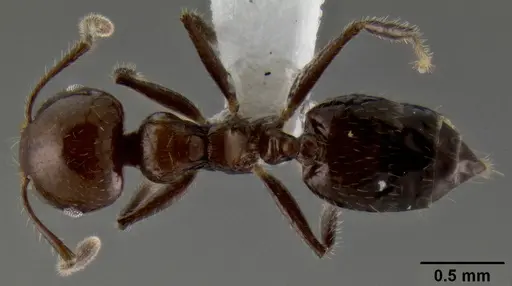
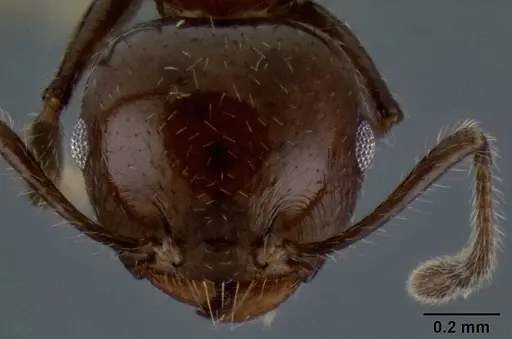
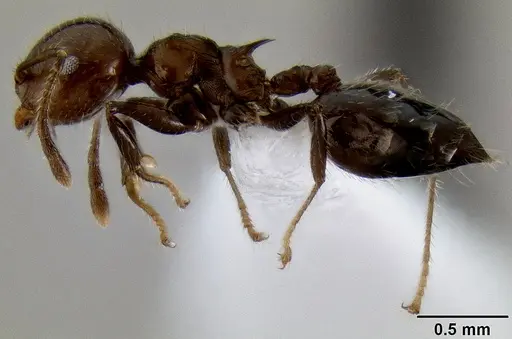
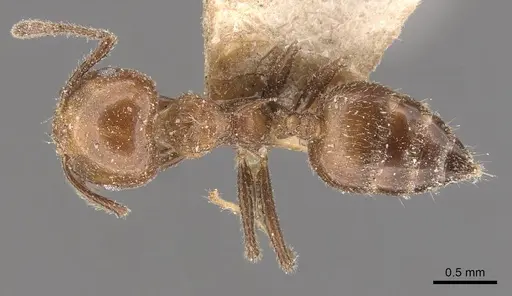
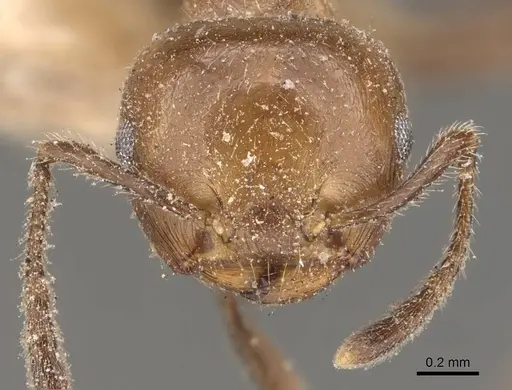
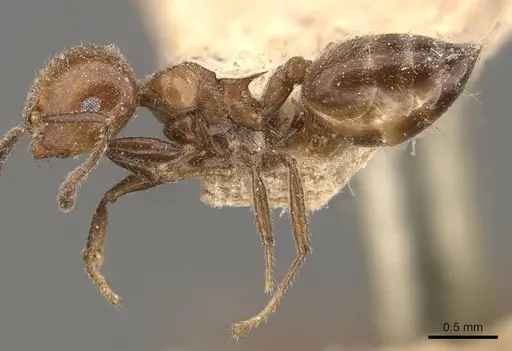
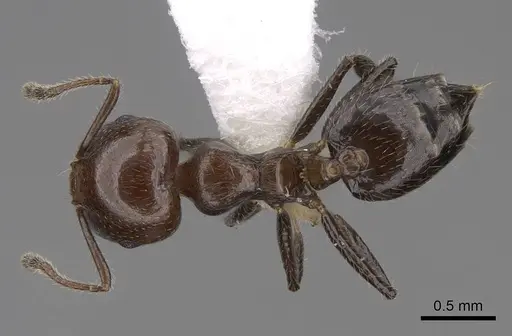
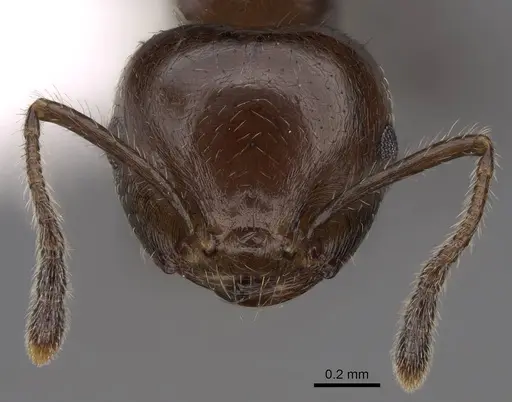
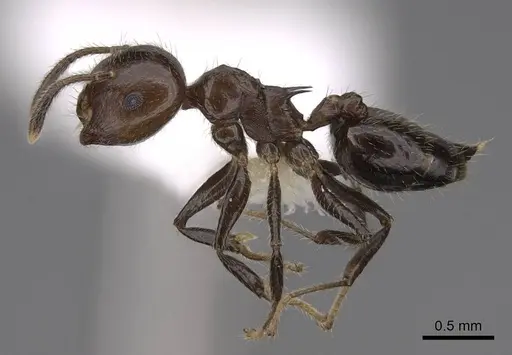
Crematogaster fraxatrix is a tiny rainforest ant species native to southern Thailand and Malaysia, including Borneo . Workers are very small, measuring approximately 2-3mm in total length based on genus patterns . They belong to the Crematogaster fraxatrix-group and can be identified by their oval-shaped propodeal spiracles and weakly developed subpetiolar process . Body color ranges from reddish-brown to black . This species is notable primarily because so little is known about its biology - it's one of the more poorly documented Crematogaster species. What we do know suggests it's a forest-dwelling species, recorded patrolling the shoots of the myrmecophilic plant Leea aculeata in Malaysian Borneo . The genus Crematogaster is commonly called 'acrobat ants' because they raise their abdomen over their head when threatened, making them appear to be doing a handstand.
Quick Summary
- Difficulty: Unknown, estimated Medium
- Origin & Habitat: Southern Thailand and Malaysia (Peninsular and Borneo), specifically recorded from Khao Nan National Park, Nakhon S. Thamarat in Thailand, and Ulu Gombak, Selangor, Mt. Ophir, Johor, and Lambir Hills National Park, Borneo in Malaysia [1]. They inhabit tropical rainforest environments and have been found in forest fragments, though they decline significantly when rainforest is converted to plantations [3].
- Colony Type: Unknown, colony structure has not been documented. Most Crematogaster species are monogyne (single queen), but this has not been confirmed for C. fraxatrix specifically.
- Size & Growth:
- Queen: Undocumented, no queen caste has been described [4]
- Worker: approximately 2-3mm, inferred from genus patterns [1]
- Colony: Unknown, no colony size data exists for this species
- Growth: Unknown
- Development: Unknown, no species-specific development data exists (Crematogaster genus typically develops relatively quickly in warm, humid tropical conditions.)
- Antkeeping:
- Temperature: Estimated 22-28°C based on tropical rainforest origin. Provide a gentle gradient if possible. Monitor colony activity to adjust.
- Humidity: High humidity preferred, aim for 70-85% consistent with their rainforest origin. Keep substrate consistently moist but not waterlogged.
- Diapause: No, as a tropical species, they do not require hibernation or winter dormancy
- Nesting: Likely prefers humid nest conditions. Based on related species and habitat data, they probably nest in rotting wood, under bark, or in leaf litter. A Y-tong or plaster nest with good humidity retention would likely work well.
- Behavior: Temperament is unconfirmed, but most Crematogaster species are moderately aggressive when defending their nest and will use their characteristic acrobat defense (raising the abdomen). They are small but active foragers. Escape prevention is critical due to their tiny size, they can squeeze through remarkably small gaps. Use fine mesh and tight-fitting barriers.
- Common Issues: tiny size means escapes are likely without fine mesh barriers, no species-specific care information exists, all recommendations are estimates based on genus, humidity control is critical, too dry and they will fail to thrive, wild-caught colonies may have parasites given their rainforest origin, slow growth or failure to establish is common with poorly documented species
Nest Preferences
The natural nesting habits of Crematogaster fraxatrix have not been documented, but based on related species and their rainforest habitat, they likely nest in rotting wood, under loose bark, or in leaf litter on the forest floor [1]. They have been recorded in Malaysian Borneo forest environments [2][3]. For captivity, a Y-tong or plaster nest with good humidity retention works well for most Crematogaster species. Keep the nest area humid and provide a water tube for moisture. Avoid dry, airy setups that would cause the colony to desiccate.
Feeding and Diet
Feeding habits specific to C. fraxatrix are unknown. Most Crematogaster species are omnivorous, feeding on honeydew, nectar, and small insects. Based on genus patterns, offer sugar water or honey regularly as an energy source, and provide small protein sources like fruit flies, pinhead crickets, or other tiny insects. They are small enough that standard ant foods may need to be cut into manageable pieces. Observe what your colony accepts and adjust accordingly.
Temperature and Care
As a tropical species from southern Thailand and Malaysia, C. fraxatrix requires warm, humid conditions. Estimate an optimal temperature range of 22-28°C, which aligns with their natural rainforest habitat. Room temperature in most homes should work, but you may need a small heating cable on one side of the nest during cooler months. High humidity is essential, aim for 70-85% relative humidity. Unlike temperate species, they do not require diapause or hibernation. Maintain consistent conditions without major temperature swings. [1]
Behavior and Temperament
The genus Crematogaster gets its common name 'acrobat ants' from their distinctive defensive behavior, when threatened, they raise their abdomen over their head like a gymnast doing a handstand. This allows them to curl their gaster forward and potentially deliver a sting, though many species are too small to penetrate human skin effectively. C. fraxatrix specifically has not been studied for aggression levels, but most Crematogaster species are moderately defensive of their nest. They are active foragers and will establish trails to food sources. Their tiny size means escape prevention must be excellent, use fine mesh barriers and check for any gaps in your setup. [1]
Frequently Asked Questions
How long does it take for Crematogaster fraxatrix to produce first workers?
The egg-to-worker timeline is unconfirmed for this species. No species-specific development data exists.
What do Crematogaster fraxatrix ants eat?
Diet is unconfirmed for this species specifically. Based on genus patterns, they likely accept sugar sources (honey, sugar water) and small protein (fruit flies, tiny insects). Offer a varied diet and observe what your colony prefers.
Do Crematogaster fraxatrix ants sting?
Crematogaster ants can sting, but at their tiny size they are generally too small to effectively penetrate human skin in most cases. They may attempt to sting if handled roughly, but the genus is not considered dangerous to humans.
Are Crematogaster fraxatrix good for beginners?
This species is not recommended for beginners due to the complete lack of species-specific care information. All recommendations are estimates based on genus patterns. If you're experienced with other Crematogaster species, this could be an interesting species to attempt, but expect a learning curve.
What temperature do Crematogaster fraxatrix need?
Estimated 22-28°C based on their tropical rainforest origin in southern Thailand and Malaysia. They do best with consistent warmth and high humidity. Avoid temperatures below 20°C for extended periods.
Do Crematogaster fraxatrix need hibernation?
No, as a tropical species from Southeast Asia, they do not require hibernation or winter dormancy. Maintain warm temperatures year-round.
How big do Crematogaster fraxatrix colonies get?
Colony size is unknown, no colony size data exists for this species.
Can I keep multiple Crematogaster fraxatrix queens together?
Colony structure is unconfirmed for this species. Most Crematogaster are monogyne (single queen), but this has not been documented for C. fraxatrix. Without specific data, combining unrelated queens is not recommended.
Why are my Crematogaster fraxatrix dying?
Without species-specific data, common issues likely include: too low humidity (rainforest species need high moisture), temperatures outside their preferred range, escape or collection stress if wild-caught, or parasites. Ensure humidity is consistently high (70-85%) and temperatures are warm (22-28°C).
What size formicarium do Crematogaster fraxatrix need?
Given their tiny worker size, they can be kept in relatively small setups. A Y-tong or plaster nest with appropriately sized chambers works well. They need good humidity retention. Start with a test tube setup for founding colonies and only move to a formicarium once the colony reaches 20-30 workers.
Report an Issue
The current care sheet is based fully on literature. See inconsistencies, or something that's incorrect? Please , it will be resolved after review from an admin. Contributing to the blogs tab also helps providing information, to make us be able to further improve the caresheets. Thank you for your support!
References

This caresheet is licensed under CC BY-SA 4.0 .
Community Blogs
Literature
Loading distribution map...Loading products...