
Crematogaster flavosensitiva
- Sci. Name
- Crematogaster flavosensitiva
- Subgenus
- Orthocrema
- Tribe
- Crematogastrini
- Subfamily
- Myrmicinae
- Author
- Longino, 2003
- Distribution
- Found in 5 countries
Introduction
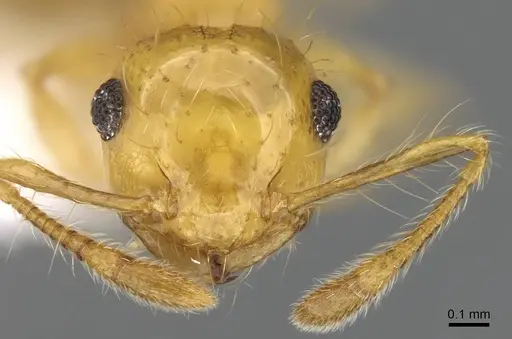
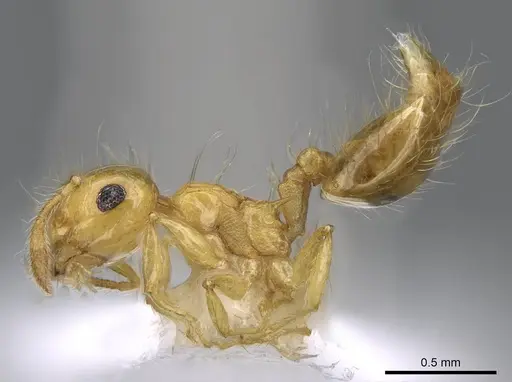
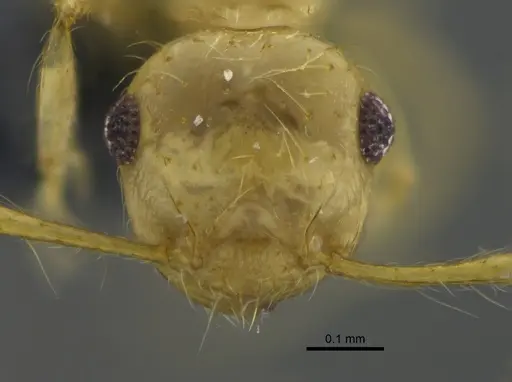
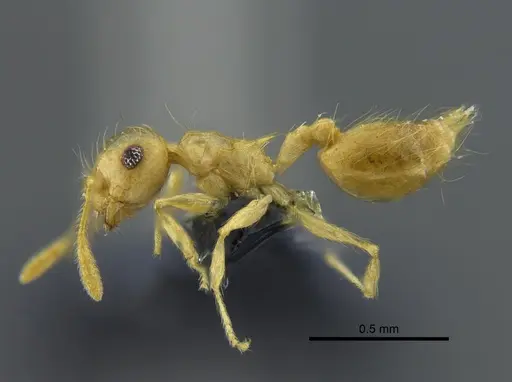
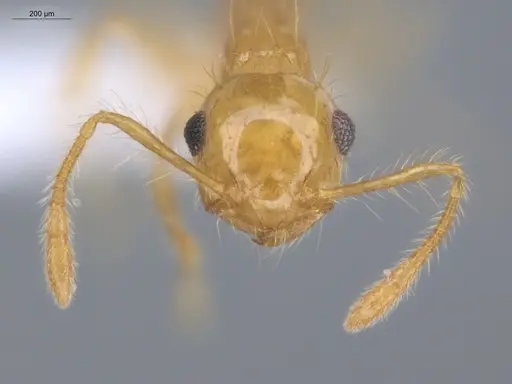
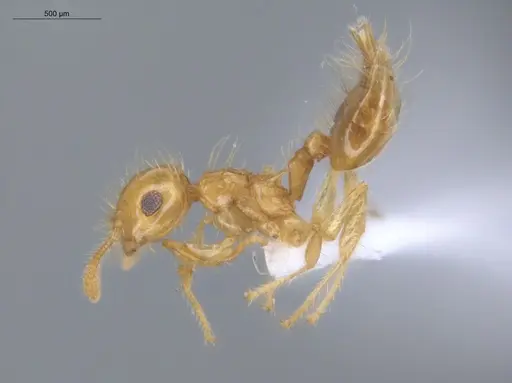
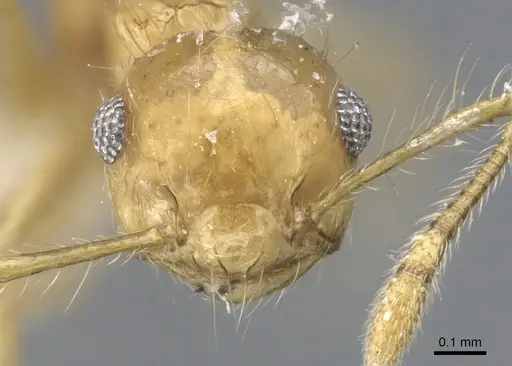
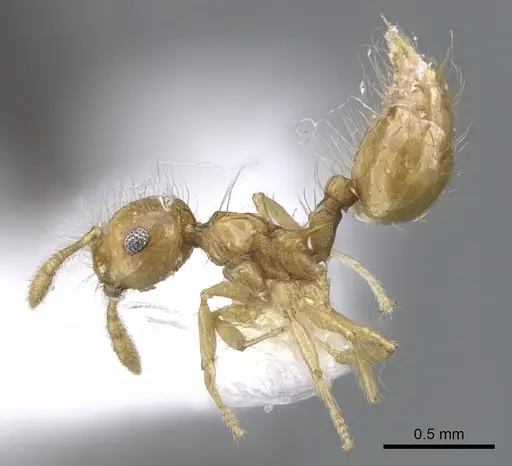
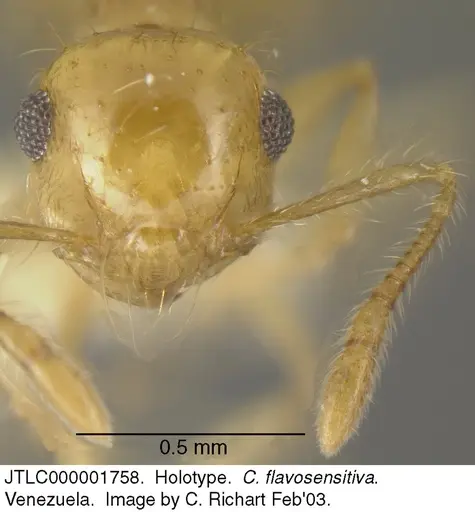
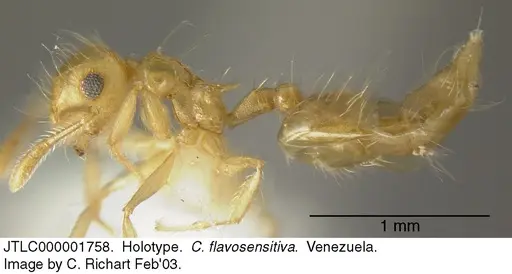
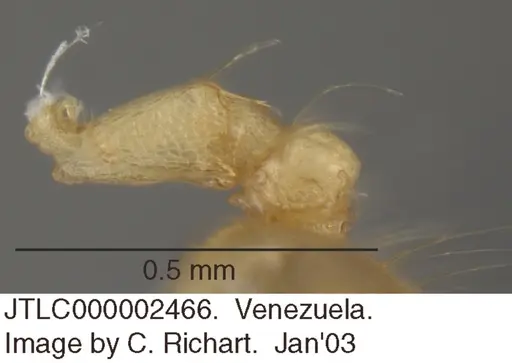
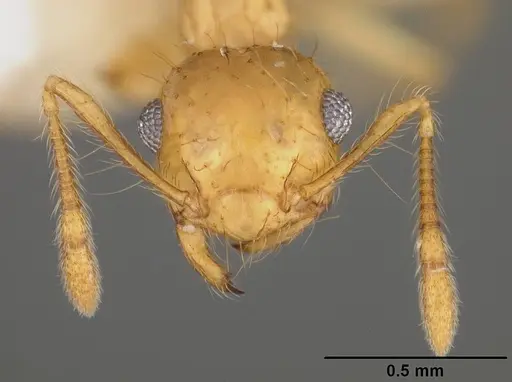
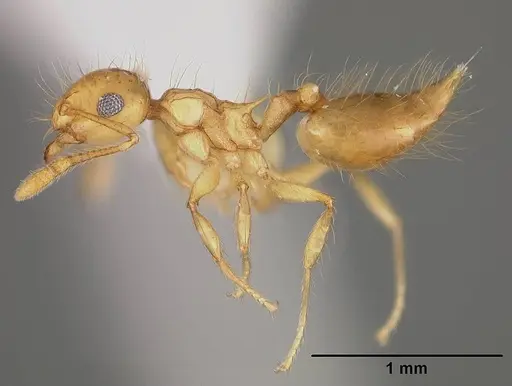
Crematogaster flavosensitiva is a tiny yellow-orange ant found across the northern Amazon region, from Panama through Venezuela to Brazil and Colombia. Workers are small ants with distinctive long flexuous white to amber setae covering their body, and notably long sensory hairs on their hind legs that extend far beyond the other tibial hairs . This species belongs to the 'sumichrasti group' of Crematogaster, characterized by yellow coloration, shiny face, and unusually long leg setae . They live in lowland seasonal to wet tropical forests, nesting in rotting fruit and debris in the leaf litter layer .
Quick Summary
- Difficulty: Medium
- Origin & Habitat: Northern Amazon region including Panama, Venezuela, Colombia (Amazonas and Magdalena regions), and Brazil (Pará, Amazonas). Inhabits lowland seasonal to wet tropical forests, specifically the leaf litter layer [1][3][2].
- Colony Type: Colony structure is unconfirmed for this species.
- Size & Growth:
- Queen: Size data unavailable, inferred from Crematogaster genus (~6-7mm)
- Worker: Size data unavailable, inferred from Crematogaster genus (~3-5mm)
- Colony: Unknown for this specific species
- Growth: Moderate, based on typical tropical Crematogaster development
- Development: Estimated 6-8 weeks at tropical temperatures based on genus patterns (Development time is inferred from related Crematogaster species, specific data for C. flavosensitiva is not available.)
- Antkeeping:
- Temperature: Keep at 24-28°C. This is a tropical species from lowland Amazon forests, so warmth is essential [1].
- Humidity: High humidity is essential. These ants live in leaf litter in wet tropical forests, so keep the nest substrate consistently moist but not waterlogged [1].
- Diapause: No, this is a tropical species from the Amazon basin with no hibernation requirement [1].
- Nesting: In nature they nest in rotting fruit and debris in leaf litter. In captivity, a naturalistic setup with moist substrate works well, or a Y-tong/plaster nest with small chambers scaled to their tiny size [1].
- Behavior: These ants are small but active foragers in the leaf litter layer. They are not aggressive and will flee rather than fight. Workers are monomorphic. They have a functional stinger but it is too small to penetrate human skin effectively. Their tiny size means escape prevention must be excellent, they can squeeze through very small gaps. They are part of ant-myrmecophyte networks in the wild, meaning they may tend honeydew-producing insects [4].
- Common Issues: escape prevention is critical, their tiny size allows them to squeeze through standard mesh barriers, tropical humidity requirements can lead to mold if ventilation is poor, slow colony growth can frustrate beginners who expect fast development, wild-caught colonies may have parasites that are difficult to treat in captivity, overheating is a risk, being from understory forest, they prefer stable warmth rather than high heat
Natural History and Distribution
Crematogaster flavosensitiva is found across the northern Amazon basin, with documented records from Panama, Venezuela, Colombia (specifically the Amazonas and Magdalena regions), and Brazil (Pará and Amazonas states) [3][2]. This species prefers lowland seasonal to wet forest habitats, living specifically in the leaf litter layer on the forest floor [1]. The type series was collected from a nest in rotting fruit exocarp in the leaf litter, which gives a clear picture of their natural nesting preferences [1]. They are typically collected using Winkler extractors that sift leaf litter, or from baits placed on the forest floor. Studies show they occur in various forest types including primary forest, secondary forest, and forest edges, though they seem to prefer older growth forests [5]. Their frequency of occurrence in Amazonian studies is relatively low (around 0.71% of samples), suggesting they are not among the most common leaf-litter ants but are regularly encountered [6]. This species was described as new in 2003 by Longino [7].
Identification and Unique Features
This is a small yellow-orange ant that can be identified by several distinctive features. The most notable are the extremely long flexuous setae on the hind tibia, these sensory hairs are much longer than the underlying suberect pilosity and are unique to this species and its close relative Crematogaster sumichrasti [1][2]. The workers are monomorphic, meaning all workers are the same size. Their face is smooth and shining, covered with abundant long flexuous white to amber setae. The propodeal spines are medium length and directed posteriorly (unlike C. sumichrasti which has upturned spines) [1]. They belong to the 'sumichrasti group' which includes several similar yellow Crematogaster species characterized by their yellow coloration, shiny face, abundant erect flexuous setae, and subquadrate dorsal face of the petiole [2].
Housing and Nest Setup
For keeping Crematogaster flavosensitiva successfully, replicate their natural leaf-litter environment. A naturalistic setup with a moist substrate mixture works well. The substrate should be kept consistently moist but never waterlogged. Because they are tiny ants, the nest chambers should be small and tight. A Y-tong or plaster nest with appropriately sized chambers also works well. Regardless of nest type, use excellent escape prevention, these small ants can squeeze through gaps that seem impossible. Use fine mesh on any ventilation holes and ensure all connections are sealed. A water tube should be provided for drinking moisture. Place the nest in a warm area (24-28°C) with stable temperatures, avoiding direct sunlight or drafts.
Feeding and Diet
Based on typical Crematogaster behavior and their presence in ant-myrmecophyte networks, these ants likely feed on honeydew from aphids and scale insects, plus small insects they find in the leaf litter [4]. In captivity, offer a varied diet including sugar water or honey as an energy source, and protein sources like small fruit flies, pinhead crickets, or other tiny insects. Live prey is preferred since they are active foragers in the leaf litter. Feed them small prey items appropriate to their size. Remove any uneaten prey after 24-48 hours to prevent mold. Sugar water should be available constantly, changed every few days.
Temperature and Seasonal Care
As a tropical species from the Amazon basin, Crematogaster flavosensitiva requires warm conditions year-round. Keep the nest area at 24-28°C. A heating cable placed on one side of the nest can create a temperature gradient, allowing the ants to choose their preferred temperature. Avoid temperatures below 20°C or above 32°C. Since they come from a region with minimal seasonal temperature variation, they do not require any hibernation or diapause period, they remain active throughout the year. Maintain stable temperatures rather than allowing fluctuations. [1]
Behavior and Colony Dynamics
Crematogaster flavosensitiva is a small, non-aggressive ant that lives in the leaf litter layer. Workers are active foragers, searching for small prey and honeydew. They are not known to be particularly aggressive and will typically flee from threats rather than engage. The genus Crematogaster is known for their characteristic heart-shaped gaster which they can raise and curl under, giving them the nickname 'cocktail ants'. They have a functional stinger but it is too small to effectively pierce human skin. Colonies likely grow moderately. The workers are monomorphic, all reaching similar sizes. In the wild, they are part of ant-plant mutualistic networks, sometimes living in myrmecophyte plants [4].
Frequently Asked Questions
How long does it take for Crematogaster flavosensitiva to produce first workers?
The exact timeline is unknown for this species, but based on typical Crematogaster development in tropical conditions, expect around 6-8 weeks from egg to first worker at warm temperatures (around 26°C). Be patient, small leaf-litter ants often develop more slowly than larger species.
What do Crematogaster flavosensitiva ants eat?
Based on their behavior and the fact they are part of ant-myrmecophyte networks in the wild, they likely feed on honeydew and small insects. In captivity, offer sugar water or honey as a constant energy source, plus small live prey like fruit flies, springtails, or tiny crickets. Remove uneaten prey after a day or two.
Do Crematogaster flavosensitiva ants need hibernation?
No. This is a tropical Amazon species with no hibernation requirement. Keep them warm year-round at 24-28°C. They remain active throughout the year in captivity.
How big do Crematogaster flavosensitiva colonies get?
The maximum colony size is not documented for this species. Based on similar litter-dwelling Crematogaster, colonies likely reach a few hundred workers at most.
Are Crematogaster flavosensitiva good for beginners?
This species is rated as Medium difficulty. While not the hardest ant to keep, their small size, escape risk, and specific humidity requirements make them better suited for keepers with some experience.
Do Crematogaster flavosensitiva ants sting?
They have a functional stinger but it is too small to effectively penetrate human skin. You are unlikely to feel a sting from these tiny ants. They are not considered dangerous.
What temperature is best for Crematogaster flavosensitiva?
Keep them at 24-28°C. This tropical species needs warmth to remain active and develop properly. Use a heating cable on one side of the nest to create a gradient, but avoid overheating.
What type of nest should I use for Crematogaster flavosensitiva?
A naturalistic setup with moist substrate works well since they nest in leaf litter in the wild. A Y-tong or plaster nest with small, tight chambers scaled to their tiny size also works. The key is maintaining high humidity while providing good ventilation to prevent mold.
Can I keep multiple queens together?
This has not been documented for this specific species. Based on typical Crematogaster behavior, they likely have single-queen colonies. It is not recommended to combine unrelated queens as this often leads to fighting.
Why are my Crematogaster flavosensitiva escaping?
Their tiny size means they can squeeze through incredibly small gaps. Use fine mesh on all ventilation, seal all connections with fluon or similar barriers, and check for any tiny gaps regularly. Escape prevention is critical with these small ants.
Report an Issue
The current care sheet is based fully on literature. See inconsistencies, or something that's incorrect? Please , it will be resolved after review from an admin. Contributing to the blogs tab also helps providing information, to make us be able to further improve the caresheets. Thank you for your support!
References

This caresheet is licensed under CC BY-SA 4.0 .
Community Blogs
CASENT0914566
View on AntWeb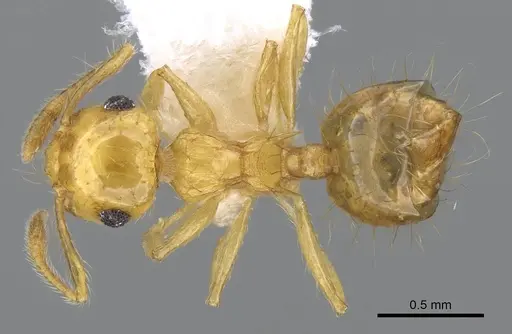
CBUMAGENT41955
View on AntWeb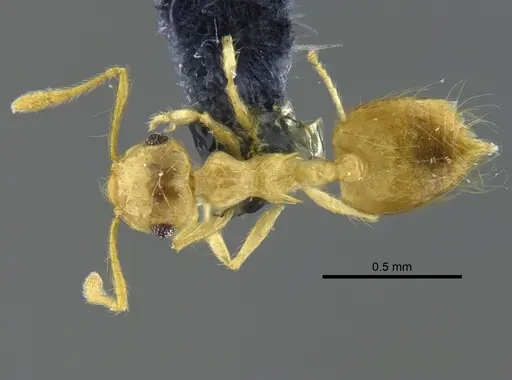
ECOFOG-IT14-0995-07
View on AntWeb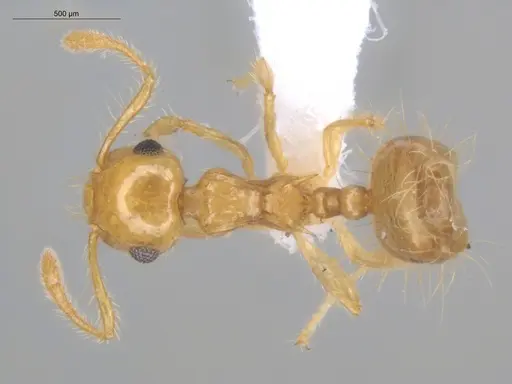
JTLC000001380
View on AntWeb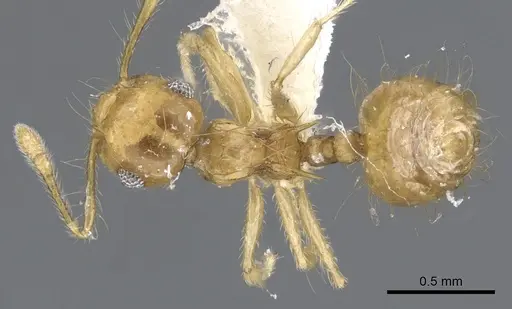
JTLC000001758
View on AntWeb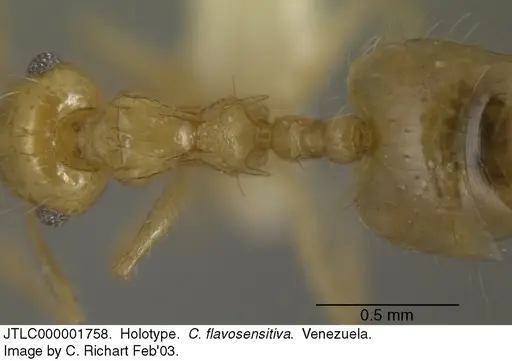
JTLC000002466
View on AntWeb
USNMENT00418366
View on AntWeb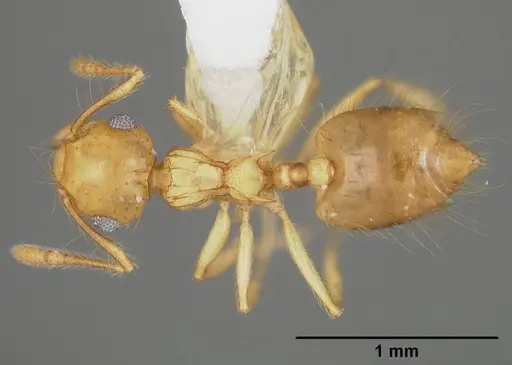
Literature
Loading distribution map...Loading products...