
Crematogaster ferrarii
- Sci. Name
- Crematogaster ferrarii
- Tribe
- Crematogastrini
- Subfamily
- Myrmicinae
- Author
- Emery, 1888
- Distribution
- Found in 5 countries
Introduction
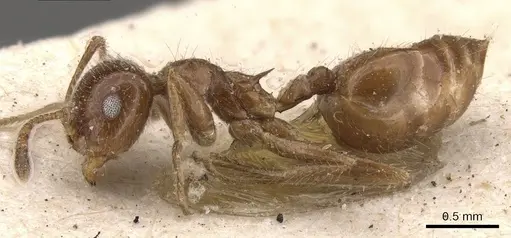
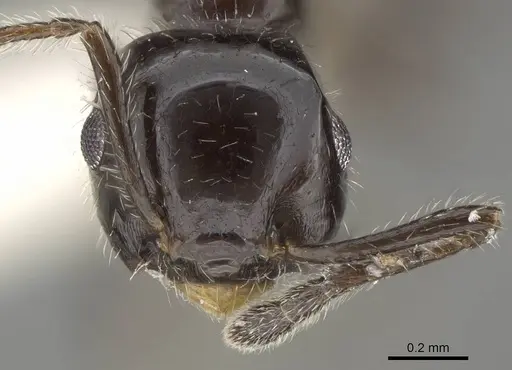
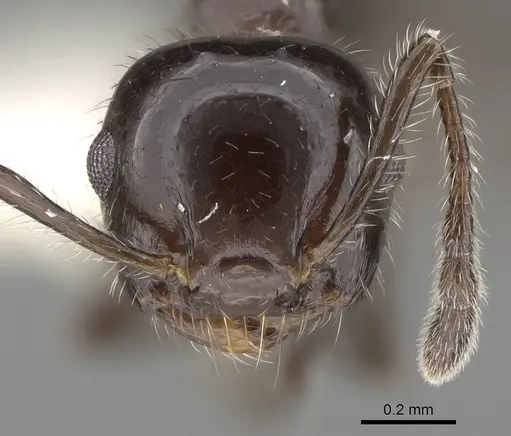
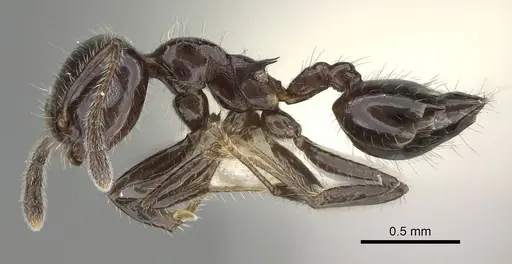
Crematogaster ferrarii is a small ant species native to Southeast Asia and southern China. Workers measure 3.0-3.3mm in total length and have a distinctive reddish-brown to dark brown body with an even darker gaster. Their body is shiny with sparse, fine punctures, and they have relatively long propodeal spines. These ants get their common name from their ability to raise their gaster over their head when disturbed, like an acrobat balancing on their hands. They are found across a wide range including China, Indonesia, Laos, Malaysia, Myanmar, Singapore, Thailand, and Vietnam [AntWiki]. What makes this species interesting is its ecological flexibility - it can thrive in various habitats from primary forests to rubber plantations, and has even adapted to urban environments in Macau . They nest in trees rather than in ground nests, and show a preference for older rubber plantations . Their relationship with lac insects makes them important in some agricultural ecosystems .
Quick Summary
- Difficulty: Medium
- Origin & Habitat: Southeast Asia and southern China. Found in forests, rubber plantations, and urban areas at elevations from near sea level to around 780m. They nest on trees and forage both on plants and the ground surface [6][4][3][2].
- Colony Type: Colony structure is not well documented in scientific literature. Based on typical Crematogaster behavior, they likely form single-queen colonies (monogyne), though some related species can have multiple queens.
- Size & Growth:
- Queen: Size data unavailable, no direct measurement exists for this species
- Worker: 3.0-3.3mm [1]
- Colony: Likely several hundred workers based on related species, direct data unavailable
- Growth: Moderate, estimated based on genus patterns
- Development: Estimated 6-8 weeks at optimal temperature based on typical Crematogaster development (Development time is inferred from related species in the genus. Actual timing may vary based on temperature and conditions.)
- Antkeeping:
- Temperature: Keep around 24-28°C. They come from tropical and subtropical regions, so warmth is important. A gentle gradient allowing workers to move between warmer and cooler areas is ideal.
- Humidity: Moderate to high humidity (60-80%). Their natural habitat includes forests and areas with decent moisture. Keep the nest substrate slightly moist but not waterlogged. Good ventilation helps prevent mold while maintaining humidity.
- Diapause: Likely minimal or none. Being a tropical/subtropical species, they probably don't require true hibernation. However, a slight cool-down period during winter months (around 18-20°C) may benefit them if you're mimicking seasonal changes.
- Nesting: Tree-nesting species. In captivity, they do well in Y-tong (AAC) nests or plaster nests with chambers scaled to their small size. Provide some vertical space since they naturally nest above ground. Avoid completely horizontal setups.
- Behavior: These ants are generally calm and not particularly aggressive, but they will defend their nest if threatened. Their signature behavior is raising their gaster over their head when disturbed, this is a defensive display where they can release a smelly secretion from their anal gland. They are active foragers that search for food both on plants and on the ground. Workers are small (3mm) so escape prevention needs attention, they can slip through surprisingly small gaps. They are generalist feeders, accepting both sugar sources and protein foods.
- Common Issues: small size means escapes are likely without fine mesh barriers, colonies may struggle if temperature drops below 20°C for extended periods, tree-nesting nature means they need vertical space in the nest, wild-caught colonies may have parasites that kill them in captivity, overfeeding can lead to mold problems in the nest
Housing and Nest Setup
Crematogaster ferrarii is a tree-nesting species, which means they prefer nests that have some vertical orientation rather than being completely flat or horizontal. Y-tong (AAC) nests work well because they provide appropriate chamber sizes and allow you to create a proper humidity gradient. Plaster nests are another good option, they hold moisture well and can be carved with chambers scaled to these tiny 3mm workers.
Because workers are only 3mm long, escape prevention requires attention. Use tight-fitting lids and consider applying Fluon or a similar barrier to the edges of your formicarium. Check for any gaps larger than about 1mm, these ants can squeeze through spaces you wouldn't expect.
Connect the nest to an outworld (foraging area) with proper tubing. The outworld should be simple but functional, a plastic container works fine. Make sure any connections are secure since small ants are adept at finding loose points. [1]
Feeding and Diet
Like most Crematogaster species, C. ferrarii is a generalist feeder. They accept sugar sources readily, a drop of honey water or sugar water should be taken within a day or two. For protein, offer small insects like fruit flies, small mealworms, or cricket pieces. Since workers are tiny (3mm), prey items should be appropriately sized, very small pieces that they can handle.
In their natural habitat, they forage both on plants and the ground, so they're adaptable feeders. They likely tend aphids or scale insects for honeydew in the wild, which you can simulate with sugar water. Feed them a few times per week, offer fresh protein every 2-3 days and keep sugar water available constantly. Remove any uneaten prey after 24 hours to prevent mold. [6]
Temperature and Seasonal Care
Being native to tropical and subtropical Southeast Asia, these ants need warmth. Aim for 24-28°C in the nest area. Room temperature is often sufficient if your home is in this range, but you may need a heating cable or mat in cooler climates. Place heating on top of the nest (never underneath where it can dry out the nest material).
They don't require true hibernation like temperate species, but a slight seasonal adjustment can be beneficial. In winter, you might reduce temperatures to around 18-20°C for a couple of months, but this isn't strictly necessary. The key is avoiding cold drafts and temperatures below 18°C for extended periods.
Watch colony behavior, if workers seem sluggish and cluster together, they may need more warmth. If they avoid the heated area, it's too warm.
Behavior and Defense
Crematogaster ants are known for their acrobat-like defense display, when threatened, workers raise their gaster over their head, almost like balancing on hands. This position allows them to spray or drip secretions from their anal gland, which has a noticeable smell (often described as sour or pungent). This defense mechanism is typical of the Crematogastrini tribe.
Despite this defensive capability, they are generally calm toward keepers and won't attack aggressively. They're quick-moving foragers that will explore their outworld actively looking for food. They're not particularly territorial and don't typically exhibit major aggression toward other ant species unless their nest is directly threatened.
Their small size (3mm) means they're quick and can be hard to spot if they escape. Always use excellent escape prevention, especially when the colony grows and more workers means more potential escape artists. [1]
Growth and Development
Specific development data for C. ferrarii isn't available, but based on typical Crematogaster patterns, you can expect eggs to develop into workers in about 6-8 weeks at optimal temperature (around 26°C). The first workers (called nanitics) will be smaller than mature workers and may take a few weeks to fully develop.
Colony growth is moderate, don't expect the explosive growth you might see in some Lasius or Camponotus species. A well-established colony might reach several hundred workers over a year or two. The key to healthy growth is consistent warmth, proper humidity, and regular feeding.
Queen longevity isn't documented specifically, but Crematogaster queens can live several years in captivity with proper care.
Frequently Asked Questions
How long does it take for Crematogaster ferrarii to produce first workers?
Based on typical Crematogaster development, expect first workers in about 6-8 weeks at optimal temperature (around 26°C). This is an estimate since specific development data for this species isn't available.
What do Crematogaster ferrarii ants eat?
They accept both sugar and protein. Offer sugar water or honey water as a constant food source, and small insects like fruit flies, small mealworms, or cricket pieces a few times per week.
Do Crematogaster ferrarii ants sting?
They don't sting humans. Their defense is raising their gaster and releasing a smelly secretion, this is unpleasant but not dangerous to humans.
What temperature do Crematogaster ferrarii need?
Keep them warm, around 24-28°C. They're a tropical/subtropical species and need consistent warmth for healthy brood development.
Are Crematogaster ferrarii good for beginners?
They're moderate difficulty. Their small size requires attention to escape prevention, and they need warmth, but they're generally hardy and not aggressive. Experience with small ants is helpful.
Can I keep multiple Crematogaster ferrarii queens together?
Not recommended. While colony structure isn't fully documented, combining unrelated queens of this species hasn't been studied and could result in fighting. Start with a single queen.
Do Crematogaster ferrarii need hibernation?
Probably not. As a tropical/subtropical species, they don't require true hibernation. A slight cool-down to 18-20°C in winter is optional but not necessary.
Why are my Crematogaster ferrarii escaping?
Their small 3mm size means they can slip through tiny gaps. Use fine mesh, apply Fluon to barrier edges, and check all connections and lids for gaps larger than 1mm.
When should I move my colony to a formicarium?
You can keep them in a test tube setup for the founding stage. Once the colony reaches 20-30 workers and you see consistent activity, you can move them to a proper nest. Y-tong or plaster nests work well for this species.
How big do Crematogaster ferrarii colonies get?
Based on related species, expect several hundred workers at maturity. Growth is moderate, don't expect rapid expansion.
Report an Issue
The current care sheet is based fully on literature. See inconsistencies, or something that's incorrect? Please , it will be resolved after review from an admin. Contributing to the blogs tab also helps providing information, to make us be able to further improve the caresheets. Thank you for your support!
References

This caresheet is licensed under CC BY-SA 4.0 .
Community Blogs
CASENT0193918
View on AntWeb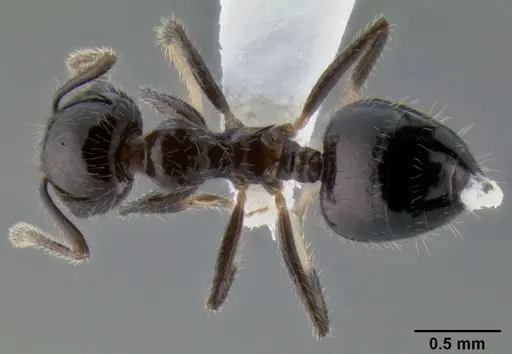
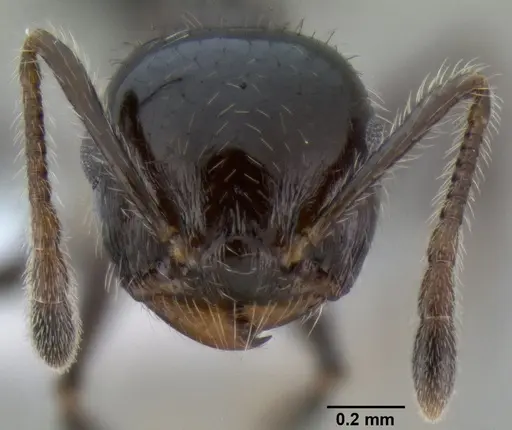
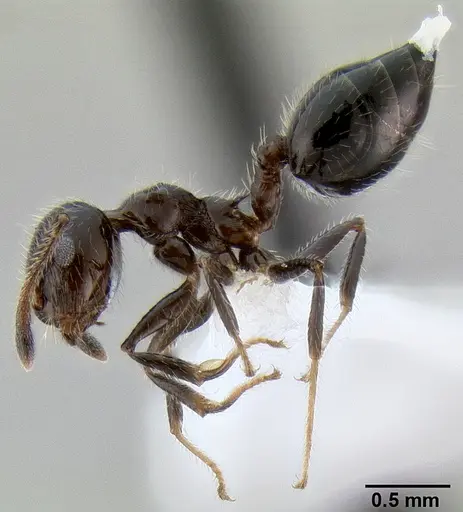
CASENT0905373
View on AntWeb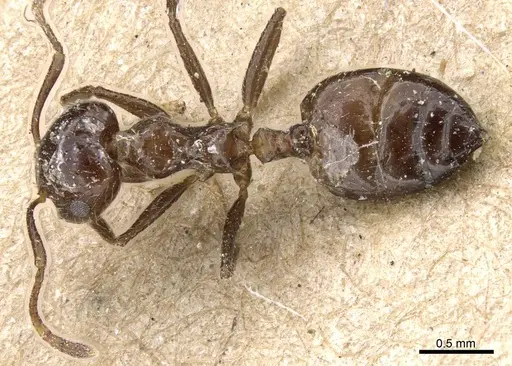
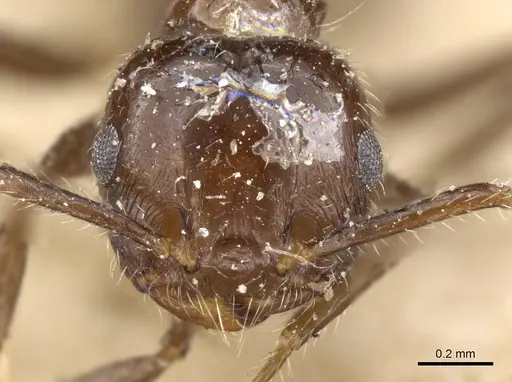
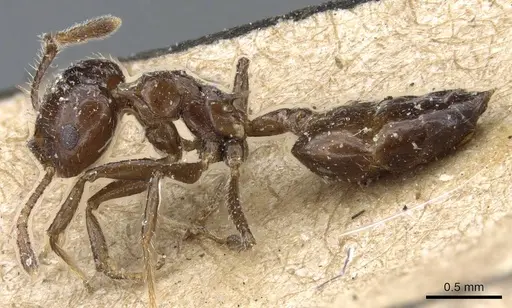
CASENT0908580
View on AntWeb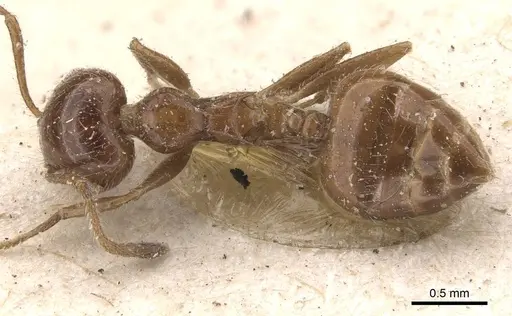
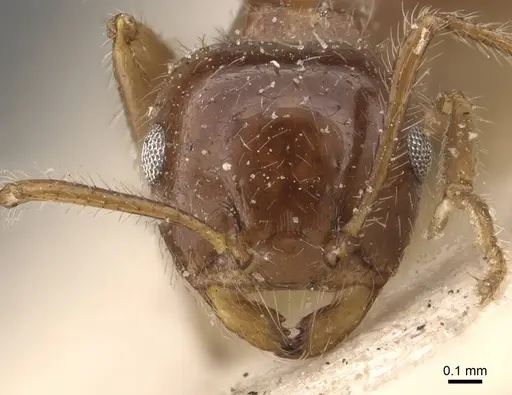
CASENT0919940
View on AntWeb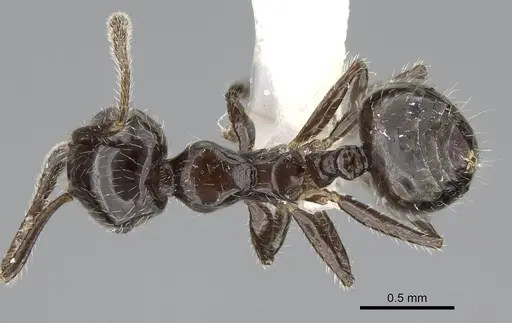
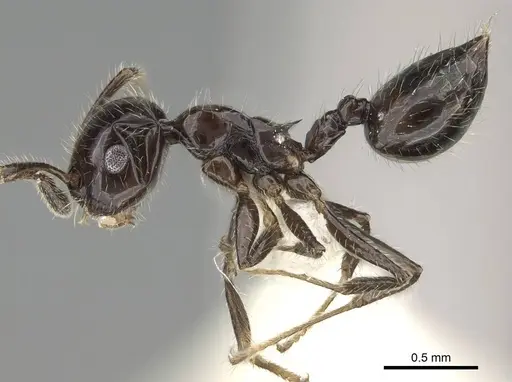
CASENT0919948
View on AntWeb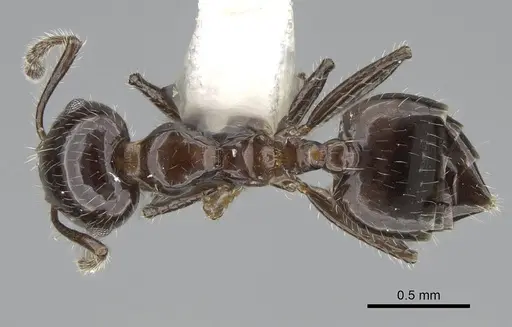
Literature
Loading distribution map...Loading products...