
Crematogaster ensifera
- Sci. Name
- Crematogaster ensifera
- Tribe
- Crematogastrini
- Subfamily
- Myrmicinae
- Author
- Forel, 1910
- Distribution
- Found in 1 countries
Introduction
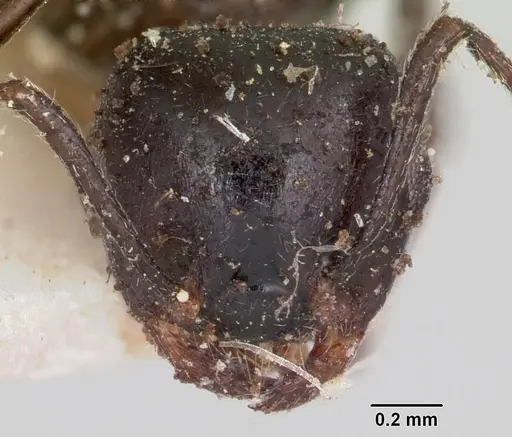
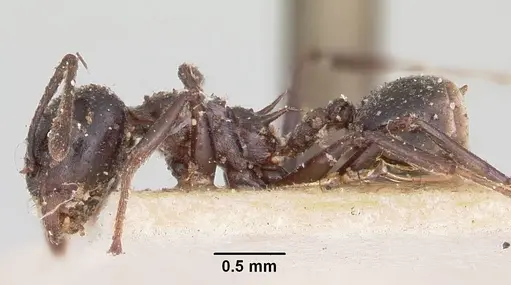
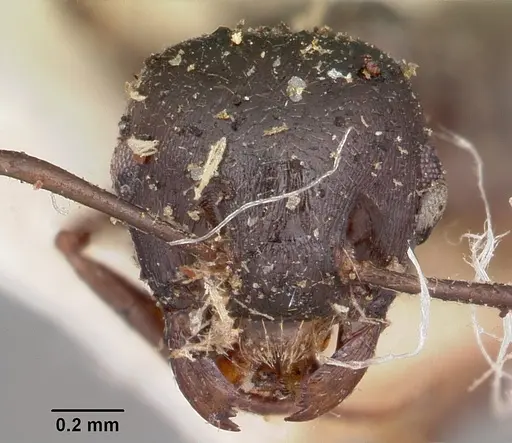
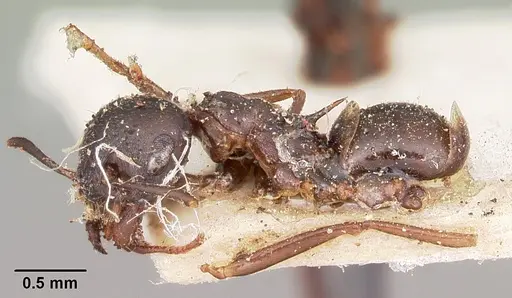
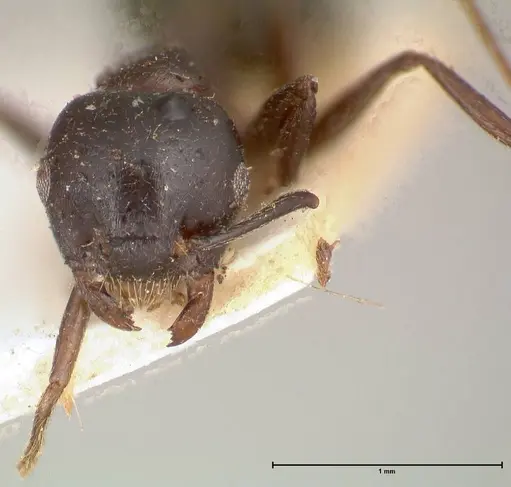
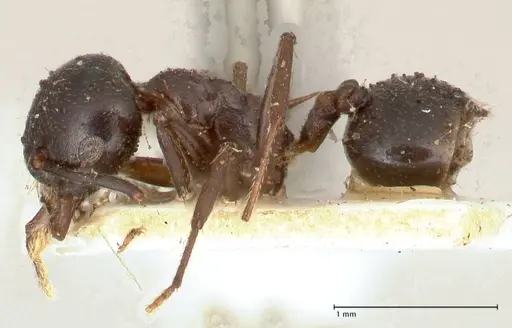
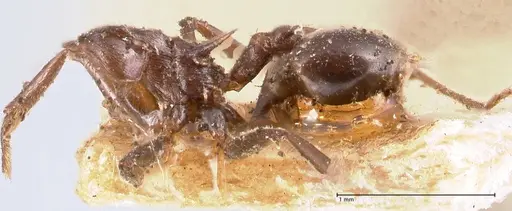
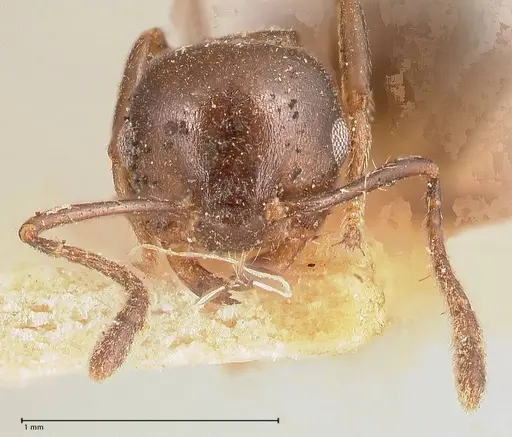
Crematogaster ensifera is a small arboreal ant species native to Madagascar . It belongs to the Crematogaster genus, commonly called acrobat ants because they raise their heart-shaped abdomen over their head when threatened . Workers are tiny ants measuring around 3-4mm [inferred from Crematogaster genus]. They are part of the C. hova complex and are widespread throughout Madagascar . They build distinctive carton nests made from chewed wood fibers almost exclusively in trees, placing them inside dead twigs and branches .
Quick Summary
- Difficulty: Medium
- Origin & Habitat: Endemic to Madagascar [1]. They nest in carton structures inside dead twigs and branches high in trees [2].
- Colony Type: Colony structure is unconfirmed. Based on typical Crematogaster patterns, they likely form single-queen colonies, though some related species can have multiple queens.
- Size & Growth:
- Queen: ~6-8mm, inferred from Crematogaster genus
- Worker: ~3-4mm, inferred from Crematogaster genus
- Colony: Up to several hundred workers
- Growth: Moderate
- Development: 6-8 weeks (Timeline is estimated from genus patterns, not directly studied for this species)
- Antkeeping:
- Temperature: 22-26°C. Keep them at stable temperatures year-round without a winter cooling period.
- Humidity: Keep the nest substrate consistently moist but not waterlogged. Provide a humidity gradient if possible.
- Diapause: No. Being from tropical Madagascar, they do not require hibernation.
- Nesting: Y-tong (AAC), plaster, soil nests, or 3D-printed nests positioned horizontally or at a slight angle. Avoid fully underground-style formicaria.
- Behavior: Active foragers with moderate temperament. They use a smear defense mechanism, wiping venom onto enemies rather than piercing flesh [1]. Escape prevention is critical due to their small size. They are arboreal by nature, so they prefer to travel along branches and elevated surfaces rather than across open ground.
- Common Issues: workers dying outside the nest is normal, sick ants leave to protect the colony., carton nest building may clog narrow tubing, use wider connections between nest and outworld., escape prevention is critical, their small size means they can squeeze through standard barrier gaps., tending scale insects in the wild suggests they need constant sugar access, sugar water should always be available., wild-caught colonies may have parasites or diseases that cause colony failure in captivity.
Housing and Nest Setup
Crematogaster ensifera requires an arboreal setup that reflects their natural nesting habits. In the wild, they build carton nests inside dead twigs and branches high in trees [2]. In captivity, Y-tong (AAC) nests work well because they provide visibility and allow you to observe colony activity. Plaster nests, soil nests, or 3D-printed nests are also good options. Position the nest horizontally or at a slight angle rather than vertically, this mimics their natural twig-nesting behavior. The outworld should have some vertical elements like twigs or artificial plants they can explore, as they are arboreal ants that prefer to travel upward. Use a test tube setup for the founding colony, but be prepared to move them to a larger nest once the colony reaches 20-30 workers. Escape prevention is crucial, these tiny ants can slip through gaps that seem too small. Apply fluon or another barrier to all connections and use fine mesh on any ventilation.
Feeding and Diet
In the wild, Crematogaster ensifera tends scale insects (Coccoidea) and feeds on the honeydew these insects produce [2]. This means they readily accept sugar sources, offer sugar water, honey, or diluted honey water constantly. For protein, they need small insects like fruit flies, pinhead crickets, small mealworms, or other appropriately-sized prey. Feed them small prey items 2-3 times per week, and keep a sugar source available at all times. Because they are small ants, portion sizes should be tiny, a few drops of sugar water and prey items that are smaller than the workers themselves. Remove uneaten prey after 24 hours to prevent mold. Their mutualistic relationship with scale insects in the wild also suggests they may benefit from occasional offerings of specialized feeders if you're interested in recreating their natural setup, but standard sugar water and small insects should meet their needs.
Temperature and Humidity
Being from tropical Madagascar, these ants prefer warm and moderately humid conditions. Keep the nest area at 22-26°C, this is warm enough to support brood development without being too hot. Room temperature in most homes falls within this range, which is convenient. If your room is cooler, a heating cable on one side of the nest can create a gentle gradient. Place the heating element on top of the nest, not underneath, to avoid drying out the nest too quickly. For humidity, keep the nest substrate consistently moist but not waterlogged. As arboreal ants, they are used to good air circulation and moderate moisture. Mist the outworld occasionally and ensure the water tube in their nest is topped up. Avoid both stagnant air (which causes mold) and excessive airflow (which dries them out). No hibernation is needed, maintain stable temperatures year-round.
Colony Founding and Development
The founding behavior of Crematogaster ensifera has not been directly documented in scientific literature [2]. Based on typical Crematogaster genus patterns, the queen likely seals herself in a small chamber and raises her first workers alone without foraging (claustral founding). She uses stored fat reserves to produce eggs and feed the developing larvae until the first workers emerge. The first workers (nanitics) are typically smaller than normal workers. Expect the colony to grow gradually, a newly mated queen may take 1-2 months to produce her first workers, and several more months to reach 30-50 workers. Growth rate is moderate. Once established, colonies can reach several hundred workers. Be patient with founding colonies, they are vulnerable in the early stages and can easily fail if conditions are not right. Avoid disturbing the queen during founding.
Behavior and Temperament
Crematogaster ensifera is an active species with moderate temperament. Workers are fast-moving and will readily explore their environment. They get their common name 'acrobat ants' from their distinctive defensive posture, when threatened, they raise their heart-shaped abdomen over their head, resembling an acrobat balancing on their hands [1]. This posture allows them to aim their stinger, which uses a smear defense mechanism to wipe venom onto enemies rather than piercing flesh [1]. They are not typically aggressive toward keepers but will defend their nest if disturbed. Their small size makes them good escape artists, always use excellent escape prevention. They are arboreal by nature, so they prefer to travel along branches and elevated surfaces rather than across open ground. In the outworld, provide climbing structures and avoid deep substrate that they would have to cross.
Common Challenges
The biggest challenge with this species is providing appropriate arboreal housing. They will not thrive in typical ground-nesting formicaria designed for species like Lasius or Camponotus. Their carton-nesting behavior may cause them to build material that clogs narrow tubing, so use wider connections between nest and outworld. Escape prevention requires extra attention, their small size means they can slip through gaps that seem impossibly small. Apply barrier gel or fluon to all potential escape points. Wild-caught colonies may arrive with parasites or diseases that can cause colony collapse in captivity. Starting with a colony from a reputable breeder reduces this risk. Finally, their need for constant sugar access means you must maintain a sugar source at all times, which requires regular monitoring.
Frequently Asked Questions
Can I keep Crematogaster ensifera in a test tube?
Yes, test tubes work well for founding colonies. Use a standard test tube setup with a water reservoir. Once the colony reaches 20-30 workers, consider moving them to a Y-tong or plaster nest that better accommodates their arboreal nature.
What do Crematogaster ensifera eat?
They need two main food types: sugar (honeydew substitute) and protein. Offer sugar water, honey, or diluted honey constantly. For protein, feed small insects like fruit flies, pinhead crickets, or small mealworms 2-3 times per week. They readily accept sugar sources due to their relationship with scale insects in the wild [2].
How long until first workers appear?
Expect 6-8 weeks from egg to first worker at optimal temperature (22-26°C). This is an estimate based on related Crematogaster species, as development has not been directly studied for this species. The first workers will be smaller (nanitics) and the colony will grow gradually from there.
Do Crematogaster ensifera ants sting?
Yes, they have a stinger, but the pain is typically mild for most people. Their distinctive defensive behavior of raising their heart-shaped abdomen is more of a visual warning than a serious threat. They use a smear defense mechanism to wipe venom onto enemies rather than piercing flesh [1]. They are not considered dangerous to humans.
Are Crematogaster ensifera good for beginners?
They are rated as medium difficulty. They require arboreal-style housing and constant sugar access, which is slightly more specialized than beginner species like Lasius. However, their temperature requirements are straightforward and they are not aggressive. They are a good intermediate species for keepers who have successfully kept a founding colony.
Do Crematogaster ensifera need hibernation?
No, they do not need hibernation. Being from tropical Madagascar, they are active year-round at stable temperatures. Keep them at 22-26°C consistently throughout the year without a winter cooling period.
When should I move my colony to a formicarium?
Move them once the colony reaches 20-30 workers. A Y-tong (AAC), plaster, or 3D-printed nest works well for this arboreal species. Make sure the new setup has adequate climbing structures and escape prevention, as they are small and active.
Why are my Crematogaster ensifera dying?
Common causes include: incorrect nesting setup (they need arboreal housing, not ground nests), escape through tiny gaps, insufficient sugar access, temperatures too cold (below 20°C), or wild-caught colonies with parasites. Check that your setup matches their arboreal nature and that sugar is always available.
How big do Crematogaster ensifera colonies get?
Based on typical Crematogaster sizes, colonies likely reach several hundred workers. This is an estimate, as maximum colony size has not been directly documented for this species.
Can I keep multiple queens together?
The colony structure of this species has not been studied. Based on typical Crematogaster patterns, they are likely single-queen colonies. It is not recommended to combine unrelated queens, as fighting is likely.
What makes Crematogaster ensifera special?
They are one of the few Crematogaster species that builds true carton nests (papery structures made from chewed wood fibers), similar to some wasps. Their mutualistic relationship with scale insects and their arboreal lifestyle make them a unique species to observe [2].
Report an Issue
The current care sheet is based fully on literature. See inconsistencies, or something that's incorrect? Please , it will be resolved after review from an admin. Contributing to the blogs tab also helps providing information, to make us be able to further improve the caresheets. Thank you for your support!
References

This caresheet is licensed under CC BY-SA 4.0 .
Community Blogs
CASENT0101631
View on AntWeb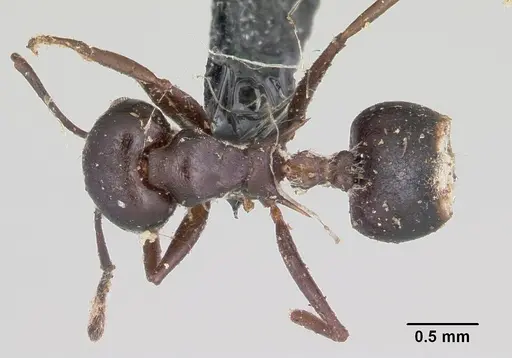
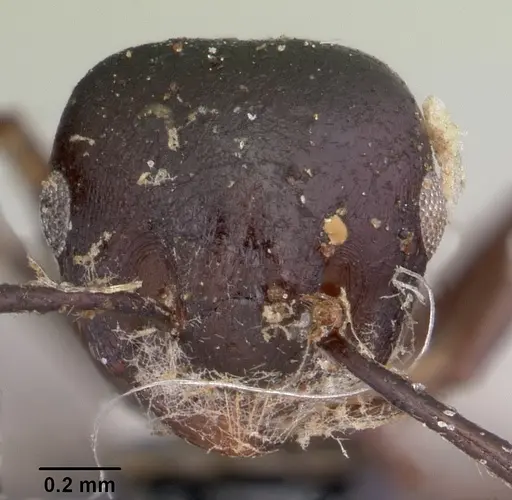
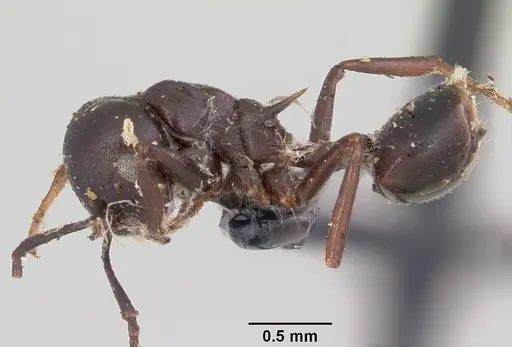
CASENT0101790
View on AntWeb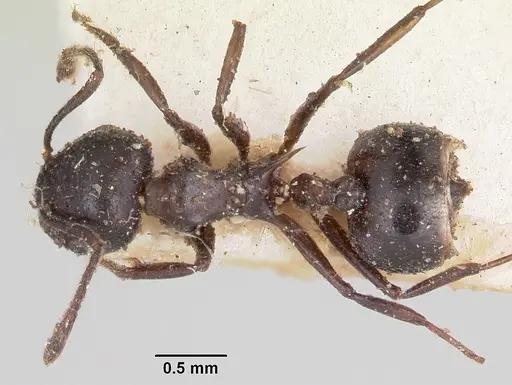
CASENT0104587
View on AntWeb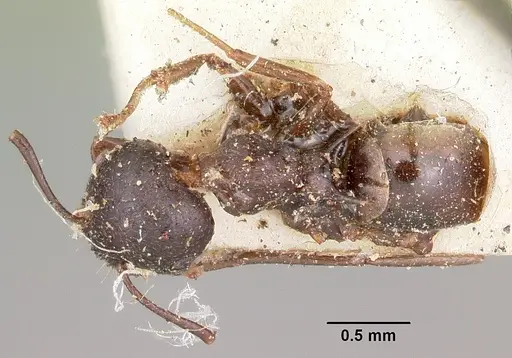
FOCOL0652
View on AntWeb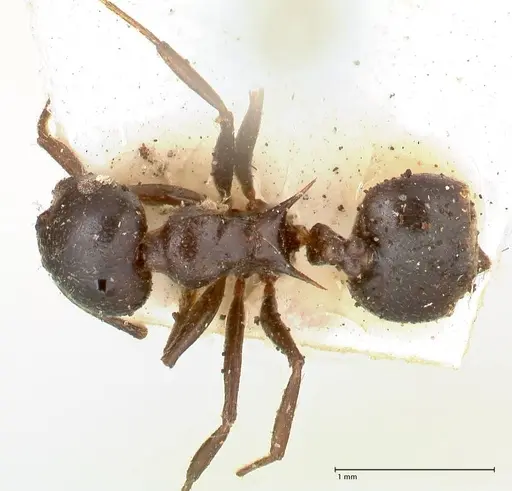
FOCOL0697-1
View on AntWeb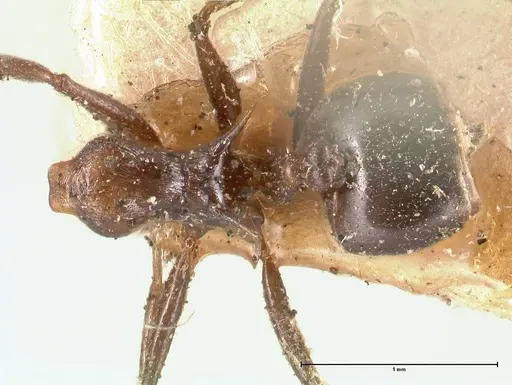
FOCOL0697-2
View on AntWeb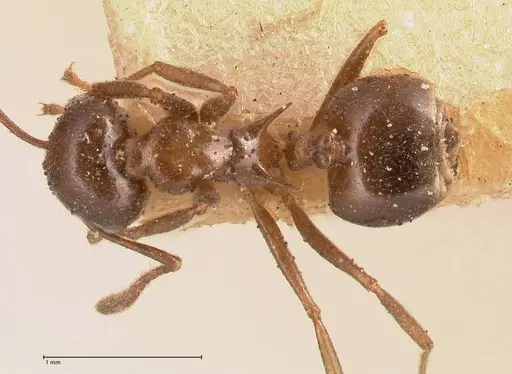
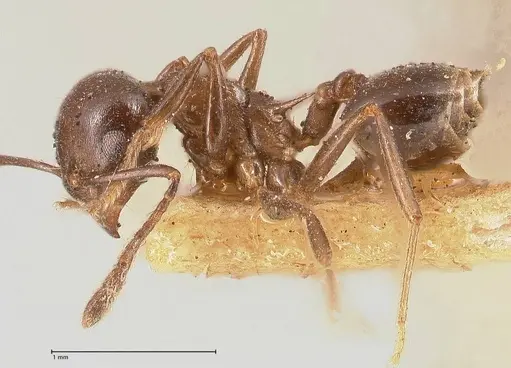
FOCOL0781
View on AntWeb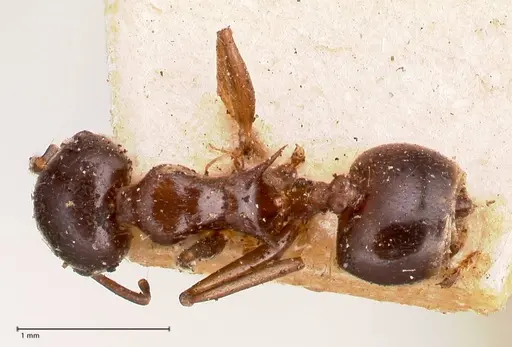
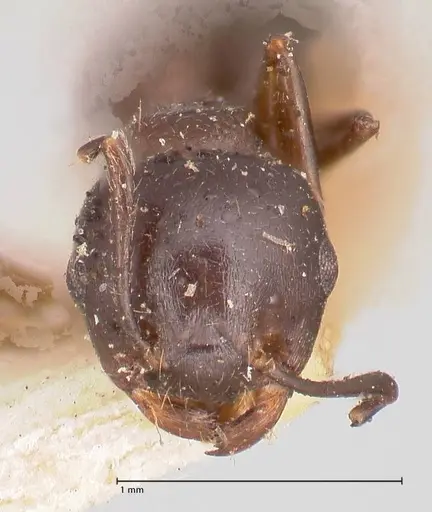
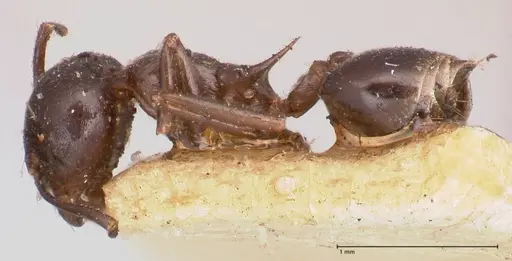
Literature
Loading distribution map...Loading products...