
Crematogaster ebenina
- Sci. Name
- Crematogaster ebenina
- Tribe
- Crematogastrini
- Subfamily
- Myrmicinae
- Author
- Forel, 1902
- Distribution
- Found in 3 countries
Introduction
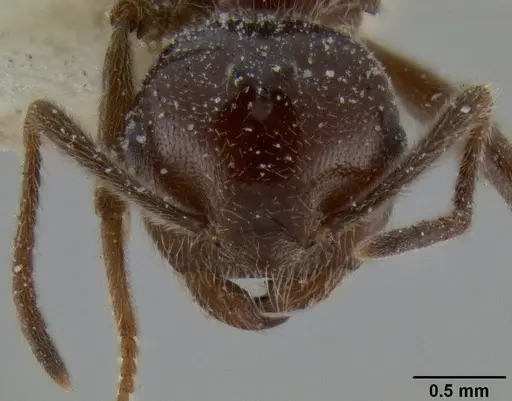
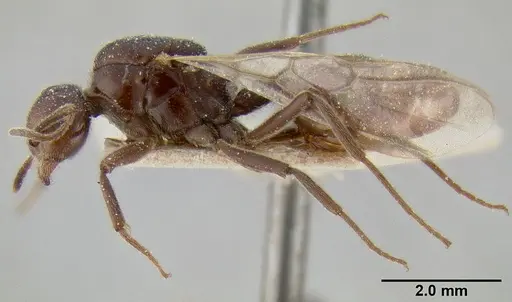
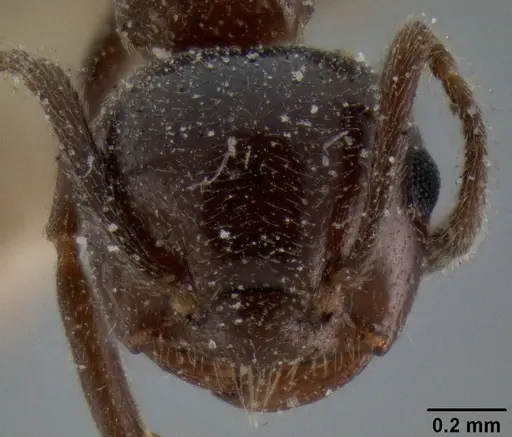
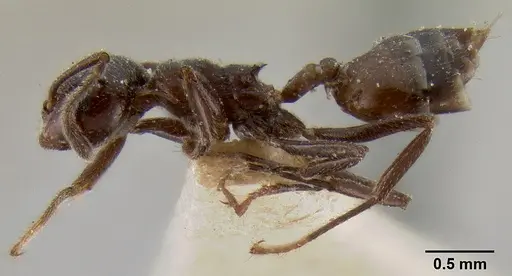
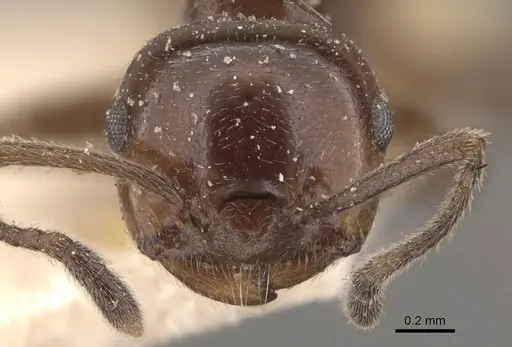
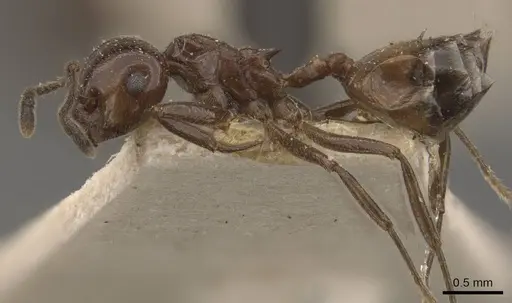
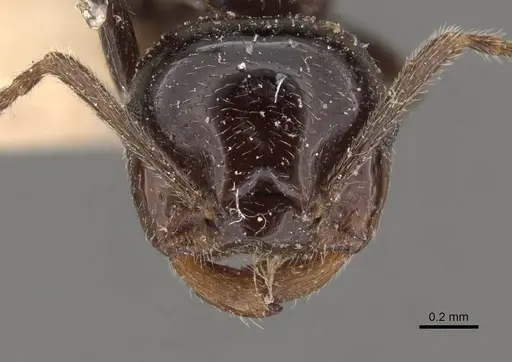
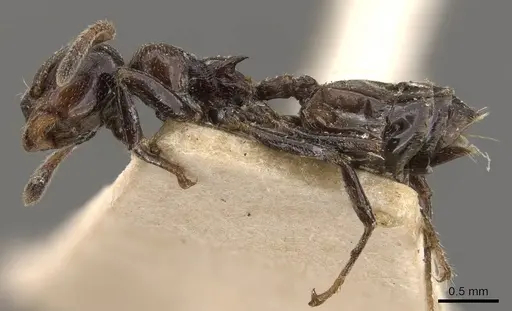
Crematogaster ebenina is a small acrobat ant species native to South and Southeast Asia, found across India, Myanmar, and southern China. Workers measure 3.3-4.0mm with a distinctive heart-shaped gaster that they raise like a stinger when threatened - this is where the 'acrobat' name comes from. The species has a smooth, shiny reddish-brown to dark brown body with almost no erect hairs, and is recognized by its slender petiole which sets it apart from other Asian species in the ranavalonae group . These ants nest in dead wood on trees and are part of the Myrmicinae subfamily . What makes this species interesting is its wide distribution across diverse climates - from the tropical Western Ghats of India to the subtropical highlands of Yunnan and Hainan in China. The species was originally described by Forel in 1902 and was later confirmed to be distinct from the similar C. tumidula by having a petiole without the anterolateral corners that C. tumidula displays .
Quick Summary
- Difficulty: Medium
- Origin & Habitat: Native to the Indomalaya region, found across India (Karnataka, Kerala, Maharashtra, West Bengal, Sikkim, Assam, Arunachal Pradesh, Manipur, Nagaland), Myanmar, and southern China (Yunnan, Hainan). They live in tropical to subtropical forests and have been recorded up to 1500 meters elevation in the Himalayan regions [4][5][6]. In the wild, they nest in dead wood on trees [3].
- Colony Type: Colony structure is not documented in scientific literature. Further observation in captivity is needed to confirm queen number and colony organization.
- Size & Growth:
- Queen: size data unavailable
- Worker: 3.3-4.0mm [2]
- Colony: up to a few thousand workers, typical for Crematogaster genus
- Growth: Moderate
- Development: estimated 6-8 weeks at warm temperatures based on related species (Development time is inferred from related Crematogaster species, specific timing for C. ebenina has not been directly studied)
- Antkeeping:
- Temperature: Keep at 22-28°C. This species comes from tropical to subtropical regions, so warmth is important. A gentle gradient allowing workers to self-regulate is ideal.
- Humidity: Moderate to high humidity. Their natural habitat in tropical forests and the Indian monsoon region is consistently humid. Keep the nest substrate moist but not waterlogged, with some drier areas available for the ants to choose.
- Diapause: Unlikely required. This is a tropical to subtropical species, so they probably do not need a true hibernation. A slight cool-down during winter months may be beneficial if you're mimicking natural seasonal cycles.
- Nesting: In captivity, they do well in nests that mimic their natural dead-wood habitat. Y-tong (AAC) nests, plaster nests, or naturalistic setups with wood pieces work well. They prefer tight chambers and narrow passages scaled to their small size. Avoid tall, open spaces.
- Behavior: Crematogaster ants are known for their defensive behavior, when threatened, they raise their heart-shaped gaster forward over their head, which is where the 'acrobat' name comes from. They can bite and may smear venom onto enemies using their modified stinger. Workers are active foragers and will search for food both on the ground and in vegetation. They are not typically aggressive toward humans but will defend their nest vigorously. Their small size means escape prevention is important, use fine mesh and tight-fitting lids [7][1].
- Common Issues: escape prevention is critical due to their small size, they can squeeze through tiny gaps, colonies may be slow to establish initially, patience is needed during the founding stage, wild-caught colonies may have parasites that can decimate the colony in captivity, dry conditions can cause colony decline, monitor humidity closely
Housing and Nest Setup
Crematogaster ebenina does well in nests that mimic their natural dead-wood habitat. Y-tong (AAC) nests with narrow chambers work well, as do plaster nests or naturalistic setups with small wood pieces. The chambers should be scaled to their small worker size, so tight passages are appreciated. These ants are not tall-nesting species, so avoid vertically elongated formicaria. Provide a water tube or other moisture source connected to the nest for humidity. An outworld area for foraging should be connected to the nest, allowing workers to venture out for food. Escape prevention is crucial due to their tiny size, use fine mesh on any ventilation holes and ensure all connections are tight [3].
Feeding and Diet
Crematogaster ebenina is omnivorous like most Crematogaster species. They will readily accept sugar sources such as honey water, sugar water, or ripe fruit, as well as protein sources. In captivity, offer small insects like fruit flies, pinhead crickets, or mealworms. They are foragers and will send workers out to search for food, so place offerings in the outworld. Feed protein regularly and keep a sugar source available at all times. Remove uneaten prey after 24-48 hours to prevent mold.
Temperature and Seasonal Care
Keep your colony at 22-28°C for optimal health and development. This species comes from tropical to subtropical regions of India, Myanmar, and southern China, so they prefer warmth but not extreme heat. A heating cable on one side of the nest can create a temperature gradient, allowing workers to self-regulate. Place the heating on top of the nest, not underneath, to avoid evaporating moisture too quickly. During winter months in temperate regions, a slight reduction in temperature may be appropriate if you're mimicking natural seasonal cycles, but a true hibernation is likely not required for this tropical species.
Behavior and Defense
Crematogaster ants are named for their distinctive defensive posture, when threatened, workers raise their heart-shaped gaster forward over their head, like an acrobat balancing. They can bite and smear venom onto enemies using their modified, flattened stinger rather than piercing flesh. This species is not typically aggressive toward humans but will vigorously defend its nest if disturbed. Workers are active foragers that will search both on the ground and in vegetation. They communicate through chemical trails and may recruit nestmates to food sources. Their small size makes them quick movers, and they are quite alert to changes in their environment.
Colony Establishment and Growth
Starting a colony of Crematogaster ebenina requires patience. If you have a founding queen, she will likely seal herself in a small chamber and raise her first workers alone. The first workers will be smaller than normal workers. After the first workers emerge, the colony will gradually grow. Growth rate is moderate, expect several months to reach 50+ workers, and a year or more to reach several hundred. Colonies may be slow to establish, so resist the temptation to disturb the nest during the founding phase. Once established, colonies can grow to several thousand workers over several years.
Frequently Asked Questions
How long does it take for Crematogaster ebenina to produce first workers?
Based on typical Crematogaster development, expect first workers to emerge 6-8 weeks after the queen lays eggs at optimal warm temperatures. The exact timeline for C. ebenina specifically has not been documented, so this is an estimate based on related species.
Can I keep multiple Crematogaster ebenina queens together?
This is not recommended. Colony structure is not well-documented for this species, and most Crematogaster form single-queen colonies. Combining unrelated queens typically results in fighting.
Do Crematogaster ebenina ants sting?
They don't sting in the traditional sense. Instead, they bite and smear venom onto enemies using their modified, flattened stinger. For humans, this is mildly irritating at most and not considered dangerous.
What is the best nest type for Crematogaster ebenina?
Y-tong (AAC) nests with small chambers, plaster nests, or naturalistic setups with dead wood pieces work well. The key is providing appropriately scaled chambers for their small worker size and maintaining humidity through a connected water source.
Do Crematogaster ebenina need hibernation?
Probably not. This is a tropical to subtropical species from India, Myanmar, and southern China. They likely do not require a true hibernation period. A slight cool-down during winter months may be appropriate if you're mimicking natural seasons, but avoid temperatures below 15°C.
How big do Crematogaster ebenina colonies get?
Colony size is not specifically documented, but based on typical Crematogaster patterns, colonies can reach several thousand workers over several years.
Why are my Crematogaster ebenina escaping?
Their small size means they can squeeze through tiny gaps. Check all connections, ventilation holes, and lid seals. Use fine mesh on any openings. Even a small gap they can fit through will be found.
Are Crematogaster ebenina good for beginners?
They are rated as Medium difficulty. They require attention to escape prevention due to their small size and proper humidity levels. If you have experience with other small Myrmicinae species, they can be a rewarding species to keep.
Report an Issue
The current care sheet is based fully on literature. See inconsistencies, or something that's incorrect? Please , it will be resolved after review from an admin. Contributing to the blogs tab also helps providing information, to make us be able to further improve the caresheets. Thank you for your support!
References

This caresheet is licensed under CC BY-SA 4.0 .
Community Blogs
CASENT0193632
View on AntWeb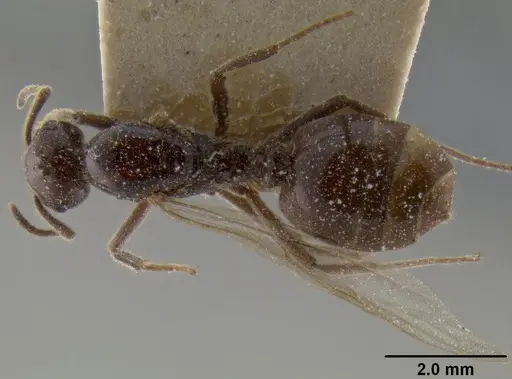
CASENT0193956
View on AntWeb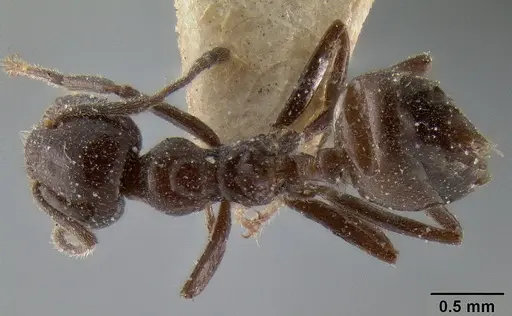
CASENT0902113
View on AntWeb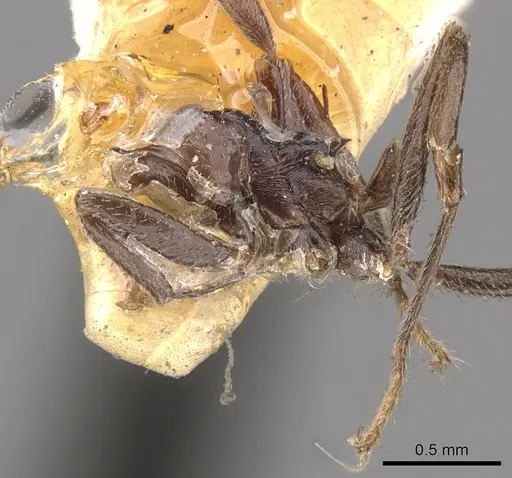
CASENT0908645
View on AntWeb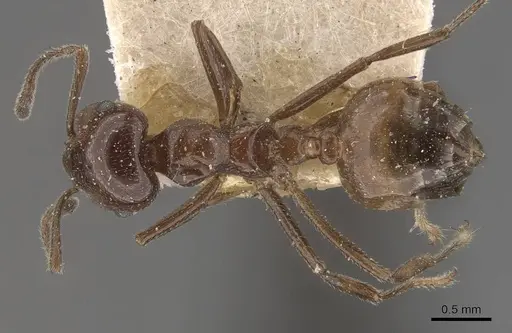
CASENT0908646
View on AntWeb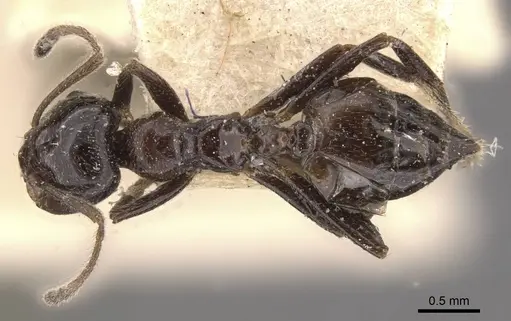
Literature
Loading distribution map...Loading products...