
Crematogaster dohrni
- Sci. Name
- Crematogaster dohrni
- Tribe
- Crematogastrini
- Subfamily
- Myrmicinae
- Author
- Mayr, 1879
- Distribution
- Found in 3 countries
Introduction
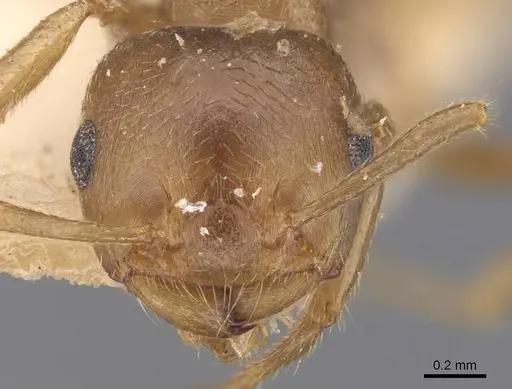
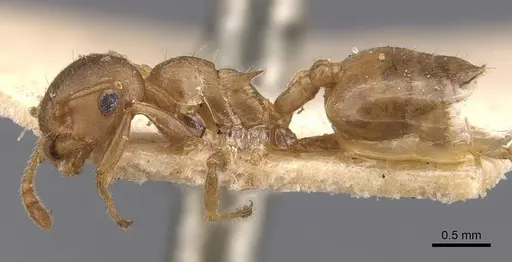
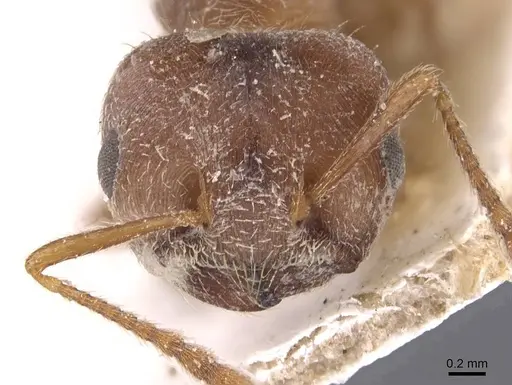
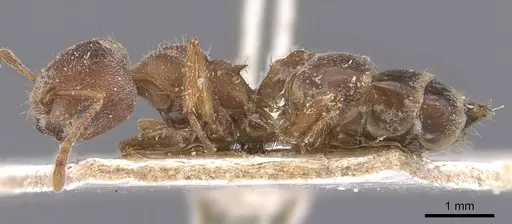
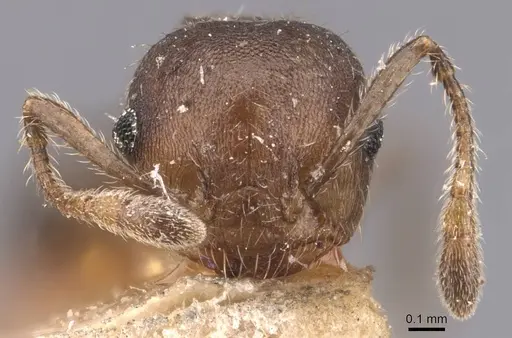
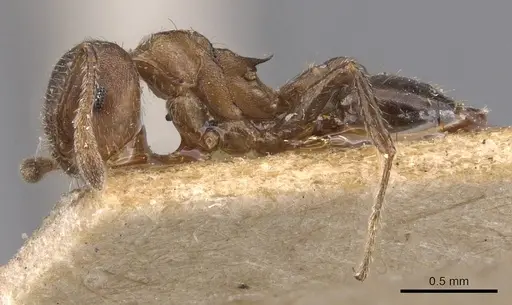
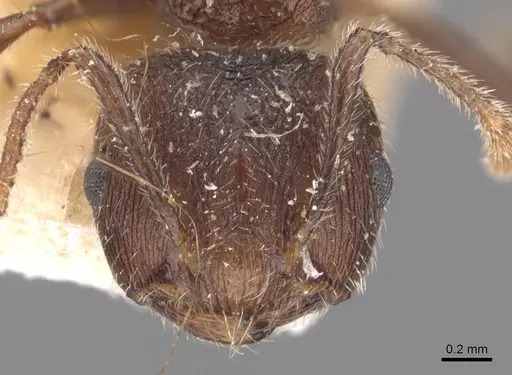
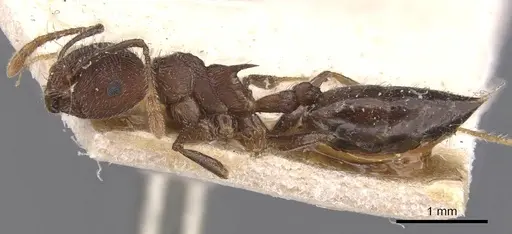
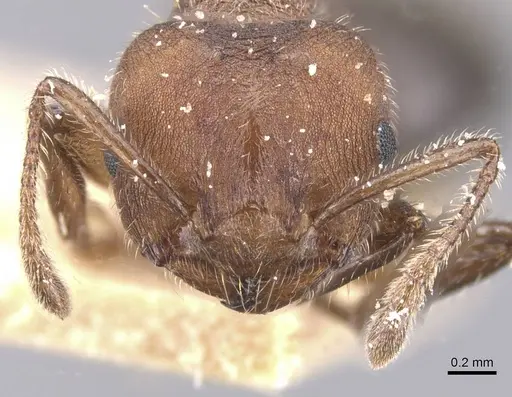
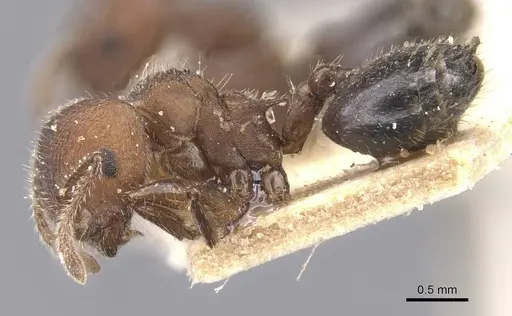
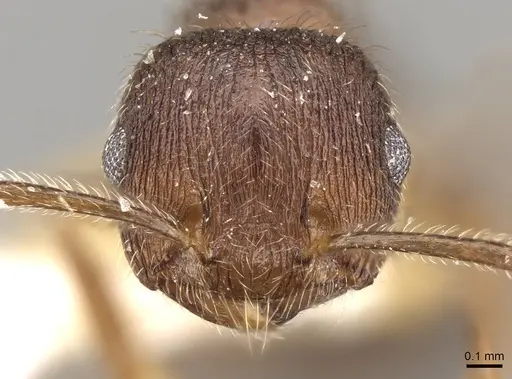
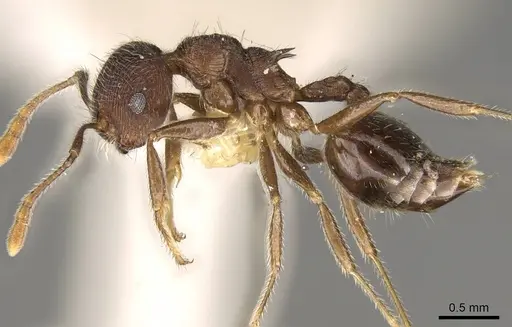
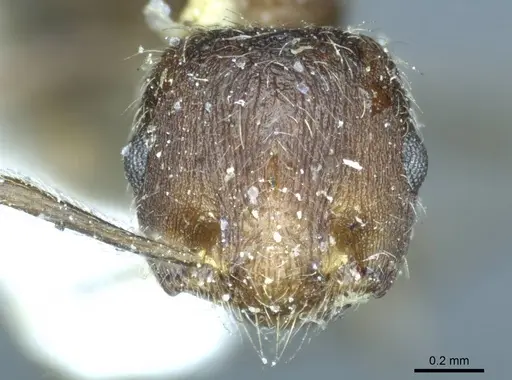
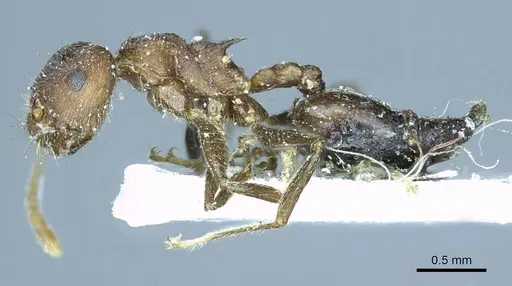
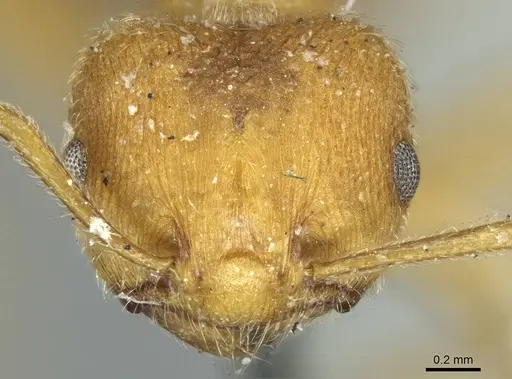
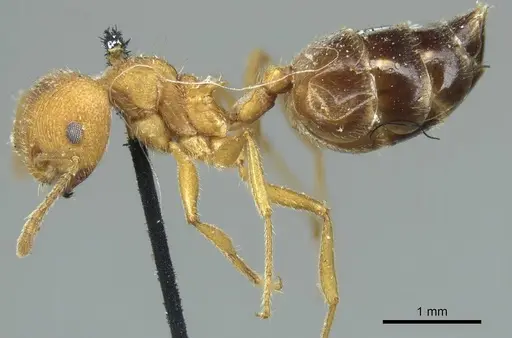
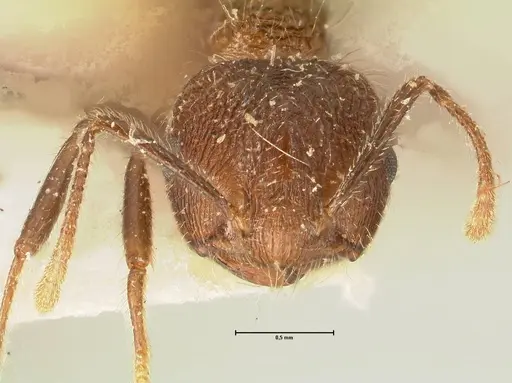
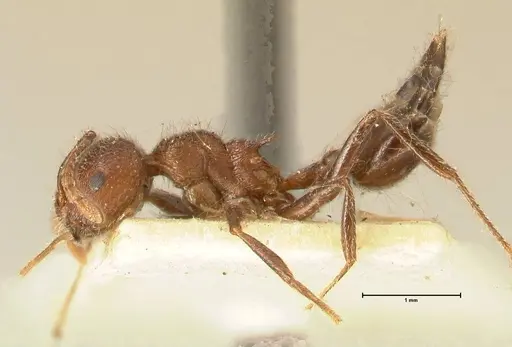
Crematogaster dohrni is a small arboreal ant species native to South and Southeast Asia, found across India, Sri Lanka, Myanmar, Thailand, and southern China. Workers measure 3.5-4.5mm and have a distinctive reddish-brown body with a darker brown to black abdomen . Their most recognizable feature is the heart-shaped gaster that they raise like an acrobat when threatened, giving them their common name. These ants are polymorphic, with some workers developing distinct ocelli (simple eyes) . This species is primarily a forest-dwelling ant that nests in elevated locations such as tree hollows, under bark, and in woody debris. Research shows they are habitat specialists in some regions, found exclusively in primary forest rather than secondary growth or plantations . In Sri Lanka, they thrive in both wet and dry zones and are commonly found in coconut plantations where they forage as active scavengers . Their diet in the wild includes scavenging on dead grasshoppers and small vertebrates .
Quick Summary
- Difficulty: Medium
- Origin & Habitat: Native to India, Sri Lanka, Myanmar, Thailand, and southern China. Found across multiple Indian states (Haryana, Karnataka, Kerala, Manipur, Tamil Nadu, Tripura), Sri Lanka (wet and dry zones), and southern China. Inhabits primary forest, coconut plantations, agricultural land, and cool broadleaved forest areas up to 2100m elevation [6][5][7][3].
- Colony Type: Colony structure unconfirmed, specific data on queen number is unavailable for this species. Workers are polymorphic with some individuals developing ocelli [1][2].
- Size & Growth:
- Antkeeping:
- Temperature: Keep at 24-28°C. This tropical species requires warm conditions similar to its native range in India and Sri Lanka. A gentle heat gradient allows workers to regulate their temperature.
- Humidity: Moderate to high humidity (60-80%). Their native range includes both wet zone and dry zone environments, but arboreal ants prefer some moisture. Provide a water tube and occasional misting of the outworld.
- Diapause: No, this is a tropical species from warm climates. No hibernation required, though you may reduce feeding slightly during cooler winter months if room temperature drops.
- Nesting: Arboreal setup works best. Use a Y-tong (AAC) nest, plaster nest, or naturalistic setup with cork bark or vertically oriented materials. They prefer enclosed dark spaces for nesting. Can also be kept in test tubes with cotton ball nests if given proper outworld space. Avoid fully horizontal setups as they prefer vertical nesting.
- Behavior: Active foragers with a curious temperament. Workers are fast-moving and will readily explore their outworld for food. When disturbed, they raise their abdomen in a defensive display, this is where the 'acrobat ant' name comes from. They have a functional stinger but rarely use it on humans due to their small size. Moderate escape risk due to small worker size, ensure your barrier (Fluon) is applied properly. They are primarily scavengers and will accept a variety of foods [2].
- Common Issues: escape prevention is critical due to their small 3.5mm size, use fine mesh and reliable barriers, colonies may struggle in overly dry conditions, monitor humidity, slow founding phase, new colonies need patience during establishment, wild-caught colonies may carry parasites, quarantine and observe new colonies, overfeeding can lead to mold problems in their nesting area
Housing and Nest Setup
Crematogaster dohrni is an arboreal species, so your setup should reflect their natural nesting preferences. They do well in Y-tong (AAC) nests, plaster nests, or naturalistic setups with cork bark and vertically oriented materials. The key is providing dark, enclosed nesting spaces that mimic tree hollows and under-bark locations where they naturally nest. A test tube setup can work for founding colonies, but transfer to a more spacious formicarium once the colony reaches 20-30 workers. The outworld should have some vertical climbing space since they naturally forage upward. Ensure excellent escape prevention, these tiny ants can squeeze through surprisingly small gaps. Apply Fluon or similar barrier to all edges.
Feeding and Diet
In the wild, workers have been observed scavenging on dead grasshoppers and lizards, confirming their generalist scavenger diet [2]. In captivity, offer a varied diet: protein sources like small mealworms, fruit flies, small crickets, or other tiny insects twice weekly. They also accept sugar water, honey, or diluted maple syrup as carbohydrate sources. Fresh fruit pieces can be offered occasionally. Remove uneaten protein within 24-48 hours to prevent mold. A constant sugar water supply is recommended once workers are active. Their small size means prey items should be appropriately sized, nothing larger than their head.
Temperature and Seasonal Care
As a tropical species from India, Sri Lanka, and southern China, Crematogaster dohrni requires warm temperatures. Keep the nest area at 24-28°C for optimal brood development. A slight temperature gradient allows workers to self-regulate. Room temperature in most homes is acceptable if it falls within this range. If your space is cooler, use a heating cable on one side of the nest, place it on top of the nest material to avoid drying it out. This species does not require hibernation or diapause. During winter, simply maintain normal temperatures and reduce feeding slightly if activity decreases. Avoid temperatures below 20°C for extended periods.
Behavior and Temperament
These ants are active foragers with an inquisitive nature. Workers move quickly and will thoroughly explore their enclosure. Their most distinctive behavior is the defensive display where they raise their heart-shaped abdomen, hence the name 'acrobat ant.' They have a functional stinger but rarely use it on humans, the small size makes it difficult for them to penetrate skin. They are not particularly aggressive toward humans but will defend their nest if threatened. Colony temperament varies, some colonies are more skittish while others are bolder. They communicate through chemical trails and will quickly recruit workers to food sources. Their small size means they can be overlooked as 'just tiny ants' but they are active and engaging to watch.
Colony Development
A founding queen will seal herself in a claustral chamber and raise her first brood using stored fat reserves, this is typical for many Crematogaster species, though specific founding behavior is unconfirmed for C. dohrni. The first workers (nanitics) will be smaller than normal workers but the colony will quickly produce larger workers as it grows. Colonies grow at a moderate pace. Once established, colonies can grow to moderate sizes. The colony becomes more active and visible as worker numbers increase. Polymorphism is present in this species, with some workers developing ocelli (simple eyes on the head), this is a normal trait and not a cause for concern [1][2].
Frequently Asked Questions
How long does it take for Crematogaster dohrni to produce first workers?
Specific development time is unconfirmed for this species. Expect several weeks to a couple months from egg to first worker under optimal warm conditions (24-28°C). Founding colonies require patience, the queen seals herself in and raises her first brood alone.
What do Crematogaster dohrni ants eat?
They are generalist scavengers. Offer small insects (mealworms, fruit flies, small crickets) as protein twice weekly. Provide constant access to sugar water, honey, or maple syrup. They also accept occasional fruit pieces. Remove uneaten food within 24-48 hours to prevent mold.
Do Crematogaster dohrni ants sting?
They have a functional stinger but rarely use it on humans. Their small size (3.5-4.5mm) makes it difficult for them to penetrate human skin. Their main defense is raising their abdomen in an acrobat-like display when threatened.
What temperature do Crematogaster dohrni ants need?
Keep them warm at 24-28°C. This tropical species from India and Sri Lanka requires warm conditions. Room temperature in most homes is suitable. Use a heating cable only if your space falls below 20°C.
Are Crematogaster dohrni good for beginners?
They are rated as medium difficulty. They are more challenging than common species like Lasius or Camponotus due to their small size (escape risk), specific arboreal nesting preferences, and need for warm conditions. Some antkeeping experience is helpful.
How big do Crematogaster dohrni colonies get?
Specific colony size data is unavailable for this species. Based on genus patterns, they can form moderate-sized colonies with active foragers.
Do Crematogaster dohrni need hibernation?
No. This is a tropical species from warm climates in India and Sri Lanka. They do not require hibernation or diapause. Simply maintain normal warm temperatures year-round.
What type of nest is best for Crematogaster dohrni?
Arboreal setups work best, Y-tong (AAC) nests, plaster nests, or naturalistic setups with cork bark and vertically oriented materials. They prefer dark, enclosed spaces that mimic tree hollows. Avoid fully horizontal setups.
Why are my Crematogaster dohrni escaping?
Their small 3.5mm size means they can squeeze through tiny gaps. Apply Fluon or similar barrier to all edges, use tight-fitting lids, and ensure any ventilation holes are covered with fine mesh. Check for any cracks or gaps in your setup.
Can I keep multiple Crematogaster dohrni queens together?
Colony type (monogyne vs polygyne) is unconfirmed for this species. Combining unrelated queens is not recommended and would likely result in fighting. Only keep one queen per colony unless you have specific species information.
Where is Crematogaster dohrni found naturally?
They are native to South and Southeast Asia: India (multiple states including Karnataka, Kerala, Tamil Nadu, Tripura), Sri Lanka, Myanmar, Thailand, and southern China. They inhabit primary forests, coconut plantations, and agricultural areas up to 2100m elevation [6][5][7].
How often should I feed Crematogaster dohrni?
Offer protein (small insects) twice weekly. Keep sugar water, honey, or maple syrup available constantly. Remove uneaten protein within 24-48 hours. Adjust based on colony size, larger colonies need more food, founding colonies need less.
Report an Issue
The current care sheet is based fully on literature. See inconsistencies, or something that's incorrect? Please , it will be resolved after review from an admin. Contributing to the blogs tab also helps providing information, to make us be able to further improve the caresheets. Thank you for your support!
References

This caresheet is licensed under CC BY-SA 4.0 .
Community Blogs
CASENT0907503
View on AntWeb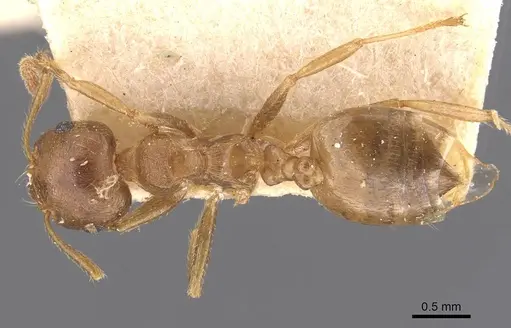
CASENT0907509
View on AntWeb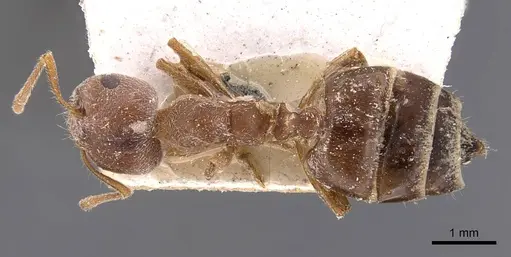
CASENT0907512
View on AntWeb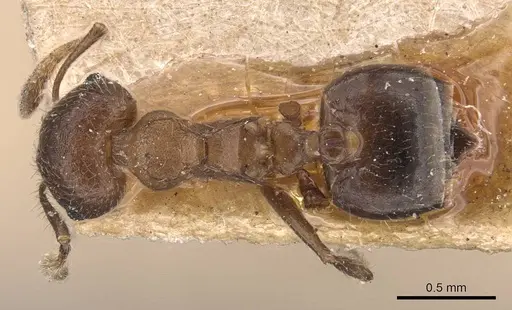
CASENT0907516
View on AntWeb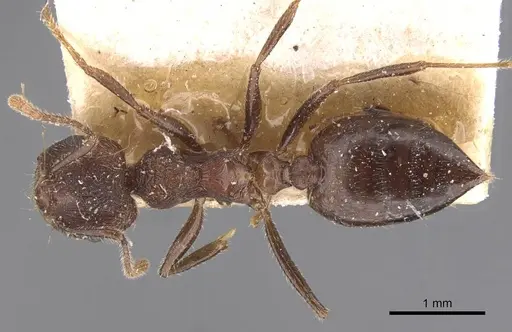
CASENT0912667
View on AntWeb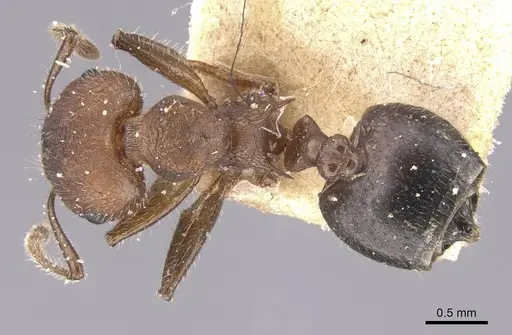
CASENT0914077
View on AntWeb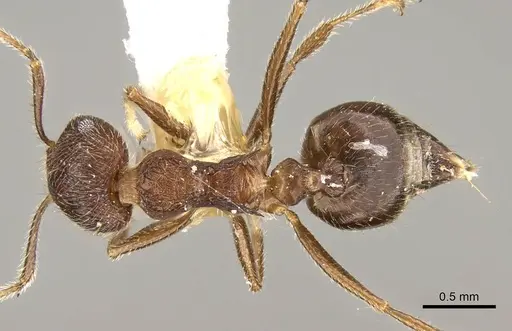
CASENT0919682
View on AntWeb
CASENT0919683
View on AntWeb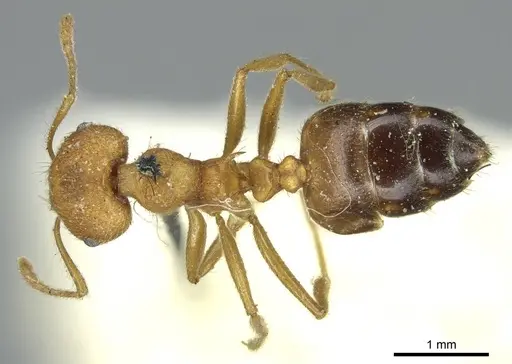
FOCOL1451
View on AntWeb
Literature
Loading distribution map...Loading products...