
Crematogaster distans
- Sci. Name
- Crematogaster distans
- Subgenus
- Orthocrema
- Tribe
- Crematogastrini
- Subfamily
- Myrmicinae
- Author
- Mayr, 1870
- Distribution
- Found in 8 countries
Introduction
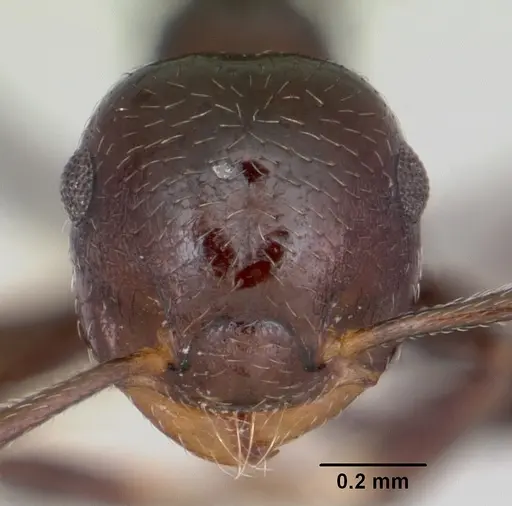
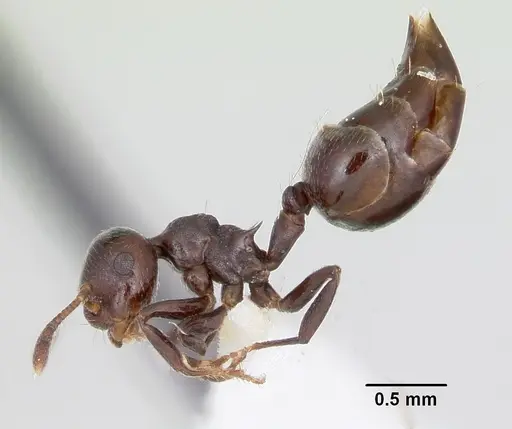
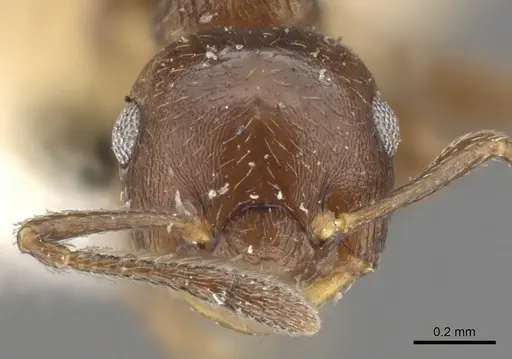
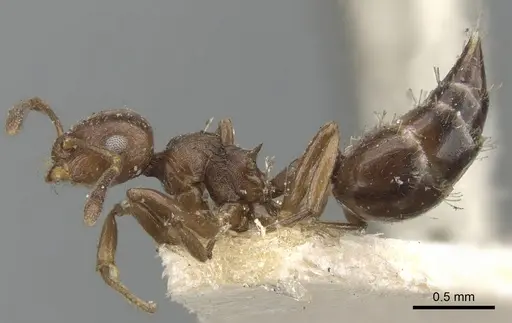
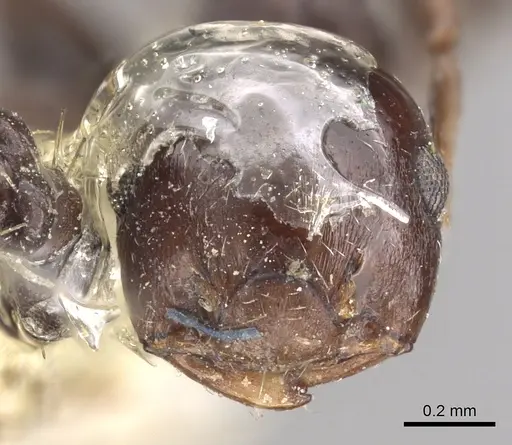
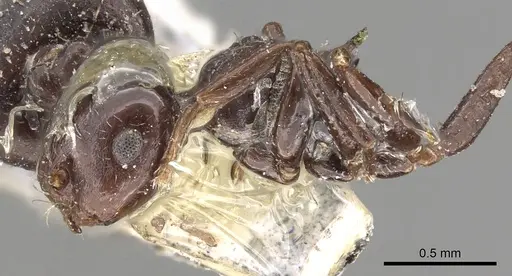
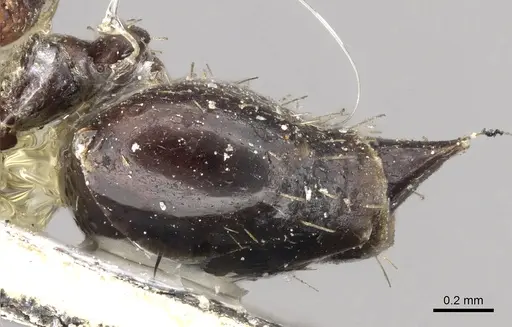
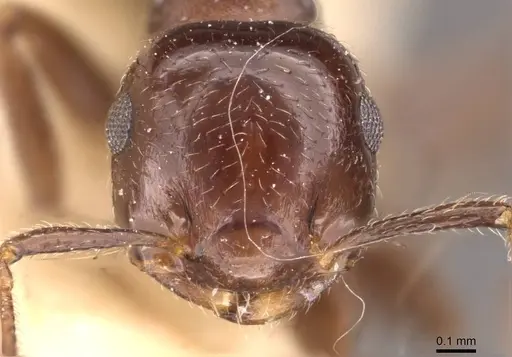
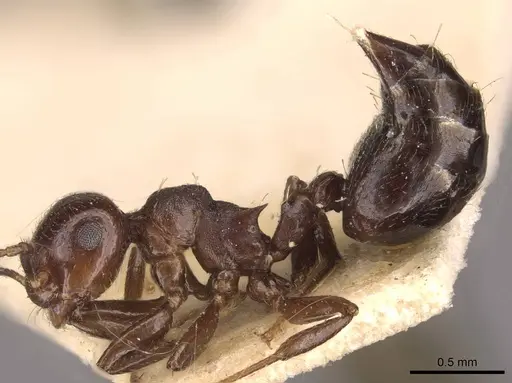
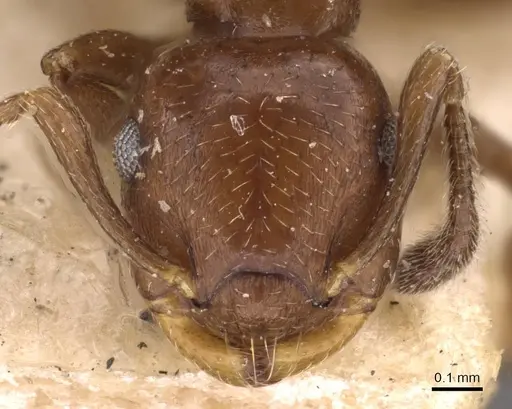
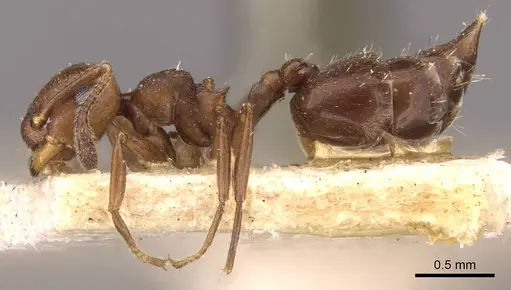
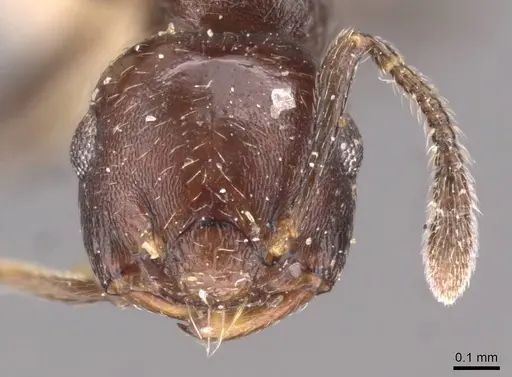
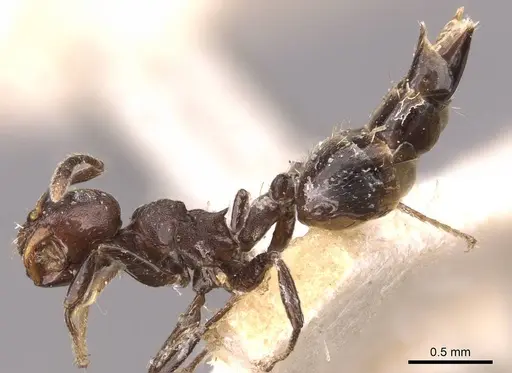
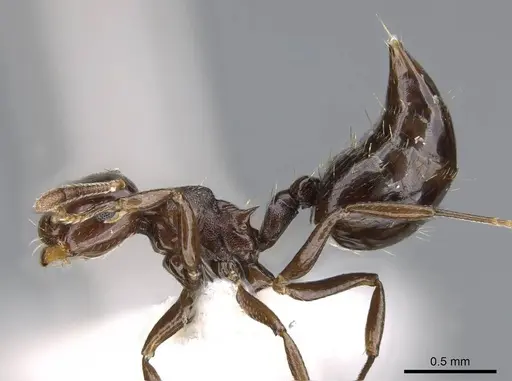
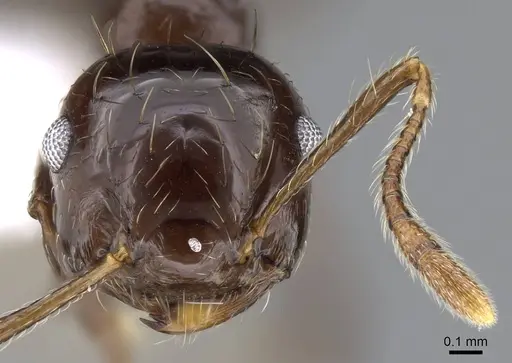
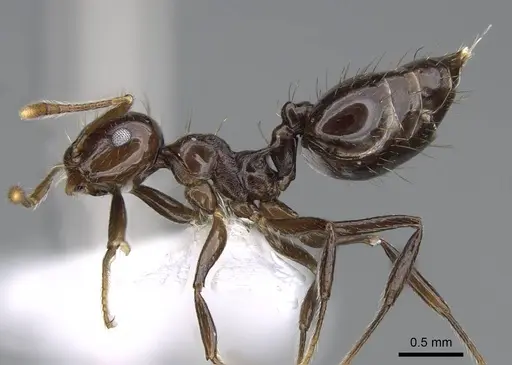
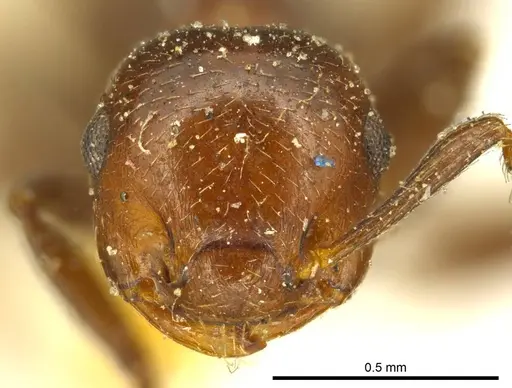
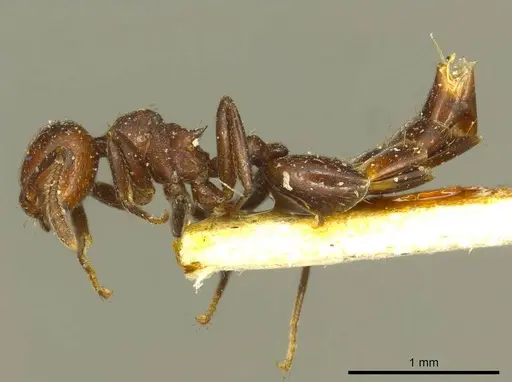
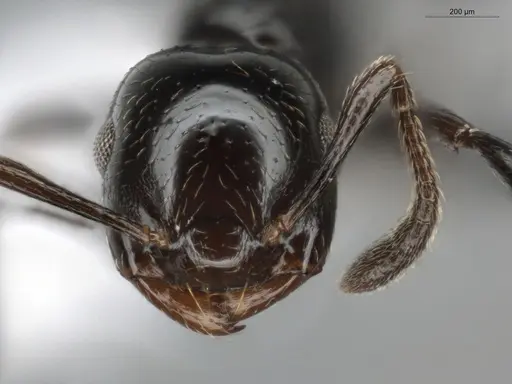
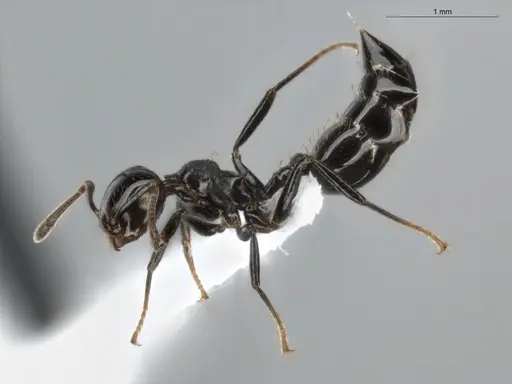
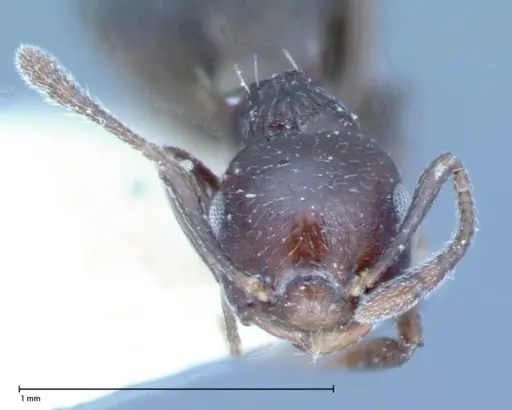
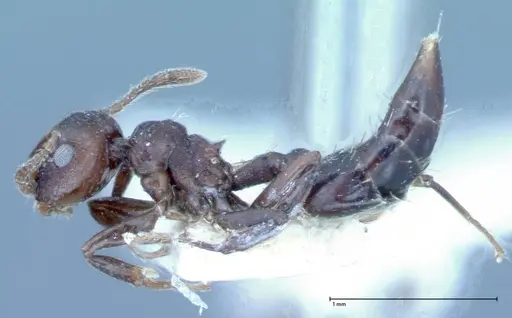
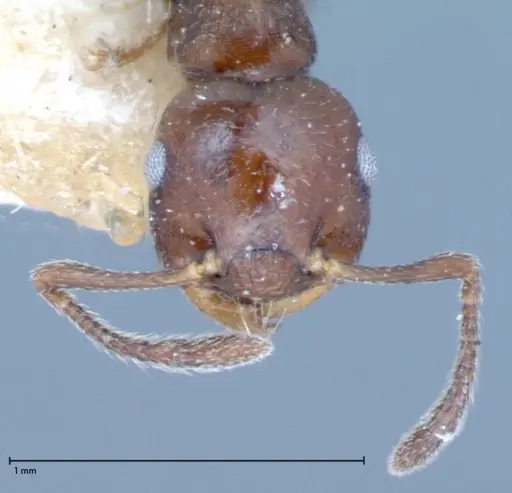
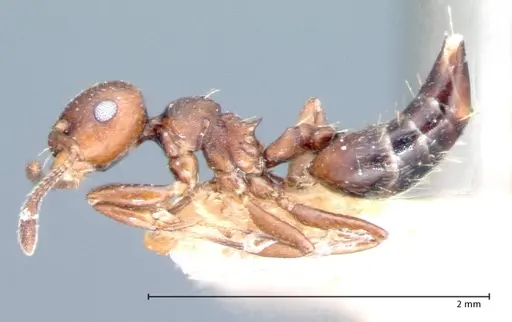
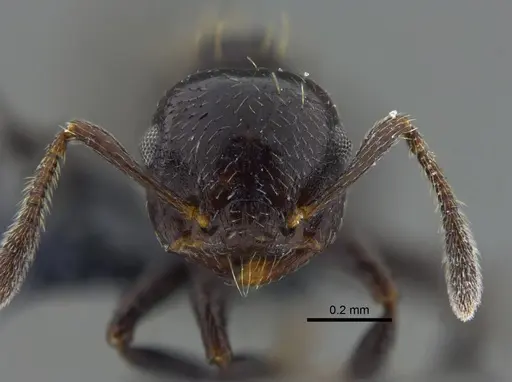
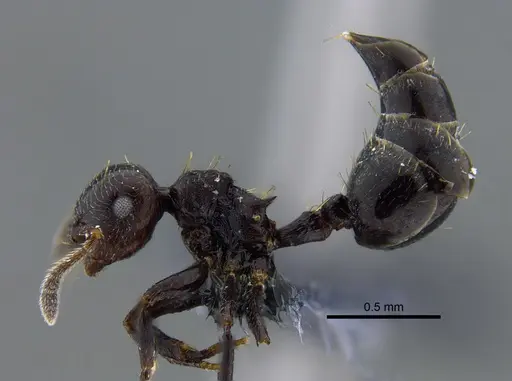
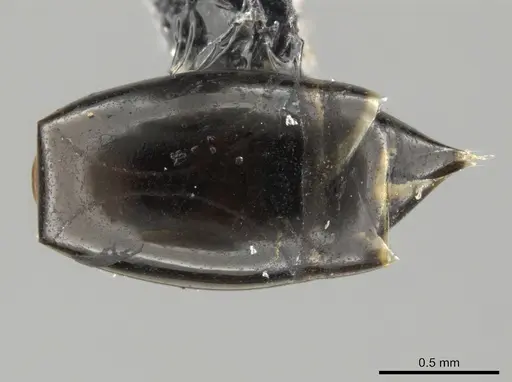
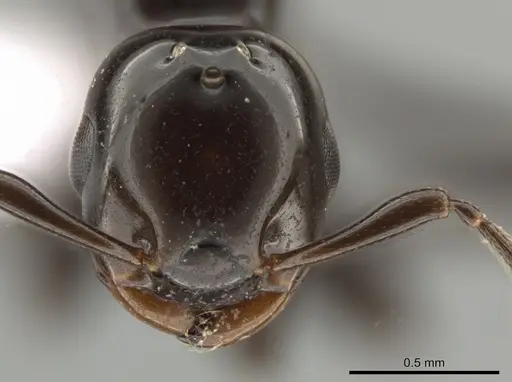
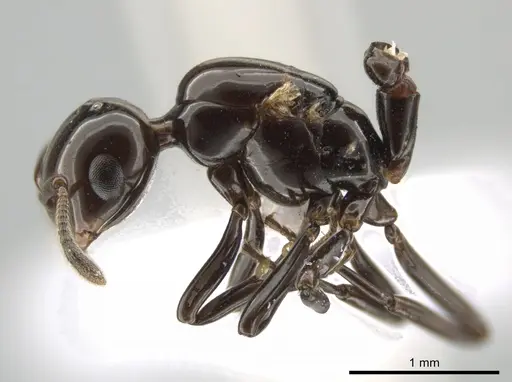
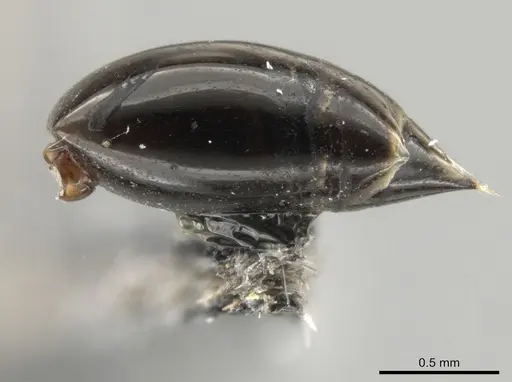
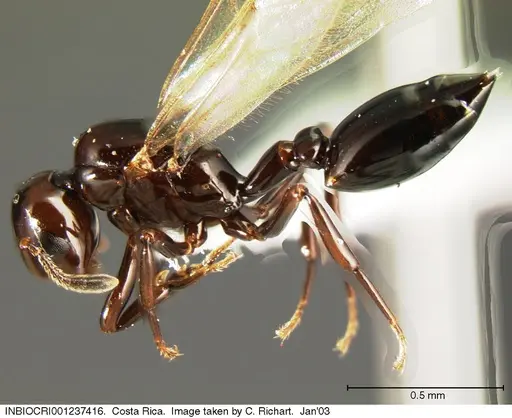
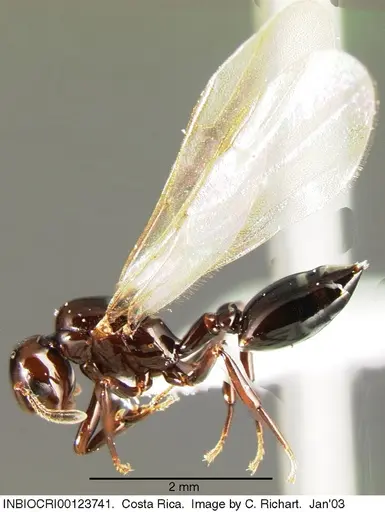
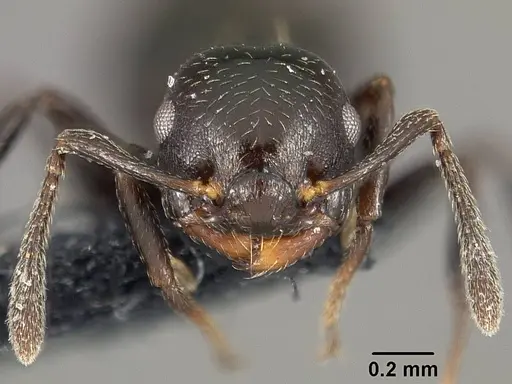
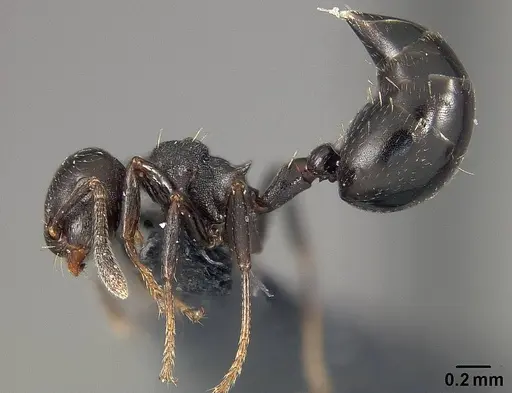
Crematogaster distans is a small acrobat ant found across the Neotropics from southern USA to Argentina. Workers are dark red-brown to nearly black with a smooth, glossy appearance. The genus gets its common name from their habit of raising their abdomen over their head when disturbed, like a gymnast balancing. These ants are highly arboreal, nesting in dead sticks, hollow stems, and treefalls in seasonally dry habitats. Colonies are very large with abundant workers streaming along lianas and tree branches . What makes this species particularly interesting is their potential social parasitism. Queens have unusual morphology - extremely smooth and glass-like with no propodeal spines - that is often associated with social parasitism. While not workerless, they may require host colonies to establish new colonies, making them a possible temporary social parasite. They are also known for their defensive secretions from a hypertrophied Dufour's gland, which they apply directly to enemies using their spatulate sting .
Quick Summary
- Difficulty: Medium
- Origin & Habitat: Neotropical species ranging from southern USA to Argentina, found in seasonally dry, open or brushy habitats. They are highly arboreal, nesting in dead sticks, hollow stems, and treefalls. Colonies are very large but low density [1][2][4].
- Colony Type: Very large colonies, colony structure is not fully confirmed but large colony sizes suggest multiple queens may be present. Queens may exhibit social parasitism behavior, possibly temporary social parasites requiring host colonies to establish new colonies [1].
- Size & Growth:
- Queen: ~4-5mm, inferred from Crematogaster genus patterns
- Worker: ~2.5-3mm, inferred from Crematogaster genus patterns [1]
- Colony: Very large colonies, thousands of workers in mature colonies [1]
- Growth: Moderate
- Development: 6-8 weeks (estimated based on typical Crematogaster development) (Development time is estimated from genus patterns at tropical temperatures)
- Antkeeping:
- Temperature: Keep at 24-28°C, they are a tropical species that prefers warm conditions. A gentle gradient allows workers to regulate their temperature [1].
- Humidity: Moderate humidity around 60-80%. As an arboreal species, they prefer drier conditions than ground-nesting ants. Provide some moisture but ensure good ventilation to prevent mold [1].
- Diapause: No, being a tropical species, they do not require hibernation. Activity may slow slightly during cooler periods but no true diapause [1].
- Nesting: Arboreal nesters, they prefer dead sticks, hollow stems, or cork bark setups. Y-tong nests or naturalistic setups with wood pieces work well. They avoid soil-based nests in captivity [1][3].
- Behavior: Crematogaster distans is an active, generalist-feeding species. Workers forage in columns along branches and lianas, tending scale insects for honeydew and hunting small prey. They are defensive, when threatened, they raise their abdomen over their head (acrobat behavior) and can apply contact defensive secretions from their Dufour's gland. They are not aggressive toward keepers but will defend their nest. Escape prevention is important as they are small and agile, use tight-fitting barriers [3][5].
- Common Issues: colonies may fail if founding queen cannot find suitable host, consider this species intermediate difficulty, escape prevention is critical due to small size, use fine mesh barriers, arboreal nature means they need vertical space and climbing surfaces, not just horizontal nest area, large colonies need expanding setups, starting in a small nest may cause stress or abandonment, wild-caught colonies may have parasites that can devastate captive colonies
Housing and Nest Setup
Crematogaster distans is an arboreal species, so your setup should reflect their natural nesting preferences. They do best in Y-tong nests, cork bark setups, or naturalistic setups featuring dead sticks and hollow stems. Avoid soil-based formicariums, these ants simply don't use them in the wild. Provide plenty of vertical climbing space since they naturally travel up and down branches. A test tube setup can work for founding colonies, but transfer to a more arboreal-friendly setup once the colony reaches 20-30 workers. Outworlds should include branches, leaves, or other structures they can walk on, they rarely walk on flat surfaces [1][3].
Feeding and Diet
This is a generalist species that accepts a wide variety of foods. In the wild, workers tend Coccoidea (scale insects) for honeydew and forage for small prey. In captivity, offer sugar water or honey constantly as an energy source. For protein, provide small insects like fruit flies, pinhead crickets, or mealworms. They will also accept protein powders or commercial ant foods. Feed every 2-3 days for growing colonies, with sugar available at all times. Remove uneaten prey after 24 hours to prevent mold. Their large colony size means food consumption can be significant, monitor and adjust feeding amounts accordingly [5][1].
Temperature and Humidity
As a tropical Neotropical species, Crematogaster distans needs warm conditions. Keep the nest area at 24-28°C. A heating cable on one side of the nest creates a temperature gradient that lets workers regulate their own temperature. They prefer moderate humidity around 60-80%, being arboreal, they don't need the high humidity that ground-nesting species require. Ensure good ventilation to prevent stagnant air and mold growth. Too much moisture can be harmful. Monitor your ants, if they cluster near the heat source, increase temperature slightly, if they avoid it, reduce heat [1].
Defense and Temperament
These ants have a distinctive defensive behavior, when threatened, workers raise their abdomen over their head like an acrobat balancing. They also possess a hypertrophied Dufour's gland that produces defensive secretions. Unlike many ants that use venom offensively, C. distans applies these secretions as contact poison directly onto the integument of enemies using their spatulate sting. This makes them effective defenders but they are not particularly aggressive toward keepers. Handle gently and avoid disturbing the nest. Their small size and ability to squeeze through tiny gaps means excellent escape prevention is essential, use fluon on tube connections and fine mesh on outworlds [3].
Colony Growth and Development
Crematogaster distans forms very large colonies in the wild, thousands of workers are common. However, the founding process is poorly documented and may involve social parasitism. Queens have unusual morphology (smooth, glass-like, no propodeal spines) often associated with social parasites. While not workerless, they may require host colonies to establish new colonies. In captivity, expect moderate growth, first workers (nanitics) should appear within 6-8 weeks at optimal temperature. Growth rate is moderate, not fast. Large colonies will need expanding setups, so plan ahead. The potential social parasitism means wild-caught colonies may have specific requirements that captive-bred colonies do not [1].
Frequently Asked Questions
Is Crematogaster distans good for beginners?
This species is rated as medium difficulty. While not the hardest species, the potential social parasitism and specific arboreal nesting requirements make it better suited for keepers with some experience. Their large colony size and specific habitat needs require more planning than beginner-friendly species [1].
How long does it take for first workers to appear?
Expect first workers (nanitics) within 6-8 weeks after the queen lays eggs, assuming temperatures around 24-28°C. This is an estimate based on typical Crematogaster development, the actual timeline for this specific species has not been directly studied [1].
Do Crematogaster distans ants sting?
They have a spatulate sting but primarily use contact defensive secretions from their Dufour's gland rather than painful stings. When threatened, they more commonly raise their abdomen in their characteristic 'acrobat' pose. The secretions are applied directly to enemies and serve as chemical defense rather than venom [3].
Can I keep multiple queens together?
The colony structure is not fully confirmed, but large colony sizes suggest polygynous (multi-queen) colonies may occur naturally. However, combining unrelated foundress queens is not recommended, this has not been documented and could result in fighting. If you obtain multiple queens, house them separately initially [1].
What do Crematogaster distans eat?
They are generalists. Offer constant sugar water or honey for energy, plus small insects like fruit flies, pinhead crickets, or mealworms for protein. They will also tend scale insects if present in their setup. Feed every 2-3 days and remove uneaten prey after 24 hours [5][1].
Do they need hibernation?
No, being a tropical species from the Neotropics, they do not require hibernation or diapause. Activity may slow during cooler periods, but no special winter care is needed. Simply maintain their normal temperature range year-round [1].
What type of nest is best?
Arboreal setups work best, Y-tong nests, cork bark, or naturalistic setups with dead sticks and hollow stems. They do not use soil nests. Provide vertical climbing structures in the outworld. Test tubes can work for founding but transfer to arboreal setups as the colony grows [1][3].
How big do colonies get?
Very large, thousands of workers in mature colonies. They form large, low-density colonies in the wild. In captivity, expect significant growth over time with proper care. Plan for expanding setups as your colony grows [1].
Why are my ants escaping?
Their small size means they can squeeze through tiny gaps. Use excellent escape prevention: apply fluon to tube connections, use fine mesh (at least 0.5mm) on any openings, and check all seals regularly. Even small gaps that other species can't pass will allow these tiny ants to escape [3].
Are they aggressive?
They are not particularly aggressive toward keepers but will defend their nest vigorously. Their main defense is the 'acrobat' display (raising abdomen over head) and chemical secretions. Handle gently and avoid direct disturbance of the nest. They are more likely to flee than bite [3].
Report an Issue
The current care sheet is based fully on literature. See inconsistencies, or something that's incorrect? Please , it will be resolved after review from an admin. Contributing to the blogs tab also helps providing information, to make us be able to further improve the caresheets. Thank you for your support!
References

This caresheet is licensed under CC BY-SA 4.0 .
Community Blogs
CASENT0103431
View on AntWeb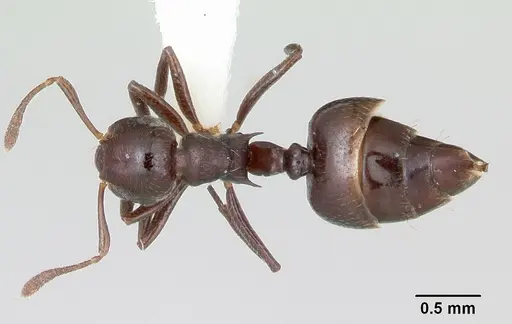
CASENT0628095
View on AntWeb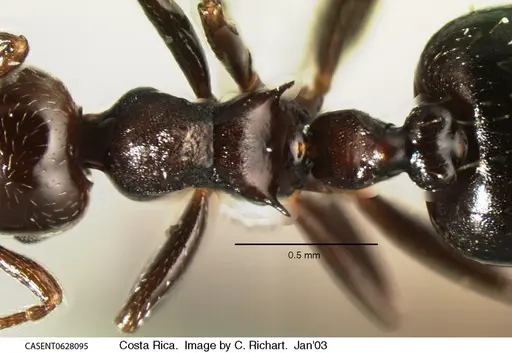
CASENT0653669
View on AntWeb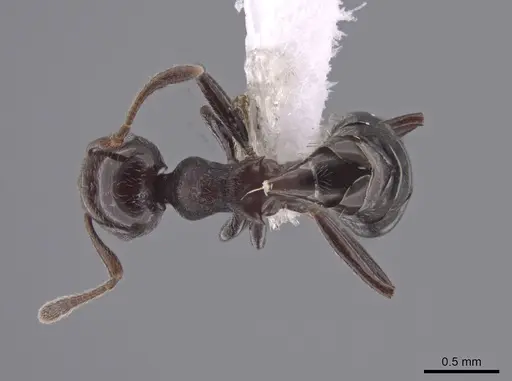
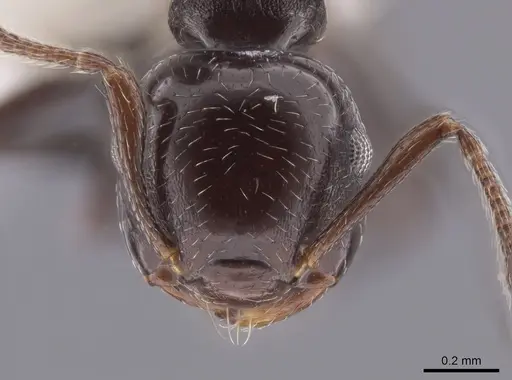
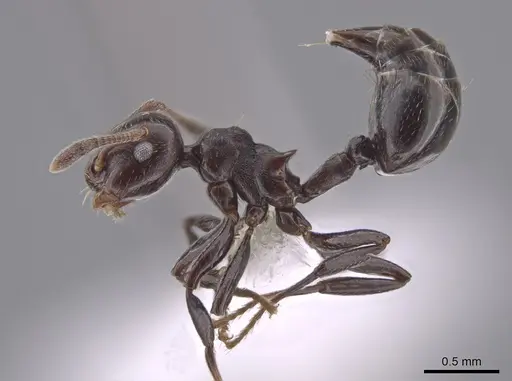
CASENT0901465
View on AntWeb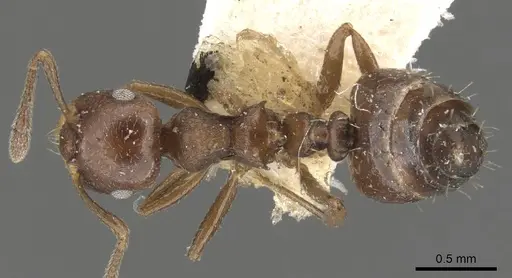
CASENT0902149
View on AntWeb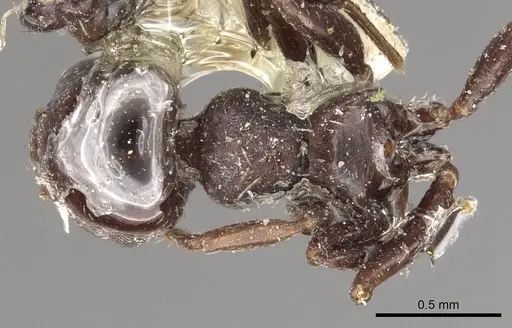
CASENT0908412
View on AntWeb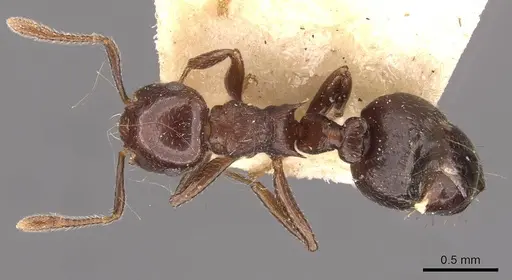
CASENT0908413
View on AntWeb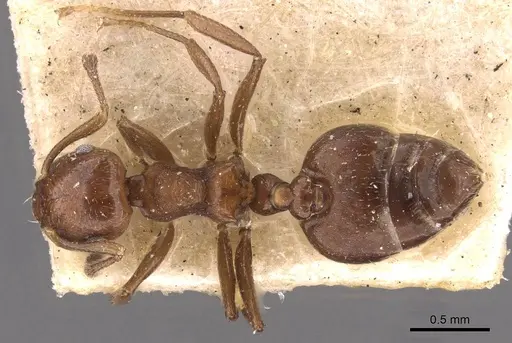
CASENT0908414
View on AntWeb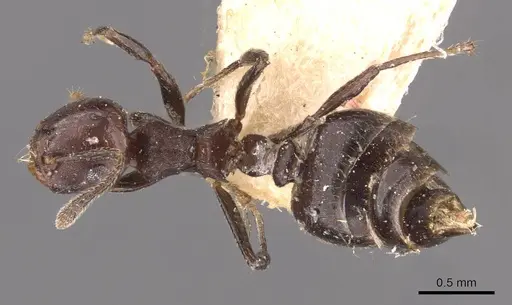
CASENT0912741
View on AntWeb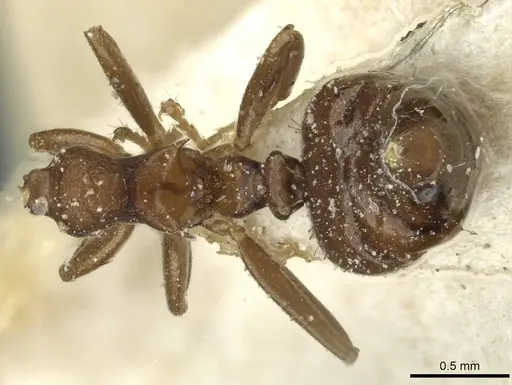
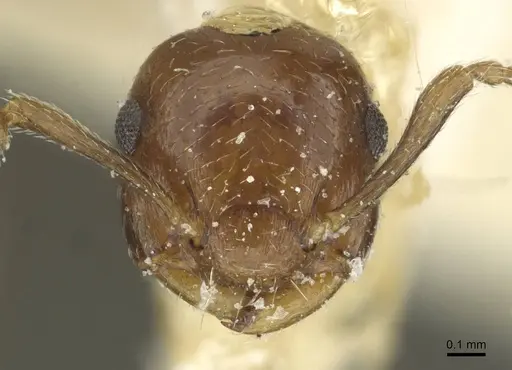
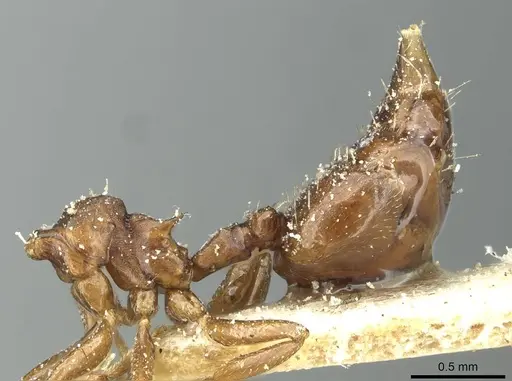
CASENT0914560
View on AntWeb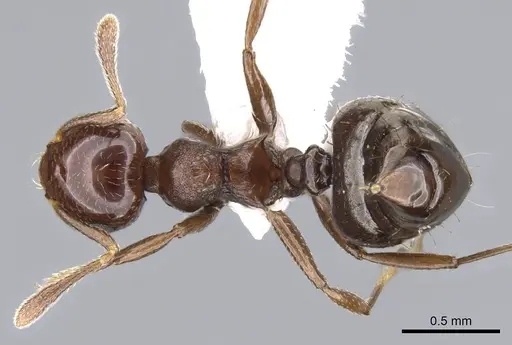
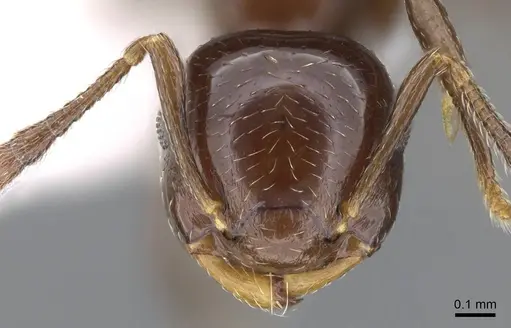
CASENT0914561
View on AntWeb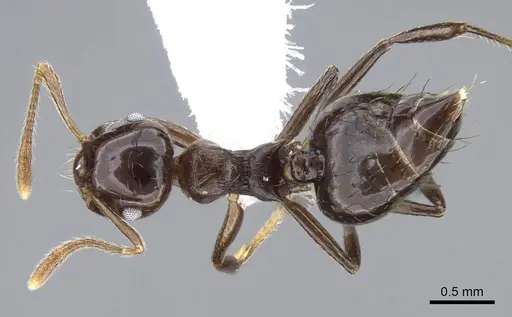
CASENT0919700
View on AntWeb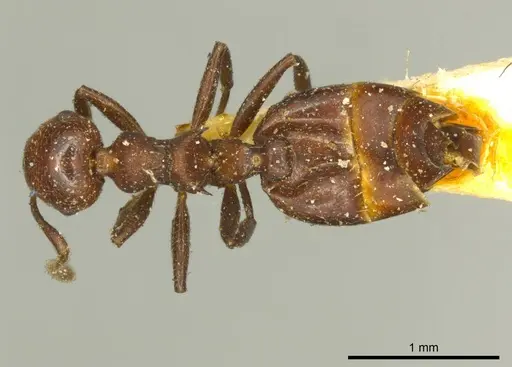
ECOFOG-BUG-0068-02
View on AntWeb
FOCOL0073-1
View on AntWeb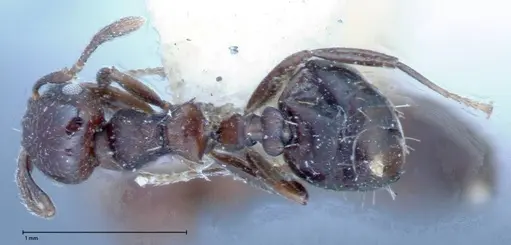
FOCOL0073-2
View on AntWeb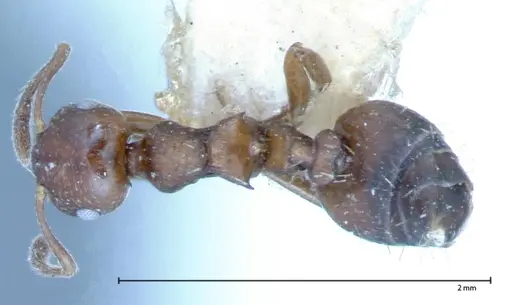
IAVH-E-262542
View on AntWeb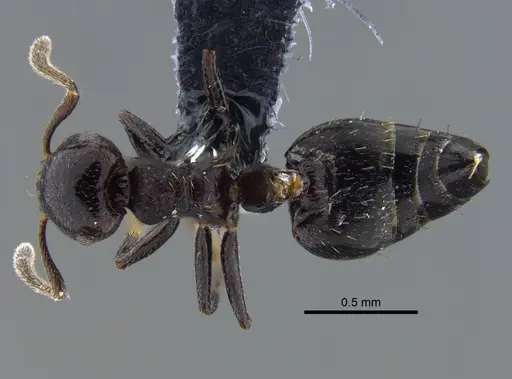
ICN100088
View on AntWeb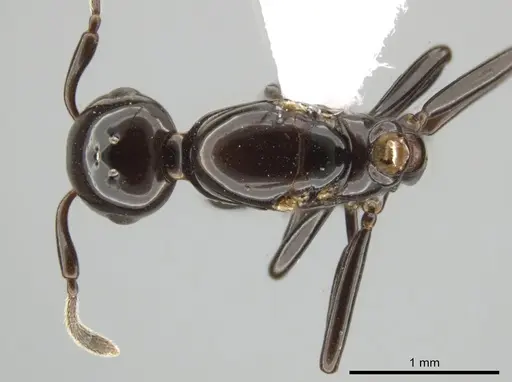
INBIOCRI001237416
View on AntWeb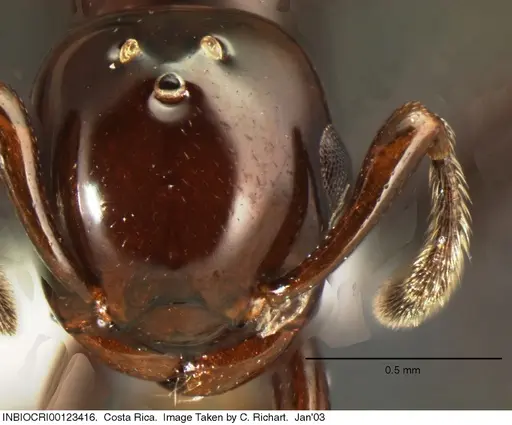
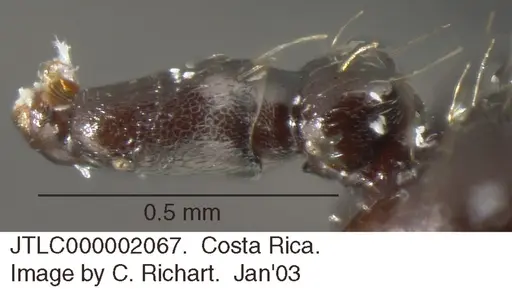
JTLC000002067
View on AntWeb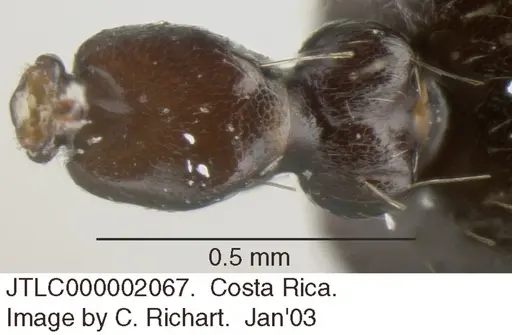
USNMENT01124217
View on AntWeb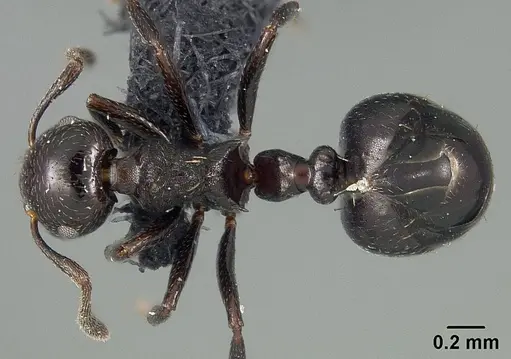
Literature
Loading distribution map...Loading products...