
Crematogaster depressa
- Sci. Name
- Crematogaster depressa
- Tribe
- Crematogastrini
- Subfamily
- Myrmicinae
- Author
- Latreille, 1802
- Distribution
- Found in 5 countries
Introduction
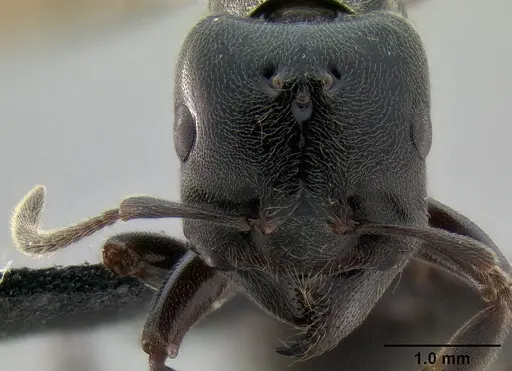
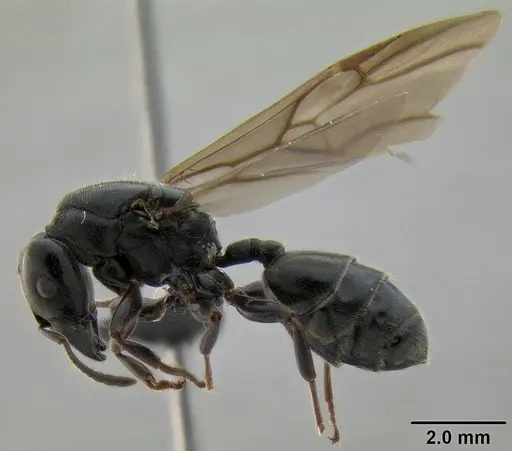
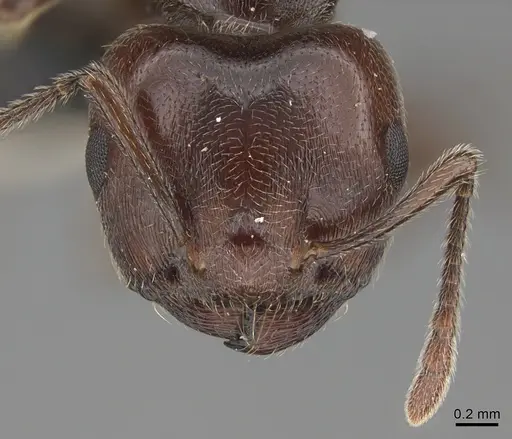
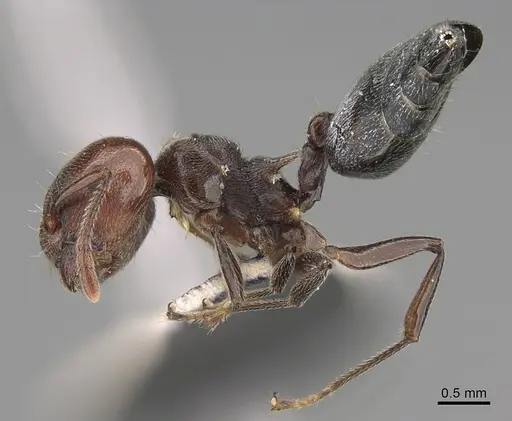
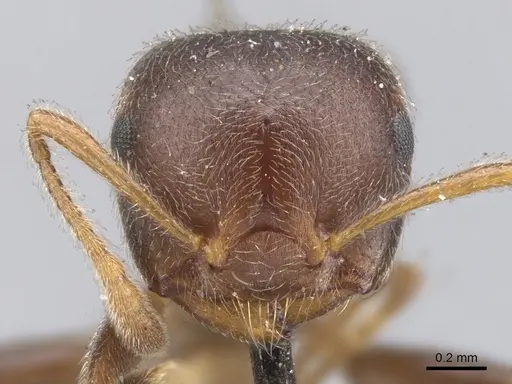
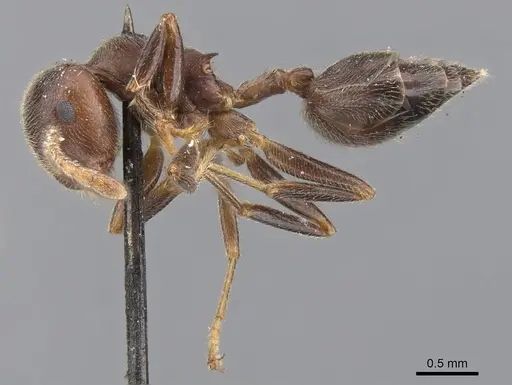
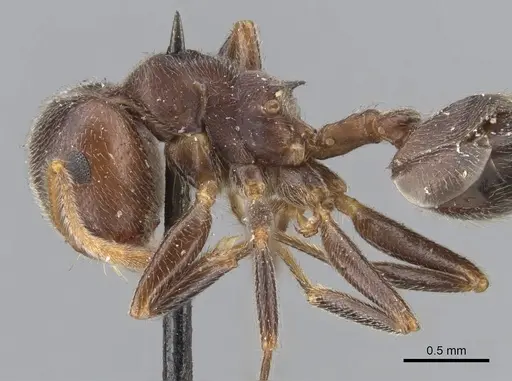
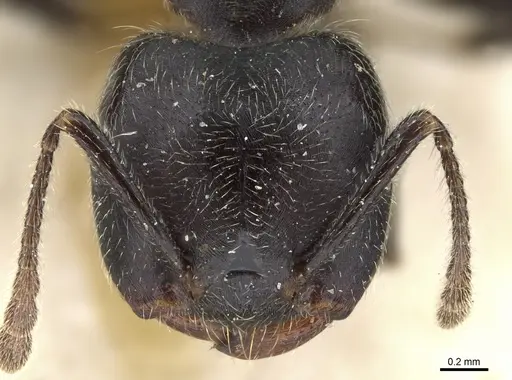
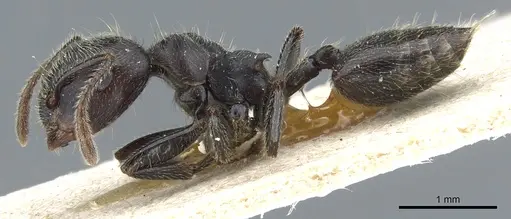
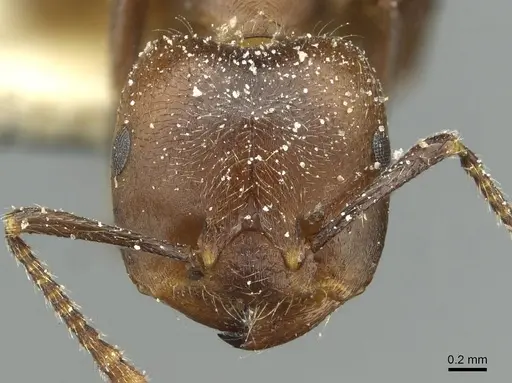
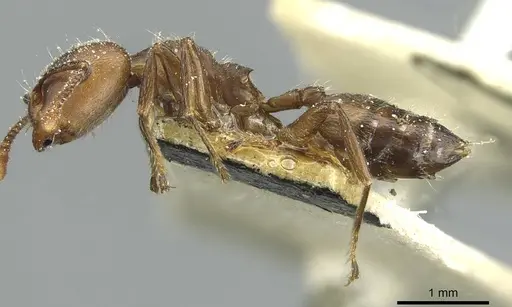
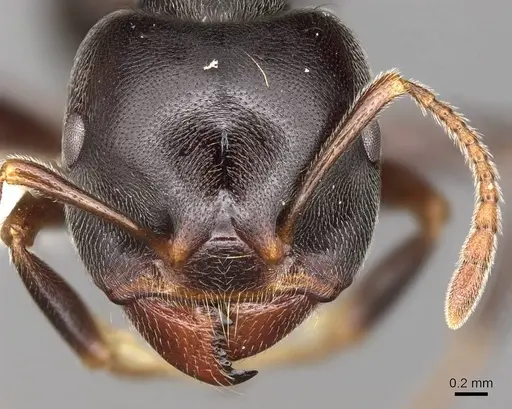
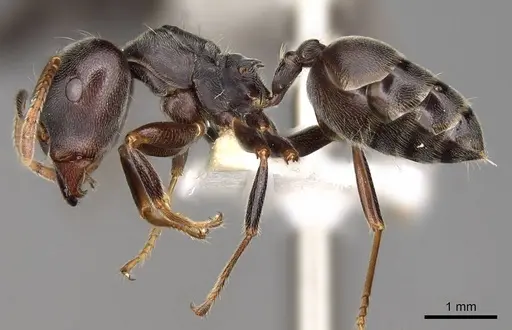
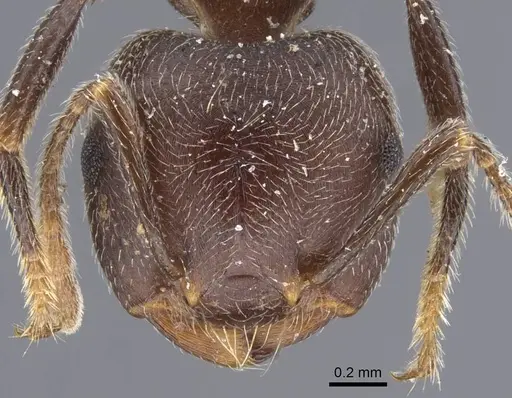
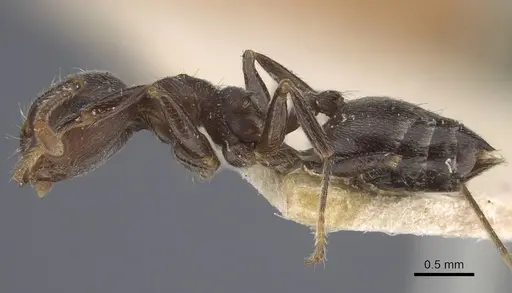
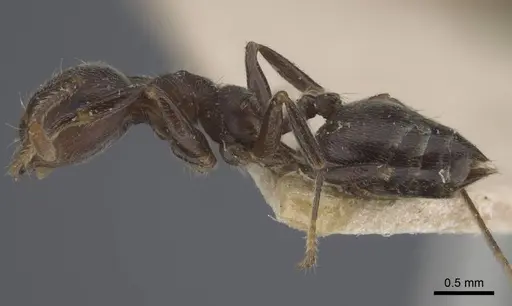
Crematogaster depressa is a small, aggressive arboreal ant from the rainforests of West and Central Africa. Workers have a distinctive heart-shaped abdomen that they raise when threatened. This species is extremely dominant in forest canopies, one study in Cameroon found them in 87.4% of trees sampled . They nest in tree hollows, under bark, and in insect galls on branches . Their colonies are territorial and they will attack any other ant that enters their foraging area.
Quick Summary
- Difficulty: Hard
- Origin & Habitat: West and Central African rainforests from Guinea to Democratic Republic of Congo, including Nigeria, Ivory Coast, Sierra Leone, Cameroon, and Gabon [5]. They are strictly arboreal, nesting in tree hollows, branch swellings, and under loose bark in the forest canopy [2][3][4].
- Colony Type: Colony structure is not well documented. Based on genus patterns, likely monogyne (single queen), but this is unconfirmed. Colonies can spread across multiple nest sites in the same tree.
- Size & Growth:
- Queen: Size data unavailable, direct measurements not found in literature.
- Worker: Size data unavailable, typical Crematogaster workers are 3–5 mm, but no confirmed measurements for this species.
- Colony: Likely several thousand workers based on their dominance in forest canopies [1].
- Growth: Moderate, inferred from typical Crematogaster development.
- Development: Estimated 5–8 weeks at optimal tropical temperatures (around 24–28°C), based on typical Crematogaster genus patterns. (Direct development data for this species is not available. Timing may vary with temperature and feeding.)
- Antkeeping:
- Temperature: Keep at 24–28°C, these are tropical ants that need warmth year-round. A small heating cable on one side of the nest creates a gentle gradient. Avoid letting the temperature drop below 20°C.
- Humidity: Moderate to high humidity. Keep the nest substrate moist but not waterlogged, and provide good ventilation to prevent mold. Mist the outworld occasionally.
- Diapause: No, as a tropical species, they do not require hibernation. Keep temperatures consistent year-round.
- Nesting: Arboreal setup is essential. Use a Y-tong (AAC) nest, cork bark branches, or artificial bamboo sections. They prefer enclosed dark spaces similar to tree hollows. Avoid soil-based nests.
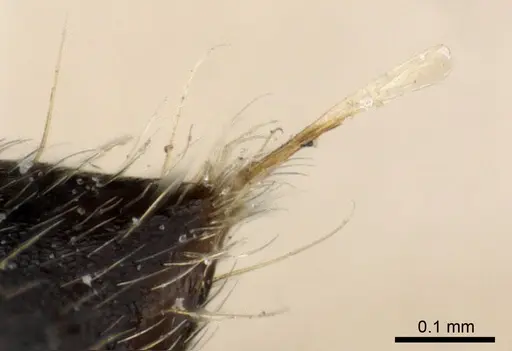
- Behavior: Extremely aggressive and territorial, they monopolize food sources and attack other ant species [3][6]. Workers raise their heart-shaped abdomen in a threat display when disturbed. They have a modified spatulate stinger used to smear venom onto enemies (subfamily trait, no specific literature for this species). Their bite is mild but the chemical secretion can be irritating. Escape risk is moderate, they are small enough to squeeze through tiny gaps, so use tight seals and barriers.
- Common Issues: tropical temperature needs mean they cannot survive in cool rooms or winter cold without heating, aggression makes cohabitation with other species impossible, keep them in a separate setup, arboreal nesting means standard soil nests won't work, you need an elevated, dark formicarium, colonies can grow very large, plan for potential growth to thousands of workers, wild-caught colonies may be stressed and slow to adapt to captive conditions
Natural History and Distribution
Crematogaster depressa is widespread across West and Central Africa, recorded in Guinea, Sierra Leone, Ivory Coast, Nigeria, Cameroon, Gabon, and the Democratic Republic of Congo [5]. They are strictly arboreal, they live in trees, not on the ground. In African rainforests, they can be incredibly abundant. One study in Cameroon found them occupying 87.4% of 167 trees sampled in the Akok forest [1]. They nest in pre-existing cavities such as hollow branches, under bark, and in galls formed by insects. One report described them living in swellings on branches of a rubiaceous shrub at Leopoldville, these swellings were insect galls produced by a caterpillar [4]. Because they live entirely in trees, they seldom come to the ground.
Aggressive Colony Defense
This species is notoriously aggressive and territorial. Research in central African forests found that Crematogaster depressa was the most behaviorally aggressive ant species observed, consistently monopolizing food baits in almost every tree where they occurred [3][6]. They actively defend their nesting trees and foragers will attack any other ant that enters their territory. When threatened, workers raise their distinctive heart-shaped abdomen and may release chemical alarm signals. This aggression carries over into captivity, they will attack and eliminate other ant species if given the chance, so never house them in a shared setup.
Housing and Nest Setup
Because they are arboreal, you need to replicate their tree-dwelling habitat. A Y-tong (AAC) nest provides dark enclosed chambers similar to tree hollows. You can also use cork bark branches, artificial bamboo sections, or a naturalistic setup with wooden branches. The nest should be elevated rather than placed on the ground. Connect it to a spacious outworld that allows plenty of foraging area. Provide multiple connection points so workers can patrol effectively. Avoid soil-based or plaster nests, they don't match natural arboreal preferences. Good ventilation is important, especially with moderate humidity. [2][3]
Feeding and Diet
Like most Crematogaster, they are omnivorous with a strong preference for protein. In the wild, they aggressively monopolize protein-rich baits [3][6]. Offer small insects such as fruit flies, small crickets, and mealworms. They also accept sugar sources occasionally, a drop of sugar water or honey once a week is enough. Because they are aggressive foragers, they readily take prey in the outworld. Feed protein every 2–3 days and remove uneaten prey after 24 hours to prevent mold. A constant sugar source isn't necessary but can be offered for energy.
Temperature and Seasonal Care
As a tropical species from African rainforests, Crematogaster depressa needs warm temperatures all year. Keep the nest area at 24–28°C (75–82°F). They do not tolerate cool temperatures and do not undergo diapause. If your room temperature falls below this range, use a small heating cable under or beside the nest. Place the heating element on top of the nest to avoid drying out the moisture. Monitor colony activity, if workers become sluggish, increase temperature slightly. They are adapted to stable tropical conditions, so avoid large fluctuations.
Colony Growth and Development
Colonies can grow very large in the wild, their dominance in forest canopies (87.4% tree occupancy in some areas) suggests that mature colonies are substantial [1]. In captivity, expect moderate growth during the first year, accelerating as the colony reaches several hundred workers. The first workers (nanitics) will be smaller than mature workers. Once established, growth can be rapid given proper feeding and warmth. Be prepared for potentially large colonies and plan your housing accordingly. There is no documented colony size limit from scientific literature, but several thousand workers is plausible.
Handling and Safety
Crematogaster depressa is aggressive and will defend itself. Workers have a modified spatulate stinger, they do not sting in the traditional sense but smear venom onto attackers. This chemical secretion can have an unpleasant smell (like vinegar or ketones) and may irritate sensitive skin, but it's not dangerous to humans. When working with them, move slowly and avoid shaking the nest. Use gentle puffs of air rather than blowing directly, as your breath can agitate them. Their bite is mild and poses no threat. The biggest concern is their aggression toward other ant species, so never keep them in a mixed colony setup.
Frequently Asked Questions
Can I keep Crematogaster depressa with other ant species?
No. This species is extremely aggressive and will attack and kill other ants. They monopolize food sources and defend their territory fiercely. Keep them in a separate setup away from all other ant species [3][6].
What type of nest is best for Crematogaster depressa?
Use an arboreal setup like a Y-tong (AAC) nest, cork bark branches, or a naturalistic formicarium with wooden elements. They are tree-dwelling ants that prefer enclosed dark spaces similar to tree hollows. Avoid ground-based soil nests [2][3].
Do Crematogaster depressa need hibernation?
No. As a tropical African species, they do not require hibernation or diapause. Keep them warm year-round at 24–28°C.
How long does it take for first workers to emerge?
Based on typical Crematogaster development, expect first workers (nanitics) in approximately 5–8 weeks after the queen lays eggs, at optimal temperatures of 24–28°C. Direct data for this species is not available.
Are Crematogaster depressa dangerous?
They are not dangerous to humans. They cannot sting in the traditional sense, they have a modified stinger for smearing venom, which can cause mild irritation. Their bite is mild. The main danger is their aggression toward other ant species.
How big do Crematogaster depressa colonies get?
Colonies likely reach several thousand workers. In the wild, this species is extremely dominant, occupying over 87% of trees in some study areas [1]. Be prepared for large colonies.
What do Crematogaster depressa eat?
They are omnivorous but prefer protein. Feed small insects like fruit flies, small crickets, and mealworms. They will occasionally accept sugar water or honey. Offer protein every 2–3 days [3][6].
Can I keep multiple queens together?
Not recommended. There is no documented evidence of multi-queen founding in this species, and their aggressive nature makes combining unrelated queens risky. Start with a single queen if possible.
Why is my Crematogaster depressa colony dying?
Check temperature first, they need 24–28°C and cannot tolerate cool conditions. Also ensure moderate humidity and good ventilation. If workers are dying in large numbers, review care conditions such as temperature, humidity, and food quality.
When should I move them to a formicarium?
Move them when the test tube setup becomes crowded, typically when the colony reaches 50–100 workers. Make sure your formicarium has arboreal-style chambers, not ground-based soil nests.
Report an Issue
The current care sheet is based fully on literature. See inconsistencies, or something that's incorrect? Please , it will be resolved after review from an admin. Contributing to the blogs tab also helps providing information, to make us be able to further improve the caresheets. Thank you for your support!
References

This caresheet is licensed under CC BY-SA 4.0 .
Community Blogs
CASENT0087590
View on AntWeb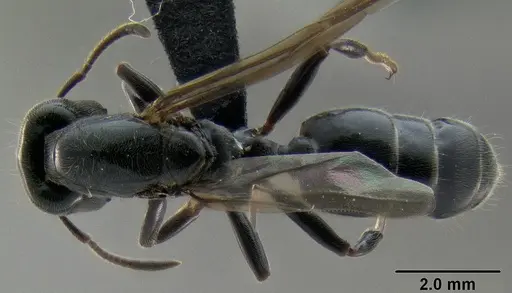
CASENT0170287
View on AntWeb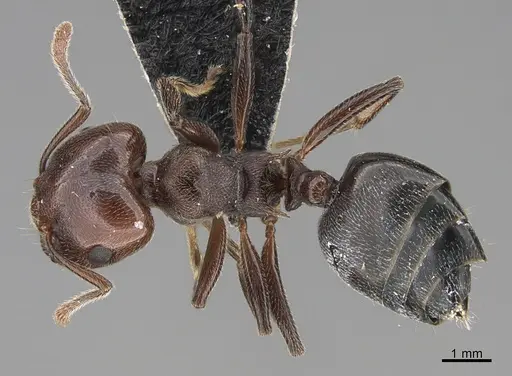
CASENT0902072
View on AntWeb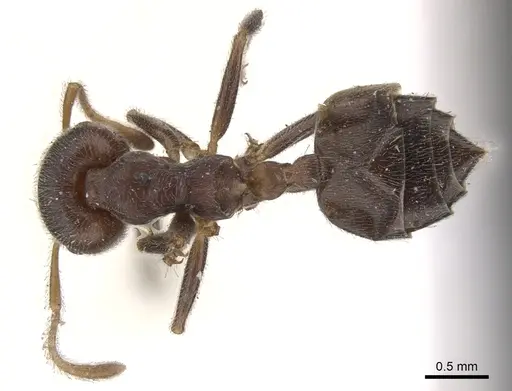
CASENT0904471
View on AntWeb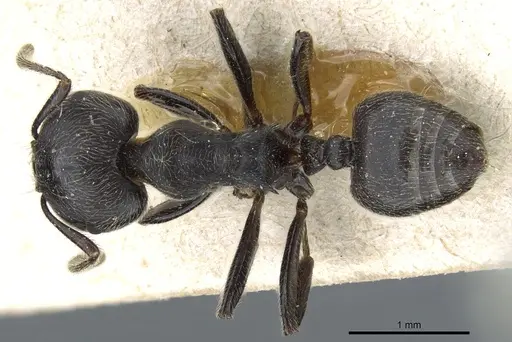
CASENT0912627
View on AntWeb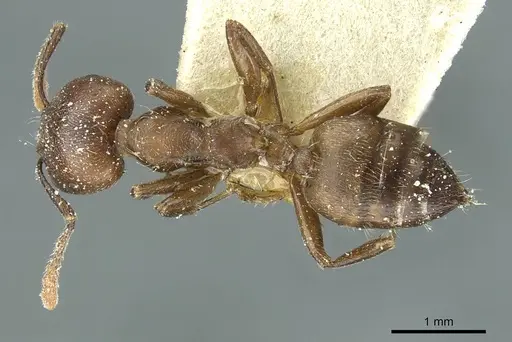
CASENT0914285
View on AntWeb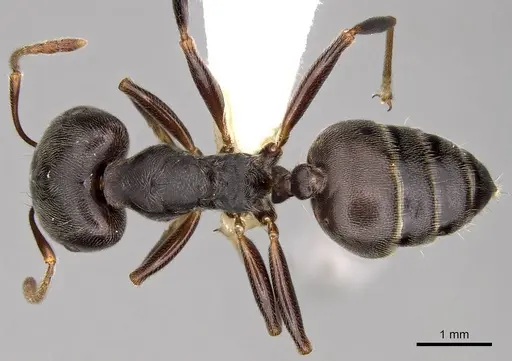
CASENT0916988
View on AntWeb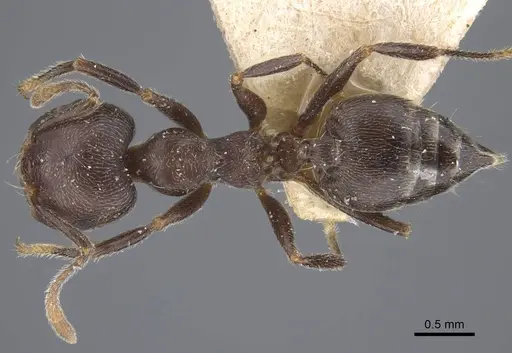
Literature
Loading distribution map...Loading products...