
Crematogaster degeeri
- Sci. Name
- Crematogaster degeeri
- Tribe
- Crematogastrini
- Subfamily
- Myrmicinae
- Author
- Forel, 1886
- Distribution
- Found in 1 countries
Introduction
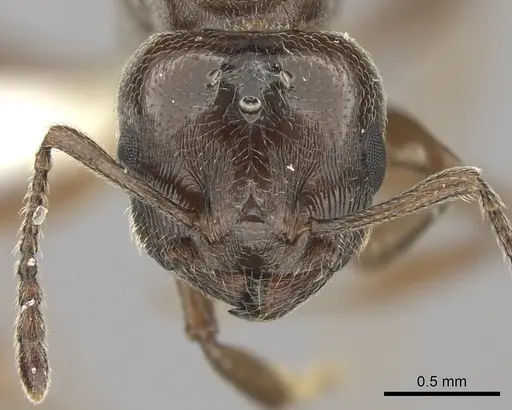
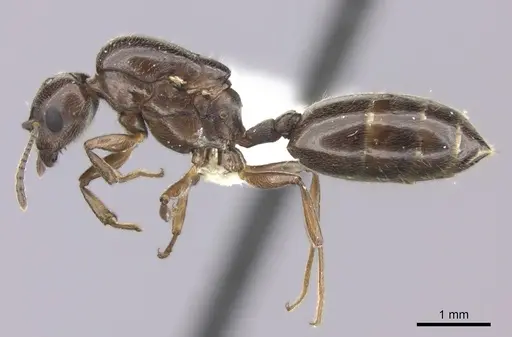
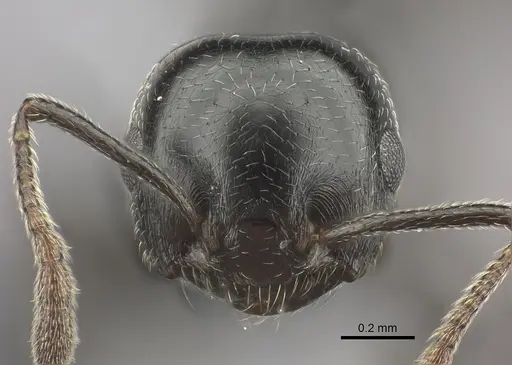
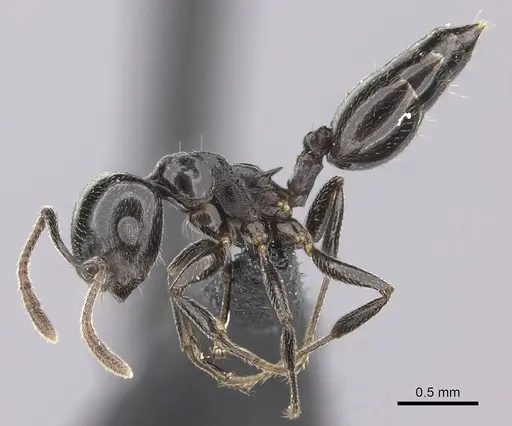
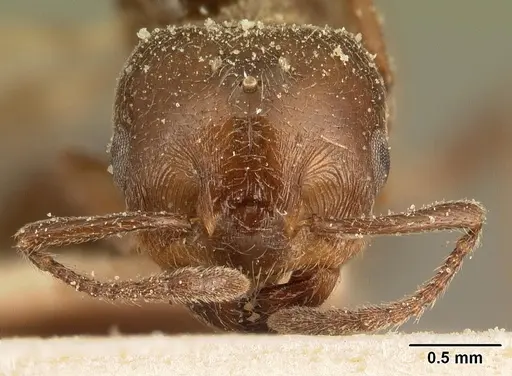
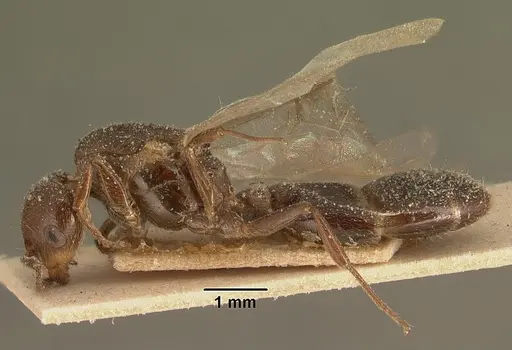
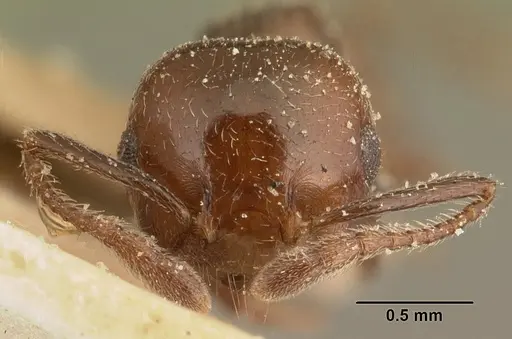
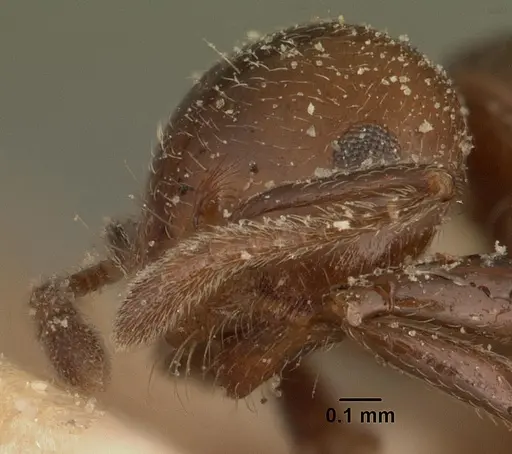
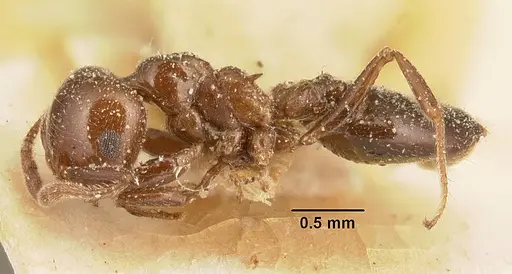
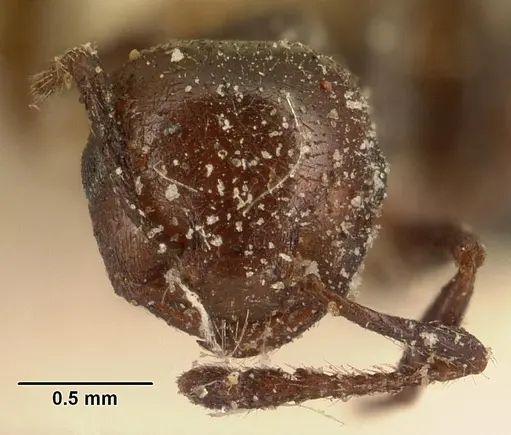
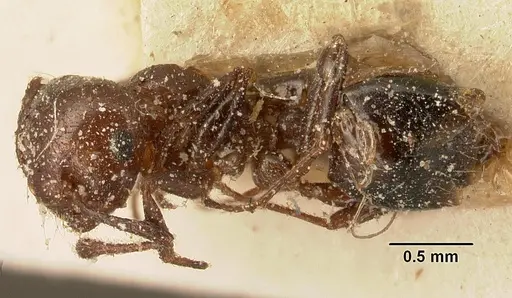
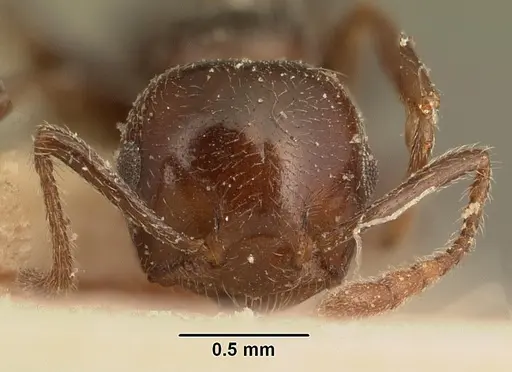
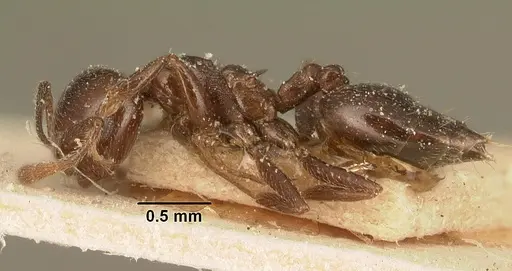
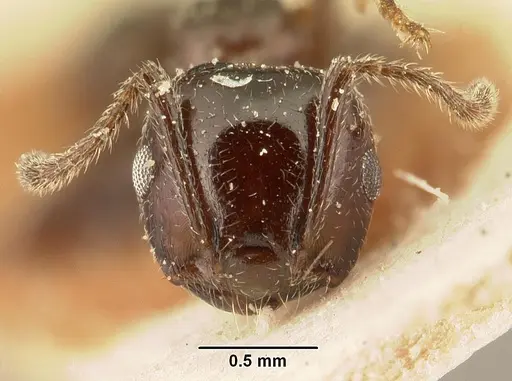
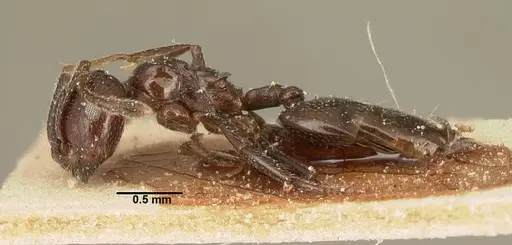
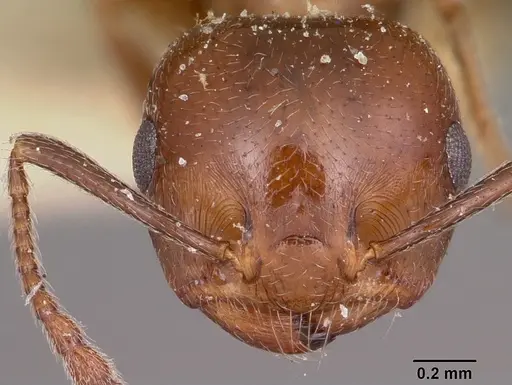
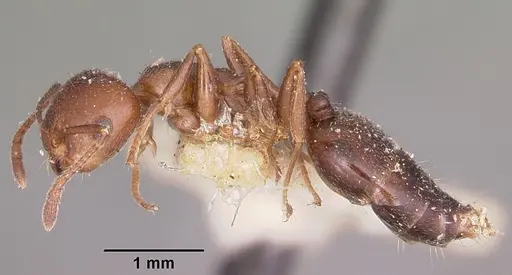
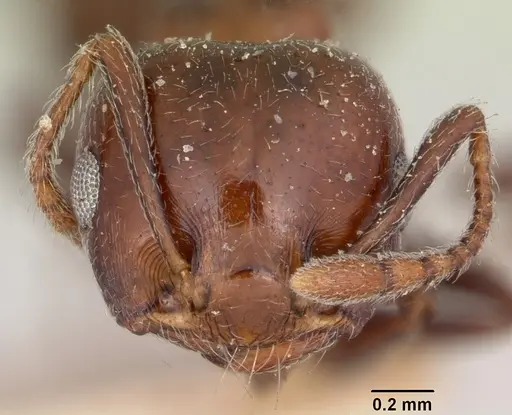
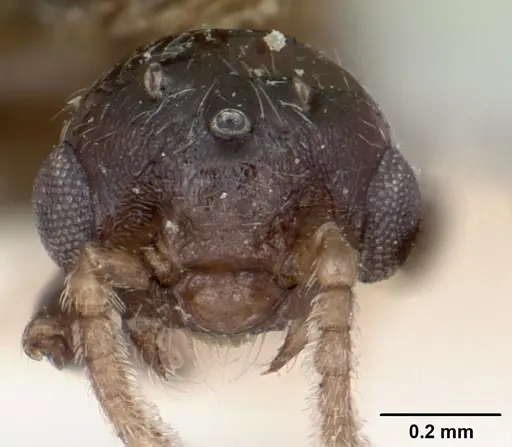
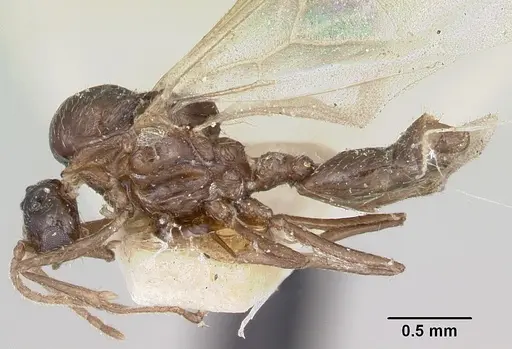
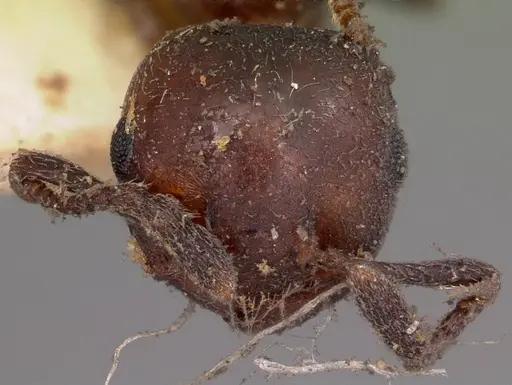
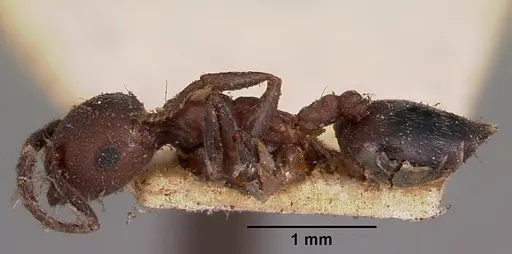
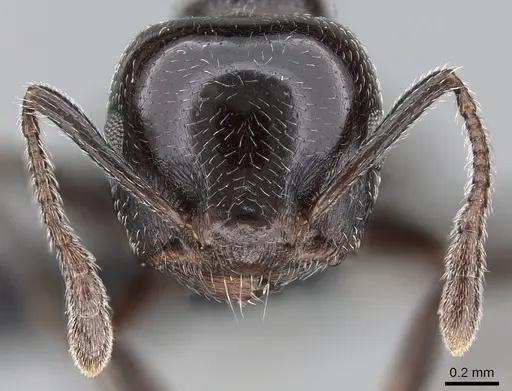
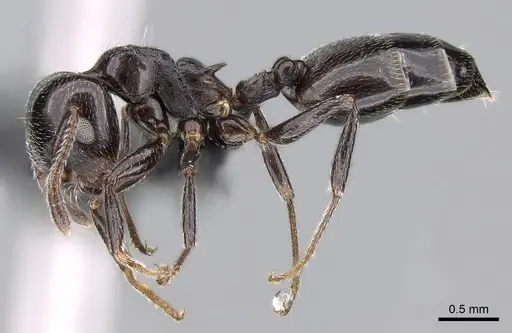
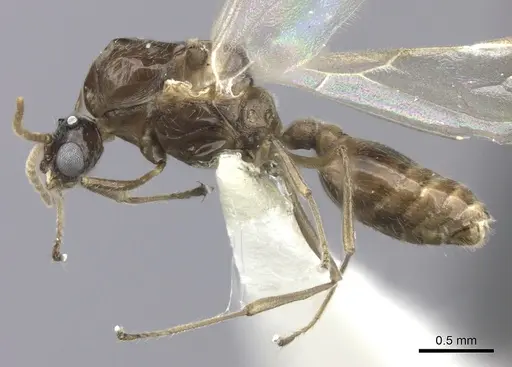
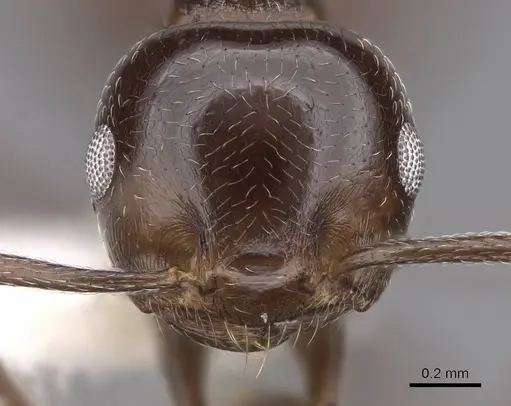
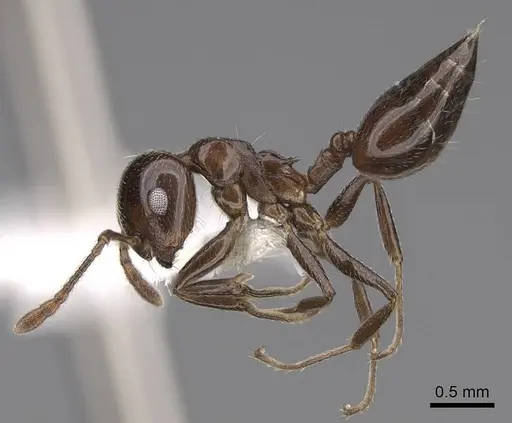
Crematogaster degeeri is a small to medium-sized ant native to Madagascar, where it inhabits montane rainforest, savannah, woodland, and grassland at elevations between 800 and 2650 meters . Worker size is approximately 3-4 mm, inferred from Crematogaster genus patterns, with a distinctive appearance including large eyes and propodeal spines . Coloration ranges from reddish brown to dark brown or black . This species often nests on the ground under stones or in soil, though some arboreal colonies exist in dead twigs, and it frequently co-occurs with other Crematogaster species in Madagascar .
Quick Summary
- Difficulty: Medium
- Origin & Habitat: Central and south-central Madagascar, found in montane rainforest, savannah, woodland, and grassland at 800-2650m elevation [1][2]
- Colony Type: Colony structure is unconfirmed for this species. No specific data on queen number from research.
- Size & Growth:
- Queen: Inferred from Crematogaster genus (~5-7 mm)
- Worker: Inferred from Crematogaster genus (~3-4 mm)
- Colony: Unknown, no data on maximum colony size
- Growth: Moderate, inferred from tropical Myrmicinae patterns
- Development: Estimated 6-10 weeks at optimal temperatures, based on genus patterns (Direct development data unavailable, estimates based on related Crematogaster species)
- Antkeeping:
- Temperature: Keep at 22-26°C with a gradient, inferred from high-elevation habitat [1].
- Humidity: Keep substrate consistently moist but not waterlogged, based on montane rainforest habitat [1].
- Diapause: Likely a mild seasonal slowdown during the dry season, but no specific data, inferred from geography.
- Nesting: Prefers ground-nesting under stones or soil, but will accept standard nests like Y-tong or plaster [1].
- Behavior: Active foragers with a non-aggressive temperament. Use smear defense mechanism (typical of Myrmicinae) when threatened. Good climbers, so escape prevention is key due to small size.
- Common Issues: escapes due to small size, use fine mesh barriers on all openings, overheating risk, avoid temperatures above 28°C due to high-elevation origin, parasites in wild-caught colonies, can devastate captive populations
Housing and Nest Setup
Crematogaster degeeri will adapt to various captive setups. Test tubes work well for founding colonies, use a standard test tube setup with a water reservoir connected via cotton. For established colonies, Y-tong nests or plaster nests provide good visibility and humidity control. Given their natural ground-nesting behavior under stones or in soil [1], adding a thin layer of substrate to part of the nest can encourage natural digging. Connect the nest to a foraging area (outworld) with secure barriers to prevent escapes due to their small size.
Feeding and Diet
Based on Crematogaster genus patterns, this ant is omnivorous. Offer sugar sources like honey or diluted maple syrup as a constant carbohydrate. For protein, provide small insects such as fruit flies or mealworms. Feed small amounts every 2-3 days and remove uneaten food to prevent mold.
Temperature and Seasonal Care
Maintain temperatures between 22-26°C, with a slight gradient. The high-elevation origin (800-2650m) suggests tolerance for cooler conditions, avoid overheating above 28°C [1]. During Madagascar's dry season, consider a mild seasonal adjustment by reducing temperatures slightly, but no specific diapause data exists.
Behavior and Defense
Workers are active, agile, and quick-moving. When threatened, they may use a smear defense mechanism with their modified stinger, typical of Myrmicinae. They are good climbers and communicate through chemical trails. Handle gently to avoid stressing the colony.
Colony Establishment
Founding behavior is unconfirmed for this species. Based on genus patterns, queens may seal themselves in a chamber, but no specific data exists. The founding phase is estimated to take several weeks, with moderate growth thereafter. Patience is essential during early colony development.
Frequently Asked Questions
How long does it take for Crematogaster degeeri to produce first workers?
The time from egg to first worker is estimated at 6-10 weeks at optimal temperatures (22-26°C), based on genus patterns since specific data is unavailable [1].
Do Crematogaster degeeri ants sting?
Crematogaster ants have a functional stinger, but due to their small size, they cannot penetrate human skin effectively. They may use a smear defense mechanism when threatened, but pose minimal danger to keepers.
What temperature range is best for keeping Crematogaster degeeri?
Keep them at 22-26°C with a gradient. The high-elevation origin means they can tolerate cooler conditions, avoid temperatures above 28°C [1].
Can I keep multiple Crematogaster degeeri queens together?
Colony structure is unconfirmed. Based on typical Crematogaster patterns, single-queen colonies are common, but no specific data exists for this species. Combining unrelated queens is not recommended.
What do Crematogaster degeeri eat?
They are omnivorous. Offer sugar sources like honey and protein foods like small insects. Feed every 2-3 days and remove uneaten food.
Are Crematogaster degeeri good for beginners?
This species is rated as Medium difficulty. Their small size requires attention to escape prevention, and care information is largely inferential, so some experience is helpful.
Do Crematogaster degeeri need hibernation?
They likely do not require true hibernation. Based on their Madagascar origin, a mild seasonal slowdown during the dry season may be appropriate, but no specific data exists.
How big do Crematogaster degeeri colonies get?
Colony size is not documented for this species. Based on genus patterns, expect moderate-sized colonies, but no maximum size is known.
Why are my Crematogaster degeeri escaping?
Their small size means they can squeeze through tiny gaps. Use fine mesh on all ventilation holes and apply barrier tape to container edges [1].
When should I move my colony to a formicarium?
Move from a test tube once the colony has 30-50 workers and the test tube degrades. Ensure the new nest has appropriate humidity and connections to an outworld.
Report an Issue
The current care sheet is based fully on literature. See inconsistencies, or something that's incorrect? Please , it will be resolved after review from an admin. Contributing to the blogs tab also helps providing information, to make us be able to further improve the caresheets. Thank you for your support!
References

This caresheet is licensed under CC BY-SA 4.0 .
Community Blogs
CASENT0012763
View on AntWeb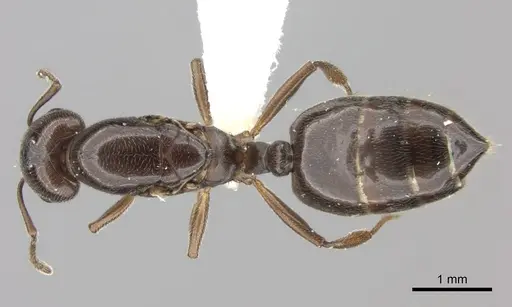
CASENT0071423
View on AntWeb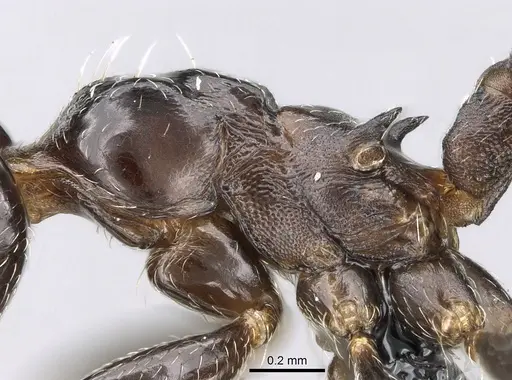
CASENT0071425
View on AntWeb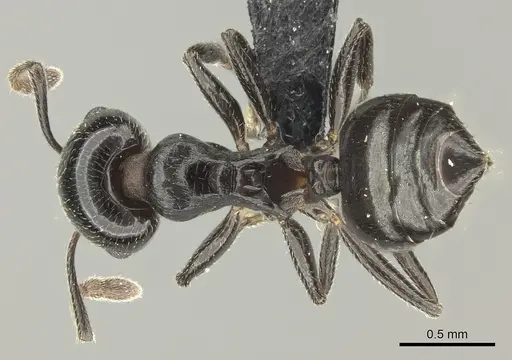
CASENT0101170
View on AntWeb
CASENT0101171
View on AntWeb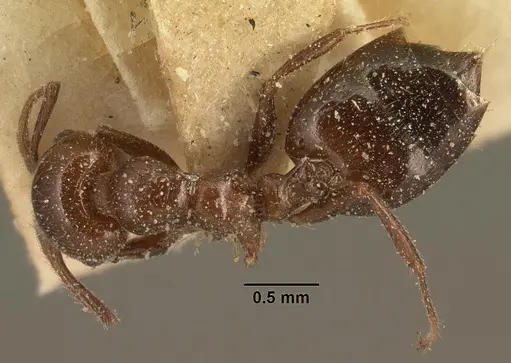
CASENT0101172
View on AntWeb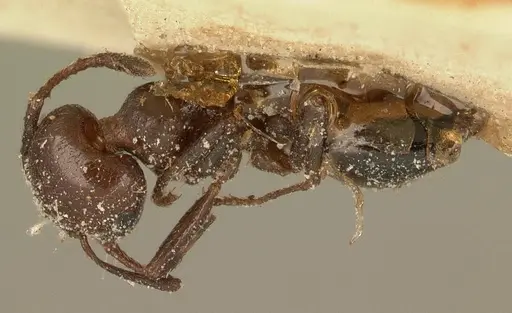
CASENT0101173
View on AntWeb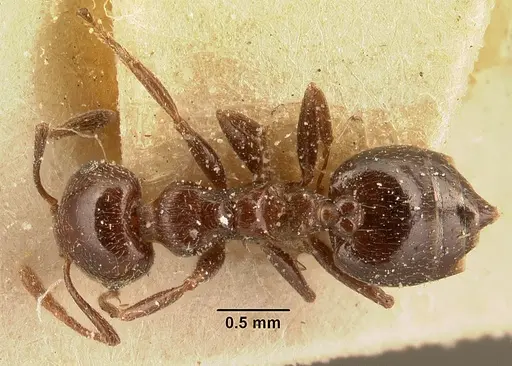
CASENT0101174
View on AntWeb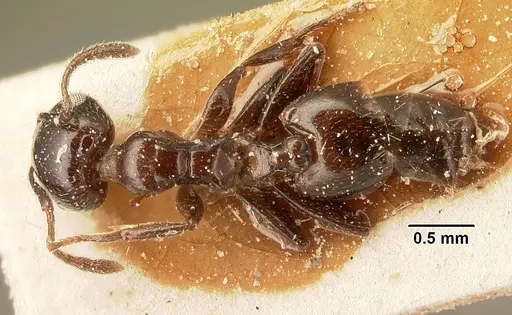
CASENT0101597
View on AntWeb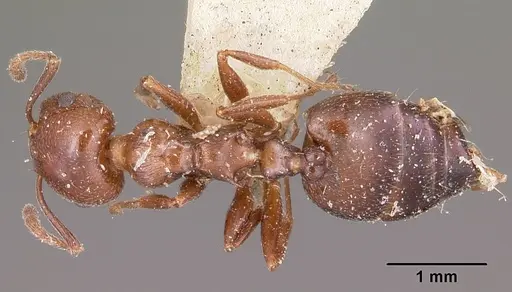
CASENT0101690
View on AntWeb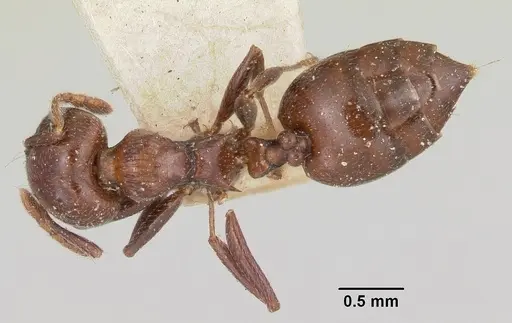
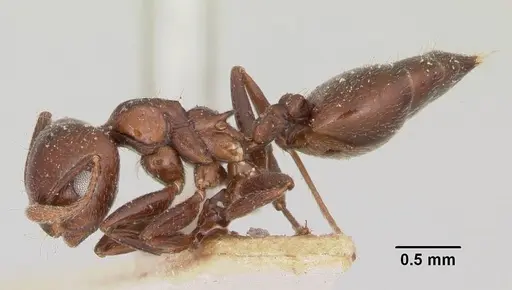
CASENT0101907
View on AntWeb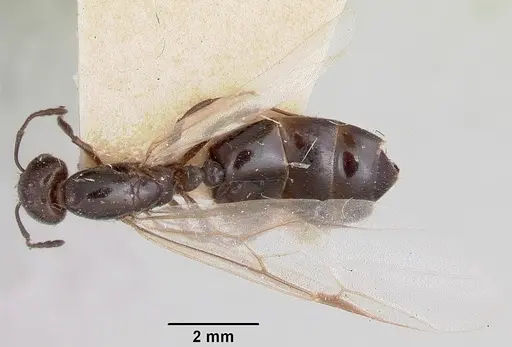
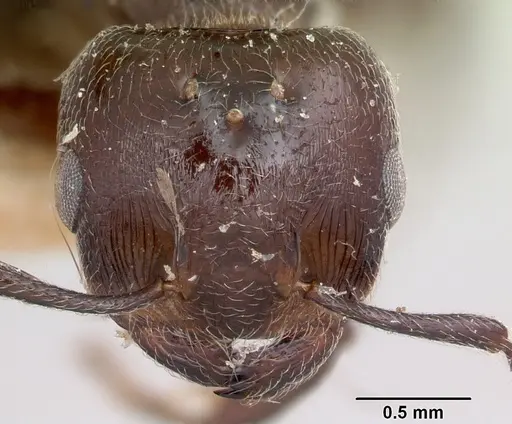
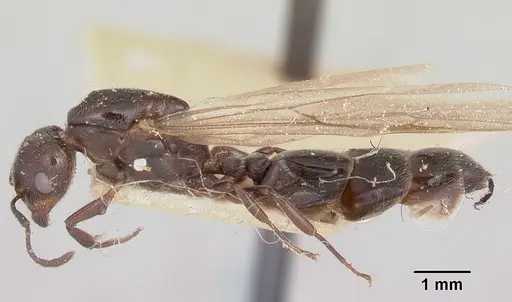
CASENT0101984
View on AntWeb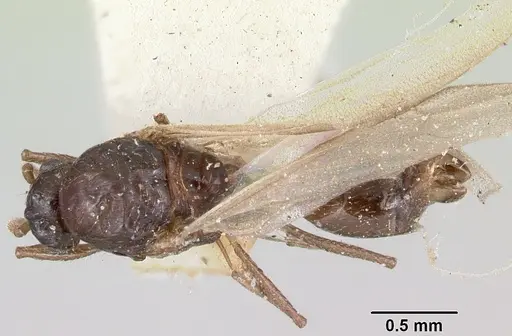
CASENT0102941
View on AntWeb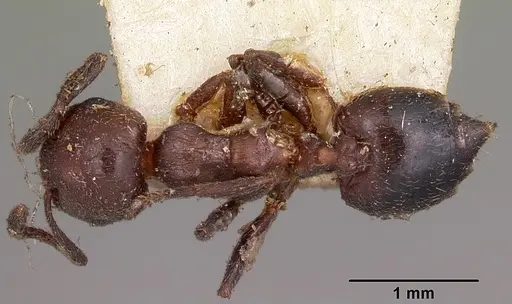
CASENT0118982
View on AntWeb
CASENT0127520
View on AntWeb
CASENT0922648
View on AntWeb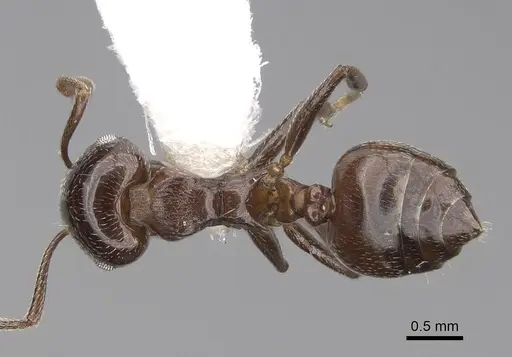
Literature
Loading distribution map...Loading products...