
Crematogaster cylindriceps
- Sci. Name
- Crematogaster cylindriceps
- Tribe
- Crematogastrini
- Subfamily
- Myrmicinae
- Author
- Wheeler, 1927
- Distribution
- Found in 1 countries
Introduction
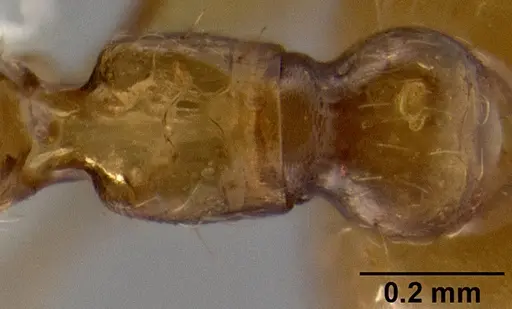
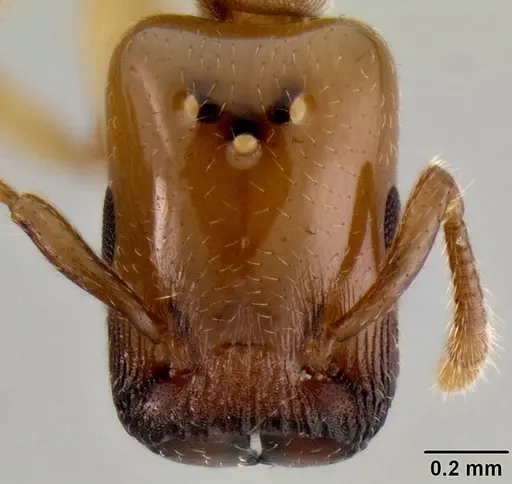
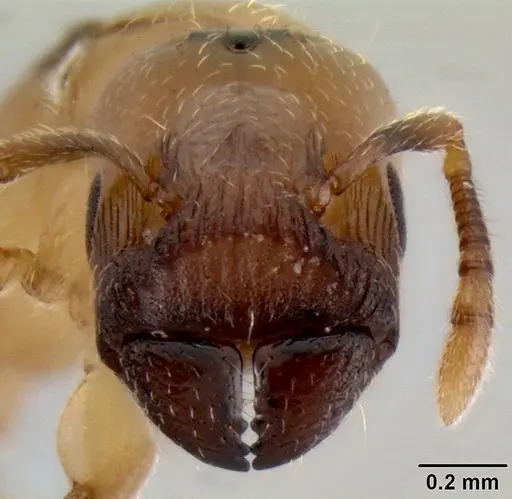
Crematogaster cylindriceps is a rare and unusual ant species native to Southeast Asia, known exclusively from the Philippines and Borneo. This species stands out as the only known Crematogaster that nests inside living plant stems (vines and climbers) rather than in soil, rotting wood, or under stones. Queens possess a distinctive phragmotic head - a uniquely truncated front that acts as a living plug to seal the nest entrance, an adaptation thought to have evolved under intense competition for limited nesting sites. Workers are tiny at just 1.75-2.0mm, while queens reach 4.5-5.5mm. Colonies are polygynous, with multiple queens living together in the same plant stem segments. This is an expert-level species due to its extreme rarity in the hobby and specialized nesting requirements.
Quick Summary
- Difficulty: Expert
- Origin & Habitat: Southeast Asia, Philippines and Borneo (Kalimantan). Nests exclusively in living stems of climber plants (vines) such as Spatholobus and Uncaria species, typically found in both primary and secondary forests at heights ranging from 0.5m to 24m above ground [1].
- Colony Type: Polygynous, multiple queens live together in the same plant stem. Several dealated (wingless) queens have been found in adjacent internodes, and at least three queens occupy a single stem segment [1].
- Size & Growth:
- Antkeeping:
- Temperature: Keep at 24-28°C, aim for warm, stable conditions typical of tropical forest interiors. A gentle heat gradient allows workers to regulate their temperature.
- Humidity: High humidity (70-80%), these ants live inside living plant stems in humid forest environments. The nest material should remain consistently moist but not waterlogged.
- Diapause: Unknown, as a tropical species from Southeast Asia, they likely do not require hibernation. Maintain warm temperatures year-round.
- Nesting: This species requires a naturalistic setup that mimics their natural stem-nesting habitat. Living plant stems or artificial stem-like structures (narrow glass or acrylic tubes) work best. The queen uses her phragmotic head to seal the nest, so provide appropriately sized chambers. Do not use large, open formicarium spaces, they need tight, enclosed spaces scaled to their tiny size.
- Behavior: Queens exhibit phragmotic behavior, their uniquely truncated head functions as a living door to seal the nest entrance, protecting the colony from invading ants, predators, and rival colonies [2]. This is a passive defense mechanism rather than active aggression. Workers are small and typically non-aggressive. They likely forage along plant stems and leaves, similar to other Crematogaster species. Escape prevention is critical due to their tiny 1.75-2mm worker size, use fine mesh barriers and tight-fitting lids. Colonies are polygynous with multiple reproductive queens coexisting.
- Common Issues: extreme rarity makes colonies nearly impossible to acquire, this species has never been collected in significant numbers since its original description, specialized stem-nesting requirement is difficult to replicate in captivity, they reject conventional nest types, tiny worker size means excellent escape prevention is essential, they can squeeze through standard barriers, polygynous structure may complicate colony establishment if queens are incompatible, no captive breeding data exists, wild-caught colonies may struggle in artificial conditions
The Phragmotic Queen
The most remarkable feature of Crematogaster cylindriceps is the queen's phragmotic head structure. Unlike typical ants, the queen's head is strongly truncated (flattened) at the front, creating a plug-like shape that can seal the nest entrance. This adaptation evolved under intense competition for nesting sites in plant stems, by sealing herself inside, the queen protects the colony from invading ants, predators, and rival colonies. This same phenomenon is seen in the related genus Colobopsis, where soldier castes have similarly modified heads. The queen's head in C. cylindriceps is so specialized that it represents a distinct evolutionary specialization rare among ants. In captivity, this means you should provide nest chambers with entrance holes that the queen can effectively seal with her head, slightly larger than her head width but not so large she cannot block it. [2][1]
Stem-Nesting Ecology
This is the only known Crematogaster species that nests exclusively inside living plant stems (vines and climbers). In the wild, colonies have been found in stems of Spatholobus (legume family) at 0.5-1m height in secondary forest, and in Uncaria (rubiaceae family) at around 24m height in primary forest. The internode diameters were 3-8mm inner diameter, tiny spaces. This species competes directly with other ant species (Cladomyrma hobbyi, Tetraponera species) for these limited nesting sites. In captivity, you cannot use standard soil nests or large acrylic formicaria. Instead, provide narrow glass or acrylic tubes (3-8mm diameter) or, ideally, maintain them in a naturalistic setup with actual vine material. The ants will need to move between stem sections and access the outworld through small openings. [1]
Polygynous Colony Structure
Crematogaster cylindriceps is polygynous, colonies contain multiple queens living together. Research found several dealated (wingless) queens in adjacent stem internodes, and at least three queens in a single internode. This is unusual because most Crematogaster species are monogyne (single queen). The polygynous structure likely evolved because the limited space inside plant stems cannot support a single large colony, multiple queens can spread across more internodes. In captivity, you may keep multiple queens together without the aggression seen in some species. However, this also means colonies may be harder to establish from scratch since multiple queens must be introduced to appropriate nesting space simultaneously. [1]
Housing and Nest Setup
Housing C. cylindriceps requires thinking differently than most ant species. Standard test tubes, Y-tong nests, and plaster formicaria are likely unsuitable. Instead, create a naturalistic setup with narrow channels that mimic plant stem internodes. Glass tubing with 3-8mm inner diameter works well, cut sections and connect them to create a branching network. Alternatively, you could maintain a living climber plant in a terrarium and allow the colony to nest naturally within the stems. The outworld should be small and connected via narrow tubing (3-4mm diameter) to prevent escapes. Use cotton or fine mesh at all connections. The queen needs a chamber where she can position herself to seal the entrance with her phragmotic head, this is behavioral enrichment she would have in the wild. [1]
Feeding and Diet
Like other Crematogaster species, C. cylindriceps likely has an omnivorous diet. They probably tend scale insects inside their stem nests (scale insects were not observed in studied colonies but this may be due to incomplete sampling). In captivity, offer sugar water or honey as a constant energy source. For protein, provide small live prey appropriate to their tiny worker size, fruit flies, pinhead crickets, or small mealworms. Since they nest in plant stems, they may also have access to nectar from the host plant, consider providing a small sugar source. Feed protein 2-3 times per week and ensure sugar water is always available. Remove uneaten prey within 24 hours to prevent mold in the humid setup. [1]
Temperature and Humidity
As a tropical species from Southeast Asia, C. cylindriceps requires warm, humid conditions. Keep temperatures in the range of 24-28°C. A slight temperature gradient (warm end around 28°C, cooler around 24°C) allows workers to regulate by moving between areas. Use a heating cable or mat on one side of the setup, placed on top of the nest material to avoid drying it out. Humidity should remain high at 70-80%, these ants live inside living plant stems in forest environments where humidity is constantly elevated. Mist the setup regularly and ensure the nest material stays moist but never waterlogged. Poor humidity will quickly stress these delicate ants. [1]
Frequently Asked Questions
Can I keep Crematogaster cylindriceps in a test tube?
No, test tubes are not suitable. This species nests exclusively inside living plant stems with tiny 3-8mm diameters. You need to provide narrow glass or acrylic tubing that mimics their natural stem-nesting habitat. A naturalistic terrarium setup with actual vine material would be ideal but is difficult to maintain.
How long until first workers in Crematogaster cylindriceps?
Unknown, no specific development data exists for this species.
Can I keep multiple queens together?
Yes, this species is naturally polygynous. Multiple queens live together in the same plant stem in the wild. However, introducing unrelated queens in captivity may still cause aggression. If combining queens, provide ample stem space and monitor for fighting.
Do Crematogaster cylindriceps ants sting?
Crematogaster species have stingers but rarely use them on humans due to their small size. Workers at 1.75-2mm are too small to penetrate human skin effectively. They are not considered dangerous to keepers.
Are Crematogaster cylindriceps good for beginners?
No, this is an expert-level species. They are extremely rare in the antkeeping hobby, have highly specialized stem-nesting requirements that are difficult to replicate, and almost no captive breeding data exists. They are not recommended for beginners.
Do Crematogaster cylindriceps need hibernation?
No, as a tropical Southeast Asian species, they do not require hibernation. Keep them warm year-round at 24-28°C. Simulating seasonal temperature changes may actually stress them.
Why are my Crematogaster cylindriceps dying?
Without captive data, we can only speculate. Common issues likely include: incorrect nest setup (too large/open spaces), low humidity (below 70%), temperatures outside 24-28°C range, escape-related losses due to their tiny size, or stress from improper introduction of colony members. This species has never been successfully maintained in captivity to our knowledge.
What do Crematogaster cylindriceps eat?
Like other Crematogaster, they are omnivorous. Offer sugar water or honey constantly, and protein sources like small fruit flies, pinhead crickets, or small mealworms 2-3 times per week. They may also tend scale insects in their stems.
How big do Crematogaster cylindriceps colonies get?
Unknown, no colony size data exists. In the wild, colonies are limited by the available stem space in their host plant.
What makes Crematogaster cylindriceps unique?
This is the only known Crematogaster species that nests inside living plant stems rather than in soil or rotting wood. Queens have a unique phragmotic head (truncated front) that functions as a living plug to seal the nest entrance. Colonies are polygynous with multiple queens. It is also extremely rare, known only from the Philippines and Borneo.
Report an Issue
The current care sheet is based fully on literature. See inconsistencies, or something that's incorrect? Please , it will be resolved after review from an admin. Contributing to the blogs tab also helps providing information, to make us be able to further improve the caresheets. Thank you for your support!
References

This caresheet is licensed under CC BY-SA 4.0 .
Community Blogs
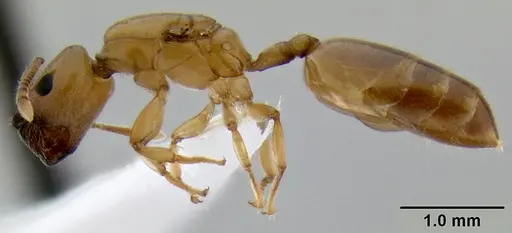
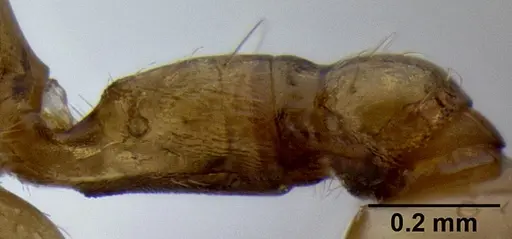
CASENT0193916
View on AntWeb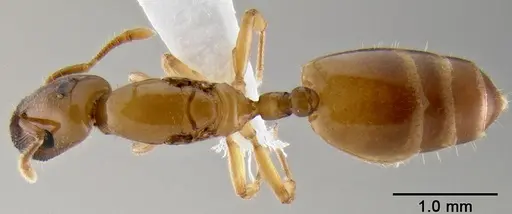
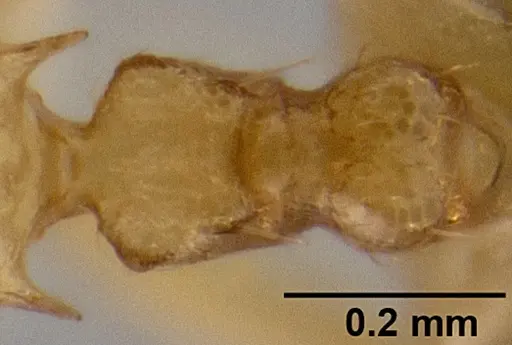
CASENT0193917
View on AntWeb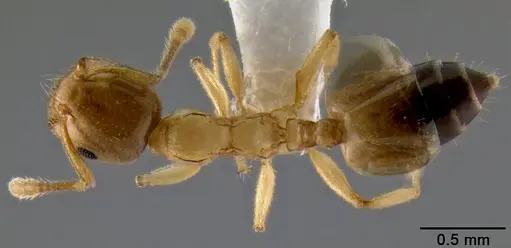
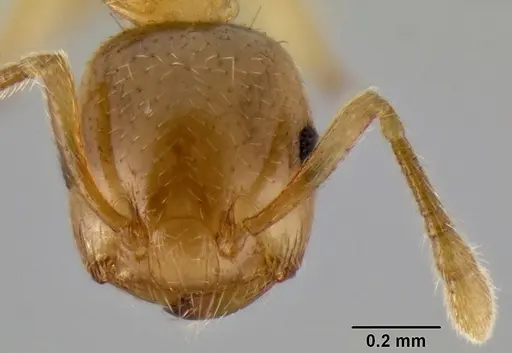
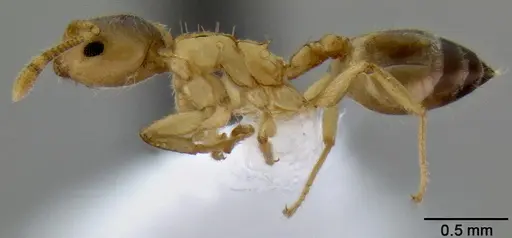
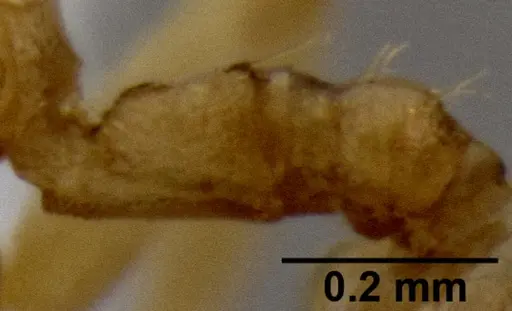
Literature
Loading distribution map...Loading products...