
Crematogaster cuvierae
- Sci. Name
- Crematogaster cuvierae
- Tribe
- Crematogastrini
- Subfamily
- Myrmicinae
- Author
- Donisthorpe, 1945
- Distribution
- Found in 1 countries
Introduction
Crematogaster cuvierae is a small myrmicine ant native to West Africa, documented in Ghana and Gabon. Workers display the genus characteristic heart-shaped gaster that can be raised and pointed downward when threatened. The species was first described in 1945 from specimens collected in Ghana (then Gold Coast) found inside the plant Cuviera aeratiflora [AntWiki]. This ant occurs in both gallery forest and savannah habitats in Gabon . The genus Crematogaster is known for their defensive posture - when disturbed, they raise their gaster high and may smear venom onto attackers using their modified spatulate stinger.
Quick Summary
- Difficulty: Unknown, limited data available
- Origin & Habitat: West Africa (Ghana and Gabon). Found in gallery forest and savannah habitats [2]. Type specimens collected from within a plant (Cuviera aeratiflora), suggesting plant-cavity nesting [1].
- Colony Type: Unconfirmed colony structure. The genus Crematogaster is typically polygynous (multi-queen), but specific colony structure for C. cuvierae has not been documented.
- Size & Growth:
- Queen: Size data unavailable, no species-specific measurements exist
- Worker: Size data unavailable, no species-specific measurements exist
- Colony: Unknown, no colony size data available for this species
- Growth: Unknown, no development data available
- Development: Unknown, no direct development data exists for this species (Development timing has not been studied.)
- Antkeeping:
- Temperature: Keep at 24-28°C. Being from tropical West Africa, they prefer warm conditions. A heating cable on one side of the nest can create a suitable gradient.
- Humidity: Moderate to high humidity. Mist the outworld occasionally and keep nest substrate slightly moist. Ensure some drier areas are available for the ants to regulate.
- Diapause: No, being a tropical species from Ghana and Gabon, they do not require hibernation. Maintain warm temperatures year-round.
- Nesting: Based on type specimen collection from plant cavity (Cuviera aeratiflora), they likely prefer nesting in dead wood, hollow stems, or plant cavities. In captivity, a Y-tong (AAC) nest or plaster nest with narrow chambers works well. Avoid overly wet substrates.
- Behavior: Temperament is typical of Crematogaster, they are defensive and will raise their gaster when threatened, potentially smearing venom onto attackers. They are relatively active foragers and will search for sugar sources and small prey. Escape prevention should be moderate, they are small ants but not among the tiniest. They likely form multi-queen colonies like most Crematogaster species.
- Common Issues: limited data makes care recommendations uncertain, this species has not been kept in captivity frequently, colony structure unconfirmed, may be polygynous like most Crematogaster, but not documented, no information on founding behavior, claustral founding is typical for the genus but unconfirmed for this species, tropical species requires warm temperatures year-round, small size means escape prevention is necessary though not as critical as with tiny ants
Nest Preferences and Housing
Crematogaster cuvierae was originally described from specimens collected inside the plant Cuviera aeratiflora, indicating they naturally nest in plant cavities or rotting wood [1]. In captivity, they do well in Y-tong (AAC) nests or plaster nests with chambers scaled to their small size. Avoid overly wet or waterlogged substrates, they prefer slightly moist conditions with good ventilation. A test tube setup can work for founding colonies, but be prepared to move them to a more spacious formicarium as the colony grows. Many Crematogaster prefer nests with some vertical orientation and narrow passages.
Feeding and Diet
Crematogaster ants are omnivorous and will accept a variety of foods. Offer sugar water or honey regularly as a carbohydrate source, they particularly enjoy honeydew if you have access to aphid colonies. For protein, provide small insects such as fruit flies, small mealworms, or cricket pieces. Feed every 2-3 days, removing uneaten prey after 24 hours. Unlike some specialized predators, they are generalist feeders. A varied diet helps maintain colony health.
Temperature and Seasonal Care
Being a tropical species from Ghana and Gabon in West Africa, Crematogaster cuvierae requires warm temperatures year-round. Keep the nest area at 24-28°C for optimal activity and brood development. A heating cable placed on one side of the nest can create a temperature gradient, allowing ants to regulate their own temperature. Unlike temperate species, they do not require true hibernation. However, a slight seasonal reduction to around 22°C during winter months may be appropriate if you notice reduced activity. Avoid temperatures below 20°C for extended periods. [2]
Behavior and Defense
Crematogaster ants have a distinctive defensive behavior, when threatened, they raise their gaster (abdomen) high in the air and use their modified spatulate stinger to smear venom onto attackers rather than piercing flesh. This is different from formic acid spraying ants. They are relatively aggressive when defending the nest but are not typically dangerous to humans. Their small size means the venom smear is not painful to keepers, though it may cause minor skin irritation. They are active foragers and will readily search out food sources in the outworld.
Frequently Asked Questions
How long does it take for Crematogaster cuvierae to produce first workers?
Exact timing is unknown for this species. Development data has not been studied.
Can I keep multiple Crematogaster cuvierae queens together?
The colony structure of this specific species is unconfirmed. However, most Crematogaster species are polygynous (multi-queen) in the wild. If you want to attempt multi-queen founding, introduce them while they are still claustrally founding in test tubes, but monitor for aggression.
What temperature do Crematogaster cuvierae ants need?
Keep them warm at 24-28°C. This tropical West African species requires year-round warmth. A heating cable on part of the nest can help maintain proper temperatures.
Do Crematogaster cuvierae ants sting?
They do not have a painful sting like some larger ants. Their primary defense is smearing venom from their raised gaster using a modified spatulate stinger. This may cause minor skin irritation but is not dangerous to healthy adults.
What do Crematogaster cuvierae ants eat?
They are omnivorous. Offer sugar sources (honey water, sugar water) regularly and protein sources (small insects like fruit flies, mealworms) every few days. They will also consume honeydew if available.
Is Crematogaster cuvierae a good species for beginners?
This species has limited availability and documented care information, making it a poor choice for beginners. If you are new to ant keeping, consider starting with more commonly kept species like Lasius niger, Camponotus species, or Messor species that have established care guides.
How big do Crematogaster cuvierae colonies get?
Colony size data is not available for this species.
Do Crematogaster cuvierae need hibernation?
No. Being a tropical species from Ghana and Gabon, they do not require hibernation. Maintain warm temperatures (24-28°C) year-round for optimal colony health.
What type of nest is best for Crematogaster cuvierae?
Based on their natural nesting in plant cavities, a Y-tong (AAC) nest or plaster nest with narrow chambers works well. They prefer slightly moist substrate but not wet conditions. Ensure adequate ventilation to prevent mold.
Where is Crematogaster cuvierae found in the wild?
This species is native to West Africa. It was originally described from Ghana and has also been documented in Gabon. They inhabit both gallery forest and savannah habitats.
Report an Issue
The current care sheet is based fully on literature. See inconsistencies, or something that's incorrect? Please , it will be resolved after review from an admin. Contributing to the blogs tab also helps providing information, to make us be able to further improve the caresheets. Thank you for your support!
References

This caresheet is licensed under CC BY-SA 4.0 .
Community Blogs
CASENT0902069
View on AntWeb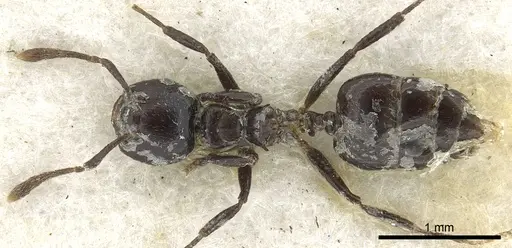
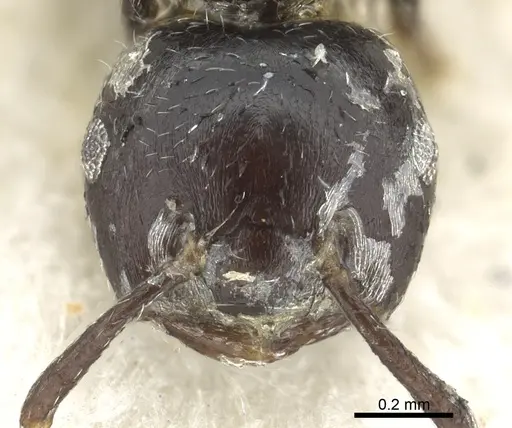
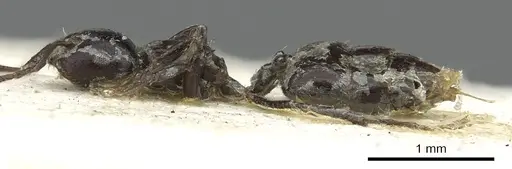
Literature
Loading distribution map...Loading products...