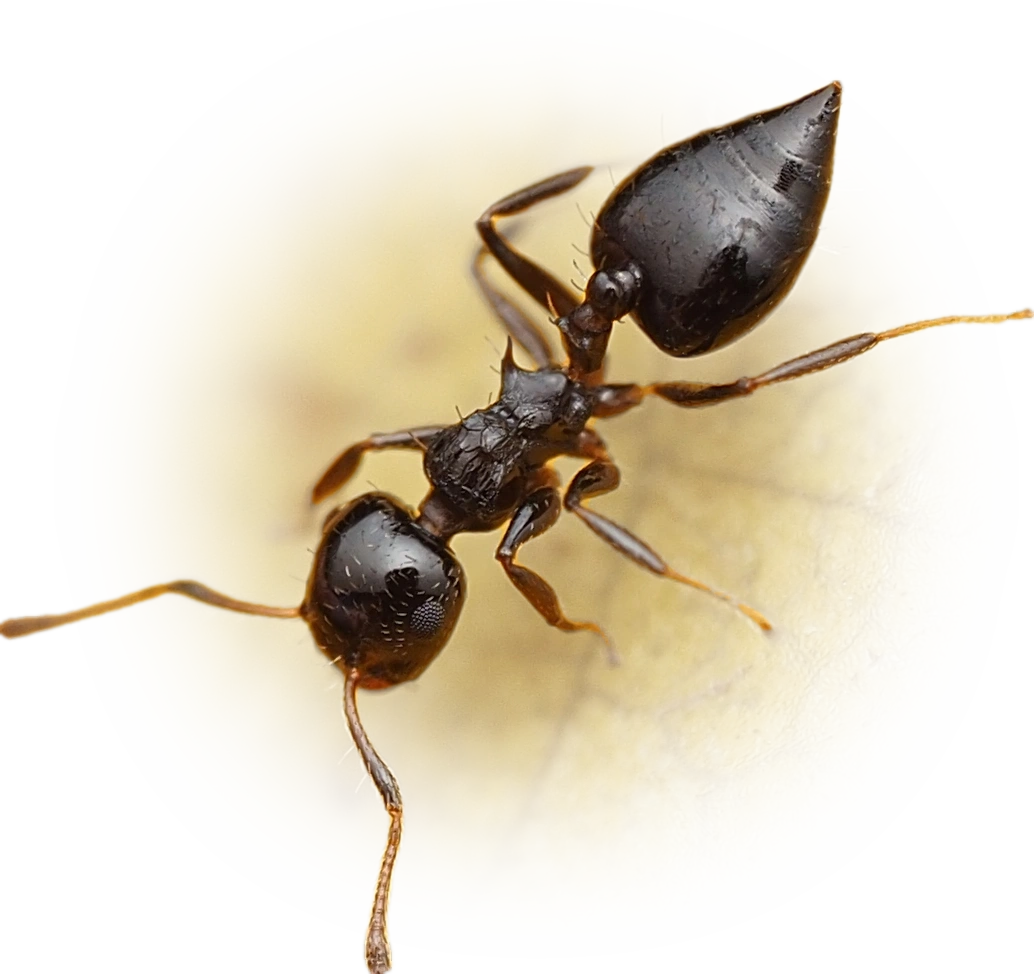
Crematogaster curvispinosa
- Sci. Name
- Crematogaster curvispinosa
- Subgenus
- Orthocrema
- Tribe
- Crematogastrini
- Subfamily
- Myrmicinae
- Author
- Mayr, 1862
- Distribution
- Found in 18 countries
Introduction
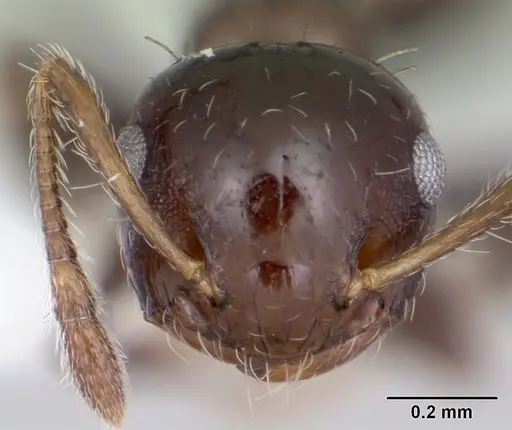
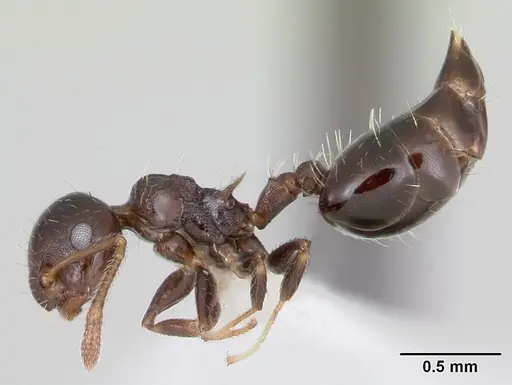
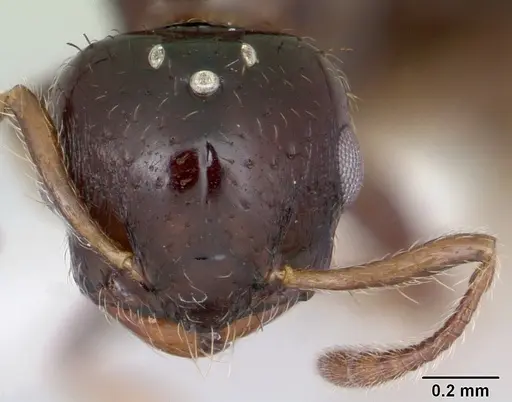
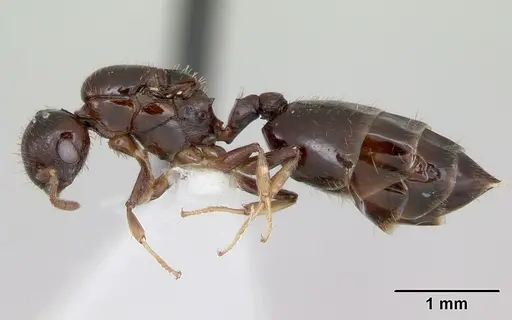
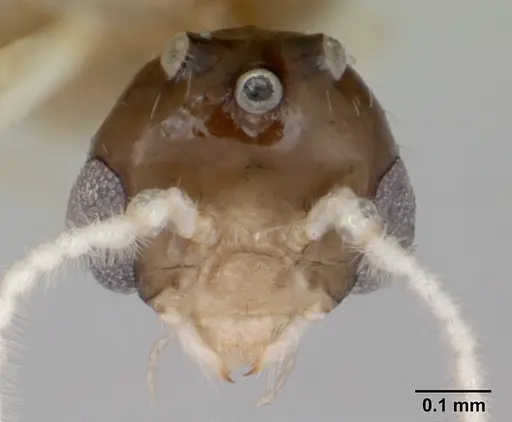
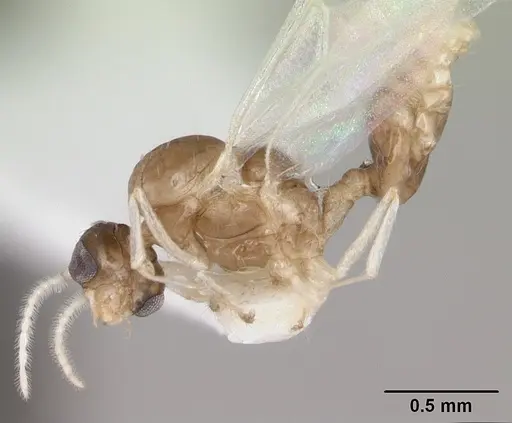
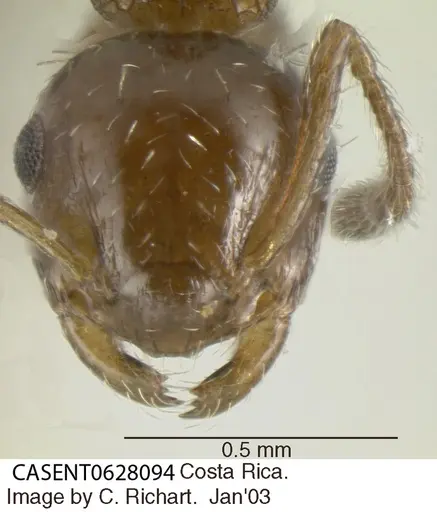
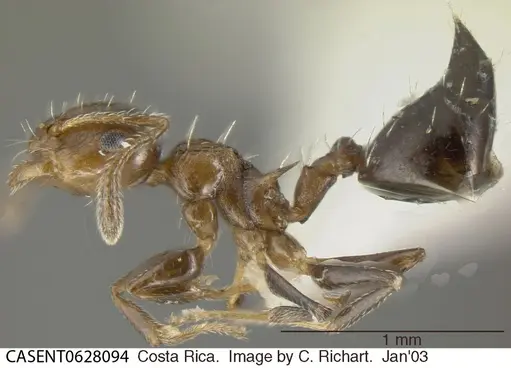
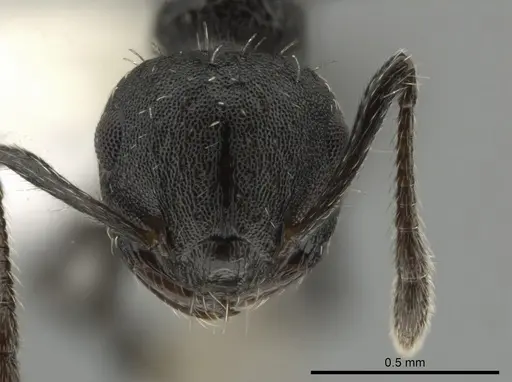
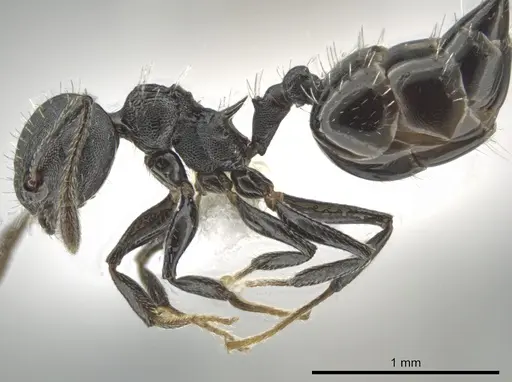
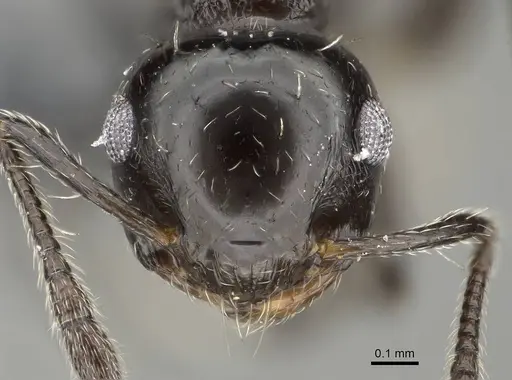
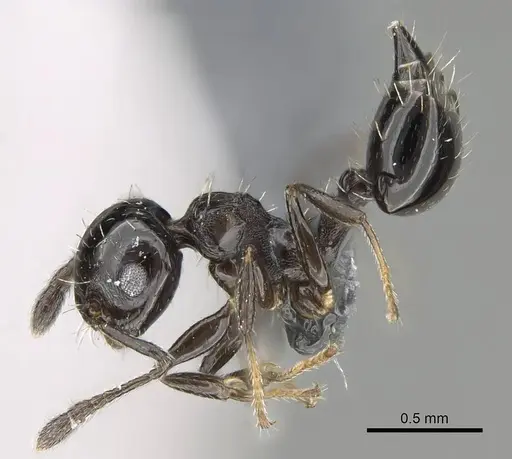
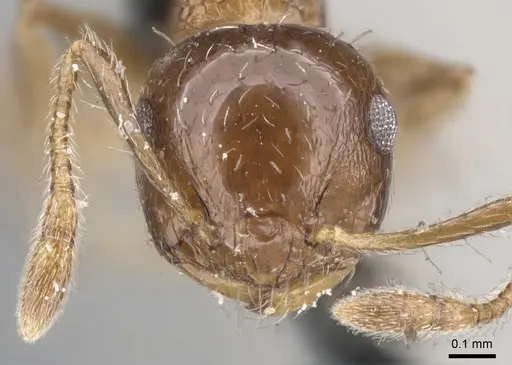
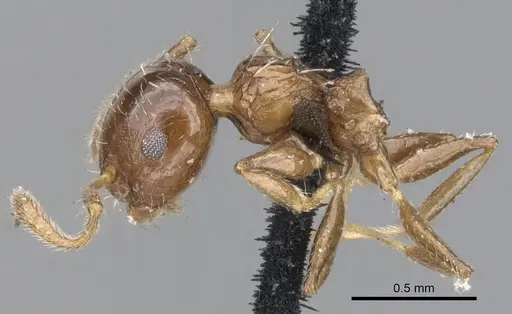
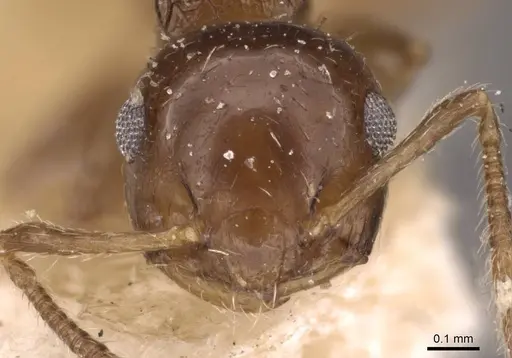
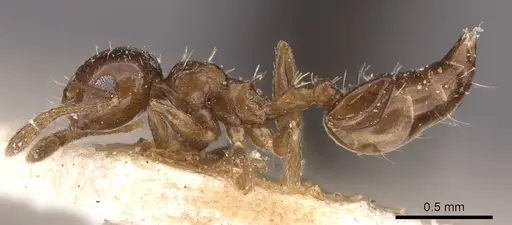
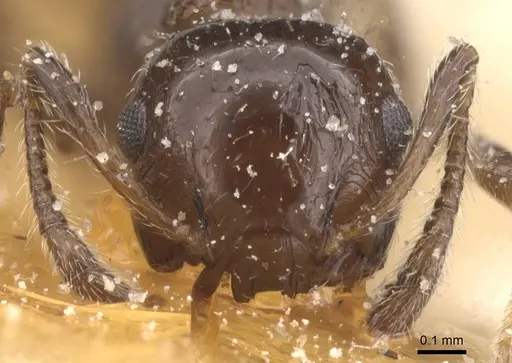
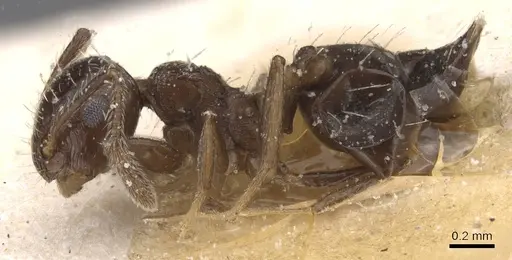
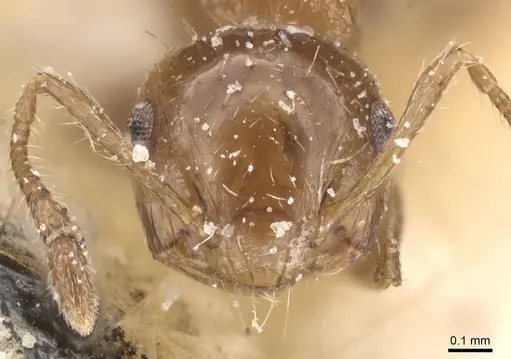
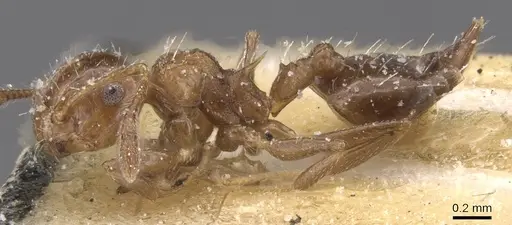
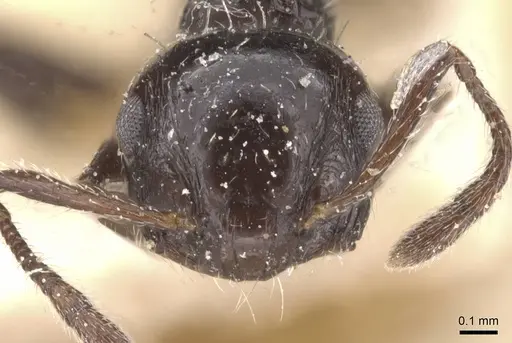
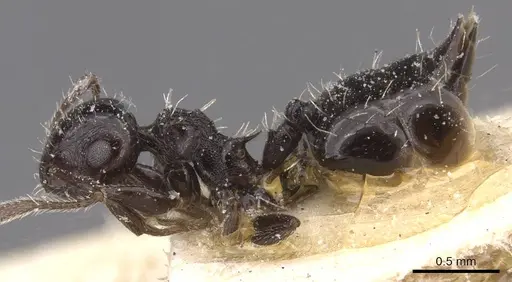
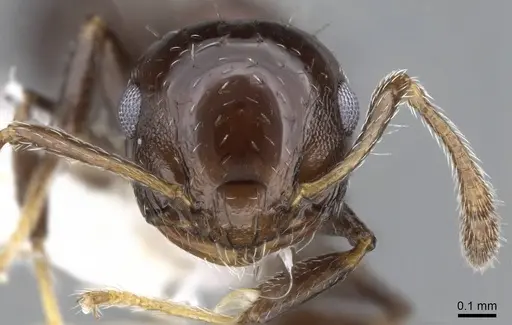
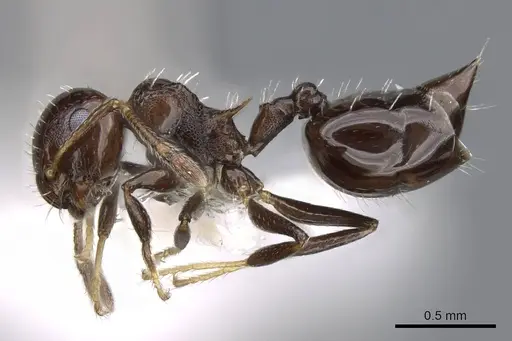
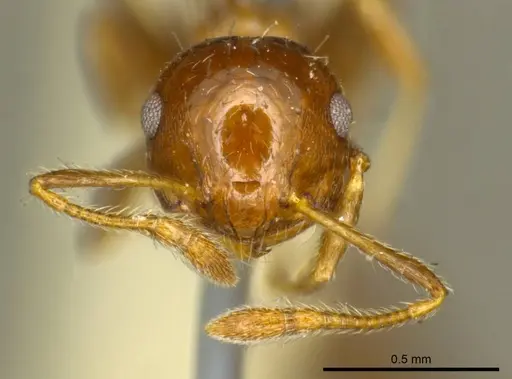
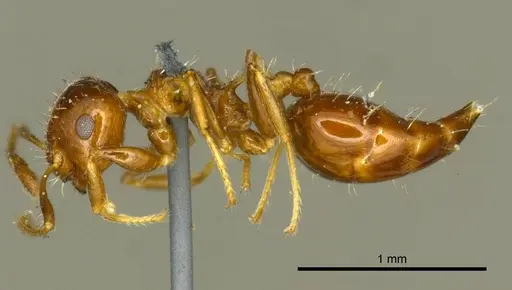
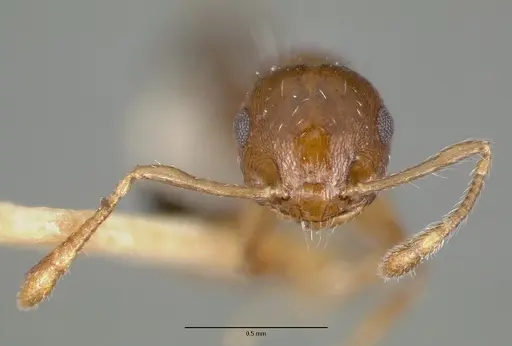
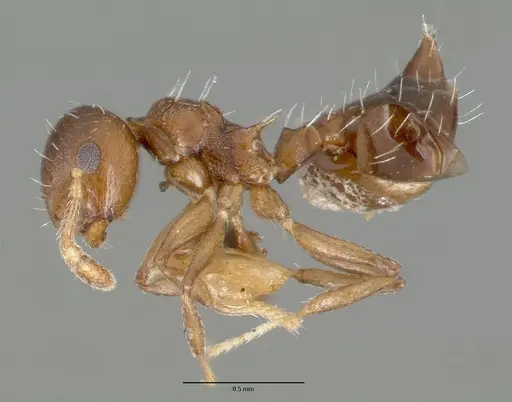
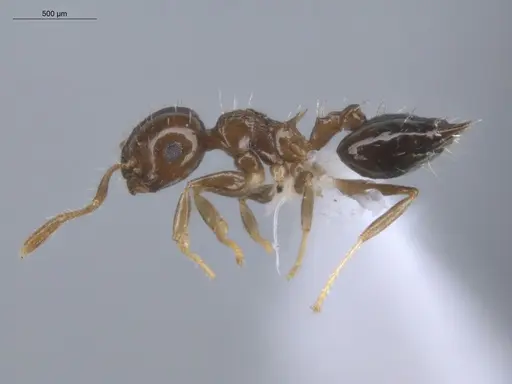
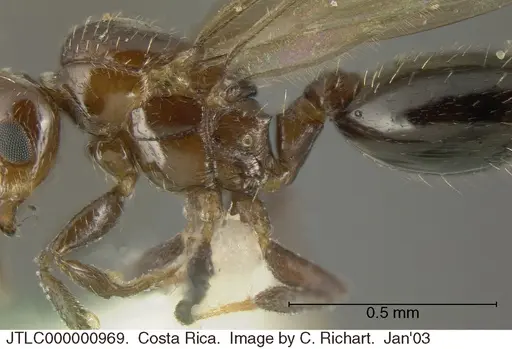
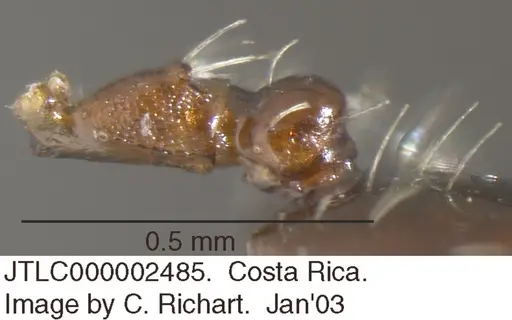
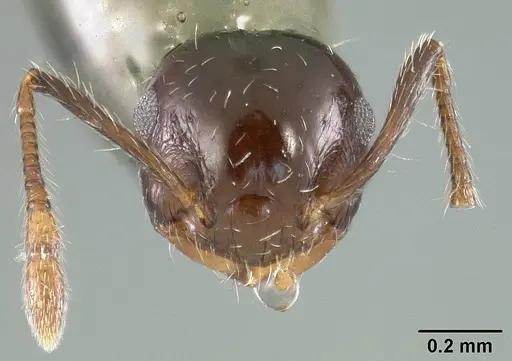
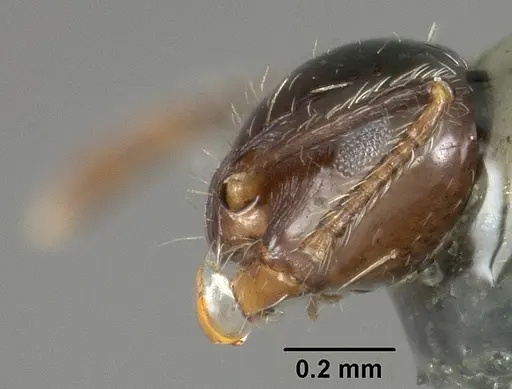
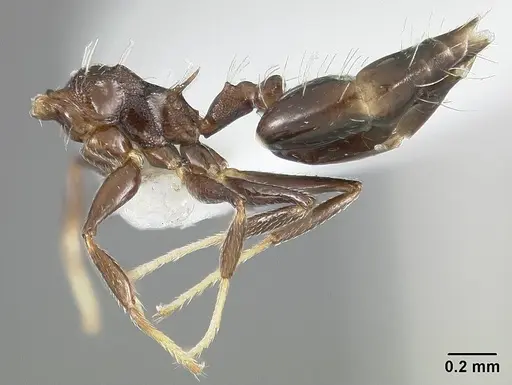
Crematogaster curvispinosa is a small, inconspicuous acrobat ant native throughout the Neotropics, from southern Mexico to northern Argentina and the Caribbean islands. Workers are dark red-brown to black, measuring approximately 2.5-3mm total length, with a uniquely shaped propodeum featuring broad, divergent spines that abruptly bend to short posterior tips. This species is distinguished by its clathrate (lattice-like) sculpture on the pronotum and stiff erect setae covering its body. Colonies are small, typically containing just a few dozen workers, making them one of the more modest-sized Crematogaster species in the region. They are arboreal by nature, nesting in narrow dead stems, grass stalks, and opportunistically in antplants like Cecropia.
Quick Summary
- Difficulty: Easy
- Origin & Habitat: Neotropical region, from southern Mexico through Central America to northern Argentina, including Caribbean islands. Also recorded in Florida, USA. Found in disturbed areas, brushy habitats, road edges, young second growth, coffee plantations, and forest edges [1][2][3].
- Colony Type: Monogyne (single-queen) colonies with ergatoid replacement reproductives. Colonies are small, typically just a few dozen workers. Ergatogynes (wingless reproductive workers) are common and can serve as replacement reproductives if the queen dies. The species can also reproduce via thelytokous parthenogenesis, producing female offspring from workers and virgin queens alone [1][4][2].
- Size & Growth:
- Queen: Queens: approximately 5-6mm total length, inferred from genus patterns [3].
- Worker: Workers: approximately 2.5-3mm total length, inferred from genus patterns [3].
- Colony: Small colonies, a few dozen workers at most [1].
- Growth: Moderate, based on typical Crematogaster development patterns.
- Development: Estimated 6-8 weeks at warm tropical temperatures (24-28°C). No direct data found for this species, but related Crematogaster species suggest this timeline. (Brood has been found in nests during July, September, and December across their range, suggesting year-round breeding in warm conditions [3].)
- Antkeeping:
- Temperature: Keep at 24-28°C (warm room temperature). As a Neotropical species, they prefer warm conditions. A gentle heat gradient is beneficial but not required if room temperature is within range.
- Humidity: Moderate humidity (50-70%). These ants nest in plant stems which provide some moisture. Keep the nest substrate slightly moist but allow drying between waterings. Provide a water tube as a moisture source.
- Diapause: No, as a tropical species, they do not require hibernation. Keep at stable warm temperatures year-round.
- Nesting: Arboreal twig-nester. Provide narrow-diameter stems, twigs, or a Y-tong (AAC) formicarium with narrow chambers. They prefer tight spaces similar to their natural dead stem nesting sites. A naturalistic setup with small twigs or bamboo sections works well. Avoid large open chambers.
- Behavior: Generally peaceful and non-aggressive. Workers forage day and night on low vegetation and are frequent visitors to extrafloral nectaries. They are not defensive and rarely sting. They can coexist near larger ant species in the wild. They show monopolistic behavior when defending food resources. Escape risk is moderate due to their small size, use standard barrier methods. This species has a smear defense mechanism typical of Myrmicinae ants.
- Common Issues: small colony size means slow population growth, don't expect rapid expansion, nesting in very narrow stems (2mm diameter) requires appropriately sized housing, tropical species needs warm temperatures, cold rooms may cause decline, ergatogyne colonies may not produce normal queens, reproduction can be unusual, wild-caught colonies may have parasites given their association with diverse ant communities, WARNING: This species has been recorded in Florida, USA (North America), it is NOT native to North America and should not be released
Nest Preferences
Crematogaster curvispinosa is an obligate twig-nester. In the wild, they colonize narrow dead stems, grass stalks, and vine stems as thin as 2mm in outside diameter. They also opportunistically nest in antplants like Cecropia, Cordia alliodora, and Triplaris. For captive care, provide narrow-diameter housing that mimics these natural cavities. A Y-tong (AAC) nest with narrow chambers, small bamboo sections, or a custom acrylic formicarium with tight passages works well. They prefer tight chambers over open spaces. Avoid large, cavernous formicarium chambers, these ants feel more secure in snug accommodations. You can also create a naturalistic setup with actual dead twigs or stems wired into an outworld. [1][3]
Feeding and Diet
This species is a generalist omnivore. Workers forage on low vegetation and are frequent visitors at extrafloral nectaries, making them regular honeydew consumers. They are attracted to sugar sources (honey water, sugar water) and protein (small insects). In studies, they came to honey and sardine baits, and also visited termite baits placed on leaf surfaces. Feed them a droplet of sugar water or honey 2-3 times per week, and offer small protein sources like fruit flies, small crickets, or mealworm pieces weekly. They also likely consume small seeds and plant matter, though protein should form the bulk of their diet. Remove uneaten food after 24 hours to prevent mold. [3]
Temperature and Care
As a Neotropical species, Crematogaster curvispinosa requires warm conditions. Keep the nest at 24-28°C (75-82°F). Room temperature in this range is typically sufficient. If your room is cooler, use a heating cable on one side of the nest to create a gentle gradient. Do not let temperatures drop below 20°C for extended periods. They do not require hibernation or diapause, maintain stable warm temperatures year-round. These are tropical ants and cold stress can be fatal. Monitor colony activity: if workers become sluggish or cluster tightly, the temperature may be too low. [1]
Colony Structure and Reproduction
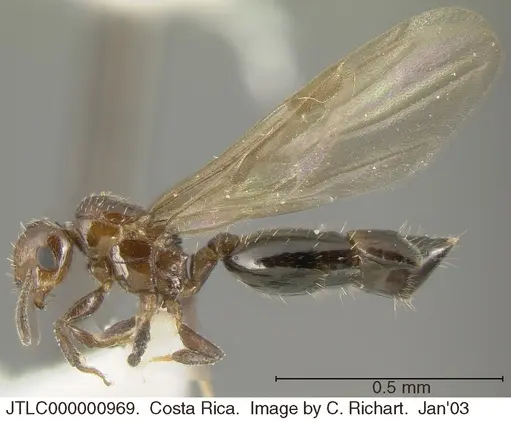
This species has a fascinating and unusual colony structure. Colonies are small, typically containing just a few dozen workers. They can have various reproductive configurations: (1) no apparent reproductive, (2) one ergatogyne (wingless reproductive worker), (3) one physogastric queen, or (4) two ergatogynes with one queen. Ergatogynes are common and serve as replacement reproductives. Remarkably, this species can reproduce via thelytokous parthenogenesis, producing female offspring from workers and virgin queens alone, without males. In one laboratory observation, a colony started with just an ergatogyne and workers later produced 14 new queens over the course of a year. This means your colony has multiple pathways to sustain reproduction. [1]
Behavior and Temperament
Crematogaster curvispinosa is a peaceful, inconspicuous species. Workers are not particularly defensive and rarely attempt to sting. They are primarily arboreal, foraging on low vegetation and tree trunks. Workers forage both day and night. They are known for their monopolistic behavior when defending extrafloral nectaries and other food resources, they will aggressively guard sugary sources from other insects. Despite their small size, they can coexist peacefully with much larger ant species in the wild, even nesting in the same stem separated by just a narrow sawdust plug from Camponotus or Dolichoderus. They are generalist foragers and adapt well to various food sources. [1][2]
Unique Biology - Thelytokous Parthenogenesis
One of the most remarkable aspects of C. curvispinosa is its ability to reproduce through thelytokous parthenogenesis. This means females (workers and queens) can produce female offspring without fertilization from males. In laboratory conditions, a colony containing only an ergatogyne, workers, and brood was able to produce new queens and workers over time, despite being isolated from any males. This is similar to what has been observed in Crematogaster scutellaris. For antkeepers, this means your colony has an unusual backup reproductive strategy, even if you lose a queen, ergatogynes may be able to sustain the colony through parthenogenetic reproduction. However, genetic diversity may suffer over generations without sexual reproduction. [1]
Frequently Asked Questions
How long does it take for Crematogaster curvispinosa to produce first workers?
Estimated 6-8 weeks from egg to worker at optimal warm temperatures (24-28°C). No specific development data exists for this species, but related Crematogaster species in the genus suggest this timeline. Growth is moderate, don't expect the rapid expansion seen in some faster species.
Can I keep multiple queens together in one colony?
No, this species is monogyne (single-queen). While ergatogynes (wingless reproductive workers) are common and can serve as replacement reproductives, multiple physogastric queens are not found in natural colonies. Do not attempt to combine unrelated foundress queens.
What do Crematogaster curvispinosa ants eat?
They are generalist omnivores. Offer sugar water or honey 2-3 times weekly, and small protein sources like fruit flies, tiny crickets, or mealworm pieces weekly. They are also attracted to honey and sardine baits in studies. Remove uneaten food after 24 hours.
Do these ants need hibernation or diapause?
No, as a Neotropical (tropical) species, they do not require hibernation. Keep them at warm temperatures (24-28°C) year-round. Cold temperatures can stress or kill this species.
Are Crematogaster curvispinosa good for beginners?
Yes, they are considered easy to keep. They are small, peaceful, and have modest space requirements. Their main needs are warm temperatures, narrow nesting chambers, and regular feeding. Their small colony size means they won't take over a large formicarium quickly, making them manageable for beginners.
What size colony do they reach?
Small, typically just a few dozen workers. This is one of the smaller Crematogaster species. Don't expect large, impressive colonies.
Do they sting?
They are not particularly defensive and rarely sting. Their small size means any sting would be negligible anyway. They are considered peaceful toward keepers.
What type of nest should I use?
Use a nest with narrow chambers, they are twig-nesters that naturally colonize stems only 2mm in diameter. A Y-tong (AAC) nest with small chambers, small bamboo sections, or an acrylic formicarium with tight passages works best. Avoid large, open chambers.
Why is my colony not growing?
Check three things: temperature (should be 24-28°C), food (regular protein and sugar), and nest space (they prefer tight chambers). Small colony size is natural for this species, they simply don't produce hundreds of workers. Also verify you have a reproductive (queen or ergatogyne) present.
Report an Issue
The current care sheet is based fully on literature. See inconsistencies, or something that's incorrect? Please , it will be resolved after review from an admin. Contributing to the blogs tab also helps providing information, to make us be able to further improve the caresheets. Thank you for your support!
References

This caresheet is licensed under CC BY-SA 4.0 .
Community Blogs
CASENT0173308
View on AntWeb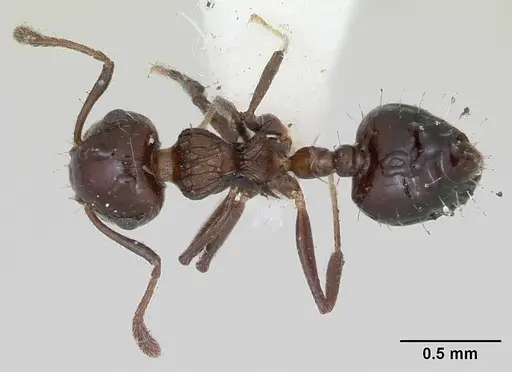
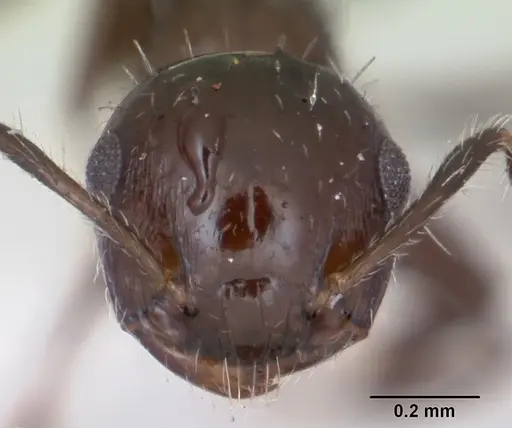
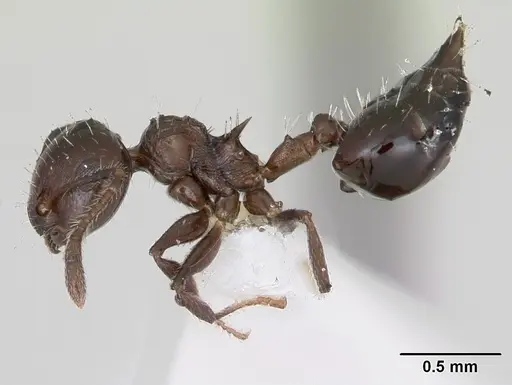
CASENT0173936
View on AntWeb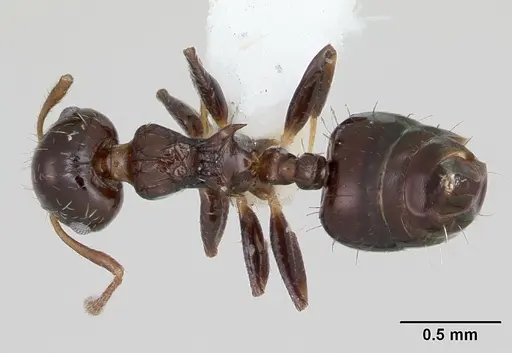
CASENT0173937
View on AntWeb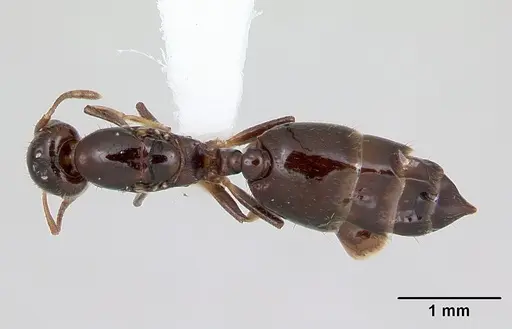
CASENT0173938
View on AntWeb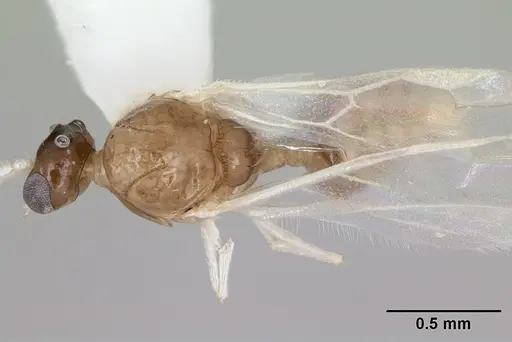
CASENT0628094
View on AntWeb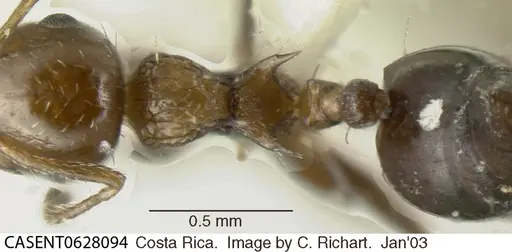
CASENT0649922
View on AntWeb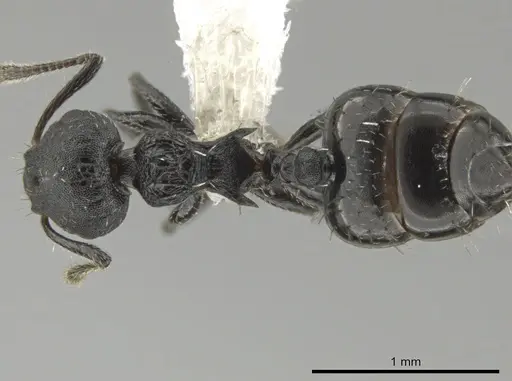
CASENT0768054
View on AntWeb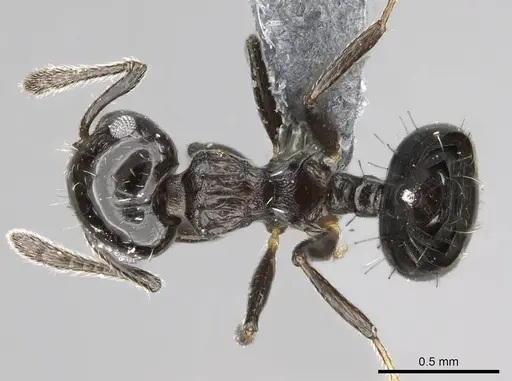
CASENT0902168
View on AntWeb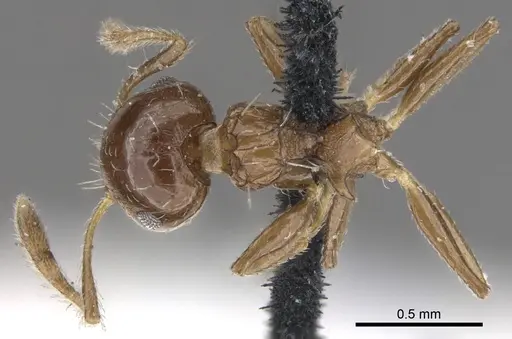
CASENT0908411
View on AntWeb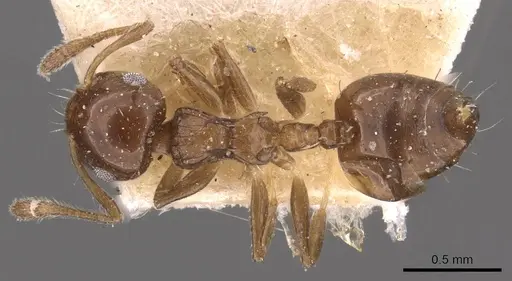
CASENT0912765
View on AntWeb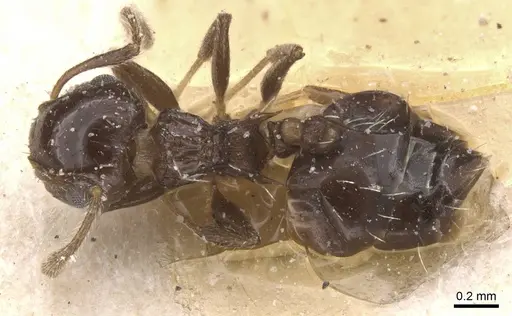
CASENT0912766
View on AntWeb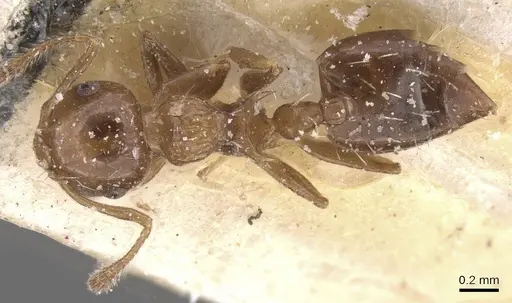
CASENT0912767
View on AntWeb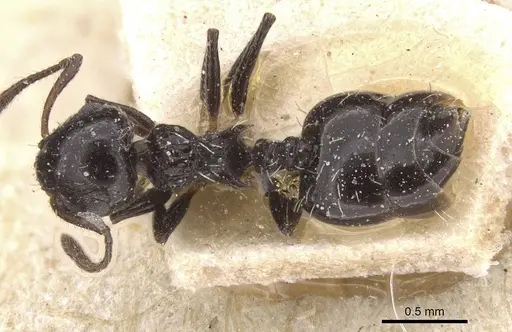
CASENT0914559
View on AntWeb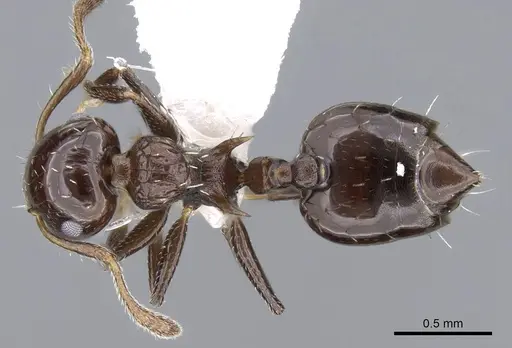
CASENT0919699
View on AntWeb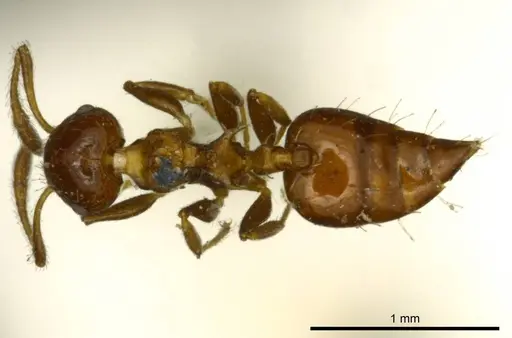
CASTYPE00627
View on AntWeb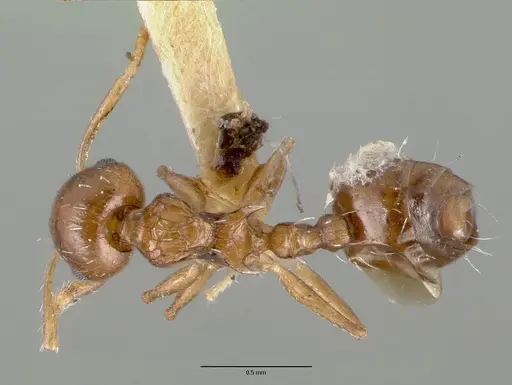
CBUMAGENT41942
View on AntWeb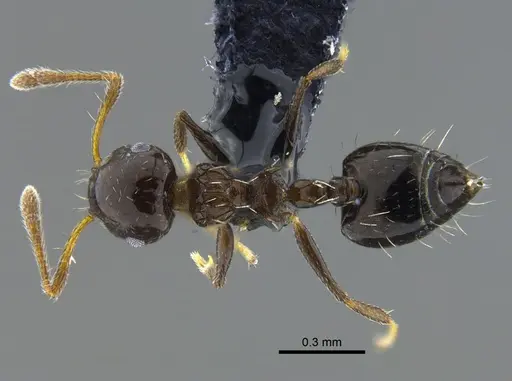
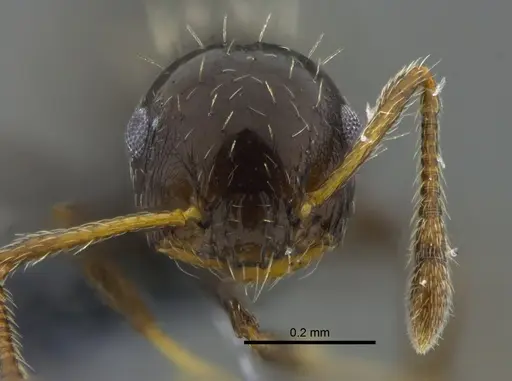
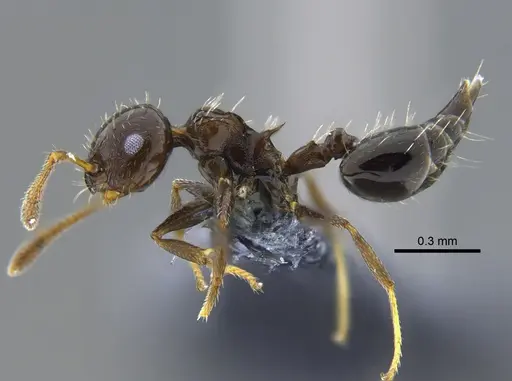
ECOFOG-GAL18-0013-12
View on AntWeb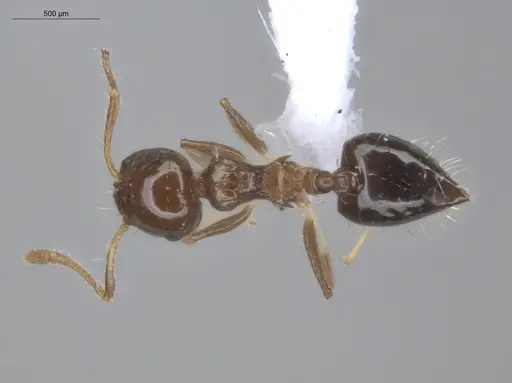
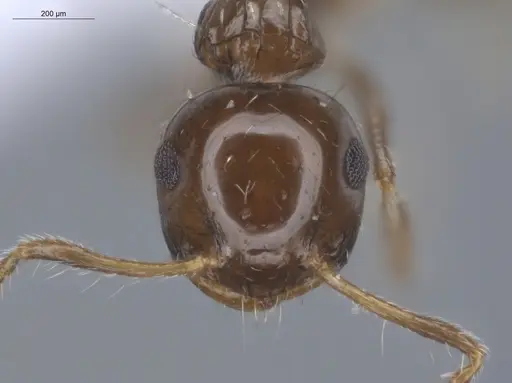
JTLC000000969
View on AntWeb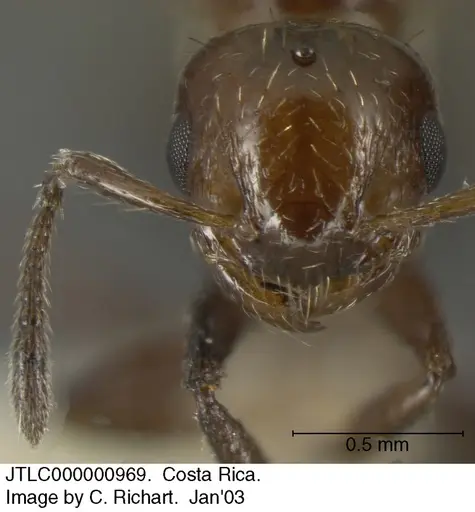
JTLC000002485
View on AntWeb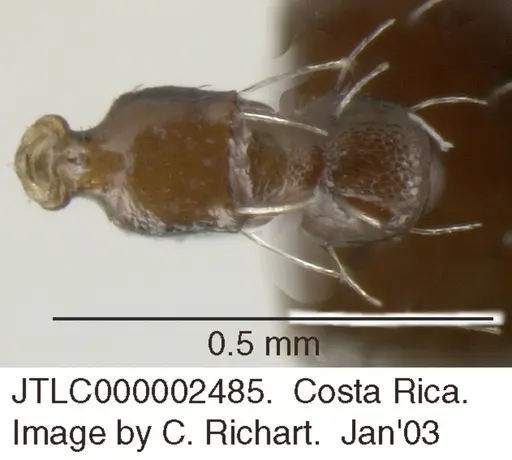
USNMENT01124279
View on AntWeb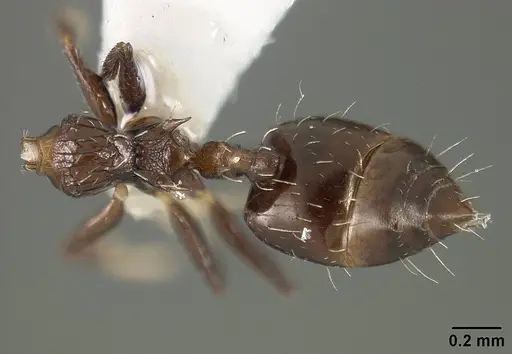
Literature
Loading distribution map...Loading products...