
Crematogaster cristata
- Sci. Name
- Crematogaster cristata
- Subgenus
- Orthocrema
- Tribe
- Crematogastrini
- Subfamily
- Myrmicinae
- Author
- Santschi, 1929
- Distribution
- Found in 1 countries
Introduction
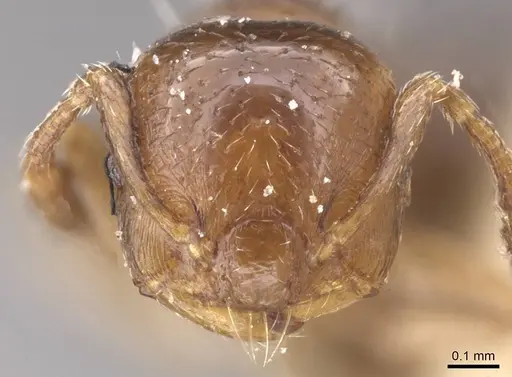
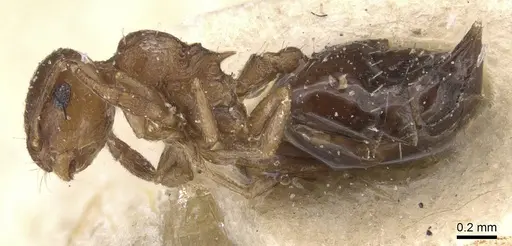
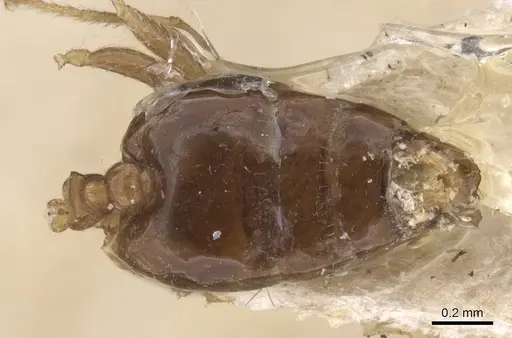
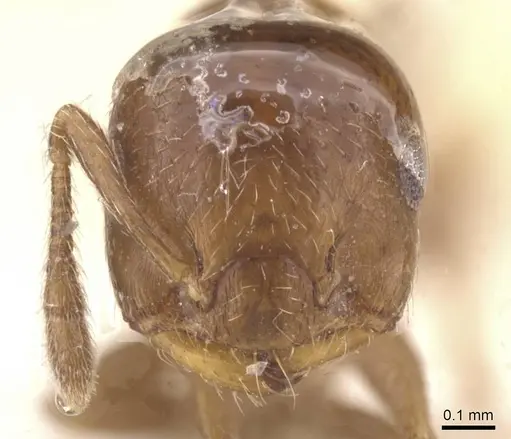
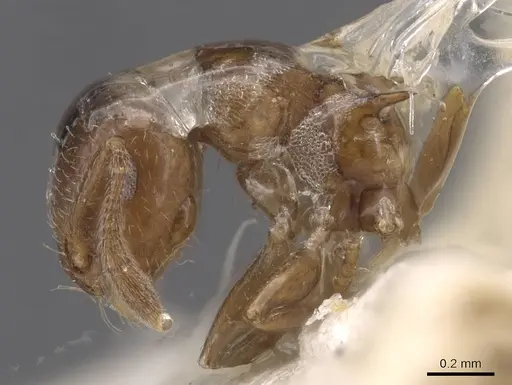
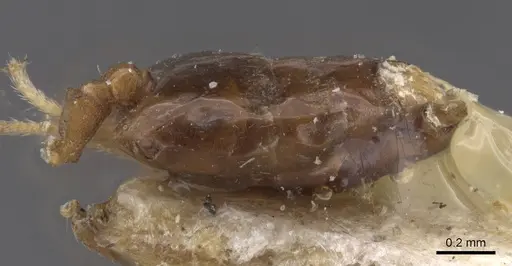
Crematogaster cristata is a small Neotropical ant species belonging to the subfamily Myrmicinae. Originally described by Santschi in 1929 from specimens collected in southeastern Brazil, specifically the Rio de Janeiro region around Petrópolis . The species was later recognized as a senior synonym of Crematogaster terricola . Workers possess the genus-characteristic heart-shaped gaster that can be raised in a defensive display. These ants are arboreal to semi-arboreal, naturally nesting in rotting wood, hollow stems, and under bark in humid forest environments. The specific name 'cristata' refers to a crest-like feature on the ant's body.
Quick Summary
- Difficulty: Medium
- Origin & Habitat: Southeastern Brazil (Rio de Janeiro, Petrópolis), humid tropical forest regions [1][2]
- Colony Type: Unconfirmed. Specific colony structure data for this species is not available. Based on typical Crematogaster patterns, colonies may contain multiple queens, but this requires verification.
- Size & Growth:
- Queen: Size data unavailable, no specific measurements exist for this species
- Worker: Size data unavailable, no specific measurements exist for this species
- Colony: Unconfirmed. No specific colony size data is available for this species.
- Growth: Unknown
- Development: Unknown, no species-specific development data available (Development time is unconfirmed for this species)
- Antkeeping:
- Temperature: Keep at 22-26°C. As a Brazilian tropical species, they prefer warm, stable conditions. A gentle temperature gradient allows workers to self-regulate.
- Humidity: High humidity required, aim for 70-85%. These forest-dwelling ants need consistently moist substrate. Provide a water reservoir in test tube setups.
- Diapause: No true diapause, being tropical, they do not require hibernation. However, they may slow down slightly during cooler winter months if room temperature drops.
- Nesting: Prefers humid nests with small chambers. Test tubes with water reservoirs work well for founding colonies. For established colonies, Y-tong nests or plaster nests with good humidity retention are suitable. Avoid dry, airy setups.
- Behavior: Crematogaster cristata is defensive and will readily raise their gaster to display potential aggression, this is a warning behavior rather than actual stinging. Workers move in quick, erratic bursts. They are excellent climbers and may attempt escapes if not contained properly. They accept a varied diet including sugar sources and protein. Their small size means escape prevention is critical.
- Common Issues: escape prevention is critical due to tiny worker size, use fine mesh and tight-fitting lids, colonies can stall if humidity drops too low, monitor substrate moisture closely, test tube setups can flood if water reservoirs are overfilled, fill only 1/3 to 1/2 of the tube, slow growth in founding phase can lead to keeper impatience and overfeeding which causes mold, wild-caught colonies may carry parasites that can devastate captive colonies
Housing and Setup
For founding colonies, a simple test tube setup works well. Fill the tube about 1/3 to 1/2 with water, plug the water end with cotton, and place the queen in the dry portion. The cotton should be tight enough to prevent the queen from entering the water but allow moisture to humidify the chamber. Cover the setup with a dark sleeve for the first few weeks to reduce stress. Once workers number 20-30, you can consider moving to a small formicarium or keep them in the test tube with an outworld attached. Y-tong nests or plaster nests with good humidity retention work well for established colonies. Always provide an outworld for foraging.
Feeding and Diet
Crematogaster cristata is omnivorous and accepts a varied diet. Offer sugar water, honey, or diluted maple syrup as a constant carbohydrate source. For protein, provide small insects like fruit flies, pinhead crickets, or mealworms. They are not strict predators like some ants, so soft-bodied prey is preferred. Feed protein 2-3 times per week, removing any uneaten prey after 24 hours to prevent mold. Some colonies will also accept small amounts of seeds or plant matter, but protein and sugar should form the core of their diet.
Temperature and Humidity
As a Brazilian tropical species, Crematogaster cristata thrives at temperatures between 22-26°C. Avoid temperatures below 18°C or above 30°C for extended periods. Room temperature within this range is often suitable. Provide a temperature gradient if possible so workers can choose their preferred zone. Humidity is more critical, maintain 70-85% relative humidity. In test tube setups, the water reservoir provides humidity. In formicariums, mist the substrate regularly and ensure it doesn't dry out completely. Poor humidity is one of the most common causes of colony failure.
Colony Growth and Development
A newly mated queen will seal herself in a claustral chamber and lay her first eggs. She will not leave to forage during this time, surviving entirely on her stored fat reserves. The first brood typically takes 6-8 weeks to develop into workers at optimal temperature. These first workers (nanitics) are usually smaller than normal workers. Once workers emerge, the queen's role shifts to purely reproductive, and workers take over all colony tasks. Growth rate is moderate, expect several months before you have a substantial worker count. Colonies may take 1-2 years to reach several hundred workers.
Behavior and Defense
Crematogaster ants have a distinctive defensive behavior: they raise their gaster over their head like a stinger display when threatened. This species belongs to the Crematogastrini tribe, which uses a smear defense mechanism, they have a modified, flattened spatulate stinger used to wipe or smear venom onto enemies rather than piercing flesh. They are quick-moving and erratic in their movements. Workers are excellent climbers and can scale smooth surfaces, making escape prevention important. They are not particularly aggressive toward humans but will defend their nest vigorously. In the wild, they often nest in elevated locations, so providing some vertical space in captivity is appreciated.
Frequently Asked Questions
How long does it take for Crematogaster cristata to produce first workers?
Specific development data for this species is not available. Based on related tropical Crematogaster species, expect first workers in approximately 6-8 weeks at optimal temperature (22-26°C).
Do Crematogaster cristata ants sting?
They can sting, but due to their very small size, the sting is rarely felt by humans. They are more likely to display warning behavior by raising their gaster than to actually sting. However, some individuals may experience mild irritation.
What do Crematogaster cristata eat?
They are omnivorous. Offer a constant sugar source (honey, sugar water, or maple syrup) and protein 2-3 times weekly (small insects like fruit flies, pinhead crickets, or mealworms). Remove uneaten prey after 24 hours.
Can I keep multiple Crematogaster cristata queens together?
Specific colony structure data for this species is not available. Based on typical Crematogaster behavior, some species can tolerate multiple queens. However, combining unrelated foundress queens carries risks, some may fight. If you want to try, introduce them immediately after mating before they establish territories.
What temperature do Crematogaster cristata need?
Keep them at 22-26°C. As a Brazilian tropical species, they prefer warm, stable conditions. Room temperature in this range is usually suitable. Avoid temperatures below 18°C or above 30°C.
Are Crematogaster cristata good for beginners?
They are rated as Medium difficulty. They require careful humidity control and escape prevention due to their tiny size. If you have experience with test tube setups and can maintain proper humidity, they can be a rewarding species.
How big do Crematogaster cristata colonies get?
Specific colony size data for this species is not available. Based on typical Crematogaster genus patterns, colonies may reach several hundred workers over 1-2 years.
Do Crematogaster cristata need hibernation?
No, being a tropical Brazilian species, they do not require a true diapause or hibernation. They may slow slightly during cooler winter months if your room temperature drops, but no special winter care is needed.
Why are my Crematogaster cristata dying?
The most common causes are: low humidity (keep substrate consistently moist), poor escape prevention (they are tiny and can escape through small gaps), mold from overfeeding, or stress from too much light during founding. Check these factors first.
When should I move my colony to a formicarium?
Move from test tube to formicarium when the colony has 30-50 workers and the test tube is becoming crowded. Make sure the new setup can maintain similar humidity levels. A Y-tong or plaster nest works well.
Report an Issue
The current care sheet is based fully on literature. See inconsistencies, or something that's incorrect? Please , it will be resolved after review from an admin. Contributing to the blogs tab also helps providing information, to make us be able to further improve the caresheets. Thank you for your support!
References

This caresheet is licensed under CC BY-SA 4.0 .
Community Blogs
CASENT0912763
View on AntWeb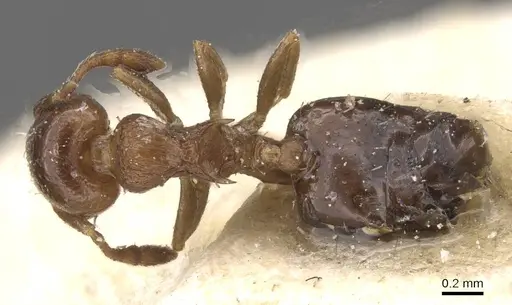
CASENT0912764
View on AntWeb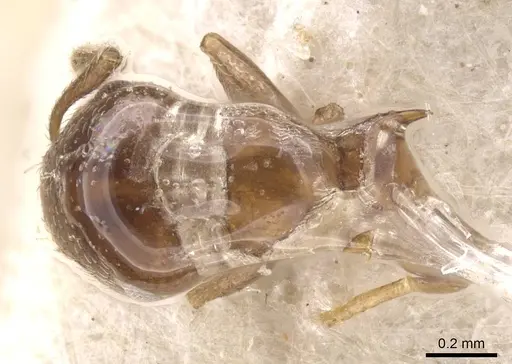
Literature
Loading distribution map...Loading products...