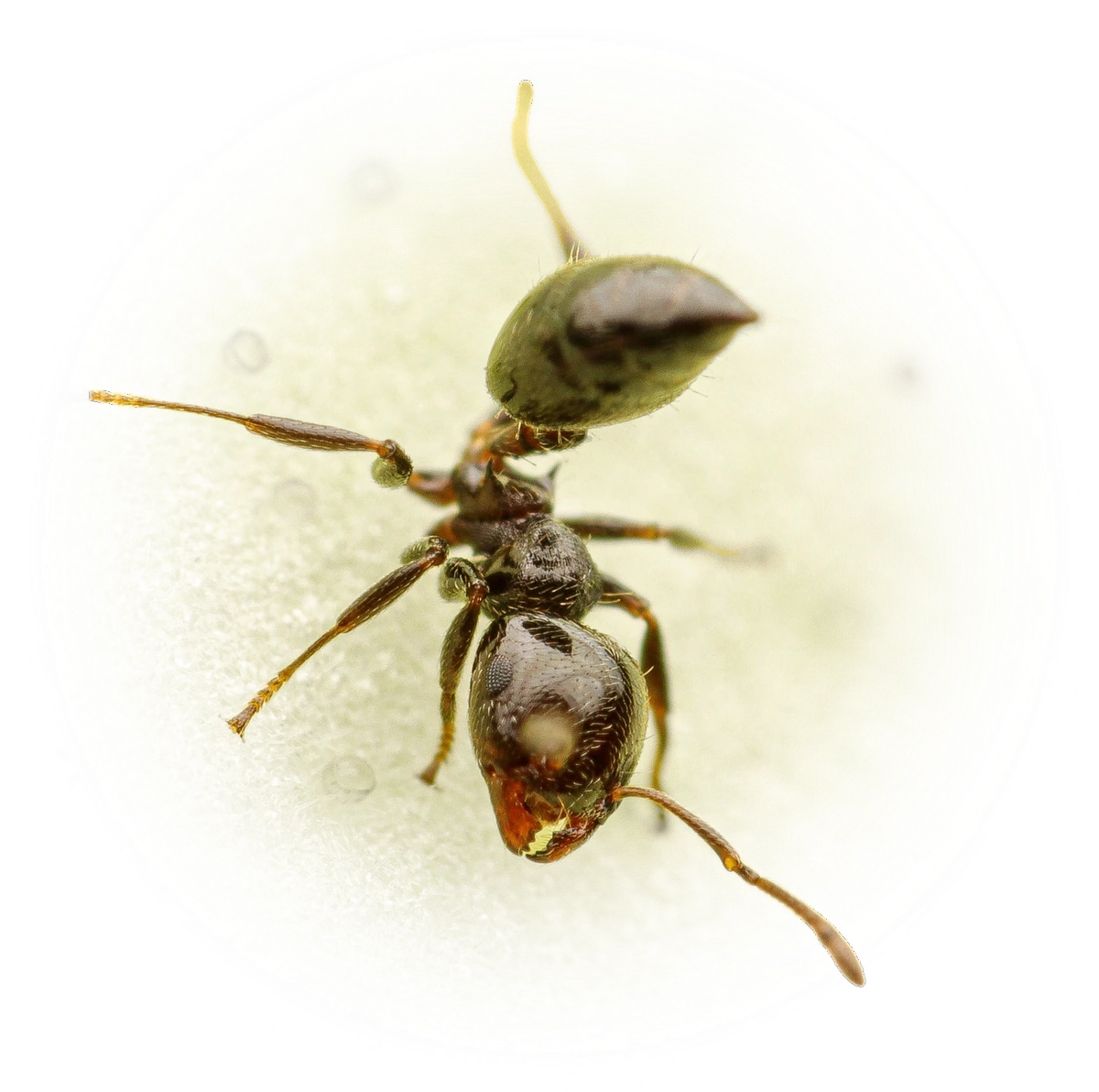
Crematogaster crinosa
- Sci. Name
- Crematogaster crinosa
- Subgenus
- Orthocrema
- Tribe
- Crematogastrini
- Subfamily
- Myrmicinae
- Author
- Mayr, 1862
- Distribution
- Found in 12 countries
Introduction
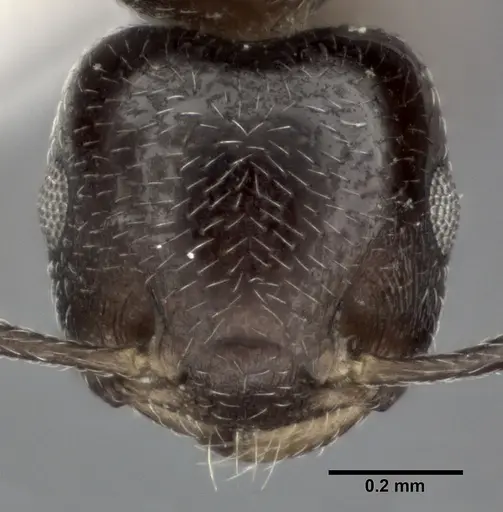
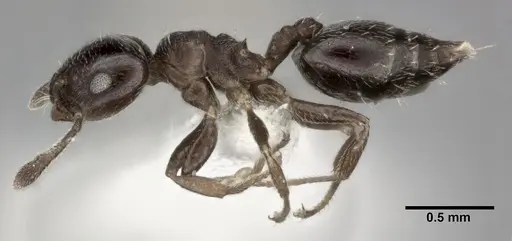
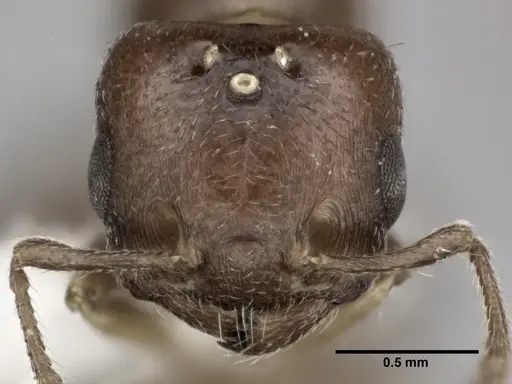
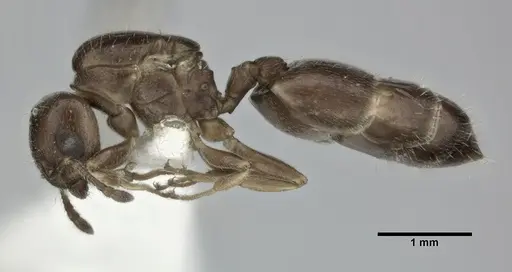
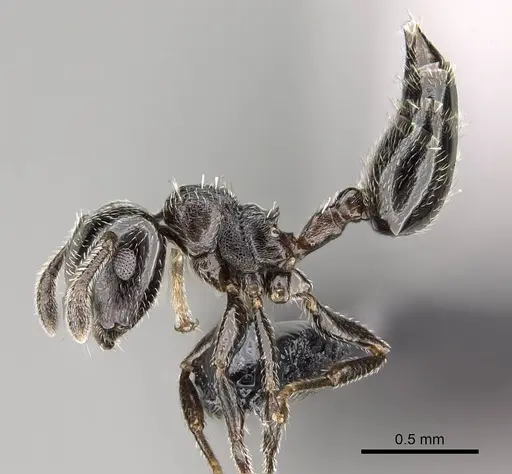
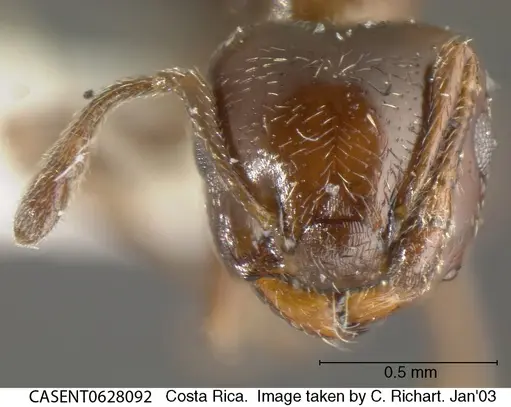
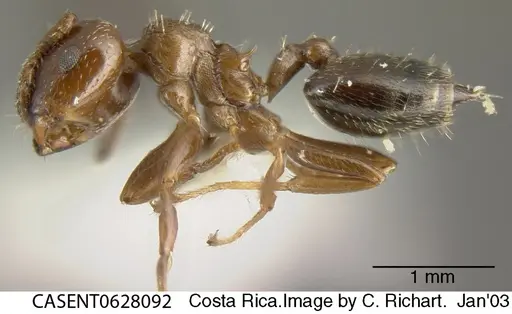
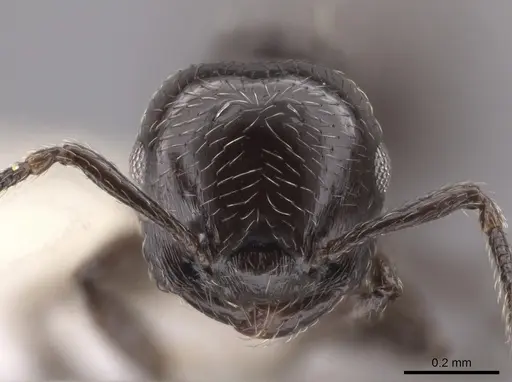
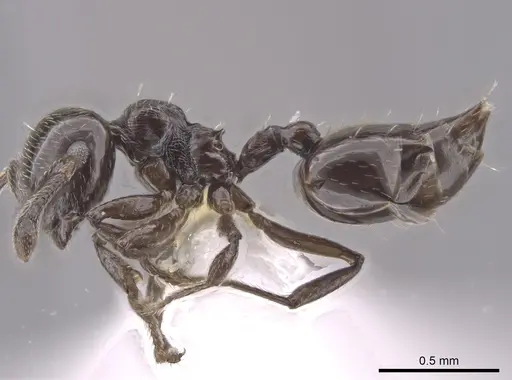
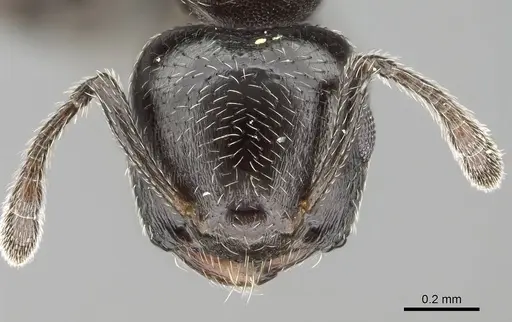
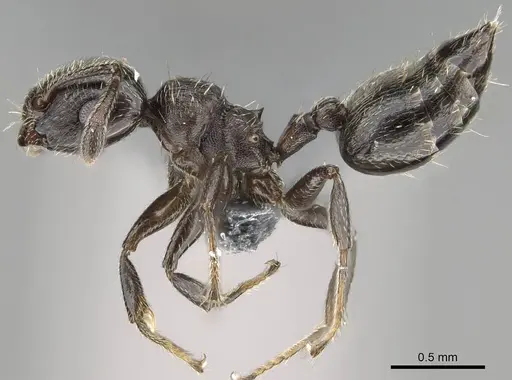
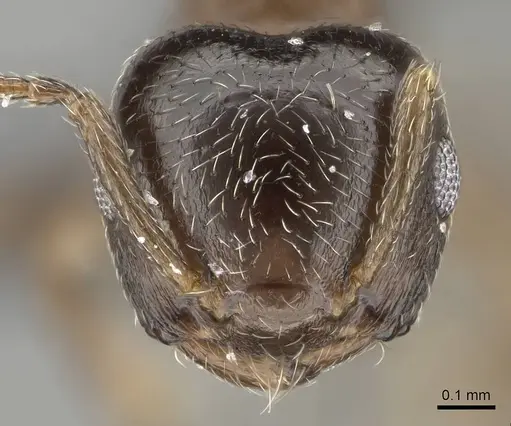
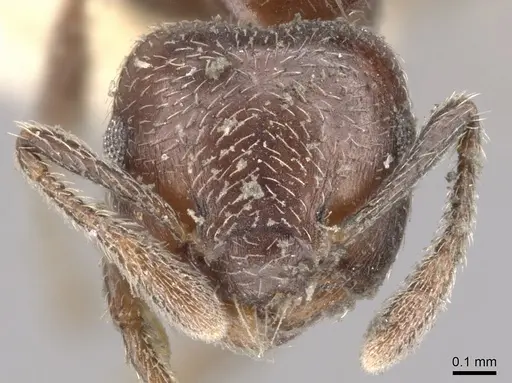
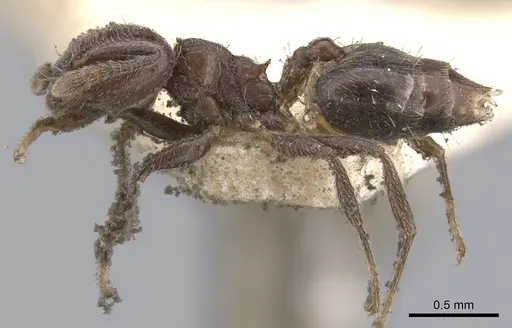
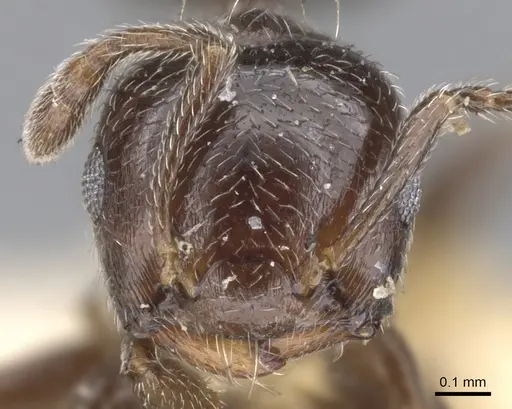
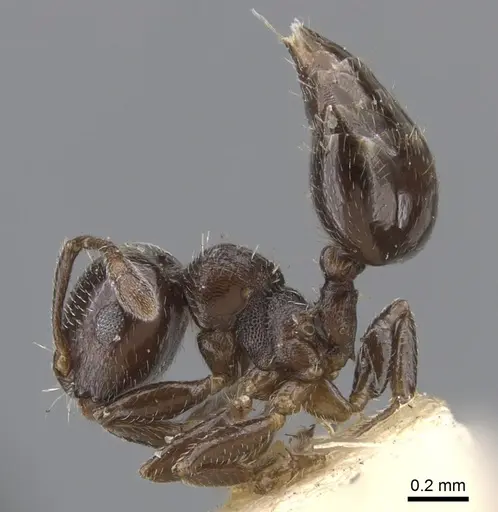
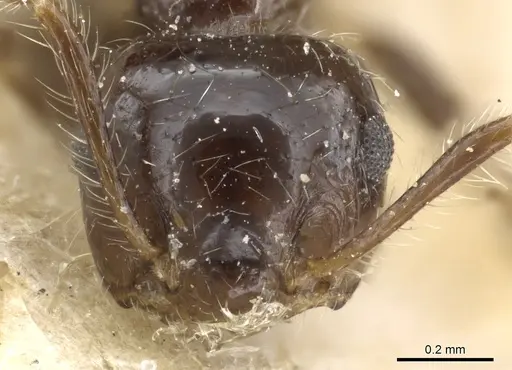
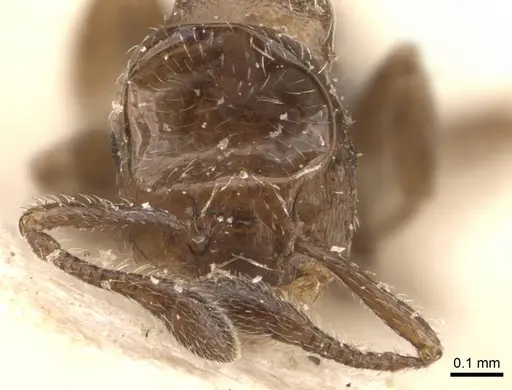
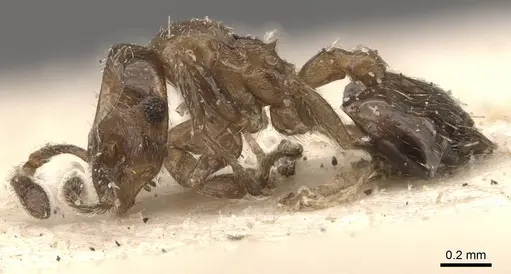
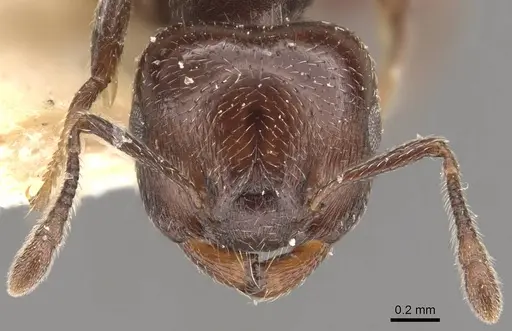
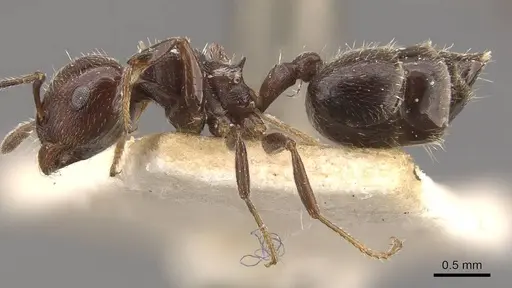
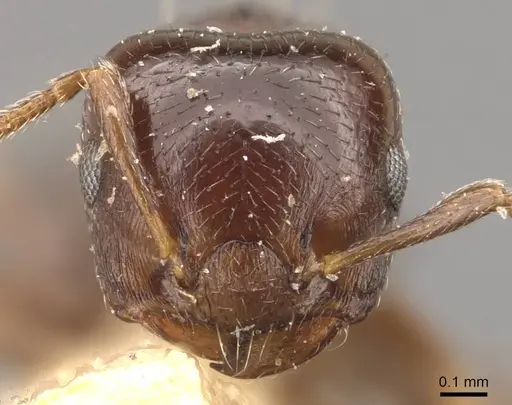
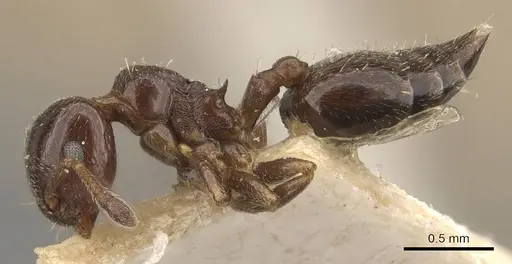
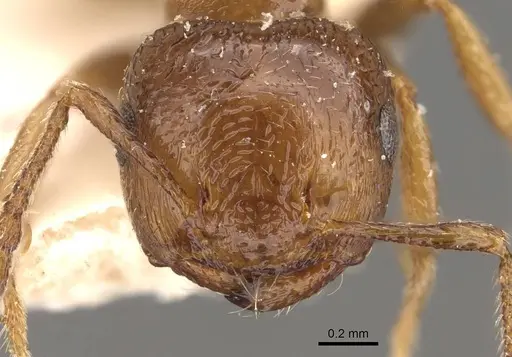
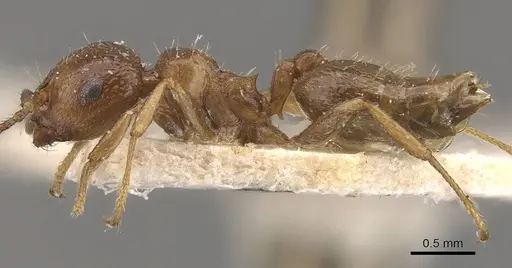
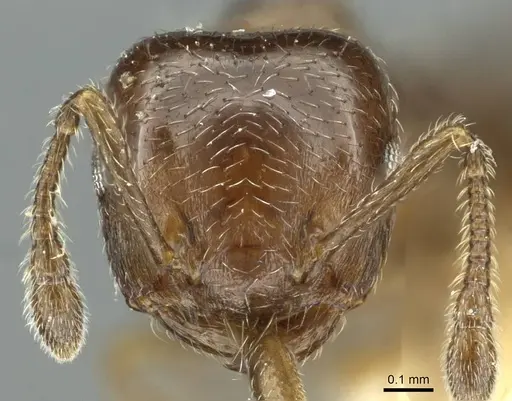
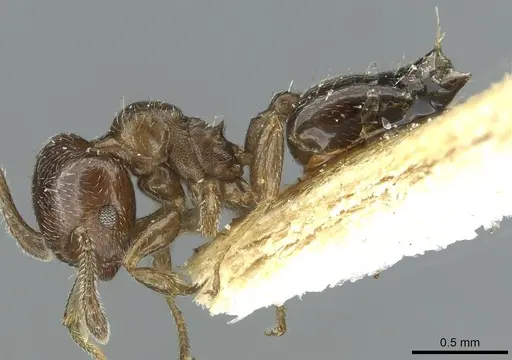
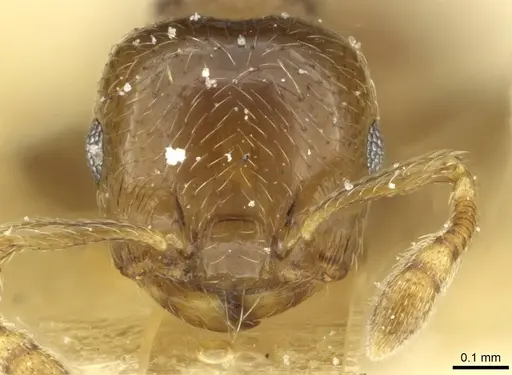
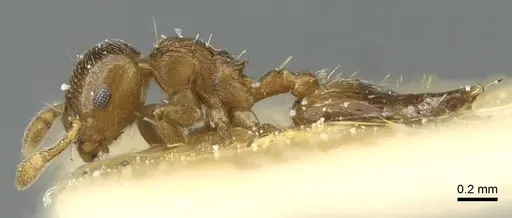
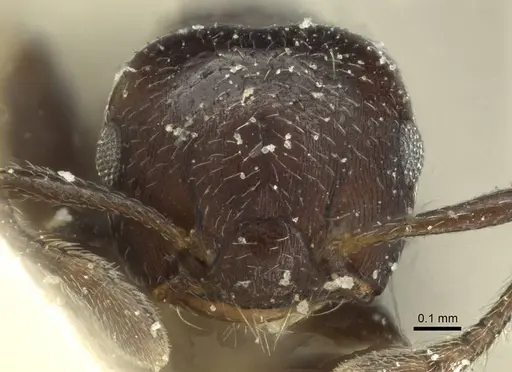
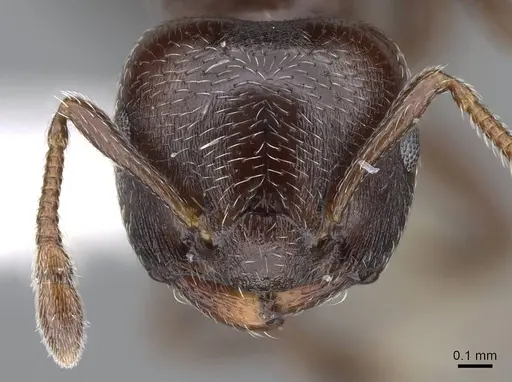
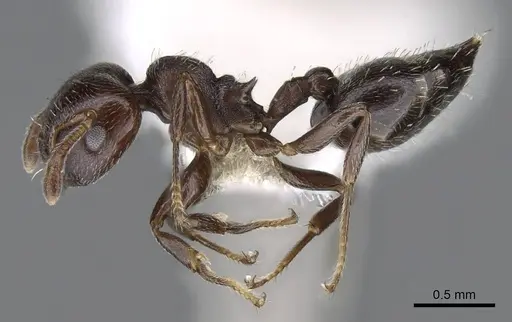
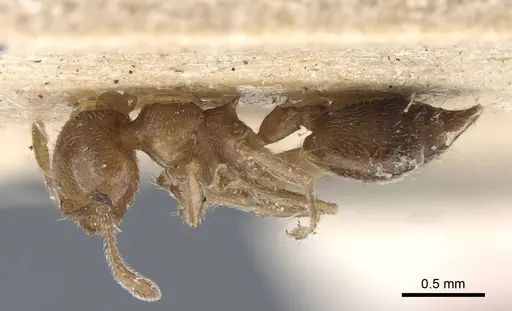
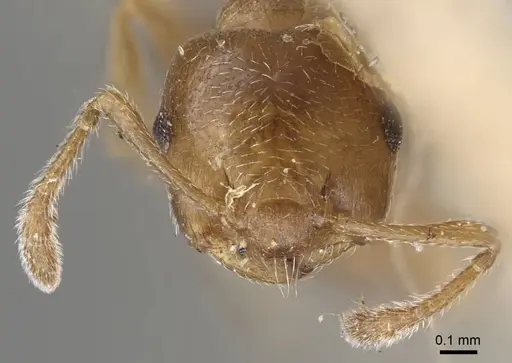
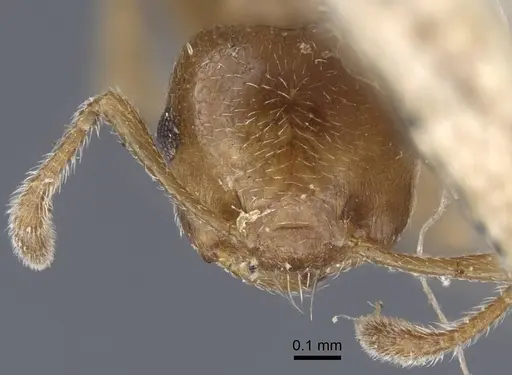
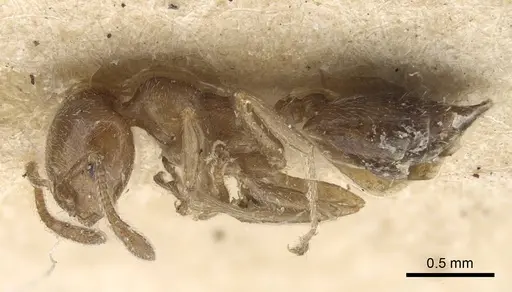
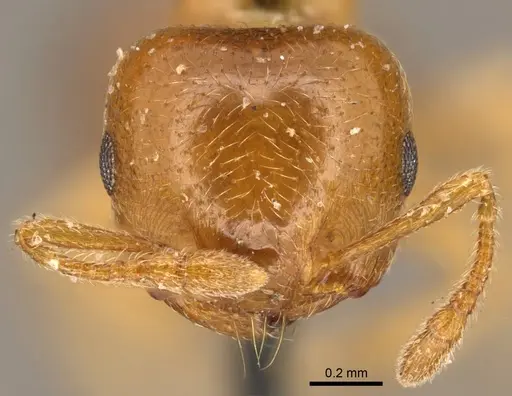
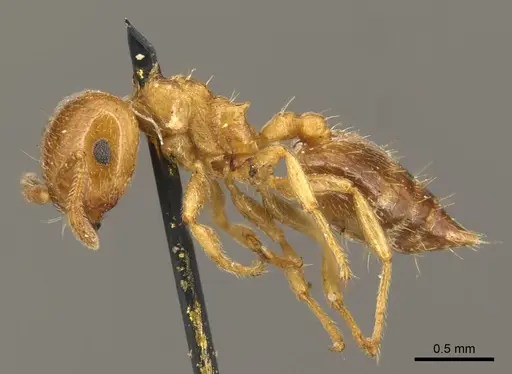
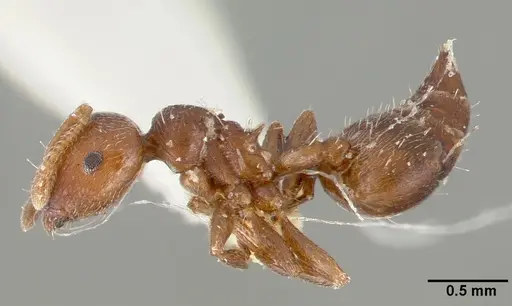
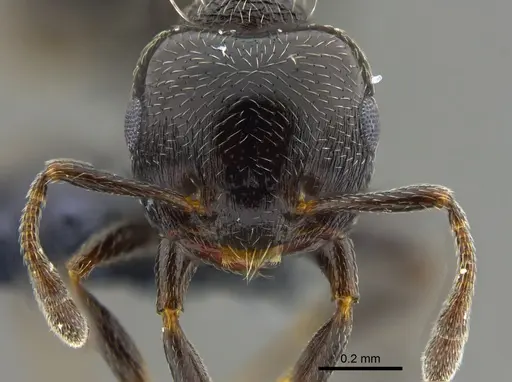
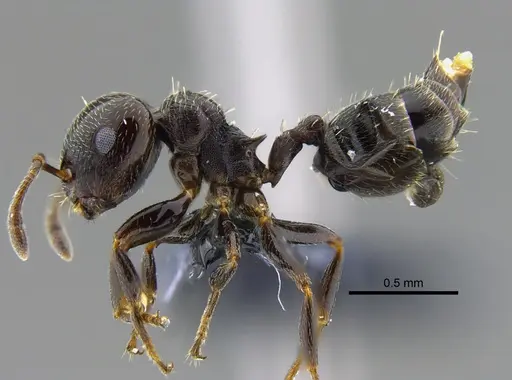
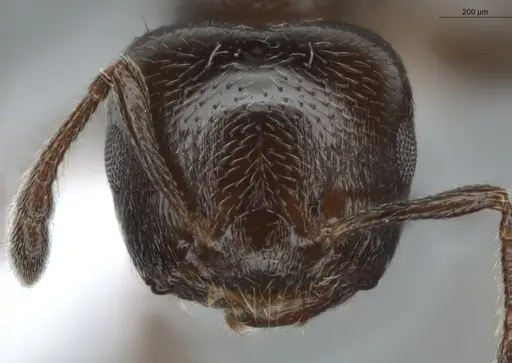
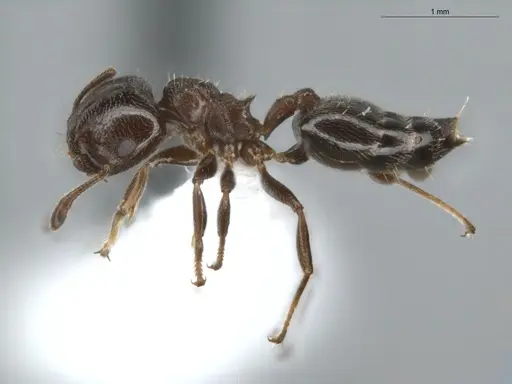
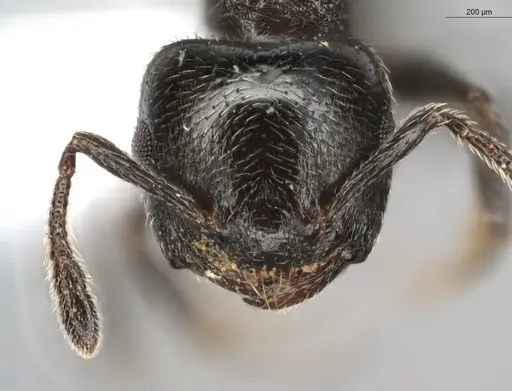
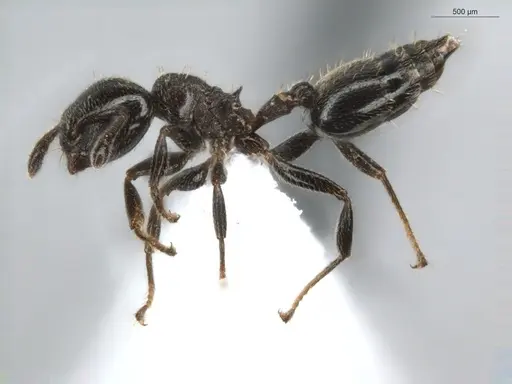
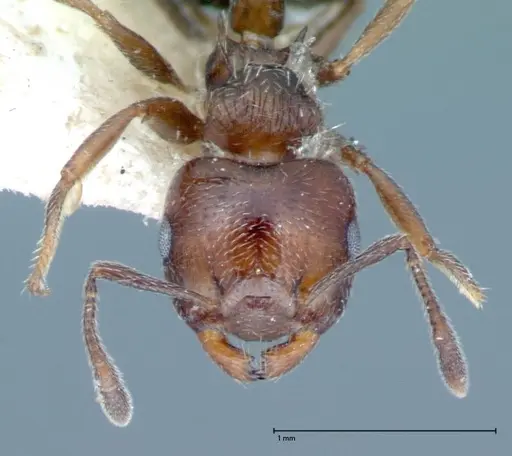
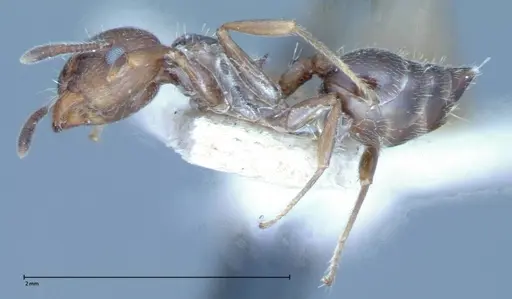
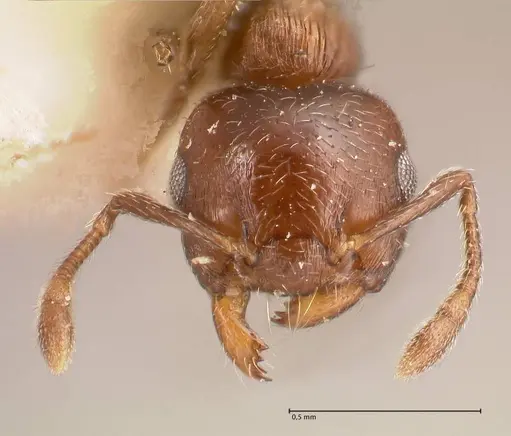
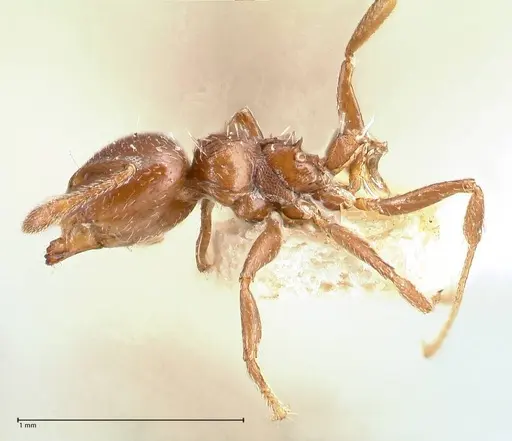
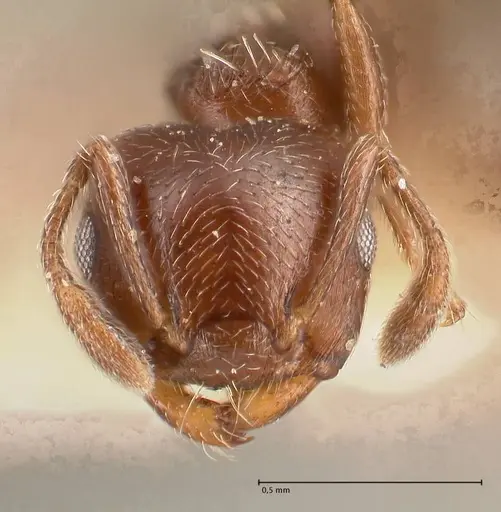
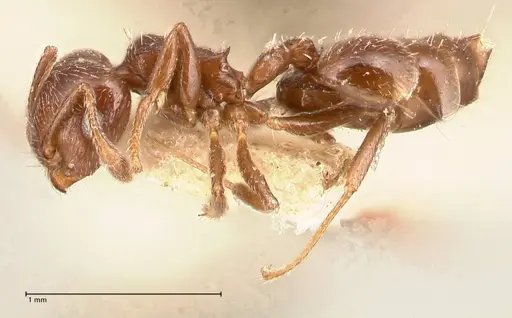
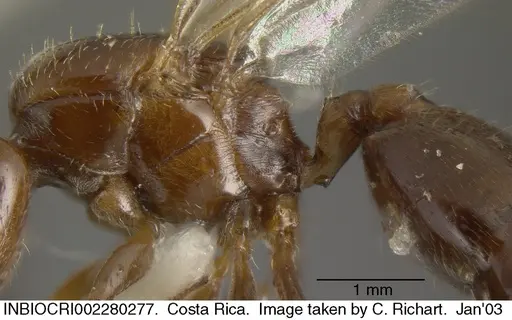
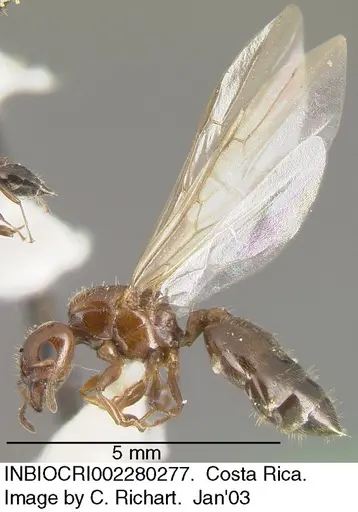
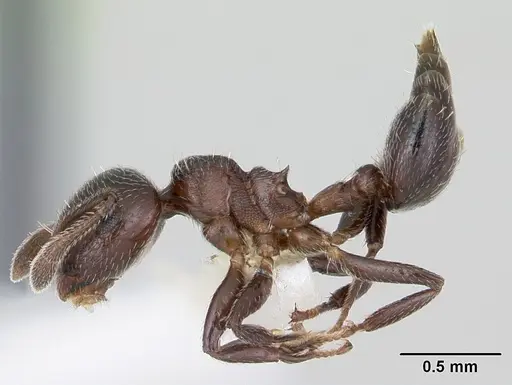
Crematogaster crinosa is a small, polymorphic ant species native throughout the Neotropics, from southern Texas to Argentina and across many Caribbean islands . Workers are 2.5-3.3 mm long and have a distinctive heart-shaped abdomen that they raise when threatened, a behavior common to acrobat ants . Their color ranges from reddish-brown to black, with short, upturned propodeal spines and a prominent anteroventral petiolar tooth . This species is highly adaptable, forming large polydomous colonies in varied habitats, from dry forests to mangroves . What makes C. crinosa interesting for antkeepers is its flexible nesting and diet. Colonies spread across multiple nest sites in trees or cavities, and workers freely move between them . They are omnivorous, feeding on insects, extrafloral nectar, and tending homopterans, which makes them relatively easy to feed in captivity .
Quick Summary
- Difficulty: Medium
- Origin & Habitat: Native from southern USA (Texas) through Central America to Argentina, including Caribbean islands. Found in seasonally dry forests, mangroves, and disturbed areas, preferring sunny habitats [1][2][3].
- Colony Type: Polydomous colonies with multiple nesting sites. Typically monogyne (single queen), but some island populations may be polygyne (multiple queens) [1][2].
- Size & Growth:
- Queen: Size data unavailable, no total length measurements in research context.
- Worker: 2.5-3.3 mm long [4].
- Colony: Very large colonies, polydomous nests can fill numerous cavities, with thousands of workers possible [1][3].
- Growth: Moderate
- Development: 6-10 weeks at optimal temperature, inferred from related Crematogaster species [2]. (Brood observed in nests during June in Mexico/USA and December in Colombia, suggesting flexible breeding seasons [2].)
- Antkeeping:
- Temperature: Keep at 22-28°C with a gradient for self-regulation [2].
- Humidity: Keep nest substrate consistently moist but not waterlogged, as they nest in varied conditions [2][6].
- Diapause: No true diapause, they are tropical and active year-round [1].
- Nesting: Arboreal preference, use Y-tong, plaster, or 3D-printed nests with twig-like chambers. They may use carton to modify nests [1][2].
- Behavior: Aggressive and territorial, with a strong bite. Workers are continuously polymorphic, showing size variation. They are diurnal, excellent foragers, and escape-prone due to small size, use fine mesh barriers [1][2].
- Common Issues: escape prevention is critical due to small size, use tight-fitting barriers and fine mesh, polydomous colonies may spread brood across chambers, making colony size appear smaller, aggressive biting when nest is disturbed, colonies can become very large, plan for expansion space, may be confused with similar species like C. torosa and C. rochai
Housing and Nest Setup
Crematogaster crinosa is arboreal, naturally nesting in twigs, hollow branches, and tree cavities. Provide Y-tong, plaster, or 3D-printed nests with narrow, twig-like chambers. They are polydomous, so offer multiple connected chambers for expansion. Avoid overly large, open spaces, they prefer tight, enclosed areas. Escape prevention is essential due to their small size, use fine mesh on ventilation holes [1][2].
Feeding and Diet
This species is omnivorous. Offer protein sources like fruit flies or small crickets 2-3 times per week, and constant access to sugar water, honey, or diluted maple syrup. They are attracted to extrafloral nectaries and may tend homopterans like scale insects [5][2][7]. Remove uneaten prey after 24-48 hours to prevent mold.
Temperature and Humidity
Maintain temperatures between 22-28°C with a gradient for self-regulation. Room temperature around 20-24°C is suitable. Humidity should be moderate, keep nest substrate slightly moist but not waterlogged, as they nest in dry to semi-humid conditions [2][6].
Colony Behavior and Dynamics
Colonies are polydomous, with workers moving freely between nest sites. They are continuously polymorphic, showing size variation among workers. When threatened, they raise their abdomen and may bite aggressively. They are diurnal and highly active foragers. Colonies can grow very large over time, so plan for expansion [1][2][3].
Growth and Development
Colony development is moderate. First workers (nanitics) emerge in 6-10 weeks at optimal temperature. Brood is cared for by workers, and colonies gradually produce larger workers over time. Full maturity may take 1-2 years [2].
Seasonal Care
As a tropical species, no hibernation is needed. Activity may slow in cooler climates, but maintain warm conditions year-round. Nuptial flights have been observed just after dusk in native ranges [1][2].
Frequently Asked Questions
How long does it take for Crematogaster crinosa to produce first workers?
Based on related species, expect 6-10 weeks from egg to first worker at 25°C. Timeline depends on temperature and feeding [2].
Can I keep Crematogaster crinosa in a test tube setup?
Yes, for founding colonies. Established colonies prefer more complex nests with multiple chambers due to their polydomous nature [1][2].
Do Crematogaster crinosa ants sting?
No, they do not have a stinger but will bite aggressively when threatened [1].
What do Crematogaster crinosa eat?
They are omnivorous: protein from insects 2-3 times weekly, and constant sugar sources like honey or sugar water. They also visit extrafloral nectaries [5][2][7].
Are Crematogaster crinosa good for beginners?
They are medium difficulty due to escape risk and aggressive biting, but hardy and easy to feed. Suitable after keeping simpler species [1].
How big do Crematogaster crinosa colonies get?
Colonies can become very large with thousands of workers across multiple nest sites [1][3].
Do Crematogaster crinosa need hibernation?
No, they are tropical and active year-round. Maintain warm conditions [1].
Why is my Crematogaster crinosa colony dying?
Common causes: escapes due to poor barriers, improper humidity, temperatures outside range, or excessive disturbance. Ensure escape prevention and tropical conditions [2].
When should I move my colony to a formicarium?
When the test tube is crowded or colony shows signs of outgrowing space. Provide expansion options early for polydomous species [1][2].
Report an Issue
The current care sheet is based fully on literature. See inconsistencies, or something that's incorrect? Please , it will be resolved after review from an admin. Contributing to the blogs tab also helps providing information, to make us be able to further improve the caresheets. Thank you for your support!
References

This caresheet is licensed under CC BY-SA 4.0 .
Community Blogs
CASENT0173935
View on AntWeb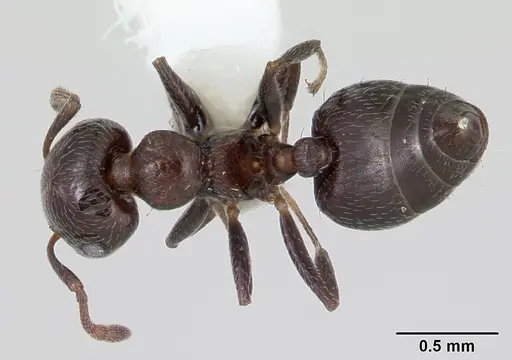
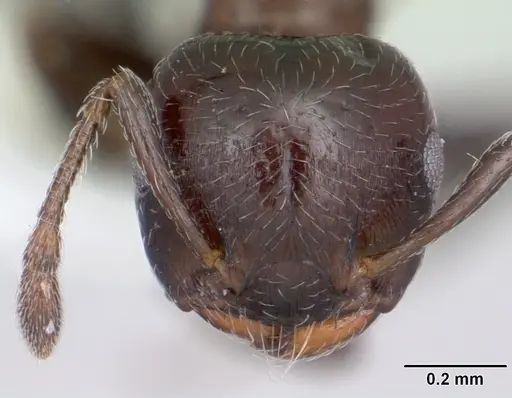
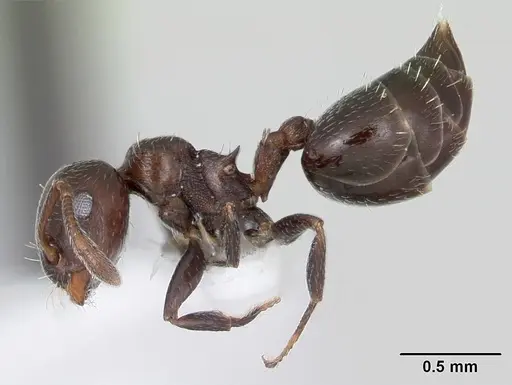
CASENT0246031
View on AntWeb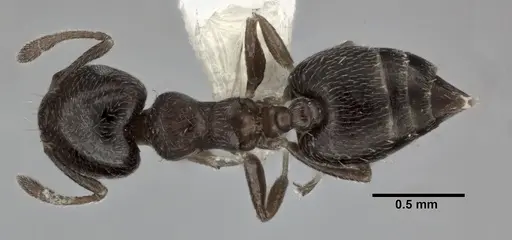
CASENT0246032
View on AntWeb
CASENT0246033
View on AntWeb
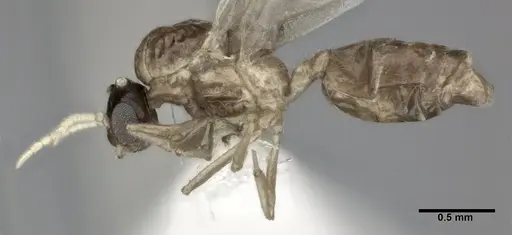
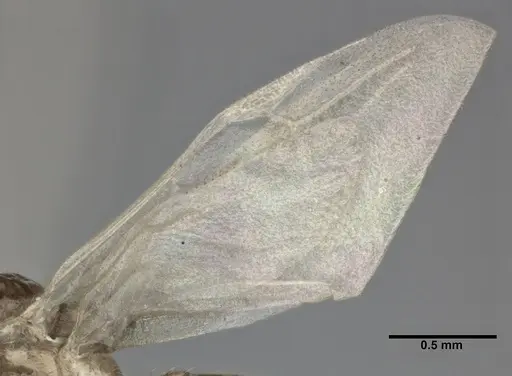
CASENT0318474
View on AntWeb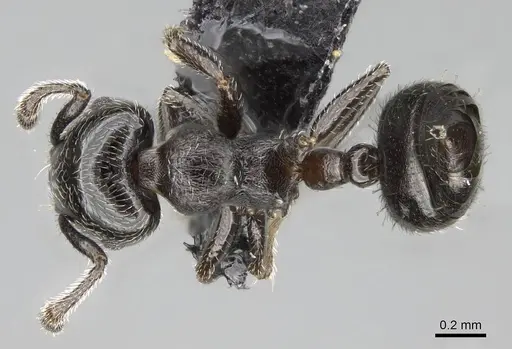
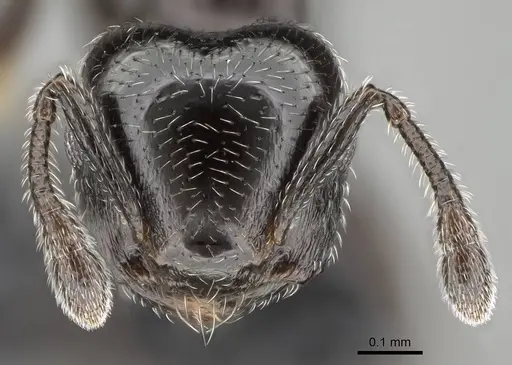
CASENT0628092
View on AntWeb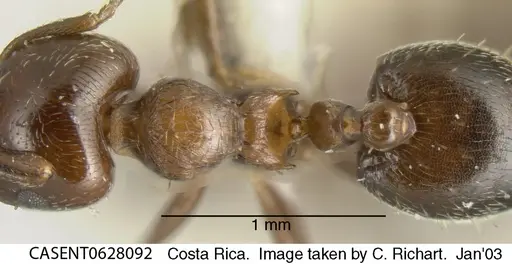
CASENT0635776
View on AntWeb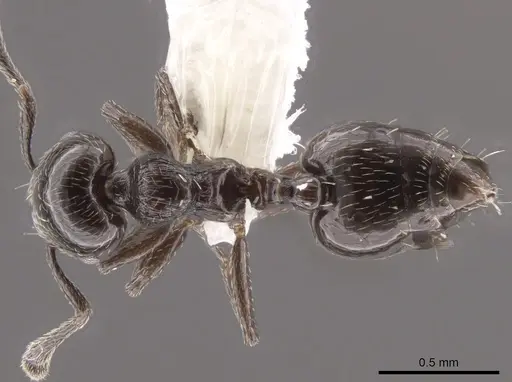
CASENT0766199
View on AntWeb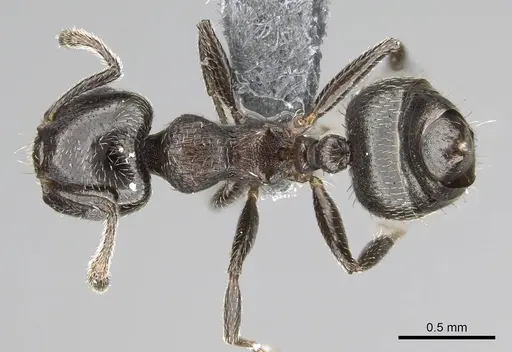
CASENT0767058
View on AntWeb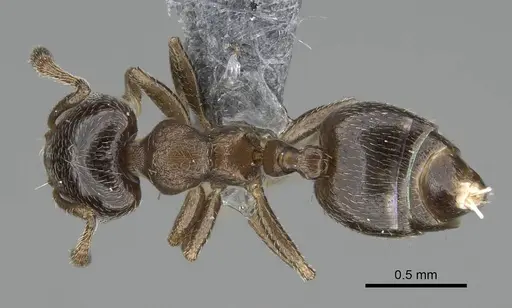
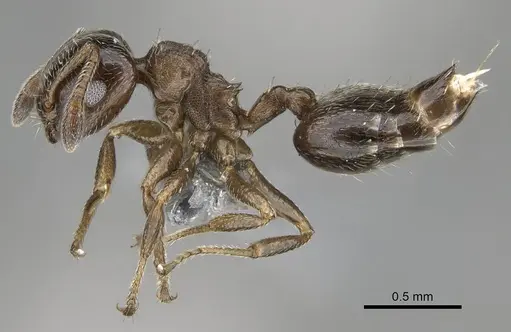
CASENT0901466
View on AntWeb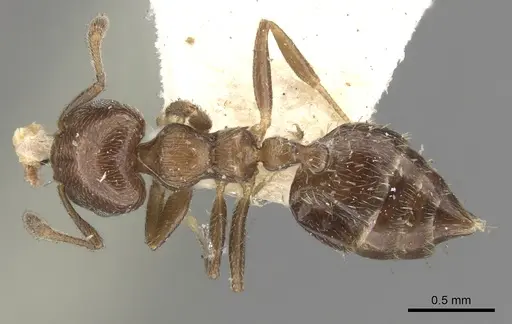
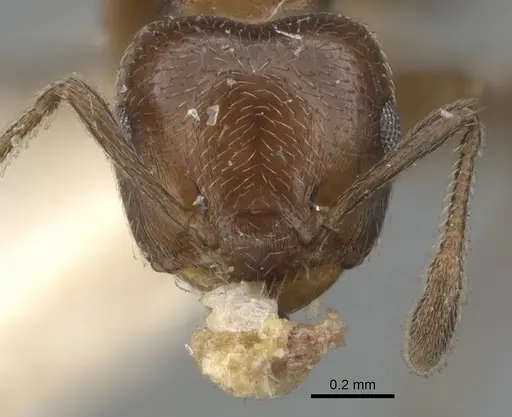
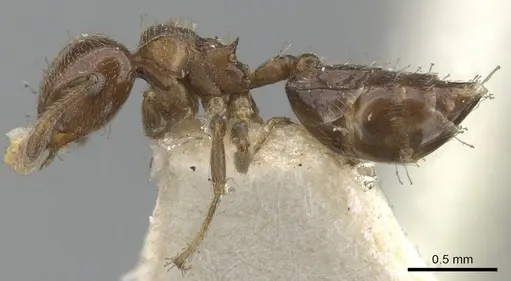
CASENT0902170
View on AntWeb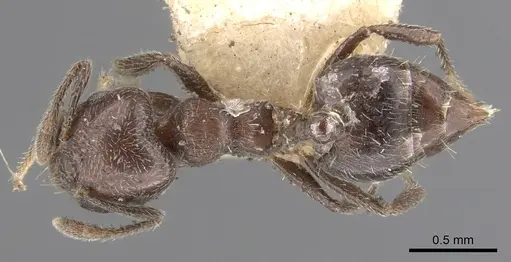
CASENT0902173
View on AntWeb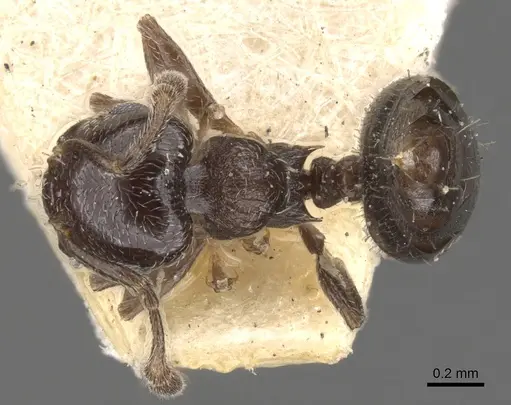
CASENT0904523
View on AntWeb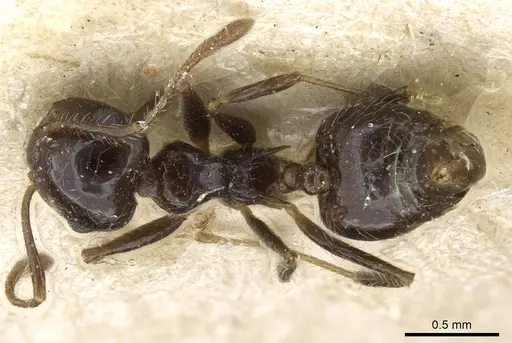
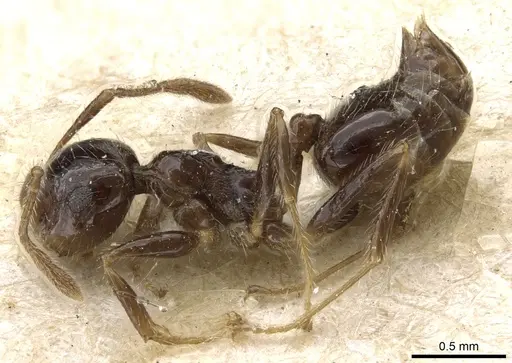
CASENT0908392
View on AntWeb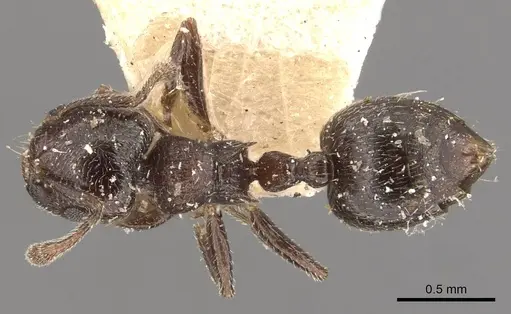
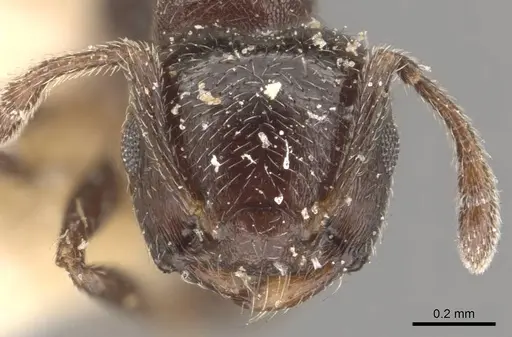
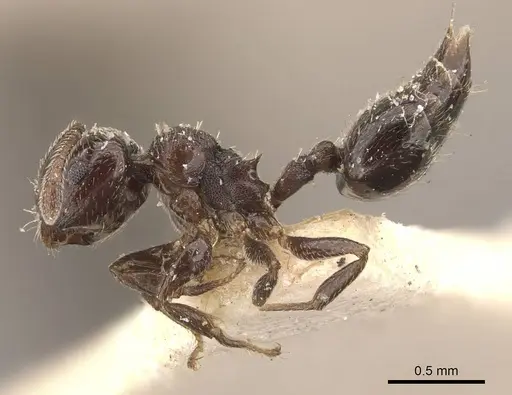
CASENT0908393
View on AntWeb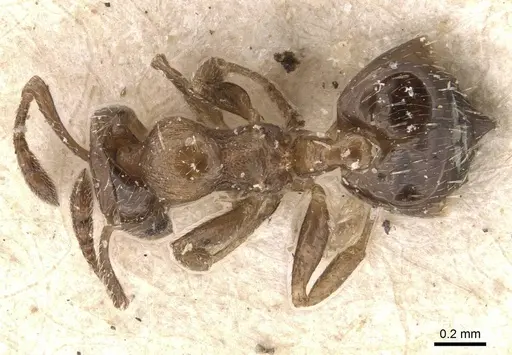
CASENT0908394
View on AntWeb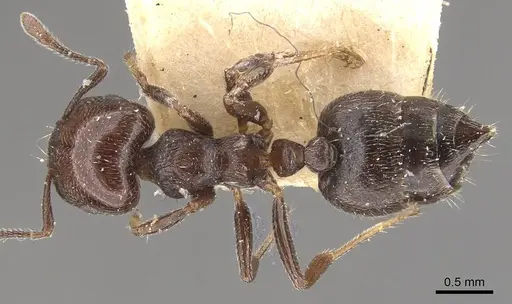
CASENT0908401
View on AntWeb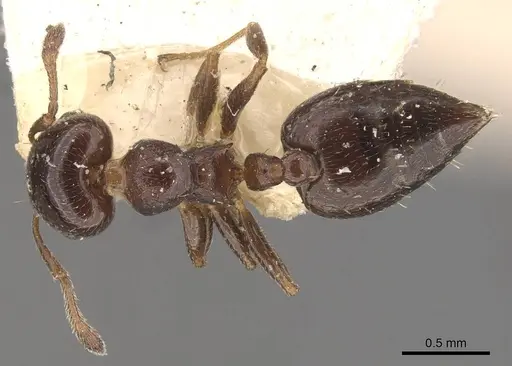
CASENT0908403
View on AntWeb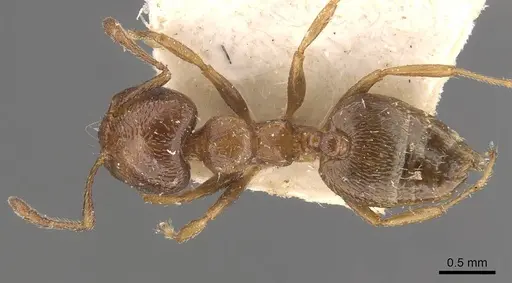
CASENT0912754
View on AntWeb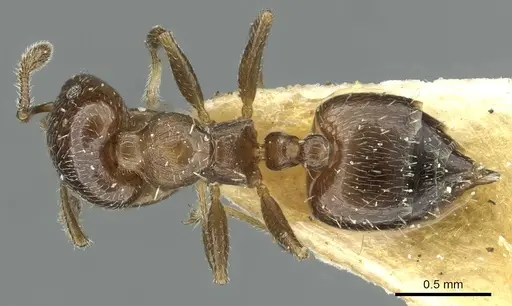
CASENT0912759
View on AntWeb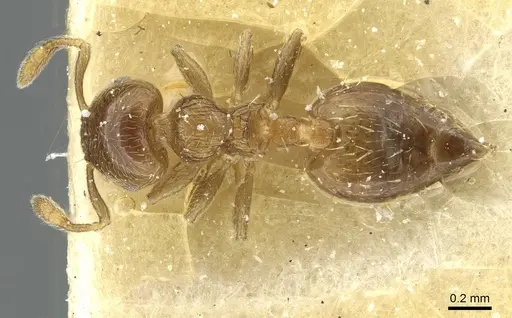
CASENT0912760
View on AntWeb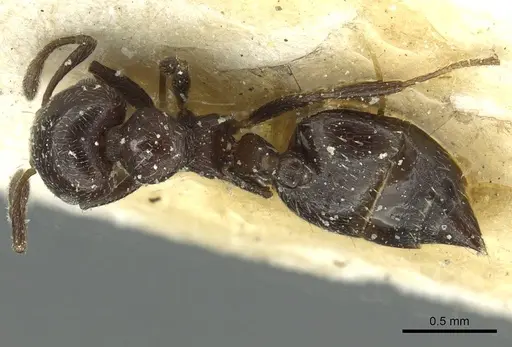
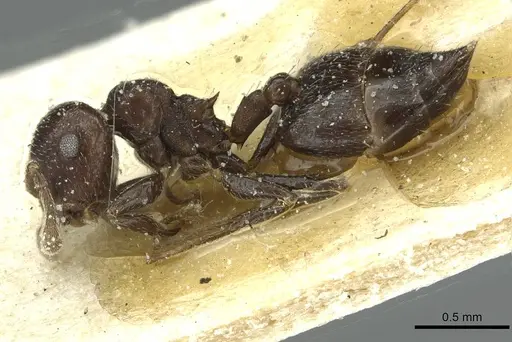
CASENT0912762
View on AntWeb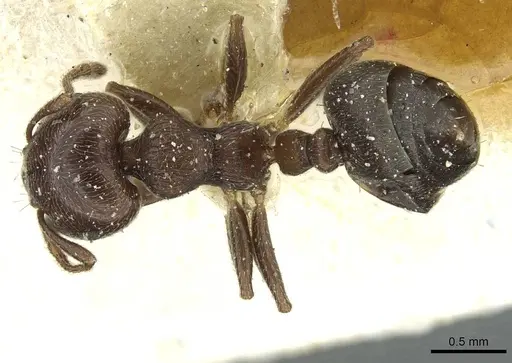
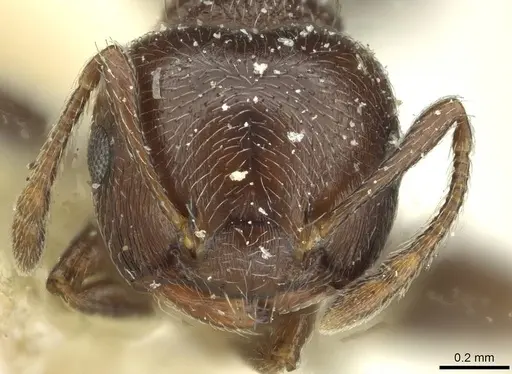
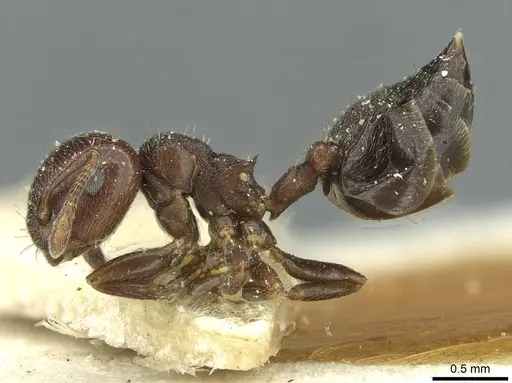
CASENT0914557
View on AntWeb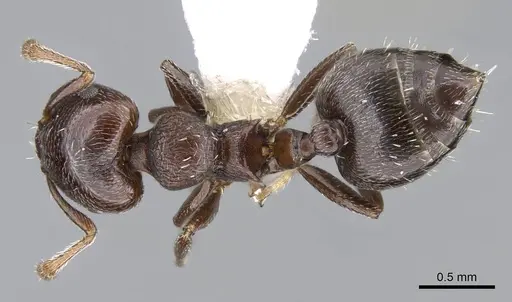
CASENT0916976
View on AntWeb
CASENT0919695
View on AntWeb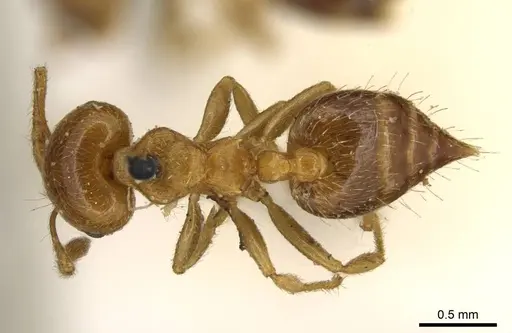
CASENT0919698
View on AntWeb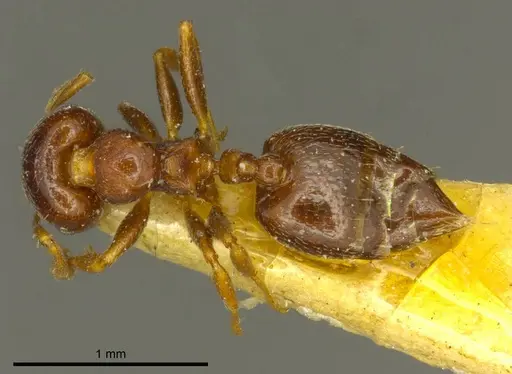
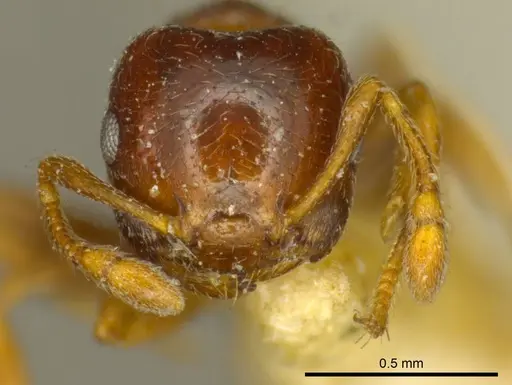
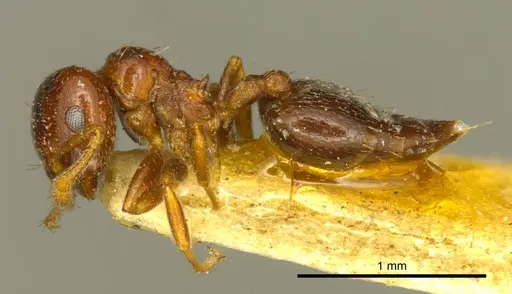
CASTYPE03689
View on AntWeb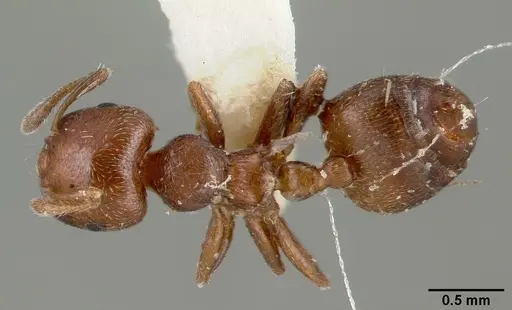
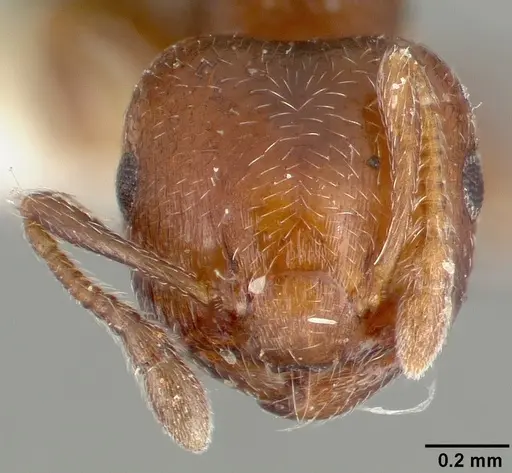
CBUMAGENT41951
View on AntWeb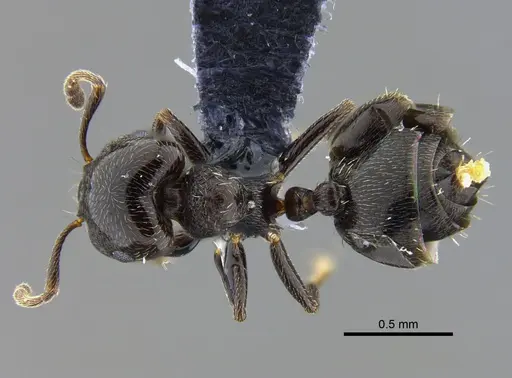
ECOFOG-BUG-0081-03
View on AntWeb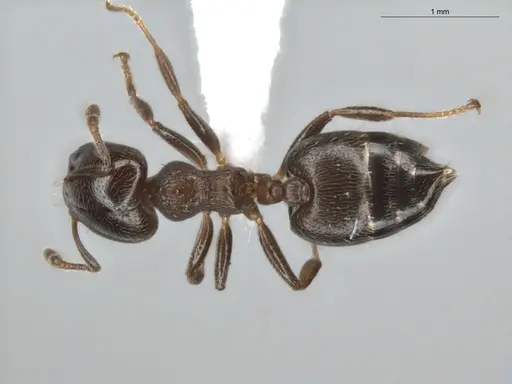
ECOFOG-BUG-0317-06
View on AntWeb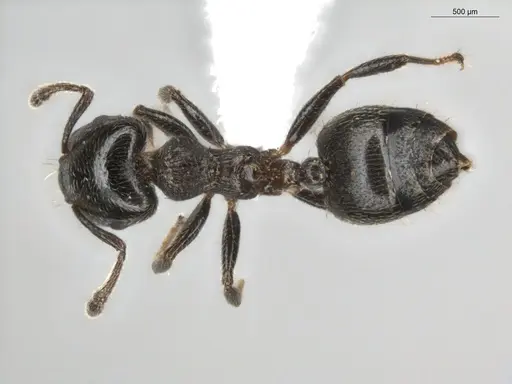
FOCOL0072
View on AntWeb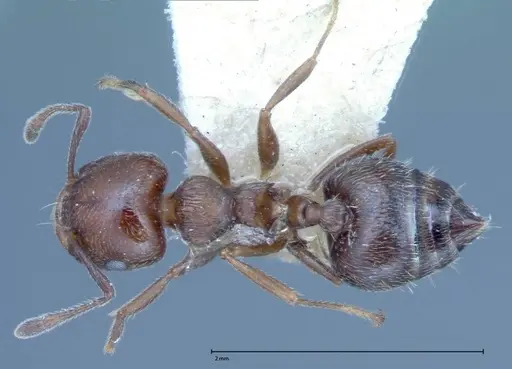
FOCOL0694-1
View on AntWeb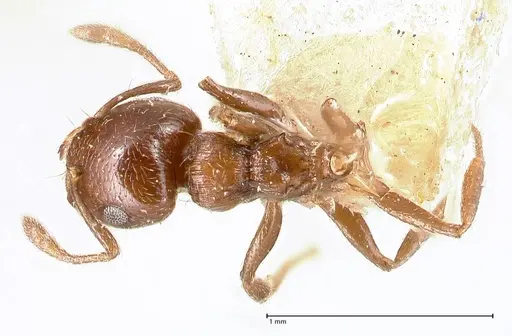
FOCOL0694-2
View on AntWeb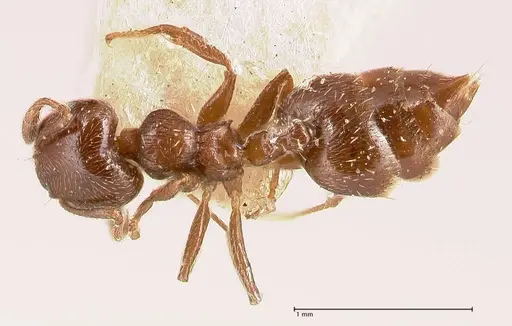
INBIOCRI002280277
View on AntWeb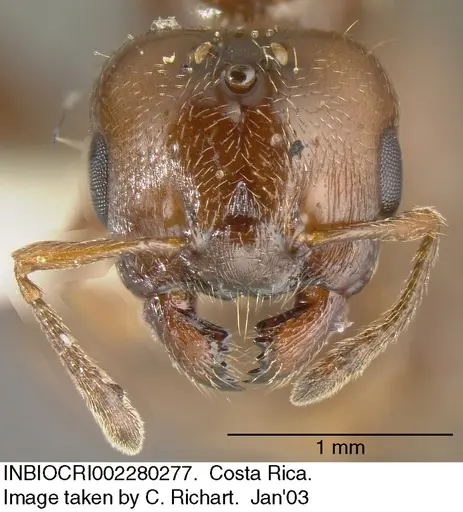
JTLC000001769
View on AntWeb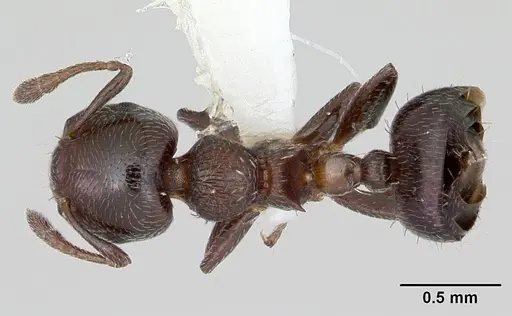
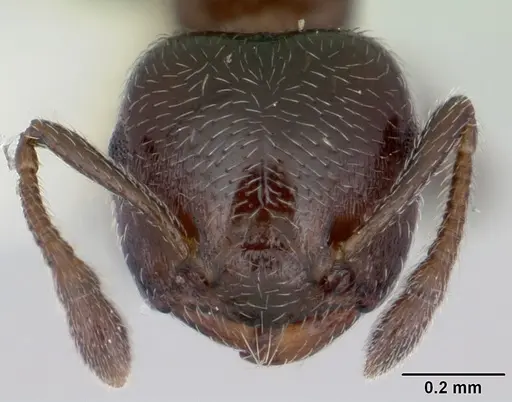
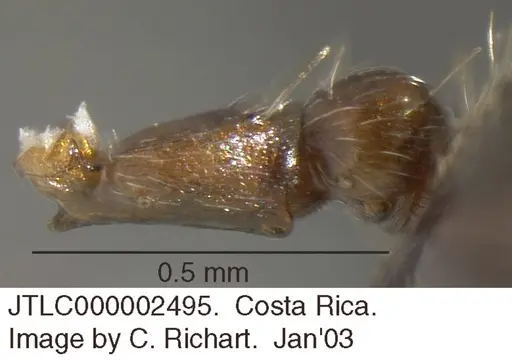
JTLC000002495
View on AntWeb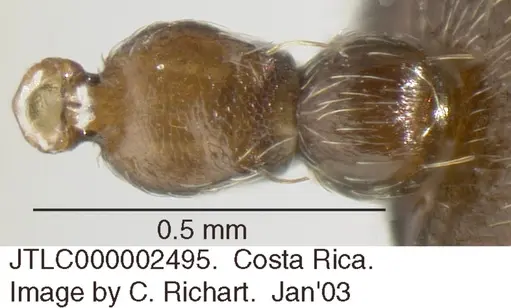
Literature
Loading distribution map...Loading products...