
Crematogaster corvina
- Sci. Name
- Crematogaster corvina
- Subgenus
- Orthocrema
- Tribe
- Crematogastrini
- Subfamily
- Myrmicinae
- Author
- Mayr, 1870
- Distribution
- Found in 3 countries
Introduction
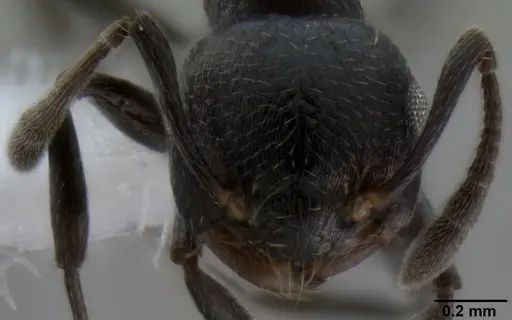
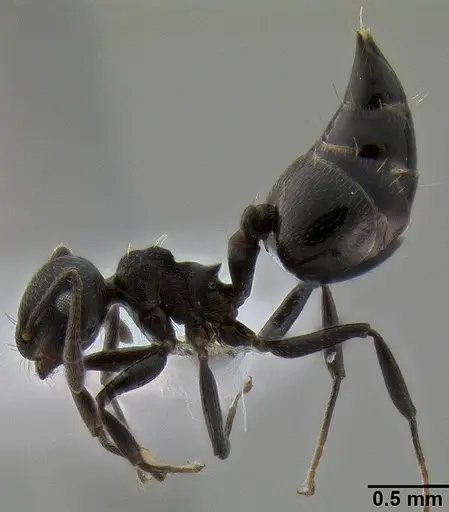
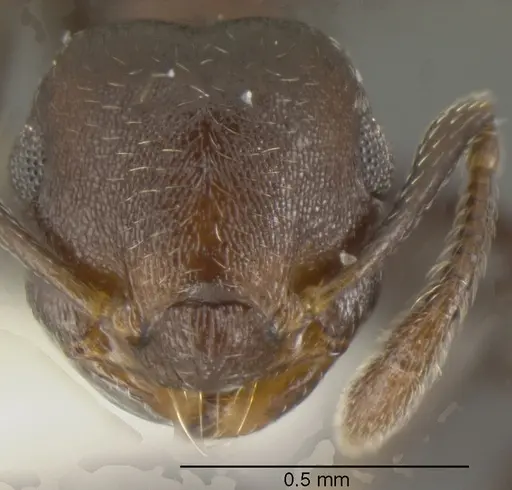
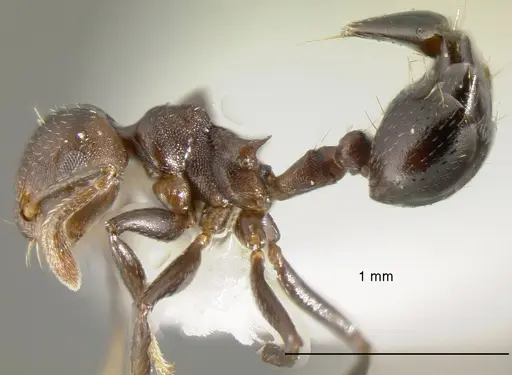
Crematogaster corvina is a small ant species native to the Americas, ranging from southern Texas through Mexico and Central America to Costa Rica . Workers belong to the Orthocrema clade and are distinguished by their very striate-punctate and opaque head, a bilobed postpetiole with a distinct median sulcus, and reduced propodeal spines . Like all Crematogaster, they are called 'acrobat ants' because they can raise their abdomen over their head like a cartwheel when threatened. These ants are found in diverse habitats across their range - from semi-dry deciduous forests in Texas to wet tropical forests in Costa Rica, typically nesting in or under tree bark . They thrive in areas with dark brown clay soils to brown rocky loam, often near riparian areas or rainforests.
Quick Summary
- Difficulty: Medium
- Origin & Habitat: Southern Texas to Costa Rica, found in diverse forest types including semi-dry deciduous forest, wet tropical rainforest, and riparian areas. Typically nests in or under tree bark [1].
- Colony Type: Colony structure is unconfirmed for this specific species.
- Size & Growth:
- Queen: Size data unavailable for this species
- Worker: Size data unavailable, worker measurements provided are head measurements (HL 0.62-0.70mm, HW 0.64-0.78mm), not total body length [1]
- Colony: Unknown for this species
- Growth: Unknown
- Development: Unknown, no development data available for this species (Direct development data not available for this species)
- Antkeeping:
- Temperature: Keep around 24-28°C. Given their range from southern Texas to Costa Rica, they prefer warm conditions. A heating cable on one side of the nest creates a suitable gradient [1].
- Humidity: Moderate to high humidity, aim for 60-80%. Keep the nest substrate consistently moist but not waterlogged. Their natural habitats include tropical rainforests and riparian areas [1].
- Diapause: Likely minimal or no true diapause given their tropical distribution. However, southern Texas populations may experience reduced activity during cooler winter months.
- Nesting: In nature they nest in and under tree bark. In captivity, a Y-tong (AAC) nest or plaster nest works well. They prefer tight chambers scaled to their tiny size. Avoid tall, open spaces.
- Behavior: These are small, active ants with typical Crematogaster defensive behaviors, when threatened, they can raise their abdomen over their head and may use smear defense (characteristic of Myrmicinae Crematogastrini). They are not particularly aggressive but will defend their nest. Workers are foragers and will scout for food. Escape prevention is critical due to their very small size, they can squeeze through the tiniest gaps. Use fine mesh and tight-fitting lids.
- Common Issues: escape prevention is critical, their tiny size means they squeeze through gaps that larger ants cannot, colonies may be slow to establish due to lack of specific data on founding behavior, humidity control can be challenging, too dry causes brood death, too wet leads to mold, their small size makes them difficult to handle during transfers, wild-caught colonies may have parasites that affect survival in captivity
Housing and Nest Setup
Crematogaster corvina is a tiny ant that needs appropriately scaled housing. A Y-tong (AAC) nest or plaster nest works well for this species. The chambers should be tight and narrow, these ants feel secure in compact spaces. Avoid large, open formicaria that can make them feel exposed. Because they naturally nest in and under tree bark, they appreciate a naturalistic setup with bark pieces or cork as a nesting surface. Test tube setups can work for founding colonies but monitor humidity carefully. Escape prevention is absolutely critical, use fine mesh on all openings and ensure all lids fit tightly. These tiny ants can escape through gaps you wouldn't believe possible. [1]
Feeding and Diet
Like most Crematogaster species, C. corvina likely accepts a varied diet including sugar sources and protein. Offer sugar water or honey water as a constant energy source. For protein, small live prey works best, fruit flies, pinhead crickets, and small mealworms are appropriate sized prey. Given their tiny worker size, prey items should be very small. They may also tend aphids for honeydew if you keep them in a setup with plants. Feed protein several times per week, and always have sugar water available. Remove uneaten prey after 24 hours to prevent mold.
Temperature and Heating
Given their range from southern Texas to Costa Rica, these ants prefer warm conditions. Keep the nest area at 24-28°C for optimal brood development. A heating cable placed on top of the nest can help maintain warmth. Create a gentle temperature gradient so workers can choose their preferred zone. During cooler months or if room temperature is below 24°C, supplemental heating becomes more important. Watch for signs of stress, if workers cluster away from the heated area, reduce heat. Avoid temperatures above 32°C as this can harm the colony. [1]
Humidity Management
These ants come from areas with moderate to high humidity, from Texas semi-dry forests to Costa Rican rainforests. Aim for 60-80% relative humidity in the nest. Keep the substrate consistently moist but never waterlogged. The nest should show some condensation but not be dripping wet. Rehydrate by adding water to the nest area when condensation disappears or the substrate surface dries. A moisture gradient works well, keep one side moister than the other so ants can choose. Too dry and brood will fail to develop, too wet leads to mold problems that can devastate colonies. [1]
Behavior and Defense
Crematogaster corvina has typical acrobat ant behaviors. When threatened, workers can raise their abdomen over their head in a cartwheel motion, this is where they get their common name. They also possess the smear defense mechanism characteristic of the Myrmicinae subfamily, using a modified stinger to wipe venom onto enemies rather than piercing flesh. They are not particularly aggressive toward keepers but will defend their nest vigorously. Workers are active foragers and will scout the outworld for food. Their small size means they are quick-moving and can be difficult to track. [1]
Colony Development
Colony development data is not available for this specific species. Founding colonies start with a queen who seals herself in and raises the first workers alone on her stored fat reserves. The first workers will be smaller than normal workers. Once the first workers emerge, the colony enters a growth phase. The key to successful colony development is maintaining stable warmth and humidity while avoiding overfeeding that leads to mold.
Frequently Asked Questions
How long does it take for Crematogaster corvina to produce first workers?
Development time is unknown for this species. Related Crematogaster species typically take several weeks to months from egg to first worker at optimal temperature.
What do Crematogaster corvina ants eat?
They likely accept a standard ant diet: sugar water or honey water constantly available, plus small protein sources like fruit flies, tiny crickets, or small mealworms.
Do Crematogaster corvina ants sting?
They have a stinger but it is too small to penetrate human skin effectively. Their main defense is raising their abdomen in a cartwheel motion and using smear defense to wipe venom onto enemies. They are not dangerous to humans.
Are Crematogaster corvina good for beginners?
They are rated Medium difficulty. Their small size makes them challenging for complete beginners, escape prevention requires attention and humidity management can be tricky. However, they are not aggressive and don't require special diets.
How big do Crematogaster corvina colonies get?
Exact colony size is unknown for this species.
Do Crematogaster corvina need hibernation?
Likely no true hibernation given their tropical distribution. Southern Texas populations may experience reduced activity in winter. Monitor your colony, if they become less active, reduce feeding and keep them slightly cooler, but a full diapause is probably not necessary.
What temperature do Crematogaster corvina need?
Keep them warm at 24-28°C. Their range from Texas to Costa Rica indicates they prefer warm conditions. A heating cable on the nest can help maintain these temperatures.
Why are my Crematogaster corvina escaping?
Their tiny size means they can squeeze through incredibly small gaps. Use fine mesh, ensure all lids fit tightly, and apply barrier tape or fluon to all edges. Check for gaps around water tubes and feeding ports.
Can I keep multiple Crematogaster corvina queens together?
Colony structure is unconfirmed for this specific species. Without specific data on C. corvina, combining unrelated queens is not recommended.
When should I move my colony to a formicarium?
Wait until the colony has a decent number of workers and is actively foraging in the outworld. For small species like this, moving too early can cause stress. Test tubes work well for smaller colonies, larger colonies benefit from formicarium housing.
Report an Issue
The current care sheet is based fully on literature. See inconsistencies, or something that's incorrect? Please , it will be resolved after review from an admin. Contributing to the blogs tab also helps providing information, to make us be able to further improve the caresheets. Thank you for your support!
References

This caresheet is licensed under CC BY-SA 4.0 .
Community Blogs
CASENT0193759
View on AntWeb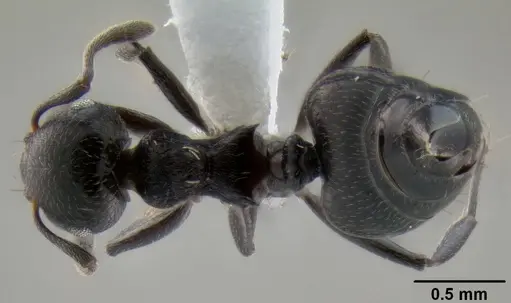
CASENT0625393
View on AntWeb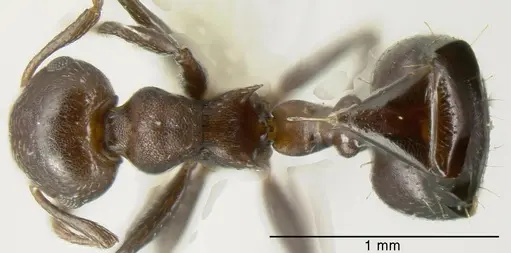
Literature
Loading distribution map...Loading products...