
Crematogaster coelestis
- Sci. Name
- Crematogaster coelestis
- Tribe
- Crematogastrini
- Subfamily
- Myrmicinae
- Author
- Santschi, 1911
- Distribution
- Found in 2 countries
Introduction
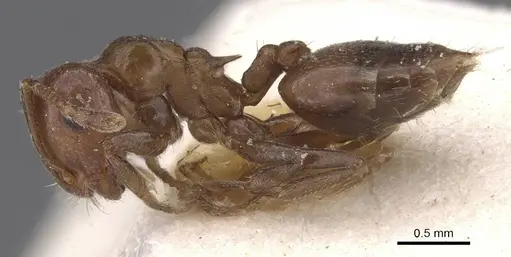
Crematogaster coelestis is a small ant species native to West Africa, found in Senegal, Guinea, and the Democratic Republic of Congo. Workers have the characteristic heart-shaped abdomen that gives Crematogaster ants their common name of 'acrobat ants' - they can raise their abdomen over their head when threatened. This species nests in dead vegetation within mangrove ecosystems, including twigs, small branches, and aerial roots. The species appears native to the Afrotropical region.
Quick Summary
- Difficulty: Medium
- Origin & Habitat: West Africa, specifically Senegal, Guinea, and the Democratic Republic of Congo. This species nests in red mangrove environments, using dead vegetation like twigs, small branches, air roots, and prop roots [1]. It appears native to the Afrotropics based on its known geographic distribution [1][2].
- Colony Type: Colony structure has not been directly documented for this species.
- Size & Growth:
- Queen: size data unavailable, inferred from Crematogaster genus (~5-8 mm)
- Worker: size data unavailable, inferred from Crematogaster genus (~2-4 mm)
- Colony: up to several hundred workers based on related species
- Growth: Moderate
- Development: estimated 6-8 weeks at tropical temperatures (25-28°C), based on genus patterns (Development time is inferred from genus patterns, specific data for this species is unavailable)
- Antkeeping:
- Temperature: Keep at 24-28°C (tropical warmth). This species is from West African mangroves where temperatures are consistently warm year-round. A heating cable on one side of the nest creates a useful gradient [1].
- Humidity: High humidity is essential, these ants live in mangrove environments. Keep the nest substrate consistently moist but not waterlogged. Provide a water tube as a constant moisture source.
- Diapause: No diapause required. This is a tropical species from consistent climate mangrove habitats. They can be kept at stable temperatures year-round.
- Nesting: Provide a nest with small chambers that mimic their natural cavities in dead twigs and vegetation. Y-tong (AAC) nests or plaster nests with narrow tunnels work well. They prefer tight, enclosed spaces.
- Behavior: Crematogaster coelestis is an arboreal-nesting species that forages actively in the upper regions of the setup. Workers are aggressive when defending the colony and will bite and use their characteristic smear defense, raising their heart-shaped abdomen over their head to apply venom. They are excellent climbers and may attempt to escape through small gaps. They are fast-moving and will readily explore their environment.
- Common Issues: escape prevention is critical, their small size and arboreal nature means they find tiny gaps, high humidity requirements can lead to mold if ventilation is poor, tropical species may struggle if temperatures drop below 22°C, defense mechanism can irritate skin on contact, wild-caught colonies may carry parasites from mangrove environments
Nest Preferences and Housing
Crematogaster coelestis naturally nests in dead vegetation within mangrove ecosystems, specifically twigs, small branches, air roots, and prop roots [1][2]. In captivity, they do well in nests that mimic these tight, cavity-filled environments. Y-tong (AAC) nests or plaster nests with narrow tunnels and small chambers work best. Avoid large, open nest spaces, these ants prefer enclosed areas that make them feel secure. A test tube setup can work for founding colonies, but transfer to a proper nest once the colony reaches 20-30 workers. The outworld should include climbing structures like cork bark or fake plants since this is an arboreal species that likes to explore vertically.
Feeding and Diet
Crematogaster coelestis is an omnivorous ant that will accept a variety of foods. In nature, they forage for honeydew from aphids and scale insects, and hunt small insects. In captivity, offer sugar water or honey as a constant energy source. For protein, provide small insects like fruit flies, small crickets, or mealworm pieces. They are not picky eaters and will typically accept most standard ant foods. Feed protein 2-3 times per week, and keep sugar water available at all times. Remove uneaten prey after 24-48 hours to prevent mold.
Temperature and Seasonal Care
This West African species requires tropical temperatures to thrive. Keep the nest area at 24-28°C consistently. A heating cable placed on one side of the nest creates a temperature gradient that allows the ants to regulate their own temperature. They do not require hibernation or diapause, being from a tropical mangrove environment, they expect consistent warmth year-round. Temperatures below 22°C can slow their metabolism and potentially cause health issues. Room temperature may be sufficient in warm climates, but most keepers will need supplemental heating. [1]
Behavior and Defense
Crematogaster coelestis has the characteristic defense behavior of its genus, when threatened, workers raise their heart-shaped abdomen over their head and apply venom to the threat using their specialized stinger. This can irritate human skin, so handle with care. They are aggressive defenders of their colony and will readily attack perceived threats. Workers are fast-moving and excellent climbers. This species is more active and nervous than some other ant genera, expect lots of movement and exploration. They communicate through chemical trails and will quickly recruit workers to food sources.
Frequently Asked Questions
How long does it take for Crematogaster coelestis to produce first workers?
Expect first workers (nanitics) in approximately 6-8 weeks after the queen lays eggs, when kept at 25-28°C. This is based on typical Crematogaster development patterns, specific timing for this species has not been documented.
Can I keep Crematogaster coelestis in a test tube?
Yes, test tubes work well for founding colonies. Use a standard test tube setup with a water reservoir. Once the colony reaches 20-30 workers, transfer to a proper nest (Y-tong or plaster) with smaller chambers suited to their tiny size.
Do Crematogaster coelestis ants sting?
They do not sting in the typical sense, but they bite and apply venom from their raised abdomen using a specialized stinger. The venom can irritate skin, so avoid handling them directly. This is their primary defense mechanism.
What temperature do Crematogaster coelestis need?
Keep them at 24-28°C (tropical warmth). This species is from West African mangroves and needs consistent heat. A heating cable on part of the nest helps maintain proper temperatures.
Are Crematogaster coelestis good for beginners?
They are intermediate difficulty. The main challenges are escape prevention (they are tiny and excellent climbers), maintaining high humidity, and keeping temperatures warm. If you can handle those requirements, they are rewarding ants to keep.
How big do Crematogaster coelestis colonies get?
Based on related species, colonies likely reach several hundred workers. The exact maximum for this species is unknown, but Crematogaster colonies are typically moderate-sized rather than massive.
Do Crematogaster coelestis need hibernation?
No, they do not require hibernation. This is a tropical species from consistent climate mangrove environments. Keep them at stable tropical temperatures year-round.
What do Crematogaster coelestis eat?
They are omnivorous. Offer sugar water or honey constantly for energy, and protein sources like small insects (fruit flies, small crickets, mealworm pieces) 2-3 times per week.
Why are my Crematogaster coelestis escaping?
Their small size and arboreal nature make them excellent escape artists. Use excellent escape prevention: tight-fitting lids, fine mesh on any ventilation, and barrier gel or fluon on container edges. Check for gaps smaller than 1mm.
When should I move my colony to a formicarium?
Transfer from test tube to a proper nest once the colony reaches 20-30 workers. Use a nest with small chambers, avoid large, open spaces that stress these cavity-nesting ants.
Report an Issue
The current care sheet is based fully on literature. See inconsistencies, or something that's incorrect? Please , it will be resolved after review from an admin. Contributing to the blogs tab also helps providing information, to make us be able to further improve the caresheets. Thank you for your support!
References

This caresheet is licensed under CC BY-SA 4.0 .
Community Blogs
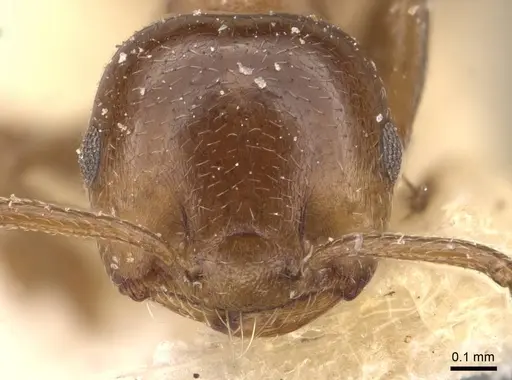
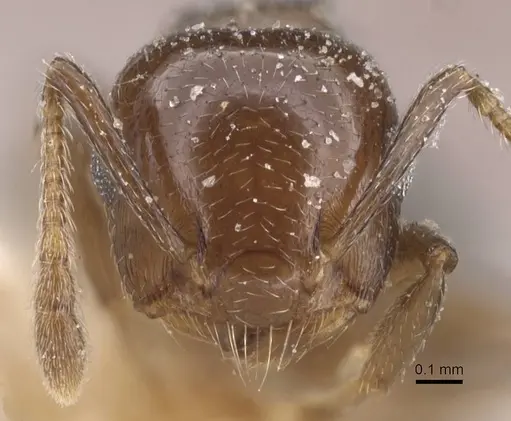
CASENT0908530
View on AntWeb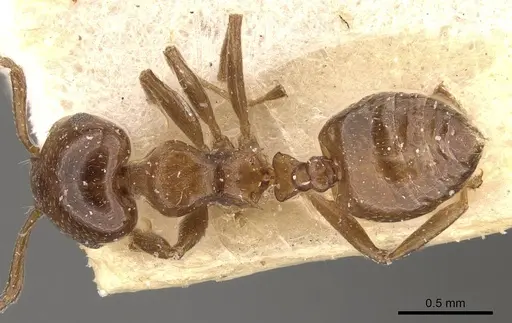
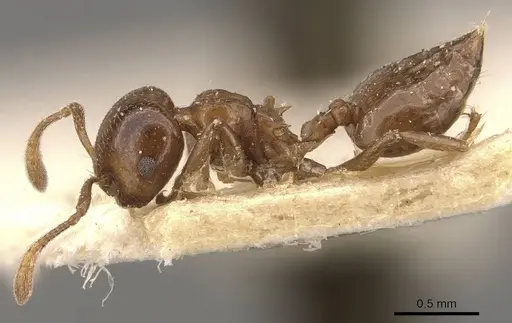
CASENT0912662
View on AntWeb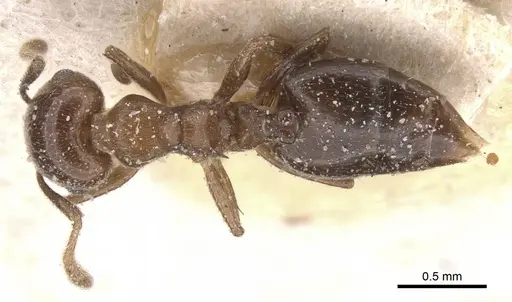
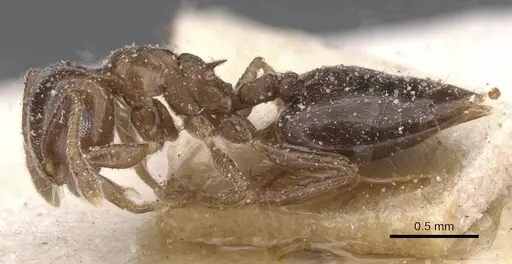
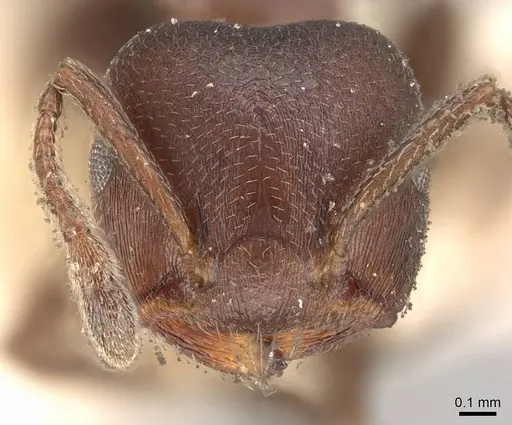
CASENT0912663
View on AntWeb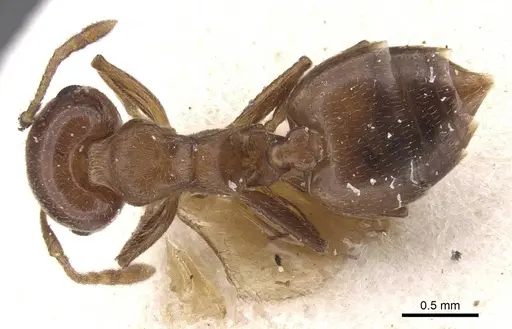
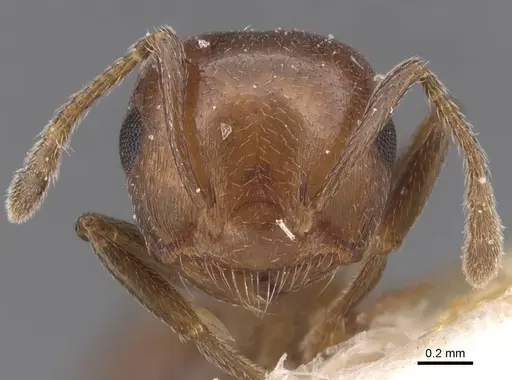
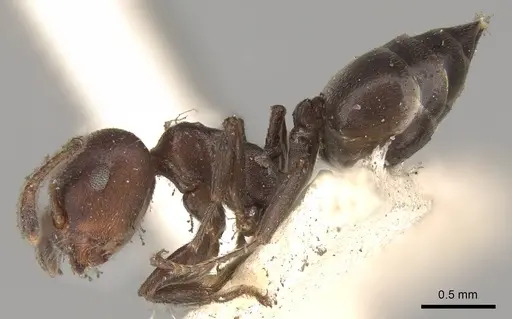
CASENT0914291
View on AntWeb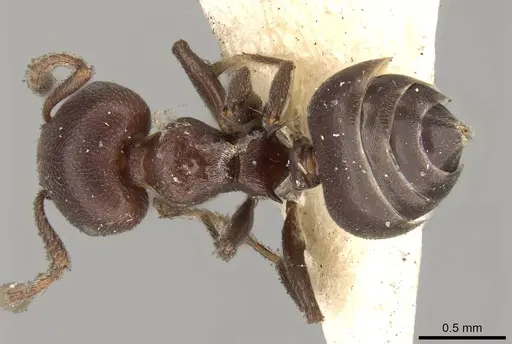
Literature
Loading distribution map...Loading products...