
Crematogaster clariventris
- Sci. Name
- Crematogaster clariventris
- Tribe
- Crematogastrini
- Subfamily
- Myrmicinae
- Author
- Mayr, 1895
- Distribution
- Found in 3 countries
Introduction
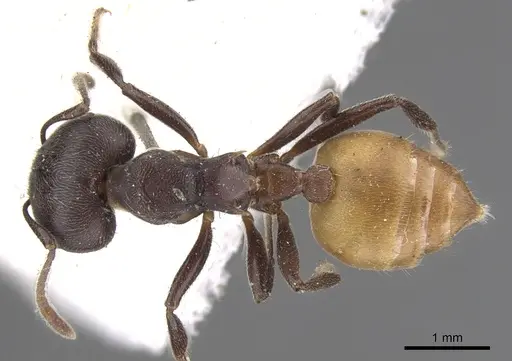
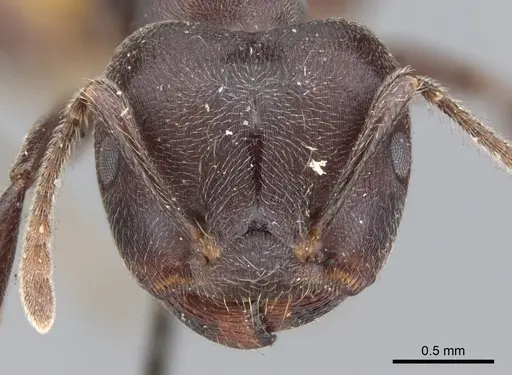
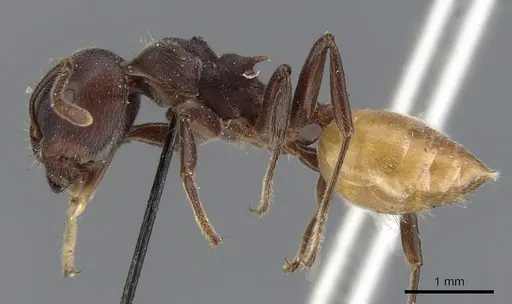
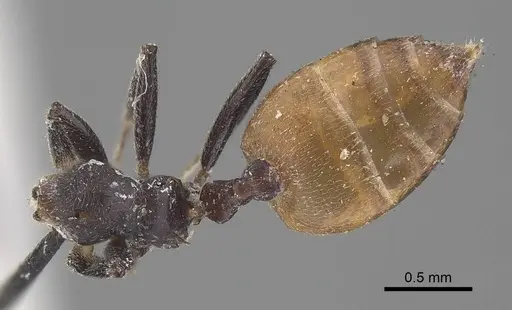
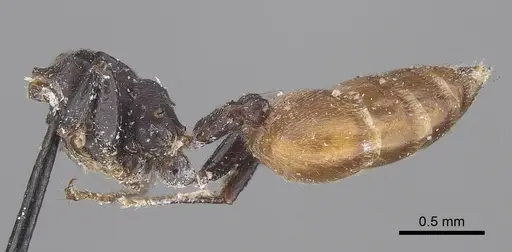
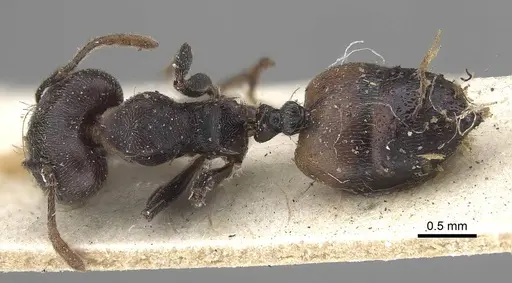
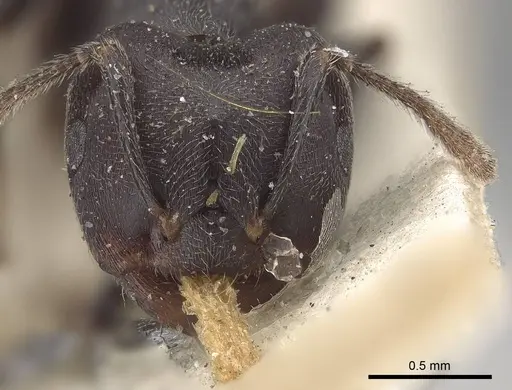
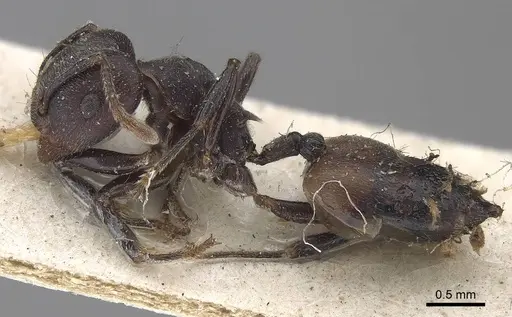
Crematogaster clariventris is an arboreal ant species native to the Afrotropical region, found across Cameroon, Congo, Democratic Republic of Congo, Guinea, Kenya, Nigeria, and Uganda. Workers are polymorphic with major workers reaching approximately 4.5mm in length, featuring a distinctive yellowish gaster that makes them easily recognizable. This species builds remarkably hard carton nests on the main branches of canopy trees, often 30-45 meters above ground . What makes C. clariventris unique is its convergent evolution with New World leaf-cutting ants - these ants cut leaves and grow fungi (Capnodiales and Chaetothyriales) to reinforce their nest carton, creating a natural composite material when the fungal hyphae die and their cell walls remain sturdy . They are territorially dominant in their ecosystem and rank among the most common canopy ants in Central African forests .
Quick Summary
- Difficulty: Hard
- Origin & Habitat: Afrotropical region, Cameroon, Congo, Democratic Republic of Congo, Guinea, Kenya, Nigeria, and Uganda. These ants are arboreal, building their distinctive carton nests on the main branches of canopy trees in tropical rainforests and agroforestry systems, typically 30-45 meters above ground [1][4].
- Colony Type: Territorially dominant arboreal species. Colony structure (monogyne vs polygyne) is unconfirmed in scientific literature.
- Size & Growth:
- Queen: Size data unavailable, no direct measurements exist in research literature
- Worker: Approximately 4.5mm for major workers [1]
- Colony: Large colonies, they are numerically dominant in their ecosystem and can dominate entire canopy sections
- Growth: Moderate, colonies establish persistent carton nests over time
- Development: Unknown, no direct development studies exist for this species (Related tropical Crematogaster species typically develop faster than temperate species due to year-round warm conditions.)
- Antkeeping:
- Temperature: Tropical species requiring warm conditions. Maintain temperatures between 24-28°C. A heating cable on one side of the nest creates a gradient allowing ants to self-regulate. Avoid temperatures below 22°C as this species is adapted to consistent tropical warmth.
- Humidity: High humidity requirement reflecting their rainforest origin. Keep nest substrate consistently moist but not waterlogged. Provide a water tube for drinking access. Mist the outworld regularly to maintain 70-80% humidity.
- Diapause: No, as a tropical species, C. clariventris does not require hibernation. They remain active year-round in their natural habitat. Maintain consistent warm temperatures throughout the year.
- Nesting: This species requires arboreal-style housing. They naturally build hard carton nests, so provide materials they can work with, cork, cardboard, or plaster nests work well. They need vertical space and multiple chambers. A formicarium with multiple connected chambers scaled to their size is ideal.
- Behavior: Crematogaster clariventris is a territorially dominant species known for aggressive defense of their territory and resources. Workers are active defoliators, cutting small pieces of leaves (up to 4mm) from various plant species to cultivate their fungal nest material [1]. They forage in trails and collect honeydew from aphids and scale insects [5]. Workers are most active during daytime hours, particularly between 8:00 a.m. and 2:00 p.m. [1]. They readily repair nest damage by transporting vegetal material and depositing masticated material, breaches can be repaired in 2-3 days [1]. Escape prevention is important as they are agile climbers, use fluon on nest edges and ensure tight-fitting lids.
- Common Issues: tropical temperature requirements mean colonies can struggle in rooms below 24°C, consider heating for successful captive breeding, arboreal nesting means standard ground-nest setups may not suit them, provide vertical space and appropriate nest materials, their defoliating behavior requires constant access to fresh plant material for nest building, this can be difficult to provide consistently in captivity, colonies can be aggressive and territorial, handle gently and avoid disturbing the nest, their unique fungus-growing relationship means the nest material itself is biologically important, avoid disturbing or replacing nest carton unnecessarily
Nest Preferences and Housing
Crematogaster clariventris requires housing that reflects their arboreal nature. In the wild, they build very hard carton nests on main branches of canopy trees, typically 30-45 meters above ground [1]. For captive care, provide a vertical formicarium with multiple connected chambers. Materials like cork, cardboard, or plaster work well as these allow workers to construct their characteristic carton structure. The nest should have chambers scaled to their 4.5mm worker size with passages wide enough for easy movement but narrow enough to feel secure. The outworld should include vertical structures (branches, cork bark) that mimic their natural canopy environment. Ensure excellent escape prevention, these are agile climbers that will find any gap.
Feeding and Diet
In their natural habitat, C. clariventris workers are defoliators that cut small pieces of leaves and flowers from various plant species including Hibiscus rosa-sinensis, Albizia spp., Alchornea cordifolia, Cassia spp., Mangifera indica (mango), and Theobroma cacao (cocoa) [1]. They select nitrogen-rich young leaves and flowers. Workers cut pieces up to 4mm in length and transport this material back to the nest to cultivate fungi that reinforce their carton nests [2]. In captivity, provide a constant source of fresh plant material, young leaves, flower petals, or small plant cuttings. They also collect honeydew from aphids and scale insects [5], so offering sugar water or honey water is beneficial. Protein should be provided through small insects. The unique aspect of this species is that they don't eat the fungus, unlike leaf-cutting Attina who cultivate fungi for food, C. clariventris uses fungi purely for nest construction [2]. Fresh plant material should be provided regularly, replaced every 2-3 days to prevent mold.
Temperature and Seasonal Care
As a tropical species from Central African rainforests, C. clariventris requires warm temperatures year-round. Maintain the nest area at 24-28°C. A heating cable placed on one side of the nest creates a temperature gradient allowing workers to self-regulate by moving between warmer and cooler areas. This species shows highest activity during daytime hours, particularly between 8:00 a.m. and 2:00 p.m. [1], which reflects their tropical rhythm. Unlike temperate species, they do not require hibernation or diapause, maintaining consistent temperatures throughout the year is essential. Temperatures below 22°C can stress colonies and slow their development. Room temperature may be insufficient in cooler climates, consider using a small heating mat or cable. Monitor colony activity as an indicator, workers should be active and foraging throughout the day.
Unique Fungus-Growing Behavior
The most remarkable aspect of C. clariventris is its convergent evolution with New World leaf-cutting ants. While leaf-cutting ants (Atta, Acromyrmex) cultivate fungi of the Basidiomycota order Agaricaceae for food, C. clariventris grows fungi of the Capnodiales and Chaetothyriales orders to reinforce their nest carton [2]. Workers cut leaves and incorporate them into nest material, then cultivate fungi on this material. The fungal mycelium grows through the carton, and when the mycelium dies, the hyphae cell walls remain sturdy, creating a natural composite material that makes the nest remarkably hard [2]. This represents a case of convergent evolution, both groups cut leaves but use them for different purposes. The fungus is not food but structural reinforcement. In captivity, providing fresh plant material allows workers to exhibit this natural building behavior. The fungal symbiont appears to be transmitted within the colony, the same fungal OTU found in nests was also detected in worker bodies, suggesting they carry it in their infrabuccal pocket or on their gaster [1].
Behavior and Colony Dynamics
Crematogaster clariventris is a territorially dominant species that actively defends its foraging areas and nest sites. In their native ecosystem, they are among the most common canopy ants and can dominate entire sections of forest canopy [3][4]. Colonies exhibit high resistance to environmental disturbances, including insecticide treatment in agricultural areas, they recover quickly because their nests in tree twigs and carton structures allow rapid recolonization [6]. Workers are polymorphic, with major workers being larger (approximately 4.5mm) and capable of defending the colony. They forage in trails and are most active during daylight hours [1]. When their nest is damaged, workers immediately begin repairs, they transport vegetal material and deposit masticated material to rebuild breaches, typically completing repairs within 2-3 days [1]. This species shows negative associations with other dominant ants like Crematogaster striatula and Camponotus acvapimensis, indicating competitive exclusion in their territory [7].
Frequently Asked Questions
Can I keep Crematogaster clariventris in a test tube setup?
Test tubes are not ideal for this species. C. clariventris is arboreal and builds hard carton nests in the wild, not ground burrows. They need vertical space and materials they can work with. A cork, cardboard, or plaster formicarium with multiple connected chambers works best.
How long does it take for first workers to emerge?
The exact egg-to-worker development time for C. clariventris has not been directly studied. Based on related tropical Crematogaster species, expect approximately 4-8 weeks at optimal tropical temperatures (24-28°C). Development is likely faster than temperate species due to their year-round warm native habitat.
Do Crematogaster clariventris ants sting?
Crematogaster ants have a functional stinger but typically use biting and formic acid spraying as defense rather than stinging. They are not considered dangerous to humans. However, they are territorially aggressive and will defend their nest vigorously if disturbed.
What do Crematogaster clariventris eat?
They are defoliators that cut small pieces of leaves and flowers from various plants. In captivity, provide fresh plant material regularly (young leaves, flower petals) along with sugar sources (honey water, sugar water) and small protein sources (insects). The unique aspect is they use plant material to grow fungi for nest construction, not as direct food.
Are Crematogaster clariventris good for beginners?
No, this species is not recommended for beginners. They have specific requirements: tropical temperatures (24-28°C), high humidity, arboreal-style housing with vertical space, and require constant access to fresh plant material for their fungus-growing behavior. They are also harder to acquire as they are not commonly available in the antkeeping hobby.
Do Crematogaster clariventris need hibernation?
No, they do not require hibernation. As a tropical species from Central Africa, they remain active year-round in their natural habitat. Maintain consistent warm temperatures (24-28°C) throughout the year. Temperatures below 22°C can stress colonies.
How big do Crematogaster clariventris colonies get?
Colonies can become large and territorially dominant. In the wild, they are among the most common canopy ants and can dominate entire sections of forest canopy. They are ecologically dominant in their native range across Cameroon, Congo, and other Afrotropical countries.
Can I keep multiple Crematogaster clariventris queens together?
Colony structure (single queen vs multiple queens) has not been specifically documented in scientific literature for this species. Combining unrelated queens is not recommended as they would likely fight.
Why do Crematogaster clariventris cut leaves if they don't eat them?
They cut leaves to cultivate fungi for nest construction, not for food. This is convergent evolution with New World leaf-cutting ants, but with a key difference. Leaf-cutting ants (Atta, Acromyrmex) cultivate fungi for food. C. clariventris uses Capnodiales fungi to reinforce their carton nests. When the fungal mycelium dies, the hyphae cell walls remain sturdy, creating a strong composite material [2][1].
When should I move my colony to a formicarium?
Move them when the test tube setup becomes crowded or when you see workers actively building with available materials. They need vertical space and multiple chambers. A formicarium with connected areas better reflects their natural nesting behavior. Ensure the formicarium provides materials they can manipulate (cork, cardboard) for their carton-building behavior.
Report an Issue
The current care sheet is based fully on literature. See inconsistencies, or something that's incorrect? Please , it will be resolved after review from an admin. Contributing to the blogs tab also helps providing information, to make us be able to further improve the caresheets. Thank you for your support!
References

This caresheet is licensed under CC BY-SA 4.0 .
Community Blogs
Literature
Loading distribution map...Loading products...