
Crematogaster cisplatinalis
- Sci. Name
- Crematogaster cisplatinalis
- Subgenus
- Orthocrema
- Tribe
- Crematogastrini
- Subfamily
- Myrmicinae
- Author
- Mayr, 1887
- Distribution
- Found in 3 countries
Introduction
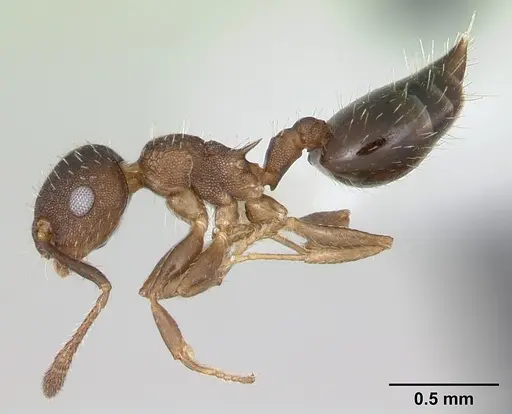
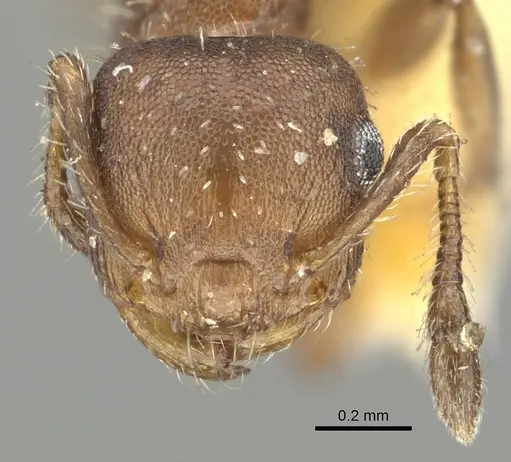
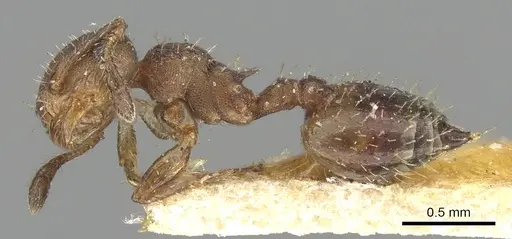
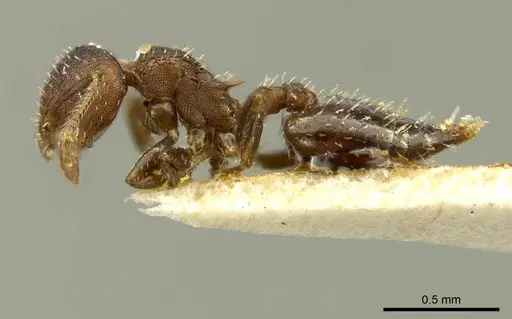
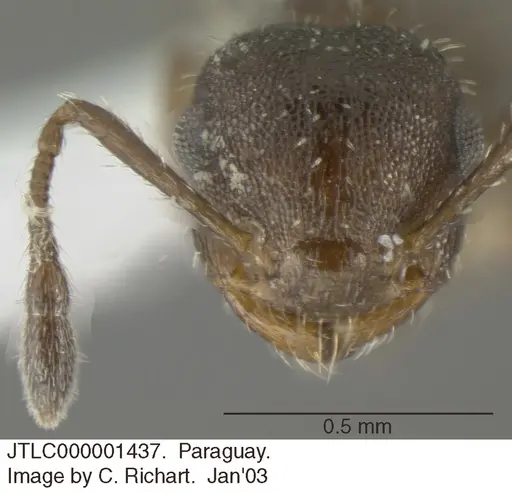
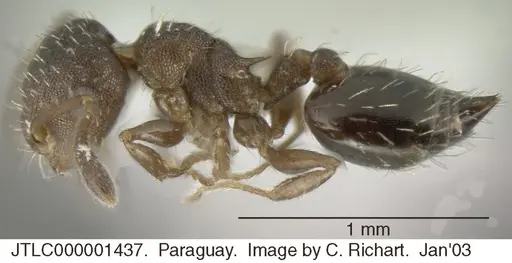
Crematogaster cisplatinalis is a small myrmicine ant native to the Neotropical region, found across Argentina, Brazil, Paraguay, and Uruguay [AntWiki]. Workers have the characteristic heart-shaped gaster that gives these ants their common name 'acrobat ants' - they raise their abdomen over their head when disturbed as a defensive display. They are dark brown to black in coloration. This species is a twig-nesting ant, naturally colonizing hollow plant stems and small cavities in wood in low-lying open habitats in the Paraguay river floodplain .
Quick Summary
- Difficulty: Medium
- Origin & Habitat: Neotropical region, Argentina, Brazil, Paraguay, and Uruguay. Found in low-lying open habitats in the Paraguay river floodplain [2].
- Colony Type: Colony structure is unconfirmed, only worker caste has been described in scientific literature.
- Size & Growth:
- Queen: Size data unavailable, inferred from Crematogaster genus patterns (~5-8mm)
- Worker: Size data unavailable, typical for small Crematogaster species
- Colony: Colony size data unavailable
- Growth: Moderate
- Development: Development time unconfirmed, estimated 6-8 weeks at optimal temperature based on related tropical Crematogaster species (Specific development data for C. cisplatinalis is not available)
- Antkeeping:
- Temperature: Keep at 24-28°C, they are a tropical species from lowland habitats. A gentle gradient allows them to regulate temperature.
- Humidity: Moderate to high humidity. Twig-nesting ants prefer humid conditions but the nest should have good ventilation to prevent mold.
- Diapause: No, being a tropical species from South America, they do not require hibernation. Maintain warm temperatures year-round.
- Nesting: Twig-nesting species, provide hollow twigs, small wooden formicarium, or Y-tong nests with narrow chambers. They do well in Y-tong nests or naturalistic setups with small diameter tunnels.
- Behavior: Crematogaster cisplatinalis is an active and alert species. Workers are quick-moving and will readily explore their surroundings. They have a modified stinger used to smear venom onto enemies rather than pierce, they primarily use their acrobatic gaster-raising display and minor biting when threatened. They are not aggressive toward humans but will defend their nest vigorously. Escape prevention is critical due to their small size, use fine mesh barriers. They are arboreal by nature so they may spend more time exploring vertical spaces.
- Common Issues: small size makes escape prevention critical, they can squeeze through tiny gaps, twig-nesting nature means they need appropriately sized nesting cavities, tropical species cannot tolerate cool temperatures, keep warm year-round, limited species-specific information means some care is based on genus patterns, may be sensitive to drying out, maintain consistent humidity
Housing and Nest Preferences
Crematogaster cisplatinalis is a twig-nesting species, which means they naturally colonize hollow plant stems and small cavities in wood in low-lying open habitats [2]. In captivity, they do well in Y-tong nests with narrow chambers, small wooden formicaria, or naturalistic setups using actual twigs. The key is providing appropriately sized cavities, too large and they may feel exposed, too small and they won't have room for colony expansion. A test tube setup can work for founding colonies, but transfer to a more appropriate nest once the colony reaches 20-30 workers. Because they are arboreal by nature, they appreciate having some vertical space and may explore upward rather than just horizontally.
Feeding and Diet
Like other Crematogaster species, C. cisplatinalis is omnivorous with a preference for protein sources. In captivity, they readily accept small insects like fruit flies, pinhead crickets, and mealworms. They also consume honeydew and sugar water, offer a drop of sugar water or honey diluted with water as a constant carbohydrate source. Feed protein prey 2-3 times per week, adjusting based on colony size and consumption. Remove uneaten prey after 24 hours to prevent mold. Being a small species, prey items should be appropriately sized, tiny insects are better than large ones. [1]
Temperature and Seasonal Care
As a tropical species from the South American lowlands, Crematogaster cisplatinalis requires warm temperatures year-round. Maintain the nest area at 24-28°C. A heating cable on one side of the nest can create a gentle gradient, allowing workers to move between warmer and cooler areas as needed. They do not require hibernation or diapause, keeping them cool can stress them and slow colony growth. Room temperature in heated indoor spaces is often suitable, but monitor to ensure it stays within their preferred range. Avoid temperature fluctuations and drafts. [2]
Behavior and Temperament
Crematogaster ants are known for their distinctive defensive behavior, when threatened, workers raise their heart-shaped gaster over their head, giving them the name 'acrobat ants.' They may also bite with their mandibles, though their small size means this is more of a nuisance than a real threat to humans. Workers are active foragers and will explore their outworld thoroughly. They are not particularly aggressive but will defend their nest against intruders. Their small size makes them excellent escape artists, use fine mesh on all openings and consider barrier methods like fluon on test tube rims. They are diurnal and typically most active during daylight hours. [1]
Frequently Asked Questions
How long does it take for Crematogaster cisplatinalis to produce first workers?
Based on typical Crematogaster development, expect first workers approximately 6-8 weeks after the queen lays eggs, assuming optimal temperatures of 24-28°C. Specific development data for this species is not available, so this is an estimate from related tropical species.
Can I keep Crematogaster cisplatinalis in a test tube?
Yes, test tubes work well for founding colonies. Use a small test tube with a water reservoir section separated by a cotton plug. Once the colony reaches 20-30 workers, consider moving them to a more appropriate twig-style nest or small formicarium to allow for continued growth.
Do Crematogaster cisplatinalis ants sting?
They have a modified stinger used to smear venom onto enemies rather than pierce flesh. Their primary defense is the characteristic gaster-raising display where they raise their abdomen over their head. Some minor biting may occur if they feel threatened.
What do Crematogaster cisplatinalis eat?
They are omnivorous. Offer small insects like fruit flies, pinhead crickets, or small mealworms as protein sources 2-3 times per week. Also provide a constant source of carbohydrates like sugar water or diluted honey. Remove uneaten prey after 24 hours.
Are Crematogaster cisplatinalis good for beginners?
They are rated as medium difficulty. They are small and require careful attention to escape prevention, but their tropical nature means they don't require complex hibernation setups. The main challenges are their small size and ensuring appropriate nesting cavities.
Do Crematogaster cisplatinalis need hibernation?
No, they are a tropical species from South America and do not require hibernation or diapause. Keep them warm year-round at 24-28°C. Cool temperatures can stress them and inhibit colony growth.
How big do Crematogaster cisplatinalis colonies get?
Colony size data for this species is not documented in scientific literature. Based on typical twig-nesting Crematogaster species, colonies may reach several hundred workers.
When should I move Crematogaster cisplatinalis to a formicarium?
Move them when the colony reaches around 20-30 workers and the test tube is becoming crowded. Twig-nesting species prefer smaller, more enclosed spaces initially, a small formicarium with narrow chambers works well.
Why are my Crematogaster cisplatinalis escaping?
Their small size means they can squeeze through incredibly tiny gaps. Check all openings carefully, use fine mesh (0.5mm or smaller), apply fluon barriers to test tube rims, and ensure any connections between nest and outworld are secure. Even a small gap is enough for them to escape.
Can I keep multiple Crematogaster cisplatinalis queens together?
Colony structure for this species is not documented in scientific literature. Based on typical Crematogaster patterns, they are likely monogyne (single queen). Combining unrelated queens is not recommended without species-specific data.
Report an Issue
The current care sheet is based fully on literature. See inconsistencies, or something that's incorrect? Please , it will be resolved after review from an admin. Contributing to the blogs tab also helps providing information, to make us be able to further improve the caresheets. Thank you for your support!
References

This caresheet is licensed under CC BY-SA 4.0 .
Community Blogs
CASENT0173940
View on AntWeb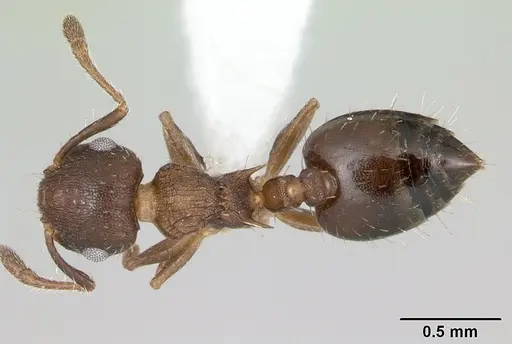
CASENT0902163
View on AntWeb
CASENT0919710
View on AntWeb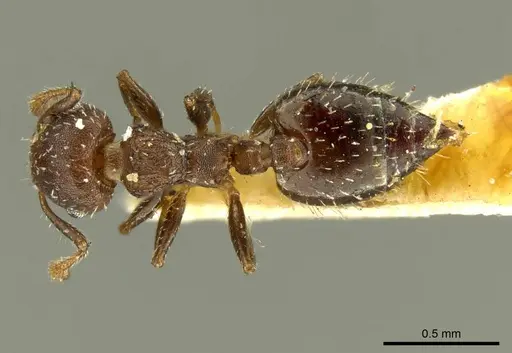
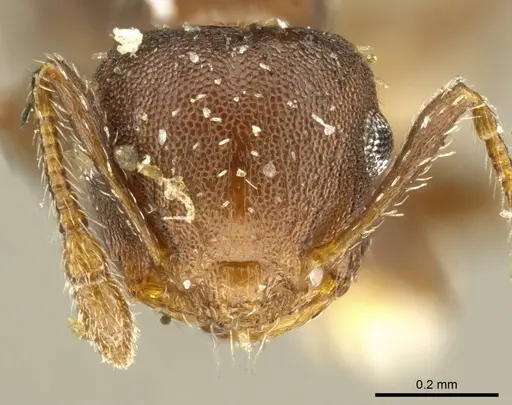
JTLC000001437
View on AntWeb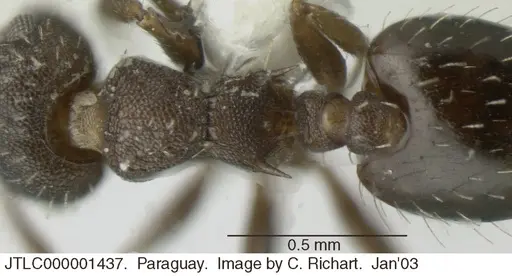
Literature
Loading distribution map...Loading products...