
Red Cocktail ant
Crematogaster castanea
- Sci. Name
- Crematogaster castanea
- Tribe
- Crematogastrini
- Subfamily
- Myrmicinae
- Author
- Smith, 1858
- Common Name
- Red Cocktail ant
- Distribution
- Found in 11 countries
Introduction
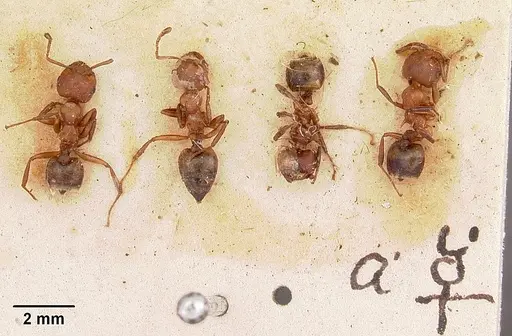
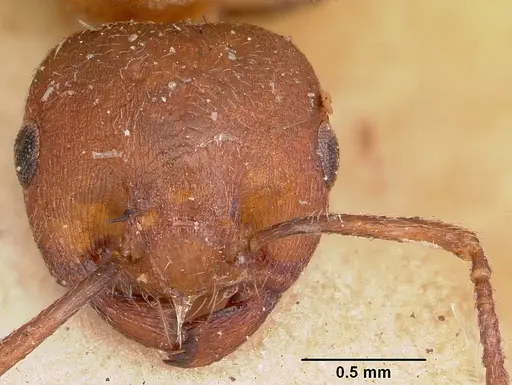
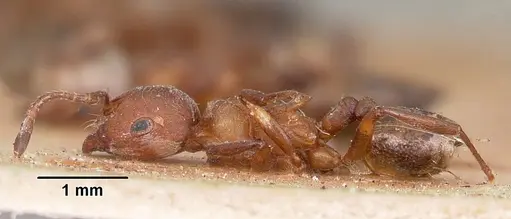
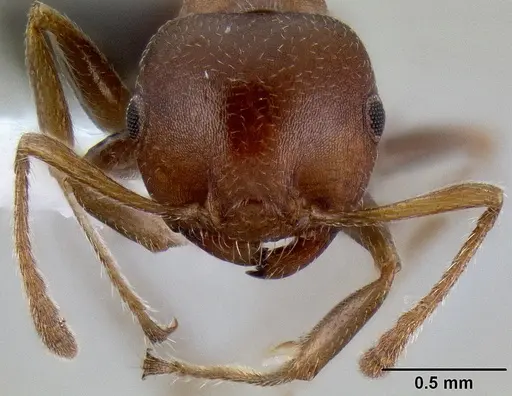
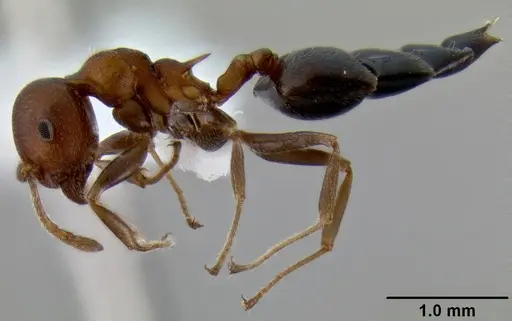
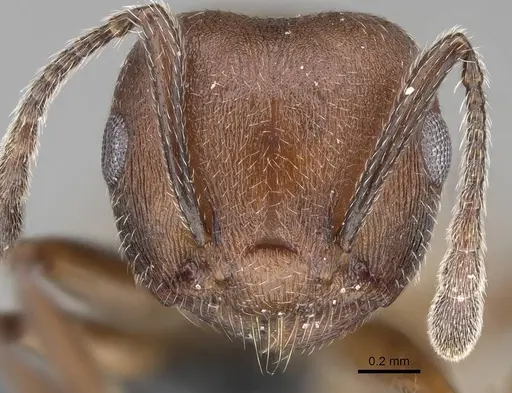
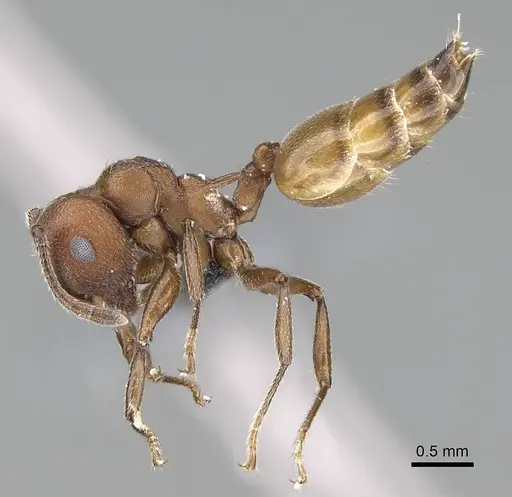
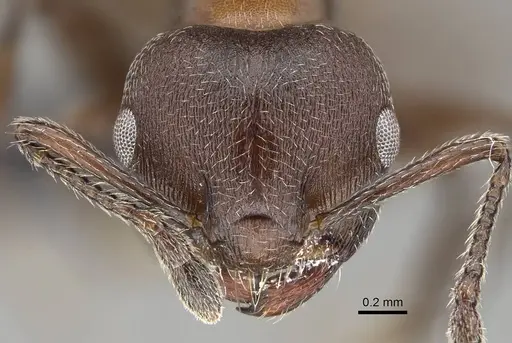
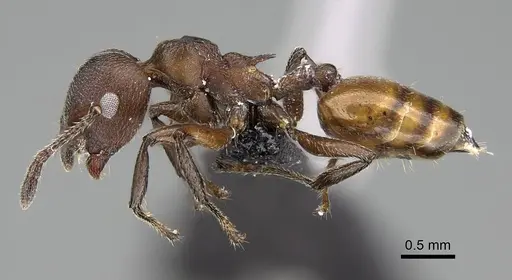
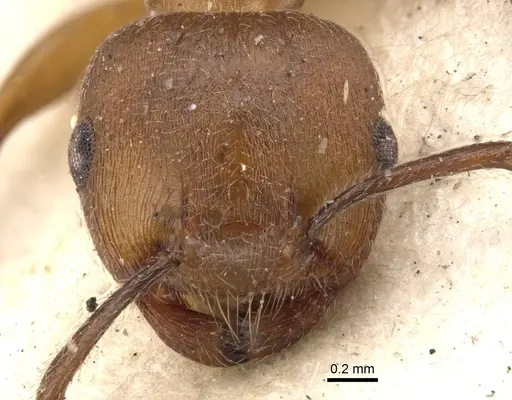
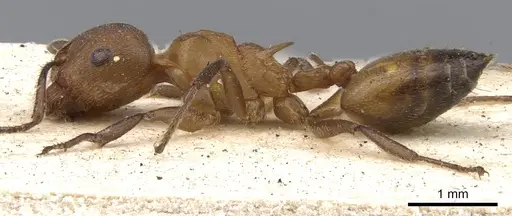
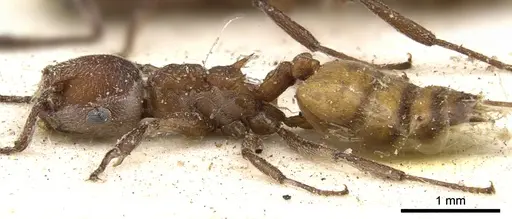
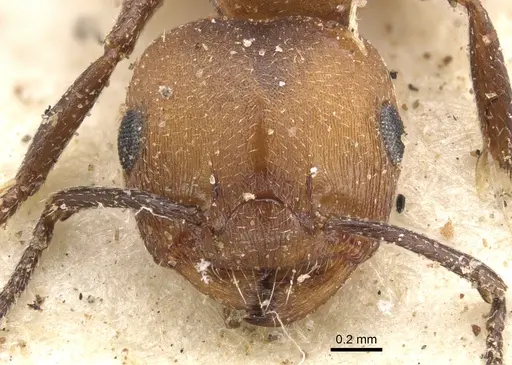
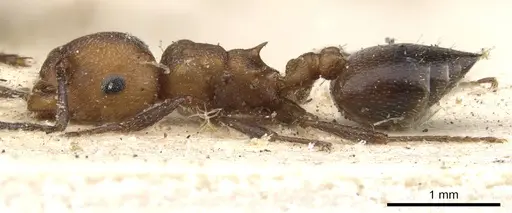
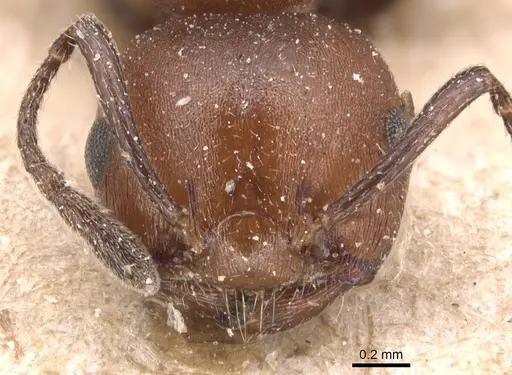
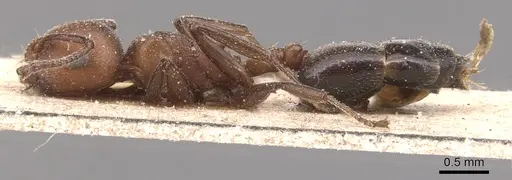
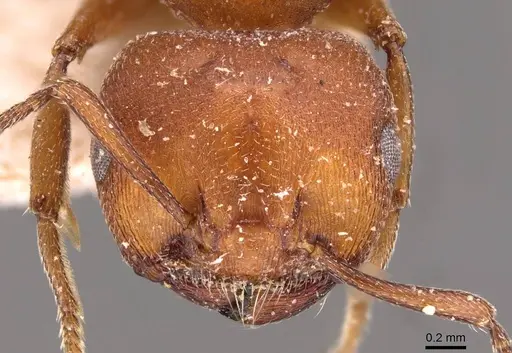
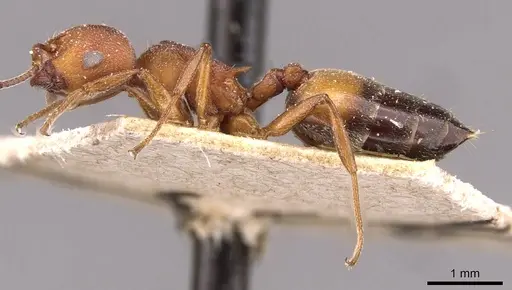
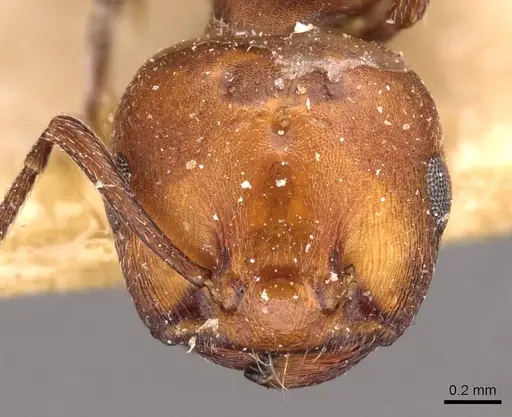
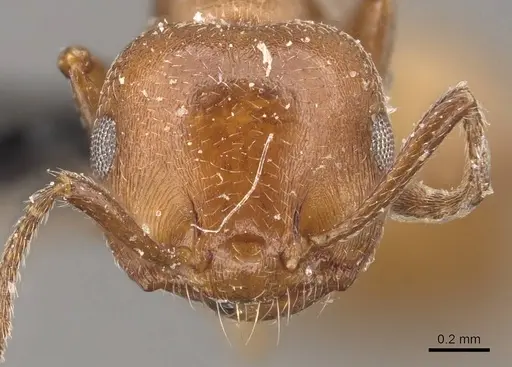
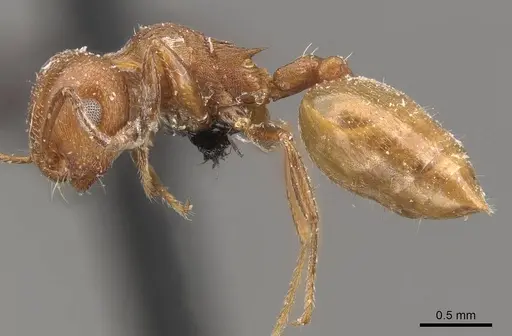
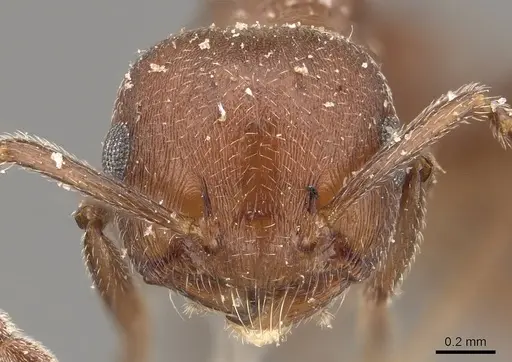
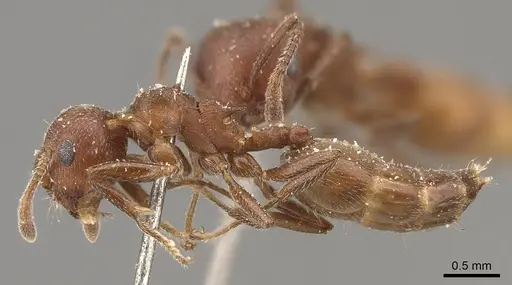
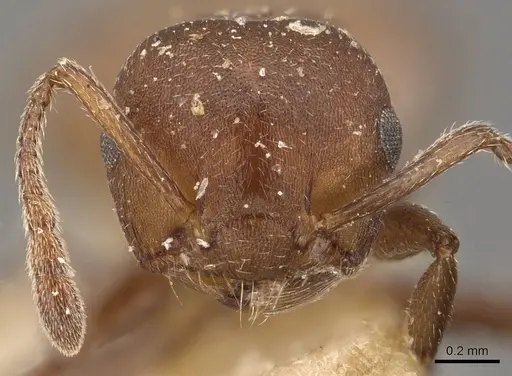
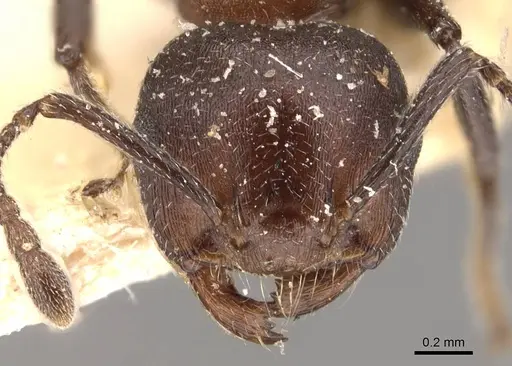
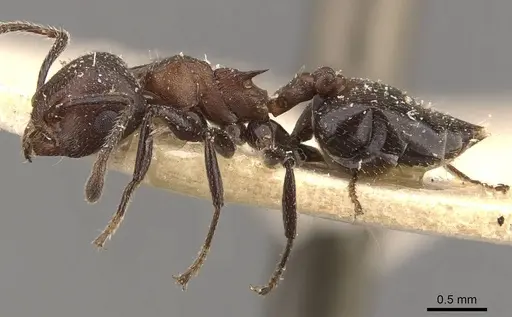
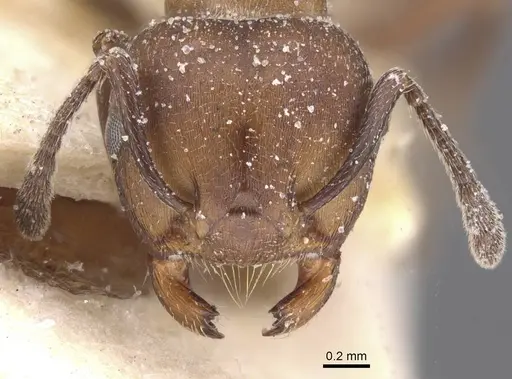
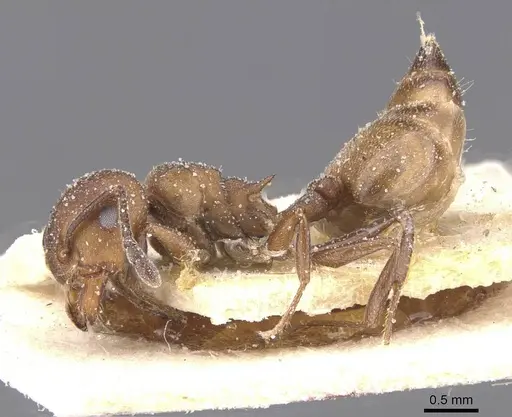
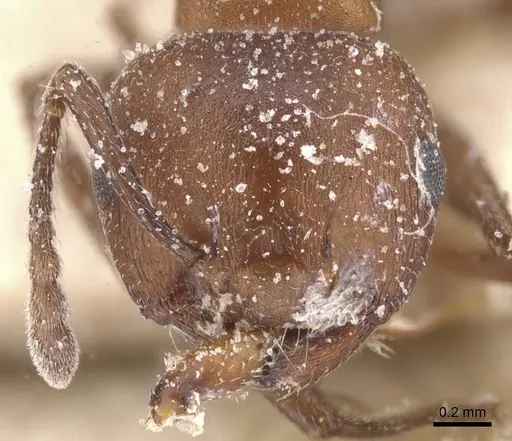
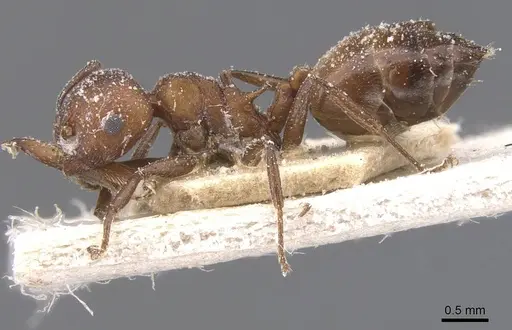
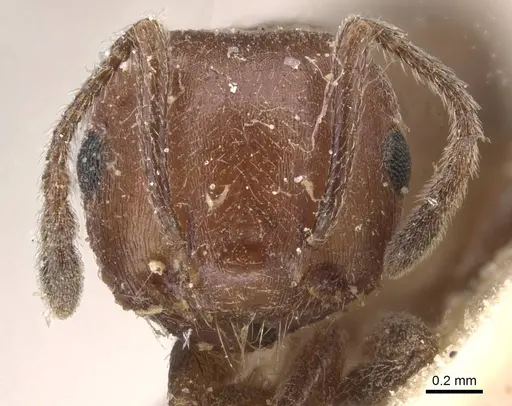
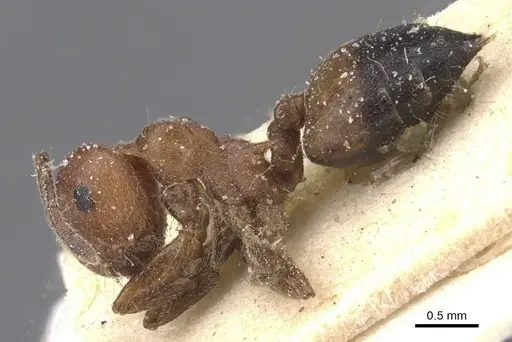
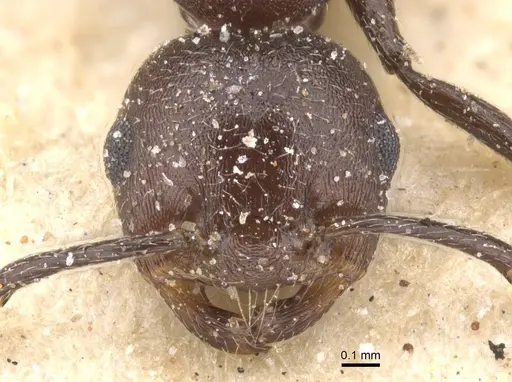
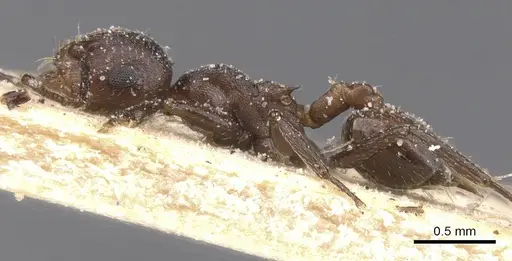
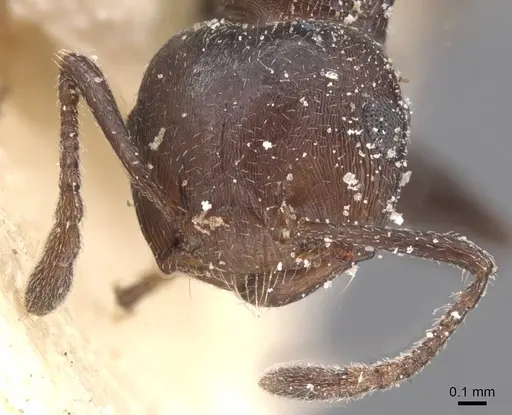
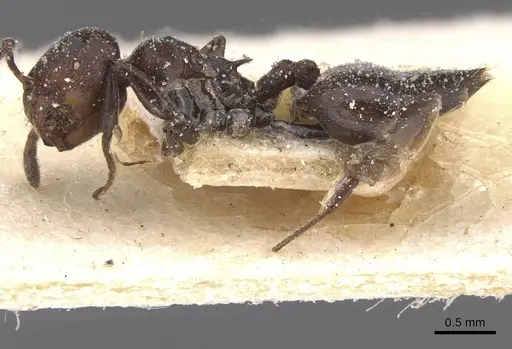
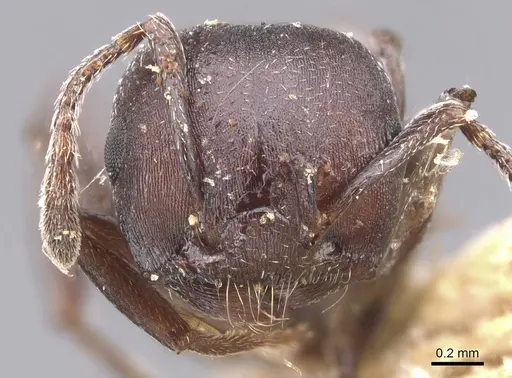
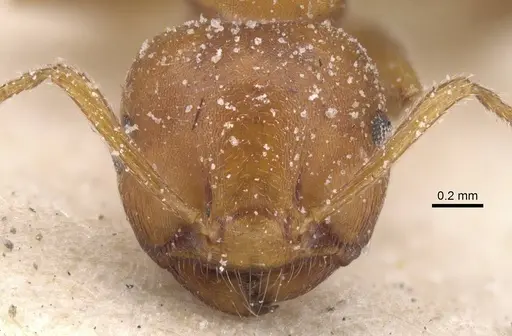
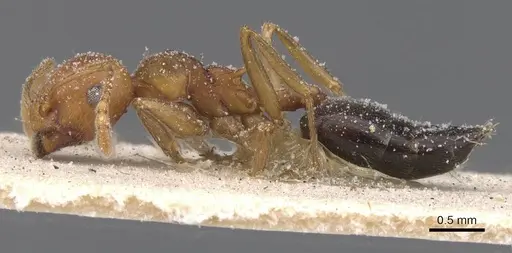
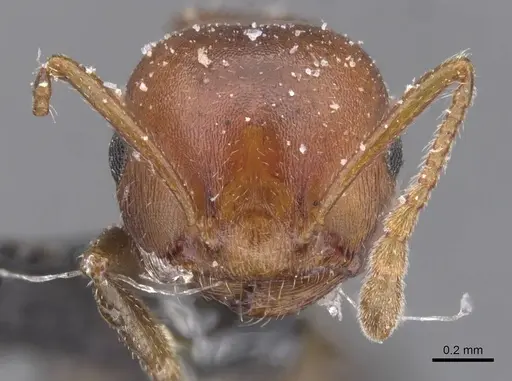
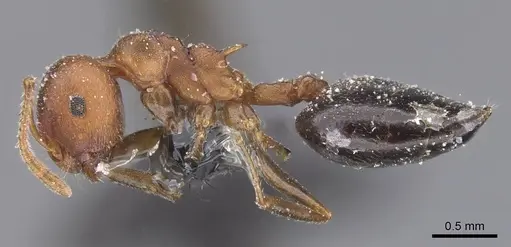
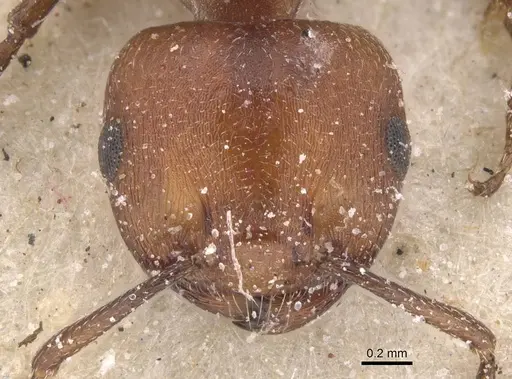
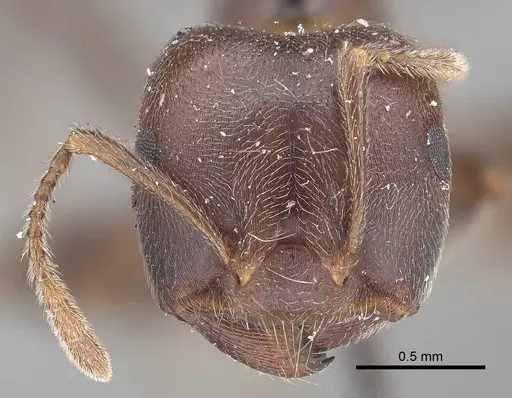
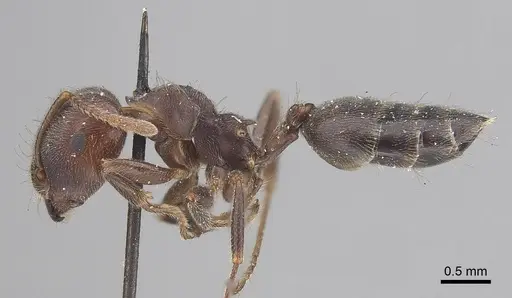
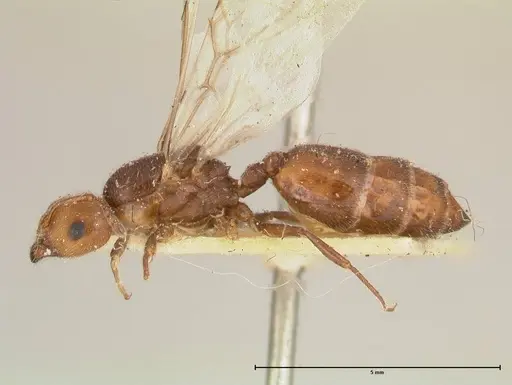
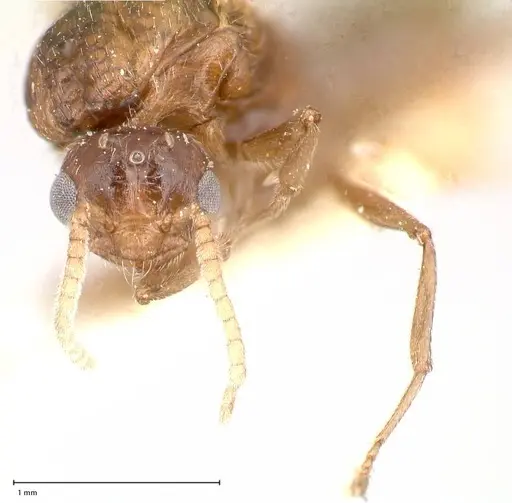
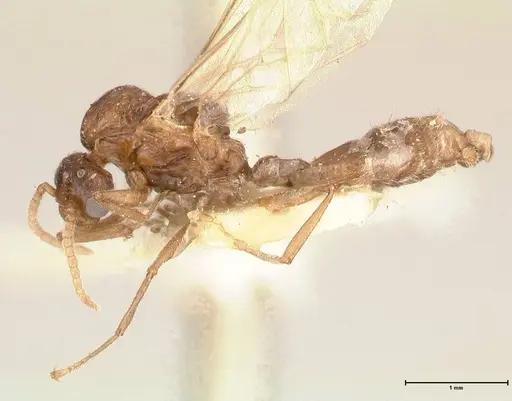
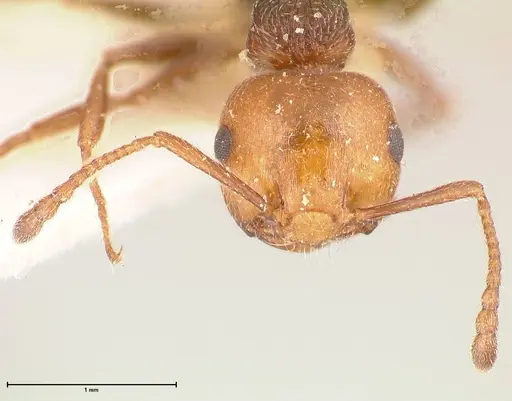
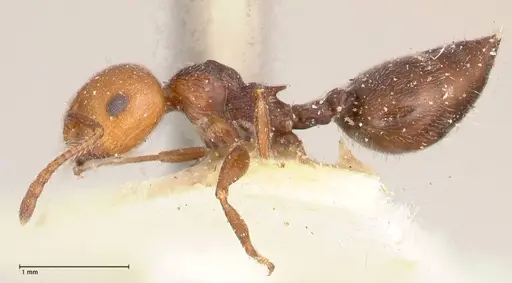
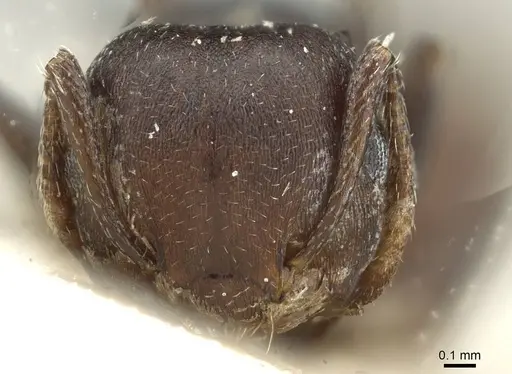
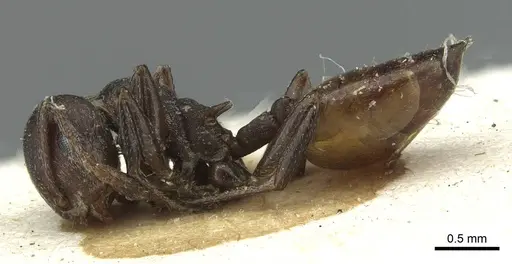
Crematogaster castanea is a small arboreal ant native to Africa and Madagascar. Workers are around 4 mm and queens around 8.5 mm, with a heart-shaped abdomen and color ranging from reddish-brown to nearly black . It belongs to the Crematogaster castanea group and is distinguished from Crematogaster tricolor by uniform coloration . This species nests in tree hollows, branches, and galls and is a key colonizer of damaged tree bark, such as marula trees . C. castanea forms mutualistic relationships with hemipteran insects, protecting them from predators in exchange for honeydew . It is also an obligate associate of certain butterfly species, like Cigaritis natalensis and Cigaritis ella .
Quick Summary
- Difficulty: Medium
- Origin & Habitat: Native to the Afrotropical region, including South Africa, Kenya, Rwanda, Uganda, Democratic Republic of Congo, Namibia, Nigeria, Eritrea, and the Malagasy region (Madagascar, Mauritius, Mayotte) [7]. Arboreal ants found in tree hollows, branches, and galls [3].
- Colony Type: Unconfirmed, no specific literature on queen number, but based on Crematogaster genus patterns, likely monogyne.
- Size & Growth:
- Antkeeping:
- Temperature: Keep warm, roughly 24-28°C, but no specific data in context, observe colony activity for adjustments.
- Humidity: Keep nest substrate consistently moist but not waterlogged, arboreal ants tolerate drier conditions [7].
- Diapause: No, tropical species, but no specific data, likely no hibernation needed.
- Nesting: Arboreal nesters, prefer tree hollows or cavities. Use Y-tong, plaster, or 3D-printed nests that simulate natural conditions [3][4].
- Behavior: Workers are active foragers with a generally non-aggressive temperament. Defense involves raising the abdomen in a smear mechanism, not stinging, as typical for Myrmicinae. They use trail pheromones (R)-2-dodecanol for coordination [8]. Excellent climbers, escape prevention is critical.
- Common Issues: escape prevention is critical due to climbing ability, colonies may be slow to establish initially, arboreal nature requires vertical space and climbing surfaces, wild-caught colonies may have parasites causing failure, overfeeding can lead to mold in nesting areas
Nest Preferences and Housing
Crematogaster castanea naturally nests in tree hollows, hollow branches, and galls [3]. In captivity, use nests that simulate these conditions, such as Y-tong, plaster, or 3D-printed nests. Avoid excessive open space, these ants prefer enclosed chambers. Provide vertical climbing space in the outworld with branches or twigs. Ensure secure barriers to prevent escapes, as they are excellent climbers [4].
Feeding and Diet
In the wild, C. castanea tends hemipteran insects for honeydew [5]. In captivity, offer a varied diet: sugar sources like honey or sugar water constantly, and protein such as fruit flies or mealworms 2-3 times per week. Always provide fresh water.
Temperature and Seasonal Care
No specific temperature data in context. Keep roughly 24-28°C for optimal activity, but observe colony behavior. No diapause is needed for this tropical species.
Behavior and Defense
Workers are active and non-aggressive toward humans. Defense involves raising the abdomen in a smear mechanism, typical for Myrmicinae, rather than stinging. They use trail pheromones (R)-2-dodecanol for foraging coordination [8]. Escape prevention is essential due to climbing ability.
Ecological Role and Symbioses
C. castanea forms mutualistic relationships with hemipteran insects, protecting them from predators in exchange for honeydew [5][9]. It is an obligate associate of certain butterfly species [6]. In savannas, it colonizes damaged tree bark, impacting bark recovery [4].
Frequently Asked Questions
How long does it take for Crematogaster castanea to have first workers?
First workers typically appear within 5-8 weeks at optimal temperatures, inferred from Crematogaster genus patterns [1].
Can I keep Crematogaster castanea in a test tube?
Yes, test tubes work well for founding colonies. Once the colony reaches 20-30 workers, move to a small formicarium.
Do Crematogaster castanea ants sting?
No, they do not sting. Their defense is a smear mechanism with formic acid, typical for Myrmicinae.
What do Crematogaster castanea eat?
They accept sugar sources like honey and protein such as small insects. In the wild, they tend hemipterans for honeydew [5].
Are Crematogaster castanea good for beginners?
They are rated medium difficulty due to arboreal needs and escape risk. Beginners should be prepared for climbing space and secure setups.
Do Crematogaster castanea need hibernation?
No, this tropical species does not require hibernation. Activity may reduce in cooler periods, but no special treatment is needed.
How big do Crematogaster castanea colonies get?
Colonies can reach up to several hundred workers, based on estimates from related species.
When should I move Crematogaster castanea to a formicarium?
Move when the test tube is crowded or water needs frequent refilling, typically around 20-40 workers. Choose a nest with multiple chambers.
Why are my Crematogaster castanea escaping?
They are excellent climbers and can escape through small gaps. Use Fluon barriers and ensure tight lids.
Can I keep multiple Crematogaster castanea queens together?
This is unconfirmed, but based on genus patterns, likely monogyne. Multiple queens may fight.
Report an Issue
The current care sheet is based fully on literature. See inconsistencies, or something that's incorrect? Please , it will be resolved after review from an admin. Contributing to the blogs tab also helps providing information, to make us be able to further improve the caresheets. Thank you for your support!
References

This caresheet is licensed under CC BY-SA 4.0 .
Community Blogs
CASENT0102953
View on AntWeb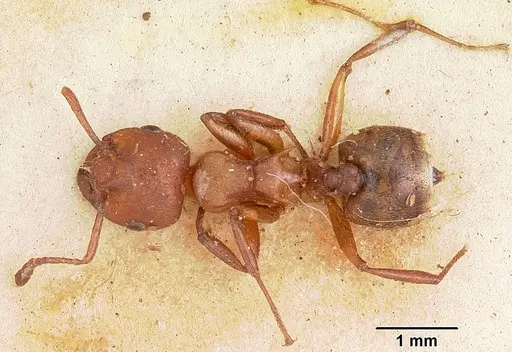
CASENT0102970
View on AntWeb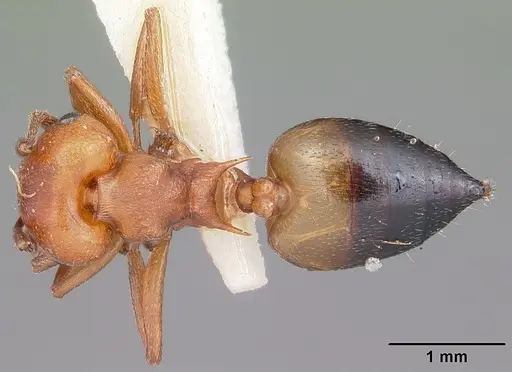
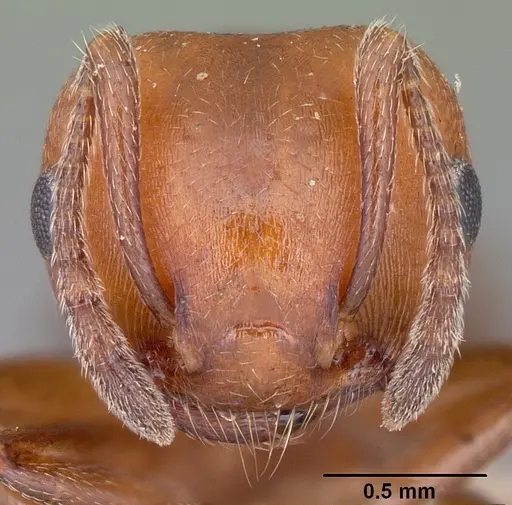
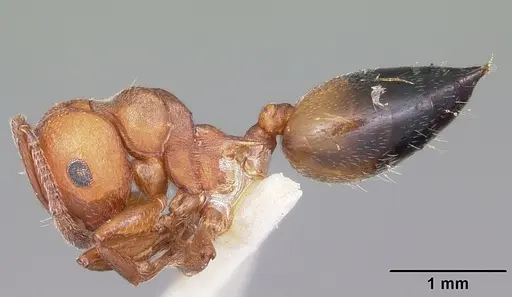
CASENT0193606
View on AntWeb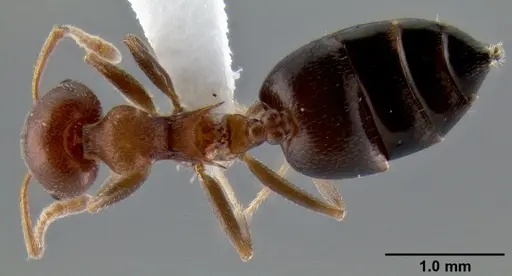
CASENT0785950
View on AntWeb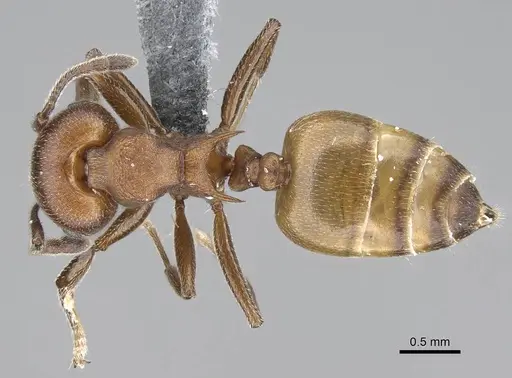
CASENT0822207
View on AntWeb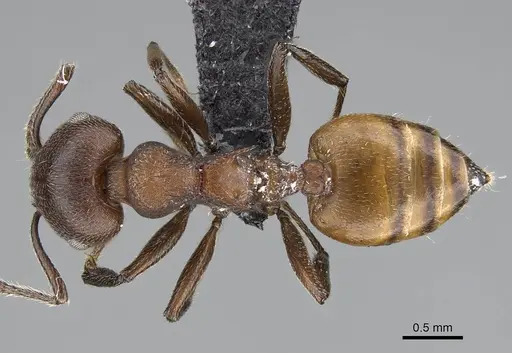
CASENT0902083
View on AntWeb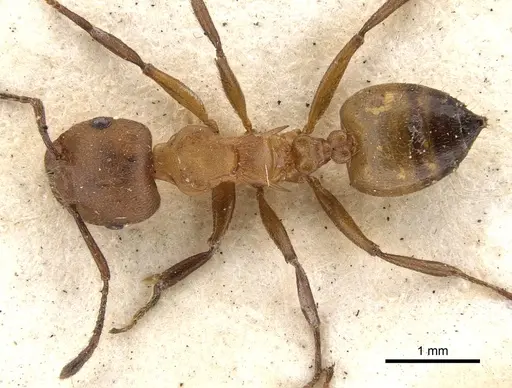
CASENT0902084
View on AntWeb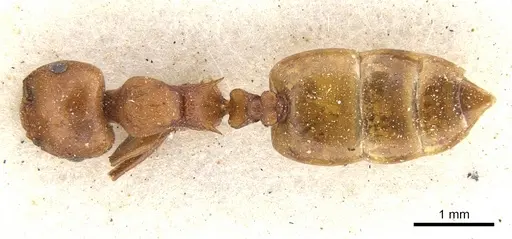
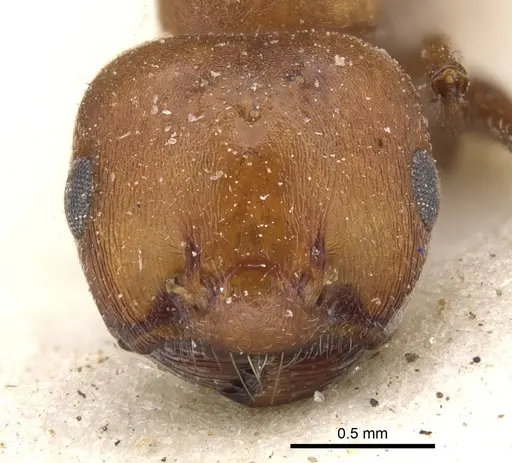
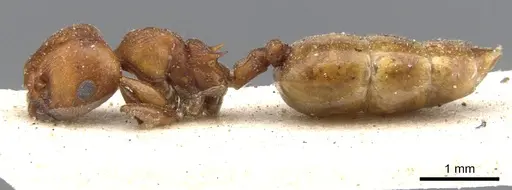
CASENT0902085
View on AntWeb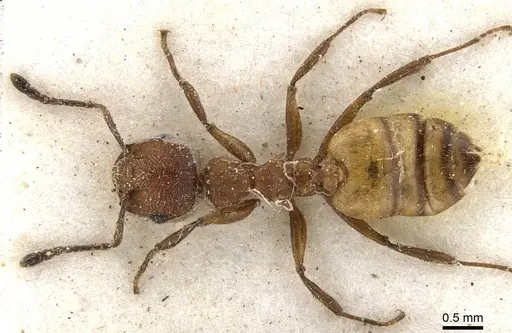
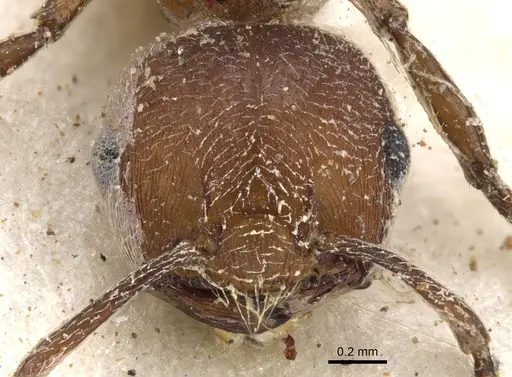
CASENT0902086
View on AntWeb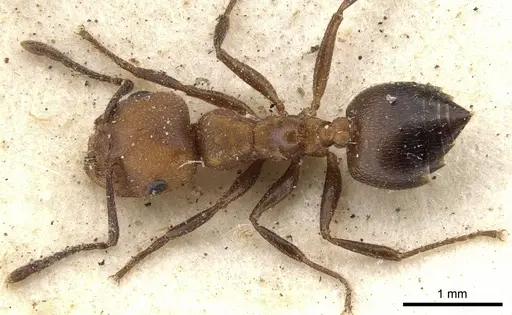
CASENT0904512
View on AntWeb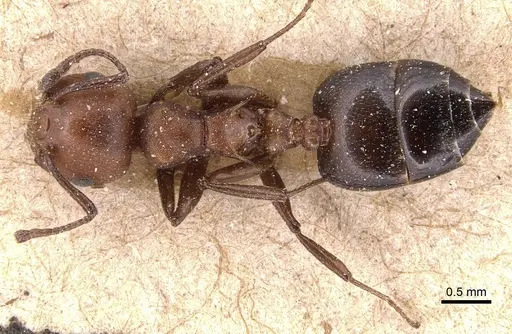
CASENT0908503
View on AntWeb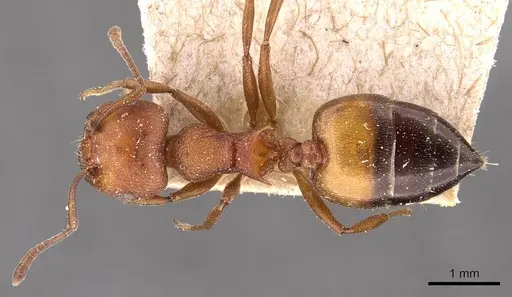
CASENT0908504
View on AntWeb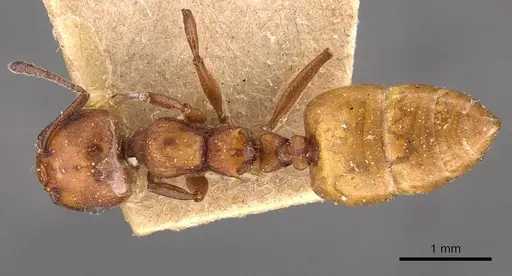
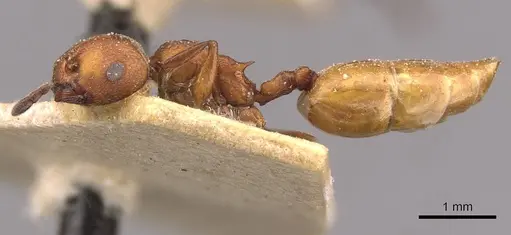
CASENT0908505
View on AntWeb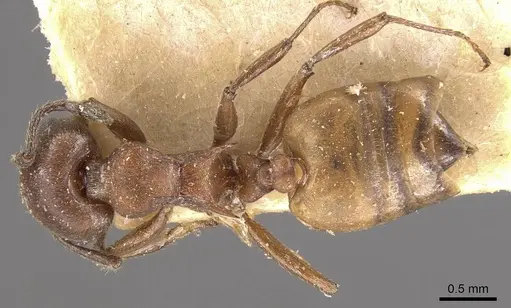
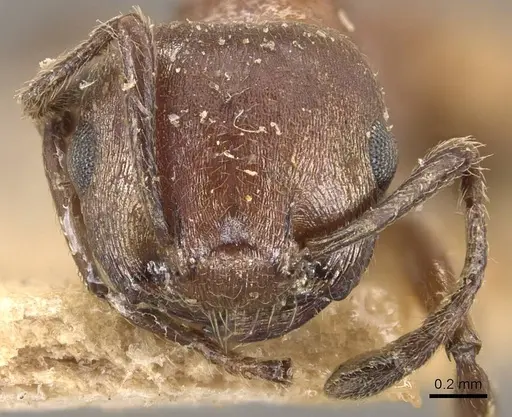
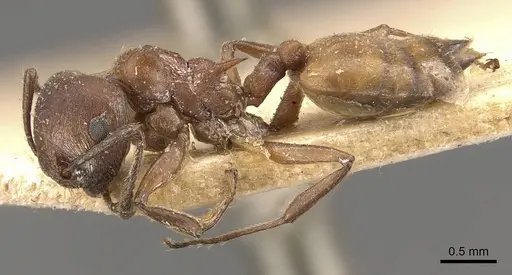
CASENT0908506
View on AntWeb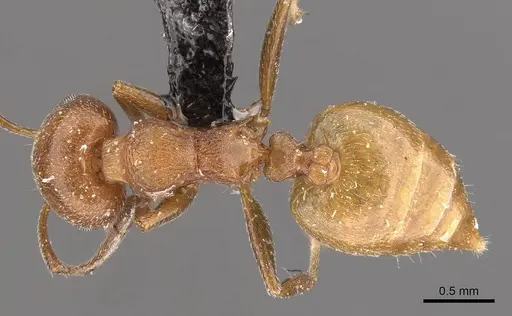
CASENT0908507
View on AntWeb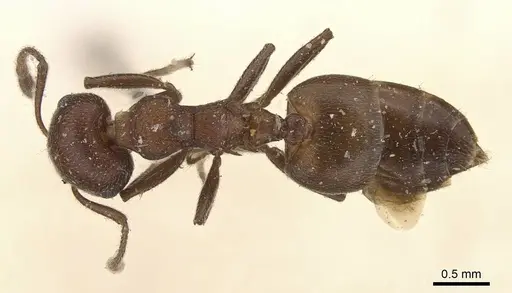
CASENT0908508
View on AntWeb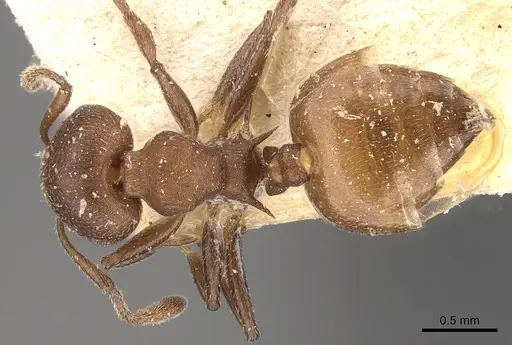
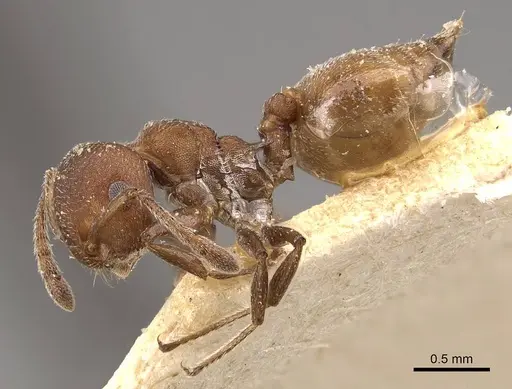
CASENT0908509
View on AntWeb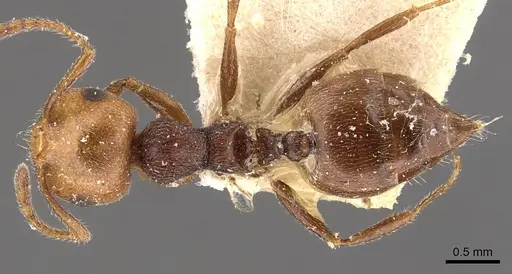
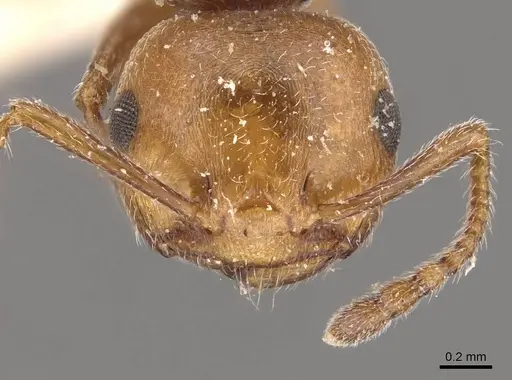
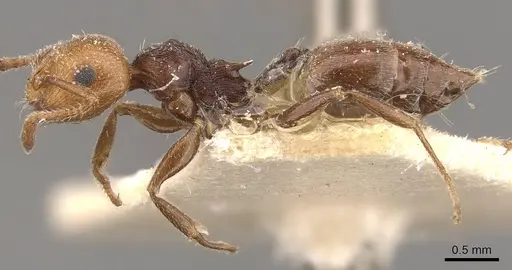
CASENT0908510
View on AntWeb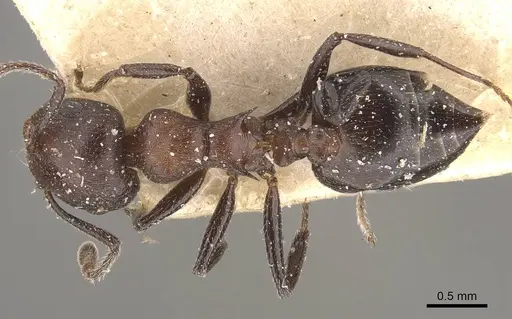
CASENT0912647
View on AntWeb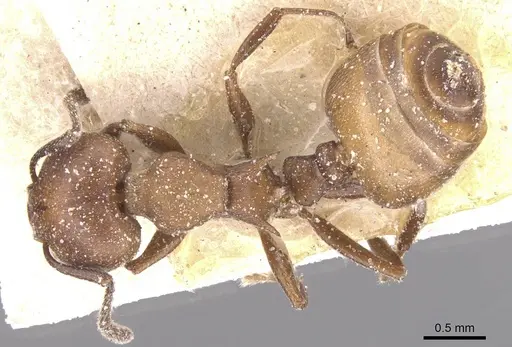
CASENT0912648
View on AntWeb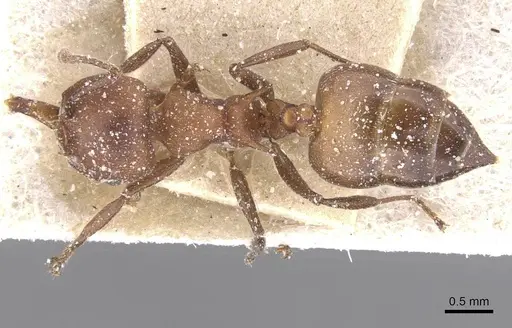
CASENT0912649
View on AntWeb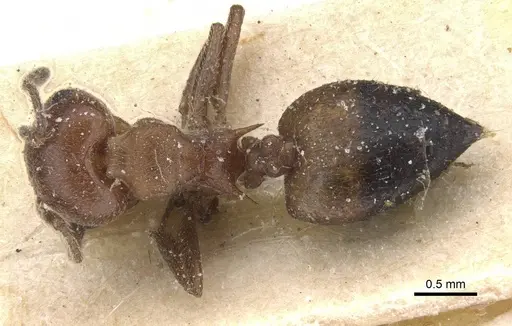
CASENT0912650
View on AntWeb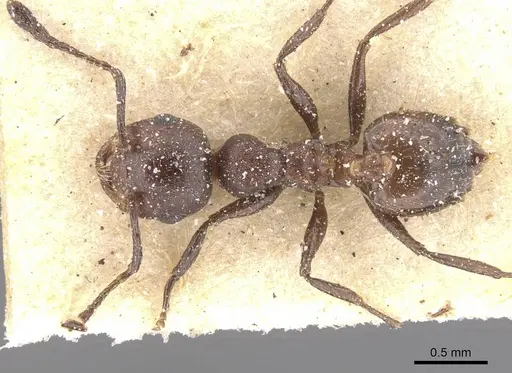
CASENT0912652
View on AntWeb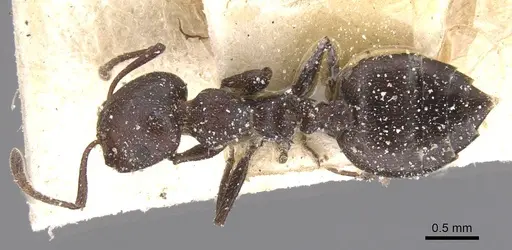
CASENT0912653
View on AntWeb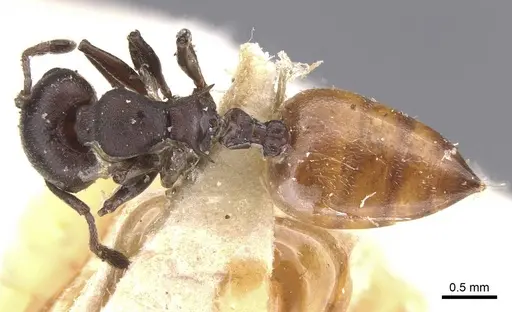
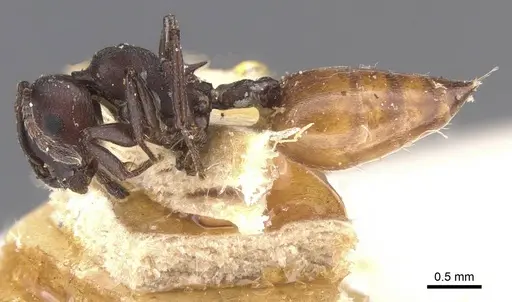
CASENT0912654
View on AntWeb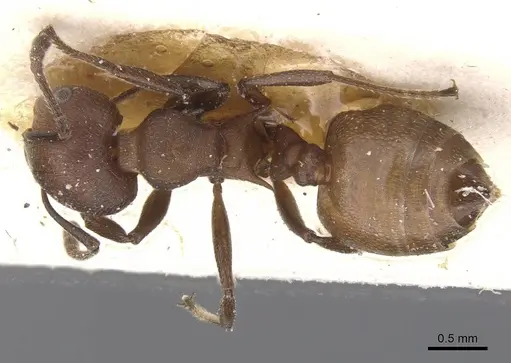
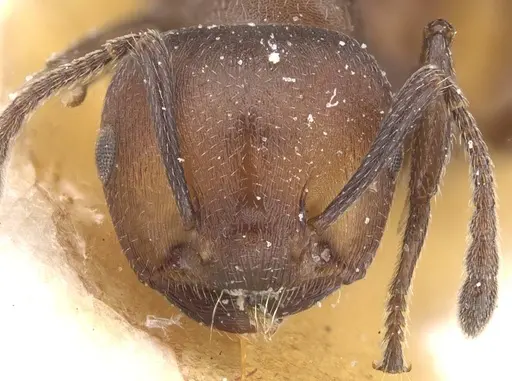
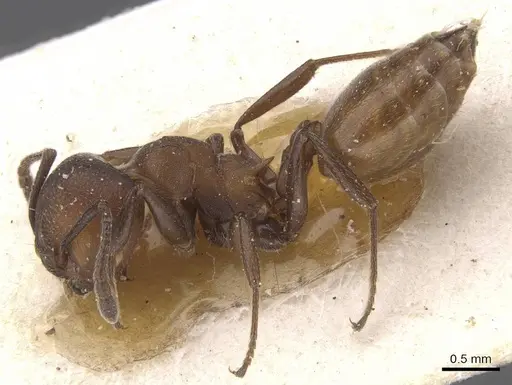
CASENT0912655
View on AntWeb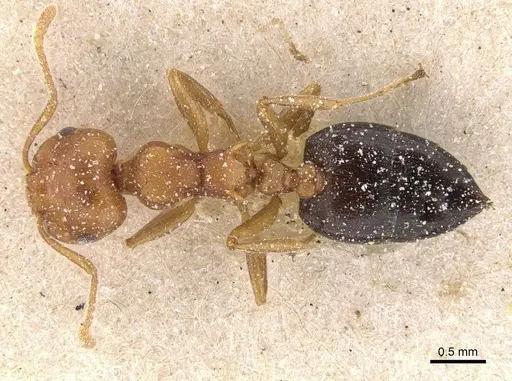
CASENT0912656
View on AntWeb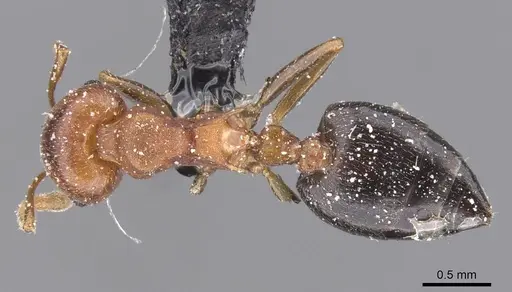
CASENT0912657
View on AntWeb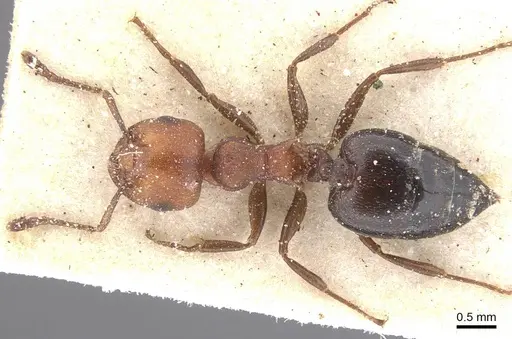
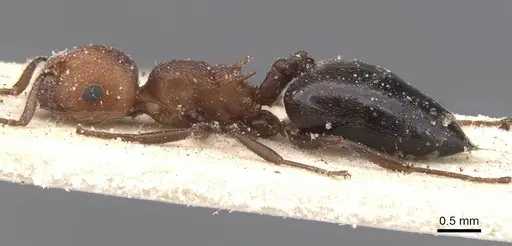
CASENT0919663
View on AntWeb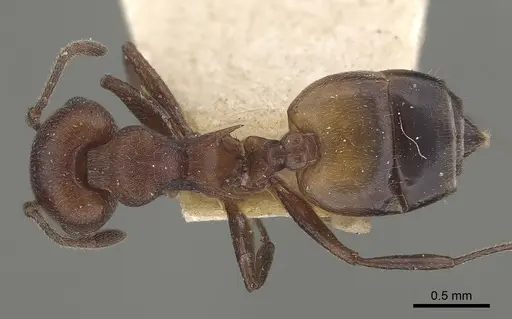
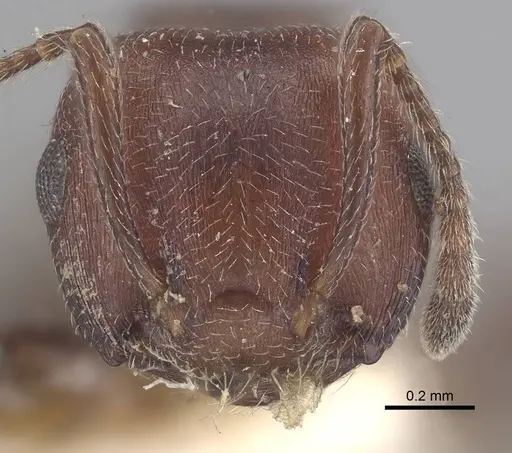
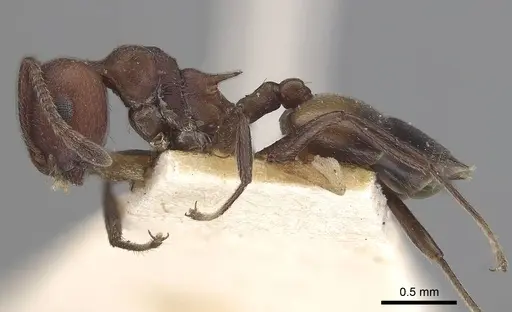
CASENT0919664
View on AntWeb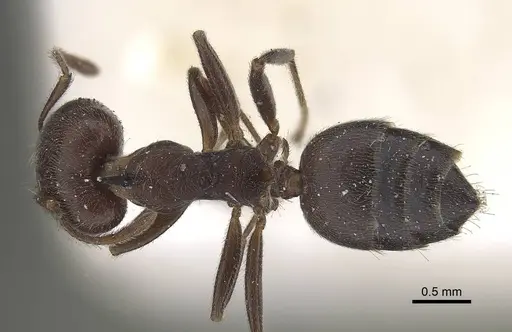
CASENT0922646
View on AntWeb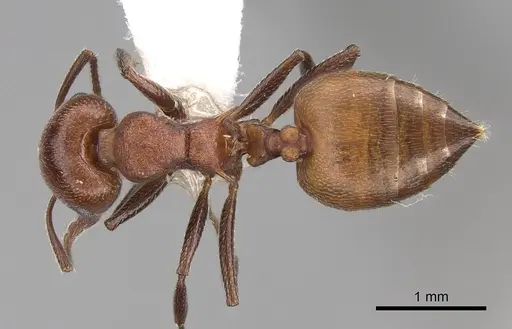
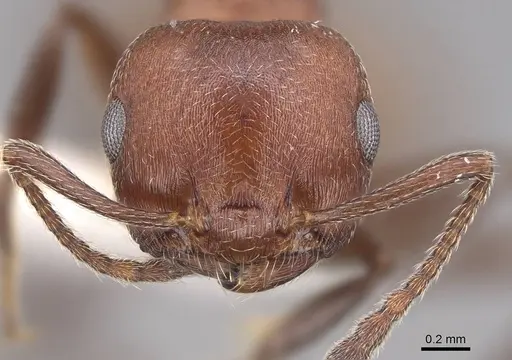
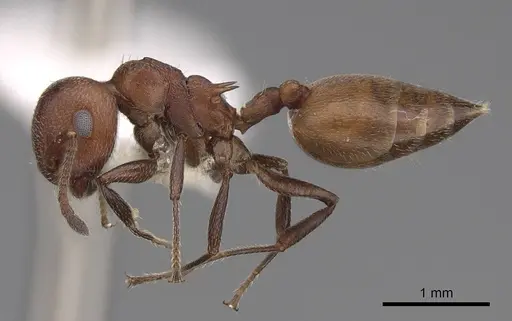
FOCOL0653
View on AntWeb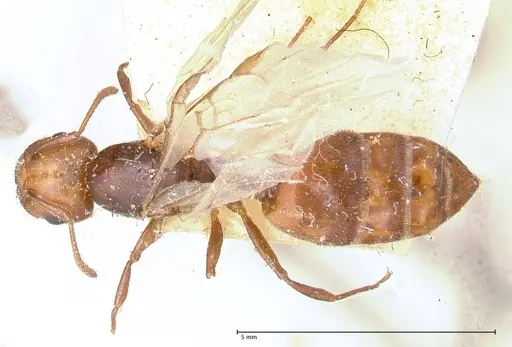
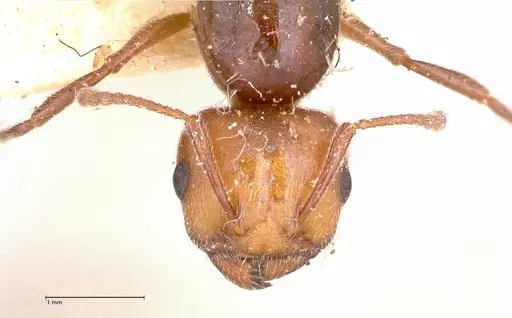
FOCOL0654
View on AntWeb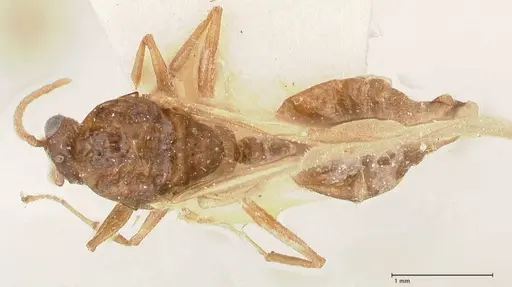
FOCOL0655
View on AntWeb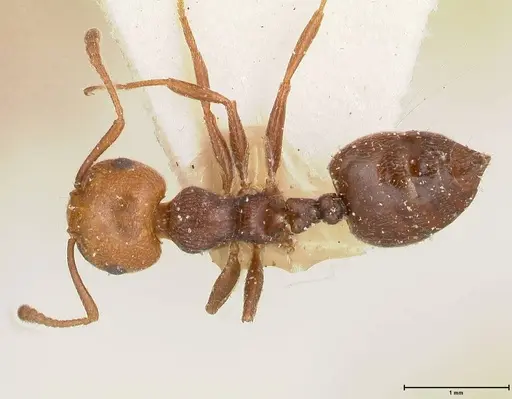
RMCAENT000017760
View on AntWeb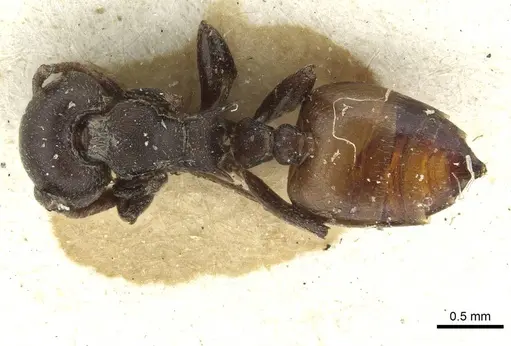
Literature
Loading distribution map...Loading products...