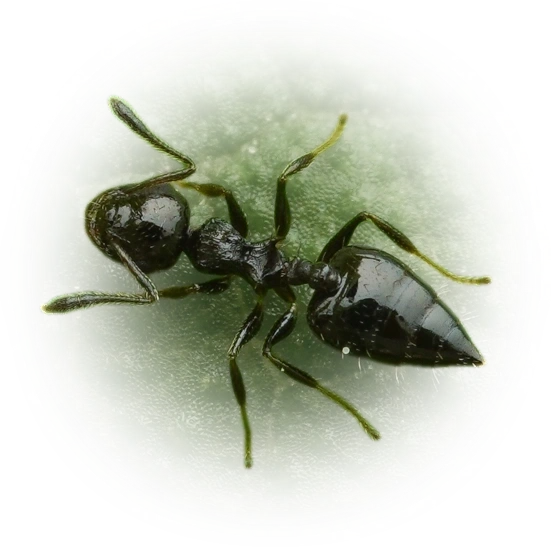
Crematogaster carinata
- Sci. Name
- Crematogaster carinata
- Subgenus
- Orthocrema
- Tribe
- Crematogastrini
- Subfamily
- Myrmicinae
- Author
- Mayr, 1862
- Distribution
- Found in 10 countries
Introduction
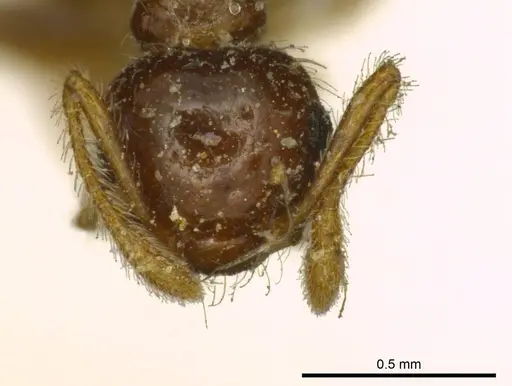
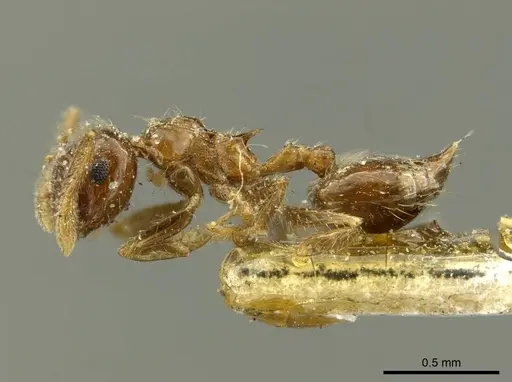
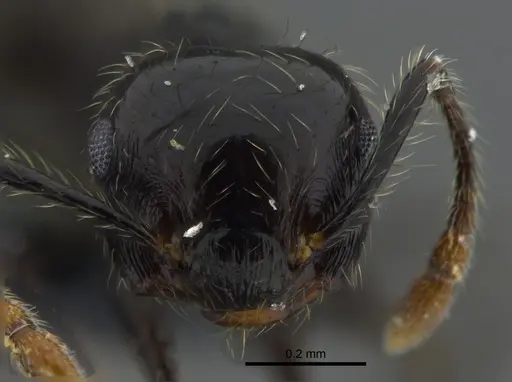
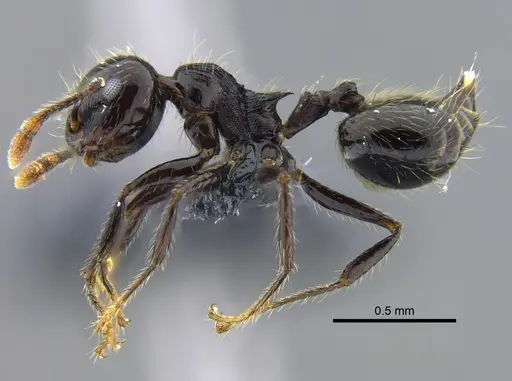
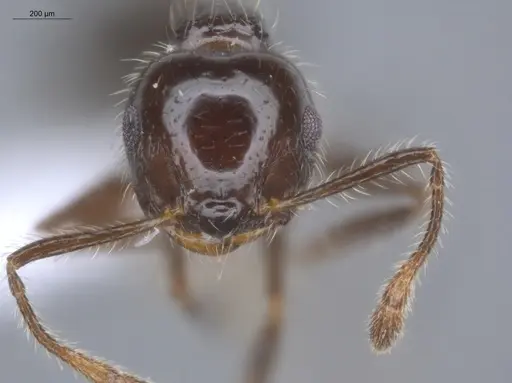
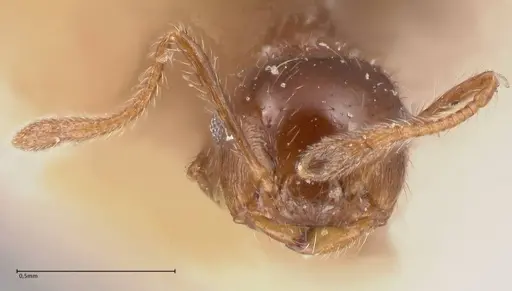
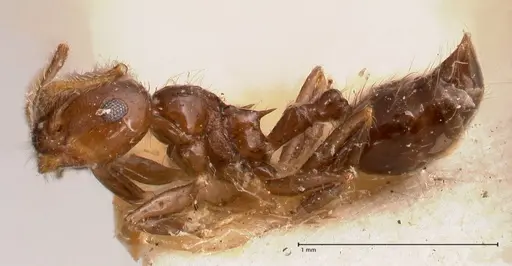
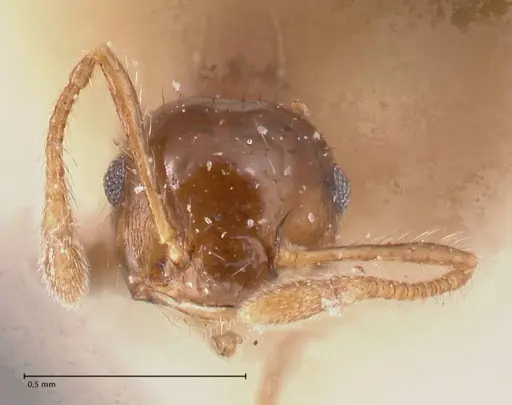
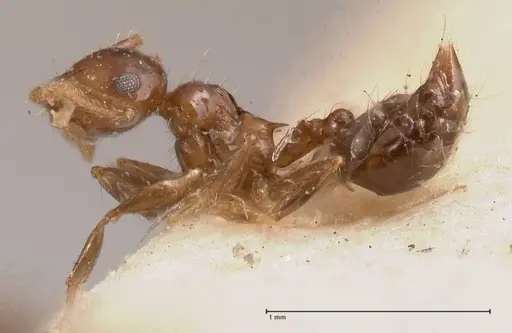
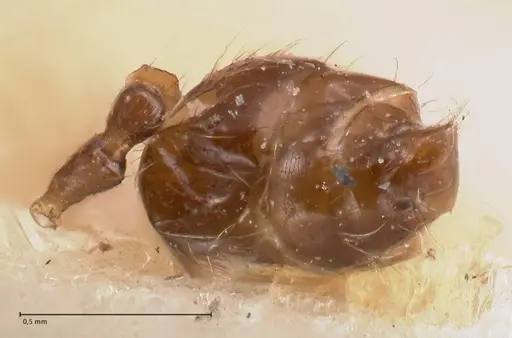
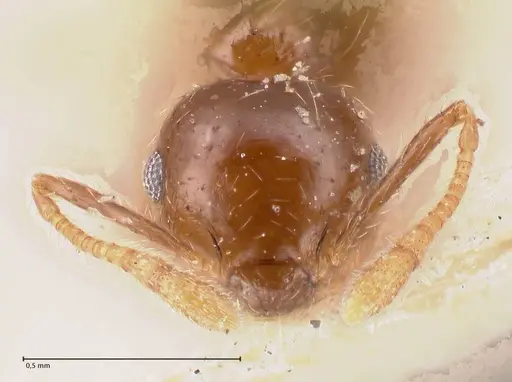
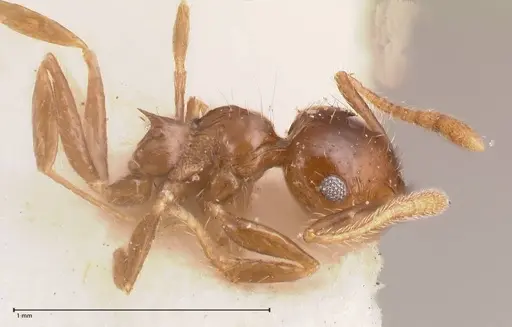
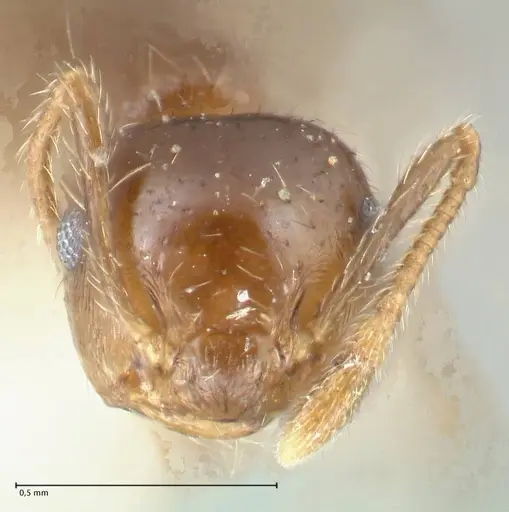
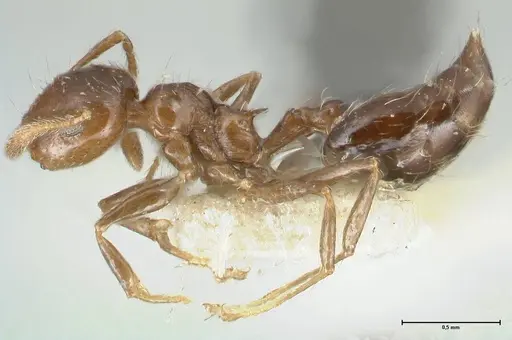
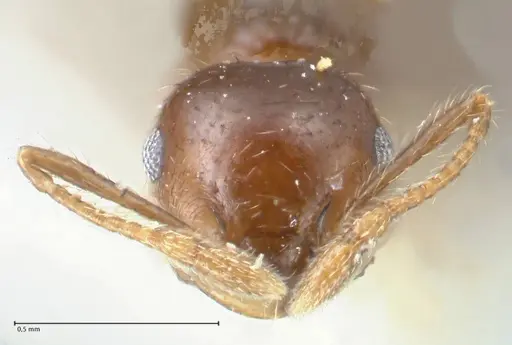
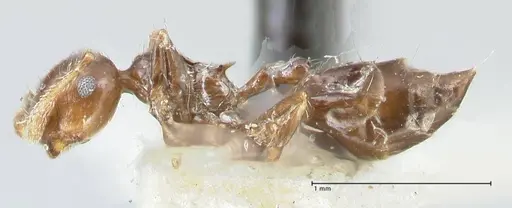
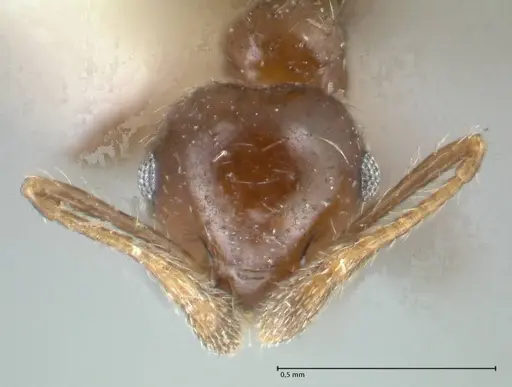
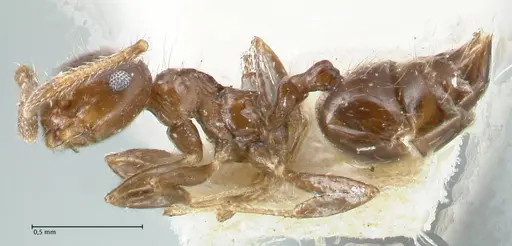
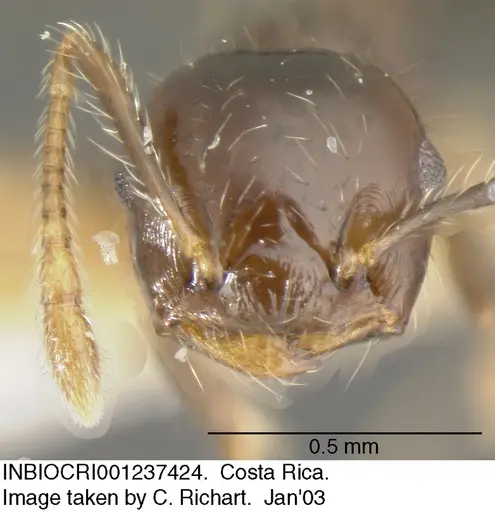
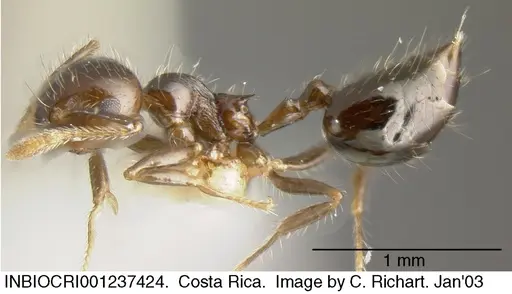
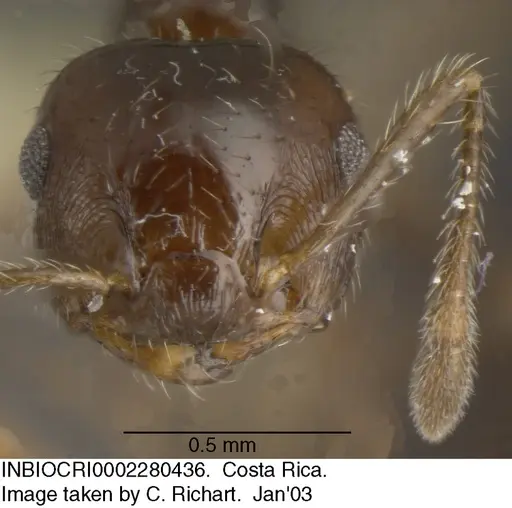
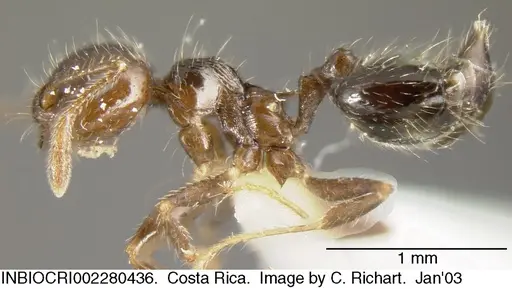
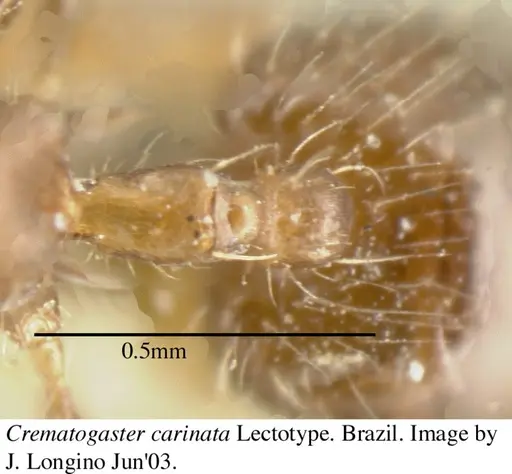
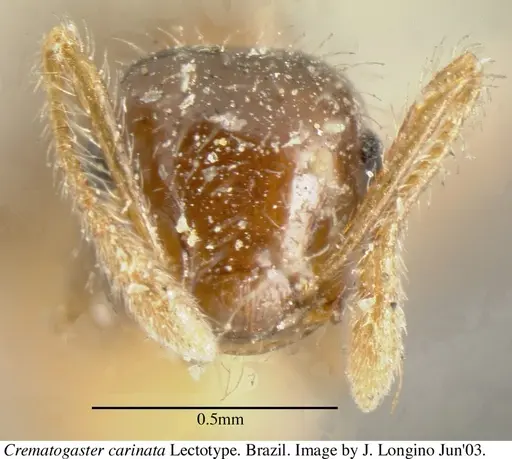
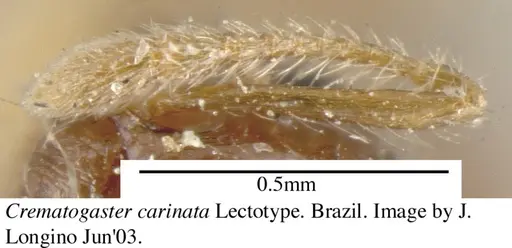
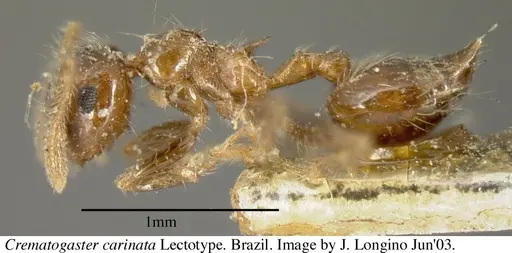
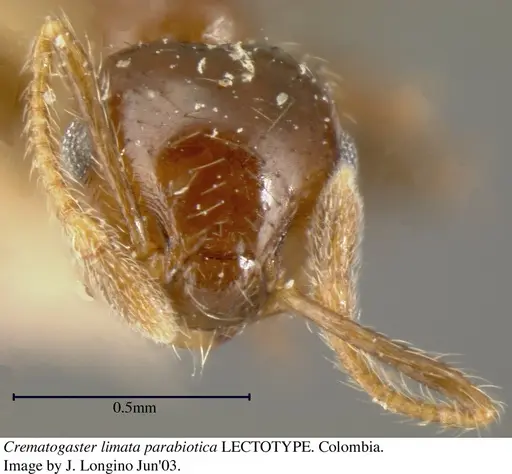
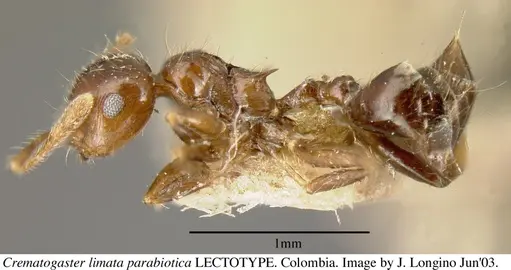
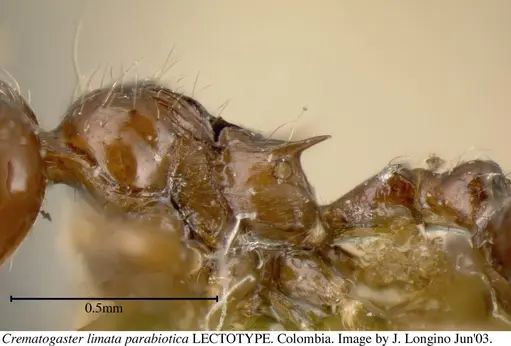
Crematogaster carinata is a small reddish-brown arboreal ant native to Neotropical rainforests from Costa Rica to Brazil and Bolivia. Workers measure approximately 2-3mm with a distinctive heart-shaped gaster that they raise when threatened - a defensive display using chemical secretions. They feature abundant long white hairs on the face and body, and short propodeal spines. This species is one of the most common canopy ants in Neotropical rainforests, found in 24 of 52 canopy fogging events at La Selva Biological Station . What makes C. carinata fascinating is its social flexibility - some populations form large polygynous (multi-queen) colonies spread across entire forest sections, while others maintain single-queen colonies. They build remarkable carton nests and frequently live in parabiotic associations with other ant species like Dolichoderus, sharing nest space and foraging trails. This complex biology makes them a moderately challenging but rewarding species to keep .
Quick Summary
- Difficulty: Medium
- Origin & Habitat: Neotropical rainforests from Costa Rica to Brazil and Bolivia. Found in arboreal vegetation, canopy forests, and second-growth areas. Nests in dead twigs, branches, and under epiphytes. Often builds carton structures and ant gardens in humid forest areas [1][4][2].
- Colony Type: Facultatively polygynous, some populations have large polygynous, polydomous colonies with many queens spread across multiple nest sites, while other populations maintain discrete single-queen colonies. Workers are monomorphic [1][5][6].
- Size & Growth:
- Queen: 5-7mm (estimated based on genus patterns)
- Worker: ~2-3mm, inferred from Crematogaster genus
- Colony: Can reach thousands of workers in polygynous populations, one documented nest contained 43 dealate queens with abundant workers and brood [1]
- Growth: Moderate to Fast
- Development: 6-8 weeks (estimated based on typical tropical Crematogaster development) (Development times are not directly studied for this species. Estimates based on genus-level data. Warmer temperatures within safe range may accelerate development.)
- Antkeeping:
- Temperature: Keep at 24-28°C. As a tropical species, they need consistent warmth. A heating cable on one side of the nest can create a gentle gradient if needed [1].
- Humidity: High humidity (60-80%). These are forest canopy ants that need damp conditions. Keep nest substrate consistently moist but not waterlogged. Their natural habitat is very humid tropical rainforest [1][7].
- Diapause: No, as a tropical species, they do not hibernate. Colony activity continues year-round at appropriate temperatures [1].
- Nesting: Arboreal twig-nesters. Provide small diameter twigs or branches (5-15mm diameter) as nesting material. Y-tong (AAC) nests or plaster nests with small chambers work well. They will also build carton material, so providing some loose nesting material they can manipulate is beneficial [1][8].
- Behavior: Generally calm and not particularly aggressive toward keepers. Workers are generalized omnivores, they'll take sugar water, honey, and protein sources like small insects. They forage day and night. When disturbed, they raise their gaster as a defensive display and can release chemical secretions. They are skilled climbers and may escape through small gaps. Their small size means escape prevention is critical [1][9].
- Common Issues: escape prevention is critical due to their very small size, use fine mesh barriers and tight-fitting lids, tropical humidity requirements can lead to mold if ventilation is poor, balance humidity with adequate airflow, polygynous colony structure means multiple queens may be present, this is normal but can complicate colony management, slow founding stage, new colonies may take months to establish as the queen raises first workers alone, wild-caught colonies may carry parasites or pathogens that can cause colony failure in captivity
Housing and Nest Setup
Crematogaster carinata is an arboreal twig-nester, so your setup should reflect their natural nesting preferences. Small diameter twigs or wooden pieces with pre-drilled holes (5-15mm diameter) make ideal natural nests. Alternatively, Y-tong (AAC) nests with narrow chambers or plaster nests work well in captivity. They prefer tight chambers scaled to their tiny size [1][8].
The outworld should be well-planted or contain artificial foliage since they are arboreal and feel safer with cover. These ants are excellent climbers, so escape prevention must be excellent, use fluon on container rims and fine mesh on any ventilation. A water test tube connected to the nest area provides drinking water and helps maintain humidity. Keep the nest area humid (60-80%) while allowing the outworld to be somewhat drier with good ventilation to prevent mold [1].
Feeding and Diet
These ants are generalized omnivores, similar to most Crematogaster species. They readily accept sugar sources, a cotton ball with sugar water or honey should be available at all times. For protein, offer small insects like fruit flies, small crickets, mealworms, or other appropriately-sized prey. They are active foragers and will recruit nestmates to good food sources [1].
In the wild, they scavenge dead and wounded insects, visit extrafloral nectaries on plants, and tend aphids for honeydew. You can replicate this by offering occasional sweet fruits alongside their sugar water. Feed protein 2-3 times per week, adjusting based on colony size and brood production. Remove uneaten prey after 24-48 hours to prevent mold. A varied diet helps maintain colony health [1][10].
Temperature and Seasonal Care
As a Neotropical species from Costa Rica to Brazil, Crematogaster carinata requires warm temperatures year-round. Keep the nest area at 24-28°C. Temperatures below 20°C can slow activity and may stress the colony. A small heating cable or heat mat on one side of the nest creates a temperature gradient they can choose from [1].
Unlike temperate ants, they do not require hibernation or winter dormancy. Colony activity continues throughout the year at appropriate temperatures. However, avoid overheating, temperatures above 32°C can be harmful. If your room temperature is naturally in the low-to-mid 20s°C, no additional heating may be needed. Monitor colony behavior, if workers cluster near the heat source, increase slightly, if they avoid it, reduce heat [1].
Colony Structure and Social Organization
One of the most fascinating aspects of C. carinata is its social flexibility. In some areas (like the Atlantic lowlands of Costa Rica), they form massive polygynous colonies with many physogastric (reproductive) queens spread across multiple nest sites. These colonies can be polydomous, workers and brood distributed among many connected nests covering large areas of forest, with no obvious colony center [1].
In contrast, populations in Pacific Costa Rica and some sites in Venezuela maintain single-queen colonies. This variation means your colony may have one queen or several, both are normal for this species. The workers are monomorphic (all the same size), and colonies can grow very large. If you have a polygynous colony, do not attempt to remove queens as this can destabilize the colony [1][5][6].
Unique Behaviors and Defenses
When threatened, Crematogaster carinata raises its distinctive heart-shaped gaster upward in a defensive display, this is where their common name 'acrobat ant' comes from. They can release chemical secretions from the gaster tip as a defense mechanism. This is their primary defense since they lack a stinger effective against humans [1].
In the wild, they often form parabiotic associations with other ant species, particularly Dolichoderus debilis. This means they share nest space and foraging trails while keeping their brood separate. They also build remarkable carton structures, small shelters over scale insects to larger globular masses that can form ant gardens with epiphytes. In captivity, providing some loose material they can manipulate for carton construction may encourage natural behavior [1][3].
Growth and Development
Colony growth follows typical Myrmicinae patterns but specific development times for C. carinata are not documented. Based on related tropical Crematogaster species, expect 6-8 weeks from egg to first worker (nanitic) at optimal temperature (around 26°C). Nanitics are typically smaller than normal workers but will be functional [1].
Mature colonies can grow very large in polygynous populations, thousands of workers spread across multiple nest sites. Growth rate is moderate to fast for a tropical species. Brood development continues year-round without diapause. Providing consistent warmth (24-28°C), high humidity, and good nutrition will maximize growth rate. Colonies may slow during major transitions or if stressed [1].
Frequently Asked Questions
Can I keep Crematogaster carinata in a test tube?
Yes, test tubes work for founding colonies. Use a small test tube with a water reservoir, the queen will seal herself into the dark end. However, as the colony grows, you'll need to move them to a more spacious setup with multiple chambers since they are arboreal twig-nesters that prefer small diameter spaces. A Y-tong nest or small wooden setup with narrow chambers is ideal for established colonies.
How long does it take for the first workers to appear?
Based on typical Crematogaster development, expect 6-8 weeks from egg to first worker at optimal temperature (around 26°C). This is an estimate since specific development times are not documented for this species. The queen seals herself in and raises the first brood alone using stored fat reserves. Be patient during founding as it can take several months.
Do Crematogaster carinata ants sting?
They do not have a stinger effective against humans. Their primary defense is raising the gaster and releasing chemical secretions. These chemicals can be irritating if they contact skin or eyes, so handle gently and wash hands after working with the colony. They are not considered dangerous to humans.
Are Crematogaster carinata good for beginners?
They are moderate difficulty, not the easiest but not the hardest. The main challenges are their small size (escape prevention is critical), high humidity requirements, and need for year-round warmth. If you have experience with other Myrmicinae like Tetramorium or Crematogaster species, this is a good next step. They are fascinating to watch and have interesting behaviors.
Can I keep multiple queens together?
Yes, this species is facultatively polygynous, multiple queens are normal in many populations. In the wild, some colonies have dozens of queens. However, if combining unrelated foundresses, introduce them carefully in a neutral space. Established polygynous colonies typically accept multiple queens, and removing queens from such colonies can cause stress or abandonment.
What do Crematogaster carinata eat?
They are generalized omnivores. Provide constant access to sugar water or honey. Feed protein sources like small insects (fruit flies, pinhead crickets, mealworms) 2-3 times per week. They will also accept occasional sweet fruits. Remove uneaten prey after 24-48 hours to prevent mold. A varied diet promotes colony health and brood production.
Do they need hibernation?
No, they do not hibernate. As a Neotropical tropical species, they remain active year-round at appropriate temperatures. Keep them warm (24-28°C) throughout the year. Temperatures below 20°C can stress the colony. If your room temperature drops in winter, you may need to provide supplemental heating.
Why are my Crematogaster carinata dying?
Common causes include: low humidity (they need 60-80%), temperatures below 20°C, escape through small gaps due to their tiny size, mold from poor ventilation, or stress from disturbance during founding. Wild-caught colonies may also carry parasites. Ensure proper humidity, warmth, escape prevention, and minimize disturbance during the founding stage.
When should I move them to a formicarium?
Move to a formicarium when the colony reaches 20-30 workers or outgrows the test tube. Since they are twig-nesters, provide appropriately-sized chambers (5-15mm diameter). A Y-tong nest or wooden formicarium with small chambers works well. They will also accept naturalistic setups with twigs and plants.
How big do colonies get?
In polygynous populations, colonies can reach thousands of workers spread across multiple nest sites. Single-queen colonies likely stay smaller (hundreds of workers). One documented nest in the wild contained 43 queens with abundant workers and brood. A well-maintained captive colony can become quite large over several years.
Report an Issue
The current care sheet is based fully on literature. See inconsistencies, or something that's incorrect? Please , it will be resolved after review from an admin. Contributing to the blogs tab also helps providing information, to make us be able to further improve the caresheets. Thank you for your support!
References

This caresheet is licensed under CC BY-SA 4.0 .
Community Blogs
CASENT0260090
View on AntWeb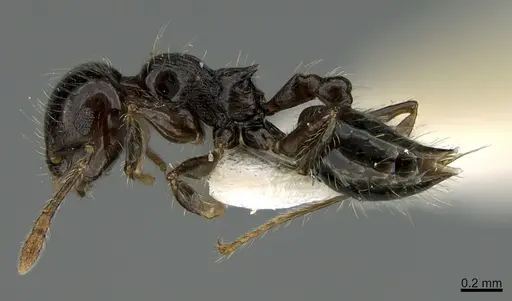
CASENT0627992
View on AntWeb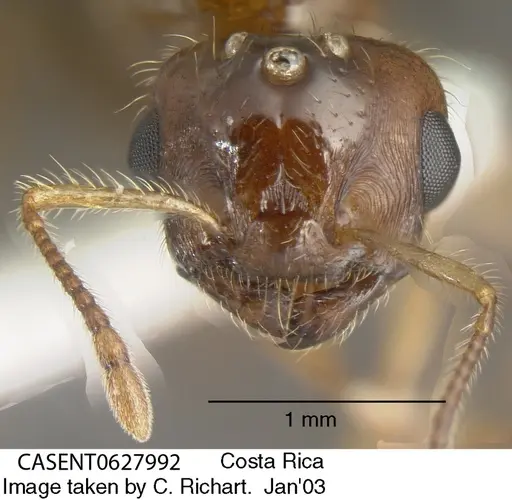
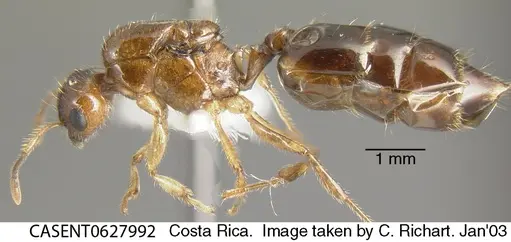
CASENT0627993
View on AntWeb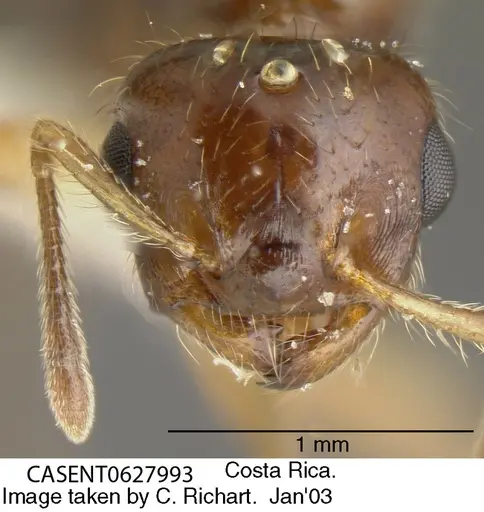
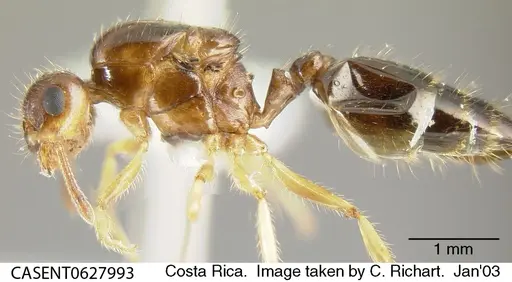
CASENT0653683
View on AntWeb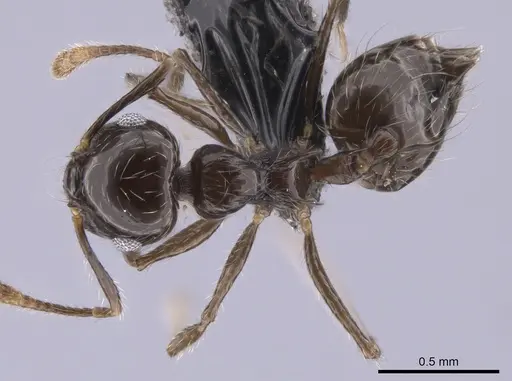
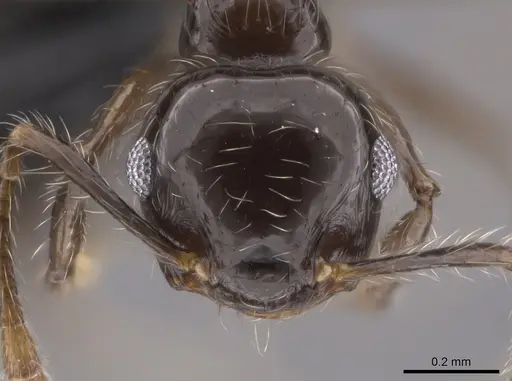
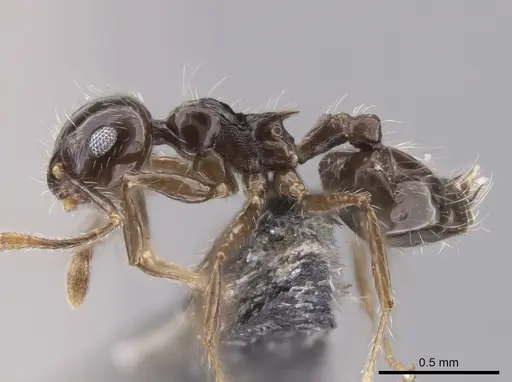
CASENT0653684
View on AntWeb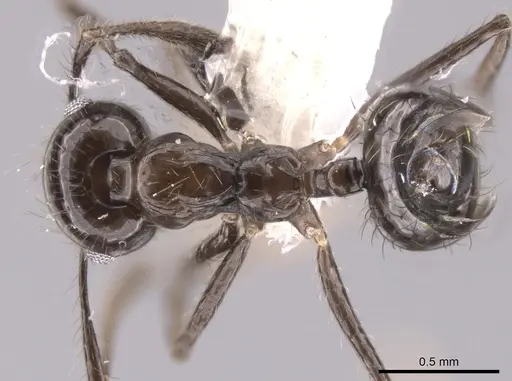
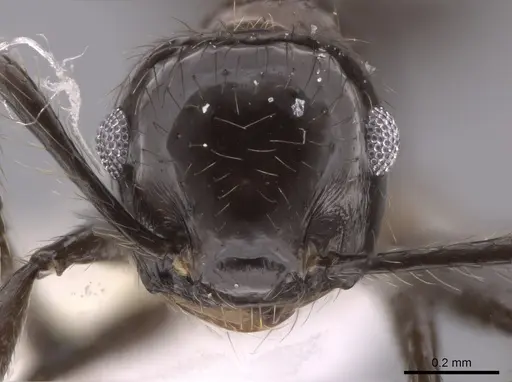
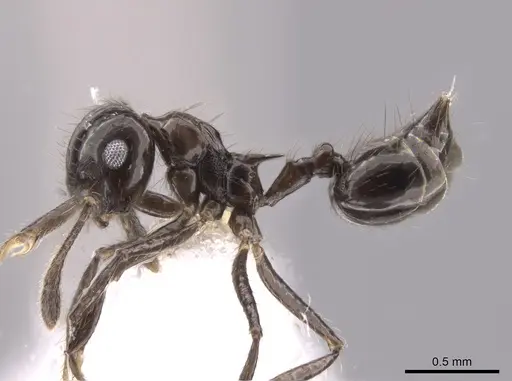
CASENT0908435
View on AntWeb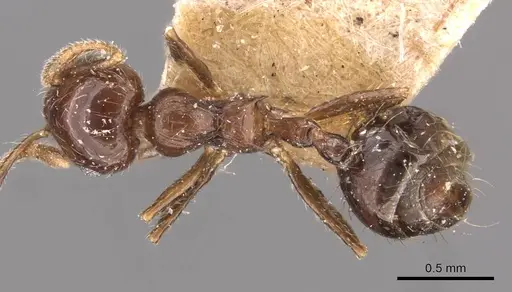
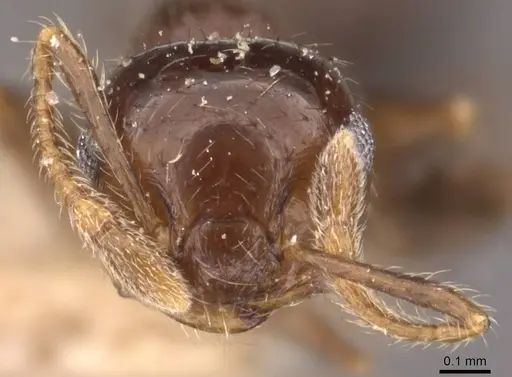
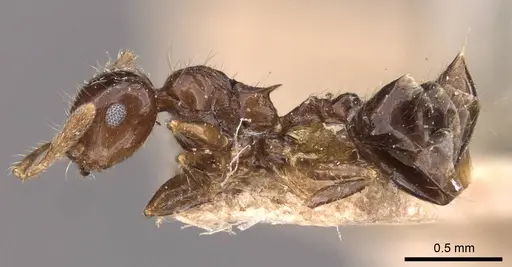
CASENT0908436
View on AntWeb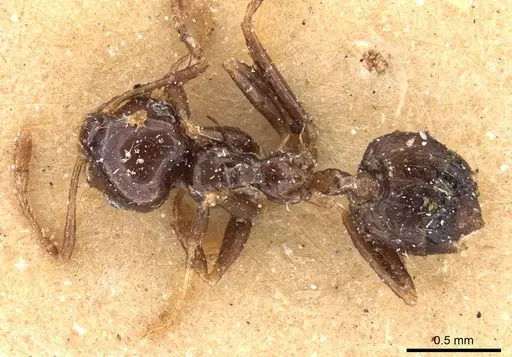
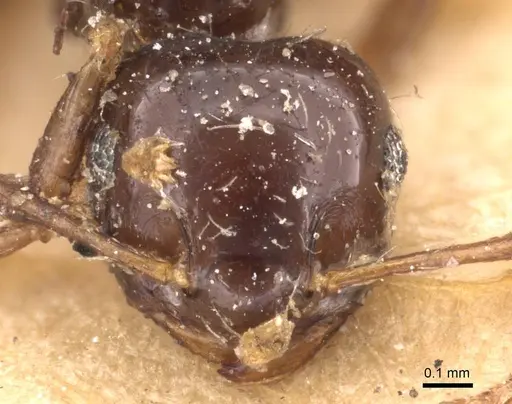
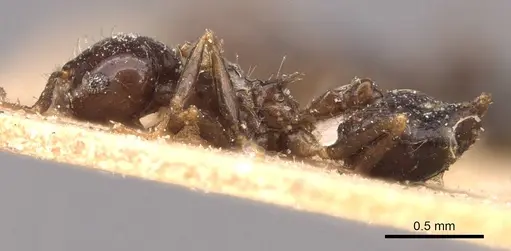
CASENT0914553
View on AntWeb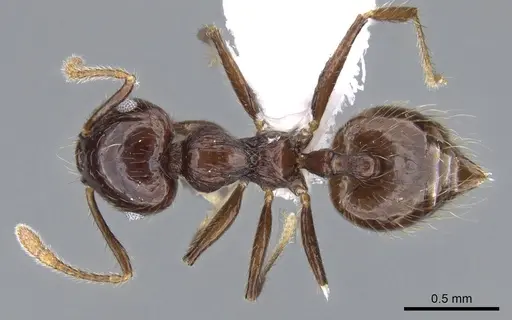
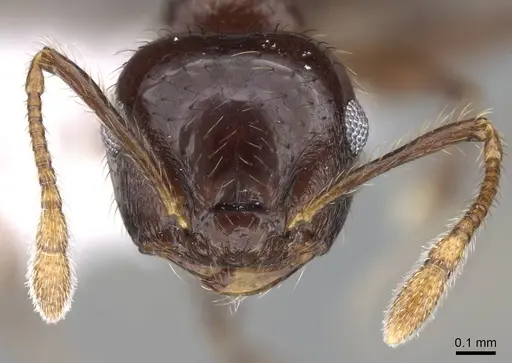
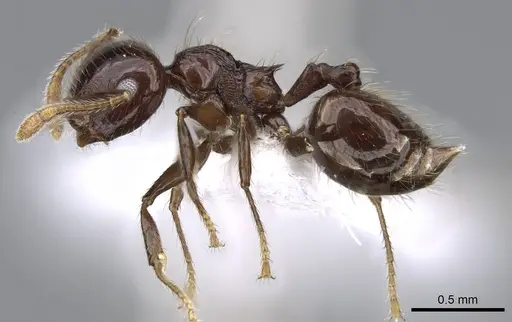
CASENT0914554
View on AntWeb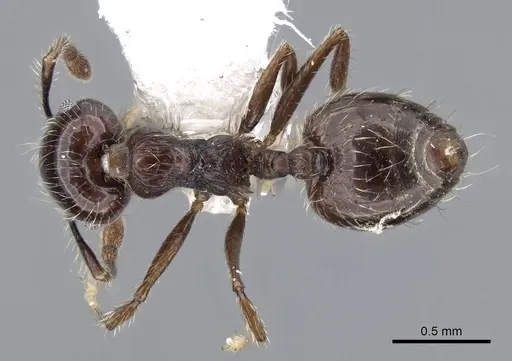
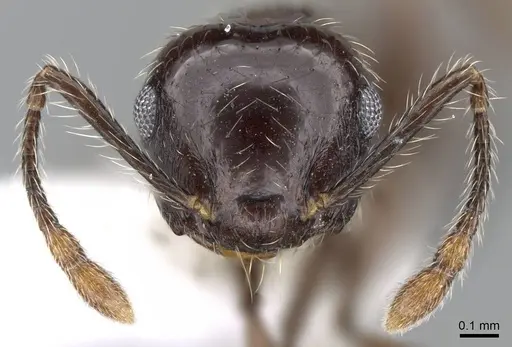
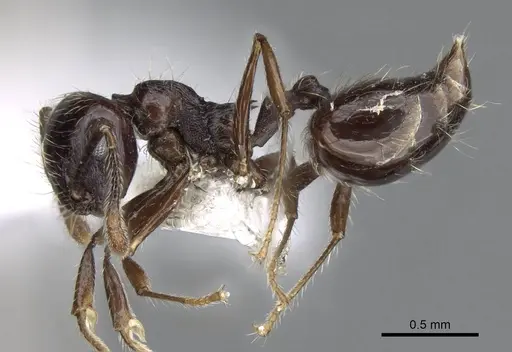
CASENT0919696
View on AntWeb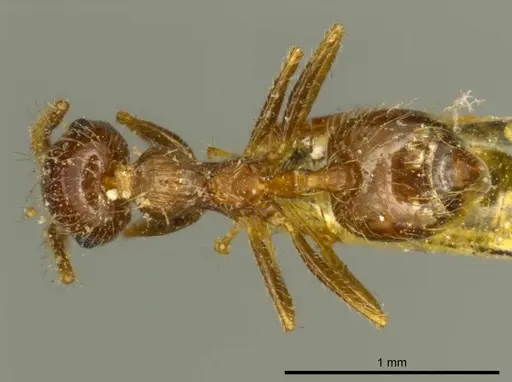
CBUMAGENT41938
View on AntWeb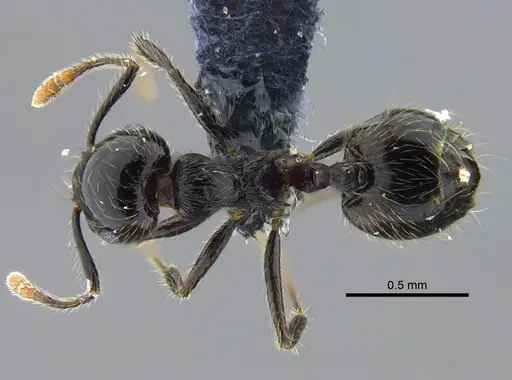
ECOFOG-IT14-0835-21
View on AntWeb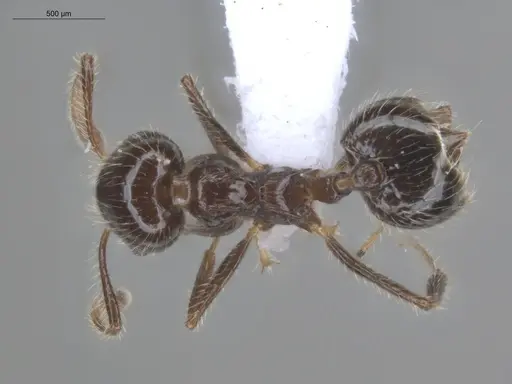
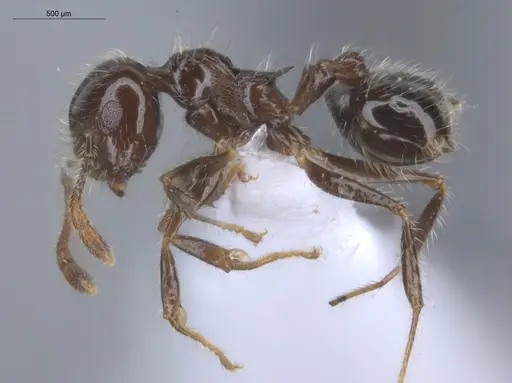
FOCOL0788-1
View on AntWeb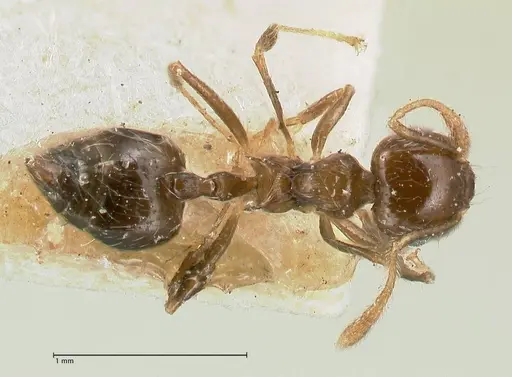
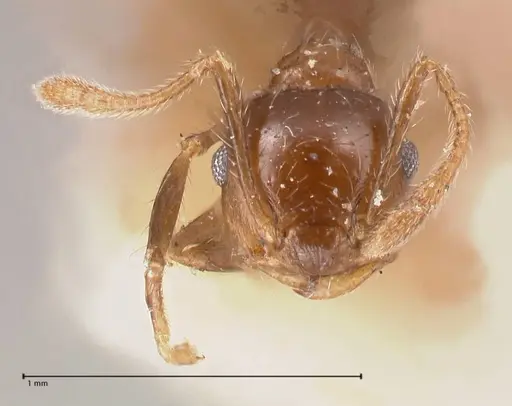
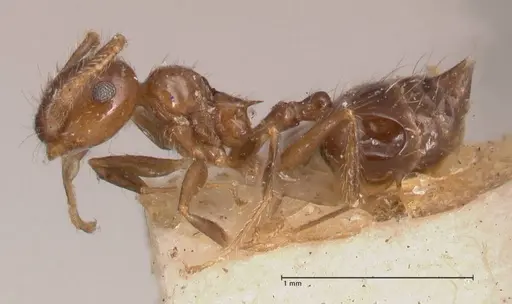
FOCOL0788-2
View on AntWeb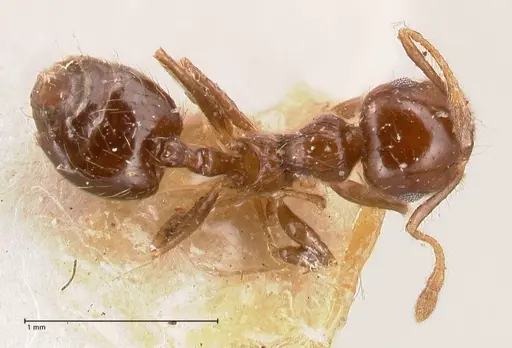
FOCOL0788-3
View on AntWeb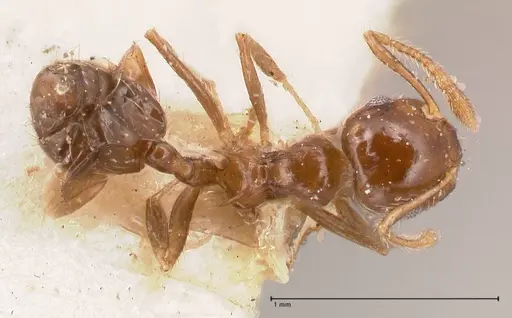
FOCOL0788-4
View on AntWeb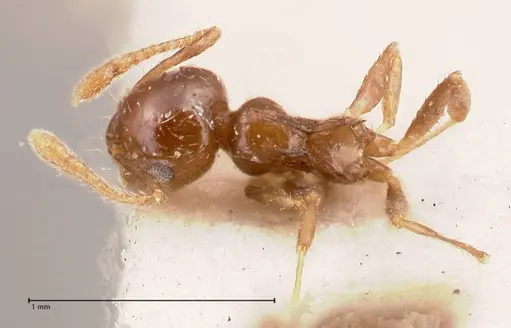
FOCOL1622
View on AntWeb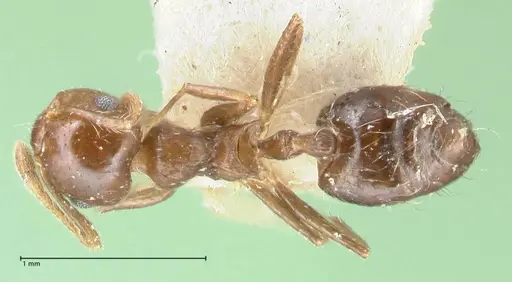
FOCOL1623
View on AntWeb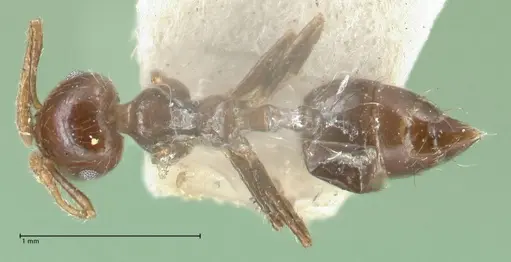
FOCOL1624
View on AntWeb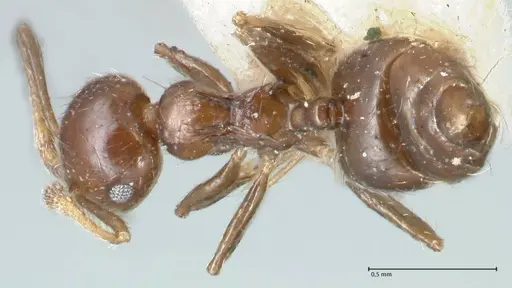
INBIOCRI001237424
View on AntWeb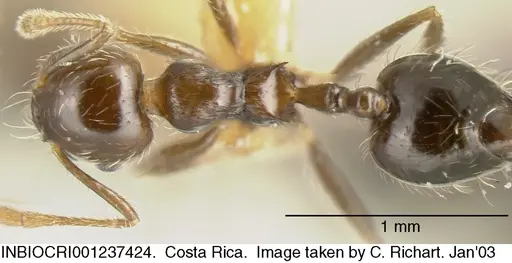
INBIOCRI002280436
View on AntWeb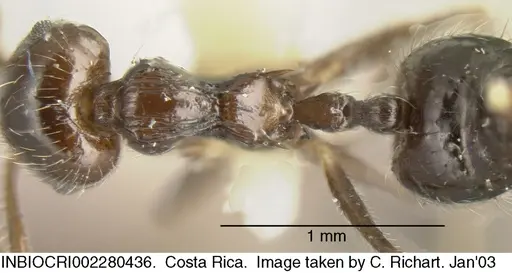
JTL055876
View on AntWeb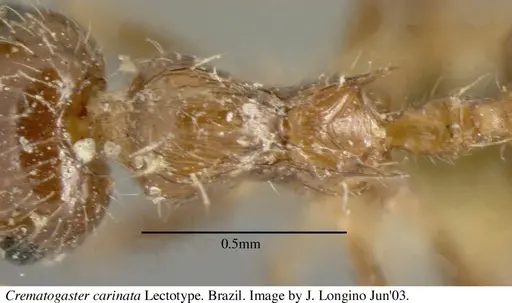
JTL056039
View on AntWeb
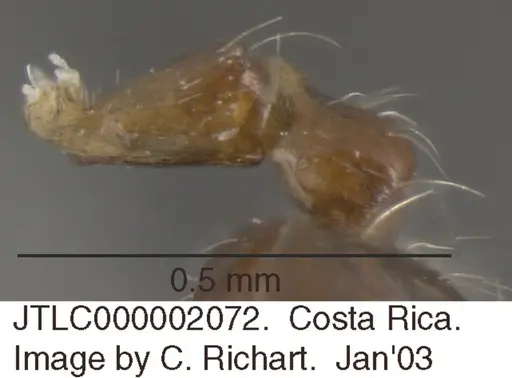
JTLC000002072
View on AntWeb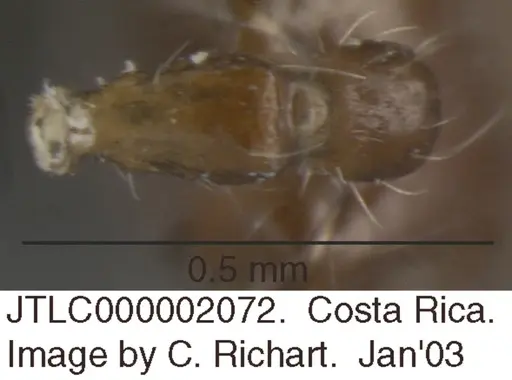
Literature
Loading distribution map...Loading products...