
Crematogaster buchneri
- Sci. Name
- Crematogaster buchneri
- Tribe
- Crematogastrini
- Subfamily
- Myrmicinae
- Author
- Forel, 1894
- Distribution
- Found in 4 countries
Introduction
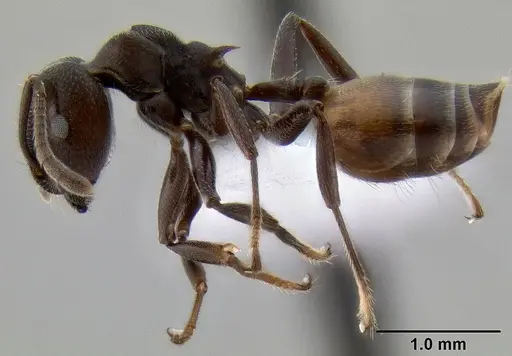
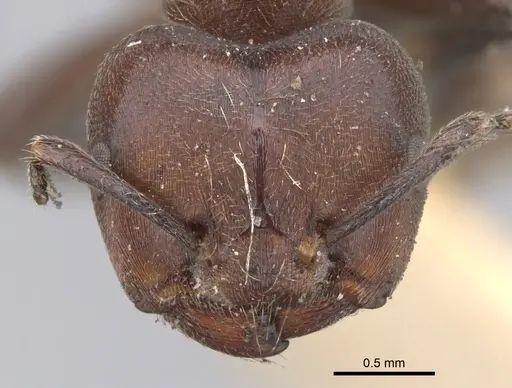
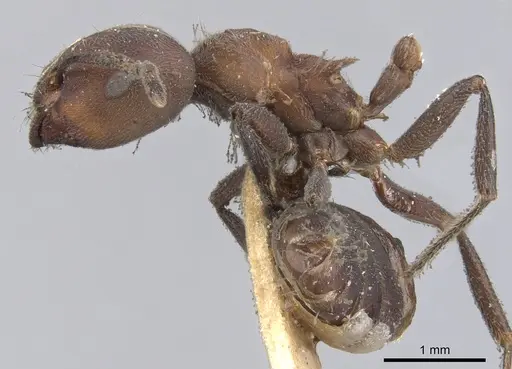
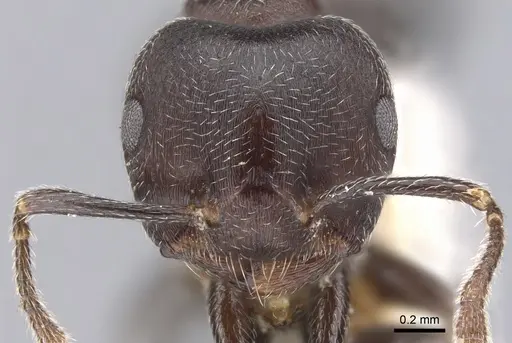
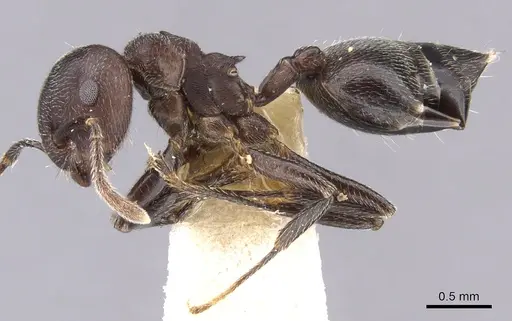
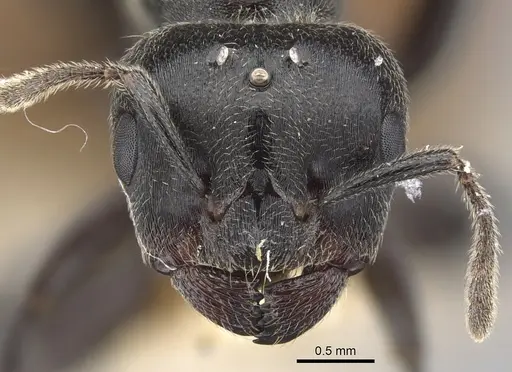
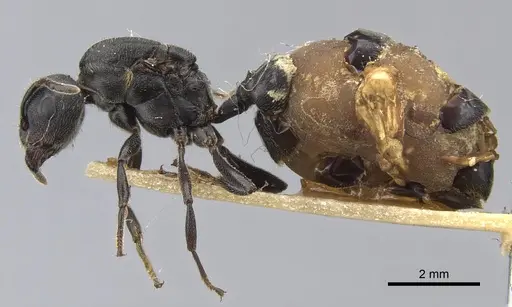
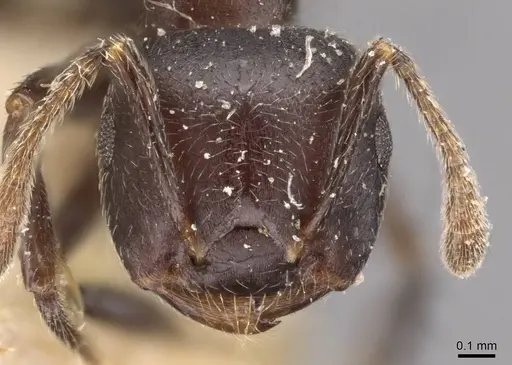
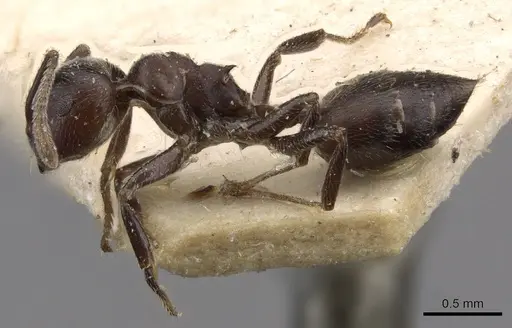
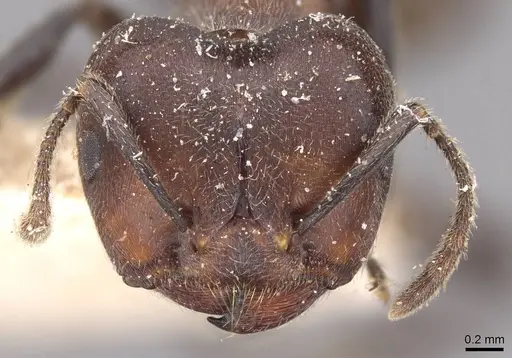
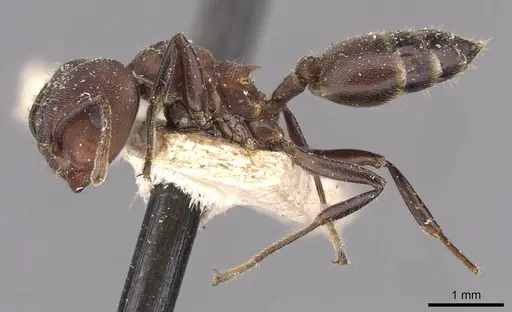
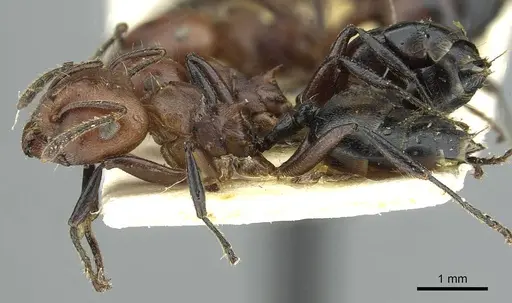
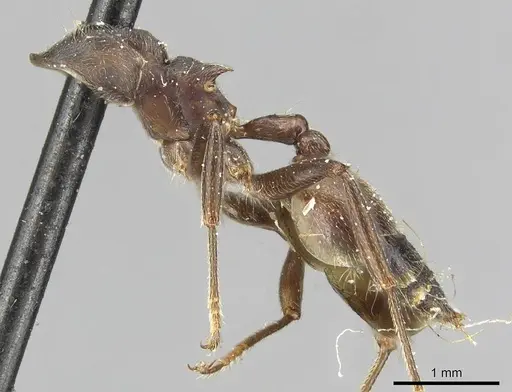
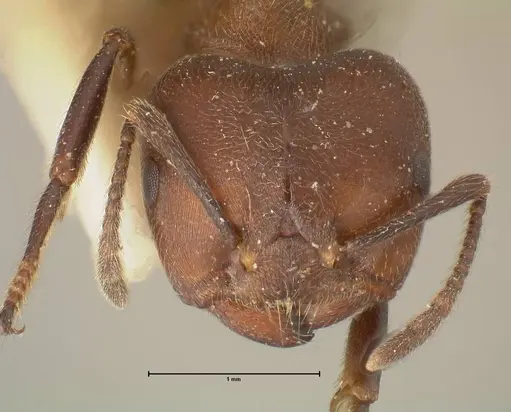
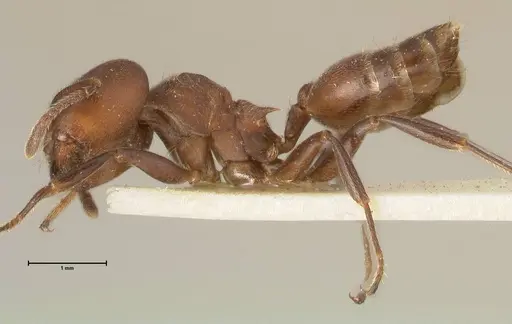
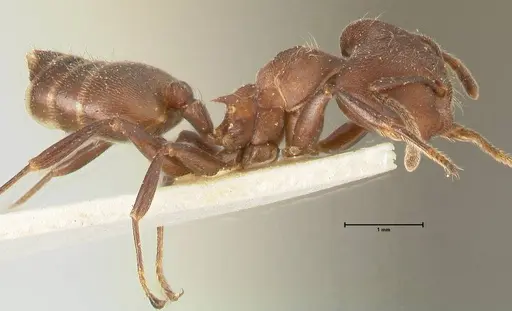
Crematogaster buchneri is an African arboreal ant species belonging to the subgenus Atopogyne. Workers are small ants with the characteristic heart-shaped abdomen that Crematogaster are known for, approximately 3-5mm in length with queens being larger, inferred from Crematogaster genus. This species is found across West and Central Africa including Angola, Cameroon, Ghana, Nigeria, and Uganda . They are aggressive defenders of their territory and will monopolize food sources in their range . A notable trait of this species is their defoliating behavior - workers will attack and skeletonize the leaves, buds, and flowers of various plants, including Cola nitida (kolanut tree), making them unusual among ants .
Quick Summary
- Difficulty: Medium
- Origin & Habitat: Native to the Afrotropical region, found in Angola, Cameroon, Ghana, Nigeria, and Uganda. This is an arboreal species that nests in trees and is commonly found in forest canopies [5][2][1].
- Colony Type: Colony structure is not well-documented. Based on typical Crematogaster patterns, they likely form single-queen colonies (monogyne), though this is unconfirmed.
- Size & Growth:
- Queen: Inferred from Crematogaster genus: approximately 5-7mm
- Worker: Inferred from Crematogaster genus: approximately 3-5mm
- Colony: Up to several hundred workers, inferred from typical arboreal Crematogaster colonies
- Growth: Moderate, based on typical Myrmicinae development patterns
- Development: Estimated 6-8 weeks at optimal temperatures of 25-28°C (Development time is inferred from related Crematogaster species, actual timeline may vary)
- Antkeeping:
- Temperature: Keep warm, roughly 24-28°C, as this is a tropical species. Provide a heating gradient if needed.
- Humidity: Keep nest substrate consistently moist but not waterlogged, as they come from humid forests.
- Diapause: No, this is a tropical species that does not require hibernation. Keep temperatures stable year-round.
- Nesting: Arboreal species, they naturally nest in trees. In captivity, provide vertical climbing space with branches or cork bark [2][3].
- Behavior: This species is behaviorally aggressive and will actively defend its territory. They monopolize food sources and are known to attack plant material (leaves, buds, flowers) [2][4]. Workers have a modified stinger for smearing venom, typical of the Crematogastrini tribe. They are active foragers and will search for sugar sources and protein. Their small size means escape prevention is important, use fine mesh and tight-fitting barriers.
- Common Issues: tropical species cannot tolerate cool temperatures, keep warm or colony will decline [2], arboreal nature means they need climbing space, flat test tube setups are not ideal [2][3], aggressive defense of territory means they may attack and kill other ant colonies if housed nearby, small size makes escape prevention critical, they can squeeze through tiny gaps, defoliating behavior may damage live plants in their enclosure if included [4]
Natural History and Distribution
Crematogaster buchneri is found across West and Central Africa, with documented records in Angola, Cameroon, Ghana, Nigeria, and Uganda [1]. This is an arboreal species, they live in trees and are commonly found in forest canopies. Research in Cameroon documented them as one of the most common canopy ant species, occurring in both primary forest and disturbed areas [5]. They are aggressive defenders of their territory and will monopolize food sources, driving away other ant species from baits [2][3]. The species was originally described by Forel in 1894,with the queen described later by Emery in 1899. There is one synonym: Crematogaster buchneri, which was later determined to be the same species [1].
Unique Defoliating Behavior
One of the most interesting traits of Crematogaster buchneri is their defoliating behavior, they are one of few ant species that actively attack and damage plant material. Workers will skeletonize leaves, buds, and flowers of various plants, with documented attacks on 13 plant species including Cola nitida (kolanut tree) [4]. This is unusual because most ants are either predatory on insects or collect honeydew, few directly damage plants. In captivity, this behavior means you should not include live plants in their enclosure unless you want them damaged. The workers produce defensive chemicals in their mandibular glands, specifically (E)-2-hexen-1-ol and (E)-2-hexenal, which are green leaf volatiles used in chemical defense [6].
Housing and Nest Setup
As an arboreal species, Crematogaster buchneri needs an enclosure that allows for vertical climbing space. A Y-tong nest works well, or you can use a naturalistic setup with branches and cork bark for them to climb on. They do not do well in simple horizontal test tube setups, they need vertical space to feel secure. Provide a water tube for drinking and keep the nest area humid. Since workers are small (approximately 3-5mm), escape prevention must be excellent, use fine mesh on any ventilation holes and ensure lids fit tightly. The outworld (foraging area) should be spacious enough for them to patrol and search for food. [2][3]
Feeding and Diet
Crematogaster buchneri is omnivorous like most Crematogaster species. They will readily accept sugar sources (honey water, sugar water, ripe fruit) and protein (small insects like fruit flies, pinhead crickets, mealworms). Their defoliating behavior in the wild suggests they may also accept plant material, but this is not necessary in captivity. Feed protein 2-3 times per week and keep a constant sugar source available. Remove uneaten food after 24 hours to prevent mold. Fresh water should always be available.
Temperature and Seasonal Care
This is a tropical species from Central and West Africa. Keep temperatures warm, roughly 24-28°C (75-82°F). They do not tolerate cool conditions, if temperatures drop below 20°C for extended periods, the colony may decline. No hibernation or diapause is required or recommended. Use a heating cable or mat on one side of the nest if your room temperature is below 24°C. Monitor colony activity, if workers become sluggish, the temperature may be too low. Maintain stable temperatures year-round as there are no seasonal changes in their native habitat.
Colony Development and Growth
Colony growth is moderate. The queen will lay eggs after mating (nuptial flights occur in the rainy season in their native range, though specific timing is not documented). The first workers (nanitics) will emerge after approximately 6-8 weeks at optimal temperature. These initial workers are typically smaller than mature workers. The colony will grow gradually over several months to a few years, eventually reaching several hundred workers. Unlike some fast-growing species, Crematogaster colonies tend to develop steadily rather than explosively. Be patient, the first year focuses on establishing a strong worker force.
Frequently Asked Questions
How long does it take for Crematogaster buchneri to produce first workers?
Expect first workers (nanitics) approximately 6-8 weeks after the queen lays eggs, at optimal temperatures of 25-28°C. This is an estimate based on related Crematogaster species, actual timing may vary.
What do Crematogaster buchneri ants eat?
They are omnivorous. Feed them sugar sources (honey water, sugar water) constantly and protein (small insects like fruit flies, mealworms) 2-3 times per week. They may also accept fruit.
Do Crematogaster buchneri ants sting?
They have a functional sting but are too small to penetrate human skin effectively. They are not considered dangerous to humans. Their main defense is chemical, they produce defensive secretions from their mandibular glands [6].
What temperature do Crematogaster buchneri need?
Keep them warm at roughly 24-28°C (75-82°F). This is a tropical species that does not tolerate cool temperatures. Use a heating cable if needed.
Can I keep Crematogaster buchneri in a test tube setup?
Not ideal, this is an arboreal species that needs vertical climbing space. Use a Y-tong nest, acrylic formicarium, or naturalistic setup with branches and cork bark for climbing.
Are Crematogaster buchneri good for beginners?
They are rated as medium difficulty. They need warm temperatures and proper arboreal housing, which requires more setup than simple test tube species. Not the best choice for complete beginners, but manageable for those with some antkeeping experience.
How big do Crematogaster buchneri colonies get?
Based on typical arboreal Crematogaster species, colonies likely reach up to several hundred workers. The exact maximum is not documented in scientific literature.
Do Crematogaster buchneri need hibernation?
No, they are a tropical species from Africa and do not require hibernation or diapause. Keep temperatures stable year-round.
Why do my Crematogaster buchneri attack plants?
This is normal behavior! Crematogaster buchneri is one of few ant species that defoliates plants, they skeletonize leaves, buds, and flowers. This is documented behavior in both the wild and captivity [4]. Do not include live plants in their enclosure if you want to preserve them.
How do I prevent my Crematogaster buchneri from escaping?
Use excellent escape prevention because of their small size. Fine mesh on all ventilation, tight-fitting lids, and barrier tape (fluon) on container edges. Check for tiny gaps regularly.
Report an Issue
The current care sheet is based fully on literature. See inconsistencies, or something that's incorrect? Please , it will be resolved after review from an admin. Contributing to the blogs tab also helps providing information, to make us be able to further improve the caresheets. Thank you for your support!
References

This caresheet is licensed under CC BY-SA 4.0 .
Community Blogs
CASENT0170289
View on AntWeb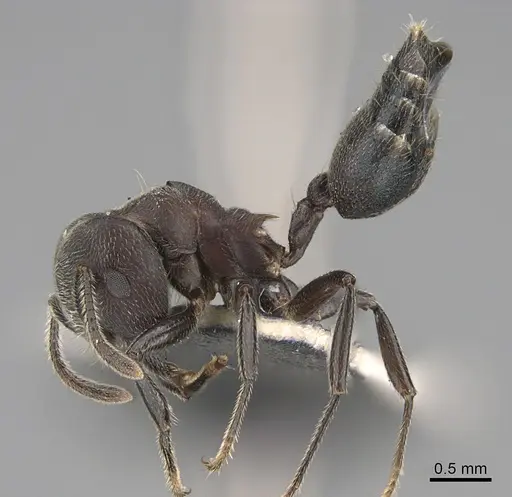
CASENT0193750
View on AntWeb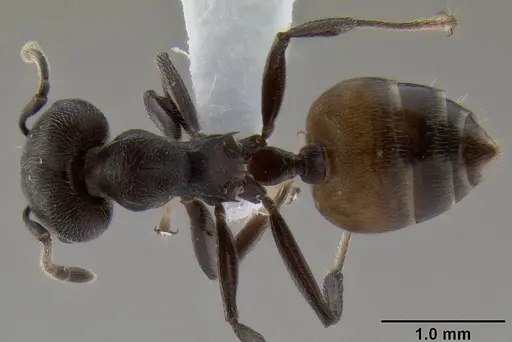
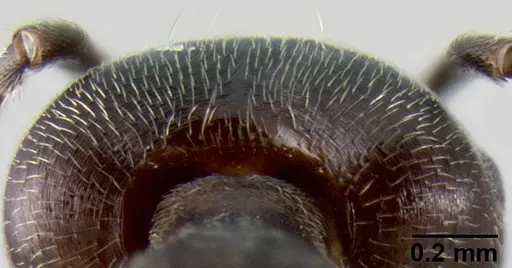
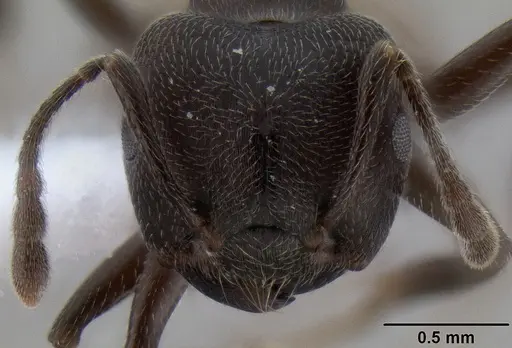
CASENT0902074
View on AntWeb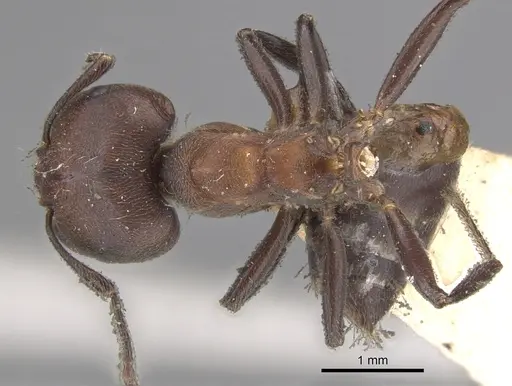
CASENT0902075
View on AntWeb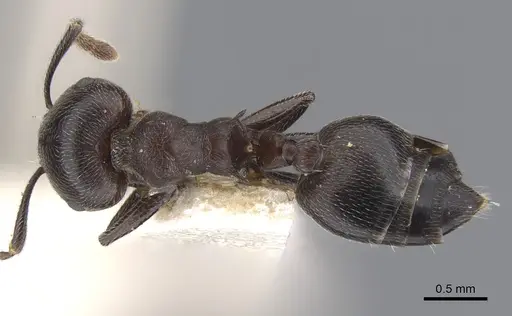
CASENT0902076
View on AntWeb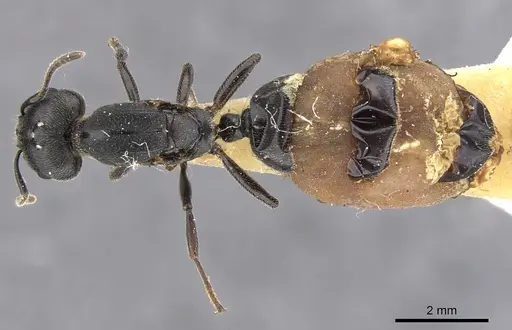
CASENT0908623
View on AntWeb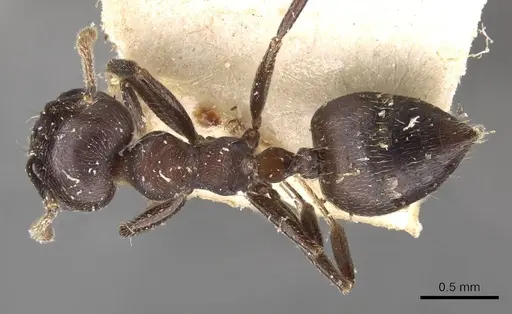
CASENT0908624
View on AntWeb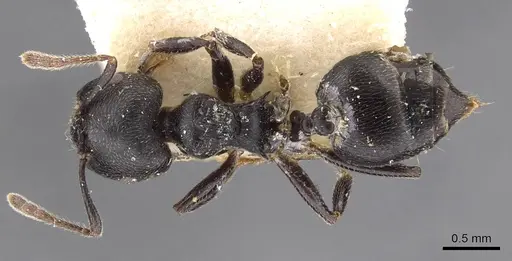
CASENT0908626
View on AntWeb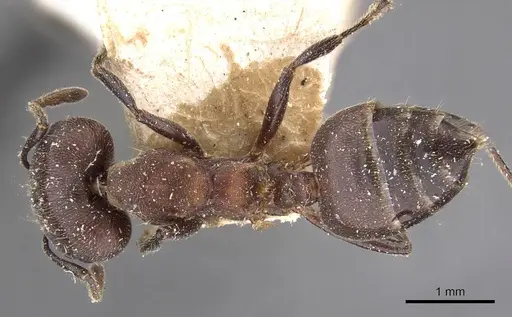
CASENT0908627
View on AntWeb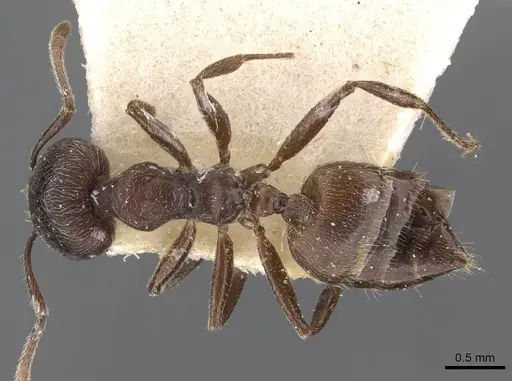
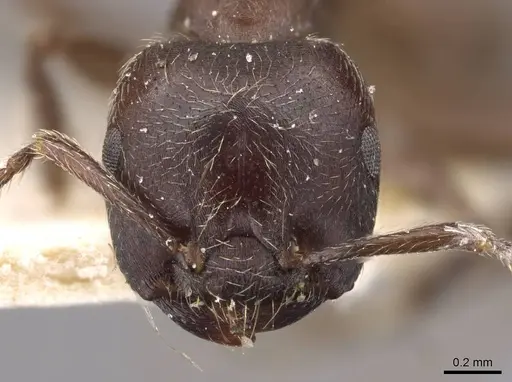
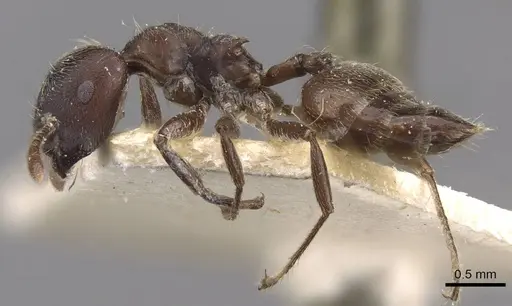
CASENT0912626
View on AntWeb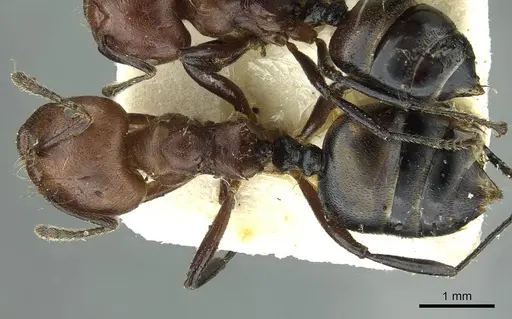
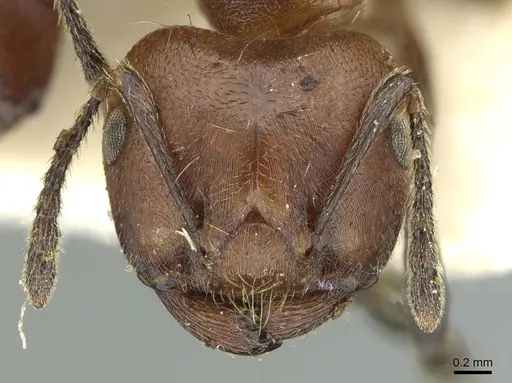
CASENT0915372
View on AntWeb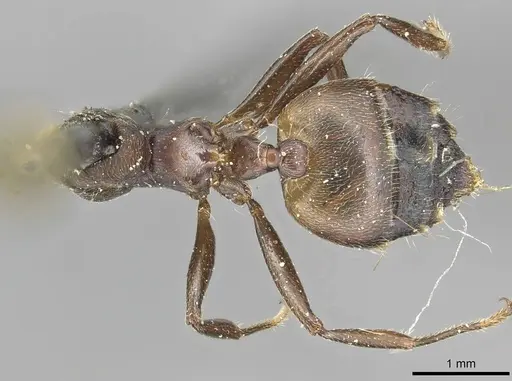
FOCOL1443
View on AntWeb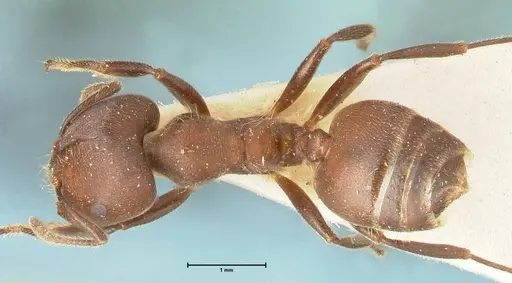
Literature
Loading distribution map...Loading products...