
Crematogaster brunneipennis
- Sci. Name
- Crematogaster brunneipennis
- Tribe
- Crematogastrini
- Subfamily
- Myrmicinae
- Author
- André, 1890
- Distribution
- Found in 1 countries
Introduction
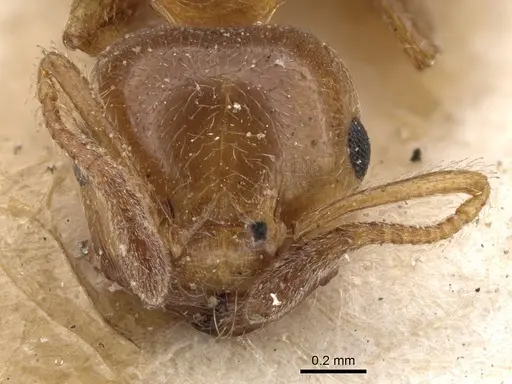
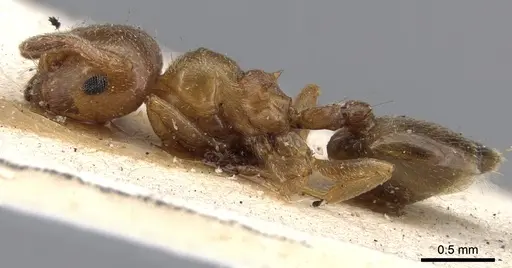
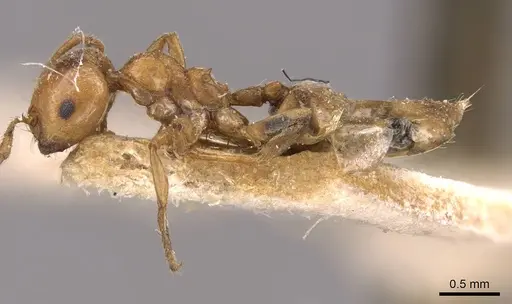
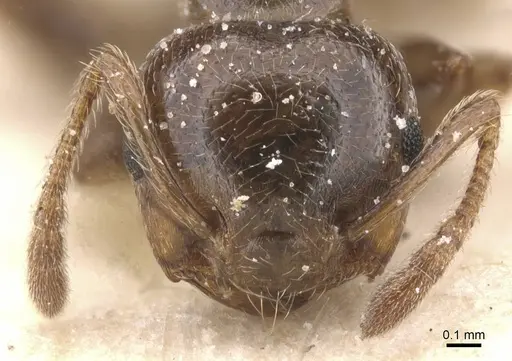
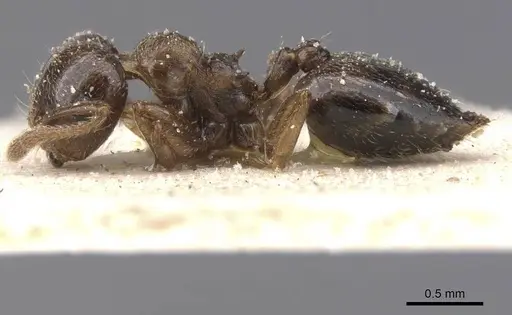
Crematogaster brunneipennis is a small Myrmicinae ant species native to West Africa, found in Sierra Leone, Nigeria, and Benin . Workers are typical of the genus - small ants with a distinctive heart-shaped abdomen that they can raise over their head like an acrobat, which is how they got their common name. The species has two described subspecies: C. b. omniparens and C. b. yorubosa. These ants have been documented nesting in thorn galls of Acacia fistula trees in the Abyssinia region, indicating they use pre-existing cavities in plants for nesting .
Quick Summary
- Difficulty: Medium
- Origin & Habitat: West Africa, specifically Sierra Leone, Nigeria, and Benin in the Afrotropical region. They inhabit tropical savanna and forest edge environments, with documented nesting in Acacia thorn galls [2][1].
- Colony Type: Colony structure is unconfirmed. Based on typical Crematogaster patterns, likely single-queen (monogyne) colonies, though some Crematogaster species can have multiple queens.
- Size & Growth:
- Queen: ~5-7mm, inferred from Crematogaster genus
- Worker: ~2-4mm, inferred from Crematogaster genus
- Colony: up to a few thousand workers
- Growth: moderate, estimated from genus patterns
- Development: approximately 6-8 weeks at optimal temperature (Development time is estimated from genus patterns, specific data for this species is unavailable)
- Antkeeping:
- Temperature: Keep at 24-28°C, reflecting their West African tropical origin. A gentle gradient allowing warmer and cooler areas is recommended.
- Humidity: moderate to high humidity (60-80%). Their natural habitat in West African savanna experiences seasonal humidity changes. Keep substrate moderately moist but allow some drying between waterings.
- Diapause: No, being a tropical species, they do not require hibernation. Maintain consistent warm temperatures year-round.
- Nesting: Based on their documented nesting in Acacia thorn galls [2], they likely prefer enclosed spaces. Y-tong (AAC) nests or plaster nests with narrow chambers work well. They may also accept test tube setups, especially for founding colonies. Avoid overly wet conditions that could cause mold.
- Behavior: Crematogaster ants are known for their acrobatic defense behavior, they raise their abdomen over their head when threatened. They possess a modified, flattened stinger used to smear venom onto enemies rather than pierce flesh. Workers are active foragers and will scout for food. They are not particularly aggressive toward keepers but will defend their nest vigorously. Their small size means they can squeeze through small gaps, use fine mesh and tight-fitting barriers.
- Common Issues: escape prevention is critical due to their very small size, they can squeeze through standard test tube barriers, tropical species may decline if temperatures drop below 22°C for extended periods, colonies may be slow to establish initially, patience is needed during founding phase, wild-caught colonies from West Africa may carry parasites or diseases that affect captive survival, overfeeding can lead to mold in nest setups, remove uneaten prey promptly
Nest Preferences and Housing
Crematogaster brunneipennis has been documented nesting in thorn galls of Acacia fistula trees in East Africa [2], suggesting they prefer enclosed, protected spaces. In captivity, they do well in Y-tong (AAC) nests or plaster nests with chambers appropriately sized for their small worker size. Test tube setups work for founding colonies, but transfer to a proper nest once the colony reaches 20-30 workers. The nest should have narrow passages that match their tiny size, avoid large, open chambers. They prefer some humidity but not saturated conditions. A water tube connected to the nest helps maintain moisture without over-wetting.
Feeding and Diet
Crematogaster species are typically omnivorous, feeding on honeydew, small insects, and nectar. In captivity, offer a mix of protein and sugar sources. Sugar water, honey, or diluted honey should be available constantly. For protein, offer small prey items like fruit flies, pinhead crickets, mealworms, or other small insects. Feed protein 2-3 times per week, adjusting based on colony size and consumption. Remove uneaten prey after 24-48 hours to prevent mold. Fresh water should always be available. These ants are active foragers, so place food near the nest entrance where workers can easily find it. [1]
Temperature and Seasonal Care
As a West African tropical species, Crematogaster brunneipennis requires warm conditions year-round. Maintain temperatures between 24-28°C for optimal colony health and brood development. Avoid temperatures below 22°C for extended periods, as this can weaken the colony and slow development. A heating cable or mat on one side of the nest can create a gentle temperature gradient, allowing ants to self-regulate. Since they come from tropical regions, no hibernation or diapause is required, keep temperatures consistent throughout the year. Room temperature within this range is often suitable without additional heating. [1]
Behavior and Defense
Crematogaster ants have a distinctive defensive behavior, when threatened, they raise their abdomen over their head in an arc, like an acrobat (hence the common name 'acrobat ants'). They possess a modified, flattened stinger used to wipe or smear venom onto enemies rather than piercing flesh. This smear defense is characteristic of the Crematogastrini tribe. Workers are active and will readily forage for food, using chemical trails to recruit nestmates to good food sources. They are not aggressive toward keepers but will defend their nest vigorously if disturbed. Their small size makes them quick and agile, watch closely during feeding to monitor activity levels, which indicate colony health. [1]
Colony Establishment and Growth
Starting a colony of Crematogaster brunneipennis requires patience. A newly mated queen will typically seal herself in a small chamber and lay eggs, raising the first workers (nanitics) on her own energy reserves. The founding phase may take several months before the first workers emerge. Once the colony has 10-20 workers, growth typically accelerates. Expect moderate growth rates, colonies may take 1-2 years to reach 100+ workers under good conditions. Colony size in the wild likely reaches up to a few thousand workers based on typical Crematogaster patterns. Regular feeding with protein and sugar, combined with proper warmth and humidity, will support healthy growth. [1]
Frequently Asked Questions
How long does it take for Crematogaster brunneipennis to produce first workers?
The egg-to-worker timeline is approximately 6-8 weeks at optimal temperature (24-28°C), based on typical Crematogaster development patterns. The exact time varies depending on temperature and queen health. The founding phase can take several months before nanitics appear.
What do Crematogaster brunneipennis ants eat?
They are omnivorous. Offer constant access to sugar sources (sugar water, honey, or diluted honey) and protein 2-3 times weekly (small insects like fruit flies, mealworms, or pinhead crickets). Remove uneaten prey after 24-48 hours to prevent mold.
Do Crematogaster brunneipennis ants sting?
Crematogaster ants do not sting in the typical sense. Instead, they defend themselves by raising their abdomen over their head and using their modified, flattened stinger to smear venom onto enemies. This is an effective deterrent but not dangerous to humans.
Can I keep Crematogaster brunneipennis in a test tube?
Yes, test tubes work well for founding colonies. Use a test tube with a water reservoir sealed with cotton, this provides humidity without flooding. Once the colony reaches 20-30 workers, consider transferring to a proper nest (Y-tong or plaster) with appropriately sized chambers.
Do Crematogaster brunneipennis need hibernation?
No, they do not require hibernation. As a West African tropical species, they need consistent warmth year-round (24-28°C). Temperatures below 22°C for extended periods can harm the colony.
Are Crematogaster brunneipennis good for beginners?
They are rated as Medium difficulty. They require warm, stable temperatures and careful attention to escape prevention due to their very small size. Beginners should be prepared for the slow initial founding phase and the need for consistent care.
How big do Crematogaster brunneipennis colonies get?
Colony size is estimated at up to a few thousand workers based on typical Crematogaster patterns, as specific data for this species is unavailable. Growth is moderate, expect 1-2 years to reach 100+ workers under good conditions.
Why are my Crematogaster brunneipennis escaping?
Their very small size means they can squeeze through tiny gaps. Use fine mesh on all openings, ensure lids fit tightly, and apply fluon or other barriers to escape-proof your setup. Check all connections and seams regularly.
When should I move my colony to a formicarium?
Transfer from a test tube to a proper nest (Y-tong, plaster, or acrylic) once the colony reaches 20-30 workers or when the test tube becomes crowded. Make sure the new nest has chambers appropriately sized for their small worker size.
What temperature is best for Crematogaster brunneipennis?
Keep them at 24-28°C. This tropical species requires warm conditions year-round. A heating cable on one side of the nest can create a gradient, but avoid overheating. Room temperature within this range is often suitable.
Report an Issue
The current care sheet is based fully on literature. See inconsistencies, or something that's incorrect? Please , it will be resolved after review from an admin. Contributing to the blogs tab also helps providing information, to make us be able to further improve the caresheets. Thank you for your support!
References

This caresheet is licensed under CC BY-SA 4.0 .
Community Blogs
CASENT0902089
View on AntWeb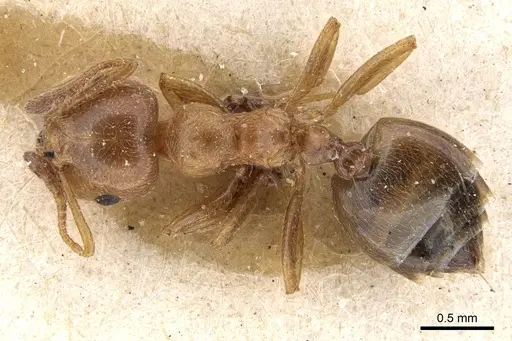
CASENT0902090
View on AntWeb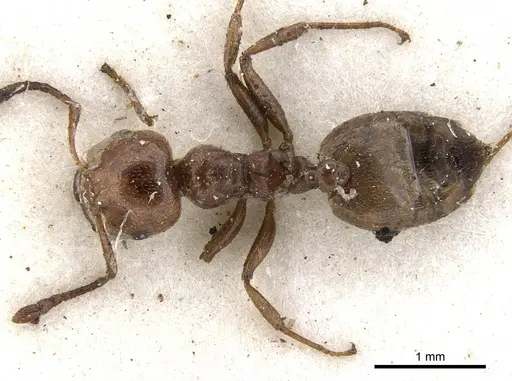
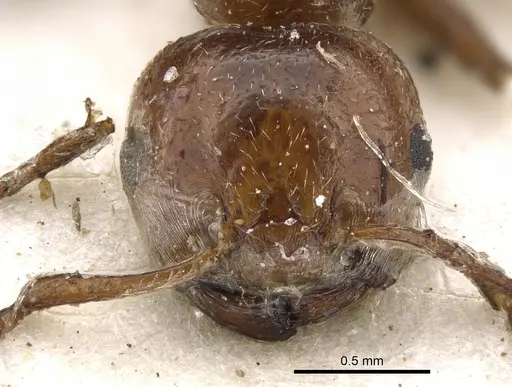
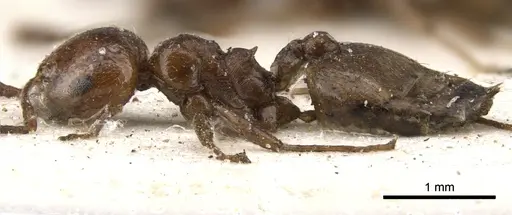
CASENT0908500
View on AntWeb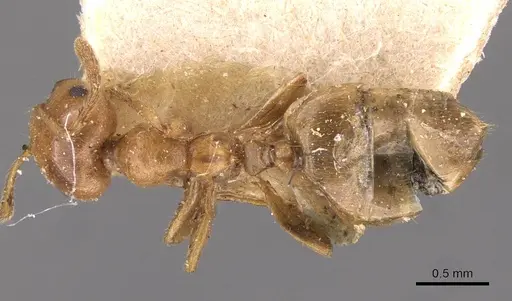
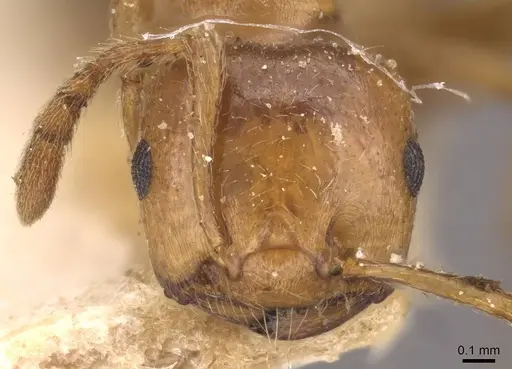
CASENT0912646
View on AntWeb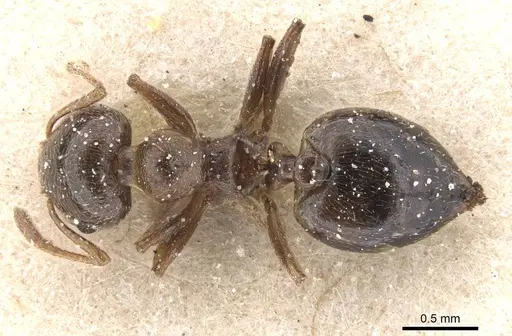
Literature
Loading distribution map...Loading products...