
Crematogaster brevis
- Sci. Name
- Crematogaster brevis
- Subgenus
- Orthocrema
- Tribe
- Crematogastrini
- Subfamily
- Myrmicinae
- Author
- Emery, 1887
- Distribution
- Found in 1 countries
Introduction
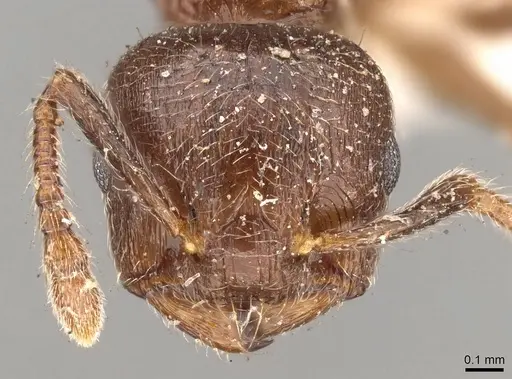
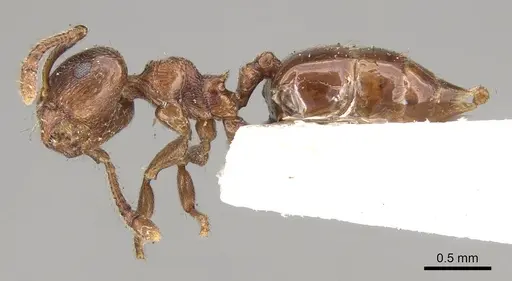
Crematogaster brevis is a tiny arboreal ant species known only from Java, Indonesia. Workers are small, approximately 3-4mm in total length - inferred from typical Crematogaster genus size . They have distinctive propodeal spines that curve upward and a clypeus marked with one median and two pairs of lateral rugulae (groove-like sculptures). The species was originally described by Emery in 1887 and is known only from the type locality near Bogor (formerly Buitenzorg), Java . This ant lives in association with plants - the type specimens were collected from the vine Dischidia major (also known as Dischidia rafflesiana), where they co-occurred with Dolichoderus thoracicus ants . The genus Crematogaster is known for their defensive behavior where workers raise their heart-shaped gaster like a cocktail glass when threatened.
Quick Summary
- Difficulty: Medium
- Origin & Habitat: Java, Indonesia, tropical forest habitat associated with vines (Dischidia species) [1]
- Colony Type: Colony structure is unconfirmed for this species.
- Size & Growth:
- Queen: Size data unavailable, no queen measurements have been published for this species [1]
- Worker: Approximately 3-4mm total length, inferred from typical Crematogaster genus size [1]
- Colony: Unknown, only type specimens have been collected [1]
- Growth: Unknown, no development data available for this species
- Development: Unknown for this species. No direct development studies exist for C. brevis. (No research has been published on development time for this species.)
- Antkeeping:
- Temperature: Keep at 24-28°C. As a tropical Indonesian species, they require warm, stable conditions.
- Humidity: Moderate to high humidity. Their natural habitat in Java is humid tropical forest.
- Diapause: No, this is a tropical species from Java, Indonesia. They do not require hibernation.
- Nesting: Arboreal preferences. In captivity, they do well in Y-tong (AAC) nests, plaster nests, or naturalistic setups with twigs/branches.
- Behavior: Crematogaster brevis is an arboreal species adapted to living in plant cavities. Workers are active foragers that likely seek nectar and small insects. Like other Crematogaster, they will raise their gaster in a defensive posture when disturbed, this is the classic 'cocktail ant' behavior. They are small but can be feisty defenders of their nest. Escape prevention is important due to their small size, use fine mesh and tight-fitting barriers.
- Common Issues: very small size means escapes are likely without fine mesh barriers, tropical species requires consistent warmth, cold temperatures can kill colonies, no species-specific care information exists, keepers must adapt from genus knowledge, wild-caught colonies may carry parasites that can devastate captive populations, arboreal nature means they need vertical space and plant-like structures
Natural History and Distribution
Crematogaster brevis is known only from Java, Indonesia. The original type specimens were collected in the late 1800s from the vine Dischidia major (also called Dischidia rafflesiana) near Bogor (formerly Buitenzorg), Java [1]. This is a tropical species that lives in association with plants, specifically vines in the genus Dischidia, which are epiphytic plants related to hoyas. The specimens were found together with Dolichoderus thoracicus ants, suggesting C. brevis may live in close association with other ant species in their shared plant host [1]. The species is part of the C. brevis group, which is characterized by having 11-segmented antennae with a 2-segmented club, and a postpetiole that is weakly bilobed [2]. This species has only been collected a few times since its original description.
Identification and Morphology
Workers of Crematogaster brevis are tiny, approximately 3-4mm in total length [1]. They can be identified by their propodeal spines, which are longer than the diameter of the propodeal spiracles and curve upward [1]. The clypeus (the face area above the jaws) has a distinctive pattern: one median rugula (groove) plus two pairs of lateral rugulae connecting the front and back of the clypeus [1]. The mesonotum (middle back section) has pronounced sculpture, which distinguishes this species from the similar C. overbecki [1]. Their eyes slightly project from the sides of the head. The petiole (the narrow waist segment) is rectangular when viewed from above with angular corners [1]. The postpetiole (segment after the petiole) is bilobed at the back. Like all Crematogaster, they have a heart-shaped gaster (the final abdominal segment) that they can raise defensively.
Nest Preferences and Housing
In the wild, this species lives in the hollow stems and cavities of vines (Dischidia), making them an arboreal species [1]. For captive care, provide a nest that mimics these conditions. Y-tong (AAC) nests work well because they provide tight, humid chambers. Plaster nests are another good option, keep them moist but not soaking wet. Naturalistic setups with cork, twigs, or artificial plant stems can also work well. The key is providing humid, enclosed spaces rather than open areas. Because they are so small, ensure all connections between the nest and outworld are sealed with cotton or fine mesh.
Feeding and Diet
While no specific feeding studies exist for C. brevis, the genus Crematogaster is known to be omnivorous with a strong preference for sugary liquids. Related Crematogaster species are frequent visitors to plant nectaries and will tend homopteran insects for their honeydew. One study found Crematogaster species showed the greatest usage of extrafloral nectar as a food resource among all species tested, with nectar comprising up to 48% of their diet during peak flowering months [3]. For captive colonies, offer sugar water or honey water regularly. For protein, provide small live prey such as fruit flies, pinhead crickets, or small mealworms. Given their tiny size, prey items should be appropriately small.
Temperature and Seasonal Care
As a tropical species from Java, Indonesia, Crematogaster brevis requires warm conditions year-round. Keep the nest area at 24-28°C. Temperatures below 20°C for extended periods can be harmful. Use a heating cable placed on top of the nest (never under, as it can dry out the nest) if your room temperature is below 24°C. Create a temperature gradient so workers can choose their preferred warmth. This species does not undergo diapause (hibernation), maintain warm conditions throughout the year. A slight reduction in temperature during winter months (if your room naturally cools) is acceptable, but avoid any prolonged cold exposure.
Behavior and Temperament
Crematogaster ants are famous for their defensive cocktail posture, when threatened, workers raise their heart-shaped gaster high over their head, ready to spray formic acid or bite [1]. This species is likely similar in temperament: small but capable of defending their nest vigorously. They are active foragers that will search for food throughout their territory. Workers are fast-moving and can be aggressive when defending their nest or food sources. Due to their small size, they pose minimal sting risk to humans, their formic acid spray is the primary defense. Provide an outworld with foraging space and ensure escape prevention is excellent, as their small size allows them to squeeze through tiny gaps.
Frequently Asked Questions
How long does it take for Crematogaster brevis to develop from egg to worker?
The exact development time is unknown for this species, no studies have been published on their development.
What do Crematogaster brevis eat?
Like other Crematogaster species, they likely accept sugar sources (honey water, sugar water) and small protein prey (fruit flies, tiny crickets, mealworms). They are known to forage for nectar and honeydew in the wild, so sugary liquids should be offered regularly.
Can I keep multiple Crematogaster brevis queens together?
The colony structure is unconfirmed for this species. Without specific research on C. brevis, it is safest to house a single queen per colony. Combining unrelated queens is not recommended.
Do Crematogaster brevis ants sting?
Crematogaster ants have the ability to spray formic acid as their primary defense rather than stinging. Their small size means their bite and spray pose minimal risk to humans. However, they can be aggressive in defending their nest.
What temperature do Crematogaster brevis need?
Keep them warm at 24-28°C. This is a tropical Indonesian species that requires consistent warmth. Avoid temperatures below 20°C for extended periods.
Do Crematogaster brevis need hibernation?
No, they do not require hibernation. As a tropical species from Java, Indonesia, they need warm conditions year-round. Do not expose them to cold temperatures or simulate winter.
What size do Crematogaster brevis colonies reach?
The maximum colony size is unknown. Only a handful of specimens have ever been collected.
Are Crematogaster brevis good for beginners?
This species is not recommended for beginners. It is extremely rare in the hobby, has no species-specific care information available, and requires tropical conditions. Additionally, obtaining a true C. brevis colony is likely very difficult as the species is only known from Java and rarely collected.
What type of nest is best for Crematogaster brevis?
Arboreal species like this do well in Y-tong (AAC) nests or moist plaster nests. They prefer tight, humid chambers. Naturalistic setups with cork or twig sections also work well. Avoid dry, open setups.
Why are my Crematogaster brevis dying?
Common causes include: temperatures below 20°C (tropical species are cold-sensitive), too dry conditions, escape through tiny gaps due to their very small size, or parasites from wild-caught colonies. Ensure warm, humid conditions and excellent escape prevention.
Report an Issue
The current care sheet is based fully on literature. See inconsistencies, or something that's incorrect? Please , it will be resolved after review from an admin. Contributing to the blogs tab also helps providing information, to make us be able to further improve the caresheets. Thank you for your support!
References

This caresheet is licensed under CC BY-SA 4.0 .
Community Blogs
CASENT0905375
View on AntWeb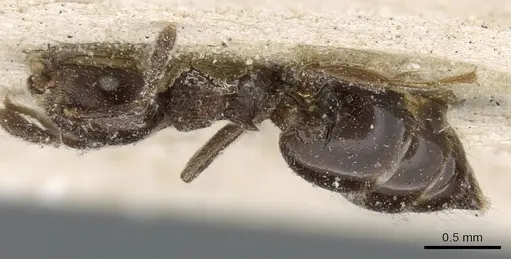
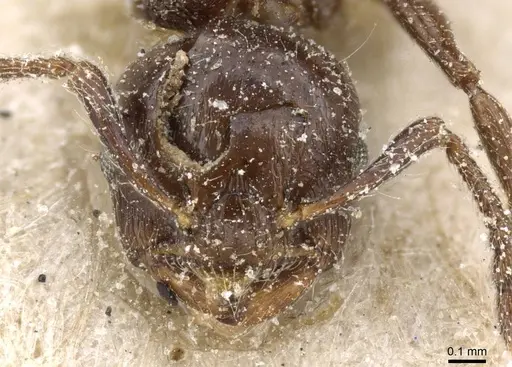
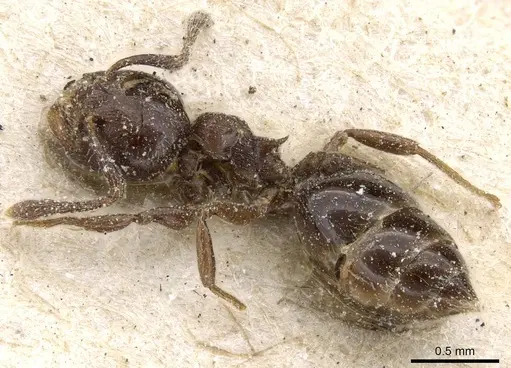
CASENT0914304
View on AntWeb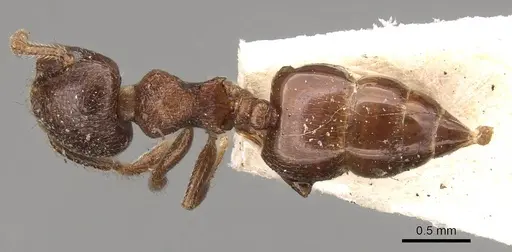
Literature
Loading distribution map...Loading products...