
Crematogaster brasiliensis
- Sci. Name
- Crematogaster brasiliensis
- Subgenus
- Orthocrema
- Tribe
- Crematogastrini
- Subfamily
- Myrmicinae
- Author
- Mayr, 1878
- Distribution
- Found in 13 countries
Introduction
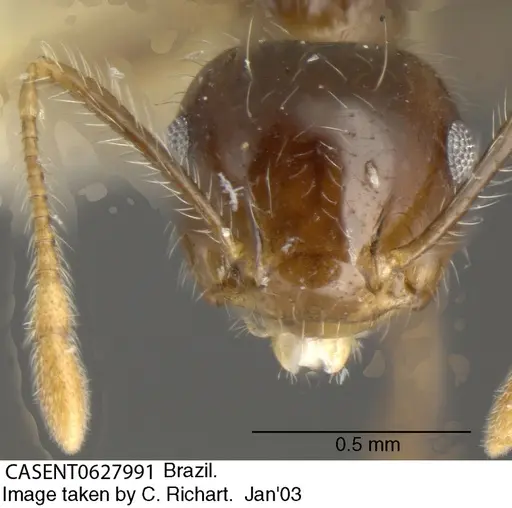
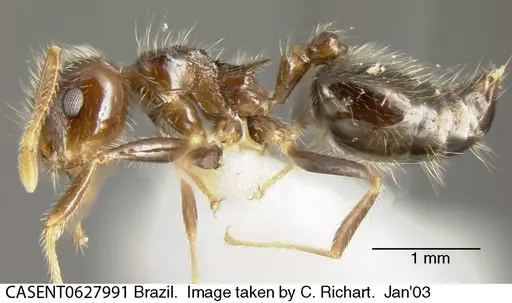
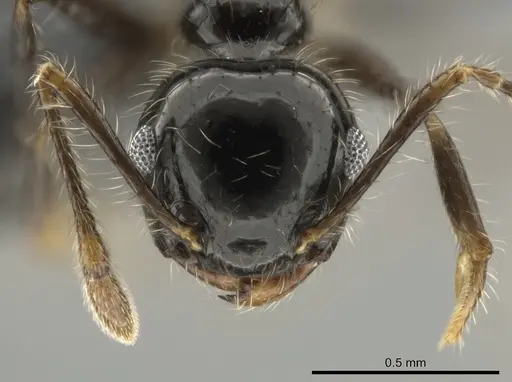
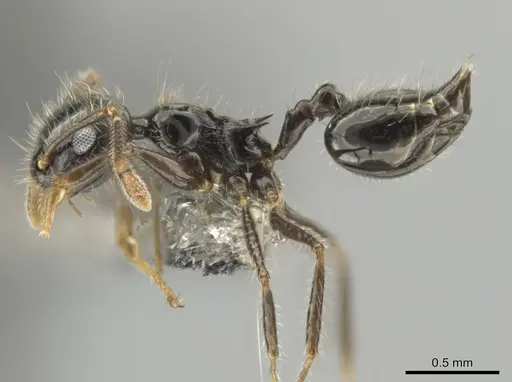
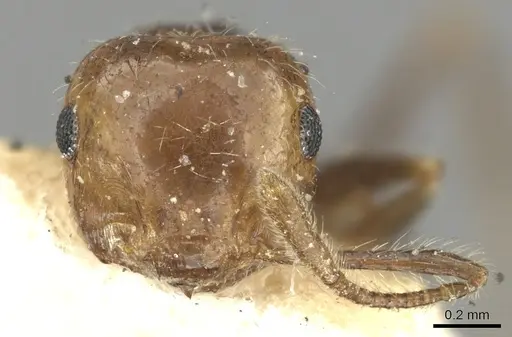
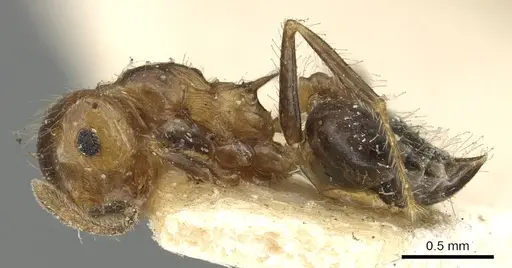
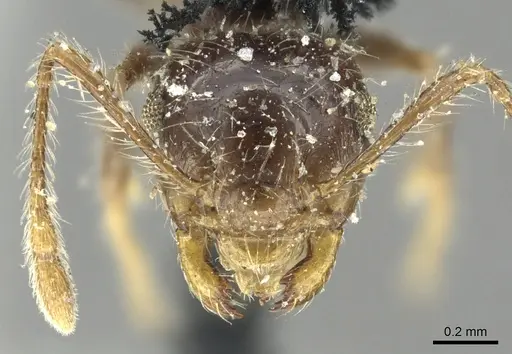
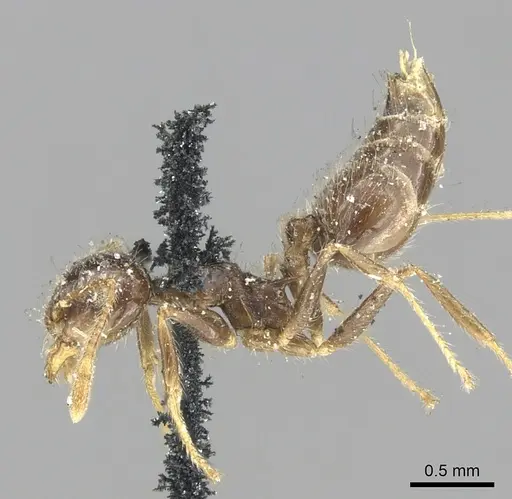
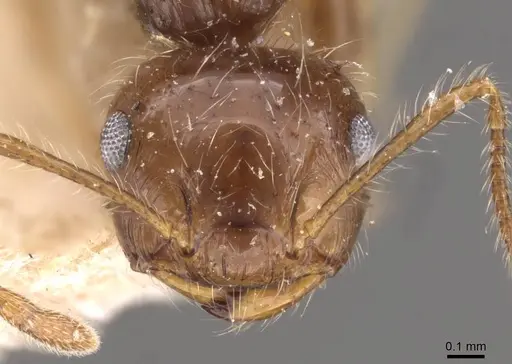
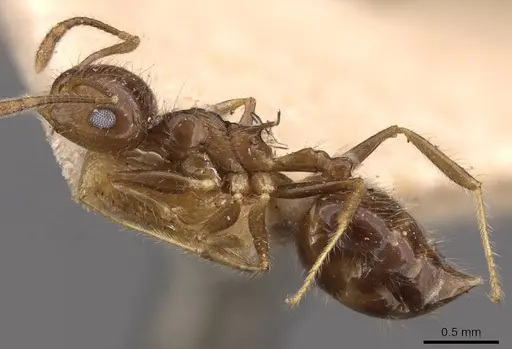
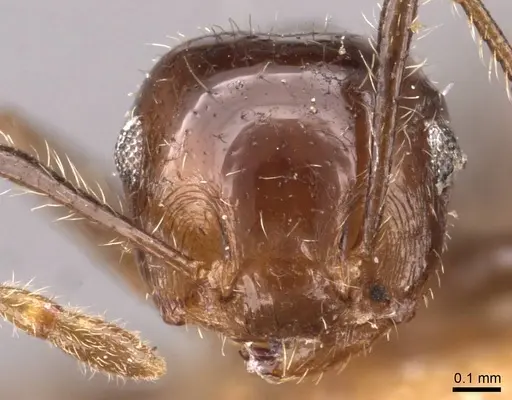
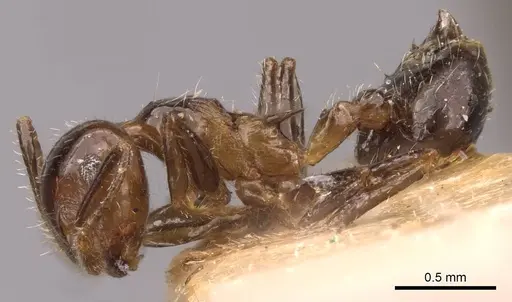
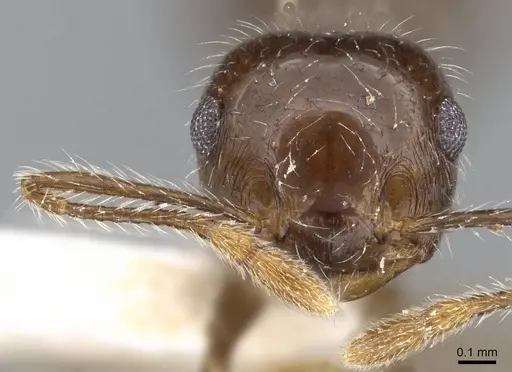
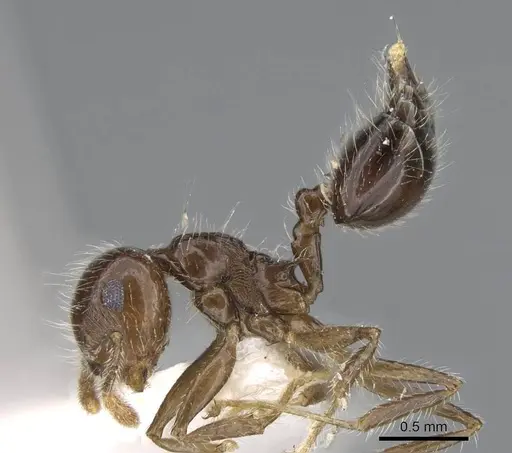
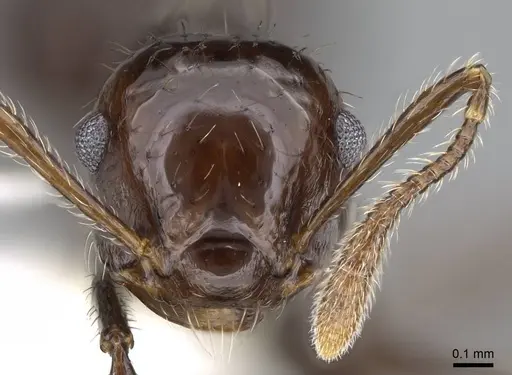
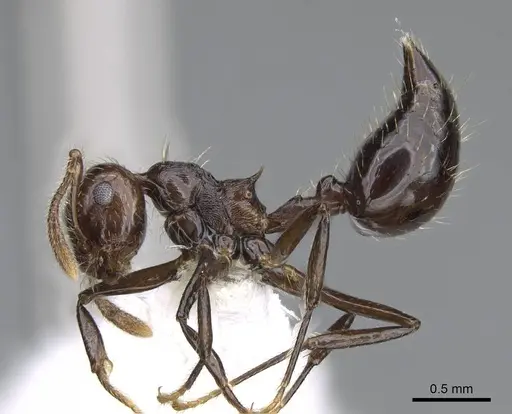
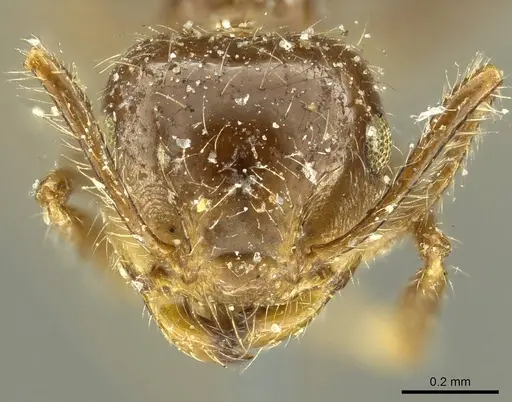
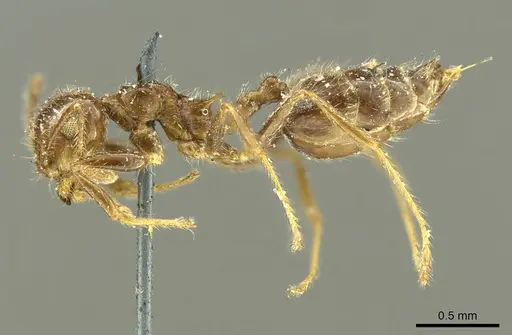
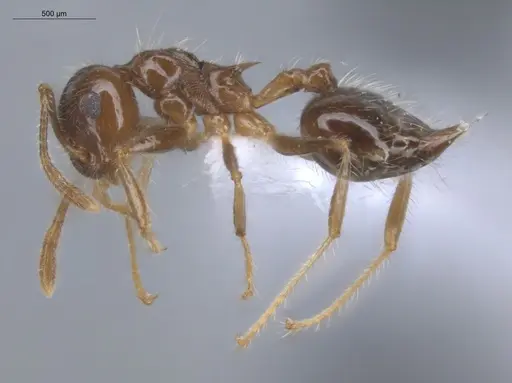
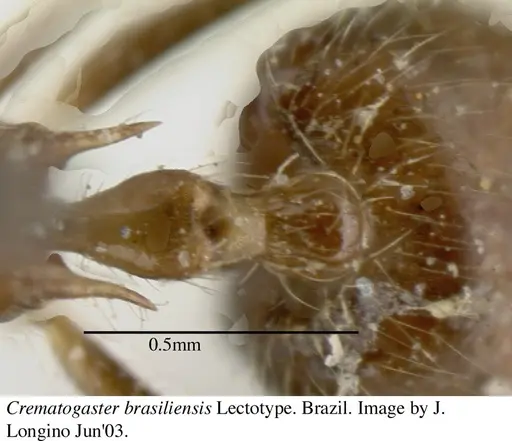
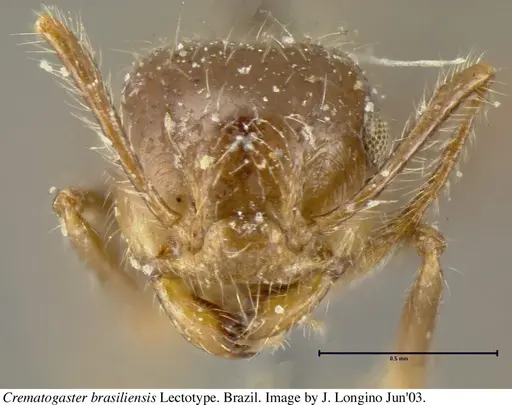
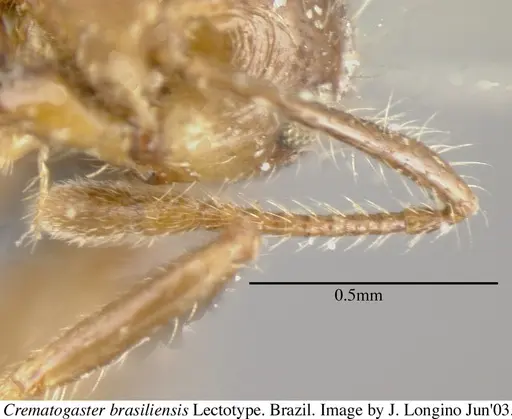
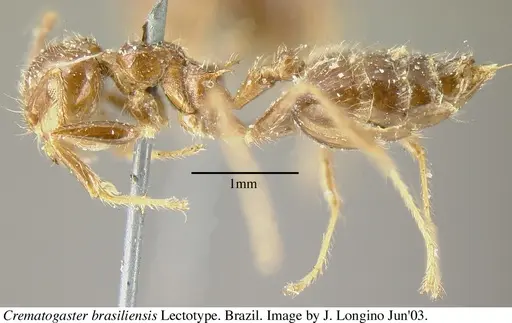
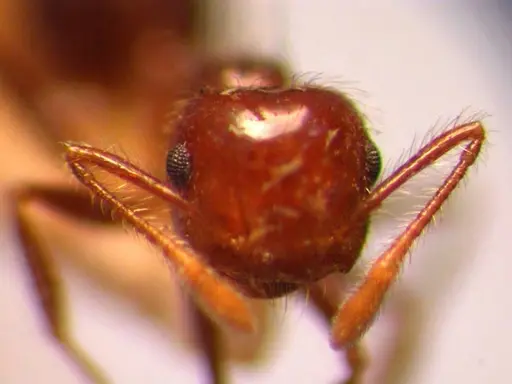
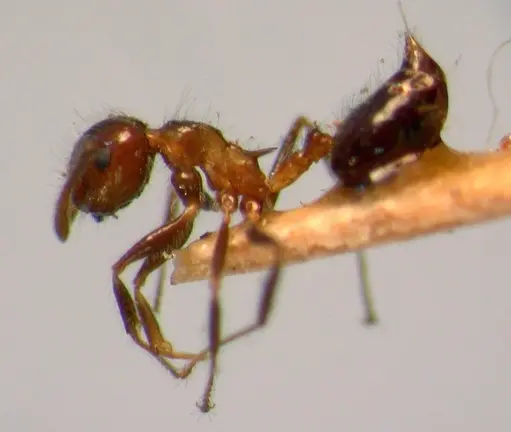
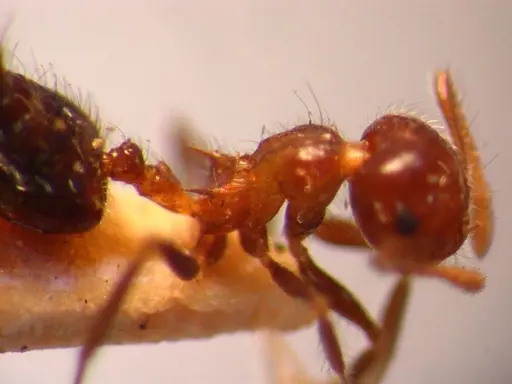
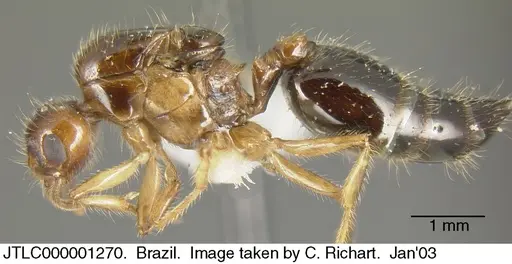
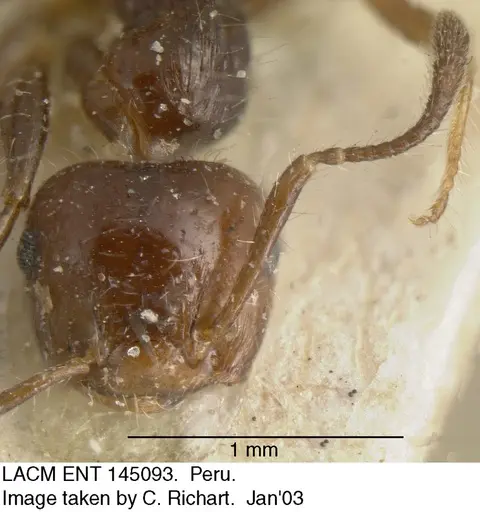
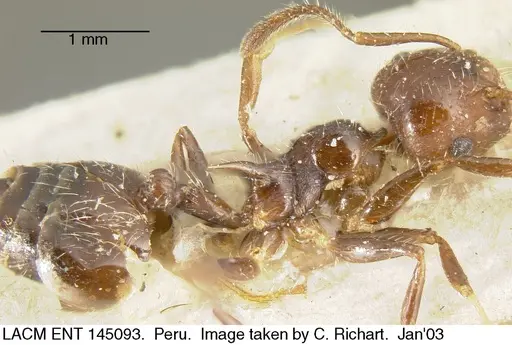
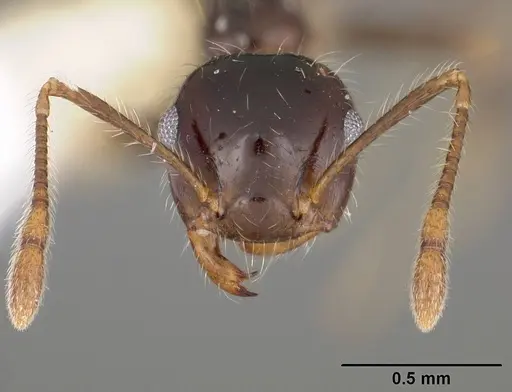
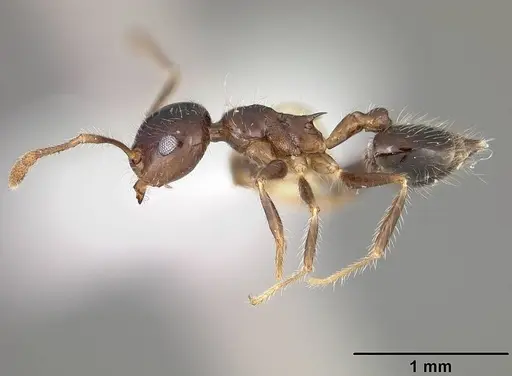
Crematogaster brasiliensis is a small ant native to the Neotropics, ranging from Nicaragua through Amazonian Brazil to Bolivia. Workers show significant size polymorphism - some colonies have only small workers similar to Central American populations, while Amazonian populations can develop large workers with notably wider heads . The workers are reddish-brown with abundant long erect setae on the head, body, and legs, and smooth shiny surfaces on the face and mesosoma. They have medium-length propodeal spines that point backward and a distinctive elongated petiole with an anteroventral tooth. This species is a generalized cavity nester that typically inhabits dead branches, twigs, or vines in low vegetation, though they will opportunistically nest in live stems and myrmecophyte plants like Cordia and Triplaris. Colonies can be polydomous, spreading across multiple nest sites. They are aggressive defenders of food sources - when threatened, workers aggregate, raise and shake their gasters, and exude droplets of venom .
Quick Summary
- Difficulty: Medium
- Origin & Habitat: Native to the Neotropical region, Nicaragua to Amazonian Brazil and Bolivia. Found in lowland wet and moist forests, both mature forest and second growth vegetation [1][3].
- Colony Type: Monogyne, colonies typically have a single physogastric queen. Polydomous colonies with multiple nest sites are common [1][4].
- Size & Growth:
- Queen: ~6-8mm, inferred from Crematogaster genus patterns
- Worker: ~3-4mm, inferred from Crematogaster genus (size data unavailable for this species)
- Colony: Up to several thousand workers based on dominance in Amazonian forests
- Growth: Moderate
- Development: Estimated 6-8 weeks at tropical temperatures (25-28°C) (Development time inferred from typical Crematogaster patterns in tropical environments)
- Antkeeping:
- Temperature: Keep at 24-28°C. This is a lowland tropical species that thrives in warm, humid conditions. Avoid temperatures below 20°C [1][3].
- Humidity: High humidity required, they inhabit wet/moist forests. Keep nest substrate consistently moist but not waterlogged. Provide a water tube for drinking water.
- Diapause: No, as a tropical species, they do not require hibernation. Maintain warm conditions year-round [1].
- Nesting: Use test tubes or small formicariums with narrow chambers (1.2-1.4cm diameter twigs are their natural nesting size). They prefer tight-fitting cavities. Accept Y-tong or plaster nests with small chambers. May build small amounts of carton to restrict nest entrances [1][5].
- Behavior: Crematogaster brasiliensis is an aggressive, active forager that recruits strongly to food sources. Workers are omnivorous and will take both protein and carbohydrate foods. They forage both day and night [1][3]. When threatened, they raise and shake their gasters and can exude droplets of venom, this is a defensive display but they lack a painful sting. They may escape through small gaps, use fine mesh and tight-fitting barriers. They are polydomous in the wild, meaning they may establish satellite colonies in multiple locations.
- Common Issues: escape prevention is important, use fine mesh and tight barriers, colonies can be aggressive and may stress more docile species if housed nearby, high humidity requirements can lead to mold if ventilation is poor, polydomous behavior may cause stress when confined to single nest, wild-caught colonies may contain parasites like Microdon fly larvae [1]
Housing and Nest Setup
Crematogaster brasiliensis does well in test tube setups or small formicariums with chambers sized to match their natural twig-nesting preferences. In the wild, they colonize twigs with diameters around 1.2-1.4cm [5], so Y-tong or plaster setups with appropriately sized chambers work well. They are arboreal by nature, often nesting in dead branches lodged in low vegetation, so they appreciate vertical space and climbing structures. Provide a water tube connected to the nest, they will drink directly from condensation. Because they may build small amounts of carton to restrict nest entrances [1], they may modify their setup slightly. Use excellent escape prevention, these ants can slip through standard barrier gaps. Apply fluon to all rim edges and use fine mesh on any ventilation holes.
Feeding and Diet
This species is a generalized omnivore that accepts both protein and carbohydrate foods. In the wild, they recruit to protein baits and carbohydrate baits, and they frequently visit extrafloral nectaries on plants [1][3]. Offer a varied diet including: protein sources like small crickets, mealworms, fruit flies, or other small insects, sugar sources like honey water, sugar water, or ripe fruit, and occasional treats like tiny pieces of tuna or boiled egg. They are active foragers that recruit nestmates quickly, so place food in the outworld where they can access it easily. Remove uneaten protein after 24-48 hours to prevent mold. They are known to be aggressive at food sources, workers will aggregate, raise and shake their gasters, and exude venom droplets when competing with other ant species [2].
Temperature and Humidity
As a lowland tropical species from wet forests, Crematogaster brasiliensis requires warm and humid conditions. Keep temperatures in the range of 24-28°C. They are native to the Neotropics where temperatures are consistently warm year-round, so no hibernation or cooling period is needed. Maintain high humidity, their natural habitat is lowland wet to moist forest [1]. The nest area should be kept consistently moist but not flooded. You can achieve this by keeping part of the test tube or formicarium filled with water and allowing the ants to regulate their humidity by moving between wet and dry areas. Room temperature in most homes (20-24°C) may be too cool, consider using a heating cable on one side of the nest to create a warm zone around 26°C. Avoid temperatures below 20°C as this species is not adapted to cooler conditions.
Colony Behavior and Dynamics
This species exhibits several interesting behavioral traits. Colonies are typically monogyne (single queen) but can be polydomous, meaning they maintain multiple nest sites [1][4]. In captivity, this may manifest as a tendency to spread out or establish satellite colonies if given the opportunity. Workers are highly aggressive defenders of food sources, when they find a good food source, they recruit heavily and will aggressively displace other ant species [2]. They display a distinctive defensive behavior where they aggregate around threats, raise and shake their gasters, and can exude droplets of venom. This is primarily a bluffing display rather than a painful sting, as Crematogaster ants have a stinger but it is often too small to penetrate human skin effectively. They are active foragers that work both day and night [1], so you will see activity at various times. Their polymorphic worker caste means larger workers may take on different tasks within the colony.
Growth and Development
Crematogaster brasiliensis workers are notably polymorphic, some colonies produce large workers with heads wider than long, while others have smaller, more uniform workers [1]. This polymorphism is especially pronounced in Amazonian populations [3]. Development from egg to worker likely takes 6-8 weeks at optimal tropical temperatures (around 26-28°C), based on typical Crematogaster development patterns. The first workers (nanitics) will be smaller than mature workers. As the colony grows, you may notice increasing size variation among workers. Colonies can become quite large and polydomous in the wild. Growth rate is moderate, faster than some slow-growing genera but not as rapid as some invasive species.
Legal and Ethical Considerations
This species is native to the Neotropical region from Nicaragua to Brazil and Bolivia. If you live within this range and capture a wild colony, ensure you are not collecting from protected areas and follow local regulations. If you live outside their native range, do not release this species as it could become invasive and cause ecological damage. Only obtain this species from reputable breeders who can verify they are captive-born. Never release any ant colony into the wild outside its documented range, introduced ants are among the most damaging invasive species globally.
Frequently Asked Questions
Can I keep Crematogaster brasiliensis in a test tube?
Yes, test tubes work well for this species, especially for founding colonies and smaller colonies. Use a test tube with a water reservoir on one end, sealed with a cotton plug, and provide a dark cover. They prefer tight-fitting chambers similar to their natural twig-nesting sites, so ensure the test tube diameter is appropriate for their size. As the colony grows, you may need to connect multiple test tubes or move to a small formicarium.
How long does it take for the first workers to emerge?
Based on typical Crematogaster development in tropical conditions, expect first workers (nanitics) to emerge around 6-8 weeks after the queen lays eggs, assuming temperatures around 26-28°C. This is an estimate based on genus patterns, as specific development timing for this species has not been directly studied. Cooler temperatures will slow development significantly.
Do Crematogaster brasiliensis ants sting?
They have a stinger but it is very small and typically cannot penetrate human skin effectively. Their primary defense is a bluffing display, when threatened, workers aggregate, raise and shake their gasters, and may exude droplets of venom [2]. This is usually enough to deter predators and competitors without actual stinging.
What do Crematogaster brasiliensis eat?
They are omnivores that accept both protein and carbohydrate foods. Offer small insects (fruit flies, pinhead crickets, mealworms) as protein sources, and sugar water, honey, or ripe fruit for carbohydrates. They also visit extrafloral nectaries in the wild, so they will readily accept sweet liquids [1][3]. Feed protein 2-3 times per week and keep sugar water constantly available.
Are Crematogaster brasiliensis good for beginners?
This species is rated as Medium difficulty. They require warm, humid tropical conditions and have moderate escape prevention needs. They are also aggressive defenders of food sources, which can be interesting but may cause stress. If you have experience with test tube setups and can maintain warm, humid conditions, they can be a rewarding species to keep. Beginners might prefer larger, more forgiving species.
Do they need hibernation?
No, this is a tropical species from lowland wet forests. They do not require hibernation or cooling periods. Keep them warm year-round at 24-28°C. Temperatures below 20°C could be harmful [1].
How big do colonies get?
Exact maximum colony size is not documented, but Crematogaster brasiliensis can form large polydomous colonies in the wild. They are one of the dominant ant species in Amazonian forests, with studies showing high colony densities and aggressive resource monopolization [2]. Expect colonies to reach hundreds of workers, potentially into the low thousands with good care.
Can I keep multiple queens together?
This species is monogyne, colonies typically have a single queen [1]. While they can be polydomous (multiple nest sites), they do not have multiple functional queens in a single nest. Combining unrelated queens is not recommended as they would likely fight. If you have a wild-caught colony, there is typically only one reproductive queen.
Why are my ants escaping?
Crematogaster brasiliensis is small and a decent escape artist. Use fine mesh on all ventilation, apply fluon to barrier edges, and ensure all lid seams are tight. Even tiny gaps around water tube connections can allow escape. Check your setup daily and seal any potential escape routes immediately.
When should I move them to a formicarium?
Move from test tube to formicarium when the colony reaches around 50-100 workers or when the test tube becomes crowded. They naturally prefer narrow cavities similar to twigs (1.2-1.4cm diameter) [5], so choose a formicarium with appropriately sized chambers. Make sure the formicarium can maintain humidity and has an escape-proof outworld area.
Report an Issue
The current care sheet is based fully on literature. See inconsistencies, or something that's incorrect? Please , it will be resolved after review from an admin. Contributing to the blogs tab also helps providing information, to make us be able to further improve the caresheets. Thank you for your support!
References

This caresheet is licensed under CC BY-SA 4.0 .
Community Blogs
CASENT0627991
View on AntWeb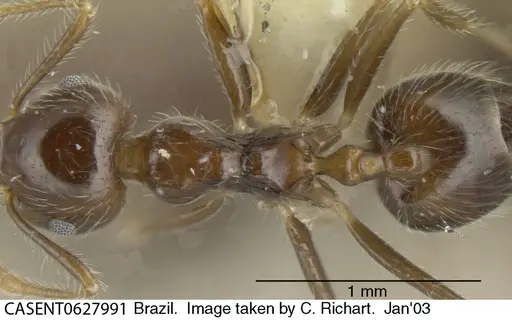
CASENT0649912
View on AntWeb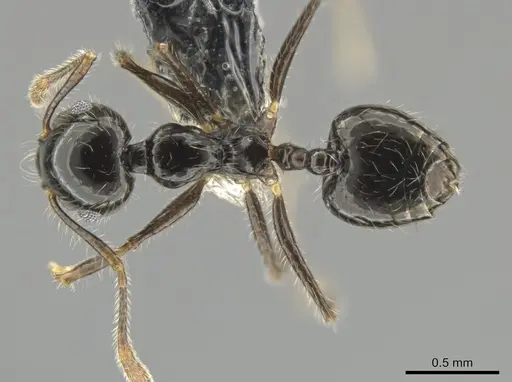
CASENT0902155
View on AntWeb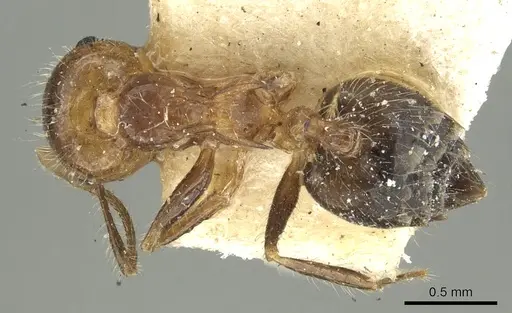
CASENT0902157
View on AntWeb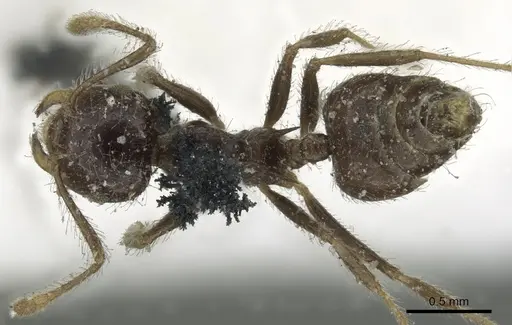
CASENT0908432
View on AntWeb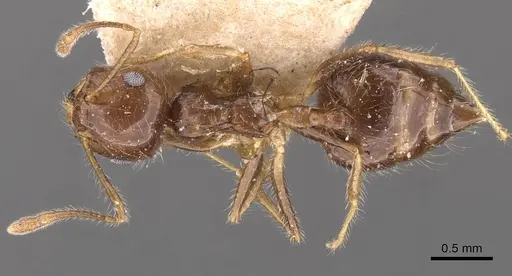
CASENT0908433
View on AntWeb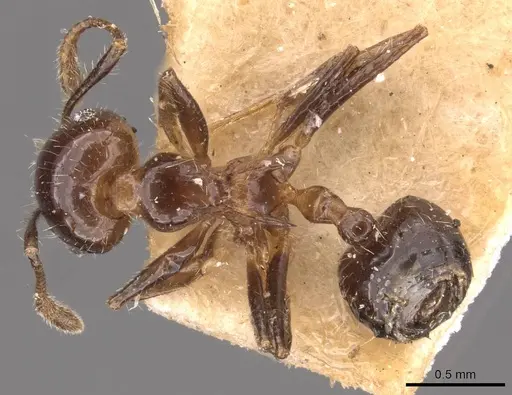
CASENT0914550
View on AntWeb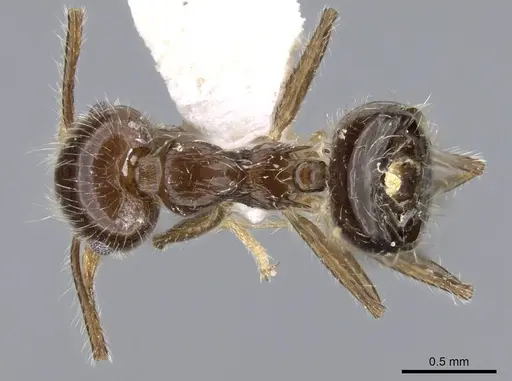
CASENT0914551
View on AntWeb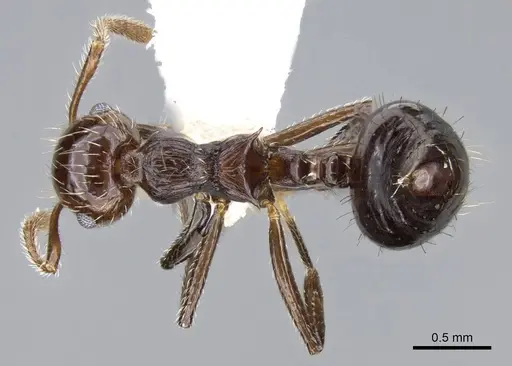
CASENT0916119
View on AntWeb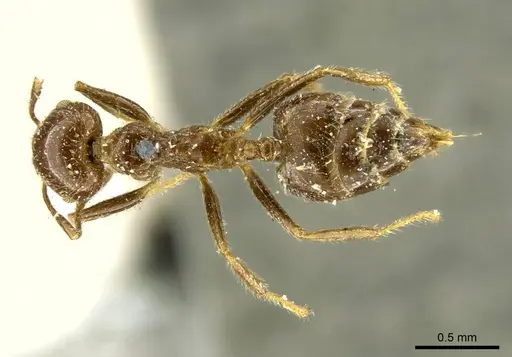
CBUMAGENT41935
View on AntWeb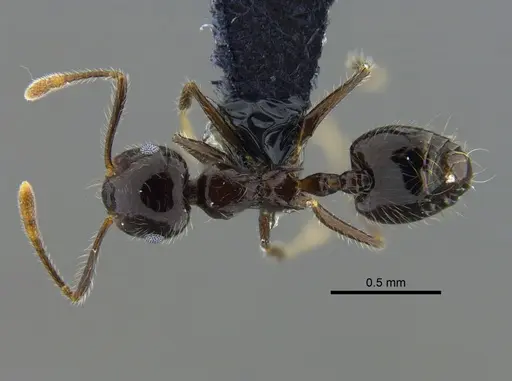
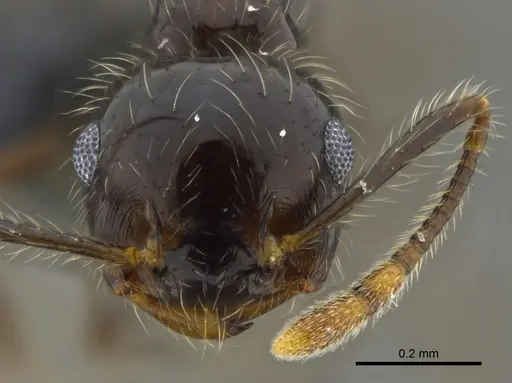
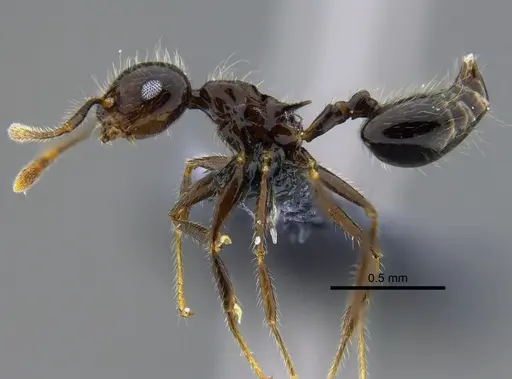
ECOFOG-IT14-0797-31
View on AntWeb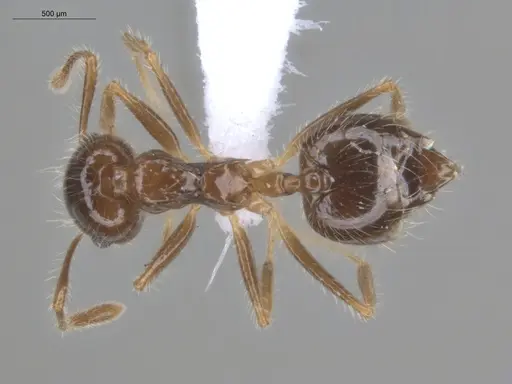
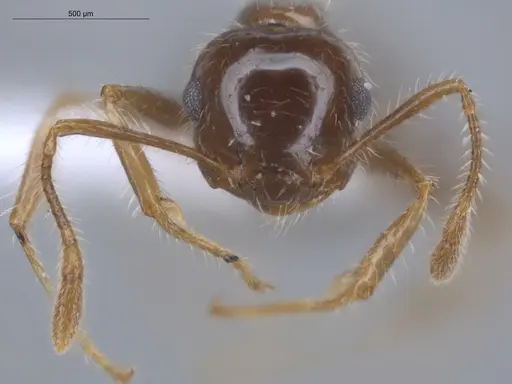
JTL055871
View on AntWeb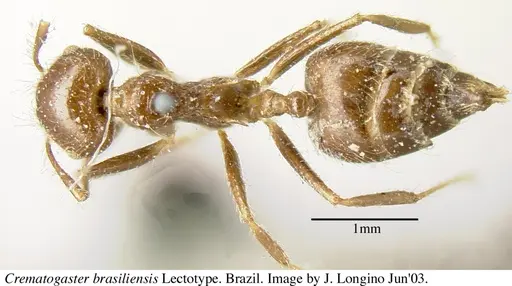
JTL669615
View on AntWeb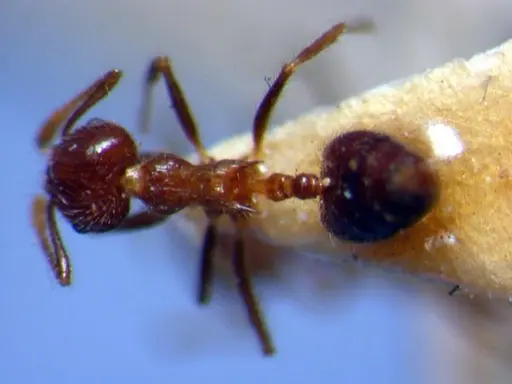
JTLC000001270
View on AntWeb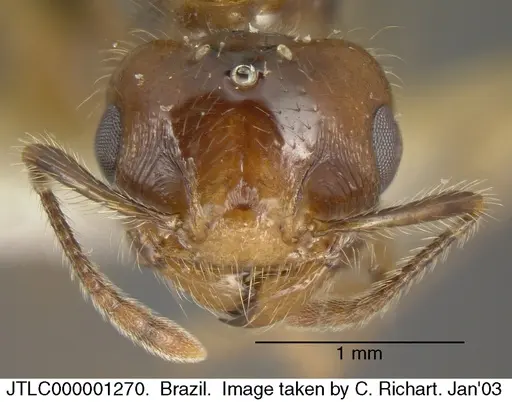
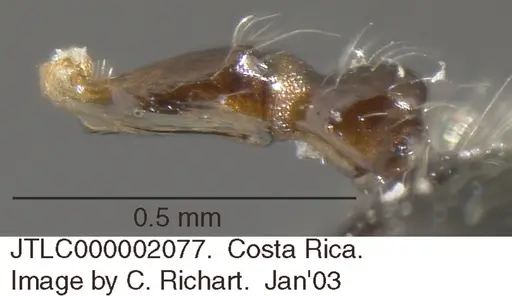
JTLC000002077
View on AntWeb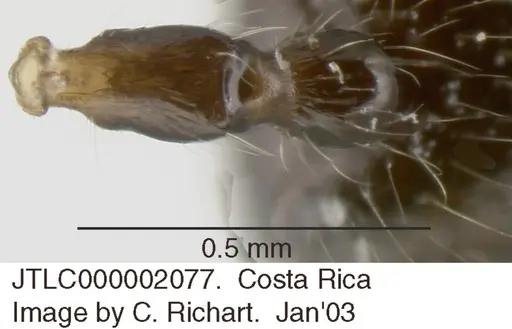
LACM-ENT-145093
View on AntWeb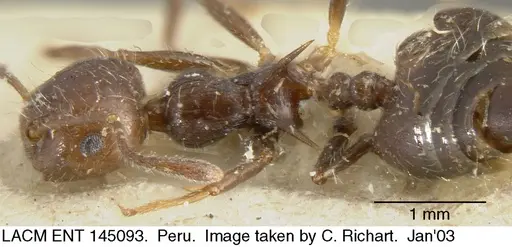
USNMENT00414119
View on AntWeb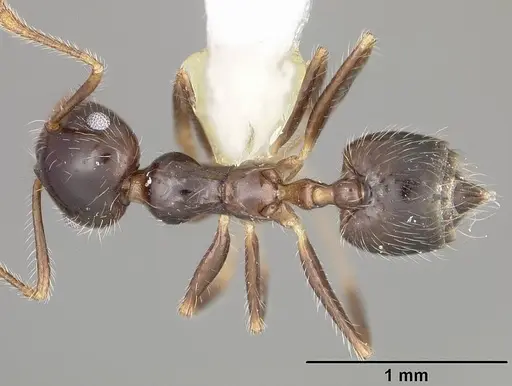
Literature
Loading distribution map...Loading products...