
Crematogaster angusticeps
- Sci. Name
- Crematogaster angusticeps
- Tribe
- Crematogastrini
- Subfamily
- Myrmicinae
- Author
- Santschi, 1911
- Distribution
- Found in 1 countries
Introduction
Crematogaster angusticeps is a small myrmicine ant described from Sikasso, Mali in 1911 by Santschi. The genus Crematogaster is known for their distinctive heart-shaped abdomen that workers can raise over their head like an acrobat's balance pole - hence the common name 'acrobat ants'. This species is found in the Afrotropical region, specifically documented in the Democratic Republic of Congo and Mali [AntWiki]. The queen was originally described from a specimen collected in southern Mali, with the species also recorded from the Congo region in subsequent decades . Very little specific biological data exists for this particular species. Crematogaster ants in general are arboreal or semi-arboreal nesters that often colonize dead wood, hollow stems, and spaces under bark. They are known for their defensive behavior - when threatened, workers raise their abdomen forward over their thorax and head, making them appear to be balancing on their head. This species belongs to the subgenus Sphaerocrema based on historical classification attempts [AntWiki].
Quick Summary
- Difficulty: Medium
- Origin & Habitat: Afrotropical region, documented in Democratic Republic of Congo and Mali. The type locality is Sikasso in southern Mali. Based on genus patterns, they likely inhabit savanna and forest edge environments where they nest in dead wood or under bark [1][2].
- Colony Type: Colony structure is unconfirmed for this species. Based on typical Crematogaster patterns, most species in this genus are monogyne (single queen), though ergatoid (wingless) replacement reproductives are known in some related species [1].
- Size & Growth:
- Queen: Approximately 6-7mm, inferred from the original queen description by Santschi (1911) [2]. Exact measurements are not specified in available literature.
- Worker: Size data unavailable, workers have not been described in scientific literature for this species.
- Colony: Colony size data unavailable for this species.
- Growth: Growth rate is unconfirmed, no development timing data exists for this species.
- Development: Development timeline is unconfirmed for this species. (No species-specific development data exists.)
- Antkeeping:
- Temperature: Keep at room temperature, roughly 22-26°C. Provide a gentle temperature gradient so ants can self-regulate. This follows typical Crematogaster care parameters.
- Humidity: Moderate humidity around 50-60%. These ants prefer drier conditions compared to many tropical species. Ensure the nest has some moisture but avoid waterlogging.
- Diapause: Diapause requirements are unconfirmed for this species. Many African Crematogaster do not require true hibernation but may have reduced activity during cooler dry seasons. Monitor colony behavior and reduce feeding if they become less active.
- Nesting: Based on genus patterns, provide a nest with dry to moderately moist substrate, Y-tong or plaster nests work well. They prefer tight chambers and will often nest in dead wood or cork bark if given the option. Avoid overly humid conditions.
- Behavior: Crematogaster ants are known for their acrobatic defensive display where workers raise their heart-shaped abdomen over their head. They are generally not aggressive but will defend the nest vigorously. Workers are small and fast-moving. They forage for honeydew, small insects, and nectar. Escape prevention should be moderate, while not the smallest ants, they are quick and can squeeze through small gaps. Use standard barrier methods like Fluon on test tube rims. They are not known for painful stings but may use their small stinger if handled roughly.
- Common Issues: limited data means care is based on genus patterns rather than species-specific research, queen may be difficult to obtain as the species is rarely kept in captivity, colony growth rate is unconfirmed so patience may be required, escape prevention needed despite moderate size, they are fast and can fit through small openings, wild-caught colonies may carry parasites or diseases from their native habitat
Nest Preferences
Crematogaster angusticeps likely prefers dry to moderately humid nesting conditions typical of the genus. In captivity, Y-tong (AAC) nests or plaster nests work well. Provide chambers scaled to their small size, tight passages help them feel secure. Many Crematogaster species do well with cork bark or dead wood sections as nesting material, simulating their natural arboreal or semi-arboreal habitats. Avoid overly humid conditions that can cause mold issues. A small water chamber for humidity is sufficient, they do not require the high moisture levels that some tropical species need.
Feeding and Diet
Like other Crematogaster species, C. angusticeps likely accepts a varied diet of sugars and proteins. Offer sugar water, honey, or diluted maple syrup as a constant sugar source. For protein, provide small insects like fruit flies, pinhead crickets, or mealworms. They are foragers that collect honeydew in the wild, so sweet liquids are readily accepted. Feed protein 2-3 times per week, and ensure sugar water is always available. Remove uneaten prey after 24 hours to prevent mold.
Temperature and Seasonal Care
Maintain temperatures around 22-26°C with a gentle gradient. Room temperature within this range is typically sufficient. A heating cable on one side of the nest can create a gradient if your room runs cool. Unlike temperate species, this African ant does not require hibernation, but may reduce activity during cooler periods. Monitor colony behavior, if workers become less active and cluster together, slightly reduce feeding. Avoid temperatures above 30°C or below 18°C for extended periods. Stable temperatures promote consistent brood development.
Behavior and Defense
The defining behavioral trait of Crematogaster is their acrobatic defense display. When threatened, workers raise their heart-shaped abdomen forward over their head and thorax, creating a distinctive appearance. They may also release a foul-smelling or irritating secretion from their abdomen as a chemical defense. This species is not particularly aggressive toward keepers but will defend the nest vigorously if disturbed. Workers are fast-moving and excellent foragers. They communicate through chemical trails and can recruit nestmates to food sources efficiently.
Frequently Asked Questions
How long does it take for Crematogaster angusticeps to produce first workers?
The exact timeline is unconfirmed for this species. Based on typical Crematogaster development, first workers may appear approximately 6-8 weeks after the queen lays her first eggs at room temperature (around 24°C), but this is an estimate based on genus patterns, not species-specific data.
What do Crematogaster angusticeps ants eat?
They likely accept standard ant foods: sugar water, honey, or maple syrup for carbohydrates, and small insects like fruit flies, pinhead crickets, or mealworms for protein. This follows typical Crematogaster diet patterns.
Can I keep multiple Crematogaster angusticeps queens together?
Not recommended. While some Crematogaster species can be polygynous, this is not documented for C. angusticeps, and combining unrelated queens typically leads to fighting. Keep only one queen per colony.
Do Crematogaster angusticeps ants sting?
They have a small stinger but are not considered dangerous to humans. Their primary defense is the acrobatic abdomen display and chemical secretions. They are not aggressive and rarely sting unless handled roughly.
What temperature do Crematogaster angusticeps need?
Keep them at room temperature, roughly 22-26°C. A gentle gradient is ideal so they can self-regulate. Avoid temperatures below 18°C or above 30°C.
Are Crematogaster angusticeps good for beginners?
This species is rated Medium difficulty primarily because very little species-specific care data exists. If you have experience with other Crematogaster species, this one should be manageable. Beginners may want to start with better-documented species first.
How big do Crematogaster angusticeps colonies get?
Colony size is unconfirmed for this species. Based on genus patterns, moderate-sized colonies of several hundred workers are typical for Crematogaster species.
Do Crematogaster angusticeps need hibernation?
No, as an African species from Mali and DRC, they do not require true hibernation. They may have reduced activity during cooler periods but should be kept at stable room temperature year-round.
What type of nest should I use for Crematogaster angusticeps?
Y-tong (AAC) or plaster nests work well. Provide moderately dry conditions with a small water chamber. Tight chambers scaled to their small size help them feel secure. Avoid overly humid setups.
Why do Crematogaster ants raise their abdomen over their head?
This is their signature defensive behavior, the heart-shaped abdomen can be raised forward over the thorax and head, making them appear to be balancing on their abdomen. This display, combined with potential chemical secretions, helps deter predators and threats to the colony.
Report an Issue
The current care sheet is based fully on literature. See inconsistencies, or something that's incorrect? Please , it will be resolved after review from an admin. Contributing to the blogs tab also helps providing information, to make us be able to further improve the caresheets. Thank you for your support!
References

This caresheet is licensed under CC BY-SA 4.0 .
Community Blogs
CASENT0912793
View on AntWeb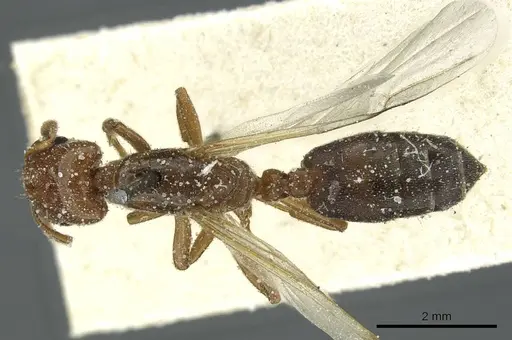
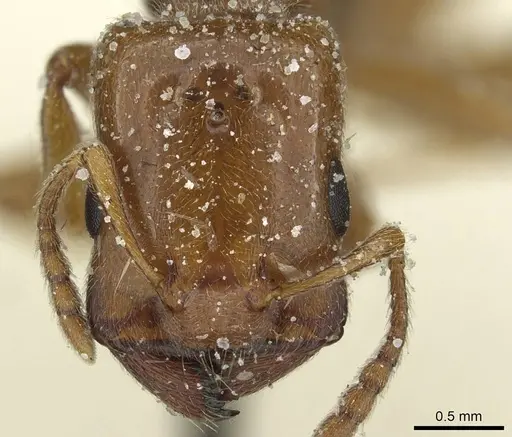
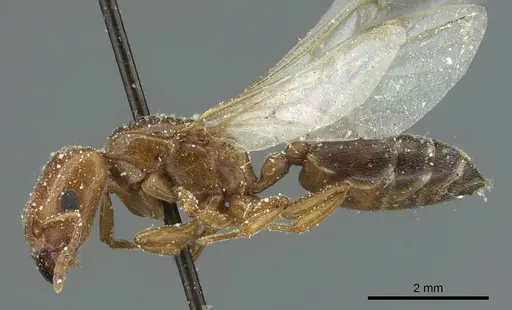
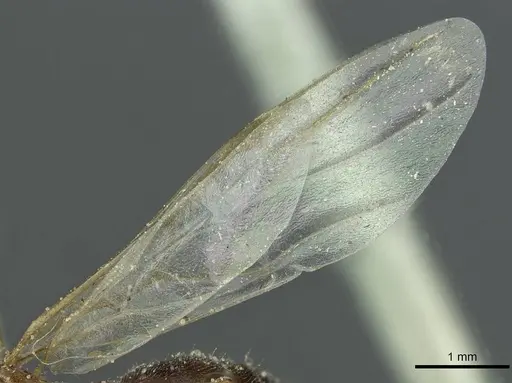
Literature
Loading distribution map...Loading products...