
Crematogaster ambigua
- Sci. Name
- Crematogaster ambigua
- Tribe
- Crematogastrini
- Subfamily
- Myrmicinae
- Author
- Santschi, 1926
- Distribution
- Found in 2 countries
Introduction
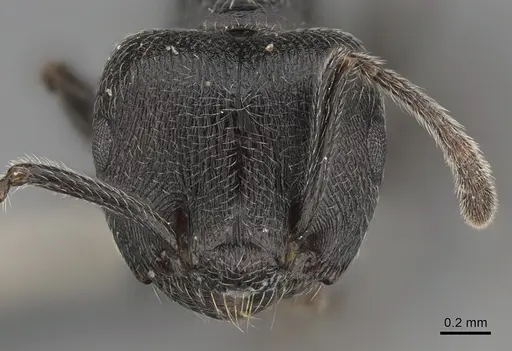
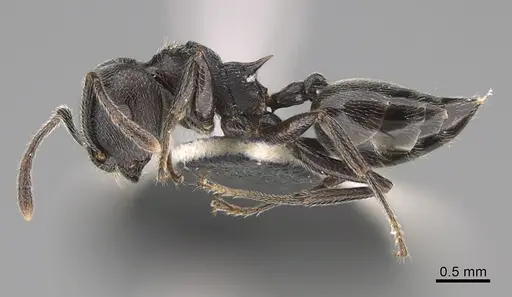
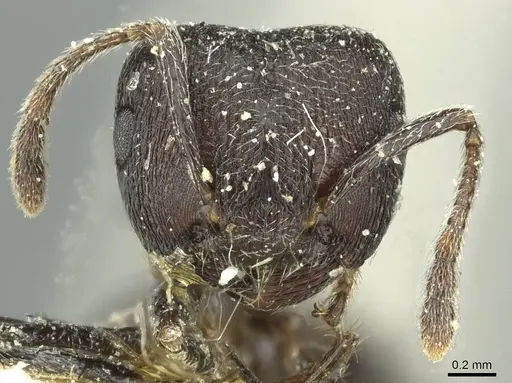
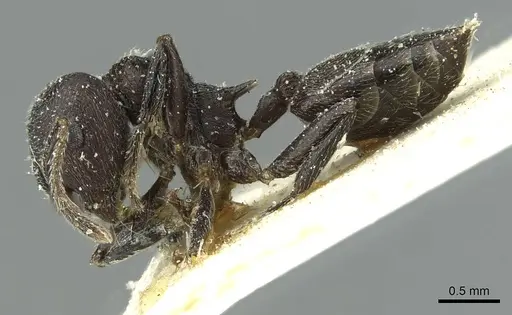
Crematogaster ambigua is a small arboreal ant from the tropical forests of the Democratic Republic of Congo. Workers are heart-shaped (like all Crematogaster), but their exact size has not been documented. This species nests in trees and forages aggressively, often monopolizing food sources and driving away other ants . Interestingly, they do not use gliding to escape falls, a common behavior in many other canopy ants .
Quick Summary
- Difficulty: Medium
- Origin & Habitat: Democratic Republic of Congo, central African tropical forests. This species is arboreal, nesting in trees [1][2][3].
- Colony Type: Colony structure is unconfirmed for this species. Based on typical Crematogaster patterns, likely single-queen (monogyne) colonies, but this is not verified.
- Size & Growth:
- Queen: Size data unavailable – no measurements have been published for queens of this species.
- Worker: Size data unavailable – no measurements have been published for workers of this species.
- Colony: Unknown – there are no reliable estimates for colony size of this species.
- Growth: Unknown – colony growth has not been studied. Likely moderate based on related arboreal Crematogaster, but unconfirmed.
- Development: Unknown – no documented development timeline exists for this species. An estimate from other Crematogaster would be 5–8 weeks at tropical temperatures, but this is speculative. (No research has measured development times for C. ambigua. All care guidelines are inferences from the genus level.)
- Antkeeping:
- Temperature: Keep warm and stable – this tropical species cannot tolerate cold. Ideally maintain temperatures around 24–28°C, but exact requirements are unknown. Use a heating cable on one side of the nest to create a gradient. Avoid temperatures below 20°C [1].
- Humidity: High humidity is essential. Keep the nest substrate consistently moist but not waterlogged. Aim for a humid environment with some ventilation – typical of tropical forest conditions. No precise percentages are documented.
- Diapause: No – being from equatorial Africa, this species does not need hibernation. Keep warm and active year-round.
- Nesting: This species lives in trees, so a vertical or elevated nest works best. Use Y-tong (AAC), plaster, or a soil nest that can hold moisture. Provide climbing surfaces like cork bark or branches in the outworld. Keep the nest humid but with some airflow [1][2].
- Behavior: This ant is an aggressive forager that quickly finds and defends food sources – it monopolizes baits and drives other ants away [2][3]. When threatened, it raises its heart-shaped abdomen and may smear venom using its reduced stinger (a typical Myrmicinae defense). It is not aggressive toward keepers but will defend its nest. Because workers are small, escape prevention is critical – use fine mesh barriers.
- Common Issues: tropical temperature sensitivity – cold drafts or prolonged temperatures below 20°C can kill the colony, small size makes escapes likely without fine mesh barriers (though exact worker size is unknown, most Crematogaster are tiny), high humidity requirements can cause mold if ventilation is not adequate, this species is understudied – many care guidelines are inferred from related species and may not be accurate, aggressive foraging may lead to rapid depletion of feeders – monitor food levels regularly
Housing and Nest Setup
Because Crematogaster ambigua nests in trees, your setup should be vertical or elevated. A Y-tong (AAC) or plaster nest works well – these materials hold moisture and can be arranged to offer a humid microclimate. Avoid acrylic nests, as they don't retain humidity. The nest should be kept consistently moist but not waterlogged. A water tube attached to the nest can help. Since workers are small (exact size unknown), use fine mesh or tight sealing on your outworld to prevent escapes. Add climbing opportunities like cork bark or small branches in the outworld – the ants will appreciate it [1][2].
Feeding and Diet
Like most Crematogaster, this species is a generalist. Offer sugar sources (honey water or sugar water) constantly. Provide small protein insects 2–3 times per week, such as fruit flies, small mealworms, or pinhead crickets. They are aggressive foragers and will quickly find and monopolize food [2][3]. Remove uneaten protein after 24 hours to prevent mold. Fresh water should always be available.
Temperature and Humidity
As a tropical species, keep the nest warm and stable. Aim for 24–28°C – use a heating cable placed on one side of the nest to create a gradient. Higher temperatures may speed development, but exact preferences are unstudied. Avoid temperatures below 20°C for long periods [1]. Humidity must be high. The nest substrate should feel damp but not wet. Use a water reservoir or occasional misting. Monitor for mold – some ventilation is needed. Because they are arboreal, they are used to airflow, so avoid completely sealed containers.
Behavior and Colony Dynamics
Crematogaster ambigua is an aggressive forager that monopolizes bait sites – they actively defend food against other ants [2][3]. Workers raise their heart-shaped abdomen when disturbed, a classic Crematogaster display. Their defense mechanism involves smearing venom with a modified stinger (subfamily Myrmicinae trait). They are not dangerous to keepers. Colony growth is unstudied but likely moderate. Foundress queens may be claustral, but this is not confirmed. Workers show some size variation (polymorphism) in many Crematogaster, but this has not been documented for C. ambigua.
Seasonal Care
No hibernation needed – maintain warm conditions year-round. If your home gets cold in winter, increase heating. Keep humidity consistent, as heating systems can dry the air. Monitor your colony: healthy ants should remain active throughout the year. No seasonal changes are required.
Frequently Asked Questions
How long does it take for Crematogaster ambigua to produce first workers?
This is not documented. Based on related Crematogaster species, it might take 5–8 weeks at warm temperatures (24–28°C), but that is only a guess. Actual development time for this species is unknown.
Can I keep Crematogaster ambigua in a test tube?
Yes, you can start a colony in a test tube setup for founding. Keep the tube humid and warm. Once the colony outgrows the tube (when you see many workers and the tube becomes crowded), move them to a proper nest like Y-tong or plaster that can hold moisture better. Use a water plug in the test tube as a reservoir.
Do Crematogaster ambigua ants sting?
They have a reduced stinger that they use to smear venom, not to stab. This is typical of the Crematogastrini tribe. The sting is not painful to humans. They may nip with mandibles if handled. They are not aggressive toward keepers but will defend their nest.
What do Crematogaster ambigua eat?
Generalist feeders. Provide constant access to sugar water or honey water, and offer small protein insects 2–3 times per week (fruit flies, small mealworms, cricket pieces). They aggressively forage and will quickly find food [2].
Are Crematogaster ambigua good for beginners?
They are of medium difficulty. Their need for tropical warmth and humidity makes them a bit more demanding than temperate ants. Also, because so little is known about this species, you may have to experiment. If you have experience keeping tropical ants, you should be fine. Fine escape prevention is a must due to their small size.
How big do Crematogaster ambigua colonies get?
There is no reliable data. Related arboreal Crematogaster can reach several hundred workers, but this is speculation. The colony size for this species is unknown.
Do Crematogaster ambigua need hibernation?
No – they are tropical and do not hibernate. Keep them warm (24–28°C) all year.
When should I move my colony to a formicarium?
Move them when the founding tube becomes crowded, typically when you have 20–50 workers and cleaning becomes difficult. Choose a nest that retains humidity well, like Y-tong or plaster. Ensure the new setup is warm and humid before moving.
Why is my Crematogaster ambigua colony dying?
Common causes: temperatures dropping below 20°C, humidity too low (desiccation), mold from over-wetting, or escapes. Check your temperature and humidity first. Also make sure ventilation is adequate to prevent mold. Remove uneaten food promptly.
Can I keep multiple queens together?
This has not been studied for this species. Most Crematogaster are thought to be monogyne (single queen), so it is not recommended to combine unrelated queens. If you find multiple queens in the wild (unlikely), they may be from the same colony, but this is undocumented.
Report an Issue
The current care sheet is based fully on literature. See inconsistencies, or something that's incorrect? Please , it will be resolved after review from an admin. Contributing to the blogs tab also helps providing information, to make us be able to further improve the caresheets. Thank you for your support!
References

This caresheet is licensed under CC BY-SA 4.0 .
Community Blogs
CASENT0170321
View on AntWeb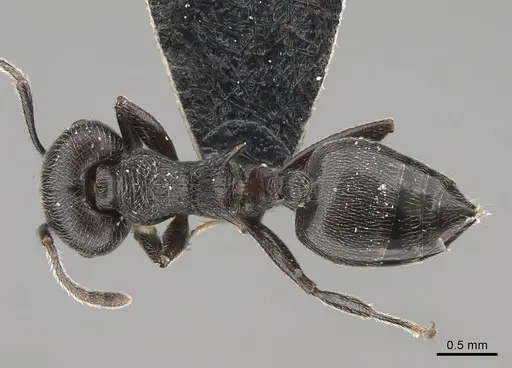
CASENT0912625
View on AntWeb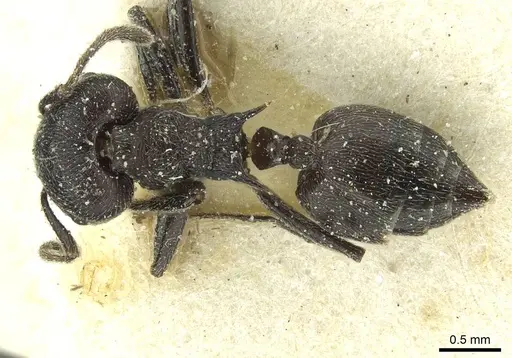
Literature
Loading distribution map...Loading products...