
Crematogaster agnetis
- Sci. Name
- Crematogaster agnetis
- Tribe
- Crematogastrini
- Subfamily
- Myrmicinae
- Author
- Forel, 1892
- Distribution
- Found in 1 countries
Introduction
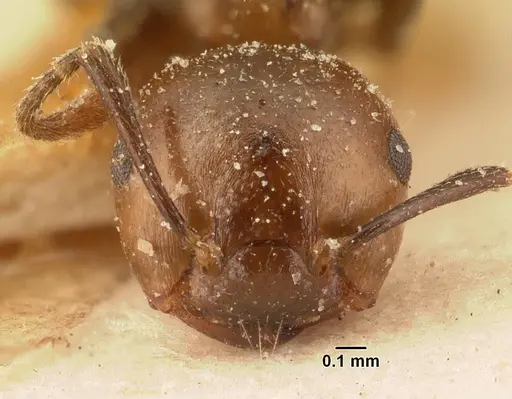
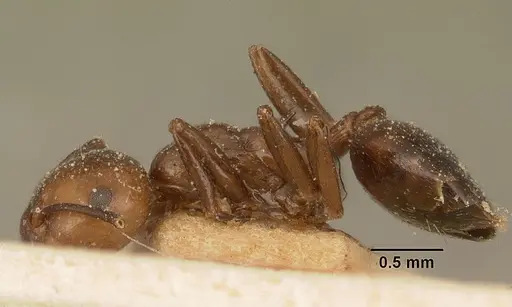
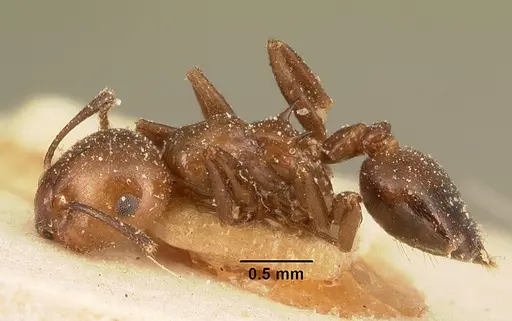
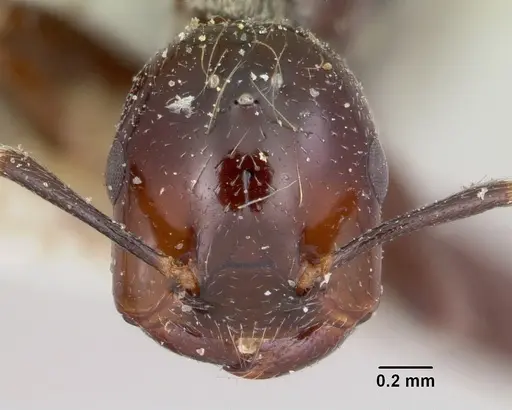
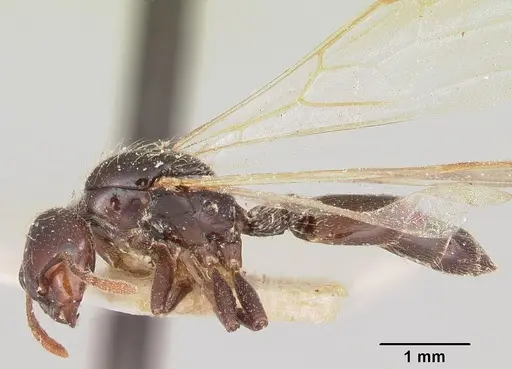
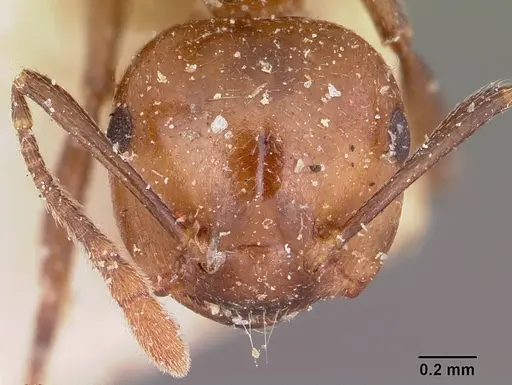
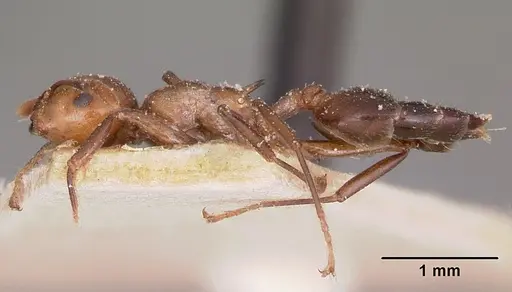
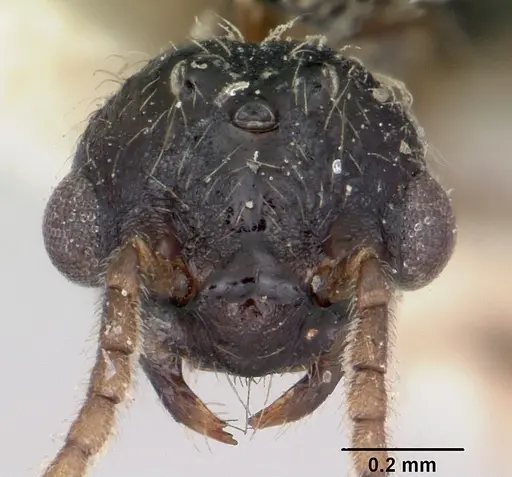
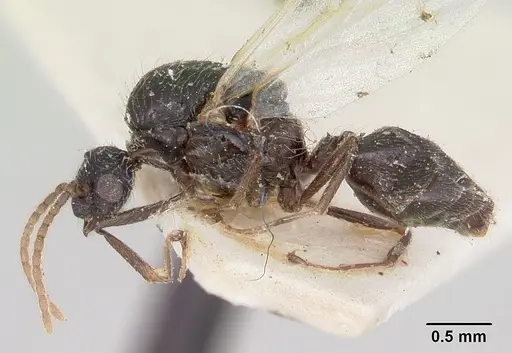
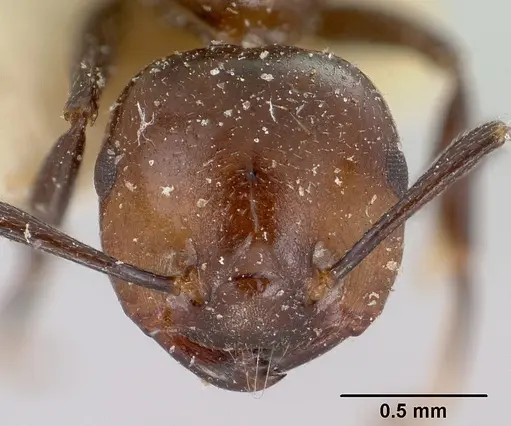
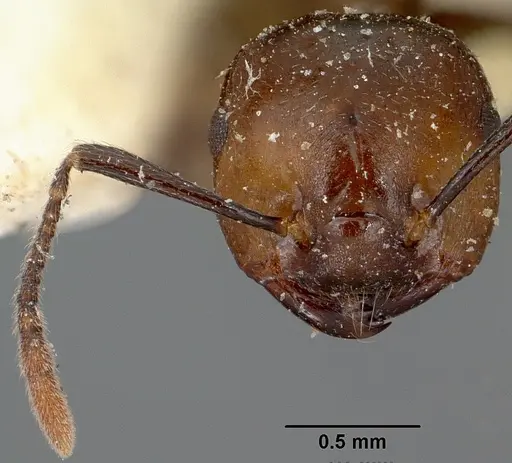
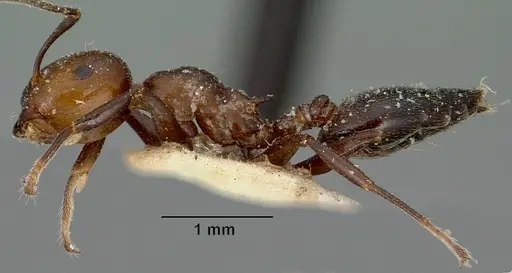
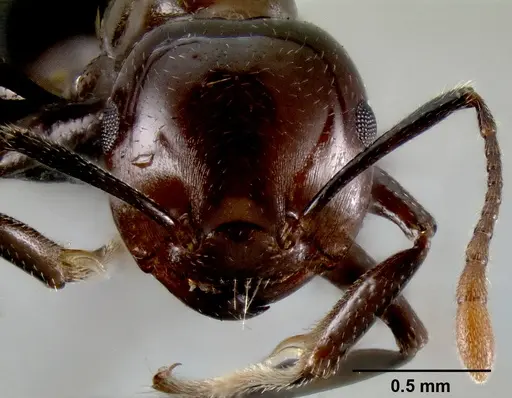
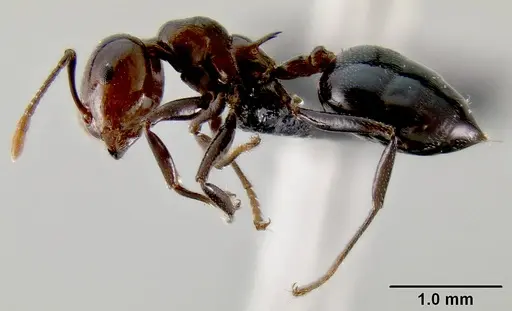
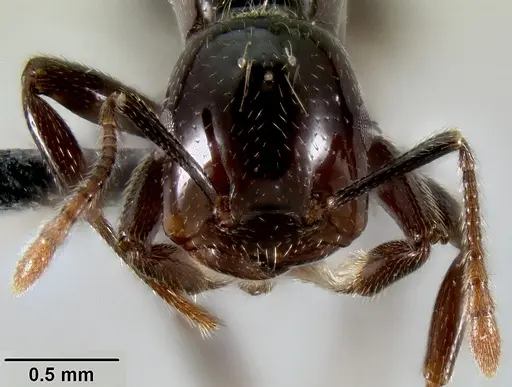
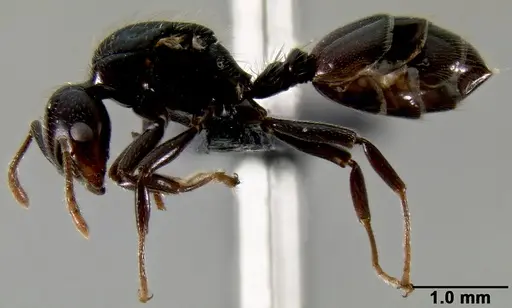
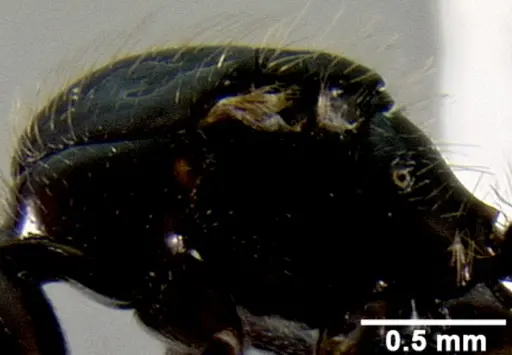
Crematogaster agnetis is a tiny arboreal ant species endemic to Madagascar, belonging to the Crematogaster ranavalonae group. Workers have shorter antennal scapes, aciculate head sculpture, and a distinct promesonotal suture, with mesonotum raised compared to pronotum and propodeum . Queens lack propodeal spines and have falcate mandibles with an enlarged apical tooth . Body size data is unavailable, as no total length measurements are provided in the literature. This species is found in low- and mid-elevation rainforests in northern and northwestern Madagascar, with an isolated record in southern littoral rainforest . They nest arboreally, probably building carton structures in dead twigs . Crematogaster agnetis is genetically distinct from the closely related C. ranavalonae clade, as shown in mitochondrial DNA analysis . As a tropical Malagasy species, they represent a unique challenge for keepers seeking to replicate their specific arboreal rainforest habitat.
Quick Summary
- Difficulty: Medium
- Origin & Habitat: Low- and mid-elevation rainforest in northern and northwestern Madagascar, with isolated record from littoral rainforest at Forêt de Petriky in the south [1]. Endemic to Madagascar.
- Colony Type: Colony structure is unconfirmed, no specific data on queen number or social structure [1].
- Size & Growth:
- Queen: Size data unavailable, no total length measurements provided in literature.
- Worker: Size data unavailable, no total length measurements provided in literature.
- Colony: Unknown, no colony size data available.
- Growth: Moderate, estimated based on tropical arboreal ant patterns.
- Development: Estimated 6-8 weeks based on typical Crematogaster development at tropical temperatures [1]. (Development timeline is estimated from genus-level patterns and tropical habitat conditions.)
- Antkeeping:
- Temperature: Keep warm and stable, roughly 24-28°C, based on their rainforest habitat [1].
- Humidity: Keep substrate consistently moist but not waterlogged, as they inhabit humid rainforests [1].
- Diapause: No, as a tropical species, they do not require hibernation [1].
- Nesting: Arboreal nesters that prefer small cavities in dead twigs or wood. In captivity, use Y-tong nests with narrow chambers scaled to their size. Provide dead twigs or cork bark as nesting material [1].
- Behavior: Workers are active and will defend their nest vigorously. They can secrete defensive chemicals from their gaster, a common trait in Crematogaster species. Escape prevention is critical due to their very small size, they can squeeze through tiny gaps. They are quick-moving and excellent climbers.
- Common Issues: escape prevention is critical due to their very small size, use fine mesh and tight-fitting lids., tropical humidity requirements can lead to mold issues if ventilation is poor., small colony size means they are vulnerable to disturbance, handle gently., arboreal nesting means they need vertical space and climbing structures., wild-caught colonies from Madagascar may carry parasites or diseases unfamiliar to captive ant populations.
Housing and Nest Setup
Crematogaster agnetis requires an arboreal-style setup that mimics their natural habitat in Madagascar rainforests. These tiny ants need small nest chambers, so use Y-tong nests with narrow passages scaled to their size. Include small dead twigs, cork bark, or similar materials in their outworld to satisfy their arboreal instincts. They may attempt to build small carton structures, so providing soft materials they can work with is beneficial. Place the nest in a vertical orientation rather than horizontal to reflect their tree-dwelling lifestyle. A small water tube should always be available, and the nest substrate should be kept consistently moist but not waterlogged [1].
Feeding and Diet
Like other Crematogaster species, C. agnetis is likely omnivorous. Offer a constant sugar source such as honey water or sugar water, and provide protein prey like small fruit flies or springtails. Feed protein 2-3 times per week, removing uneaten prey after 24 hours to prevent mold. Diet specifics are not detailed in available literature, but this aligns with typical Crematogaster feeding habits [2].
Temperature and Humidity Management
As a tropical species from Madagascar, C. agnetis requires warm and humid conditions. Maintain temperatures between 24-28°C with a gentle gradient, based on their rainforest habitat [1]. Humidity should be kept high by maintaining a moist substrate, but avoid waterlogging. Good ventilation is essential to prevent mold while maintaining humidity.
Behavior and Defense
Crematogaster agnetis workers are active and will defend their nest vigorously. They can secrete defensive chemicals from their gaster, a common trait in Crematogaster species. Workers are quick-moving and excellent climbers, which makes escape prevention particularly important due to their tiny size. Always use fine mesh on any openings and check for tiny gaps regularly.
Colony Development
The queen has distinctive falcate mandibles with an enlarged apical tooth and lacks propodeal spines, these are identifying features of the species [1]. Development from egg to worker is estimated at 6-8 weeks at optimal tropical temperatures, but this is based on genus-level patterns. Colonies probably grow slowly at first, then accelerate once the first workers are established.
Seasonal Care
Unlike temperate ant species, C. agnetis does not require a diapause or hibernation period. They come from Madagascar's tropical climate where temperatures remain warm year-round. Maintain consistent temperatures throughout the year, avoid any cooling for winter [1].
Frequently Asked Questions
How long does it take for Crematogaster agnetis to produce first workers?
Based on typical Crematogaster development, expect 6-8 weeks from egg to first worker at optimal temperatures (24-28°C). This is an estimate from genus-level patterns and tropical habitat conditions [1].
What size colony does Crematogaster agnetis reach?
Colony size is not well documented in available literature, so it is unknown [1].
Do Crematogaster agnetis ants sting?
Crematogaster ants can secrete formic acid and other defensive chemicals from their gaster when threatened. They are not known for painful stings like some other ants, but their defensive secretions can be irritating.
Can I keep Crematogaster agnetis in a test tube?
Test tubes can work for founding colonies, but due to their arboreal nature, they will do better in a small Y-tong nest with narrow chambers. If using test tubes, provide a vertical orientation and include small twigs or cork in the outworld for climbing [1].
What temperature do Crematogaster agnetis need?
Keep them at 24-28°C. These are tropical rainforest ants from Madagascar that need warm, stable conditions, based on their habitat [1].
Do Crematogaster agnetis need hibernation?
No. As a tropical species from Madagascar, they do not require hibernation or cooling periods [1].
What do Crematogaster agnetis eat?
They are likely omnivorous, offering sugar sources and protein prey like small insects. Specific diet details are not available in literature, but this aligns with typical Crematogaster habits [2].
Are Crematogaster agnetis good for beginners?
This species is rated as medium difficulty. Their small size, specific humidity requirements, and arboreal nature make them better suited for keepers with some experience [1].
Why are my Crematogaster agnetis escaping?
Their small size makes them excellent escape artists. Use fine mesh on all openings and check for tiny gaps regularly [1].
When should I move Crematogaster agnetis to a formicarium?
Move them when the colony becomes cramped in the test tube setup. For arboreal species, ensure the formicarium has vertical orientation options and small chambers scaled to their tiny size.
Report an Issue
The current care sheet is based fully on literature. See inconsistencies, or something that's incorrect? Please , it will be resolved after review from an admin. Contributing to the blogs tab also helps providing information, to make us be able to further improve the caresheets. Thank you for your support!
References

This caresheet is licensed under CC BY-SA 4.0 .
Community Blogs
CASENT0101161
View on AntWeb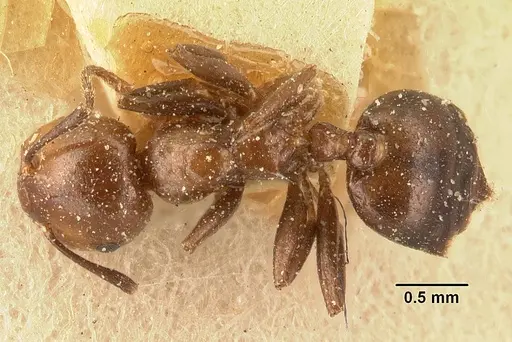
CASENT0101581
View on AntWeb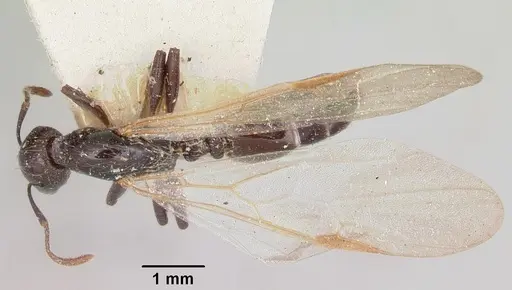
CASENT0101731
View on AntWeb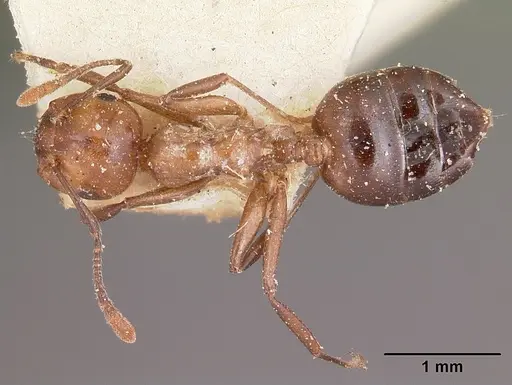
CASENT0101760
View on AntWeb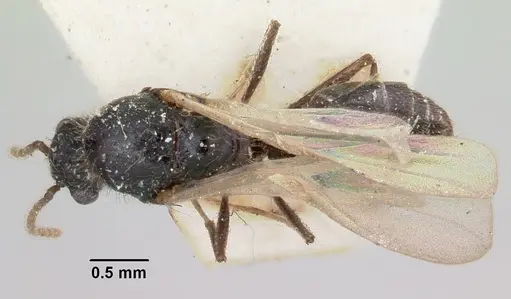
CASENT0101861
View on AntWeb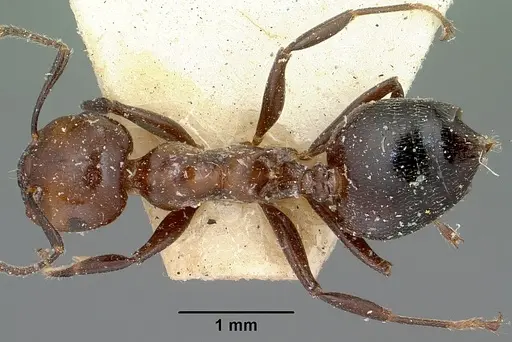
CASENT0107473
View on AntWeb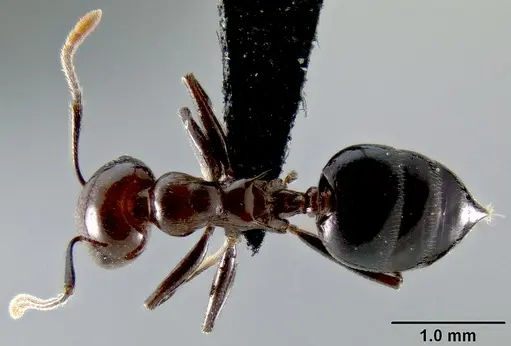
CASENT0112155
View on AntWeb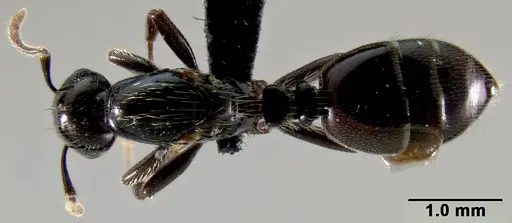
Literature
Loading distribution map...Loading products...