
Crematogaster africana
- Sci. Name
- Crematogaster africana
- Tribe
- Crematogastrini
- Subfamily
- Myrmicinae
- Author
- Mayr, 1895
- Distribution
- Found in 6 countries
Introduction
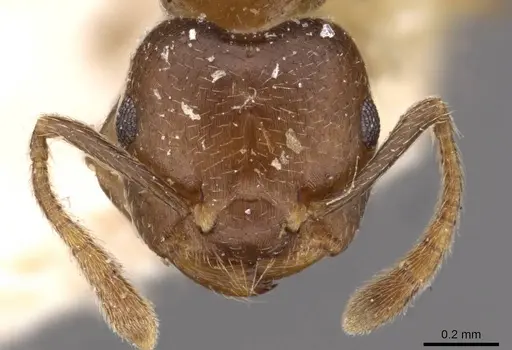
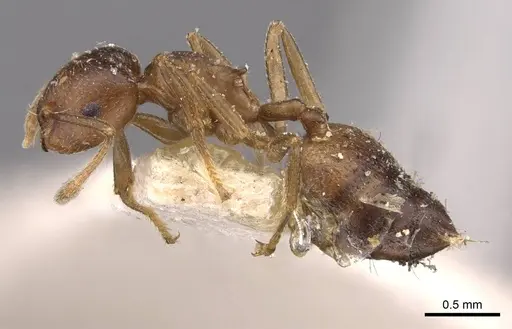
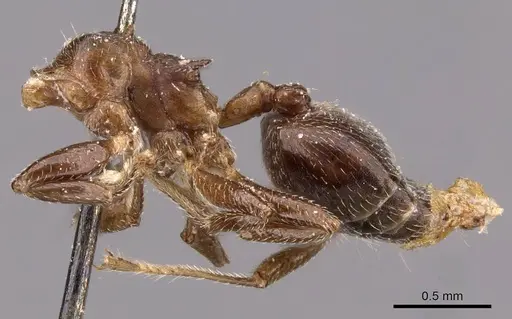
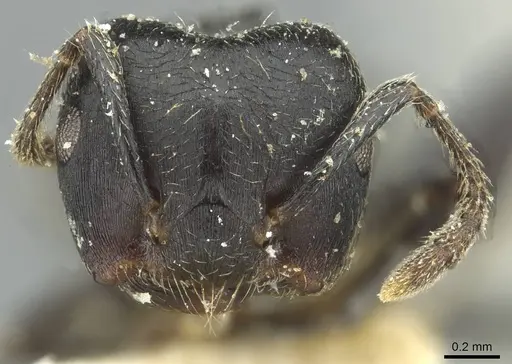
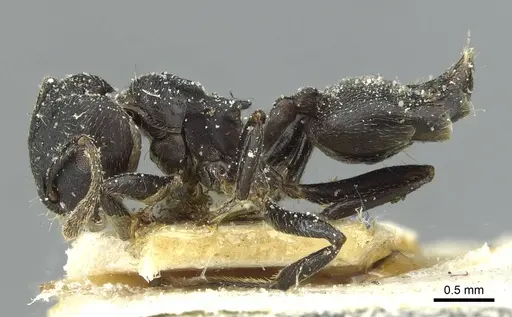
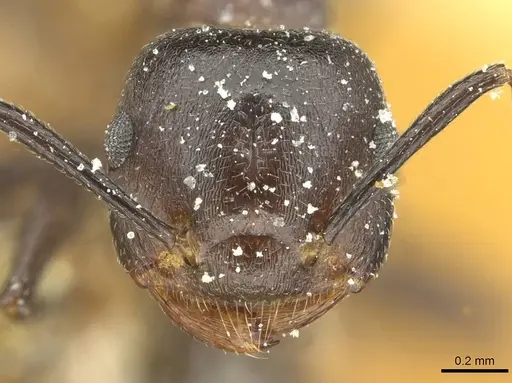
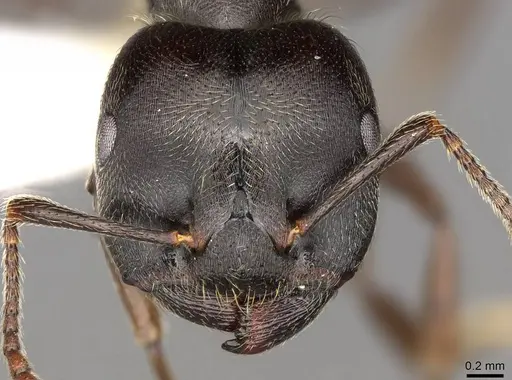
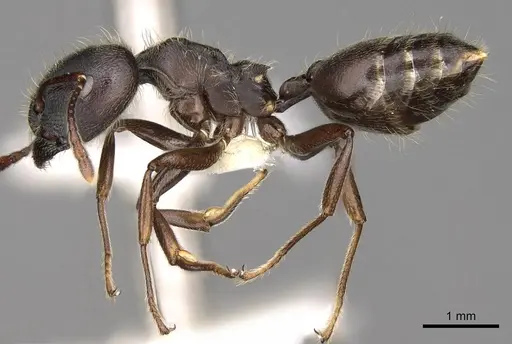
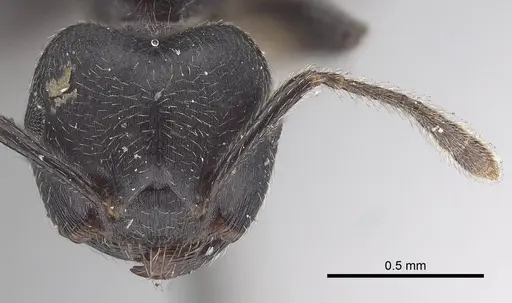
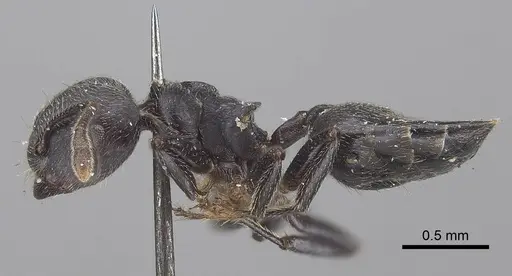
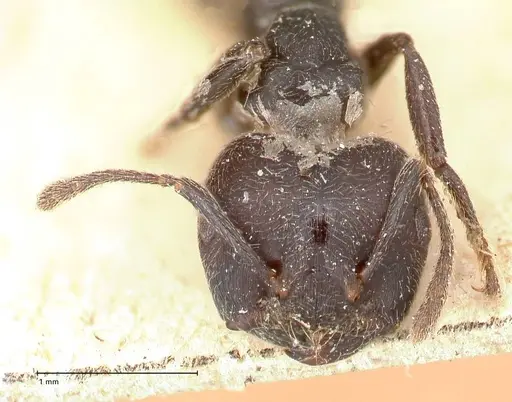
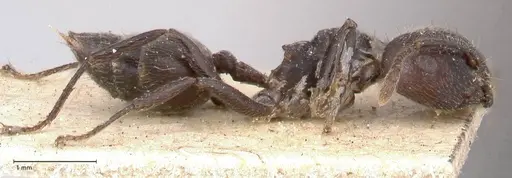
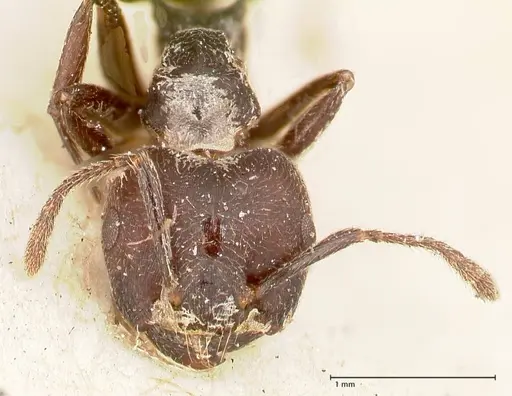
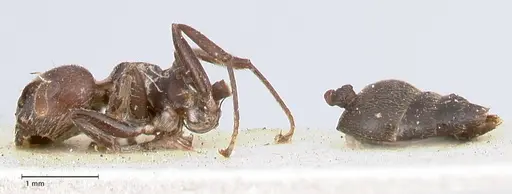
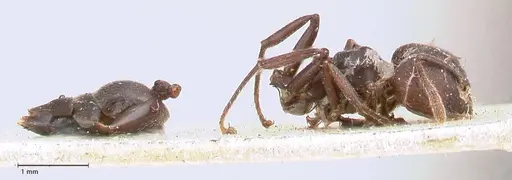
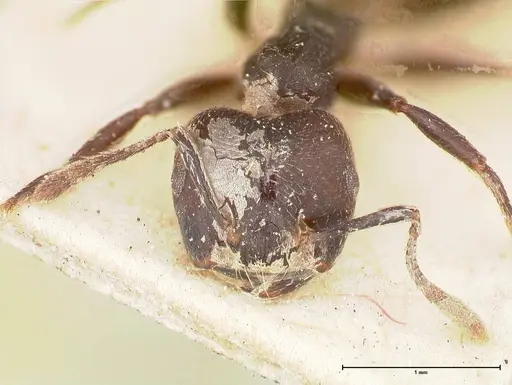
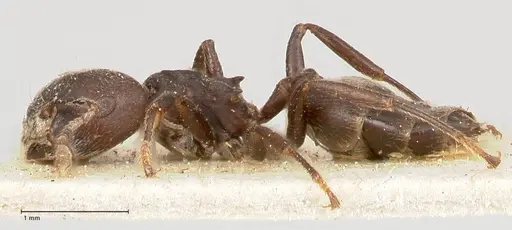
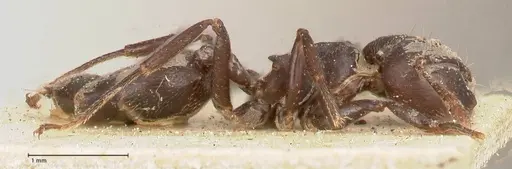
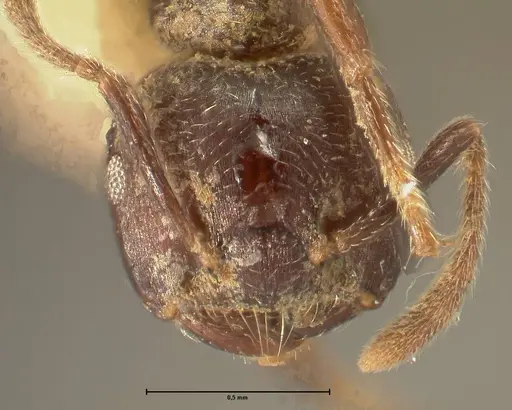
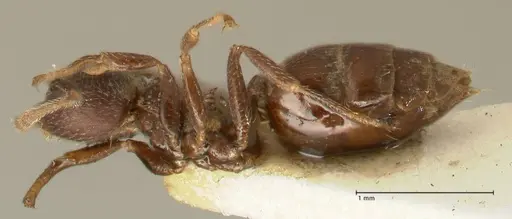
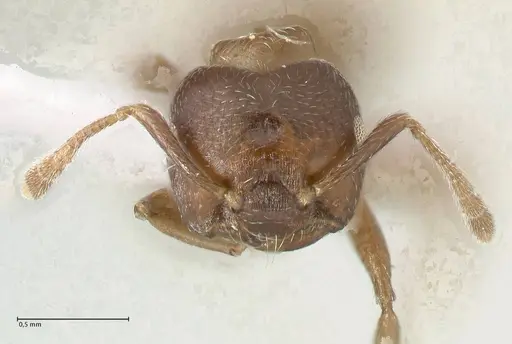
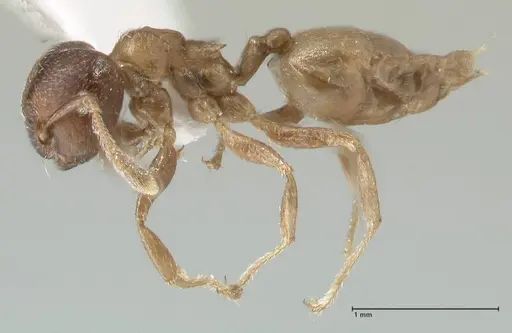
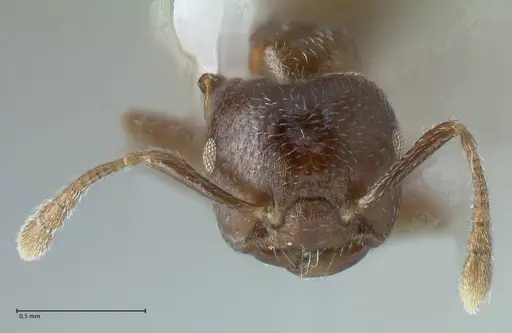
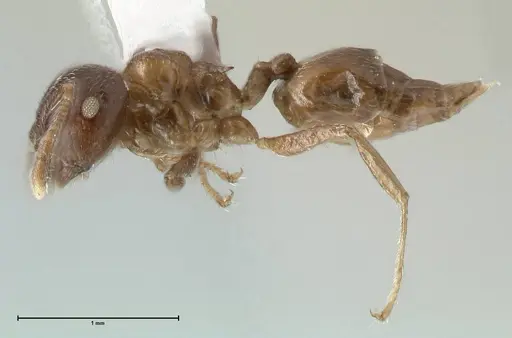
Crematogaster africana is a small arboreal ant species native to West Africa and the Congo Basin. Workers have the characteristic Crematogaster heart-shaped gaster that they raise when threatened. This species nests in large indigenous trees and forages in the canopy, making it a true arboreal ant. They are territorially dominant and aggressively monopolize food sources at baits. A notable behavior is their defoliating activity - workers attack the leaves, buds, and flowers of various plants, including cocoa trees .
Quick Summary
- Difficulty: Medium
- Origin & Habitat: West Africa and Congo Basin, found in Benin, Cameroon, Democratic Republic of Congo, Equatorial Guinea, Ghana, Guinea, Kenya, Nigeria. They inhabit large indigenous trees in tropical forest regions and forest-savanna mosaics [5][1].
- Colony Type: Colony structure is not well-documented. As an arboreal species, colonies are typically housed in tree hollows or under bark.
- Size & Growth:
- Queen: size data unavailable
- Worker: size data unavailable
- Colony: Likely several hundred workers based on typical arboreal Crematogaster colonies
- Growth: Moderate
- Development: Estimated 6-8 weeks based on typical Myrmicinae development at tropical temperatures (Development time is estimated based on genus patterns, no specific study found for this species)
- Antkeeping:
- Temperature: Keep at 24-28°C, these are tropical arboreal ants from West Africa. A slight gradient allowing warmer and cooler zones is recommended [1].
- Humidity: Moderate to high humidity (60-80%). As an arboreal species, they need moisture but also good ventilation to prevent mold in their nest area.
- Diapause: No, this is a tropical species that does not require hibernation. They remain active year-round in their native habitat [1].
- Nesting: Arboreal nesting, they naturally nest in tree hollows and under bark. In captivity, they do well in vertical setups like Y-tong (AAC) nests or naturalistic setups with cork bark and branches. They need climbing structures and vertical space to mimic their canopy lifestyle [1][2].
- Behavior: These ants are territorially dominant and aggressive. Workers will actively monopolize food sources and defend them vigorously. When threatened, they raise their heart-shaped gaster and may bite. Their defense mechanism involves smearing venom onto enemies using their modified stinger. Workers occasionally drop or jump from tree branches when disturbed, this is a defensive response rather than gliding [2]. They have a mutualistic relationship with aphids and scale insects, tending them for honeydew. Workers also act as predators and scavengers [6]. Escape prevention is important as they are agile climbers.
- Common Issues: tropical species may struggle in cooler rooms without heating, aggressive behavior can make them difficult to handle during transfers, arboreal nature requires vertical nest space which some keepers overlook, colonies may defoliate live plants in their enclosure, small size means escape prevention must be adequate
Nest Preferences and Housing
Crematogaster africana is an arboreal species that naturally nests in tree hollows, under bark, and in woody debris in the canopy. In captivity, they need vertical space and climbing opportunities. Y-tong (AAC) nests work well because they provide smooth walls for climbing and can be oriented vertically. For a naturalistic approach, use cork bark, branches, and other vertical structures. The key is providing climbing surfaces, these ants rarely walk on flat horizontal surfaces and prefer to traverse vertical terrain. Ensure the nest has multiple chambers connected by passages, as they like to distribute brood across different areas. A small outworld with branches or mesh climbing walls allows them to forage naturally. [1][2]
Feeding and Diet
In the wild, Crematogaster africana workers are predators and scavengers, and they also tend aphids and scale insects for honeydew. They have been observed attacking cocoa trees, particularly the flowers, and in Cameroon they gnaw the skin of cacao fruit [4][3]. In captivity, offer a varied diet: protein sources like small insects (fruit flies, small crickets, mealworms), and sugar sources such as honey water or sugar water. They will also accept honeydew substitutes. Feed protein 2-3 times per week and keep sugar water available constantly. Because they are arboreal foragers, place food on elevated surfaces or platforms in the outworld rather than on the floor. Remove uneaten prey after 24 hours to prevent mold.
Temperature and Humidity
As a tropical West African species, Crematogaster africana needs warm conditions. Keep the nest area at 24-28°C. Room temperature may be sufficient in warm climates, but in cooler environments use a heating cable on one side of the nest to create a gentle gradient. Place the heating element on top of the nest to avoid evaporating moisture too quickly. For humidity, aim for 60-80%. Arboreal ants typically experience more variable humidity than ground-nesting species, but the nest should still have some moisture. Use a water tube or small reservoir for humidity and mist occasionally. Good ventilation is important to prevent mold while maintaining humidity. Monitor condensation, if excessive, increase ventilation, if absent, add moisture. [1]
Behavior and Temperament
This species is territorially dominant and behaviorally aggressive. In studies of arboreal ant communities, Crematogaster species generally monopolized baits and were aggressive toward competitors [7]. Workers will raise their characteristic heart-shaped gaster when threatened, this is a warning display. They can bite, and like all Crematogaster species they have a modified stinger used to smear venom onto enemies rather than pierce flesh. A unique defensive behavior observed in this species is voluntary dropping, when threatened or alarmed, workers will drop or jump from tree branches rather than attempting to escape by gliding [2]. They are active foragers and will explore their territory thoroughly. These ants are excellent climbers and can scale most surfaces, so escape prevention is important. They also tend mutualistic relationships with aphids and scale insects, so you may observe them attending to such insects if present in their enclosure.
Growth and Development
Specific development timelines for Crematogaster africana have not been documented in scientific literature. Based on typical Myrmicinae development patterns at tropical temperatures (24-28°C), expect approximately 6-8 weeks from egg to first worker. The first workers (nanitics) will likely be smaller than normal workers. Colony growth is moderate, arboreal colonies typically remain smaller than ground-nesting species, often reaching several hundred workers rather than thousands. Growth rate depends on temperature, feeding frequency, and queen egg-laying rate. Avoid disturbing the queen during the founding stage. Once workers emerge, colony development typically accelerates as more foragers become available to bring food back to the colony.
Frequently Asked Questions
Can I keep Crematogaster africana in a test tube?
Test tubes are not ideal for this arboreal species. They need vertical space and climbing structures to feel secure. A Y-tong (AAC) nest or naturalistic setup with cork bark and branches is much better suited to their natural arboreal lifestyle.
How long does it take for Crematogaster africana to produce first workers?
Specific data is not available for this species, but based on typical Myrmicinae development at tropical temperatures, expect approximately 6-8 weeks from egg to first worker. This is an estimate based on genus patterns rather than direct observation.
Do Crematogaster africana ants sting?
They can bite, and like all Crematogaster species they have a modified stinger used to smear venom onto enemies. However, due to their small size, the stinger typically cannot penetrate human skin effectively. Their primary defense is raising their heart-shaped gaster as a warning display and biting.
What do Crematogaster africana ants eat?
They are predators and scavengers that also tend aphids for honeydew. In captivity, feed small insects (fruit flies, small crickets, mealworms) as protein and provide sugar water or honey constantly. They may also accept honeydew substitutes.
Are Crematogaster africana good for beginners?
This species is rated as medium difficulty. They are more challenging than common ground-nesting species because they need arboreal-style housing with vertical space and climbing structures. They also need warm, tropical temperatures year-round.
Do Crematogaster africana need hibernation?
No, they do not need hibernation. As a tropical species from West Africa, they remain active year-round and should be kept warm (24-28°C) throughout the year.
Why are my Crematogaster africana dying?
Common causes include: temperatures below 24°C (tropical species suffer in cool conditions), low humidity, improper nesting setup without vertical space, or insufficient food. Also check for escape routes, they are excellent climbers. Wild-caught colonies may carry parasites that can cause colony decline.
When should I move Crematogaster africana to a formicarium?
Move them when the colony reaches several dozen workers and the test tube or founding setup becomes cramped. For arboreal species, ensure the formicarium provides vertical chambers and climbing opportunities. They do well in Y-tong nests with multiple connected chambers.
How big do Crematogaster africana colonies get?
Specific colony size data is not documented, but arboreal Crematogaster colonies typically reach several hundred workers. They remain smaller than many ground-nesting species due to their arboreal nesting habits.
Can I keep multiple Crematogaster africana queens together?
The colony structure of this species has not been documented in scientific literature. Combining unrelated queens is not recommended as aggressive interactions are likely. It is best to house each queen separately until the colony is established.
Report an Issue
The current care sheet is based fully on literature. See inconsistencies, or something that's incorrect? Please , it will be resolved after review from an admin. Contributing to the blogs tab also helps providing information, to make us be able to further improve the caresheets. Thank you for your support!
References

This caresheet is licensed under CC BY-SA 4.0 .
Community Blogs
CASENT0170327
View on AntWeb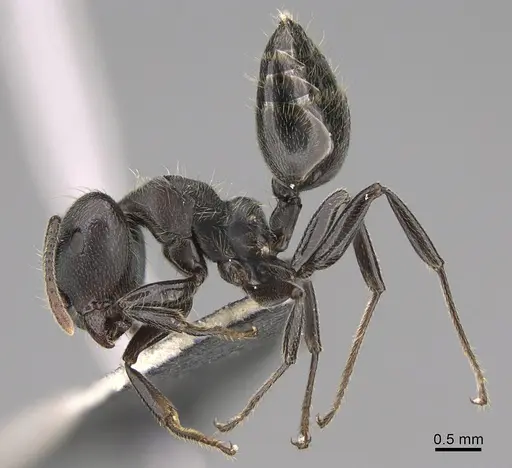
CASENT0908617
View on AntWeb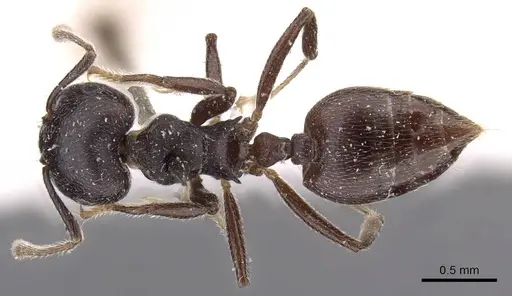
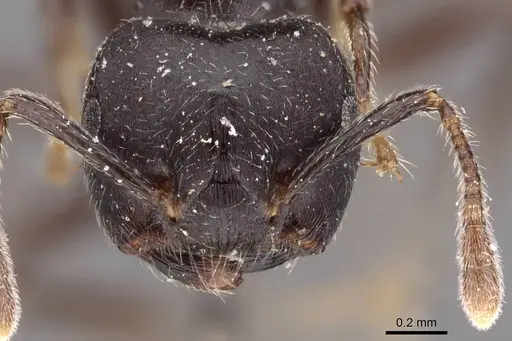
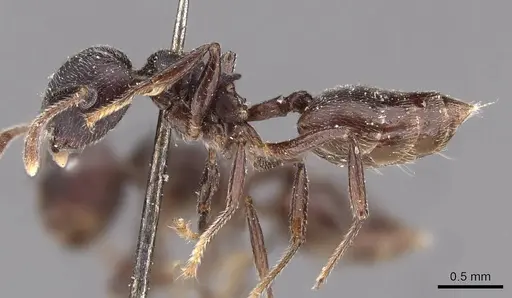
CASENT0908618
View on AntWeb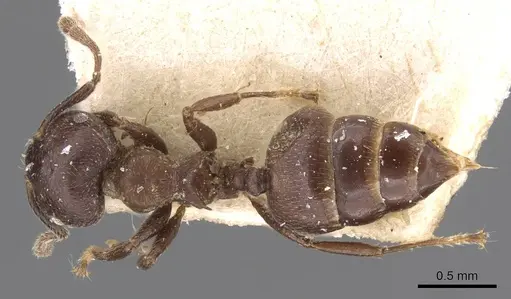
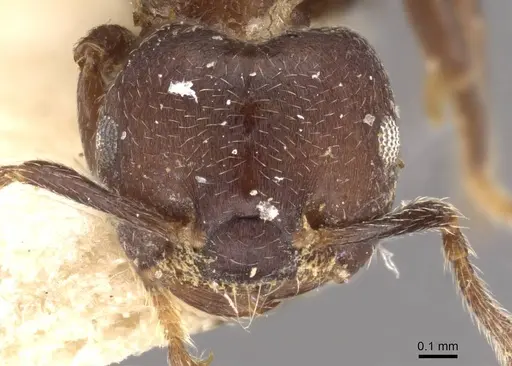
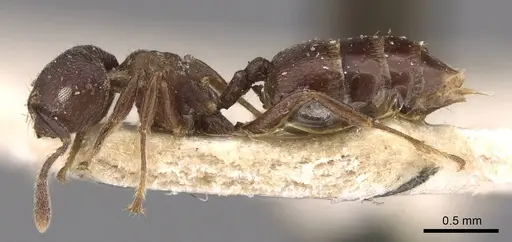
CASENT0908619
View on AntWeb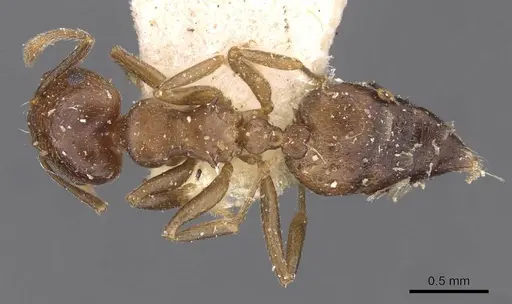
CASENT0908620
View on AntWeb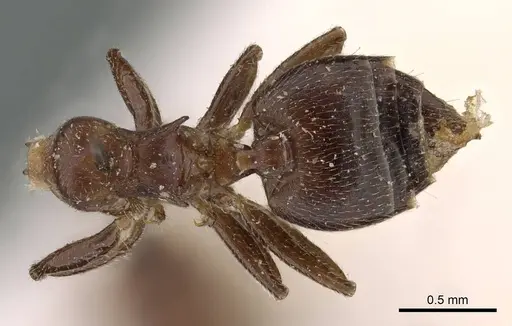
CASENT0908628
View on AntWeb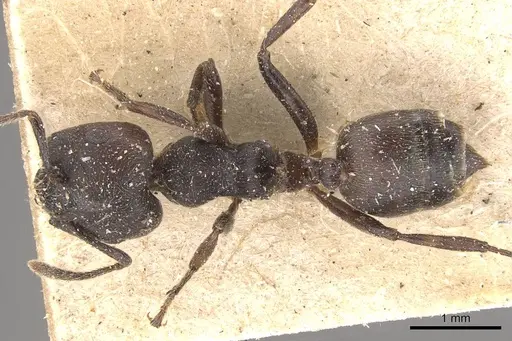
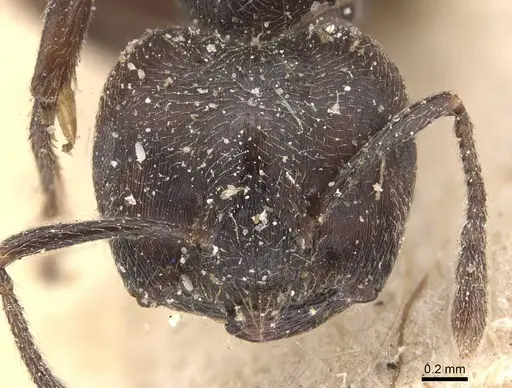
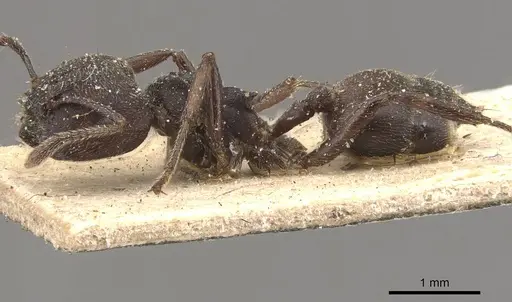
CASENT0912622
View on AntWeb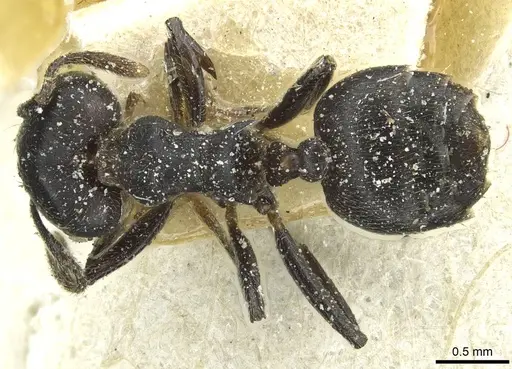
CASENT0912623
View on AntWeb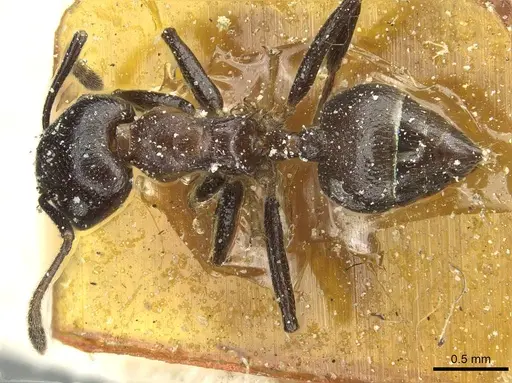
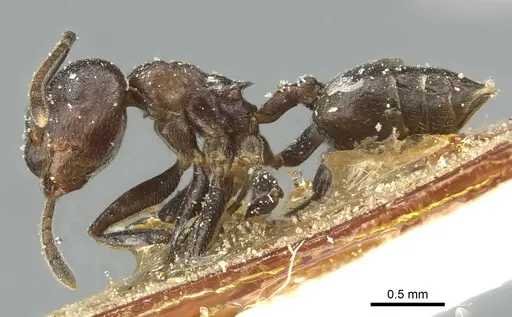
CASENT0912624
View on AntWeb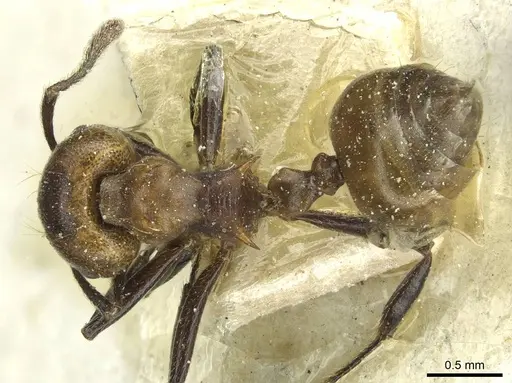
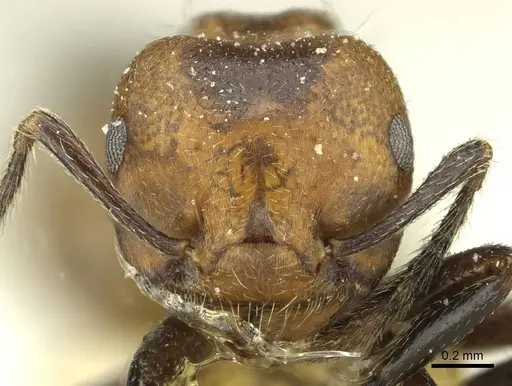
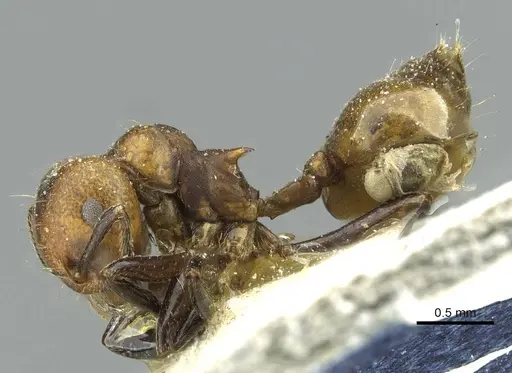
CASENT0914284
View on AntWeb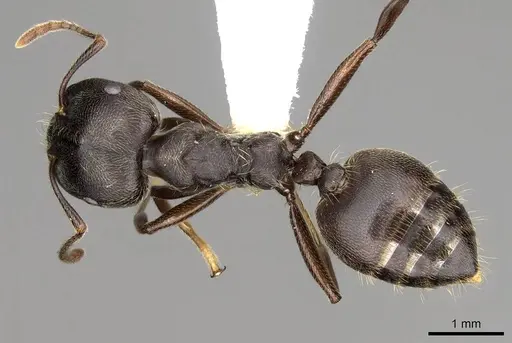
CASENT0919658
View on AntWeb
CASENT0919659
View on AntWeb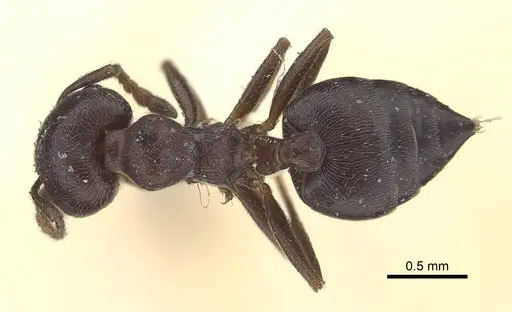
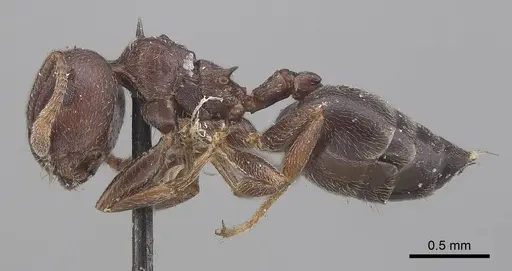
CASENT0919660
View on AntWeb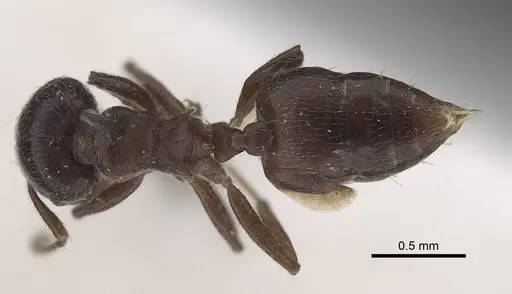
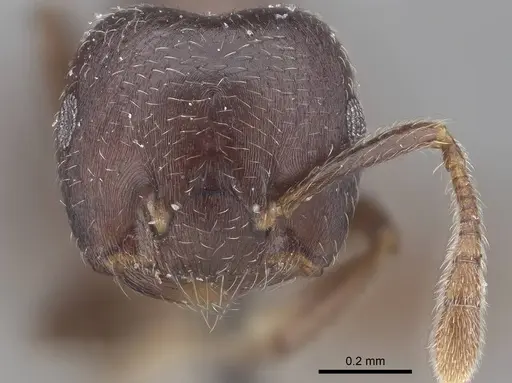
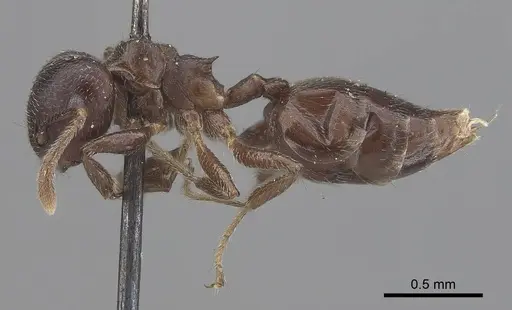
FOCOL0648
View on AntWeb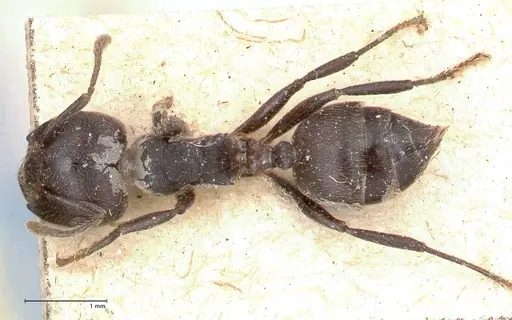
FOCOL0649-1
View on AntWeb
FOCOL0649-2
View on AntWeb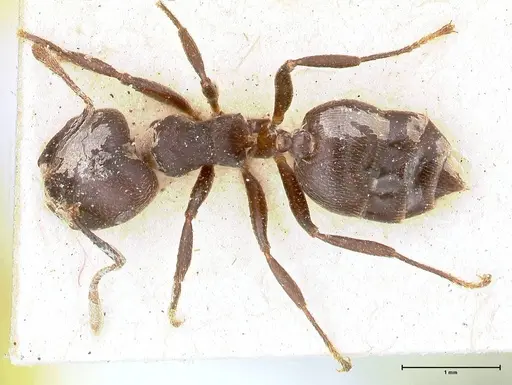
FOCOL1434
View on AntWeb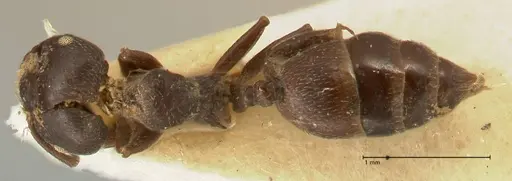
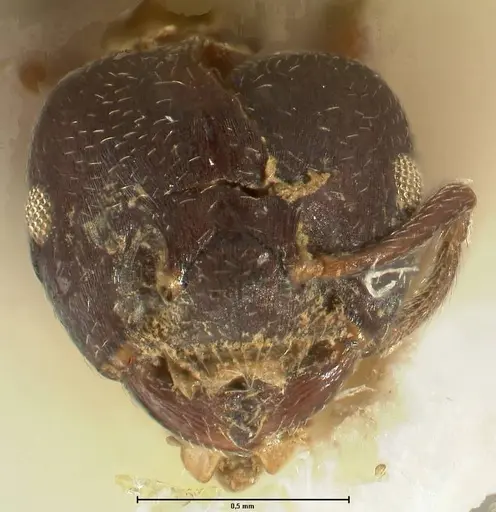
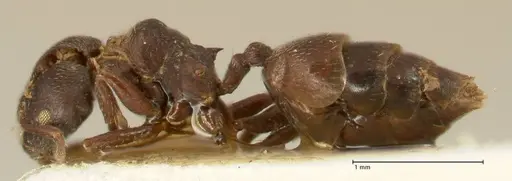
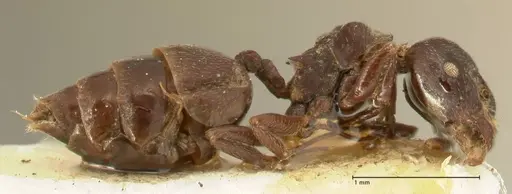
FOCOL1435
View on AntWeb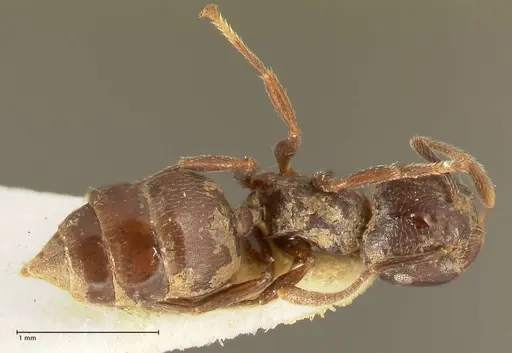
FOCOL1791-1
View on AntWeb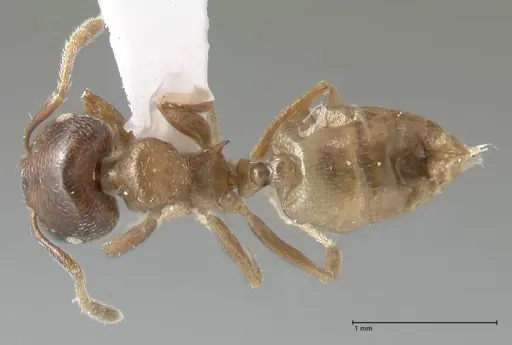
FOCOL1791-2
View on AntWeb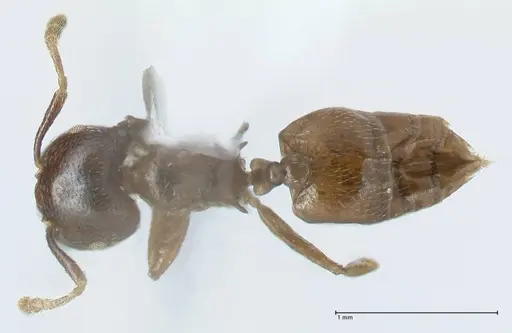
Literature
Loading distribution map...Loading products...