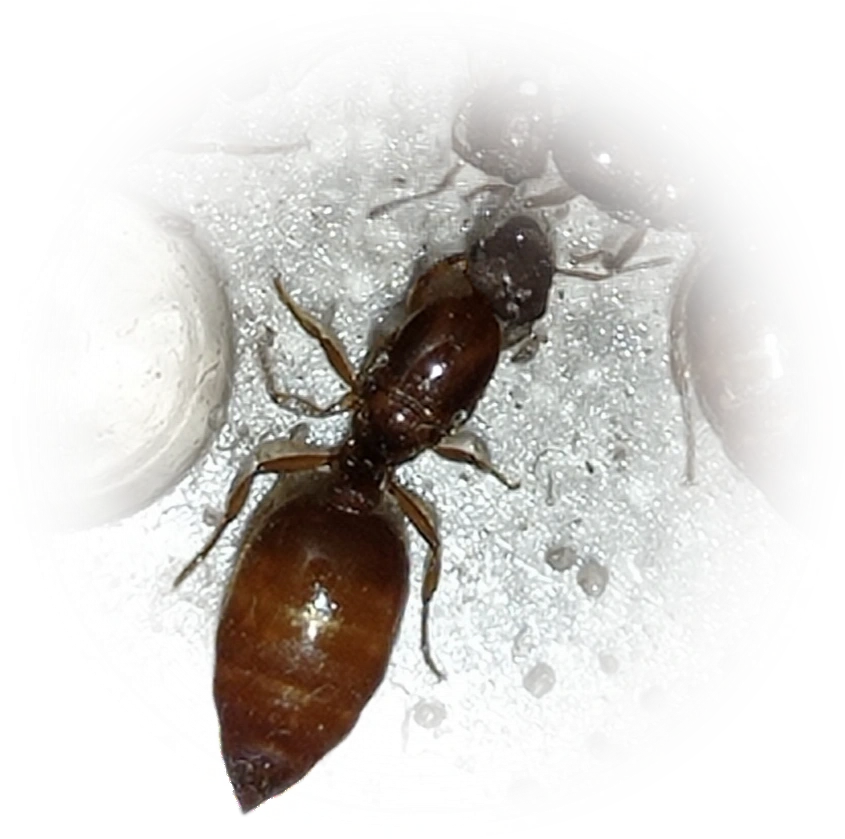
Crematogaster abstinens
- Sci. Name
- Crematogaster abstinens
- Subgenus
- Orthocrema
- Tribe
- Crematogastrini
- Subfamily
- Myrmicinae
- Author
- Forel, 1899
- Distribution
- Found in 3 countries
Introduction
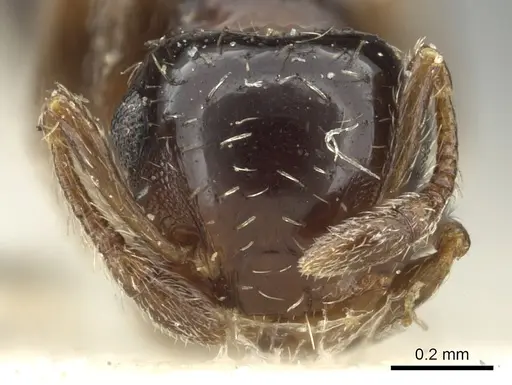
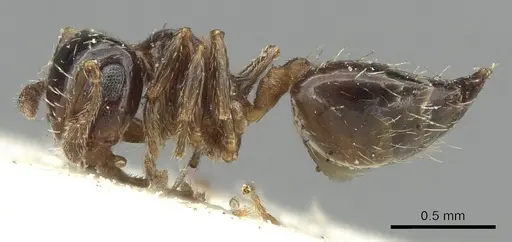
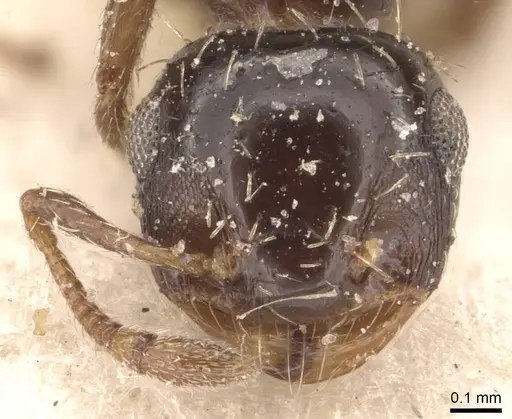
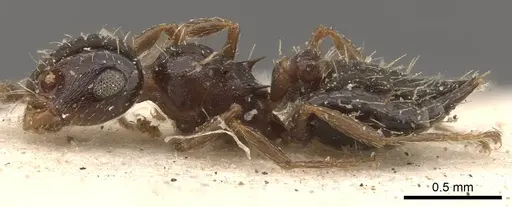
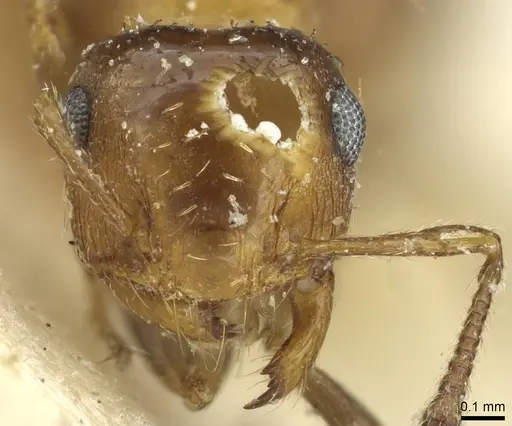
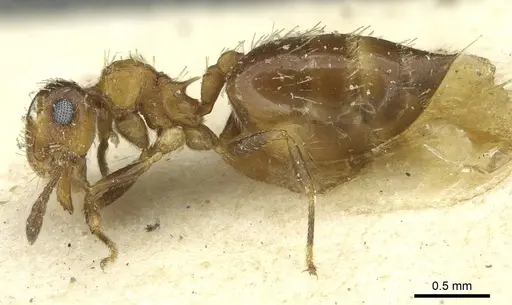
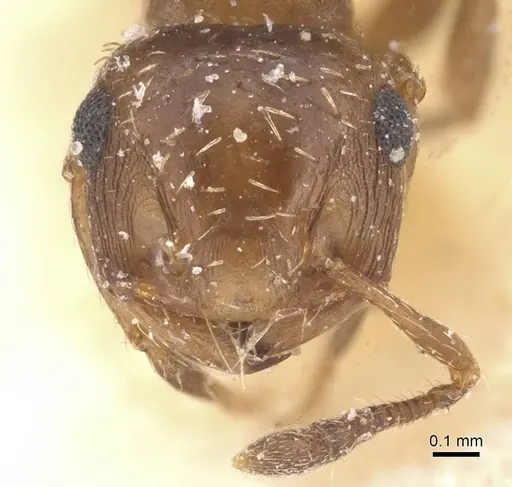
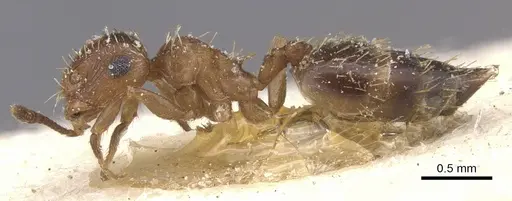
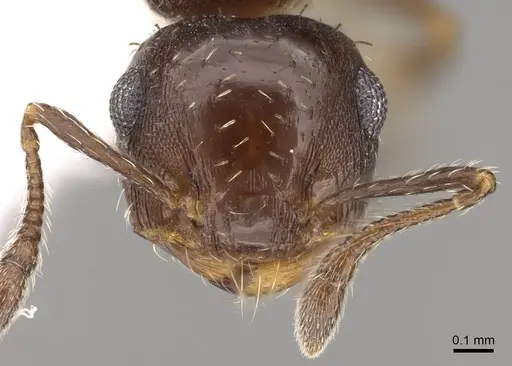
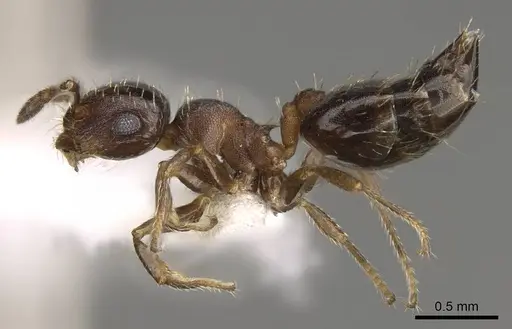
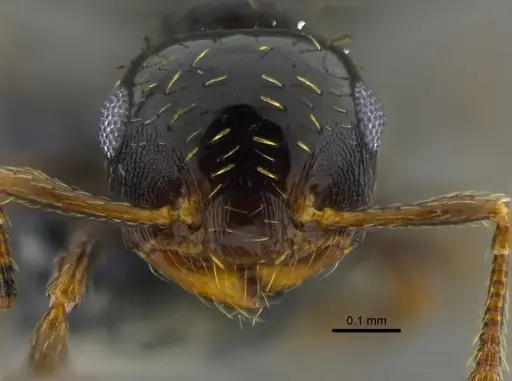
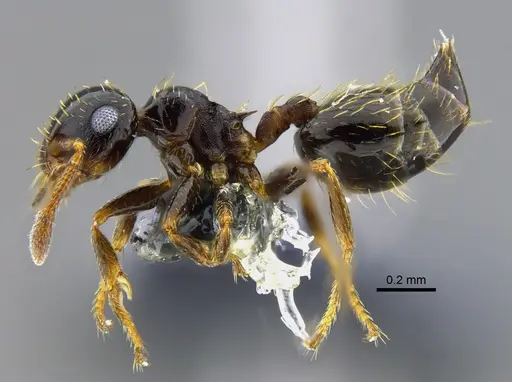
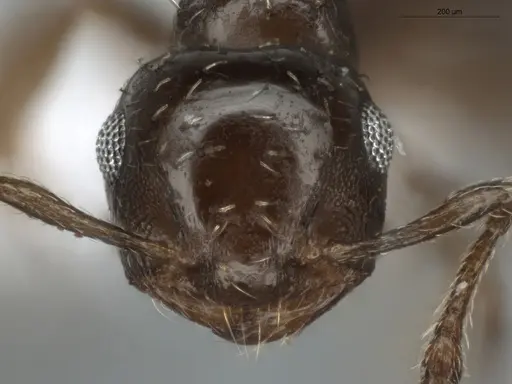
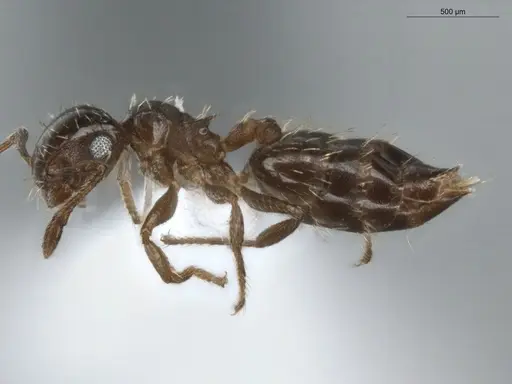
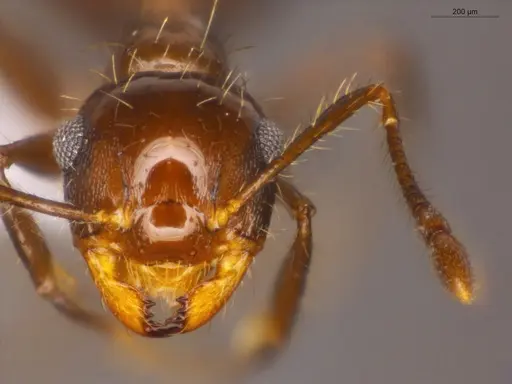
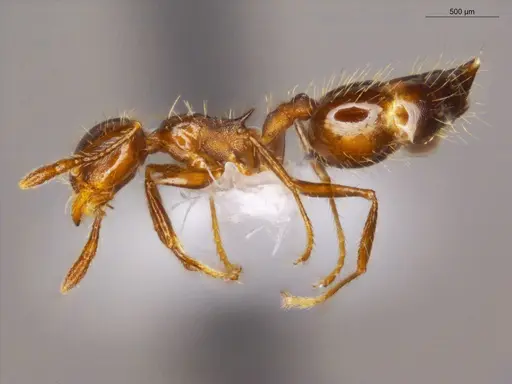
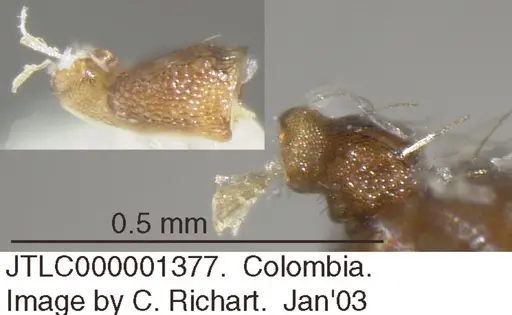
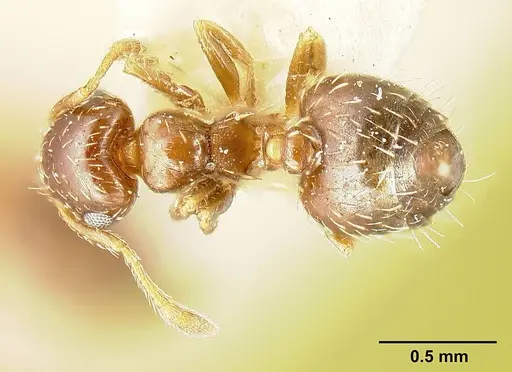
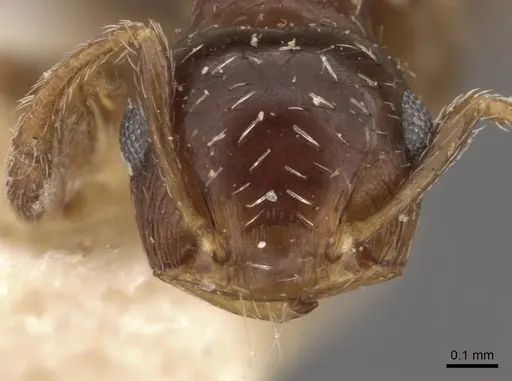
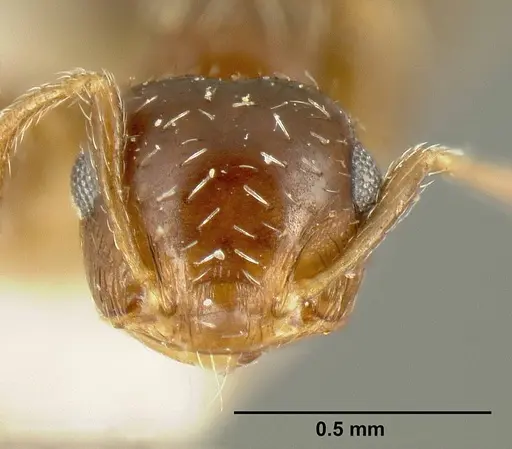
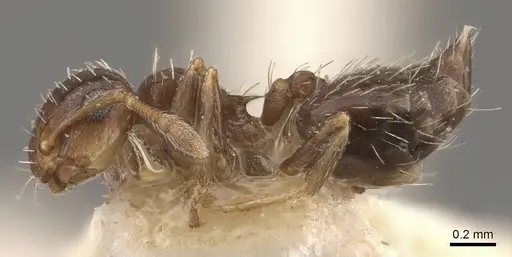
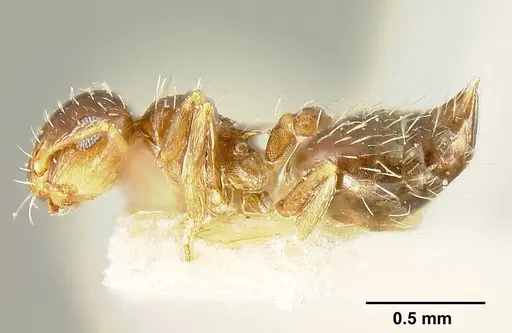
Crematogaster abstinens is a small myrmicine ant native to Central and South America, ranging from Panama to Argentina. Workers measure approximately 1.58mm in body length and have a distinctive red-brown coloration with a shiny face and very wide postpetiole. Their most recognizable features are the short, stiff face hairs that curve toward the center of the head, and the lack of a tooth or angle on the underside of the petiole . This species is highly adaptable, found in both wet and dry forests but more common in drier habitats, and is one of the most abundant ants in agricultural areas like cattle pastures and orange groves . As with other Crematogaster species, they have a modified stinger used to smear venom onto enemies rather than pierce flesh.
Quick Summary
- Difficulty: Easy
- Origin & Habitat: Native to Central and South America (Panama to Argentina), including countries like Costa Rica, Colombia, Brazil, Bolivia, Guyana, and Argentina. Found in wet or dry forest habitats, more common in dry forests. Collected at elevations from sea level to around 980m in Colombia [1][5][2].
- Colony Type: Colony structure is not well documented in scientific literature. Related species like Crematogaster pygmaea are known to be highly polygynous (multiple queens) and polydomous (multiple nests), but C. abstinens specifically has not been studied in detail for colony structure [6].
- Size & Growth:
- Queen: Size data unavailable, no documented measurements for queens in available research
- Worker: Approximately 1.58mm [3][7]
- Colony: Colonies can be large, documented with thousands of workers in agricultural settings [3]
- Growth: Moderate
- Development: Development timeline unconfirmed, estimates based on typical tropical Myrmicinae patterns suggest 6-10 weeks (Direct development data unavailable for this species)
- Antkeeping:
- Temperature: Keep at room temperature range (22-26°C). As a tropical to subtropical species ranging from Panama to Argentina, they tolerate warmer conditions well. Avoid temperatures below 18°C.
- Humidity: Moderate humidity, they prefer drier forest conditions compared to many other Crematogaster species. Allow the nest to dry out partially between waterings.
- Diapause: No true diapause required, being a tropical species, they remain active year-round [1].
- Nesting: Test tube setups work well for founding colonies. For established colonies, Y-tong (AAC) nests or plaster nests with small chambers suit their tiny size. They do well in naturalistic setups with soil substrates.
- Behavior: Crematogaster abstinens is a generalist forager with mass recruiting behavior, when a worker finds a good food source, she recruits many nestmates. They are aggressive defenders of food resources and will readily attack intruders. Workers are small but active, foraging both on the ground and in vegetation. They show omnivorous feeding habits, collecting honeydew, seeds, and small insects. Escape prevention is critical due to their very small size, they can squeeze through tiny gaps that larger ants cannot [3].
- Common Issues: escape prevention is critical due to tiny 1.58mm size, use fine mesh barriers and tight-fitting lids, colonies can grow very large quickly in good conditions, be prepared to upgrade nest space, test tube setups may flood if water reservoirs are overfilled, use appropriate tube sizes, wild-caught colonies may carry parasites, quarantine and observe new colonies, overheating is a risk in tropical species, keep nest away from direct sunlight and heating cables
Housing and Setup
For founding colonies, a simple test tube setup works perfectly. Use a small test tube (15mm or 18mm diameter) with a cotton plug separating the water reservoir from the ant chamber. For established colonies with 50+ workers, upgrade to a Y-tong (AAC) nest or a small plaster formicarium. Crematogaster abstinens prefers smaller, tighter chambers rather than large open spaces. Because they are so tiny, escape prevention must be excellent, apply Fluon or similar barrier to the rim of any container and use fine mesh (at least 0.5mm or smaller) for any ventilation. A small outworld for foraging allows you to observe their mass recruiting behavior when you add food. [1][3]
Feeding and Diet
Crematogaster abstinens is an omnivorous generalist. In the wild, they are omnivorous soil dominants that exploit many food sources [3]. Offer sugar water or honey as a constant energy source. For protein, provide small insects like fruit flies, pinhead crickets, or mealworm pieces. They are known to move seeds and have been observed hauling heavy seeds like Pithecellobium dulce in studies [7]. This suggests they can handle larger food items than their tiny size suggests. Feed protein 2-3 times per week, and keep sugar water available at all times. Remove uneaten prey after 24-48 hours to prevent mold.
Temperature and Seasonal Care
As a tropical species ranging from Panama to Argentina, Crematogaster abstinens prefers warm conditions. Keep the nest at 22-26°C, room temperature in most homes falls within this range. They can tolerate temperatures up to 30°C but should be kept away from direct sunlight, which can overheat the nest quickly. No true hibernation is required, as they are a tropical species [1]. Avoid cold drafts and temperatures below 18°C, which can slow colony development significantly. A heating cable on one side of the nest can create a temperature gradient if your room runs cool.
Behavior and Colony Dynamics
This species exhibits classic Crematogaster behavior: they have a painful sting, raise their abdomen when threatened as a warning display, and use mass recruiting to exploit food sources. Workers are small but bold, readily defending their nest and food resources. In the wild, they are among the most abundant ant species in pastures and agricultural areas, demonstrating their adaptability [3][4]. Colonies can grow quite large, studies in cattle pastures recorded thousands of individuals [3]. Workers live about 1-2 years, with the colony continuously producing new workers.
Growth and Development
Egg-to-worker development takes approximately 6-10 weeks under optimal conditions, based on typical Crematogaster patterns for tropical species. The first workers (nanitics) will be smaller than subsequent workers. Growth rate is moderate, not the fastest but steady under good conditions. Colonies reach several hundred workers within the first year typically. The queen continues laying eggs throughout her lifespan, which can be several years. Brood development is temperature-dependent: warmer temperatures (within safe range) speed development, while cooler temperatures slow it. Monitor colony activity to gauge if conditions are optimal, active foragers and visible brood piles indicate healthy development.
Frequently Asked Questions
How long does it take for Crematogaster abstinens to produce first workers?
Expect first workers (nanitics) in about 6-10 weeks after the queen lays eggs, depending on temperature. Keep the nest at 22-26°C for optimal development speed.
Can I keep Crematogaster abstinens in a test tube?
Yes, test tubes work well for founding colonies. Use a small diameter tube (15-18mm) and ensure excellent escape prevention, these tiny ants can squeeze through very small gaps.
Do Crematogaster abstinens ants sting?
Yes, they can sting. Crematogaster species have a modified, flattened stinger used to smear venom onto enemies rather than pierce flesh. Due to their tiny 1.58mm size, the sting is usually not painful to humans.
What do Crematogaster abstinens eat?
They are omnivorous generalists. Offer sugar water or honey constantly, and protein (small insects like fruit flies or mealworm pieces) 2-3 times per week.
Are Crematogaster abstinens good for beginners?
Yes, they are considered easy to keep. They are adaptable, tolerant of varying conditions, and not aggressive. The main challenge is escape prevention due to their very small size.
How big do Crematogaster abstinens colonies get?
Colonies can grow quite large, studies show thousands of workers in the wild [3]. In captivity, expect several hundred to a few thousand workers in a mature colony.
Do Crematogaster abstinens need hibernation?
No, they are a tropical species and do not require hibernation. You can maintain normal temperatures year-round (22-26°C).
Why are my Crematogaster abstinens escaping?
Their tiny 1.58mm size allows them to escape through gaps that larger ants cannot. Apply Fluon to all rim surfaces, use fine mesh (0.5mm or smaller), and check all connections between nest and outworld.
When should I move my colony to a formicarium?
Move from test tube to a larger nest (Y-tong or plaster formicarium) when the colony reaches 50-100 workers or the test tube becomes crowded.
Can I keep multiple queens together?
Colony structure is not well documented for this species. Related species like C. pygmaea can be polygynous, but C. abstinens specifically has not been studied. Combining unrelated foundress queens is not recommended as conflicts may arise.
Report an Issue
The current care sheet is based fully on literature. See inconsistencies, or something that's incorrect? Please , it will be resolved after review from an admin. Contributing to the blogs tab also helps providing information, to make us be able to further improve the caresheets. Thank you for your support!
References

This caresheet is licensed under CC BY-SA 4.0 .
Community Blogs
CASENT0645975
View on AntWeb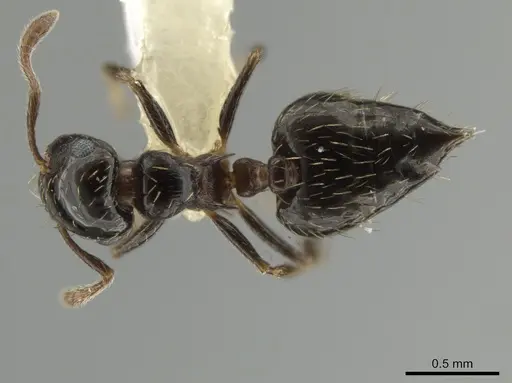
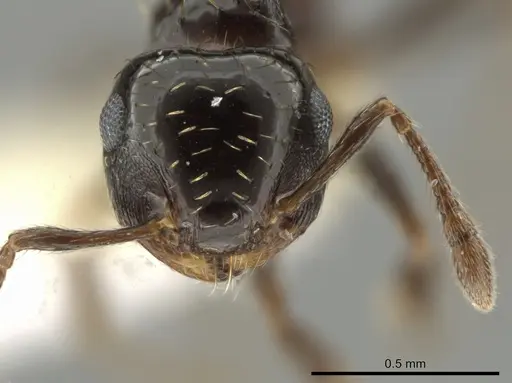
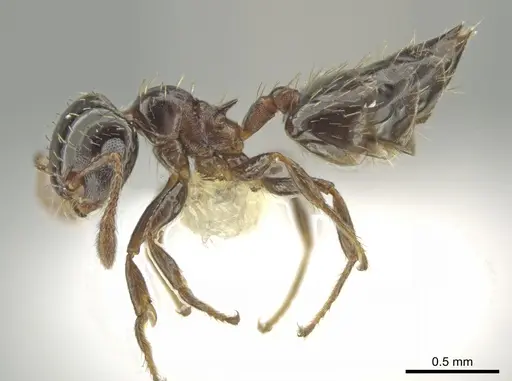
CASENT0902160
View on AntWeb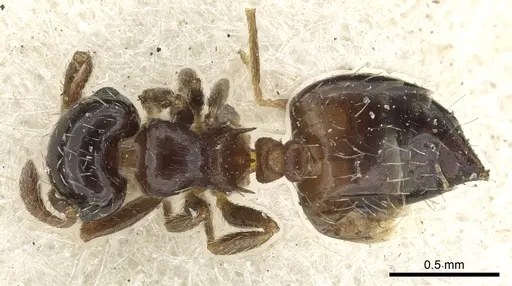
CASENT0908387
View on AntWeb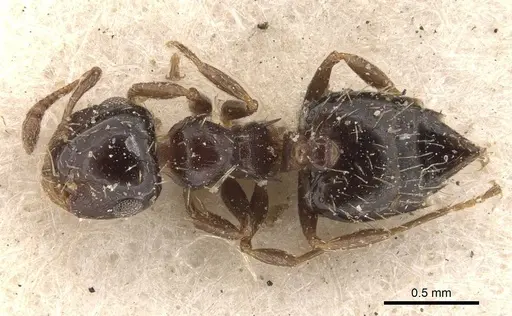
CASENT0912750
View on AntWeb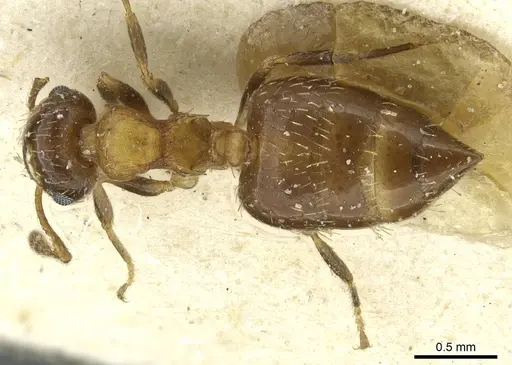
CASENT0912779
View on AntWeb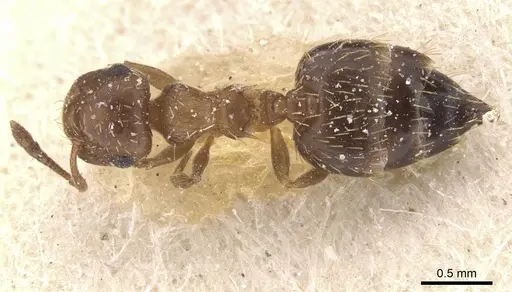
CASENT0914546
View on AntWeb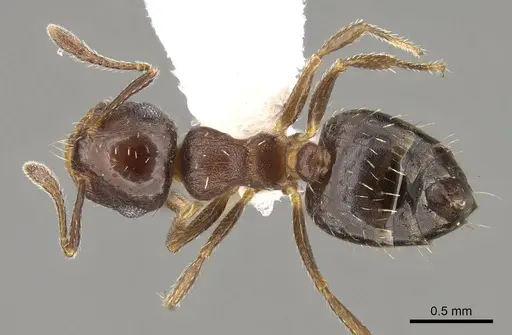
CBUMAGENT41953
View on AntWeb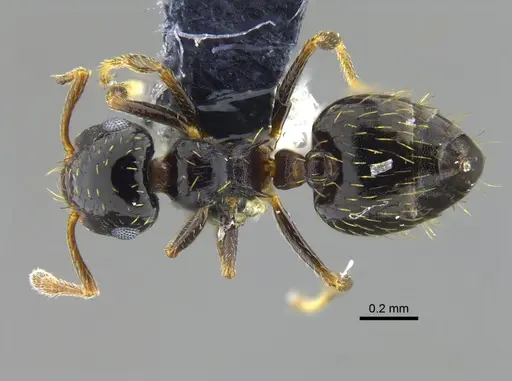
ECOFOG-BUG-0036-04
View on AntWeb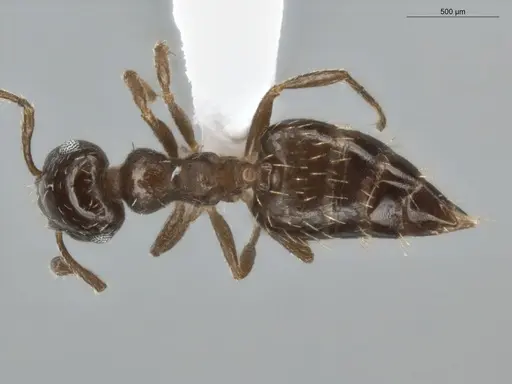
ECOFOG-OI17-0200-07
View on AntWeb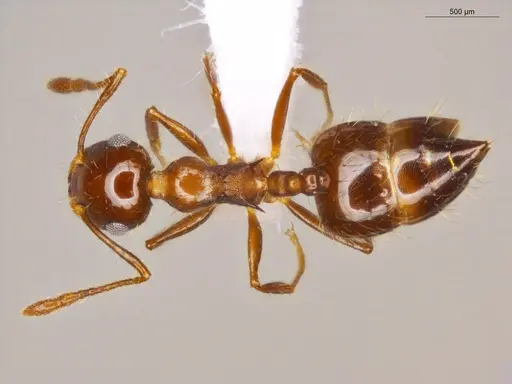
JTLC000001087
View on AntWeb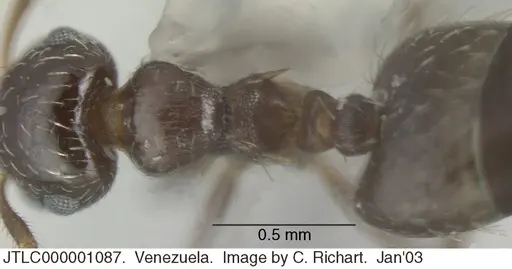
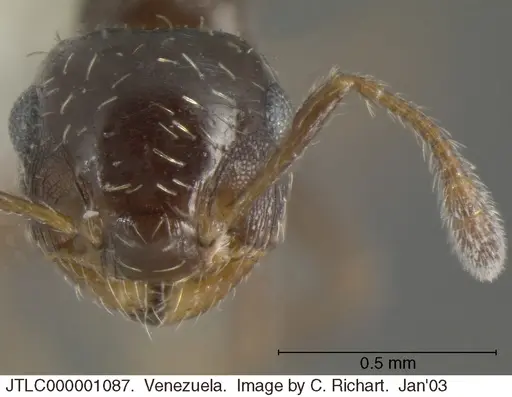
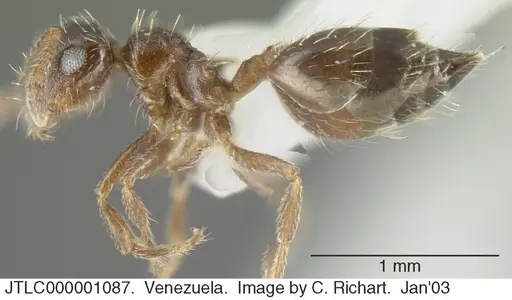
JTLC000001377
View on AntWeb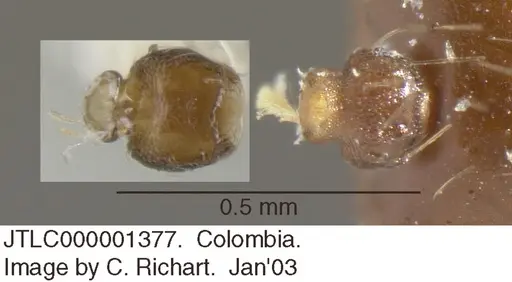
JTLC000015314
View on AntWeb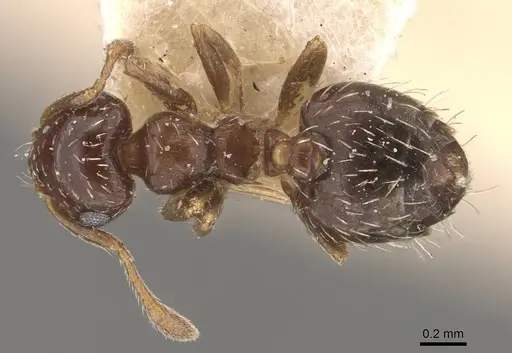
Literature
Loading distribution map...Loading products...