
Colobostruma biconvexa
- Sci. Name
- Colobostruma biconvexa
- Tribe
- Attini
- Subfamily
- Myrmicinae
- Author
- Shattuck, 2000
- Distribution
- Found in 1 countries
Introduction
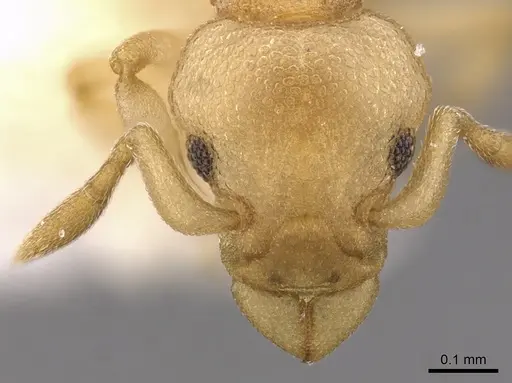
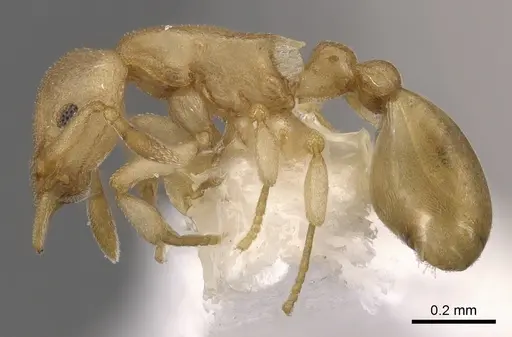
Colobostruma biconvexa is a tiny dacetine ant species native to the Australasian region, specifically Australia . These ants belong to the tribe Dacetini, characterized by their distinctive elongated mandibles used to snap at prey. Workers are very small with a generally dark coloration. As predators, they hunt small arthropods using their specialized mandibles. Dacetine ants are known for their precision striking behavior, where they rapidly snap their mandibles to capture prey items.
Quick Summary
- Difficulty: Medium
- Origin & Habitat: Australasian region, Australia [1]. Found in dry to moderately moist habitats.
- Colony Type: Colony structure is unconfirmed. Dacetine ants typically form small colonies.
- Size & Growth:
- Queen: size data unavailable, inferred from dacetine genus patterns (~4-5mm)
- Worker: size data unavailable, inferred from dacetine genus patterns (~2-3mm)
- Colony: up to 200 workers based on typical dacetine colony sizes
- Growth: Moderate, based on typical dacetine development patterns
- Development: estimated 6-10 weeks at optimal temperature based on related dacetine species (development time is estimated from related dacetine ants, specific data for this species is unavailable)
- Antkeeping:
- Temperature: Keep at 22-26°C. Use a heating cable on one side of the nest to create a gentle gradient if room temperature is below this range.
- Humidity: Maintain moderate to high humidity. Keep the nest substrate consistently moist but not waterlogged.
- Diapause: Unknown, no specific data on overwintering requirements. Related Australian species may have reduced activity during cooler months.
- Nesting: Use a small test tube setup or Y-tong nest with tight chambers scaled to their tiny size. Dacetine ants prefer enclosed spaces with easy access to moisture. A small outworld allows for hunting opportunities.
- Behavior: Colobostruma biconvexa is a predatory ant species that actively hunts small prey. Workers are small but can deliver a mild sting if threatened. They are not aggressive toward humans but will defend their nest. Escape prevention is critical due to their very small size, they can squeeze through standard gaps. Use fine mesh and tight-fitting lids. They are active foragers that search for small arthropods.
- Common Issues: escape prevention is critical, their tiny size allows them to squeeze through the smallest gaps, colonies are small and slow-growing, which can frustrate beginners, wild-caught colonies may have parasites that are difficult to treat in captivity, overfeeding can lead to mold problems in their small nests, they require live prey, without hunting opportunities, they may refuse pre-killed food
Housing and Nest Setup
Colobostruma biconvexa requires small-scale housing due to their tiny size. A test tube setup works well for founding colonies, use a small test tube with a cotton barrier and a water reservoir. For established colonies, a Y-tong nest with narrow chambers scaled to their size is ideal. The chambers should be tight enough that workers feel secure but large enough for the colony to move freely. Add a small outworld for foraging, this gives them space to hunt and explore. Use fine mesh on all openings because these tiny ants can escape through gaps that would hold back larger species. A layer of substrate in the outworld allows them to hunt through natural behaviors. [1]
Feeding and Diet
As dacetine ants, Colobostruma biconvexa are specialized predators. Their primary diet should consist of small live prey such as fruit flies, springtails, and other tiny arthropods. They use their elongated mandibles to snap and secure prey items. Offer prey items that are appropriately sized, no larger than the ant itself. You can also occasionally offer tiny pieces of insects, but pre-killed prey may be rejected. Sugar sources are not typically accepted by dacetine ants as they are obligate predators. Feed every 2-3 days, removing any uneaten prey after 24 hours to prevent mold.
Temperature and Humidity
Maintain temperatures between 22-26°C for optimal colony health and development. Dacetine ants originate from warm Australian habitats and require consistent warmth. Use a heating cable placed on top of the nest if your room temperature falls below this range. Humidity should be moderate to high, keep the nest substrate moist but avoid standing water. The substrate should feel damp to the touch. Mist occasionally but monitor for condensation and mold. A humidity gradient allows ants to self-regulate by moving between moister and drier areas.
Behavior and Foraging
These ants are active hunters that forage individually or in small groups. Workers search the outworld for prey items, using their specialized mandibles to capture and subdue small arthropods. They are not aggressive toward humans and rarely sting. Their small size makes them vulnerable in the outworld, ensure there are no predatory insects that could harm them. The striking behavior of dacetine ants is fascinating to observe, they can snap their mandibles with remarkable speed. Colonies are typically quiet and do not produce much disturbance outside the nest.
Colony Development
Colobostruma biconvexa colonies start with a founding queen who seals herself in a chamber and raises the first brood on stored fat reserves. The first workers are typically smaller than mature workers and help expand the colony. Growth rate is moderate, expect several months before the first workers emerge, then slow but steady growth. Maximum colony size is likely under 200 workers based on typical dacetine colony sizes. Colonies remain relatively small throughout their life, which is typical for this tribe.
Frequently Asked Questions
How long does it take for Colobostruma biconvexa to produce first workers?
Expect 6-10 weeks from egg to first worker at optimal temperature (22-26°C). This is estimated from related dacetine species as specific development data for this species is unavailable.
What do Colobostruma biconvexa ants eat?
They are obligate predators that require live small prey. Offer fruit flies, springtails, or other tiny arthropods. They typically refuse pre-killed food and sugar sources.
Can I keep Colobostruma biconvexa in a test tube?
Yes, test tubes work well for founding colonies. Use a small test tube with adequate moisture. Transfer to a small formicarium or Y-tong nest once the colony reaches 20-30 workers.
Are Colobostruma biconvexa good for beginners?
This species is rated as medium difficulty. They require live prey and escape prevention is critical due to their tiny size. Not recommended as a first ant but manageable for those with some experience.
How big do Colobostruma biconvexa colonies get?
Colonies likely reach up to 200 workers at maturity. They remain relatively small compared to many common ant species.
Do Colobostruma biconvexa need hibernation?
Diapause requirements are unknown for this species. Related Australian ants may have reduced activity during cooler months but may not require full hibernation.
Why are my Colobostruma biconvexa dying?
Common causes include escape through tiny gaps, mold from overfeeding or excessive moisture, refusal to eat pre-killed prey, and stress from disturbance. Ensure excellent escape prevention and offer only live prey.
What temperature is ideal for Colobostruma biconvexa?
Keep them at 22-26°C. Consistent warmth is important for colony health and development.
Can I keep multiple queens together?
Colony structure is unconfirmed for this species. Combining unrelated queens is not recommended as it has not been documented and may result in fighting.
Report an Issue
The current care sheet is based fully on literature. See inconsistencies, or something that's incorrect? Please , it will be resolved after review from an admin. Contributing to the blogs tab also helps providing information, to make us be able to further improve the caresheets. Thank you for your support!
References

This caresheet is licensed under CC BY-SA 4.0 .
Community Blogs
CASENT0900004
View on AntWeb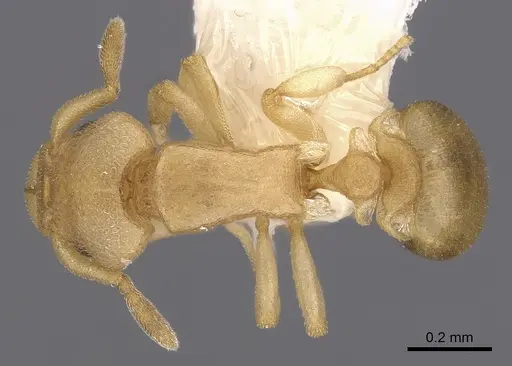
Literature
Loading distribution map...Loading products...