
Colobostruma australis
- Sci. Name
- Colobostruma australis
- Tribe
- Attini
- Subfamily
- Myrmicinae
- Author
- Brown, 1959
- Distribution
- Found in 1 countries
Introduction
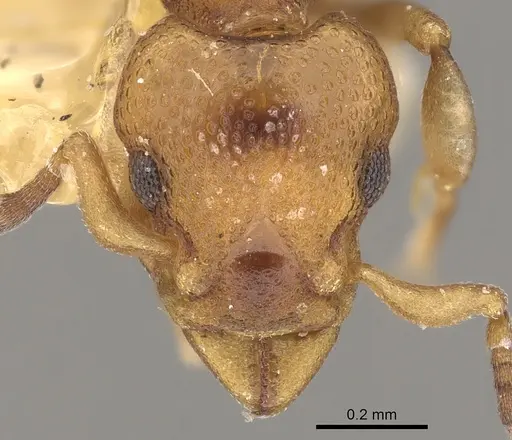
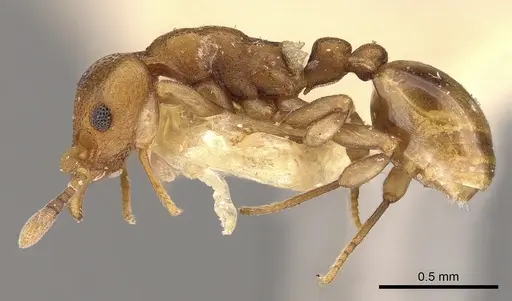
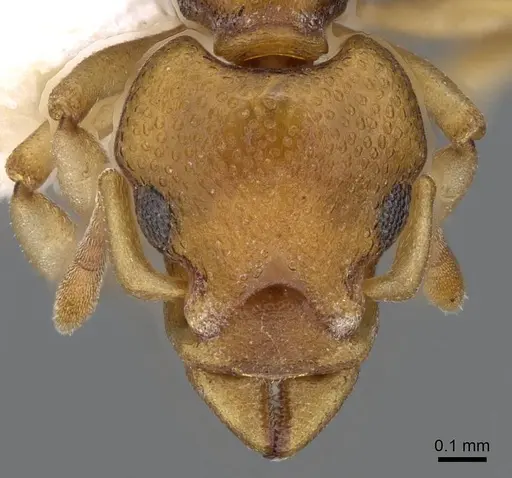
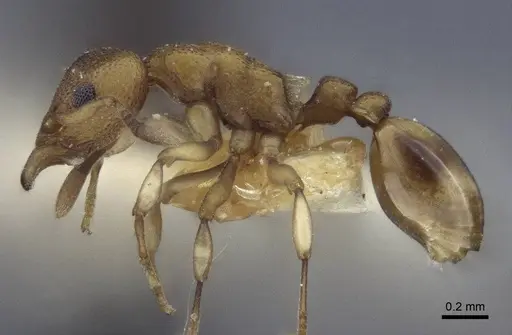
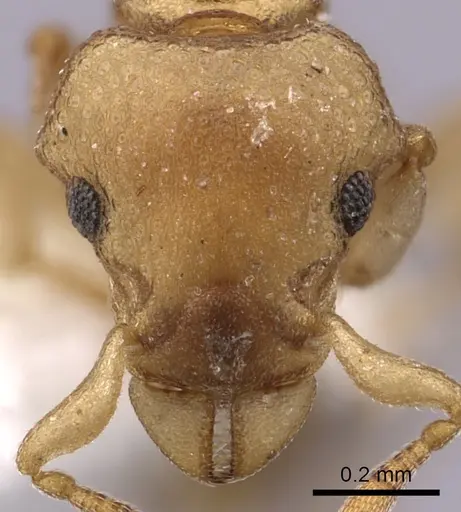
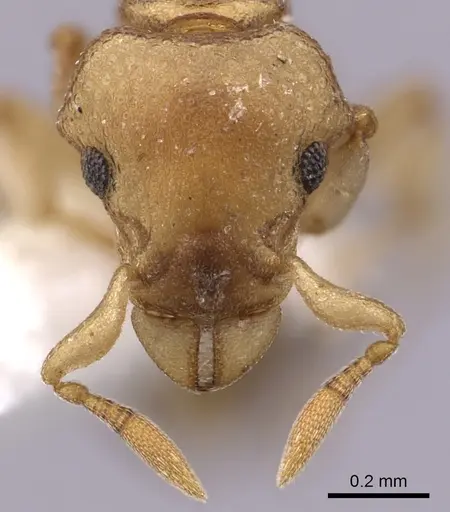
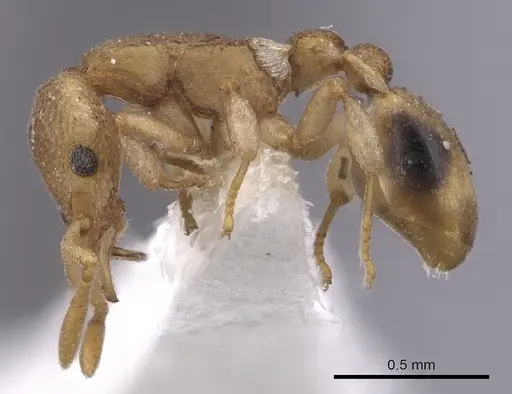
Colobostruma australis is a tiny Australian ant in the tribe Attini, measuring just 2.6-3.2 mm for workers . They belong to the froggatti-group and can be identified by their 6-segmented antenna that lacks a subbasal lobe . These ants are honey yellow in color, though they can show significant variation with darkening on the head, mesosoma, petiole, and gaster . Found throughout eastern Australia from Victoria to Queensland, they typically nest in rotten wood in wet sclerophyll forests and rainforests, though Western Australian populations inhabit sandplain heath . A notable feature is their unique antenna structure, which distinguishes them from other ants in their group .
Quick Summary
- Difficulty: Medium
- Origin & Habitat: Eastern Australia, wet sclerophyll forests, rainforests, and in Western Australia, sandplain heath. Nests in rotten wood or occasionally soil [1][2].
- Colony Type: Unconfirmed
- Size & Growth:
- Queen: Size data unavailable, no total length measurements for queens in literature
- Worker: 2.6-3.2 mm [1]
- Colony: Colony size is unknown, but likely small based on related Dacetini species
- Growth: Moderate
- Development: Estimated 6-10 weeks at optimal temperature (Specific data for C. australis is not available)
- Antkeeping:
- Temperature: Keep at 20-24°C, based on their temperate habitat [1]
- Humidity: Keep nest substrate consistently moist but not waterlogged, as they inhabit wet forests [1]
- Diapause: Likely requires a cool period during winter, inferred from their temperate distribution
- Nesting: Provide rotten wood or a humid substrate-based nest, such as plaster or gypsum nests with tight chambers [1]
- Behavior: You will find these ants to be small, cryptic, and not aggressive. They forage individually and are slow-moving. Due to their tiny size, you should use fine mesh to prevent escapes. They possess a functional stinger, but it poses no threat to humans due to their size. They are not a display species but interesting for advanced keepers.
- Common Issues: maintaining high humidity is critical, drying out can cause colony collapse., colonies grow slowly, which may frustrate beginners., escape prevention is essential, workers can fit through standard mesh barriers., this species is rarely available in the hobby, making it a specialty choice., they prefer rotten wood nesting, so provide appropriate naturalistic setups.
Natural History and Distribution
Colobostruma australis is endemic to Australia, found throughout the eastern states from Victoria through New South Wales to Queensland [1]. In Western Australia, the species occurs in the southwest botanical province, though only recorded from the Thomas River east of Esperance [2]. Their preferred habitats are wet sclerophyll forests and rainforests in the east, where they nest in rotting wood or occasionally in soil [1]. Elevation data from Queensland rainforests shows them occurring at higher elevations (1000-1200m) in the Eungella region [1]. This distribution pattern suggests they prefer cooler, moist forest environments.
Housing and Nest Preferences
You should provide nesting arrangements that mimic their natural rotten wood habitat. A naturalistic setup with damp rotting wood pieces works well, as does a moist plaster or gypsum nest with tight chambers scaled to their tiny size. Test tube setups with moist cotton can work for founding colonies, but established colonies may prefer more space. The key is maintaining high humidity while ensuring good ventilation to prevent mold. Avoid dry, airy setups, these ants are adapted to humid environments and will decline in dry conditions. Provide a dark nesting area, as they prefer enclosed spaces. [1]
Feeding and Diet
You can offer small protein sources like fruit flies, pinhead crickets, and other tiny arthropods. Sugar water or honey can be offered occasionally, though their acceptance may vary. Feed small amounts regularly, a few times per week for established colonies. Remove uneaten prey after 24-48 hours to prevent mold. Given their tiny size, prey items should be appropriately small. [1]
Temperature and Seasonal Care
You should keep Colobostruma australis at moderate temperatures between 20-24°C. This matches their natural range in temperate to subtropical eastern Australia. Avoid temperatures above 28°C, as they come from cooler, shaded forest floor environments. During the Australian winter, expect reduced activity and consider providing a mild cool period at 10-15°C for 2-3 months, this mimics their natural seasonal cycle. Monitor colony response and adjust accordingly. [1]
Behavior and Colony Dynamics
You will find these ants to be small, cryptic, and not aggressive. Workers forage individually rather than in large raiding parties. Their small size means they can escape through standard mesh barriers, so use fine mesh or fluon barriers if needed. Colonies likely remain relatively small, and growth is slow compared to many common ant species, so patience is required. They possess a functional stinger, but it poses no threat to humans due to their tiny size. [1]
Frequently Asked Questions
How long does it take for Colobostruma australis to produce first workers?
Specific development data is not available for this species. Based on typical Myrmicinae development, expect approximately 6-10 weeks from egg to first worker at optimal temperature (20-24°C). Patience is required as colonies grow slowly.
What size colony does Colobostruma australis reach?
Colony size is not well documented, but based on typical Dacetini patterns, colonies are likely small. They are not large colony species.
What humidity level do Colobostruma australis need?
High humidity is essential, keep the nest substrate consistently moist but not waterlogged. Their natural habitat in wet sclerophyll and rainforests is consistently moist [1].
Do Colobostruma australis need hibernation?
Based on their distribution in temperate eastern Australia, a mild cool period is likely beneficial. Provide 2-3 months at 10-15°C during winter months to mimic their natural seasonal cycle.
What do Colobostruma australis eat?
They are likely omnivorous foragers. Offer small protein sources like fruit flies and tiny arthropods, along with occasional sugar water or honey. Remove uneaten prey promptly to prevent mold [1].
Is Colobostruma australis good for beginners?
This species is not ideal for beginners. Their high humidity requirements, slow growth, and limited availability make them better suited for advanced antkeepers.
Can I keep multiple Colobostruma australis queens together?
Colony structure is not well documented for this species. Combining unrelated queens is not recommended as it has not been studied. If you obtain a colony, assume single-queen structure unless you observe multiple egg-laying queens.
What temperature is ideal for Colobostruma australis?
Keep them at 20-24°C. Avoid temperatures above 28°C as they come from cooler, shaded forest floor environments [1].
Where does Colobostruma australis live in the wild?
They are found throughout eastern Australia in wet sclerophyll forests and rainforests, from Victoria through New South Wales to Queensland. Western Australian populations inhabit sandplain heath. They nest in rotting wood or occasionally soil [1][2].
Report an Issue
The current care sheet is based fully on literature. See inconsistencies, or something that's incorrect? Please , it will be resolved after review from an admin. Contributing to the blogs tab also helps providing information, to make us be able to further improve the caresheets. Thank you for your support!
References

This caresheet is licensed under CC BY-SA 4.0 .
Community Blogs
CASENT0900010
View on AntWeb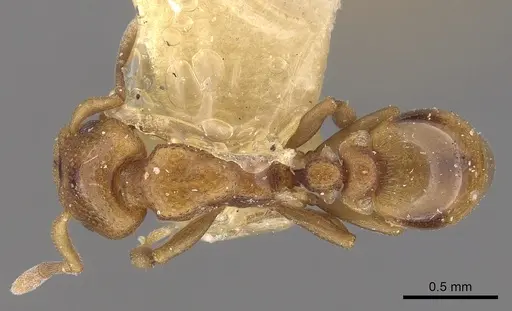
CASENT0914663
View on AntWeb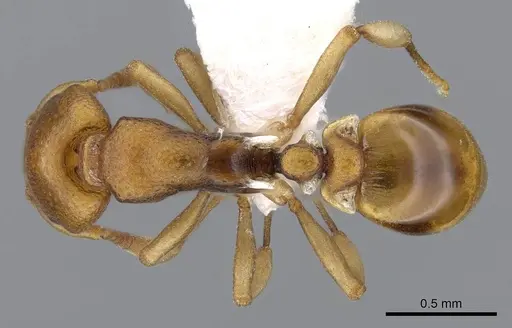
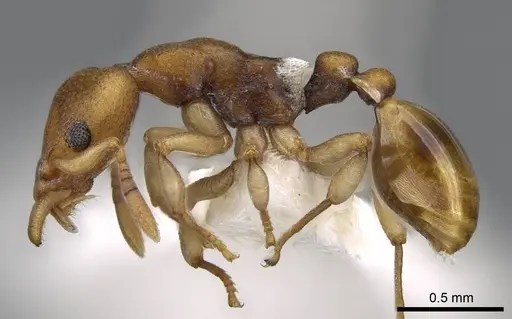
CASENT0916656
View on AntWeb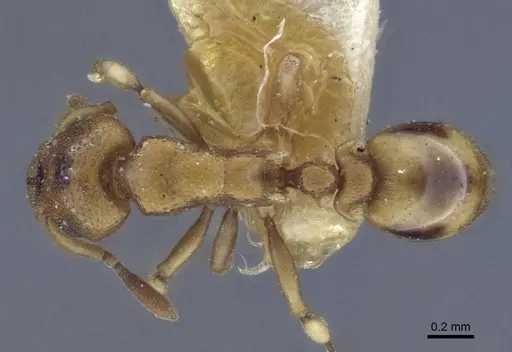
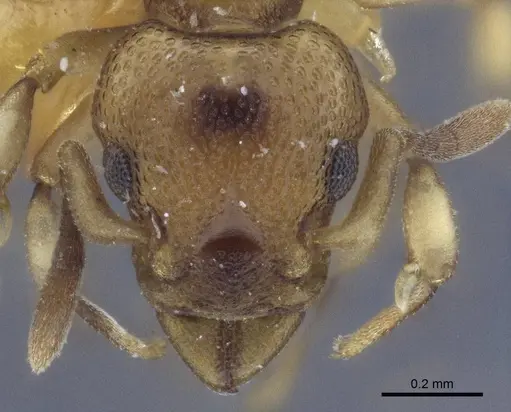
JTLC000008574
View on AntWeb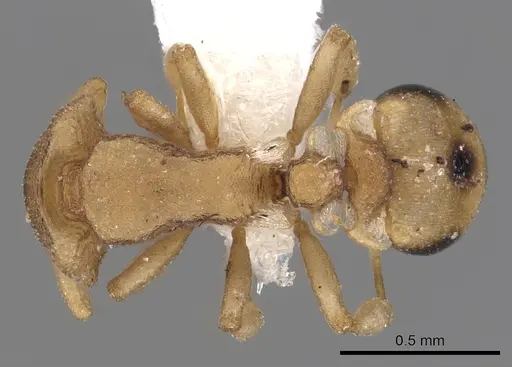
Literature
Loading distribution map...Loading products...