
Mississippi Gate-keeper Ant
Colobopsis mississippiensis
- Sci. Name
- Colobopsis mississippiensis
- Tribe
- Camponotini
- Subfamily
- Formicinae
- Author
- Smith, 1923
- Common Name
- Mississippi Gate-keeper Ant
- Distribution
- Found in 1 countries
Introduction
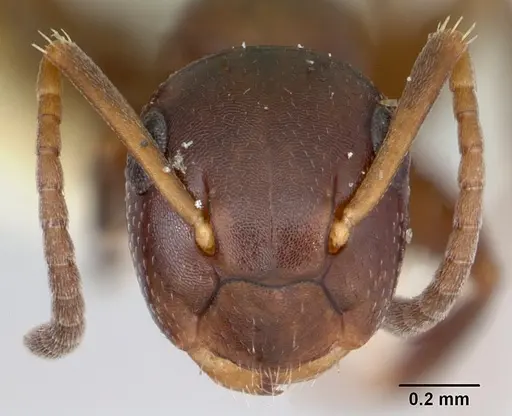
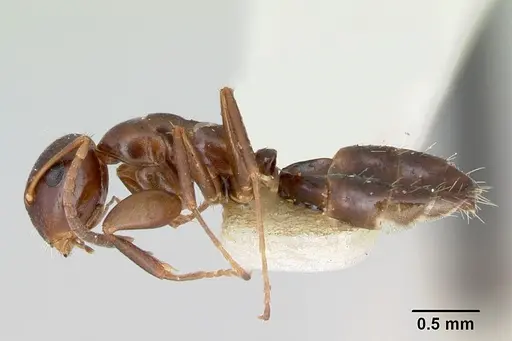
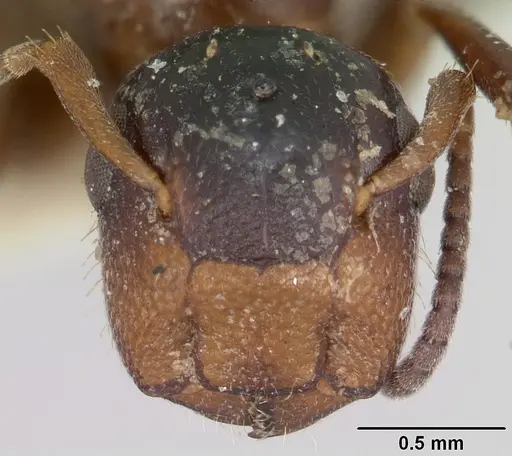
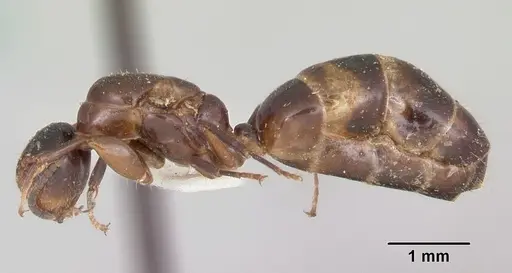
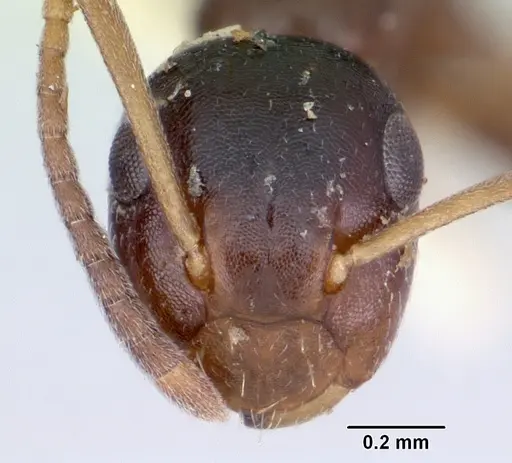
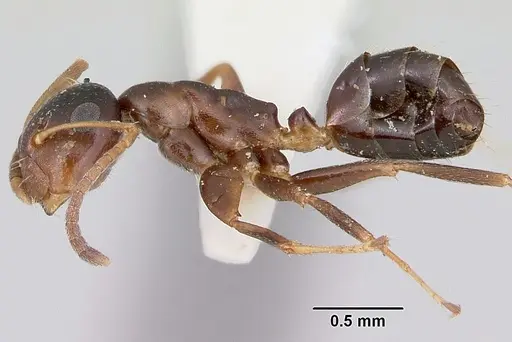
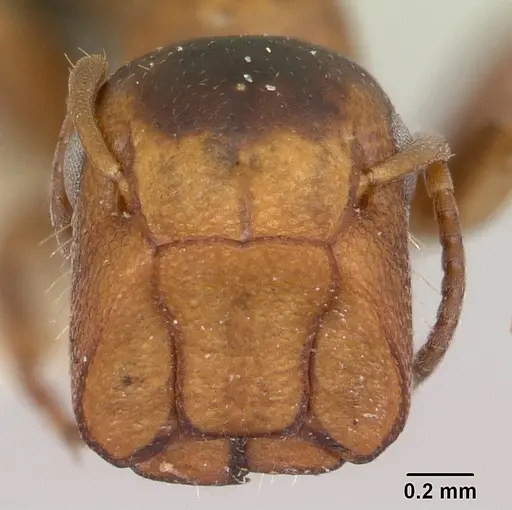
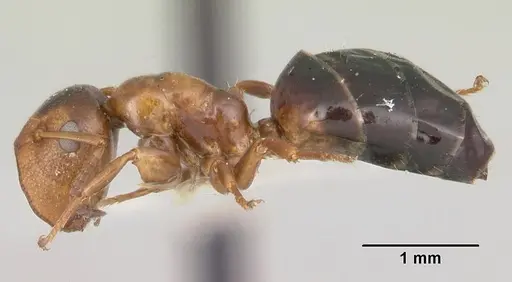
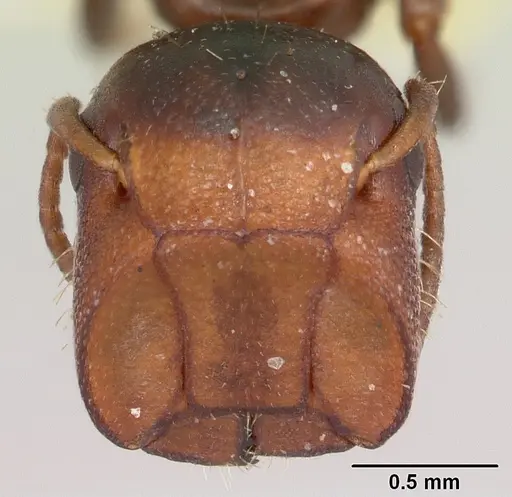
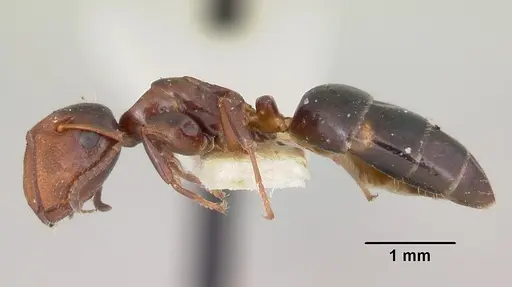
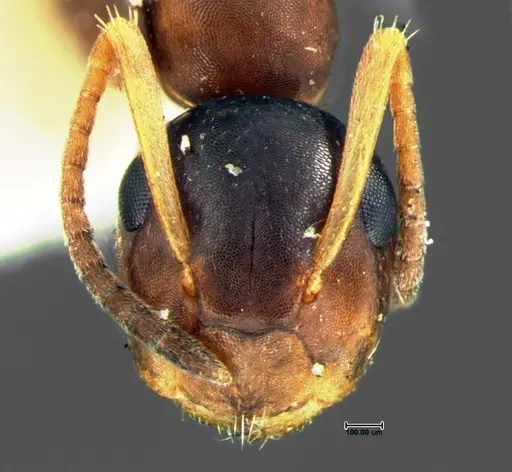
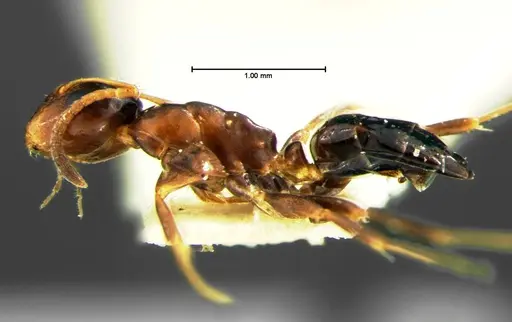
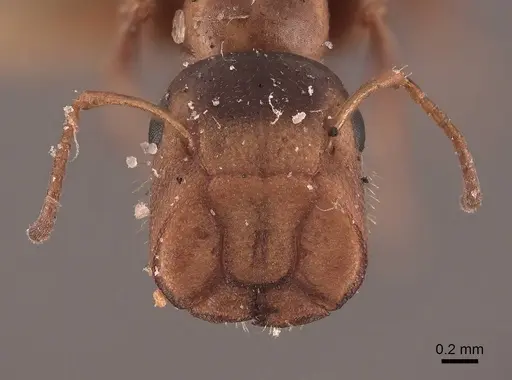
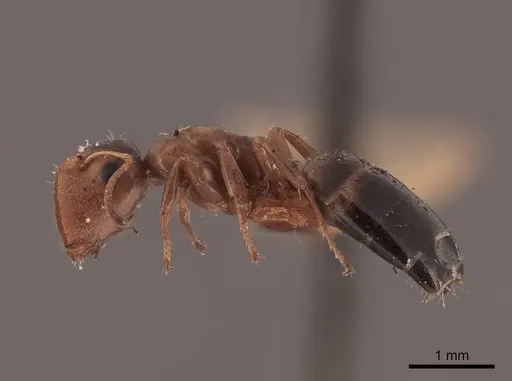
Colobopsis mississippiensis is a small arboreal ant native to the southeastern United States. Workers are distinctive with their truncate (cut-off) head shape - majors have a deeply concave, hollowed-out head that fits perfectly into the nest entrance, acting as a living door to protect the colony . Majors measure 4.5-5mm while minors are 3.5-4mm . This species is unusual among Colobopsis ants because it nests exclusively in living white ash trees (Fraxinus americana), rather than dead twigs like its relatives . Colonies mine longitudinal galleries through the soft pith of twigs, sometimes extending nearly 2 meters in length . They feed primarily on honeydew collected from aphids and scale insects .
Quick Summary
- Difficulty: Medium
- Origin & Habitat: Native to the southeastern United States, ranging from Maryland south to Florida and west to Illinois, Louisiana, and Oklahoma [1]. Found in open woodlands and forest edges, nesting in hollow twigs and branches of living white ash trees [3].
- Colony Type: Single-queen colonies. The distinctive head shape of major workers serves as a living nest entrance, they plug the hole with their truncate head to guard against intruders [4].
- Size & Growth:
- Queen: size data unavailable, inferred from worker size at approximately 4.5-5mm
- Worker: Majors 4.5-5mm, minors 3.5-4mm [1].
- Colony: Colony size is not well documented.
- Growth: Moderate
- Development: development timeline unconfirmed, estimates based on typical Camponotini patterns suggest 6-10 weeks at optimal temperatures. (Reproduction occurs throughout the year in Mississippi, with eggs and larvae present in nests across various dates [1].)
- Antkeeping:
- Temperature: Keep at room temperature, roughly 20-24°C. As a southeastern US species, they tolerate warmth but avoid temperatures above 30°C.
- Humidity: Moderate humidity. As an arboreal species nesting in living wood, they prefer somewhat drier conditions than ground-nesting ants.
- Diapause: Yes, as a temperate species, colonies benefit from a winter rest period. Reduce temperature to 10-15°C for 2-3 months.
- Nesting: This is the most challenging aspect, they naturally nest in hollow twigs of living ash trees. In captivity, provide narrow test tubes or small nests with very small entrance holes that majors can plug with their heads. The entrance must be sized to match the major's head diameter.
- Behavior: Generally docile and non-aggressive. Majors serve as living doorstops, when threatened, they plug the nest entrance with their distinctive truncate head [4]. Workers forage on the ground in wooded areas and primarily collect honeydew [3]. They do not sting, their defense is the head-plugging behavior. Escape risk is moderate due to their moderate size.
- Common Issues: finding appropriate nesting space, their unique head-plugging behavior requires entrance holes sized precisely to major worker head diameter, arboreal nature means they need vertical space and climbing surfaces, limited availability in the antkeeping hobby, this species is rarely kept
Housing and Nest Setup
Colobopsis mississippiensis presents unique housing challenges due to their arboreal lifestyle and the specialized head-plugging behavior of major workers. In the wild, they nest in living white ash tree twigs, mining galleries through soft pith and connecting them to the outside through small entrance holes [1]. The majors use their truncate heads as living doors, the head shape perfectly matches the entrance diameter, allowing them to block intruders [4]. In captivity, replicate this by providing nests with very small entrance holes sized to the majors' head width. Include climbing structures since they are arboreal, they naturally travel up and down twigs. Avoid large, open spaces, they prefer tight, enclosed chambers.
Feeding and Diet
In the wild, these ants feed primarily on honeydew excreted by aphids, scale insects, and other sap-feeding insects [1]. They will also consume small insects and arthropods for protein. In captivity, offer sugar water or honey as a constant energy source. For protein, provide small insects like fruit flies, pinhead crickets, or mealworms. Since they are arboreal and naturally forage in tree canopies, they may accept tree sap if available. Feed protein 2-3 times per week and keep sugar water constantly available. Remove uneaten prey after 24-48 hours to prevent mold.
Temperature and Seasonal Care
As a southeastern US species, Colobopsis mississippiensis prefers warm conditions. Keep the nest area at 20-24°C. They can tolerate brief periods higher but avoid prolonged heat above 30°C. During winter, provide a diapause period, reduce temperatures to 10-15°C for 2-3 months to simulate natural seasonal cycles. This helps maintain colony health and may trigger reproductive cycles in spring. In their native range, colonies remain active year-round in warm climates like Mississippi, where reproduction occurs throughout the year [1]. However, in captivity outside their native range, a winter rest period is beneficial.
Behavior and Defense
The most distinctive aspect of this species is the major workers' unique defensive adaptation. Their heads are truncate (cut short) and concave, perfectly shaped to plug the nest entrance [1]. When threatened, majors position themselves at the entrance and block it with their head, literally acting as living doors. This is why their common name is 'cork-headed ant.' Workers are generally docile and non-aggressive toward keepers. They do not sting, their defense is the unique head-plugging behavior. Foraging occurs both in the tree canopy (in the wild) and on the ground in wooded areas [3]. In captivity, they will explore their outworld and search for food. Their moderate size makes escape prevention straightforward, standard barriers work well.
Colony Structure and Development
Colobopsis mississippiensis forms single-queen colonies. The colony centers around the queen in the nest galleries, with workers tending brood throughout the longitudinal tunnels. Unlike many ant species, reproduction occurs year-round in warm parts of their range like Mississippi, with nests containing eggs and larvae in samples from various dates [1]. This suggests colonies can produce brood continuously when temperatures permit. Major workers develop the distinctive truncate head as they mature, this is their primary role in colony defense. The colony size is not precisely documented in available literature.
Frequently Asked Questions
Can I keep Colobopsis mississippiensis in a test tube?
Yes, but with modifications. The entrance hole must be very small, sized to match the major worker's head diameter so they can plug it. Standard test tube ports are too large. You'll need to create a custom entrance or use a nest with appropriately sized openings. The nesting chamber should be tight and enclosed, mimicking their natural twig galleries.
How long until first workers appear?
Development timeline is unconfirmed for this species. Based on typical Camponotini development patterns, expect roughly 6-10 weeks from egg to first worker (nanitic) at optimal temperature (around 22-24°C). Development may be slower in cooler conditions.
What do Colobopsis mississippiensis eat?
They primarily feed on honeydew in the wild, collected from aphids and scale insects. In captivity, offer sugar water or honey as a constant energy source, plus small insects like fruit flies or pinhead crickets for protein. Feed protein 2-3 times per week.
Are Colobopsis mississippiensis good for beginners?
This species is rated Medium difficulty. While generally docile and easy to care for once established, the main challenge is providing appropriate housing. Their unique head-plugging behavior requires nest entrances sized precisely to major worker head diameter. If you're experienced with basic antkeeping and can source this rare species, they make fascinating pets.
Do they need hibernation?
Yes, a winter rest period is recommended. Reduce temperatures to 10-15°C for 2-3 months during winter. This simulates their natural seasonal cycle in the temperate US. In their southern range (Mississippi, Alabama), they may remain active year-round, but captive colonies benefit from diapause to maintain healthy cycles.
Where does Colobopsis mississippiensis live in the wild?
They are native to the southeastern United States, found from Maryland south to Florida and west to Oklahoma and Louisiana. They nest exclusively in living white ash trees (Fraxinus americana), mining galleries in the soft pith of twigs and branches. This makes them an arboreal species, one of the few ants that lives in living wood rather than dead material.
Why do they have weird heads?
The truncate (cut-off) head shape is an evolutionary adaptation. Major workers use their hollowed-out heads as living doors, they plug the nest entrance hole, blocking predators and intruders from entering [4]. This is unique to Colobopsis ants and makes them fascinating to watch. The head shape perfectly matches the entrance diameter of their twig nests.
Can I keep multiple queens together?
Colony structure is not well documented for this species. It is best to keep only one queen per colony to avoid conflict.
When should I move them to a formicarium?
Wait until the colony reaches at least 20-30 workers before moving to a formicarium. They do well in nests with small entrance holes. Ensure the outworld has climbing structures since they are arboreal. Test tubes work well for founding colonies.
Report an Issue
The current care sheet is based fully on literature. See inconsistencies, or something that's incorrect? Please , it will be resolved after review from an admin. Contributing to the blogs tab also helps providing information, to make us be able to further improve the caresheets. Thank you for your support!
References

This caresheet is licensed under CC BY-SA 4.0 .
Community Blogs
CASENT0103236
View on AntWeb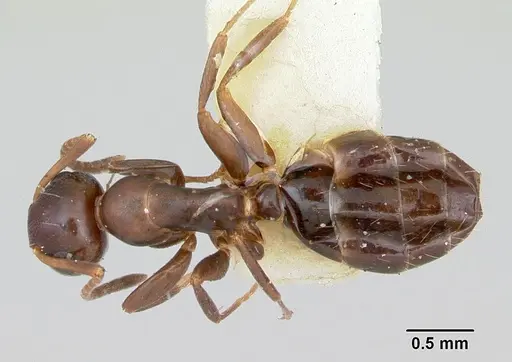
CASENT0103354
View on AntWeb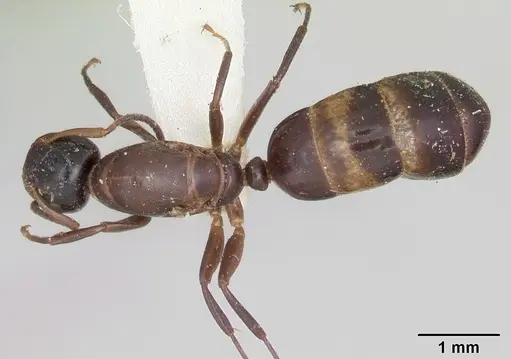
CASENT0103355
View on AntWeb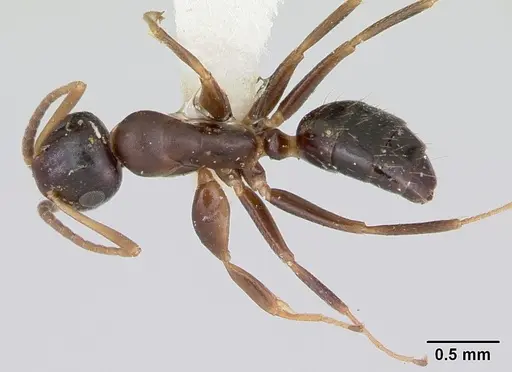
CASENT0103356
View on AntWeb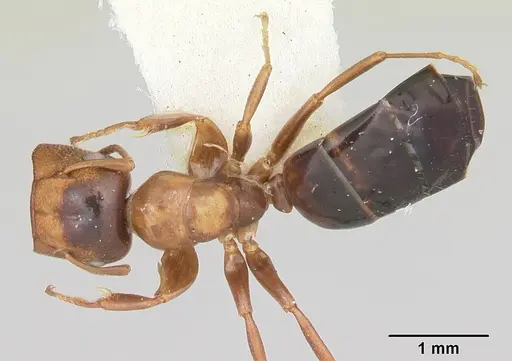
CASENT0103357
View on AntWeb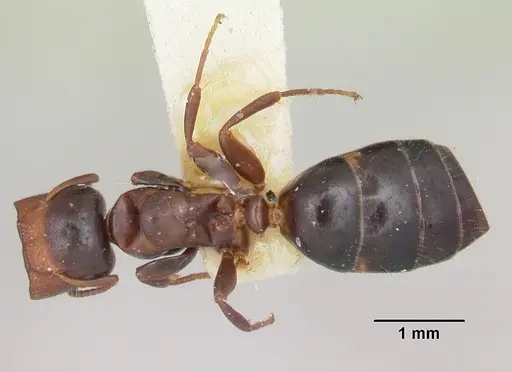
CASENT0105676
View on AntWeb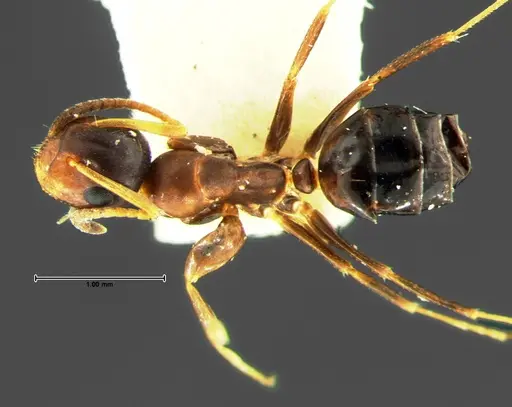
CASENT0923519
View on AntWeb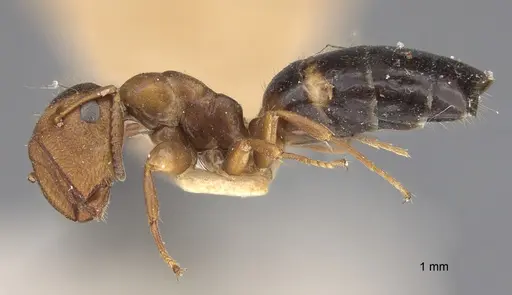
FMNHINS0000045811
View on AntWeb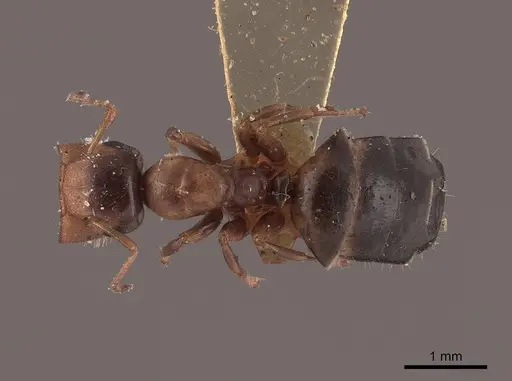
Literature
Loading distribution map...Loading products...