
Colobopsis manni
- Sci. Name
- Colobopsis manni
- Tribe
- Camponotini
- Subfamily
- Formicinae
- Author
- Wheeler, 1934
- Distribution
- Found in 2 countries
Introduction
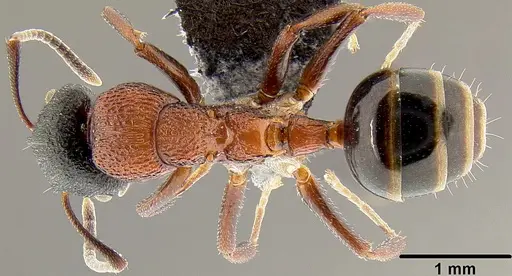
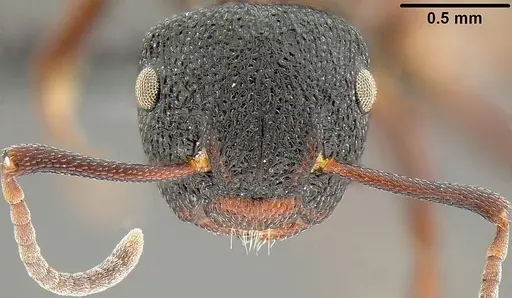
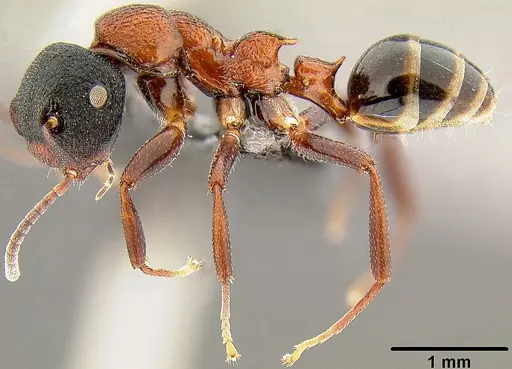
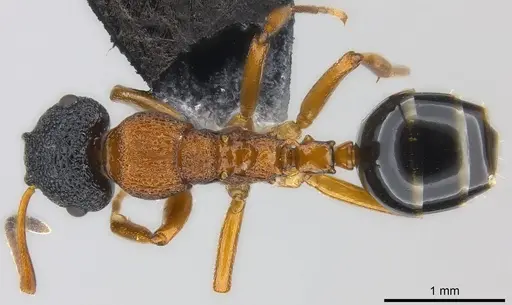
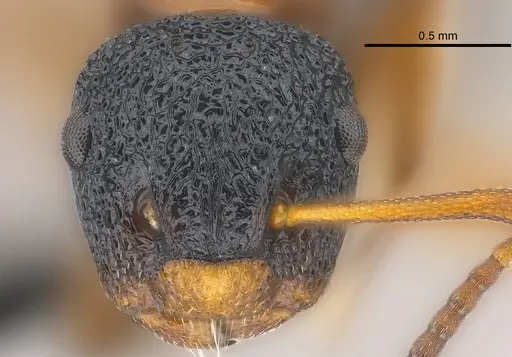
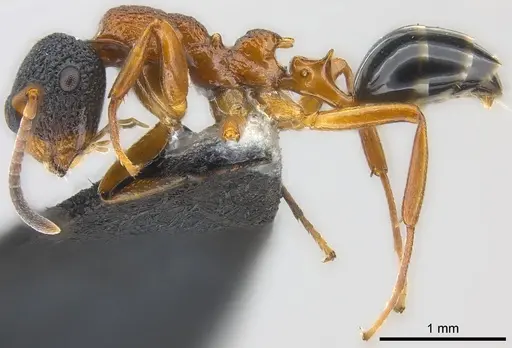
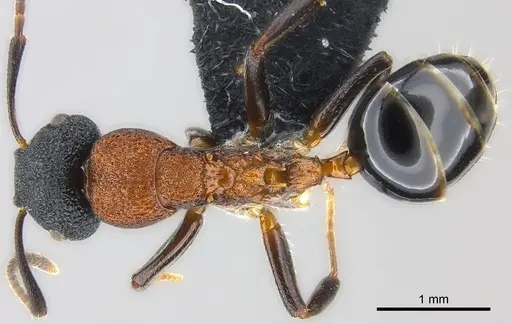
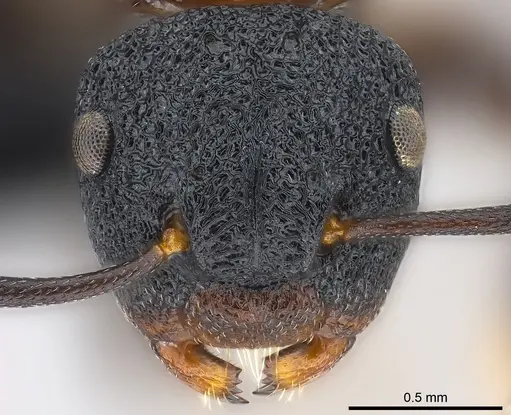
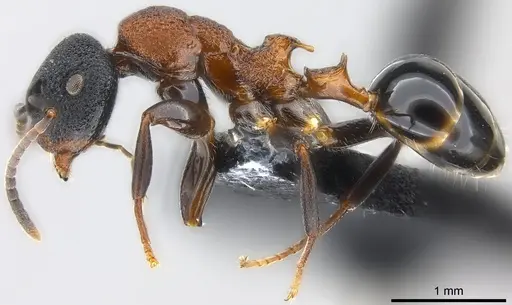
Colobopsis manni is a small carpenter ant endemic to the islands of Fiji, specifically found on Taveuni and Vanua Levu . Workers are part of the bryani species complex and can be identified by their reduced pilosity (fewer hairs) compared to related species . This arboreal species forages on vegetation and nests in tree cavities rather than ground locations . As a Colobopsis species, they possess the distinctive cork-head adaptation where workers can seal nest entrances using their specially shaped heads - a unique defense mechanism among carpenter ants.
Quick Summary
- Difficulty: Medium
- Origin & Habitat: Endemic to Fiji, found only on the islands of Taveuni and Vanua Levu in the South Pacific [1][2]. This tropical species lives in arboreal habitats, foraging in vegetation and nesting in tree cavities or dead wood [3].
- Colony Type: Colony structure unconfirmed. Based on typical Colobopsis patterns, likely single-queen.
- Size & Growth:
- Queen: Size data unavailable, inferred from related Camponotus species (~10-12mm)
- Worker: Size data unavailable, inferred from related Colobopsis species (major workers ~6-8mm, minor workers ~4-6mm)
- Colony: Likely up to several hundred workers at maturity based on related species
- Growth: Moderate, typical for tropical carpenter ants
- Development: Estimated 6-8 weeks at tropical temperatures based on related Camponotus species (Development likely faster than temperate species due to tropical origin)
- Antkeeping:
- Temperature: Keep at 24-28°C. As a tropical Fiji species, they need warm conditions year-round. A small heating cable on one side of the nest creates a suitable gradient.
- Humidity: Moderate to high humidity (60-80%). Being arboreal, they prefer humid conditions but not saturated. Keep nest substrate slightly moist but allow drying between waterings.
- Diapause: No, being a tropical species, they do not require hibernation. Maintain consistent warm temperatures year-round.
- Nesting: Arboreal nesting preference means they do well in wood-based nests. Y-tong (AAC) nests, plaster nests with cork or wood inserts, or naturalistic setups with dead branches work well. Provide dead wood or cork for them to seal with their heads.
- Behavior: Generally calm and non-aggressive for a carpenter ant. Workers forage on vegetation and will collect honeydew from aphids and scale insects. Major workers can defend the colony using their cork-head adaptation to seal nest entrances. Unlike most Formicinae which spray formic acid, Colobopsis relies on this physical plugging behavior for defense. Escape risk is moderate, use standard barrier methods but they are not particularly prone to escaping like tiny species.
- Common Issues: tropical species needs constant warmth, cold drafts can be fatal, arboreal nature means they need wood or cork in their nest for natural behavior, limited availability in the antkeeping hobby due to endemic status, wild-caught colonies may be difficult to establish in captivity, maintaining proper humidity without mold can be challenging
Housing and Nest Setup
Colobopsis manni is an arboreal species that naturally nests in tree cavities and dead wood. In captivity, they do best in nests that mimic these conditions. Y-tong (AAC) nests work well, especially with cork or balsa wood inserts that allow the ants to exhibit their unique cork-head sealing behavior. Plaster nests with wooden chambers are another excellent option. Avoid fully acrylic nests without any wood substrate, these ants need material they can manipulate. For the outworld, provide climbing structures like branches, cork, or plants since they naturally forage in vegetation. Test tube setups can work for founding colonies, but transfer to a proper nest once the colony reaches 15-20 workers. [3]
Feeding and Diet
Like other carpenter ants, Colobopsis manni is omnivorous with a preference for sugar sources. Offer sugar water, honey, or diluted maple syrup as a constant food source. They also need protein from insects, small crickets, mealworms, fruit flies, and other small arthropods are readily accepted. In nature, they forage on vegetation and likely collect honeydew from aphids and scale insects, so offering a honey-water solution mimics this natural food source. Feed protein prey 2-3 times per week and keep sugar water available at all times. Remove uneaten prey after 24 hours to prevent mold.
Temperature and Heating
Being endemic to tropical Fiji, this species requires warm temperatures year-round. Keep the nest area at 24-28°C. Room temperature may be sufficient if your home stays in this range, but a small heating cable or mat on one side of the nest can ensure consistency. Use a thermostat to prevent overheating, never exceed 32°C. Create a temperature gradient so ants can move between warmer and cooler areas. Cold temperatures below 20°C can stress the colony and slow or stop brood development. Unlike temperate species, they do not need any cooling period or hibernation. [1]
Humidity and Water
Colobopsis manni prefers moderate to high humidity (60-80%). As an arboreal species, they are accustomed to humid tropical conditions. Keep the nest substrate slightly moist but not waterlogged. A water tube attached to the nest provides a constant water source. Monitor for condensation, some condensation is good but excessive moisture leads to mold problems. Allow the substrate to partially dry between waterings rather than keeping it constantly wet. If using a Y-tong nest, the sponge should be damp but not dripping.
The Cork-Head Adaptation
One of the most distinctive aspects of Colobopsis ants is their unique defense mechanism. Workers have a specially shaped, bottle-shaped head that fits perfectly into the nest entrance like a cork. When threatened, workers can plug the entrance to protect the colony. Unlike most Formicinae which rely on spraying formic acid, Colobopsis uses this physical plugging behavior as their primary defense. In captivity, providing cork or soft wood allows them to exhibit this natural behavior. You may observe workers actively plugging and unplugging the nest entrance, this is normal and indicates the colony feels safe enough to display natural behaviors. This makes them entertaining to watch and is part of what makes Colobopsis a rewarding genus to keep.
Frequently Asked Questions
How long does it take for Colobopsis manni to produce first workers?
Based on related Camponotus species, expect first workers approximately 6-8 weeks after the queen lays eggs, assuming temperatures around 24-28°C. The queen will seal herself in during founding and not emerge until her first workers hatch.
Can I keep multiple Colobopsis manni queens together?
This is not recommended. Like most Colobopsis species, they are likely single-queen. Combining unrelated queens typically results in fighting. If you acquire a colony, assume it has one queen.
What is the best nest type for Colobopsis manni?
Y-tong (AAC) nests with cork or balsa wood inserts work best because they mimic the tree cavities this species naturally nests in. Plaster nests with wooden chambers are also suitable. The key is providing wood material they can manipulate for their cork-head behavior.
Do Colobopsis manni need hibernation?
No. Being a tropical species from Fiji, they do not require hibernation or cooling periods. Keep them warm year-round at 24-28°C for optimal colony development.
How big do Colobopsis manni colonies get?
Based on related species, colonies likely reach several hundred workers at maturity. They are not among the largest carpenter ants, but a healthy colony should reach 200-500 workers over several years.
Why is my Colobopsis manni colony declining?
The most common causes are: temperatures below 20°C (tropical species are cold-sensitive), too dry or too wet conditions, poor nutrition, or stress from excessive disturbance. Check temperature and humidity first, then ensure they have constant sugar water and regular protein prey.
Are Colobopsis manni good for beginners?
They are intermediate in difficulty. They are more forgiving than some tropical species but require warm temperatures year-round and proper arboreal-style housing. If you can maintain consistent warmth and humidity, they make rewarding pets.
Report an Issue
The current care sheet is based fully on literature. See inconsistencies, or something that's incorrect? Please , it will be resolved after review from an admin. Contributing to the blogs tab also helps providing information, to make us be able to further improve the caresheets. Thank you for your support!
References

This caresheet is licensed under CC BY-SA 4.0 .
Community Blogs
Literature
Loading distribution map...Loading products...