
Leonard’s Gate-keeper Ant
Colobopsis leonardi
- Sci. Name
- Colobopsis leonardi
- Tribe
- Camponotini
- Subfamily
- Formicinae
- Author
- Emery, 1889
- Common Name
- Leonard’s Gate-keeper Ant
- Distribution
- Found in 7 countries
Introduction
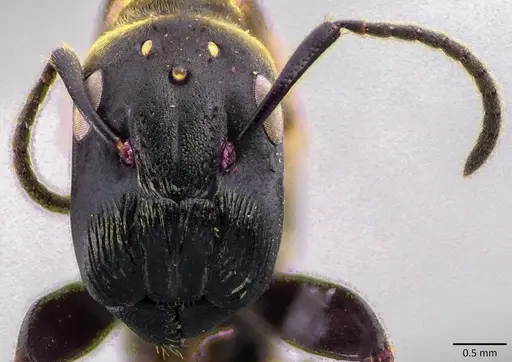
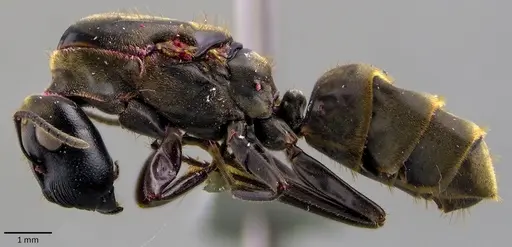
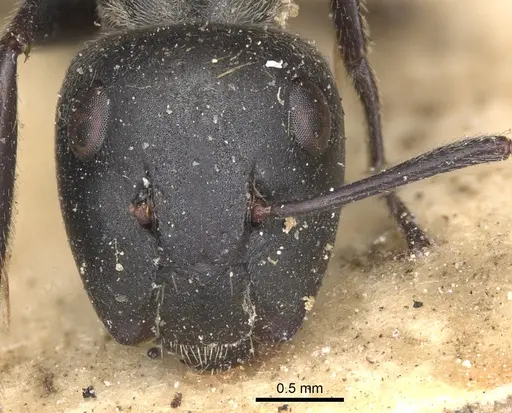
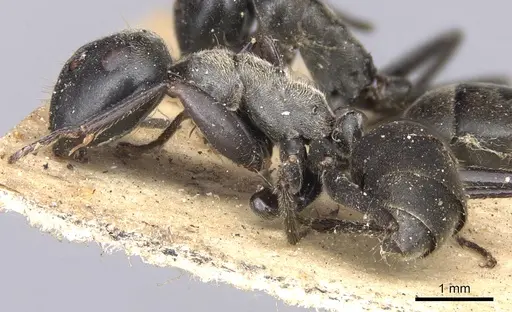
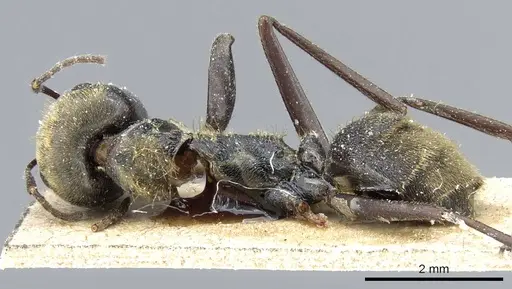
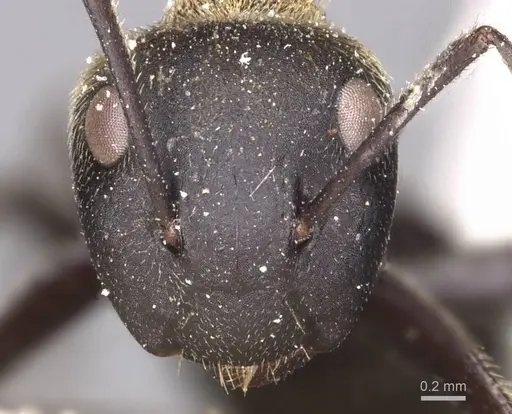
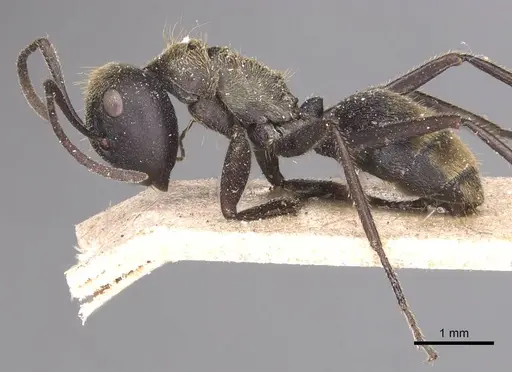
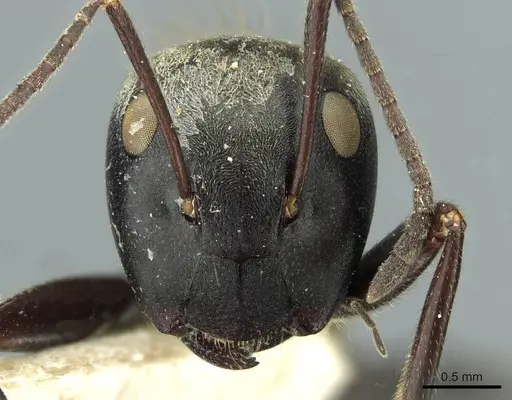
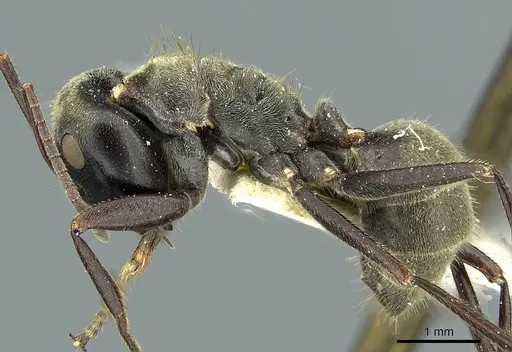
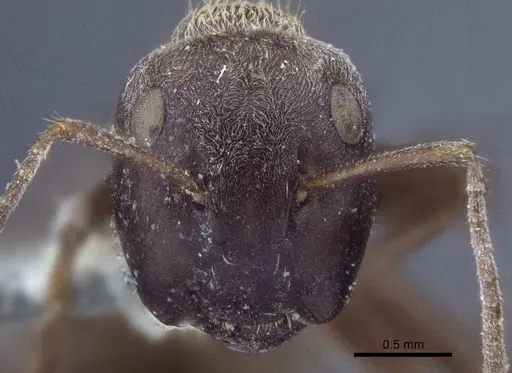
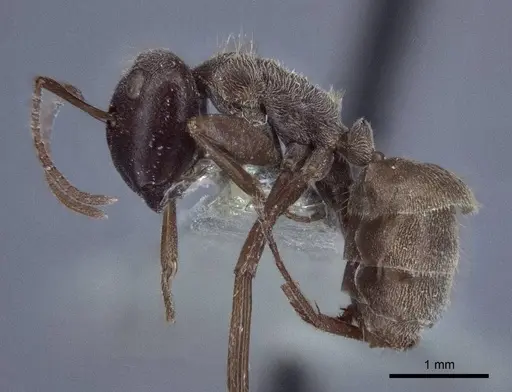
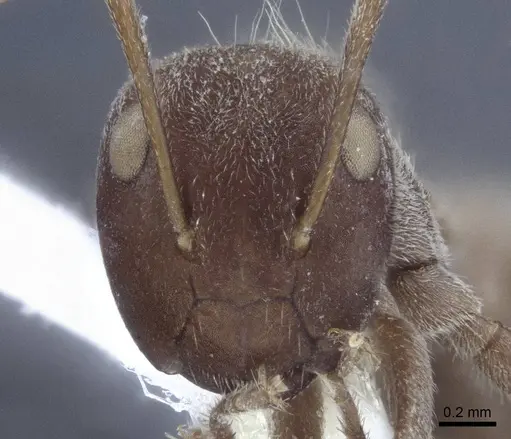
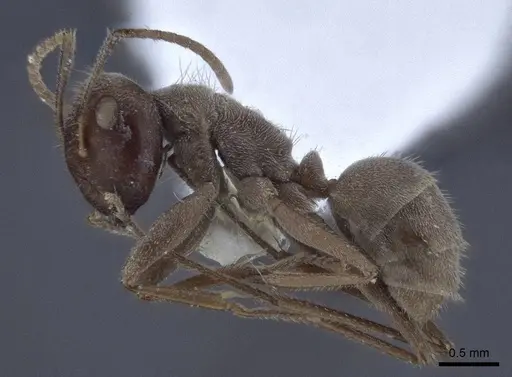
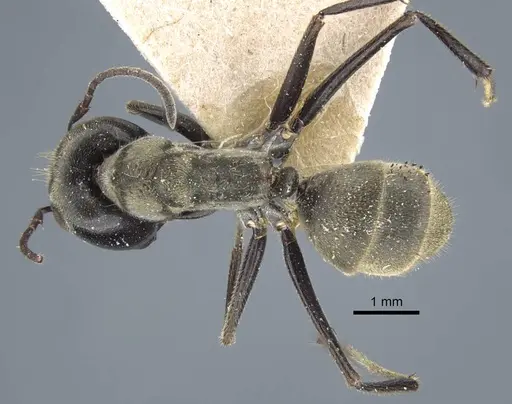
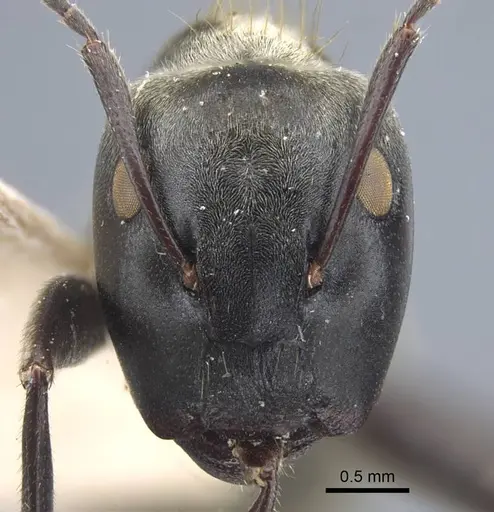
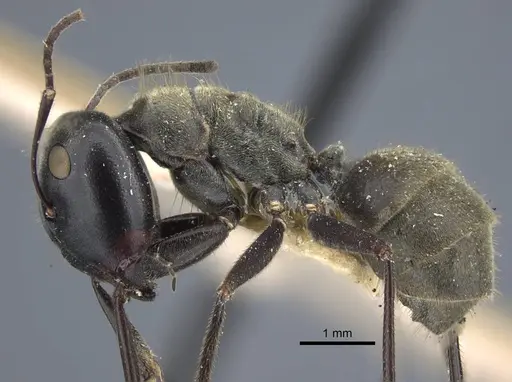
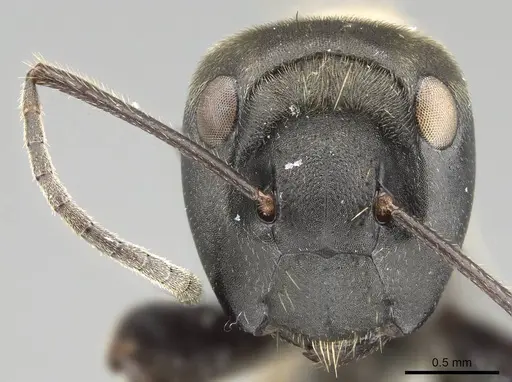
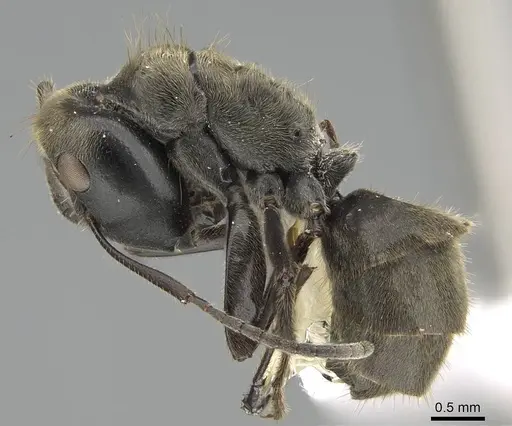
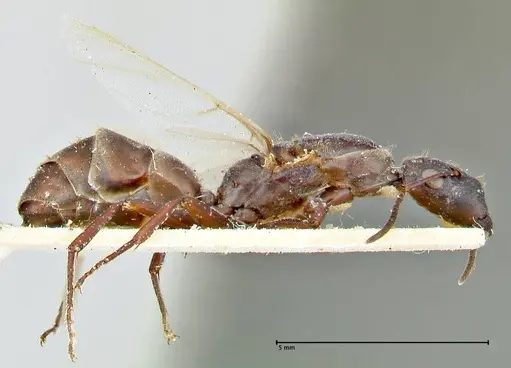
Colobopsis leonardi is a medium-sized arboreal ant native to Southeast Asia and the Indomalayan region. Workers measure 6-10mm in total length . This species is part of the Colobopsis cylindrica group, commonly known as 'exploding ants' due to their unique defensive strategy where minor workers can rupture their own gasters to release toxic chemicals onto attackers [AntWiki]. They are canopy-dwelling ants that form large polydomous colonies with multiple nest entrances, typically nesting in tree branches and hollow twigs . The species serves as the primary host for the zombie ant fungus Ophiocordyceps camponoti-leonardi in Thailand . What makes C. leonardi particularly interesting is their predatory behavior - contrary to earlier assumptions that the Colobopsis cylindrica group might not forage for solid food, research has shown they actively hunt and consume various arthropods including termites, other insects, and even earthworms . They also host beneficial bacteria (Blochmannia) that help with nutrition, a trait shared with the entire Camponotini tribe .
Quick Summary
- Difficulty: Medium
- Origin & Habitat: Native to Southeast Asia including Borneo, India, Indonesia, Laos, Malaysia, Myanmar, Philippines, Singapore, Thailand, and southern China. Found in tropical rainforests and arboreal habitats in tree canopies [2][7].
- Colony Type: Large polydomous colonies with multiple nest entrances. Colonies maintain nests along fallen branches or tree sections, with workers moving freely between nest sites [1].
- Size & Growth:
- Queen: size data unavailable
- Worker: 6.23-10.96mm total length [1]
- Colony: Large colonies, dominant canopy species forming extensive colonies [2]
- Growth: Moderate
- Development: Estimated 6-8 weeks based on related Camponotus species at tropical temperatures (Development likely faster at warmer temperatures typical of their tropical habitat)
- Antkeeping:
- Temperature: Keep at 24-28°C. Being a tropical species, they need warm conditions. A heating cable on one side of the nest creates a suitable gradient [2].
- Humidity: Moderate to high humidity (60-80%). As an arboreal species from rainforest habitats, they prefer damp conditions but not waterlogged. Provide a water tube for drinking water.
- Diapause: No, being a tropical species, they do not require hibernation. Keep temperatures stable year-round.
- Nesting: Arboreal setup works best, they naturally nest in tree branches and hollow twigs. Use a Y-tong (AAC) nest or a naturalistic setup with cork or wooden branches. Provide vertical space and multiple small chambers. Test tubes can work for founding colonies but will need to transition to more arboreal-style housing as the colony grows.
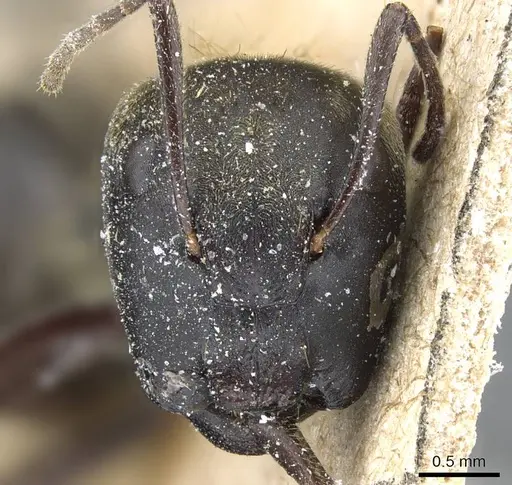
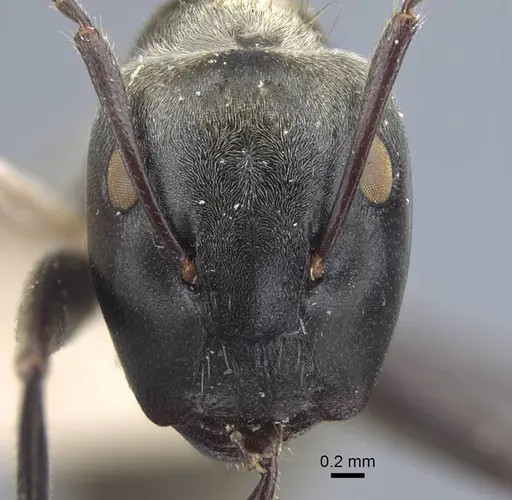
- Behavior: These ants are diurnal and primarily arboreal. Workers forage actively on defined trails, hunting prey including termites and other small insects [1]. They are predatory and will take down a variety of arthropods. Major workers have phragmotic (plugging) head morphology used to block nest entrances. Minor workers can exhibit exploding defense when threatened, they rupture their gaster to release toxic secretions [2]. Escape risk is moderate, use standard barrier methods. They are not aggressive toward keepers but will defend their nest.
- Common Issues: tropical temperature requirements mean colonies can struggle in cool rooms or air conditioning, arboreal nesting needs mean they may not thrive in standard horizontal test tube setups long-term, predatory diet requires consistent protein feeding, sugar alone is insufficient, wild-caught colonies may carry zombie ant fungus (Ophiocordyceps) which can affect colony health, large colony size requires expansion space, cramped colonies may decline
Housing and Nest Setup
Colobopsis leonardi is an arboreal species that naturally nests in tree branches, hollow twigs, and similar elevated locations. In captivity, they do best in setups that mimic their natural arboreal habitat. A Y-tong (AAC) nest with narrow chambers works well, or you can create a naturalistic setup using cork or wooden branches. The key is providing vertical space and multiple small chambers rather than large open areas. For founding colonies, a test tube setup can work initially, but plan to transfer to a more arboreal-style formicarium as the colony grows beyond 20-30 workers. These ants rarely descend to the ground in the wild [8], so they appreciate having their nest elevated when possible. Ensure the nest has some humidity control, these rainforest ants need moisture but not standing water.
Feeding and Diet
Unlike many carpenter ants that rely heavily on honeydew and sugar, C. leonardi is actively predatory and needs protein-rich food. Research in Thailand showed they accept diverse prey including termites (Macrotermes, Coptotermes, Nasutitermes), other ants, beetles, woodlice, and even earthworm pieces [1]. They hunt individually, carrying prey back to the nest head-first for small items. Feed them small live insects like fruit flies, pinhead crickets, or mealworm pieces. They will also accept protein-based commercial ant foods. Sugar water or honey should be offered as a supplement, but protein is the primary dietary need. Feed protein 2-3 times per week, and keep sugar sources available constantly. Remove uneaten prey after 24-48 hours to prevent mold.
Temperature and Climate
Being a tropical species from Southeast Asian rainforests, C. leonardi requires warm temperatures year-round. Keep the nest area at 24-28°C (75-82°F). A small heating cable placed on one side of the nest creates a temperature gradient that allows the ants to regulate their own conditions. Avoid temperatures below 22°C as this can slow colony development and make them sluggish. Room temperature in most homes should be sufficient, but watch out for air conditioning or drafty windows in winter. Unlike temperate species, they do not require any diapause or winter cooling period, maintain consistent tropical conditions throughout the year. The research on zombie ant behavior shows they are adapted to warm, humid rainforest conditions with temperature influencing fungal manipulation timing [9].
Defense Mechanisms
The most remarkable trait of C. leonardi is its membership in the 'exploding ant' group (Colobopsis cylindrica group). When threatened, minor workers can flex their gasters so forcefully that they rupture, releasing a toxic chemical mixture that they then smear onto attackers [2]. This suicidal defense is called autothysis. Major workers have a different defensive strategy, their heads are modified with a phragmotic shape that allows them to physically plug nest entrances, blocking intruders. In captivity, you may rarely observe the exploding defense as it requires significant threat. However, when cleaning the nest or moving colonies, handle gently to avoid triggering this response. The toxic secretions are primarily a defense against predators and rival colonies in the wild.
Colony Structure and Growth
C. leonardi forms large polydomous colonies, meaning they maintain multiple nest sites connected by trails. Research found colonies with nest entrances distributed along fallen branches over 5 meters long [1]. Workers move freely between nest sites, and the colony shows clear foraging trails. This social structure means they can support multiple egg-laying queens. Colony growth is moderate, expect 6-10 weeks from egg to first worker (nanitics) at optimal temperatures. Once established, colonies can grow quite large given their dominant canopy status. The workers show continuous variation from minor to major morphs, with larger workers developing more pronounced features [10]. Be patient with founding colonies, the first few months are slow as the queen raises her initial brood.
Health Concerns
One important consideration for C. leonardi is their susceptibility to the zombie ant fungus Ophiocordyceps camponoti-leonardi. This specialized fungal parasite is known from Thailand and manipulates infected ants to leave the canopy, descend to understory vegetation, and bite into leaf veins before dying [8][4]. The fungus then grows from the ant's head to release spores. While this is primarily a concern for wild colonies in their native range, newly collected wild colonies could potentially carry the fungus. If you notice workers acting strangely (disoriented, climbing excessively, biting enclosure surfaces), this could indicate fungal infection. Maintain clean conditions and avoid introducing soil or plant material from their native range. Otherwise, with proper care (warm temperatures, adequate protein, appropriate humidity), they are relatively hardy in captivity.
Frequently Asked Questions
Can I keep Colobopsis leonardi in a test tube?
Test tubes work for founding colonies, but these arboreal ants will need more space as they grow. Transfer to a Y-tong or naturalistic setup once the colony reaches 30-50 workers.
What do Colobopsis leonardi ants eat?
They are predatory ants that need protein. Feed small live insects like fruit flies, pinhead crickets, or mealworm pieces. They also accept termites, other small ants, and even earthworm pieces. Sugar water or honey should be available as a supplement.
How long until first workers appear?
Expect 6-10 weeks from egg to first worker (nanitics) at optimal tropical temperatures (24-28°C). Growth is faster in warmer conditions.
Do Colobopsis leonardi ants explode?
Yes, they are 'exploding ants', minor workers can rupture their own gaster to release toxic chemicals when threatened. This is a last-resort defense mechanism rarely seen in captivity.
Do they need hibernation?
No. As a tropical species from Southeast Asia, they do not require diapause or winter cooling. Keep them warm year-round at 24-28°C.
Are Colobopsis leonardi good for beginners?
They are rated as medium difficulty. The main challenges are maintaining tropical temperatures, providing adequate protein prey, and eventually transitioning them to arboreal-style housing. Not recommended as a first ant, but manageable for those with some experience.
How big do colonies get?
They form large colonies, being a dominant canopy species in their native range, mature colonies can reach thousands of workers.
When should I move them to a formicarium?
Move from test tube to a formicarium once the colony reaches 30-50 workers. An arboreal-style setup (Y-tong, cork setup) works better than horizontal nests.
Why are my ants acting strangely (climbing excessively, biting)?
This could indicate zombie ant fungus infection (Ophiocordyceps). Infected ants show disoriented 'drunkard's walk' behavior and may bite enclosure surfaces. This is rare in captivity but possible if collected from the wild in their native range.
Report an Issue
The current care sheet is based fully on literature. See inconsistencies, or something that's incorrect? Please , it will be resolved after review from an admin. Contributing to the blogs tab also helps providing information, to make us be able to further improve the caresheets. Thank you for your support!
References

This caresheet is licensed under CC BY-SA 4.0 .
Community Blogs
ANTWEB1041834
View on AntWeb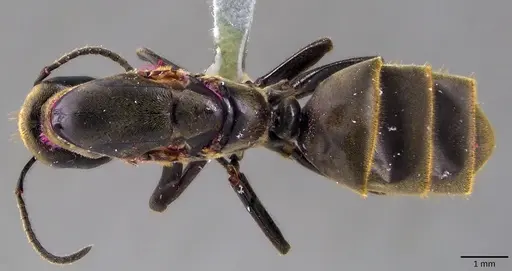
CASENT0901895
View on AntWeb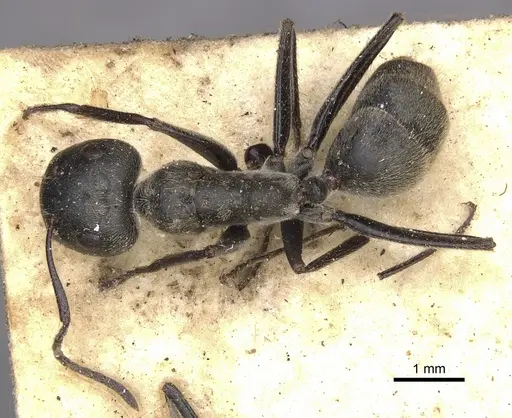
CASENT0905467
View on AntWeb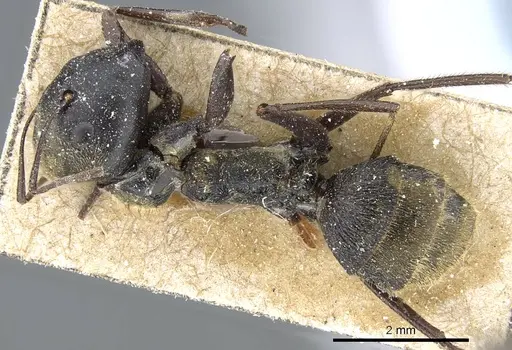
CASENT0905468
View on AntWeb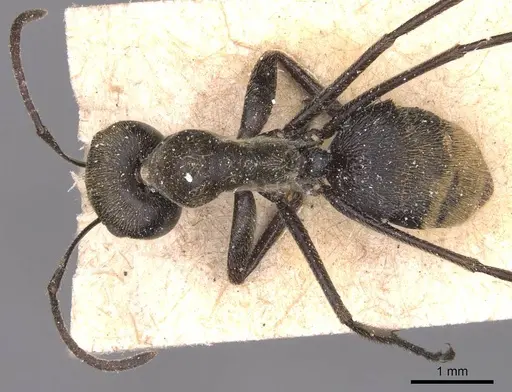
CASENT0911627
View on AntWeb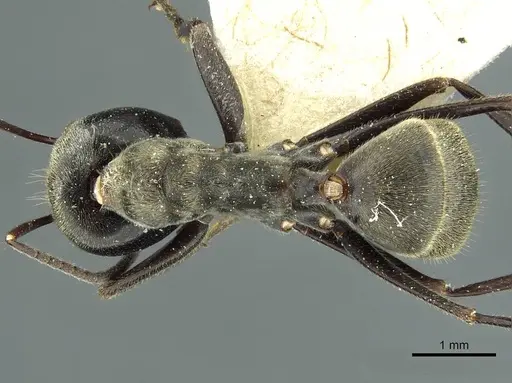
CASENT0916761
View on AntWeb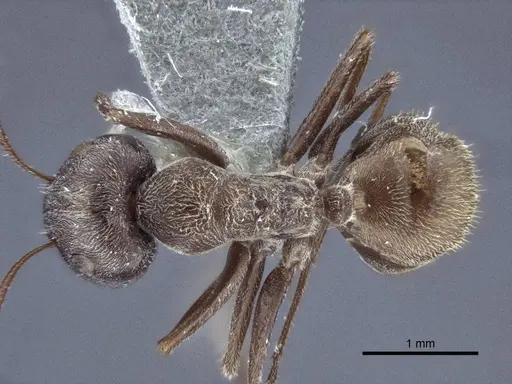
CASENT0916762
View on AntWeb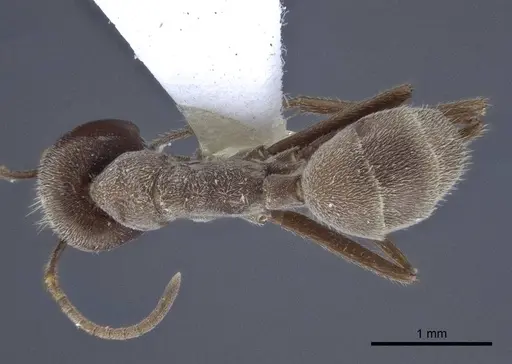
CASENT0917169
View on AntWeb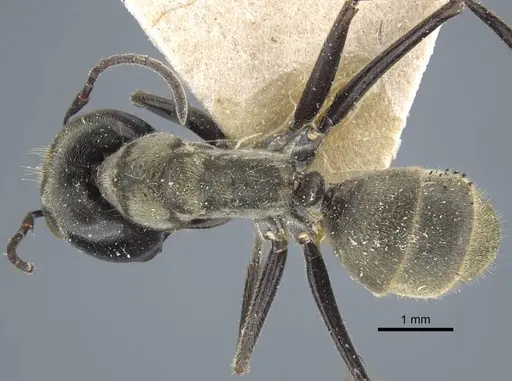
CASENT0919875
View on AntWeb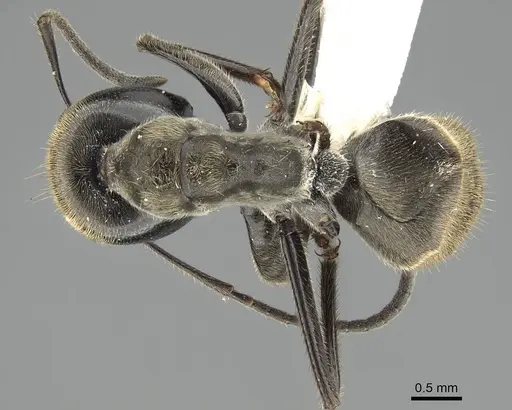
FOCOL2515
View on AntWeb
Literature
Loading distribution map...Loading products...