
Colobopsis flavolimbata
- Sci. Name
- Colobopsis flavolimbata
- Tribe
- Camponotini
- Subfamily
- Formicinae
- Author
- Viehmeyer, 1922
- Distribution
- Found in 1 countries
Introduction
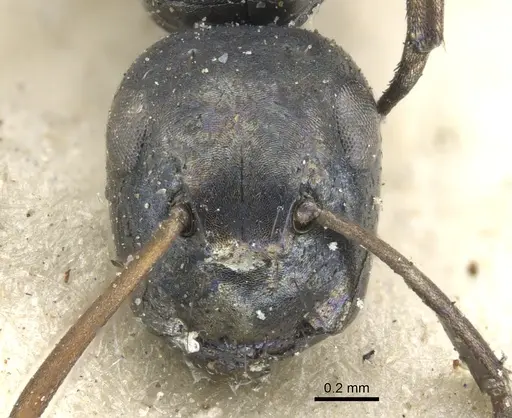
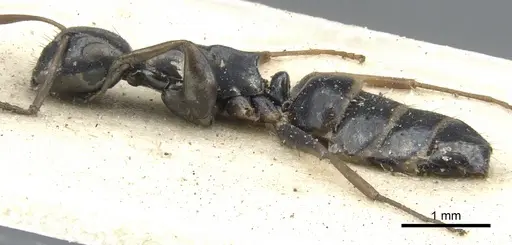
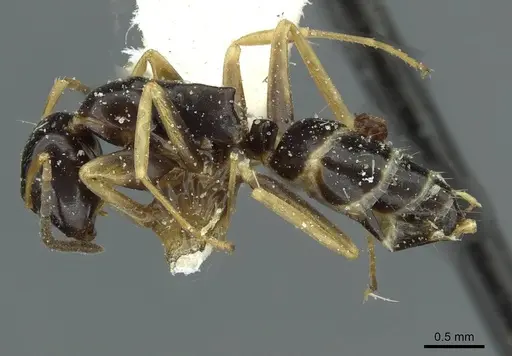
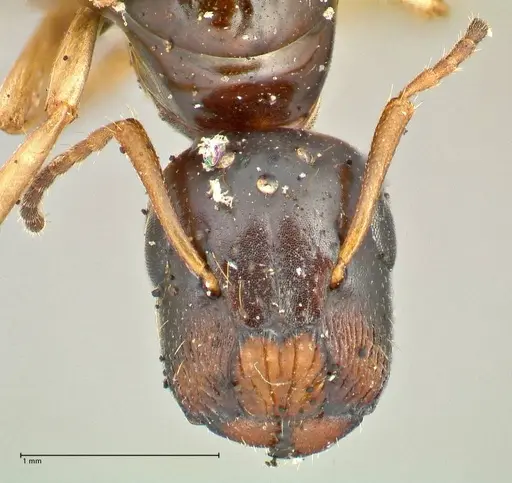
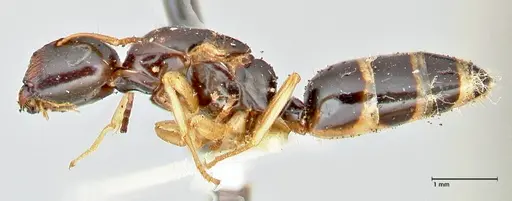
Colobopsis flavolimbata is a small to medium-sized ant endemic to the Samoan Archipelago, where it is found only on Tutuila and Upolu islands in American Samoa and Samoa . Workers and queens were originally described by Viehmeyer in 1922,though specimens had previously been misidentified as Camponotus novaehollandiae, Camponotus conithorax var. nautarum, and Camponotus rufifrons leucopus before being reclassified by Wilson and Taylor in 1967 . This species belongs to the Formicinae subfamily and Camponotini tribe, making it a relative of carpenter ants. As a tropical forest species native to the warm, humid forests of American Samoa, it nests in decaying wood and hollow plant stems. The species is considered native to American Samoa and endemic to the region, meaning it is found nowhere else on Earth . This species is poorly documented in scientific literature, so much of what we know comes from inference based on related Colobopsis and Camponotus species. Like other Colobopsis ants, they likely have a flexible caste system with specialized workers for different tasks. They are generally peaceful and not known to be aggressive toward keepers. Their tropical origin means they require warm, stable temperatures and high humidity to thrive in captivity.
Quick Summary
- Difficulty: Medium
- Origin & Habitat: Endemic to the Samoan Archipelago, found only on Tutuila and Upolu islands in American Samoa and Samoa. Inhabits tropical forest environments with high humidity [1][2][3].
- Colony Type: Colony structure is unconfirmed. Based on typical Camponotus patterns, likely single-queen colonies, though this has not been directly documented for this species.
- Size & Growth:
- Queen: Size data unavailable, inferred from Colobopsis genus patterns to be approximately 7-9mm
- Worker: Size data unavailable, inferred from Colobopsis genus patterns to be approximately 4-6mm
- Colony: Likely up to several hundred workers in mature colonies based on typical Colobopsis colony sizes
- Growth: Moderate, estimated based on related tropical Camponotini species
- Development: Estimated 6-10 weeks at optimal tropical temperatures, based on typical Camponotini development patterns (Development time is estimated from related species, direct measurements for this species are not available)
- Antkeeping:
- Temperature: Keep at 24-28°C. As a tropical species from Samoa, they need consistent warmth. A heating cable on one side of the nest creates a temperature gradient. Avoid temperatures below 22°C for extended periods.
- Humidity: High humidity is essential, aim for 70-85% relative humidity. These ants come from the humid tropical forests of Samoa. Keep the nest substrate consistently moist but not waterlogged. Mist the outworld occasionally and use a water reservoir in test tube setups.
- Diapause: No, this is a tropical species that does not require hibernation. Maintain warm temperatures year-round. Do not expose them to cool temperatures.
- Nesting: In nature, they nest in decaying wood and hollow plant stems. In captivity, they do well in Y-tong (AAC) nests, test tube setups with cotton, or plaster nests. They prefer tight, enclosed spaces that maintain humidity. Avoid dry, airy setups.
- Behavior: Colobopsis ants are generally peaceful and not aggressive toward keepers. Workers are active foragers that search for food in the outworld. They are not known to be escape artists, but use standard escape prevention as a precaution. They likely have a varied diet including nectar, honeydew, and small insects, typical of the Camponotini tribe. Major workers (soldiers) may be present in mature colonies for nest defense. As Formicinae, they lack a functional sting but may bite and spray formic acid as a defense mechanism.
- Common Issues: tropical species are sensitive to temperature drops, keep them warm year-round, high humidity requirements can lead to mold if ventilation is poor, balance is key, poorly studied species means some care parameters are estimates, monitor colony behavior and adjust, wild-caught colonies may carry parasites or diseases that can affect captive colonies, small colony sizes initially mean founders need patience, they grow moderately, not quickly, this species is endemic to Samoa, availability in the antkeeping hobby may be very limited
Nest Preferences and Housing
Colobopsis flavolimbata naturally nests in decaying wood and hollow plant stems in the humid tropical forests of Samoa. In captivity, they adapt well to several nest types. Y-tong (AAC) nests work well because they provide the dark, enclosed spaces these ants prefer while allowing you to monitor colony progress. Test tube setups are also suitable, especially for founding colonies, use a water reservoir with cotton to maintain humidity. Plaster nests can work but require careful moisture management to prevent drying out. Avoid large open naturalistic setups, as these ants prefer tight, enclosed chambers. The nest should be kept humid but with some dry areas available so ants can self-regulate their moisture exposure.
Feeding and Diet
Like other Camponotini ants, Colobopsis flavolimbata is omnivorous with a preference for sweet liquids and protein. Feed them sugar water, honey, or diluted maple syrup as a constant energy source, place a small dish or cotton ball soaked in sugar water in the outworld. For protein, offer small insects like fruit flies, pinhead crickets, or mealworms. They will likely accept most standard ant foods. In their natural tropical habitat, they would have access to honeydew from aphids and scale insects, so occasional protein-rich foods help replicate this. Feed the queen and small colonies small amounts every few days, remove uneaten food after 24-48 hours to prevent mold. As the colony grows, you can increase feeding frequency and portion sizes. Fresh fruit slices can also be offered as supplementary sugars.
Temperature and Seasonal Care
As a tropical species endemic to Samoa, these ants require warm, stable temperatures year-round. Maintain nest temperatures between 24-28°C, with 26°C being ideal for brood development. A heating cable placed on one side of the nest creates a gentle temperature gradient that allows ants to regulate their own exposure to warmth. Room temperature around 22-24°C may be acceptable if your home stays in this range, but monitor colony activity, if workers seem sluggish or cluster tightly together, they may need additional warmth. Never expose this species to temperatures below 20°C, as prolonged cold can be fatal. Unlike temperate species, they do not require a diapause or winter rest period. Maintain consistent warmth throughout the year.
Humidity Management
High humidity is crucial for keeping Colobopsis flavolimbata successfully. As a tropical forest species from American Samoa, they are adapted to consistently moist conditions. Aim for 70-85% relative humidity within the nest area. In test tube setups, ensure the water reservoir is adequately sized and the cotton is keeping the substrate damp but not flooded. Check regularly that the substrate does not dry out, if it appears lighter in color or pulls away from the tube walls, add a small amount of water. In Y-tong or plaster nests, you may need to mist the nest occasionally or use a moisture reservoir. However, balance is important, excessive moisture without ventilation leads to mold growth, which can harm the colony. Ensure some air circulation while maintaining humidity.
Behavior and Colony Dynamics
Colobopsis ants are known for their caste flexibility, mature colonies typically include both minor workers (standard foragers) and major workers (soldiers) with enlarged heads used for nest defense. This species likely follows similar patterns, though the exact caste structure has not been documented. Workers are active foragers that will explore the outworld searching for food. They are generally peaceful and unlikely to bite or spray formic acid unless directly threatened. The queen remains hidden in the nest after founding, tended by her first workers. Colonies grow moderately, expect several months before you see significant numbers. Major workers typically appear once the colony reaches a few dozen workers.
Acquiring and Establishing Colonies
Colobopsis flavolimbata is endemic to Samoa, which means wild-caught colonies are not legal to export and would not be available to most antkeepers outside the region. If available in the antkeeping hobby, they would likely come from established breeders who have propagated the species. When starting a colony from a queen, use a clean test tube setup with a water reservoir. The queen will seal herself into a founding chamber and should not be disturbed for several weeks. Do not check on her daily, excessive vibration and light can cause her to abandon or eat her brood. After 4-8 weeks, you should see the first workers emerge. Once the colony has 10-20 workers and is actively foraging, you can connect an outworld for feeding. Only move to a larger nest when the current one is clearly crowded.
Frequently Asked Questions
How long does it take for Colobopsis flavolimbata to produce first workers?
Expect 6-10 weeks from egg to first worker at optimal temperature (around 26°C). This is estimated from related Camponotini species, as specific development data for this species is not available. The queen will remain sealed in her chamber during this time, living off her stored fat reserves.
What temperature do Colobopsis flavolimbata ants need?
Keep them at 24-28°C, with 26°C being ideal. This is a tropical species from Samoa that needs consistent warmth year-round. Do not let temperatures drop below 22°C. A heating cable on one side of the nest can help maintain these conditions.
Do Colobopsis flavolimbata ants need hibernation?
No, they do not require hibernation. As a tropical species from the warm Samoan islands, they need warm temperatures year-round. Attempting to hibernate them or exposing them to cool temperatures can be fatal.
What do Colobopsis flavolimbata ants eat?
They are omnivorous. Feed them sugar water, honey, or maple syrup as a constant energy source. For protein, offer small insects like fruit flies, pinhead crickets, or mealworms. They will also likely accept fresh fruit slices. Remove uneaten food after 24-48 hours to prevent mold.
How big do Colobopsis flavolimbata colonies get?
Likely up to several hundred workers in mature colonies, based on typical Colobopsis colony sizes. This is estimated rather than directly documented for this species. They are not supercolonial and do not reach the massive sizes of some other Formicinae.
Are Colobopsis flavolimbata ants aggressive?
No, they are generally peaceful. They are not known to be aggressive toward keepers and are unlikely to bite or sting unless directly threatened. Major workers (soldiers) with enlarged heads are used for nest defense if the colony is threatened.
What humidity level do Colobopsis flavolimbata ants need?
High humidity is essential, aim for 70-85% relative humidity. These ants come from the humid tropical forests of Samoa. Keep the nest substrate consistently moist but not waterlogged. Balance humidity with adequate ventilation to prevent mold.
Can I keep multiple Colobopsis flavolimbata queens together?
This is not recommended. Based on typical Camponotus patterns, this species likely has single-queen colonies. Combining unrelated queens has not been documented for this species. If you acquire multiple foundress queens, house them separately.
What type of nest is best for Colobopsis flavolimbata?
Y-tong (AAC) nests, test tube setups, or plaster nests work well. They prefer dark, enclosed spaces that maintain humidity. Avoid dry, airy setups or large open naturalistic enclosures. The nest should have tight chambers scaled to their size.
Are Colobopsis flavolimbata ants good for beginners?
They are rated as medium difficulty. While not as demanding as some tropical species, they do require specific temperature and humidity conditions that beginners must maintain consistently. Their slow-to-moderate growth also requires patience. They are a rewarding species for those willing to provide proper tropical care.
Where is Colobopsis flavolimbata found in the wild?
This species is endemic to the Samoan Archipelago, found only on Tutuila and Upolu islands in American Samoa and Samoa. It is a native species to American Samoa and is not found anywhere else in the world.
Report an Issue
The current care sheet is based fully on literature. See inconsistencies, or something that's incorrect? Please , it will be resolved after review from an admin. Contributing to the blogs tab also helps providing information, to make us be able to further improve the caresheets. Thank you for your support!
References

This caresheet is licensed under CC BY-SA 4.0 .
Community Blogs
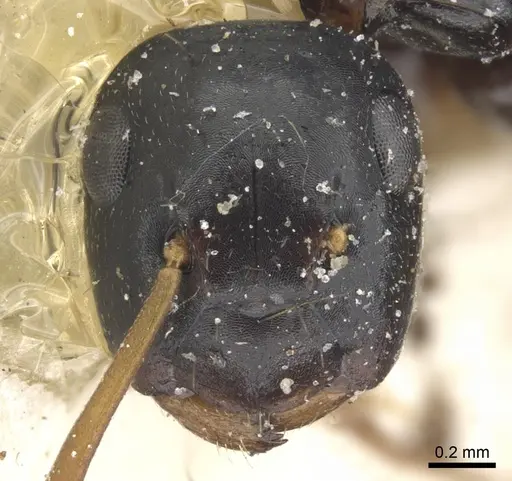
CASENT0903581
View on AntWeb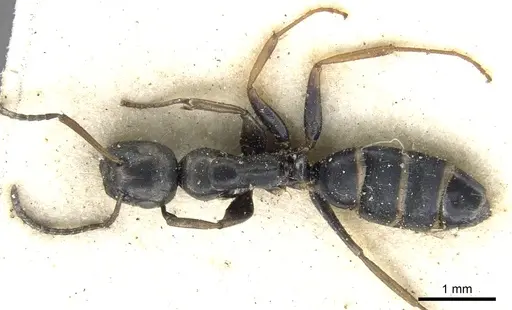
CASENT0903593
View on AntWeb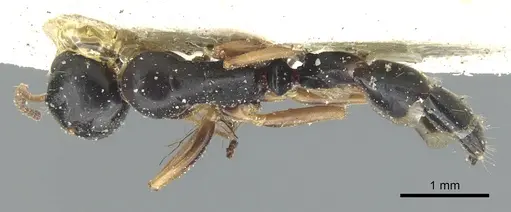
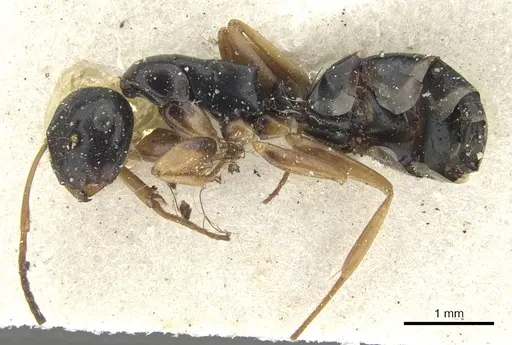
CASENT0911626
View on AntWeb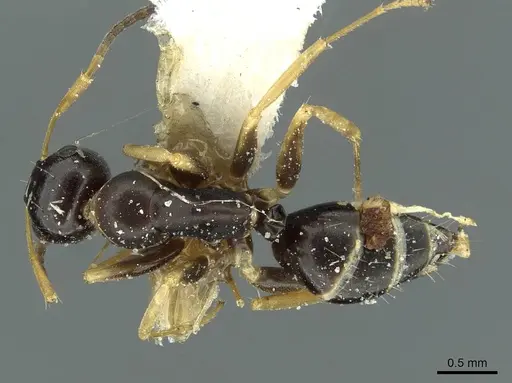
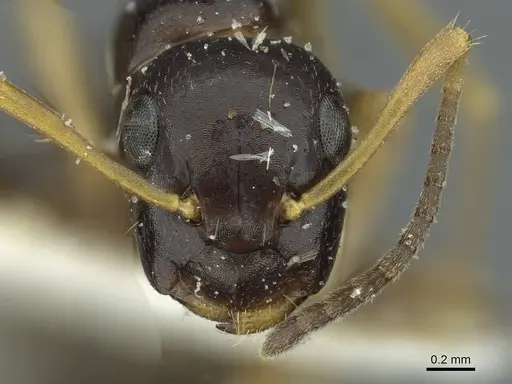
FOCOL2503
View on AntWeb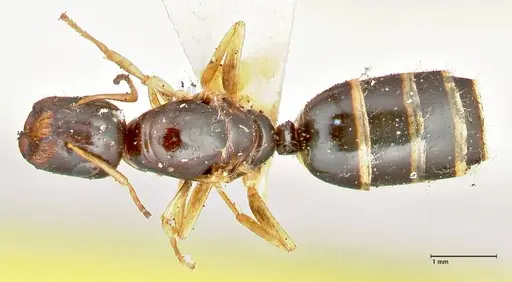
Literature
Loading distribution map...Loading products...