
Chronoxenus wroughtonii
- Sci. Name
- Chronoxenus wroughtonii
- Tribe
- Bothriomyrmecini
- Subfamily
- Dolichoderinae
- Author
- Forel, 1895
- Distribution
- Found in 5 countries
Introduction
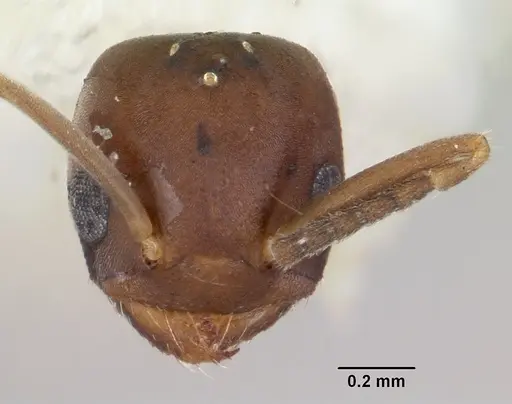
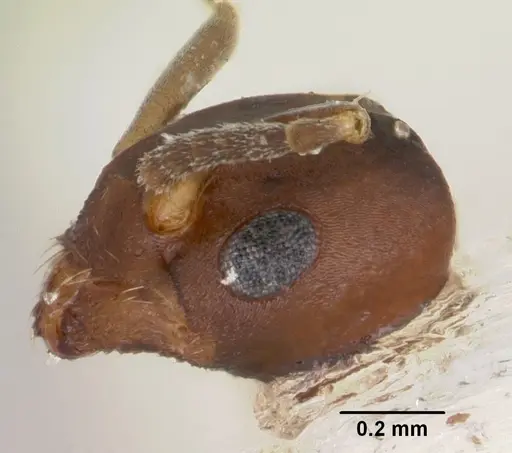
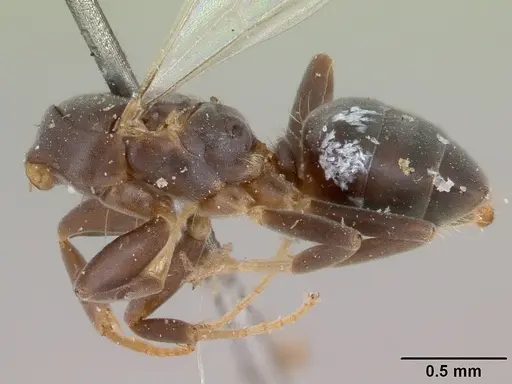
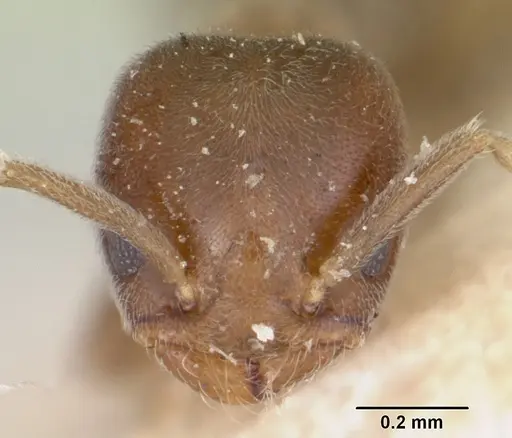
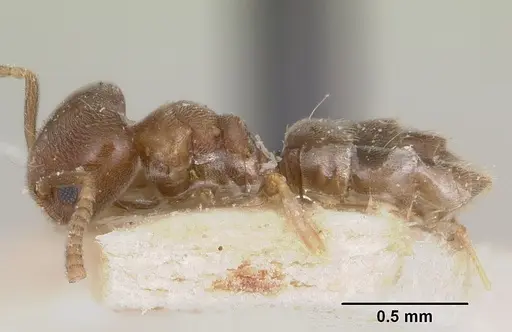
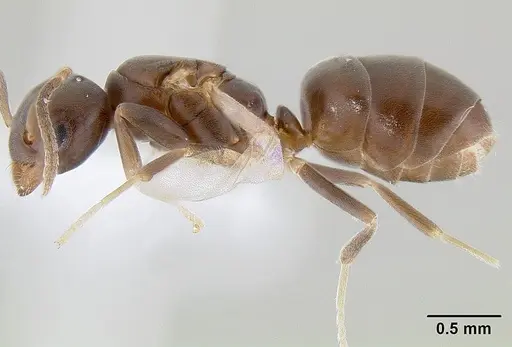
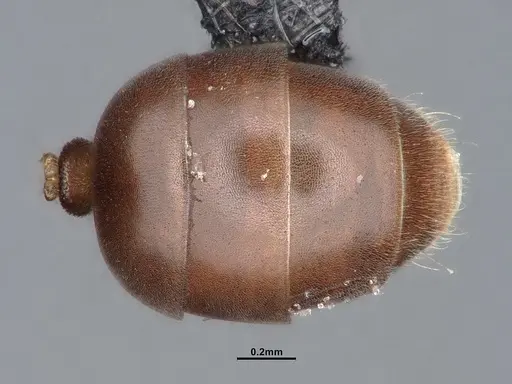
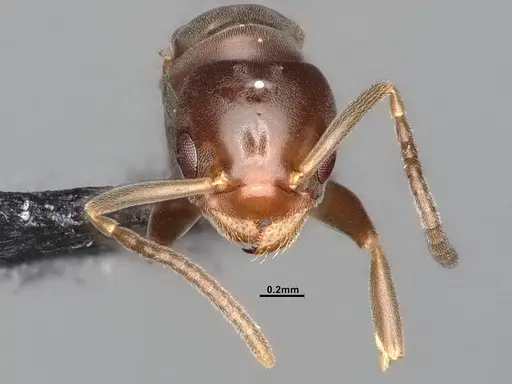
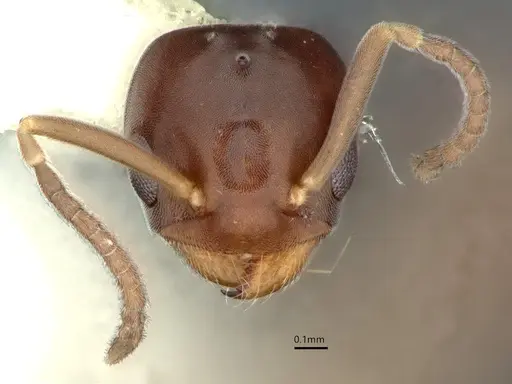
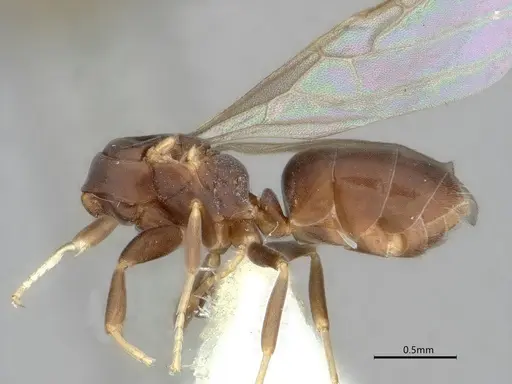
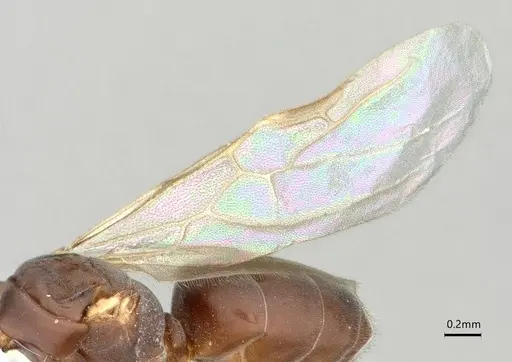
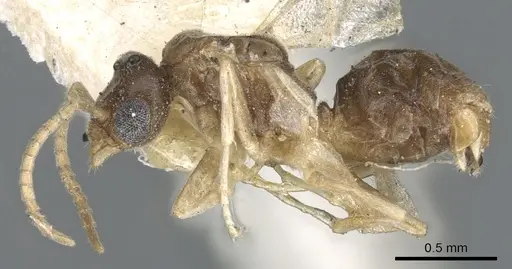
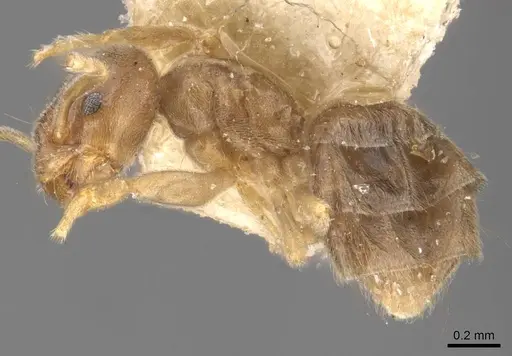
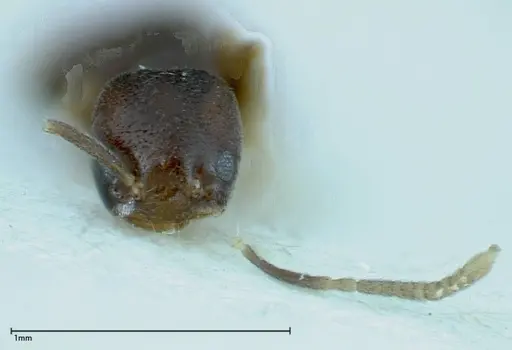
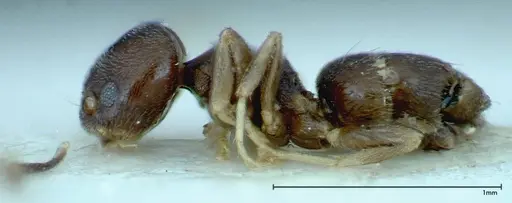
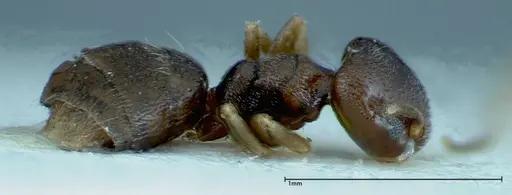
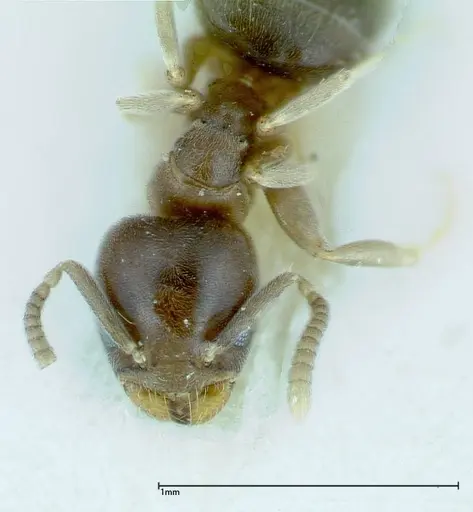
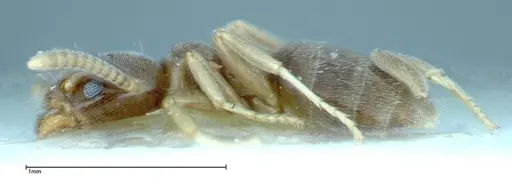
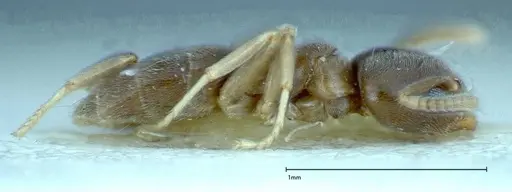
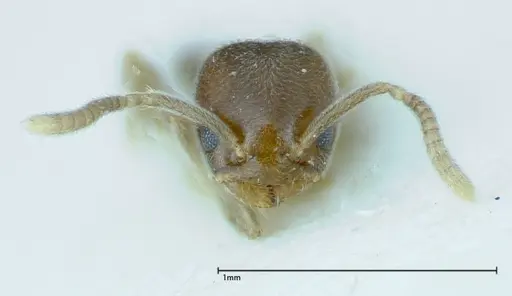
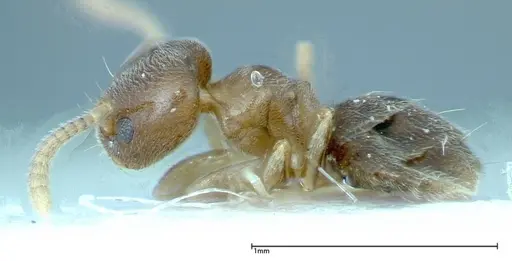
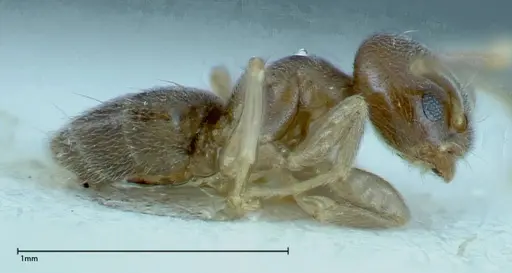
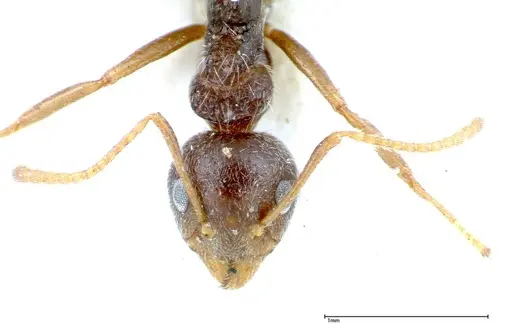
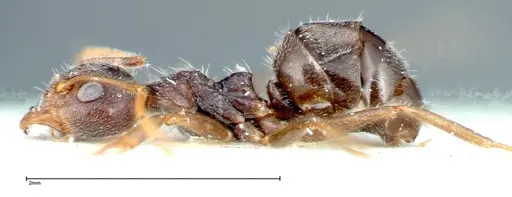
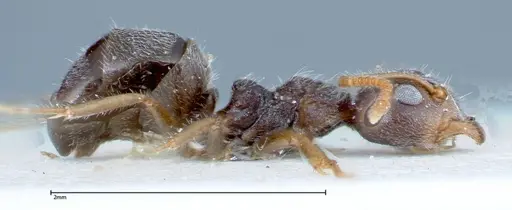
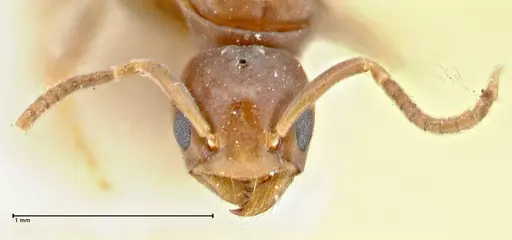
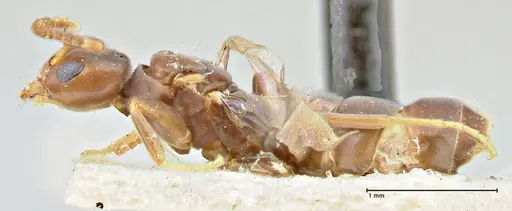
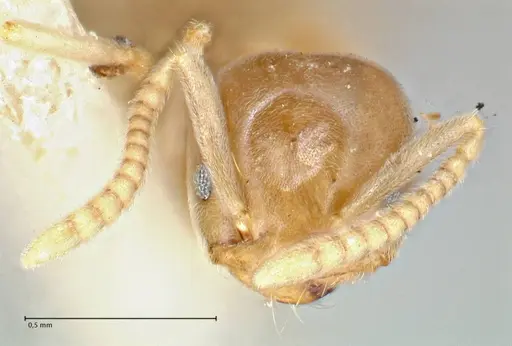
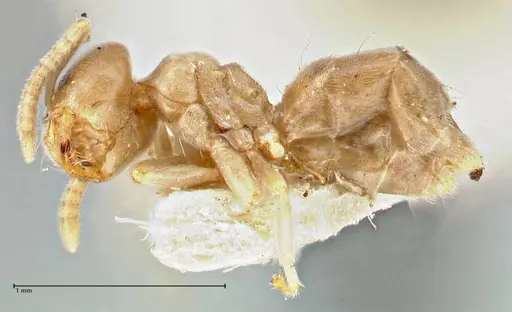
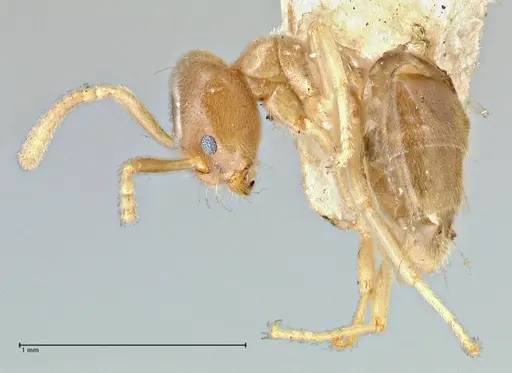
Chronoxenus wroughtonii is a small Dolichoderinae ant native to South and Southeast Asia, ranging from India and Sri Lanka through Singapore to China and Korea. Workers measure 2.3-2.8mm with a brownish-yellow body covered in pale pubescence, while queens are larger at 3.5mm and darker brown. This species occupies an extraordinary altitudinal range from 250 to 2900 meters, making it remarkably adaptable to different conditions . The species was formerly known as Bothriomyrmex wroughtonii before being reclassified to Chronoxenus. Colonies are active throughout warm seasons (spring through autumn) but disappear during winter months in their native range .
Quick Summary
- Difficulty: Medium
- Origin & Habitat: Native to the Indomalayan and Palaearctic regions, India, Sri Lanka, Singapore, China, and Korea [3][4]. Found across diverse habitats from lowland forest to high altitudes in the Himalayas (250-2900m) [1]. In Singapore, alate queens have been collected in mangrove forest areas using malaise traps, and workers have been found in the stomach contents of roadkill pangolins [4]. The wide distribution across multiple climate zones suggests good adaptability.
- Colony Type: Colony structure is not well documented in scientific literature. Based on typical Dolichoderinae patterns, likely single-queen (monogyne) colonies, this is inferred and unconfirmed.
- Size & Growth:
- Queen: 3.5mm [5]
- Worker: 2.3-2.8mm [5]
- Colony: Unknown, no colony size data available in research
- Growth: Moderate, estimated based on related Dolichoderinae
- Development: 6-8 weeks, estimated based on typical Dolichoderinae development at warm temperatures (Development time is not directly studied for this species. Estimates based on related Dolichoderinae ants.)
- Antkeeping:
- Temperature: Keep at 22-28°C. Being found in warm climates across the Indomalayan region and active during summer months, they prefer warm conditions. A gentle gradient allowing workers to self-regulate is ideal.
- Humidity: Moderate humidity around 50-70%. They inhabit diverse environments from lowland forests to mountainous regions, suggesting tolerance to varying moisture levels. Provide a moisture gradient with a damp area and drier areas for choice.
- Diapause: Yes, colonies show seasonal activity patterns, present in spring, summer, rainy, and autumn seasons but absent in winter [2]. Provide a cool period (15-18°C) during winter months similar to their natural cycle.
- Nesting: Natural nesting habits not directly documented. Based on related Dolichoderinae and their wide distribution, they likely nest in soil under stones, in rotting wood, or in wall voids. In captivity, a test tube setup works well for founding colonies, transitioning to a Y-tong or plaster nest as the colony grows. Provide a dark, secure nesting area.
- Behavior: Workers are small and active. Dolichoderinae ants are typically non-aggressive and quick-moving. They likely forage for honeydew and small insects. Escape prevention is important due to their small size, use fine mesh and tight-fitting barriers. They are not known to sting and pose no danger to keepers.
- Common Issues: small size means escape prevention must be excellent, use fine mesh barriers, winter dormancy is required, colonies disappear in winter in their native range, limited research means colony structure and founding behavior are not well documented, slow colony growth may frustrate beginners expecting rapid development, humidity control is important, too dry causes dehydration, too wet promotes mold
Housing and Setup
For founding colonies, a simple test tube setup works well. Fill a test tube one-third with water and plug the wet end with cotton, this provides humidity for several weeks. Cover the tube with a dark cloth to simulate the dark nesting chamber queens naturally seek. Once workers arrive (after founding), you can transition to a small formicarium. A Y-tong or plaster nest with narrow chambers suits their small size. Provide an outworld (foraging area) connected to the nest. Because they are tiny (2.3-2.8mm workers), escape prevention is critical, use fine mesh on any ventilation holes and ensure all connections are tight. [5]
Feeding and Diet
Chronoxenus wroughtonii is a typical Dolichoderinae ant, they primarily consume honeydew from aphids and scale insects, plus small insects for protein. In captivity, offer sugar water (1:3 ratio sugar to water) or honey diluted with water as a constant energy source. For protein, provide small prey items like fruit flies, small crickets, or mealworm pieces. They are small, so prey should be appropriately sized. Based on their association with lac insect plots in India [6], they likely tend honeydew-producing insects in captivity too.
Temperature and Seasonal Care
Keep colonies at 22-28°C for optimal activity and brood development. They are found in warm regions and are active during summer months in their native range. A heating cable on one side of the nest creates a temperature gradient, letting workers choose their preferred zone. Critically, they show seasonal dormancy, present in spring, summer, rainy season, and autumn but absent in winter [2]. This means you should provide a winter rest period at 15-18°C for several months to match their natural cycle. This diapause is essential for colony health and likely triggers reproductive cycles the following spring.
Behavior and Temperament
These are small, quick-moving ants typical of the Dolichoderinae subfamily. They are not aggressive and do not possess a painful sting. Workers forage actively and will quickly discover food sources. Their small size (under 3mm) makes them excellent escape artists, always use fine mesh barriers and check for any gaps in your setup. They are skittish but not defensive. Colonies are likely to establish well in captivity given their adaptability to various altitudes and climates across their range. [5]
Frequently Asked Questions
How long does it take for Chronoxenus wroughtonii to produce first workers?
Based on typical Dolichoderinae development, expect first workers (nanitics) around 6-8 weeks after the queen lays eggs, assuming temperatures around 24-26°C. This is an estimate since specific development data for this species is not available.
Do Chronoxenus wroughtonii ants need hibernation?
Yes, they show clear seasonal activity patterns in the wild, being present in spring through autumn but absent in winter [2]. You should provide a cool period (15-18°C) for 2-3 months during winter to mimic their natural cycle.
What do Chronoxenus wroughtonii ants eat?
Like other Dolichoderinae ants, they need sugar sources and protein. Offer sugar water or diluted honey constantly, plus small insects like fruit flies or cricket pieces 2-3 times per week. They are small, so keep prey items appropriately sized.
Are Chronoxenus wroughtonii good for beginners?
They are rated Medium difficulty. They require seasonal temperature cycling (winter dormancy) and excellent escape prevention due to their tiny size. Their limited documentation means some care aspects require inference from related species. They are not aggressive and adapt to various conditions.
How big do Chronoxenus wroughtonii colonies get?
Exact colony size is unknown, no scientific data documents maximum colony size. Based on typical Dolichoderinae patterns, expect moderate colonies of several hundred workers. They are not known to form supercolonies.
Can I keep multiple Chronoxenus wroughtonii queens together?
Not recommended, combining unrelated queens of this species has not been documented. Most Dolichoderinae are single-queen colonies. If you obtain a wild colony, it likely has one queen. Multiple-queen colonies (polygyne) have not been documented for this species.
What temperature range is best for Chronoxenus wroughtonii?
Keep nest areas at 22-28°C. They prefer warm conditions matching their tropical to subtropical origin. A temperature gradient allowing workers to move between warmer and cooler areas is ideal. During summer active periods, temperatures toward the higher end support brood development.
When should I move Chronoxenus wroughtonii from test tube to formicarium?
Move them once the colony reaches 20-30 workers and the test tube shows signs of degradation (mold, debris buildup). A small Y-tong or plaster nest works well. Ensure the new nest has appropriately sized chambers for their tiny workers.
Why did my Chronoxenus wroughtonii colony die in winter?
If you did not provide a proper winter rest, the colony may have been stressed by continuous activity without seasonal cycling. However, if they died during winter cool period, they may have been kept too cold or too dry. Provide a gradual cooldown to 15-18°C with maintained humidity, not complete drying out.
Report an Issue
The current care sheet is based fully on literature. See inconsistencies, or something that's incorrect? Please , it will be resolved after review from an admin. Contributing to the blogs tab also helps providing information, to make us be able to further improve the caresheets. Thank you for your support!
References

This caresheet is licensed under CC BY-SA 4.0 .
Community Blogs
CASENT0103289
View on AntWeb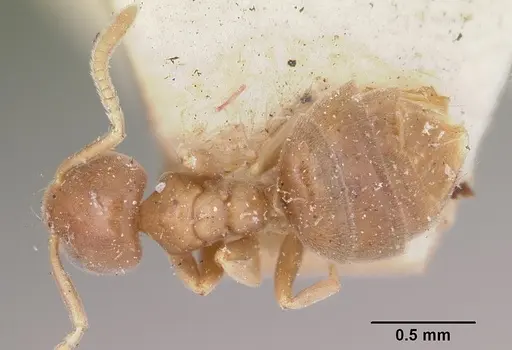
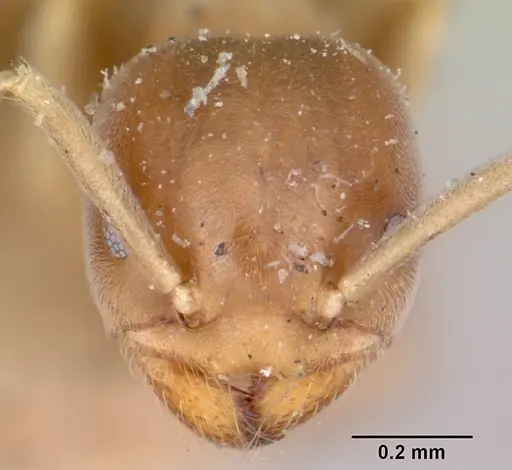
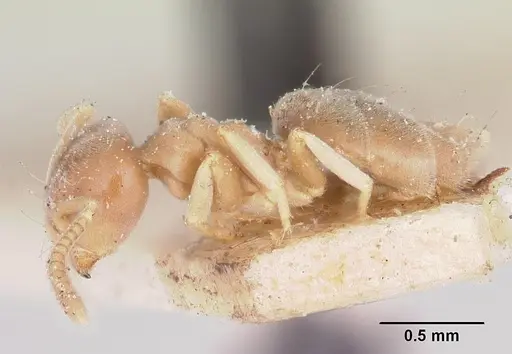
CASENT0103290
View on AntWeb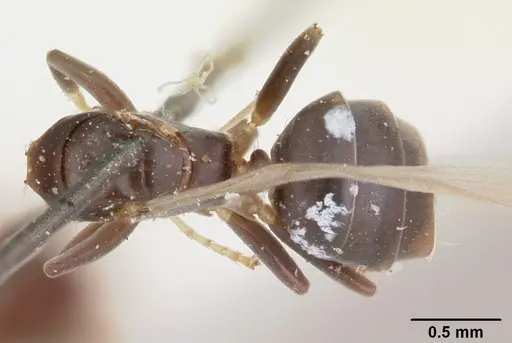
CASENT0103291
View on AntWeb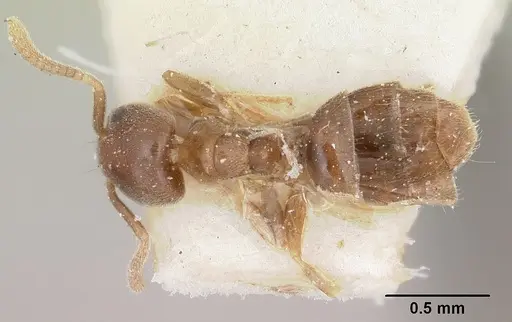
CASENT0103292
View on AntWeb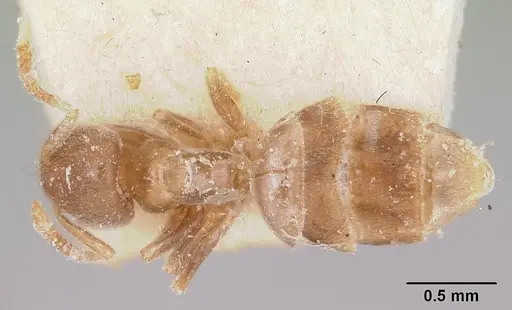
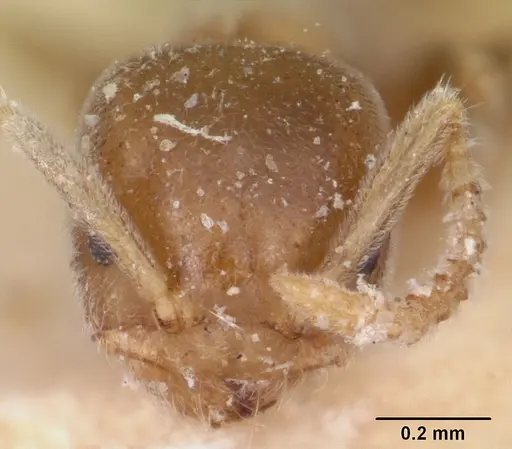
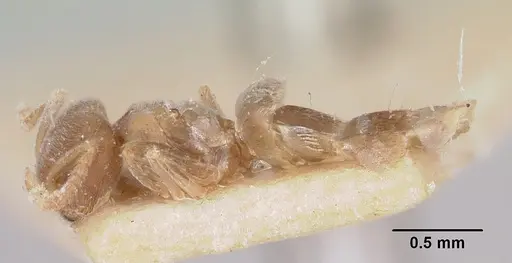
CASENT0106163
View on AntWeb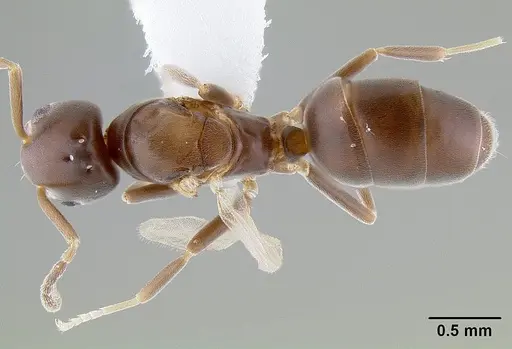
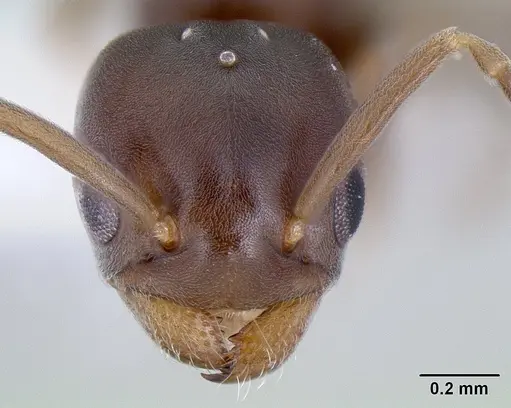
CASENT0758662
View on AntWeb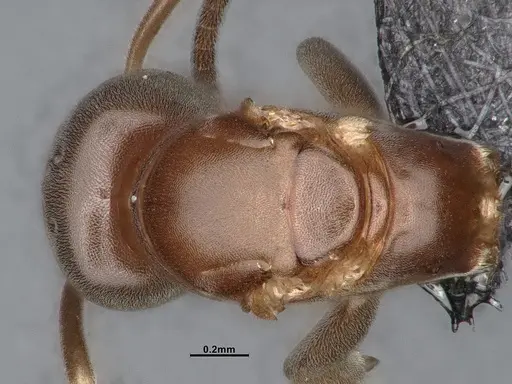
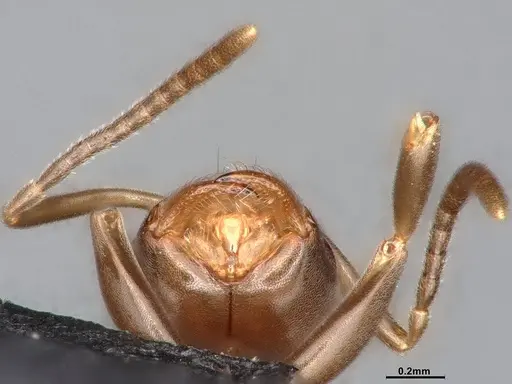
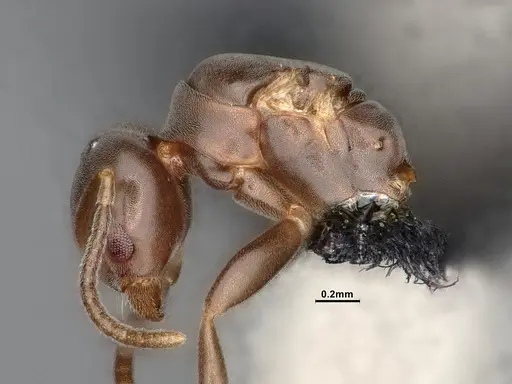
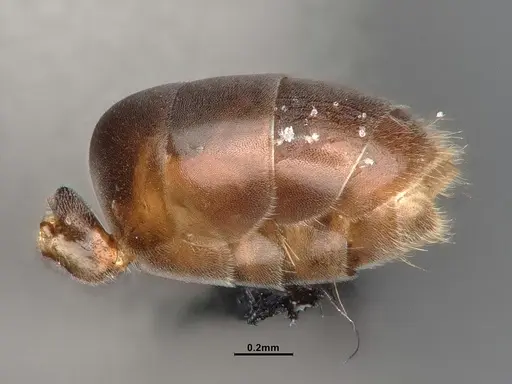
CASENT0886005
View on AntWeb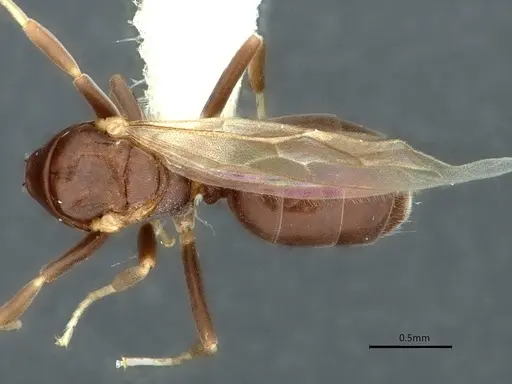
CASENT0903028
View on AntWeb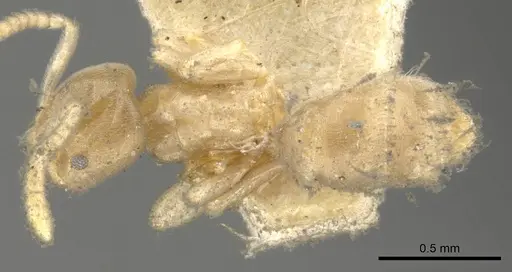
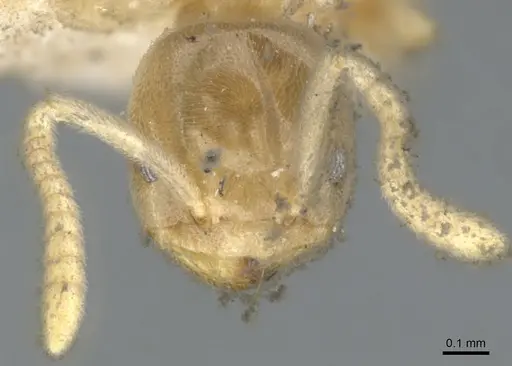
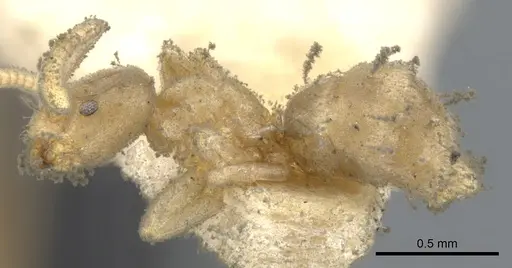
CASENT0903061
View on AntWeb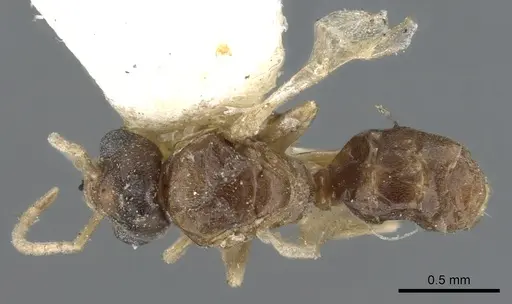
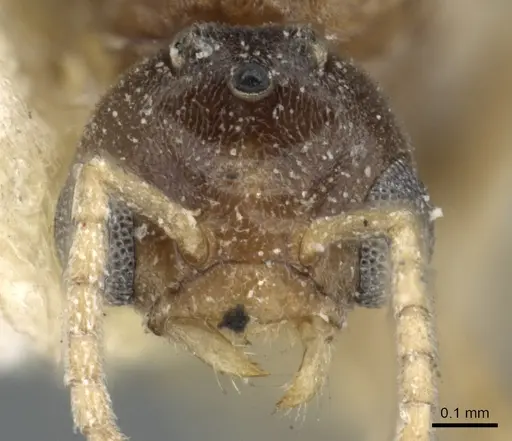
CASENT0907617
View on AntWeb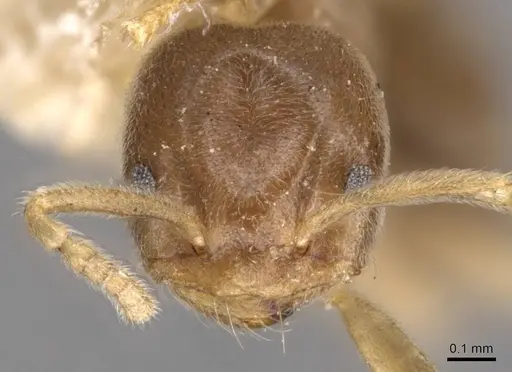
CASENT0911493
View on AntWeb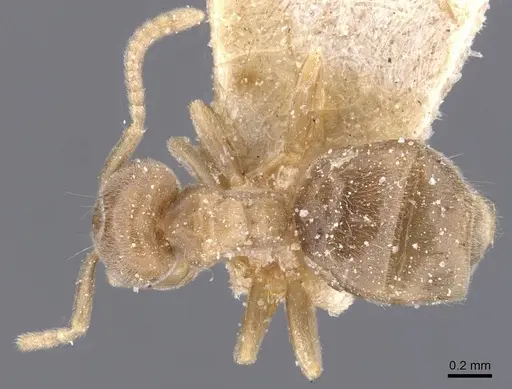
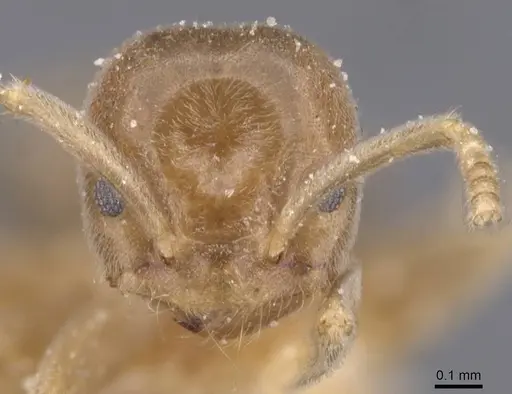
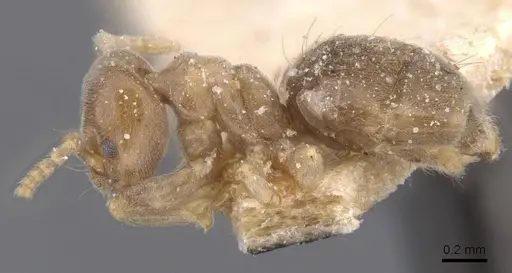
CASENT0911494
View on AntWeb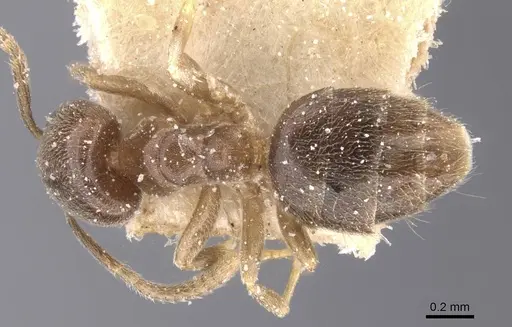
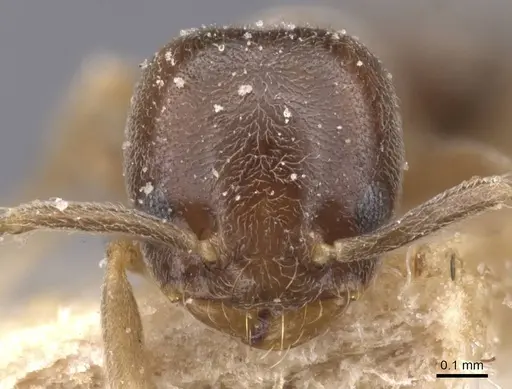
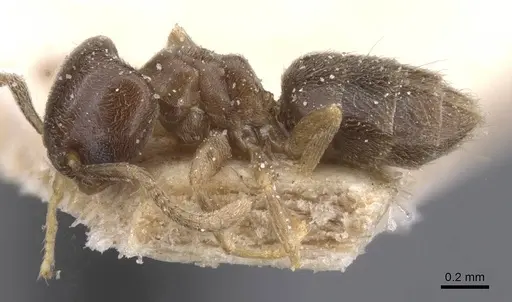
CASENT0919855
View on AntWeb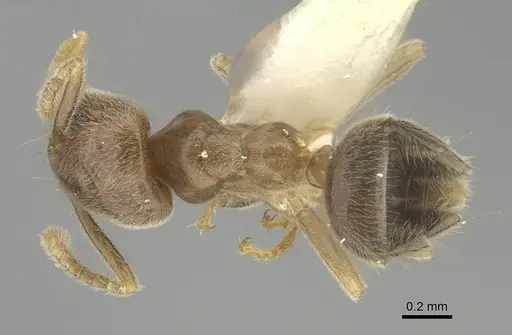
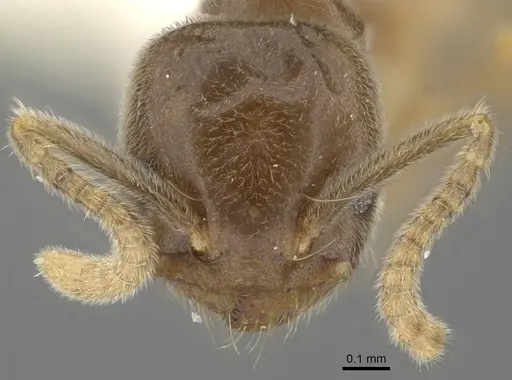
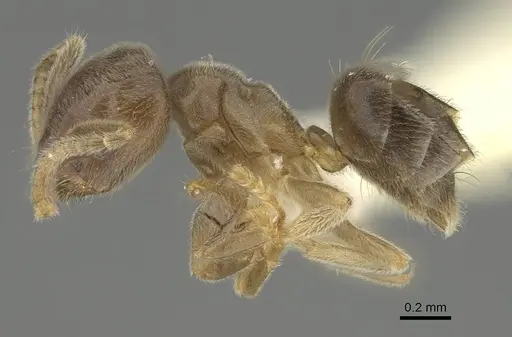
CASENT0922253
View on AntWeb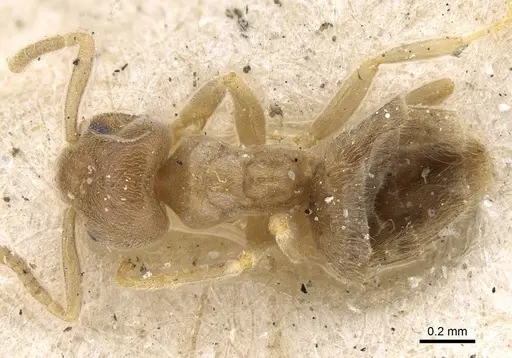
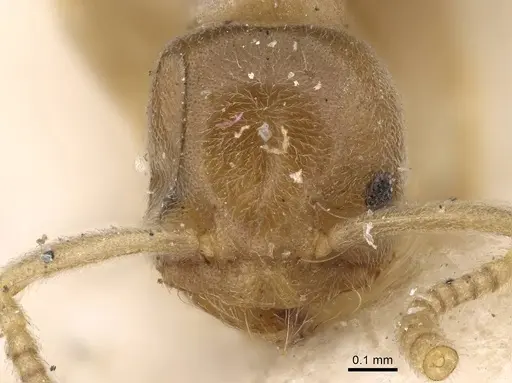
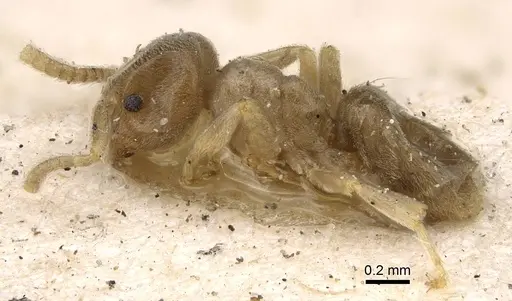
FOCOL0173
View on AntWeb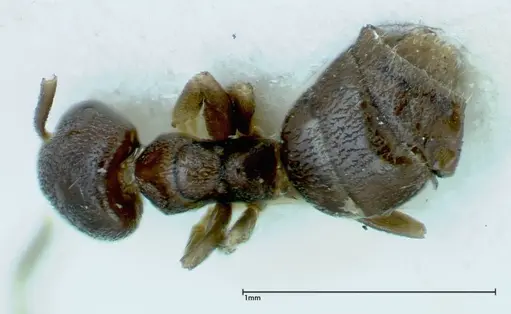
FOCOL0174
View on AntWeb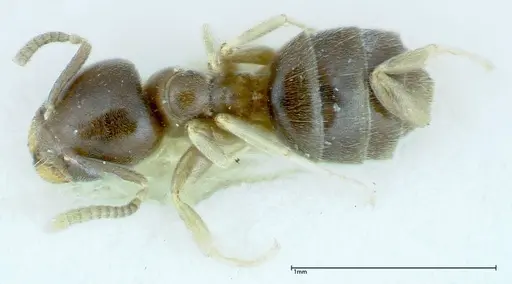
FOCOL0175
View on AntWeb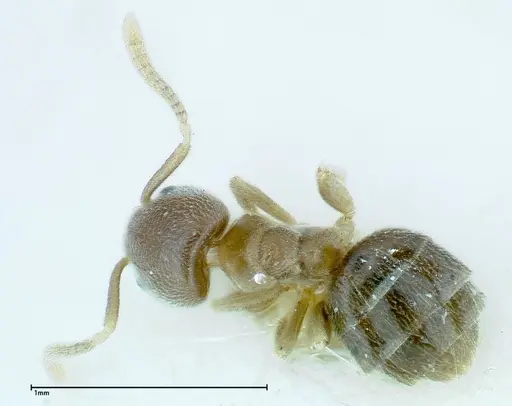
FOCOL0180
View on AntWeb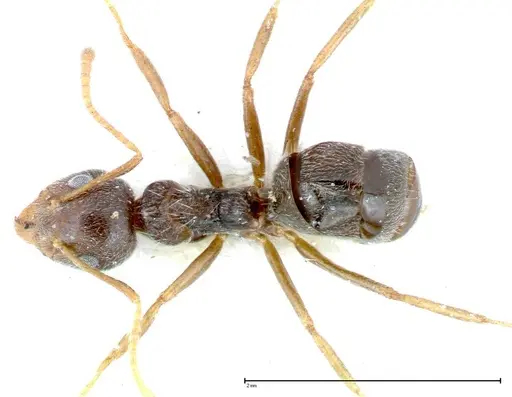
FOCOL2786
View on AntWeb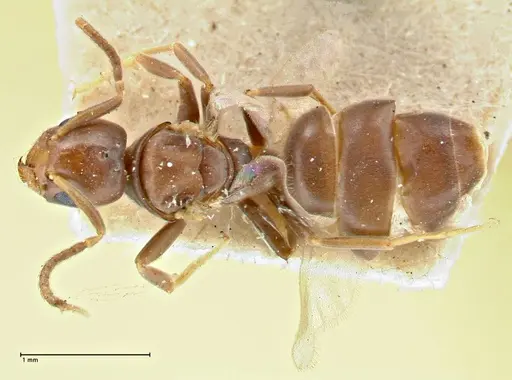
FOCOL2787
View on AntWeb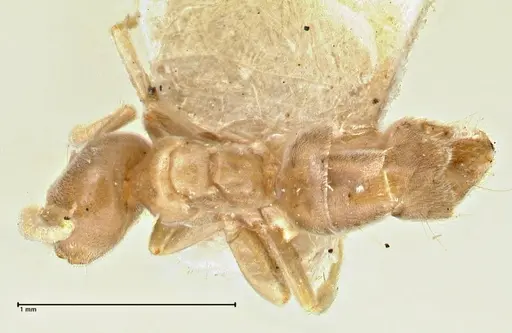
FOCOL2788
View on AntWeb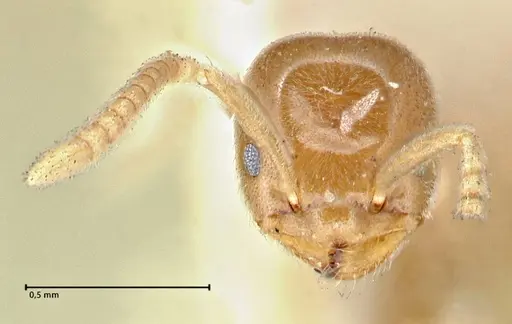
Literature
Loading distribution map...Loading products...