
Cheliomyrmex megalonyx
- Sci. Name
- Cheliomyrmex megalonyx
- Subfamily
- Dorylinae
- Author
- Wheeler, 1921
- Distribution
- Found in 3 countries
Introduction
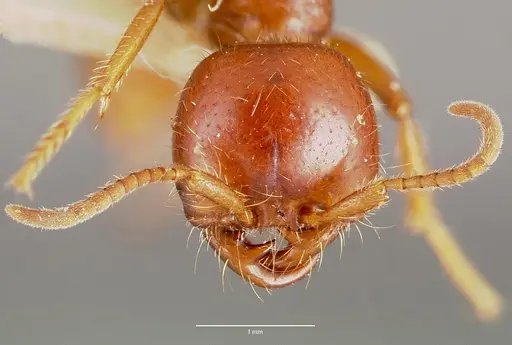
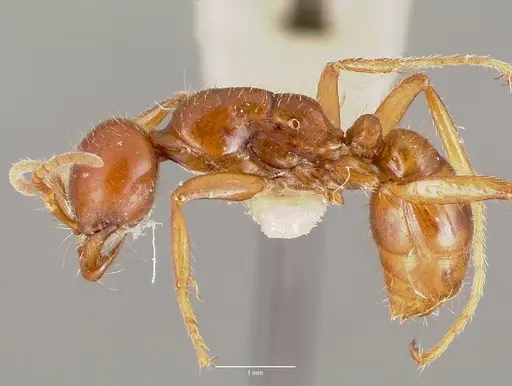
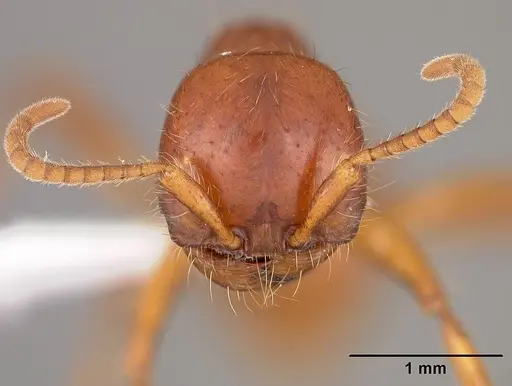
Cheliomyrmex megalonyx is a Neotropical army ant belonging to the subfamily Dorylinae. Workers are relatively small for army ants, with the genus known for having unusually large, powerful mandibles (jaws) that they hold pointed upward when moving in columns. This species is found across northern South America, including Guyana, Venezuela, French Guiana, Suriname, and recently documented in Brazil's Pará state . Like all army ants, they are predators that form raiding columns to hunt other invertebrates, and they have an extremely painful sting . Their natural nesting sites are under stones and decaying wood in forest zones, with evidence suggesting they are mostly subterranean (living underground) .
Quick Summary
- Difficulty: Expert
- Origin & Habitat: Neotropical rainforests of northern South America (Guyana, Venezuela, French Guiana, Suriname, Brazil Pará). Found under stones and wood pieces in forest zones, including seasonally flooded dark water forests. They are primarily subterranean, nesting in hidden locations beneath surface cover [2].
- Colony Type: Colony structure is unconfirmed. As a Dorylinae army ant, they likely use colony fission (splitting) as their primary reproductive method, with ergatoid (wingless) queens that remain in the nest after mating.
- Size & Growth:
- Queen: size data unavailable
- Worker: Small for army ants, genus Cheliomyrmex workers are relatively tiny compared to other Dorylinae [2]
- Colony: Colony size data unavailable, largest worker columns have been observed in the field [2]
- Growth: Unknown
- Development: Unconfirmed (Direct development data unavailable.)
- Antkeeping:
- Temperature: Keep warm, around 24-28°C. This matches Neotropical forest floor conditions. Use a heating cable on one side of the nest to create a gentle gradient.
- Humidity: High humidity (70-80%). These ants live in damp forest environments and need consistently moist substrate. Keep the nest substrate damp but not waterlogged.
- Diapause: No, as a Neotropical species from regions without freezing temperatures, they do not require hibernation. They may have reduced activity during natural dry seasons rather than true diapause.
- Nesting: Naturalistic setup works best, a deep substrate with stones and pieces of wood on top for them to nest under. Their subterranean habits mean they prefer covered, dark spaces. A Y-tong or plaster nest with a foraging area also works, but ensure darkness in the nest chamber.
- Behavior: Extremely defensive with an extremely painful sting [2]. They form raiding columns and are predatory on other invertebrates. When moving in columns, workers pack densely together with jaws raised, creating a protective canopy over the column [2]. They are primarily nocturnal or crepuscular in their raiding behavior. Escape prevention is critical, they will readily explore and find gaps, and their painful sting makes containment essential. They are aggressive hunters and will attack any invertebrate prey they encounter.
- Common Issues: escape prevention is critical, their small size and exploratory behavior means they will find any gap, painful sting makes handling dangerous, use extreme caution when opening nests, subterranean habits mean they need darkness in nest areas to feel secure, slow adoption in captivity, this species is rarely kept and husbandry is not well-established, wild-caught colonies may have parasites or be stressed from collection
Housing and Nest Setup
Cheliomyrmex megalonyx requires a setup that accommodates their subterranean and secretive nature. In the wild, they nest under stones and decaying wood in forest zones, so a naturalistic setup with a deep substrate (at least 5-10cm) works well. Place flat stones or wood pieces on top of the substrate to provide dark, covered nesting sites. You can also use a Y-tong or plaster nest with narrow chambers, but ensure the nest area remains dark, these ants are light-sensitive and will be stressed by bright illumination in their nest. The foraging area should be spacious enough for raiding columns to move through. Use a test tube setup for founding colonies, transitioning to a larger naturalistic or formicarium setup as the colony grows. [2]
Feeding and Diet
As army ants, Cheliomyrmex megalonyx are obligate predators. They do not collect honeydew or eat seeds, their entire diet consists of other invertebrates. Feed them a variety of small live prey including mealworms, small crickets, fruit flies, and other small insects. Prey should be small enough for workers to subdue and dismember. Unlike some ants that store food, army ants consume prey immediately and need regular feeding. Offer prey every 1-2 days, removing any uneaten remains within 24 hours to prevent mold. The large, powerful mandibles of this species suggest they can tackle prey larger than their own body size. [2]
Temperature and Seasonal Care
Maintain temperatures between 24-28°C, mimicking the warm Neotropical forest floor. A heating cable placed on one side of the nest creates a temperature gradient allowing ants to self-regulate. Avoid temperatures below 20°C for extended periods. Regarding seasonal changes, this species comes from regions without true winters, so they do not require hibernation. However, they may have reduced activity during natural dry seasons, you might notice slightly less activity during winter months if your room temperature drops, but this is not a diapause requirement. Keep humidity consistently high at 70-80% by misting the substrate or using a water reservoir connected to the nest. [2]
Behavior and Defense
This species has an extremely painful sting, one of the most painful among army ants [2]. When moving in columns, workers form a defensive canopy with their jaws pointed upward, creating a protective barrier against parasites like Phoridae flies that attempt to attack the column [2]. They are highly aggressive when defending their nest or raiding, and will readily sting any threat. Handle with extreme caution, never open nests without proper protection. They are primarily nocturnal, with raiding activity often occurring at night or during dim light conditions. Provide darkness in the nest area and minimize disturbances during daylight hours.
Colony Development and Reproduction
Army ant colonies reproduce through fission (splitting), not nuptial flights. The queen is ergatoid (wingless) and never leaves the nest after mating. When a colony reaches sufficient size, it splits into two colonies, each with its own queen. This makes colony propagation challenging in captivity, you cannot simply collect a mated queen as you would with other ants. The largest observed worker columns of this species have been impressive raiding formations [2]. Growth rate is unconfirmed for this species.
Frequently Asked Questions
Is Cheliomyrmex megalonyx good for beginners?
No. This species is not recommended for beginners. They are rarely kept in captivity, their husbandry is not well-established, they have an extremely painful sting, and their subterranean/nomadic nature requires specialized setups. Only experienced antkeepers should attempt this species.
Do Cheliomyrmex megalonyx ants sting?
Yes, and it is extremely painful. This species has one of the most painful stings among army ants. Handle with extreme caution and use proper protective equipment when maintaining the colony.
What do Cheliomyrmex megalonyx eat?
They are obligate predators and eat only other invertebrates. Feed them small live prey like mealworms, small crickets, fruit flies, and other insects. They do not eat sugar, honeydew, or seeds, only protein from hunting.
How long does it take for first workers to emerge?
Exact development time is unconfirmed for this species.
Can I keep multiple queens together?
Army ant colony structure is different from typical ants. They likely have single-queen colonies that reproduce through fission (splitting). Combining unrelated queens has not been studied and is not recommended.
Do Cheliomyrmex megalonyx need hibernation?
No. As a Neotropical species from regions without freezing temperatures, they do not require hibernation. They may have reduced activity during cooler or drier periods, but this is not a true diapause.
What is the best nest type for Cheliomyrmex megalonyx?
A naturalistic setup with deep substrate (5-10cm), stones, and wood pieces on top works best since they naturally nest under stones and wood in forest environments. The nest area must remain dark. A Y-tong or plaster nest with narrow chambers can also work if the nest chamber is kept dark.
Why are my Cheliomyrmex megalonyx dying?
Common causes include: stress from excessive light in nest areas, low humidity, temperatures outside their 24-28°C range, improper diet (they need live prey, not sugar), or parasites from wild-caught colonies. Ensure darkness, high humidity, and regular protein feeding.
Report an Issue
The current care sheet is based fully on literature. See inconsistencies, or something that's incorrect? Please , it will be resolved after review from an admin. Contributing to the blogs tab also helps providing information, to make us be able to further improve the caresheets. Thank you for your support!
References

This caresheet is licensed under CC BY-SA 4.0 .
Community Blogs
CASENT0006114
View on AntWeb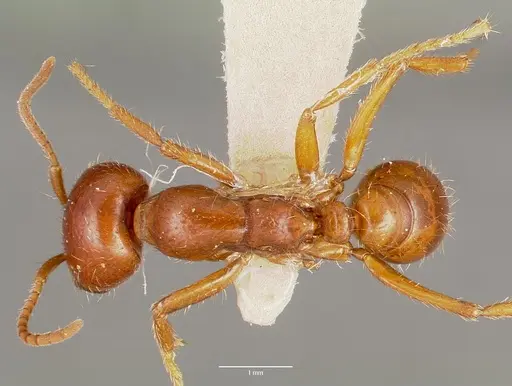
CASENT0006115
View on AntWeb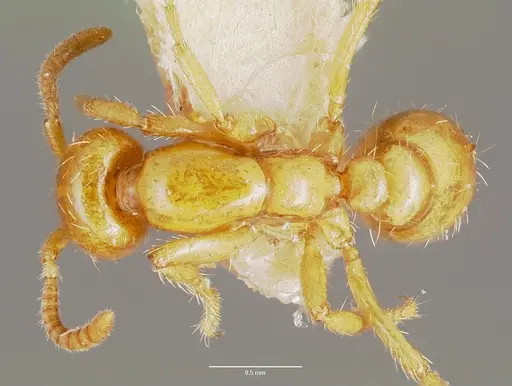
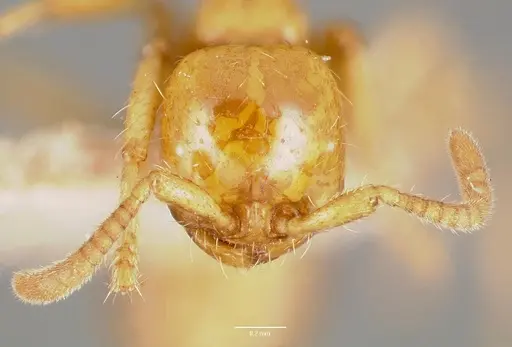
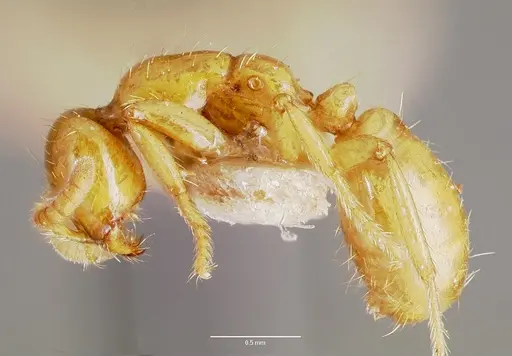
CASENT0249451
View on AntWeb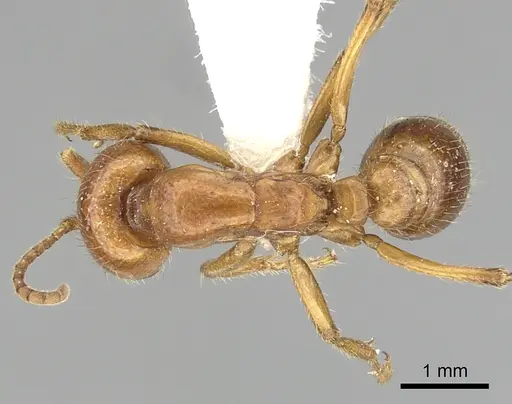
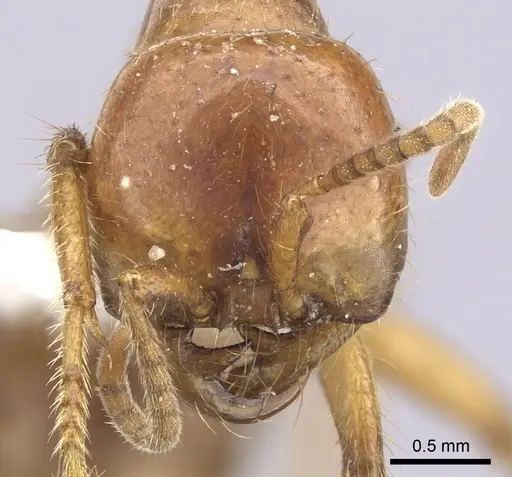
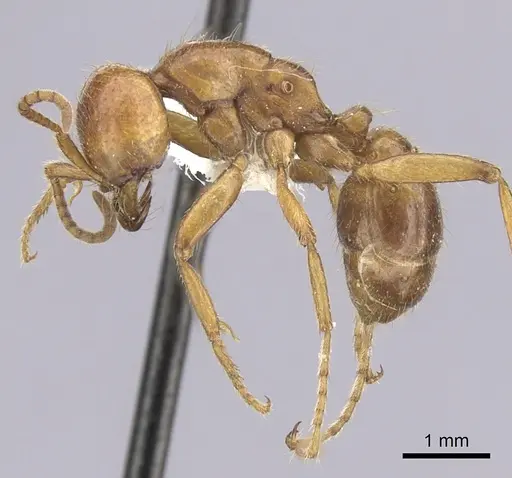
CASENT0902670
View on AntWeb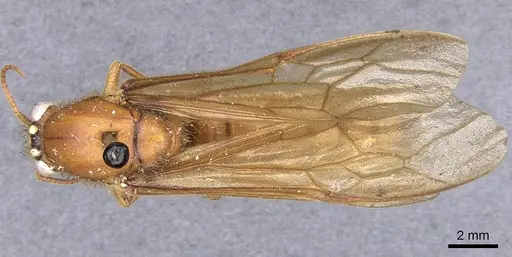
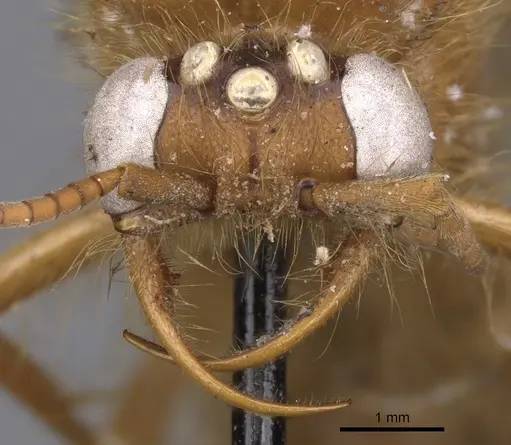
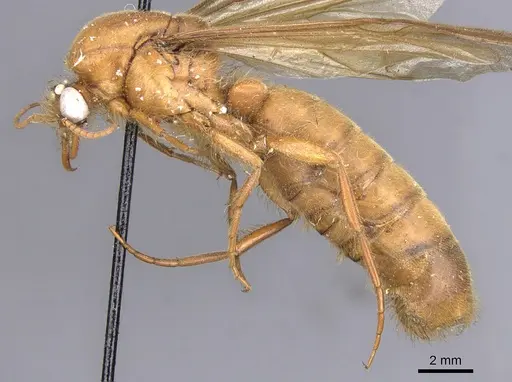
CASENT0911369
View on AntWeb
USNMENT00444356
View on AntWeb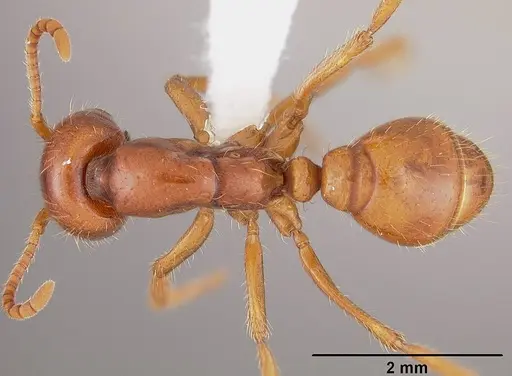
Literature
Loading distribution map...Loading products...