
Cheliomyrmex andicola
- Sci. Name
- Cheliomyrmex andicola
- Subfamily
- Dorylinae
- Author
- Emery, 1894
- Distribution
- Found in 2 countries
Introduction
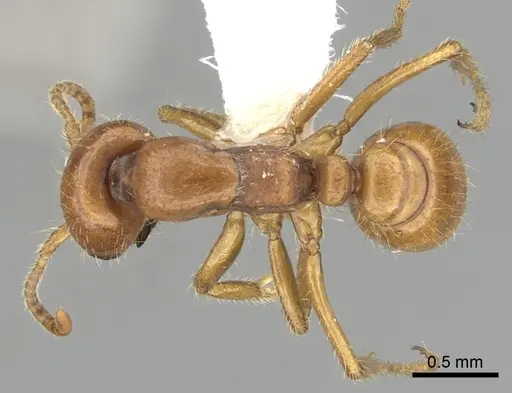
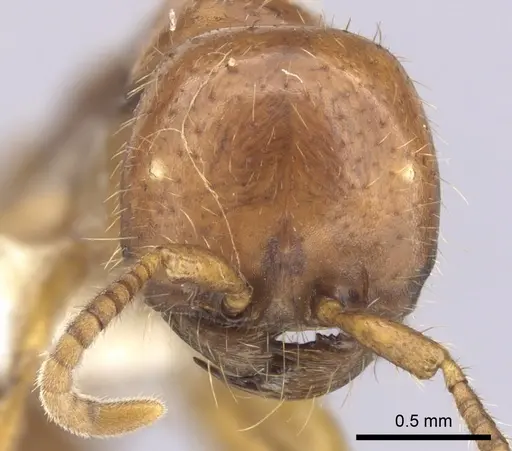
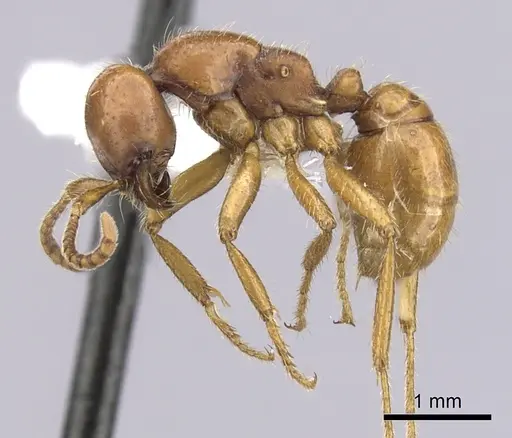
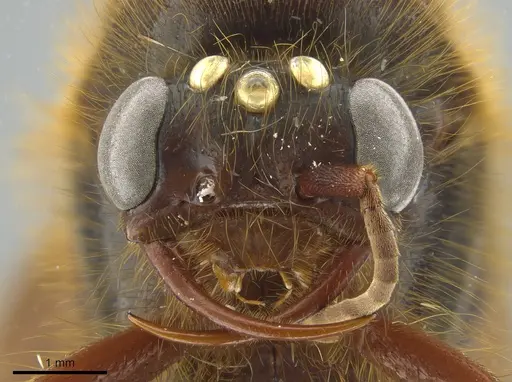
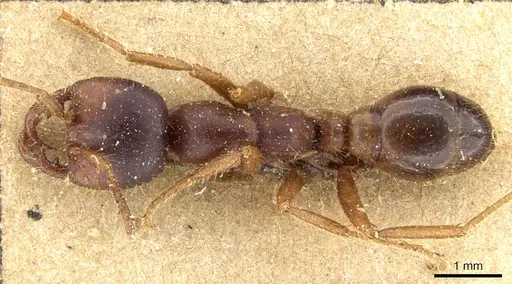
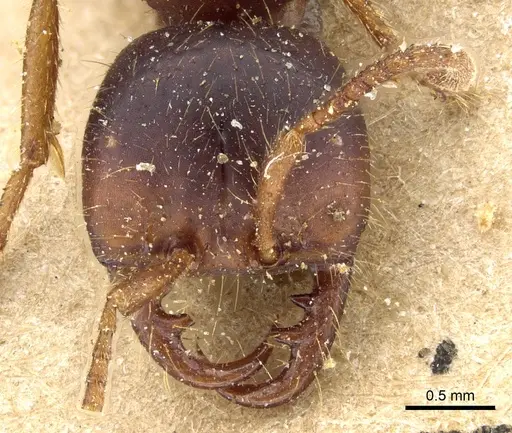
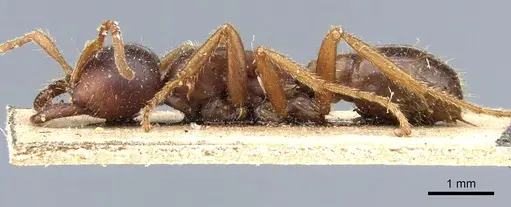
Cheliomyrmex andicola is a rare and unusual army ant native to the Neotropical region of South America, found in Brazil, Colombia, Peru, Ecuador, and Panama [AntWiki]. Workers are dark brown to yellowish brown with distinctive mandibles armed with elongate, spine-like teeth - a feature unique among New World army ants . This species is hypogaeic, meaning it forages and nests primarily underground, making it rarely observed in the wild . What sets C. andicola apart from other army ants is its potent sting, which it uses to subdue prey - most army ants only bite . This ant is a formidable predator that hunts large-bodied prey including earthworms and small vertebrates, capable of paralyzing prey within seconds .
Quick Summary
- Difficulty: Expert
- Origin & Habitat: Found across the Neotropical region including Brazil, Colombia, Peru, Ecuador, and Panama, typically in terra firme (unflooded) forest at elevations ranging from 550m to 2,300m [3][4]. This is a soil-dwelling species that forages underground and is most active during the rainy season [5].
- Colony Type: Army ant colony structure, nomadic colonies that regularly relocate their nest sites [6]. Colony type is unconfirmed but follows typical Dorylinae patterns with a single queen.
- Size & Growth:
- Queen: size data unavailable
- Worker: size data unavailable
- Colony: Unknown, likely hundreds to low thousands based on typical army ant colony sizes
- Growth: Unknown, estimated as fast based on army ant patterns
- Development: Unknown, estimated 4-8 weeks based on related Ecitoninae (Development timeline has not been directly studied for this species. Army ant colonies typically produce workers rapidly once the queen begins laying eggs.)
- Antkeeping:
- Temperature: Keep at room temperature around 22-26°C. One observed raid occurred at ground surface temperature of 25.9°C [2]. Avoid temperature extremes.
- Humidity: Requires high humidity consistent with Neotropical forest floor conditions. Keep nest substrate consistently moist but not waterlogged.
- Diapause: Unknown, this is a tropical species that may not require a true diapause, but activity likely reduces during dry seasons
- Nesting: This species is hypogaeic (subterranean) and nomadic. They nest underground and regularly move their colony. A naturalistic setup with deep soil or a custom underground-style formicarium would be most appropriate. They need space to create foraging tunnels and raid columns.
- Behavior: This is an aggressive, predatory army ant species with a potent sting that is more painful than other local army ants [2]. Workers will bite and sting when threatened, and they adhere to human skin when they grab on [2]. They conduct raids underground, emerging to pursue prey across the surface. Unlike other army ants, they actively pursue and subdue large, fast-moving prey including earthworms and small vertebrates. They are not escape risks in the traditional sense but require secure containment due to their aggressive foraging behavior.
- Common Issues: extreme difficulty in keeping, this is one of the rarest army ants in captivity with almost no husbandry information available, specialized diet, requires large live prey including earthworms and potentially small vertebrates, not typical ant food, sting pain, workers have potent stings that cause more pain than other army ants and will aggressively defend the colony, nomadic behavior, colonies regularly move their nests, requiring flexible housing arrangements, hypogaeic habits, they prefer to forage underground, making observation difficult and requiring specialized setups
Understanding Cheliomyrmex andicola
Cheliomyrmex andicola is one of the most unusual army ants in the world. Unlike other New World army ants (subfamily Ecitoninae), this species has mandibles with elongate, spine-like teeth and uses its sting to subdue prey [2]. It may be the sister taxon to all other Neotropical army ants, representing an ancient lineage that split off early in army ant evolution [2]. The species is extremely rare in ant collections and has rarely been observed in the wild, most records come from a handful of research observations in Central and South America [2]. This is a hypogaeic species, meaning it lives and forages primarily underground, rarely appearing on the surface except during intensive raids [5][2].
Feeding and Diet Requirements
This is a specialized, aggressive predator that targets large-bodied prey. In the wild, C. andicola has been observed killing and consuming giant earthworms (possibly Martiodrilus species) and even a snake [2][7]. The ants mounted the earthworm, biting and stinging it until the prey was paralyzed within seconds, the venom appears toxic or paralytic based on the rapid immobilization [2]. They were also observed cutting flesh from a snake carcass, carrying bits in their mandibles [2]. This is potentially the only New World army ant that attacks and eats relatively large, soft-bodied vertebrates [7]. In captivity, you would need to provide large live prey, earthworms, soft-bodied insects, and potentially other small invertebrates. Standard ant foods like sugar water and protein jelly would likely be rejected. This species is NOT suitable for keepers who want simple feeding routines.
Sting and Defense
Workers possess a potent sting that is notably more painful than other army ants from the same region (Eciton burchellii and Eciton hamatum) [2]. When they bite, workers adhere to human skin and are difficult to shake off [2]. The combination of their unusual mandibles (designed to pierce and grip prey integument) and their functional sting makes them more dangerous than typical army ants [2]. You must use excellent escape prevention AND handle with extreme caution. Unlike many army ants that only bite, this species can sting and cause genuine pain. Keepers with allergies should avoid this species entirely.
Housing and Nesting
This species presents extreme challenges for captive housing. They are hypogaeic (subterranean) foragers that create underground tunnel systems and raid columns [2]. They are also nomadic, army ant colonies regularly relocate their nest sites rather than staying in one location [6]. A naturalistic setup with deep soil (at least 10-15cm) allowing for tunnel construction would be necessary. Standard test tubes and simple acrylic nests would be completely unsuitable. You would need to provide a way for the colony to move between nest areas, mimicking their nomadic behavior. The setup would also need to accommodate their raiding behavior, they need space to conduct organized raids. This is advanced husbandry that requires significant custom work.
Why This Species is Not for Beginners
Cheliomyrmex andicola is one of the least suitable ant species for captive keeping, regardless of your experience level. There is essentially no captive husbandry information available, this species has never been documented in the antkeeping hobby. The combination of hypogaeic habits, specialized predatory diet requiring large live prey, nomadic colony movement, potent sting, and complete lack of captive care research makes this species unsuitable for anyone but the most dedicated specialist with access to specialized prey and custom housing. Even experienced army ant keepers should think carefully before attempting this species. If you're interested in army ants, consider better-documented species like Eciton burchellii or Labidus praedator that have established captive protocols.
Frequently Asked Questions
Can I keep Cheliomyrmex andicola as a pet ant?
No. This is one of the most difficult ant species to keep in captivity and is not recommended for any keeper. There is virtually no captive husbandry information available, and their specialized diet (large live prey including earthworms), hypogaeic habits, and potent sting make them completely unsuitable for captive keeping. Even experienced antkeepers should avoid this species.
What do Cheliomyrmex andicola ants eat?
They are specialized predators that hunt large prey including giant earthworms and small vertebrates like snakes [2][7]. They use their sting to paralyze prey within seconds. In captivity, they would require large live prey, this is not a species that accepts standard ant foods. Their diet is unusual among New World army ants, more similar to Old World driver ants (Dorylus) [7].
How big do Cheliomyrmex andicola colonies get?
The exact colony size is undocumented in the scientific literature. Based on typical army ant patterns, colonies likely reach hundreds to low thousands of workers. They are nomadic colonies that regularly relocate their nests [6].
Where is Cheliomyrmex andicola found?
This species is native to the Neotropical region, found in Brazil, Colombia, Peru, Ecuador, and Panama [1]. They live in terra firme (unflooded) forest at elevations from 550m to 2,300m and are most active during the rainy season [3][5].
Are Cheliomyrmex andicola good for beginners?
Absolutely not. This species is completely unsuitable for beginners and is one of the most challenging ant species to keep even for experts. There is no captive husbandry information, they require specialized large live prey, they are hypogaeic requiring custom underground setups, they are nomadic requiring flexible housing, and they have a potent sting. If you want army ants, start with better-documented species like Eciton or Labidus.
What makes Cheliomyrmex andicola unique among army ants?
Several things make this species unique. First, they are one of the few New World army ants that use a sting for prey capture, most only bite [2]. Second, they have unusual mandibles with elongate, spine-like teeth, similar to Old World driver ants (Dorylus) rather than other New World army ants [2]. Third, they are the only Ecitoninae known to attack and eat relatively large soft-bodied vertebrates like earthworms and snakes [7]. Fourth, they may be the sister taxon to all other Neotropical army ants, representing an ancient evolutionary lineage [2].
Do Cheliomyrmex andicola need hibernation?
Unknown. This is a tropical species from the Neotropical region where temperatures remain warm year-round. They may reduce activity during dry seasons rather than entering a true cold-induced diapause. However, specific seasonal behavior has not been documented in the scientific literature.
Can I keep multiple Cheliomyrmex andicola queens together?
Not documented. Army ant colonies typically have a single queen (monogyne), and there is no information about whether this species can have multiple reproductive queens or about pleometrosis (multiple queens founding a colony together). Given the lack of data and the species' extreme rarity, combining queens is not recommended.
How long does it take for Cheliomyrmex andicola to produce first workers?
Unknown. The development timeline has not been studied for this species. Based on typical army ant (Ecitoninae) development patterns, it may take 4-8 weeks from egg to worker at optimal temperature, but this is purely an estimate with no direct data.
Report an Issue
The current care sheet is based fully on literature. See inconsistencies, or something that's incorrect? Please , it will be resolved after review from an admin. Contributing to the blogs tab also helps providing information, to make us be able to further improve the caresheets. Thank you for your support!
References

This caresheet is licensed under CC BY-SA 4.0 .
Community Blogs
Literature
Loading distribution map...Loading products...