
Chelaner tambourinensis
- Sci. Name
- Chelaner tambourinensis
- Tribe
- Solenopsidini
- Subfamily
- Myrmicinae
- Author
- Forel, 1915
- Distribution
- Found in 1 countries
Introduction
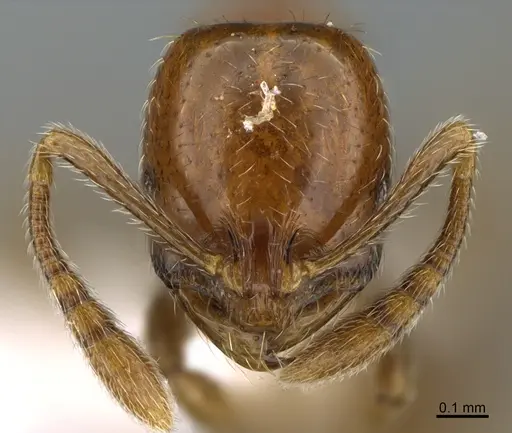
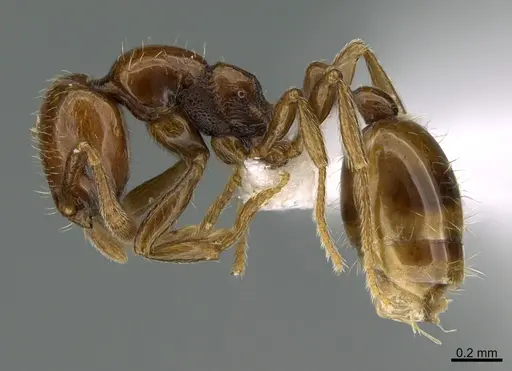
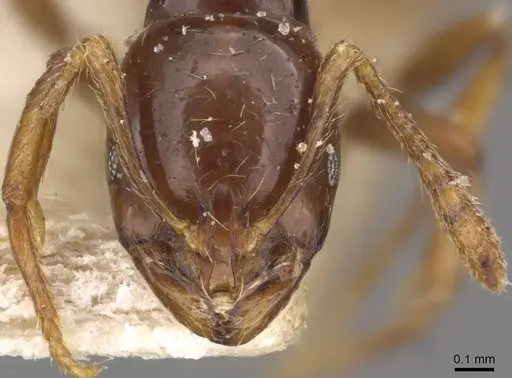
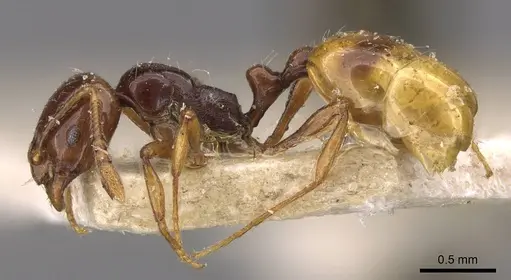
Chelaner tambourinensis is a small ant native to eastern Australia and Lord Howe Island. Workers and queens are among the smaller ant species you'll encounter. They belong to the kiliani species group and are distinguished by their highly variable coloration - some colonies are dark brown with yellow gasters, while others are tawny yellow or reddish-orange throughout . This species nests in cool temperate and tropical montane rainforests, typically found in moss, leaf litter, and rotten logs. On Lord Howe Island, they've been documented nesting inside subfossil bird bones - a unique nesting preference . They have a palpal formula of 2,2,meaning they have small maxillary palps used for tasting food .
Quick Summary
- Difficulty: Medium
- Origin & Habitat: Eastern Australia (Queensland, New South Wales) and Lord Howe Island. Found in cool temperate and tropical montane rainforests, typically in moss, rotten logs, and leaf litter at elevations ranging from 200-1200m [1][3].
- Colony Type: Queen dimorphic, this species produces both alate (winged) queens and ergatoid (wingless) queens that can serve as replacement reproductives if the primary queen dies [4]. Colonies are typically single-queen (monogyne) but the presence of ergatoids provides colony continuity.
- Size & Growth:
- Queen: size data unavailable, queen measurements in research are head and mesosoma only, not total body length
- Worker: size data unavailable, worker measurements in research are head and mesosoma only, not total body length
- Colony: up to several hundred workers (estimated from related species)
- Growth: Moderate
- Development: 6-8 weeks (estimated based on related Monomorium species) (Development time is estimated from related species in the genus, specific data for C. tambourinensis is not available)
- Antkeeping:
- Temperature: Keep at 18-24°C. This species prefers cooler conditions typical of temperate and high-elevation rainforests. Room temperature (around 20-22°C) is ideal. Avoid temperatures above 28°C, they come from cool montane habitats [1].
- Humidity: High humidity (60-80%). These ants naturally live in damp forest floor environments. Keep the nest substrate consistently moist but not waterlogged. Provide a water tube and ensure the nest area stays humid [1].
- Diapause: Likely, this species is found in temperate regions of Australia and may require a mild winter rest period. Reduce temperatures to 10-15°C for 2-3 months during winter if your colony shows reduced activity.
- Nesting: Prefers humid, naturalistic setups with moist substrate. In captivity, they do well in test tubes (for founding colonies) or plaster nests with good humidity retention. Given their tiny size and preference for cryptic foraging in leaf litter, a naturalistic terrarium-style setup with moss, leaf litter, and moist soil works well. They will nest in small cavities and crevices.
- Behavior: These are shy, non-aggressive ants that forage cryptically. Workers are small and timid, they won't defend their nest aggressively. They forage individually rather than in trails. Escape prevention is critical because of their tiny size, they can squeeze through remarkably small gaps. They are not known to sting and pose no danger to keepers. They are primarily omnivorous, likely feeding on small insects, honeydew, and nectar in the wild.
- Common Issues: escape prevention is critical, their tiny size means they can slip through the smallest gaps, use fine mesh and tight-fitting lids, colonies are slow to establish, new keepers may lose patience with the slow founding phase, high humidity requirements can lead to mold if ventilation is poor, wild-caught colonies may have parasites that can devastate captive colonies, overheating is a serious risk, they come from cool montane habitats and can die in warm conditions
Housing and Nest Setup
For founding colonies, a standard test tube setup works well, fill the tube about 1/3 with water, plug with cotton, and place the queen in a dark area. The queen will seal herself into a chamber and raise her first workers (nanitics) without leaving to forage. Once the colony reaches 20-30 workers, you can move them to a small formicarium. Given their tiny size and preference for humid forest floor conditions, plaster nests that retain moisture work best. A naturalistic terrarium with moist soil, moss, and leaf litter mimics their natural habitat and allows for more natural behavior. Whatever setup you choose, ensure excellent escape prevention, these tiny ants can squeeze through gaps you wouldn't believe possible. [1]
Feeding and Diet
Chelaner tambourinensis is an omnivorous forager. In the wild, they likely feed on small insects, honeydew from aphids and scale insects, and nectar. In captivity, offer a varied diet: sugar water or honey water (always available), small protein sources like fruit flies, pinhead crickets, mealworms, or other small insects. Feed protein 2-3 times per week, and remove any uneaten prey after 24 hours. They are small ants, so prey items should be appropriately sized, nothing larger than their head. Some colonies may accept small amounts of sweet fruits, but protein-rich foods are essential for brood development.
Temperature and Seasonal Care
This species prefers cooler temperatures than many tropical ants. Keep the nest area at 18-24°C, with 20-22°C being ideal. They are found in cool temperate and tropical montane forests, so they can tolerate temperatures that would kill more tropical species. During winter in temperate regions, expect reduced activity and consider a mild diapause period (2-3 months at 10-15°C) if your colony shows signs of slowing down. Never expose them to temperatures above 28°C, this can be fatal. A simple way to maintain proper temperature is using room temperature in a cool room, or a very low-output heating cable on one side of the nest if your room runs cold. [1]
Behavior and Temperament
These are peaceful, non-aggressive ants. Workers are small and shy, they will flee rather than fight when disturbed. They don't have a painful sting, so they're completely safe to handle. They forage individually rather than forming visible trails, which makes them less exciting to watch than some species. Workers are cryptic foragers, searching for food alone through leaf litter and moss. This species is not territorial or aggressive toward keepers. The main behavioral concern is their tiny size making escape a constant risk, always use fine mesh barriers and check for gaps. [1]
Colony Growth and Development
Colony growth is moderate. A newly mated queen will seal herself in a chamber and lay eggs. She feeds the first brood using her stored fat reserves. After 6-8 weeks (estimated), the first workers (nanitics) emerge, these are typically smaller than normal workers. The colony then grows gradually as the queen continues laying eggs. Because this species has ergatoid (wingless) queens, colonies can produce replacement reproductives if the primary queen dies, providing some resilience. Maximum colony size is unknown but likely reaches several hundred workers based on related species. [4]
Frequently Asked Questions
How long does it take for Chelaner tambourinensis to produce first workers?
Expect first workers (nanitics) in about 6-8 weeks after the queen lays her first eggs. This is an estimate based on related Monomorium species, specific development data for C. tambourinensis is not available. The exact timing depends on temperature, with warmer conditions slightly speeding development.
Are Chelaner tambourinensis ants good for beginners?
They are moderate difficulty. While not aggressive and relatively easy to feed, their tiny size creates real challenges with escape prevention. They also need high humidity and cooler temperatures than many beginner species. If you're comfortable with basic antkeeping and can provide a secure setup, they make interesting pets.
What do I feed Chelaner tambourinensis?
Offer a varied diet: always have sugar water or honey water available, and feed small insects like fruit flies, pinhead crickets, or mealworms 2-3 times per week. Remove uneaten prey after 24 hours. Prey should be appropriately sized for these tiny ants, nothing larger than their head.
What temperature do Chelaner tambourinensis need?
Keep them at 18-24°C, with 20-22°C being ideal. They come from cool temperate and montane rainforest habitats and do poorly in warm conditions. Never let temperatures exceed 28°C.
How big do Chelaner tambourinensis colonies get?
Maximum colony size is not well documented, but based on related species, they likely reach several hundred workers. Growth is moderate, expect several months to a year to reach 50+ workers.
Can I keep multiple Chelaner tambourinensis queens together?
This species is queen dimorphic, meaning it produces both winged queens and ergatoid (wingless) queens. However, colonies appear to be primarily single-queen (monogyne). Combining unrelated foundress queens is not recommended as it hasn't been documented and queens would likely fight.
Why are my Chelaner tambourinensis escaping?
Their tiny size means they can squeeze through incredibly small gaps. Use fine mesh (at least 0.5mm), check all lids and connections regularly, and consider using Fluon or another barrier coating on the edges of your setup. Escape prevention must be excellent with this species.
Do Chelaner tambourinensis need hibernation?
Likely yes, they come from temperate Australia where winters are cooler. If your colony shows reduced activity in winter, provide a mild diapause at 10-15°C for 2-3 months. This is optional but may help maintain natural cycles.
What makes Chelaner tambourinensis different from other ants?
Their highly variable coloration is notable, colonies range from dark brown with yellow gasters to entirely tawny yellow or reddish-orange. They also have a unique nesting habit on Lord Howe Island, where they've been found nesting inside subfossil bird bones. Their queen dimorphism (producing both winged and wingless queens) is another interesting trait.
Report an Issue
The current care sheet is based fully on literature. See inconsistencies, or something that's incorrect? Please , it will be resolved after review from an admin. Contributing to the blogs tab also helps providing information, to make us be able to further improve the caresheets. Thank you for your support!
References

This caresheet is licensed under CC BY-SA 4.0 .
Community Blogs
CASENT0434409
View on AntWeb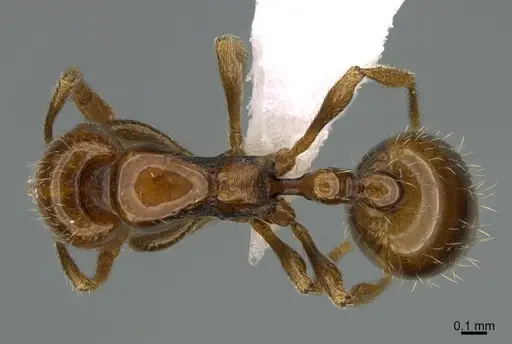
CASENT0908677
View on AntWeb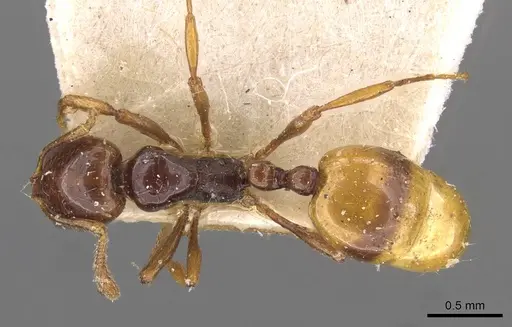
Literature
Loading distribution map...Loading products...