
Chelaner edentatus
- Sci. Name
- Chelaner edentatus
- Tribe
- Solenopsidini
- Subfamily
- Myrmicinae
- Author
- Emery, 1897
- Distribution
- Found in 0 countries
Introduction
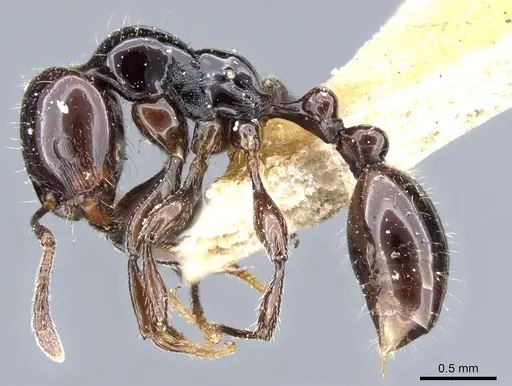
Chelaner edentatus is a small ant species native to Papua New Guinea, specifically recorded from Woodlark Island. The worker was originally described by Emery in 1897 as Monomorium edentatum, with the name reflecting the species' distinctive toothless mandibles - 'edentatus' means 'toothless' in Latin . The species was later reclassified into the genus Chelaner in 1966 and underwent a mandatory name change in 2025 to match the masculine gender of the genus name . As a member of the Myrmicinae subfamily in the Solenopsidini tribe, these ants possess a stinger and use venom composed of piperidine alkaloids for defense and prey capture. This species remains poorly documented in scientific literature, with limited information available about its specific behaviors, colony structure, or care requirements in captivity.
Quick Summary
- Difficulty: Unknown
- Origin & Habitat: Papua New Guinea, specifically Woodlark Island. The species was collected from this location in the Australasian region by Lamberto Loria during the late 19th century [2]. The natural habitat would likely be tropical forest environments typical of the region, though specific nesting sites and microhabitat preferences have not been documented.
- Colony Type: Unconfirmed. The colony structure of this species has not been studied. Many related Monomorium species are monogyne (single queen colonies), but this cannot be confirmed for C. edentatus.
- Size & Growth:
- Queen: Unknown, queen has not been described in scientific literature
- Worker: Unknown, only the worker caste has been described, with no specific measurements recorded [2]
- Colony: Unknown, no colony size data exists for this species
- Growth: Unknown
- Development: Unknown, development timeline has not been studied for this species (No direct measurements exist. Related tropical Monomorium species may develop faster in warm conditions, but specific timelines are unconfirmed.)
- Antkeeping:
- Temperature: Likely 24-28°C based on tropical Papua New Guinea origin. Start in the mid-range and observe colony activity.
- Humidity: Likely moderate to high given the humid tropical origin. Keep substrate consistently moist but not waterlogged.
- Diapause: Unlikely, being a tropical species from Papua New Guinea, they probably do not require a diapause period. However, this has not been confirmed.
- Nesting: Unknown, no natural nesting observations have been documented. Related Monomorium species typically nest in soil, under stones, or in rotting wood. A naturalistic setup with moist substrate or a Y-tong/plaster nest would be a reasonable starting point.
- Behavior: Undocumented. The behavior of this species has not been studied in detail. Based on genus relationships, they are likely relatively docile small ants that forage on the ground. As Myrmicinae ants, they possess a stinger, though given their small size any sting would likely be mild. Their tiny size suggests they may be escape risks and would require fine mesh barriers. The specific foraging habits, aggression levels, and defense mechanisms are unknown.
- Common Issues: this is a very poorly documented species with almost no scientific data available, making proper care difficult to define., queen and colony size are unknown, so keepers cannot anticipate growth patterns., escape prevention is critical given their tiny size, use fine mesh on all openings., without documented diet preferences, determining appropriate feeding may require experimentation., the lack of any hibernation or seasonal behavior data means winter care is entirely speculative.
Species Background and Nomenclature
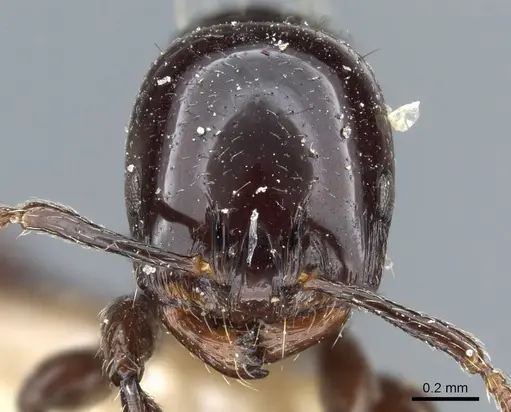
Chelaner edentatus has a complex taxonomic history. Originally described as Chelaner edentatus by Carlo Emery in 1897 based on a worker specimen collected from Woodlark Island in Papua New Guinea, the species was transferred to the subgenus Notomyrmex in 1922,then to the genus Monomorium in 1995,and finally to Chelaner in 1966 [1]. In 2025,the species name was corrected from edentatum to edentatus to comply with mandatory grammatical gender agreement rules, because Chelaner is masculine, the species epithet must also be masculine [1]. The name 'edentatus' (toothless) refers to the distinctive feature of having toothless mandibles, which sets this species apart from many related ants that have teeth on their mandibles.
Current Knowledge and Care Challenges
This is one of the least documented ant species in the hobby. The scientific literature contains only the original worker description from 1897 and subsequent taxonomic recombinations, there is no research on colony size, queen morphology, nesting behavior, diet, temperature preferences, or any aspect of their biology. This presents a significant challenge for antkeepers. The best approach is to house them based on what works for related Monomorium species from similar tropical regions: warm temperatures around 24-28°C, moderate to high humidity, and a moist nesting substrate. Keepers should be prepared to experiment and document their observations carefully, as any information gathered would be valuable for building husbandry knowledge for this species.
Housing Recommendations
Since we have no specific information about this species' nesting preferences, the safest approach is to use versatile housing that allows for adjustment. A test tube setup works well for founding colonies, providing easy humidity control. Once the colony establishes, a Y-tong or plaster nest with moisture chambers allows you to fine-tune humidity levels. Given their likely small size and tropical origin, ensure the nest maintains consistent warmth and humidity without drying out. Use fine mesh on any openings, as tiny ants can escape through surprisingly small gaps. A naturalistic setup with a moisture-retaining substrate could also work well if you want to observe more natural behaviors.
Feeding Approach
The diet of Chelaner edentatus has not been documented. Related Monomorium species are typically omnivorous, feeding on small insects, honeydew, and nectar. For this species, start with a conservative approach: offer small live prey like fruit flies or pinhead crickets, along with sugar water or honey. Observe what they accept and adjust accordingly. Being small ants, their prey items should be appropriately sized. Do not overfeed, start with small amounts and increase as the colony grows. Document what foods they accept, as this information would be valuable for building husbandry knowledge for this rarely kept species.
Frequently Asked Questions
How do I care for Chelaner edentatus ants?
Care requirements are not well documented. Based on their tropical Papua New Guinea origin, provide warm temperatures (around 24-28°C), moderate to high humidity, and moist nesting substrate. Start with a test tube for founding colonies and transition to a Y-tong or plaster nest as the colony grows. This is an experimental species where keepers will need to determine optimal conditions through observation.
What do Chelaner edentatus eat?
Their diet has not been documented. Based on related Monomorium species, they likely accept small live prey and sugar sources. Offer small insects like fruit flies and sugar water or honey. Start conservatively and observe what they accept.
How big do Chelaner edentatus colonies get?
Unknown, colony size has not been documented for this species. There is no scientific data on maximum colony size.
Do Chelaner edentatus queens need hibernation?
Unlikely, being from tropical Papua New Guinea, they probably do not require a diapause period. However, this has not been confirmed and seasonal behavior is unknown.
What is the egg to worker timeline for Chelaner edentatus?
Unknown, development timeline has not been studied. Specific timelines are unconfirmed for this species.
Are Chelaner edentatus good for beginners?
No, this species is not recommended for beginners due to the complete lack of documented care information. Keeping this ant would be entirely experimental. Experienced antkeepers interested in documenting new species might consider this, but they should be prepared for a steep learning curve.
Can I keep multiple Chelaner edentatus queens together?
Unknown, colony structure has not been studied. The safe approach is to house a single queen per colony until more information becomes available.
What size are Chelaner edentatus workers?
Unknown, specific worker measurements have not been recorded in the scientific literature. They are described as small ants based on the genus and original description.
Where is Chelaner edentatus found?
This species is known only from Woodlark Island in Papua New Guinea, in the Australasian region.
Report an Issue
The current care sheet is based fully on literature. See inconsistencies, or something that's incorrect? Please , it will be resolved after review from an admin. Contributing to the blogs tab also helps providing information, to make us be able to further improve the caresheets. Thank you for your support!
References

This caresheet is licensed under CC BY-SA 4.0 .
Community Blogs
CASENT0904569
View on AntWeb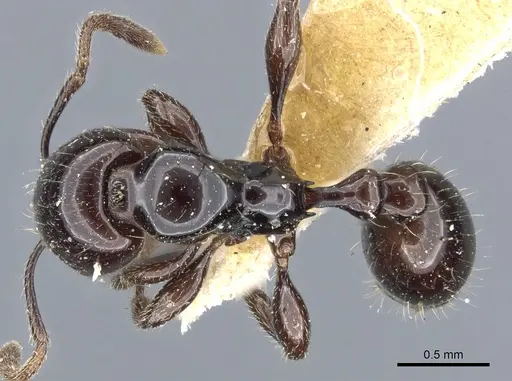
Literature
Loading distribution map...Loading products...