
Chelaner crinitus
- Sci. Name
- Chelaner crinitus
- Tribe
- Solenopsidini
- Subfamily
- Myrmicinae
- Author
- Heterick, 2001
- Distribution
- Found in 1 countries
Introduction
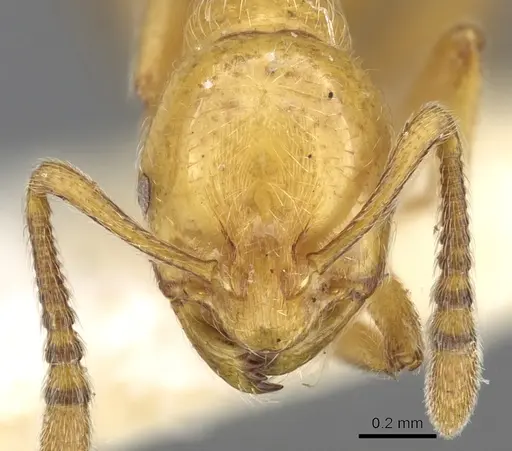
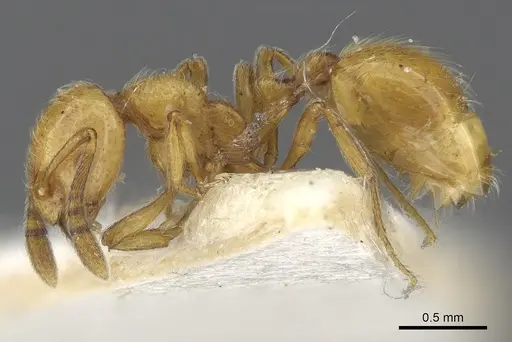
Chelaner crinitus is a small Australian ant species belonging to the kiliani group, known for its distinctive shining orange to yellow-orange coloration. Workers measure approximately 2-2.5mm in total length, with relatively small eyes compared to similar species - a morphological trait suggesting they are largely fossorial, meaning they spend most of their time underground . The species has long, fine hairs covering its body, which is how it got the name 'crinitus' meaning 'hairy' in Latin . Queens are slightly larger at approximately 2.2-2.5mm and share the same orange coloration. This species is one of the more widespread members of the kiliani group, found across the humid east coast of Australia, though it also occurs in South Australia .
Quick Summary
- Difficulty: Unknown, biology unstudied
- Origin & Habitat: Eastern and southern Australia (NSW, ACT, South Australia) in dry sclerophyll forest habitats at elevations from 500ft to 4700ft. Nests are found under stones [1].
- Colony Type: Colony structure is unconfirmed, the biology of this species has not been studied [1].
- Size & Growth:
- Queen: approximately 2.2-2.5mm, inferred from genus [1]
- Worker: approximately 2-2.5mm, inferred from genus [1]
- Colony: Unknown, no colony size data available
- Growth: Unknown, no development data exists
- Development: Unknown, no direct observations of development (No research exists on their development timeline.)
- Antkeeping:
- Temperature: Likely moderate temperatures matching their Australian distribution. Based on their range spanning from near sea level to elevated areas (4700ft), they probably tolerate 18-26°C. Start around 22°C and observe colony activity.
- Humidity: Found in dry sclerophyll habitats, suggesting they prefer relatively dry conditions. Keep nest substrate moderately moist but not wet, allow some drying between waterings.
- Diapause: Unknown, Australian ants from temperate regions may require a cool period, but no specific data exists for this species.
- Nesting: In the wild, they nest under stones in dry sclerophyll forest [1]. A naturalistic setup with soil and flat stones for cover works well, or a Y-tong/plaster nest with dry to moderately humid conditions.
- Behavior: Behavior is unstudied. The reduced eye size suggests they are fossorial (spending most time underground) and likely less active on the surface than many ants. They are probably shy and non-aggressive, typical of small Myrmicinae ants. This species has a sting, they belong to the Solenopsidini tribe which uses piperidine alkaloid venom. Escape risk is moderate due to their small size, use standard barrier methods.
- Common Issues: no biological data exists, this is one of the least studied Australian ant species, their fossorial nature means they may be reclusive and difficult to observe, no information on founding behavior or colony growth rates, unknown if they accept sugar or require live prey exclusively, hibernation requirements are completely unstudied
Why This Species Is Challenging to Keep
Chelaner crinitus is one of the least-studied Australian ant species. Unlike common pet ants like Camponotus or Lasius, there is virtually no scientific literature on their biology, behavior, or captive care requirements. The original species description focuses entirely on physical identification traits, size, color, hair patterns, eye structure, with no observations of living colonies [1]. This means every aspect of husbandry is essentially experimental. The reduced eye size (fewer ommatidia) indicates they are fossorial, meaning they are adapted to living underground rather than foraging openly. This makes them different from most commonly kept ants that readily forage in the open. You should expect a reclusive species that spends most of its time in nest chambers rather than exploring an outworld.
Natural Habitat and Nesting
In the wild, Chelaner crinitus nests under stones in dry sclerophyll forest environments. The type specimens were collected from Mt Canobolas in NSW at approximately 4200ft elevation, and from the Adelaide Hills in South Australia at 500ft elevation [1]. This suggests they prefer cooler, drier forest habitats rather than tropical or rainforest conditions. The dry sclerophyll habitat indicates they are adapted to periods of lower humidity. Their small eyes (reduced ommatidia) are a morphological adaptation to underground life, they simply do not need good vision when living in darkness underground. For captive care, recreate these conditions with a nest that has dry to moderately humid substrate, with stones or other cover on the surface. A naturalistic setup with a soil chamber and flat stones works well, or a Y-tong/plaster nest with limited water reservoirs.
Inferring Care from Related Species
Since direct research on C. crinitus does not exist, we can make educated guesses based on related species in the Monomorium genus (now Chelaner). Most Monomorium species are small, ground-dwelling ants that nest in soil or under stones. They are typically non-aggressive and form moderate-sized colonies. Founding queens likely seal themselves in a chamber (claustral founding) and survive on stored fat reserves until first workers hatch, this is the standard for most Myrmicinae. Related species often accept both sugar sources and protein foods, but their exact diet preferences are unknown. Given their fossorial nature, they probably prefer hunting small prey in the nest chamber rather than extensive foraging. Start with standard ant foods: sugar water or honey, and small protein sources like fruit flies or pinhead crickets, and observe what they accept.
What to Expect
Do not expect an active, visible colony. Fossorial ants spend most of their time underground, and you may rarely see workers outside the nest. The colony will likely be small based on related species patterns. Their orange coloration is distinctive and pretty, but you may not see them often. This species is best suited for antkeepers who enjoy setting up naturalistic habitats and observing the occasional worker rather than those wanting highly active, visible ants. Keep expectations realistic: this is a watch the nest species, not a watch them forage species. Temperature around 22°C with moderate humidity (allowing drying between waterings) is a reasonable starting point, but you will need to adjust based on whatever behavior you observe.
Frequently Asked Questions
How do I keep Chelaner crinitus?
Care is largely unknown since this species has never been scientifically studied. Based on related species, use a naturalistic setup with soil or a Y-tong nest, keep temperatures around 22°C, and maintain moderate humidity allowing some drying. They are fossorial (underground-dwelling), so expect them to be reclusive.
What do Chelaner crinitus eat?
Diet is unconfirmed. Related Monomorium species typically accept both sugar and protein. Offer sugar water or honey, plus small live prey like fruit flies or pinhead crickets. Observe what they accept and adjust accordingly.
How long does it take for Chelaner crinitus to develop from egg to worker?
Unknown, no research exists on their development timeline.
Do Chelaner crinitus queens need to hibernate?
Diapause requirements are completely unstudied. Based on their Australian distribution spanning temperate regions, they may benefit from a cool period in winter, but this is uncertain.
How big do Chelaner crinitus colonies get?
Colony size is unknown, no scientific observations of wild or captive colonies exist.
Are Chelaner crinitus ants aggressive?
Behavior is unstudied, but small Monomorium-type ants are typically shy and non-aggressive. They will likely flee rather than attack when disturbed.
Can I keep multiple Chelaner crinitus queens together?
Colony structure is unconfirmed. There is no data on whether they are monogyne (single queen) or polygyne (multiple queens). Do not combine unrelated foundress queens without data.
What does Chelaner crinitus look like?
Workers are small with a distinctive shining orange to yellow-orange color. They have relatively small eyes compared to similar species and long fine hairs covering their body. Queens are slightly larger with the same orange coloration [1].
Where is Chelaner crinitus found?
This is an Australian species found in New South Wales, Australian Capital Territory, and South Australia. They live in dry sclerophyll forest, nesting under stones at elevations from 500ft to 4700ft [1].
Why are Chelaner crinitus eyes so small?
The reduced number of ommatidia (eye facets) indicates they are largely fossorial, adapted to living underground where good vision is unnecessary. This is a morphological adaptation to their subterranean lifestyle [1].
Report an Issue
The current care sheet is based fully on literature. See inconsistencies, or something that's incorrect? Please , it will be resolved after review from an admin. Contributing to the blogs tab also helps providing information, to make us be able to further improve the caresheets. Thank you for your support!
References

This caresheet is licensed under CC BY-SA 4.0 .
Community Blogs
CASENT0902298
View on AntWeb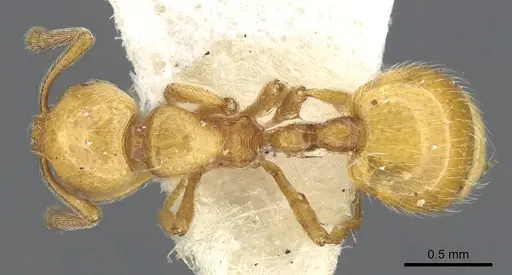
Literature
Loading distribution map...Loading products...