
Cerapachys sulcinodis
- Sci. Name
- Cerapachys sulcinodis
- Subfamily
- Dorylinae
- Author
- Emery, 1889
- Distribution
- Found in 3 countries
Introduction
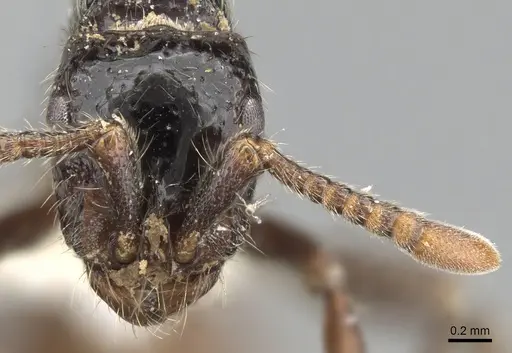
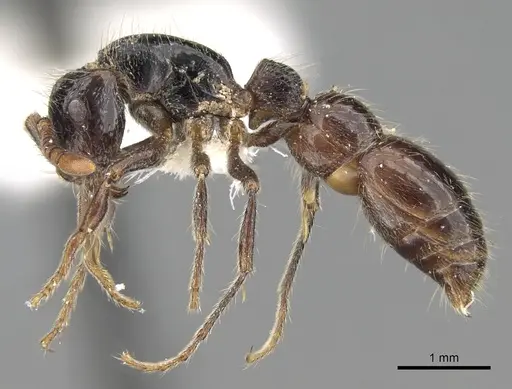
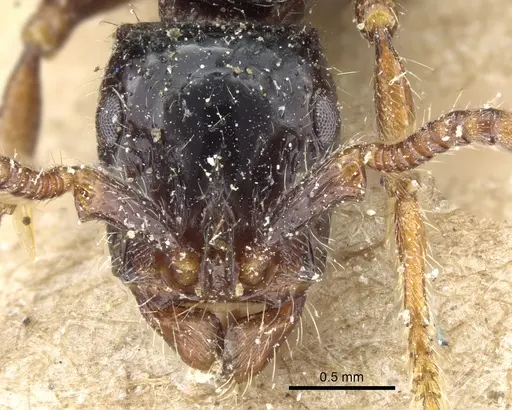
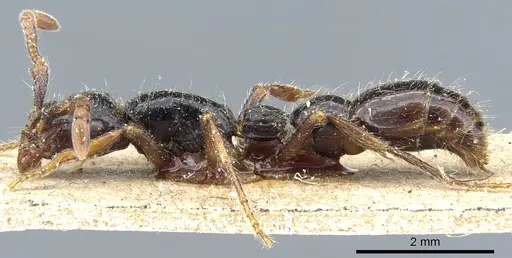
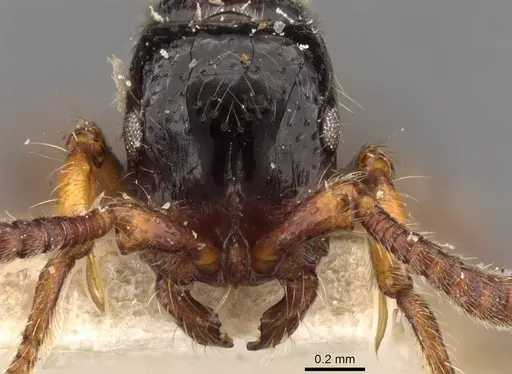
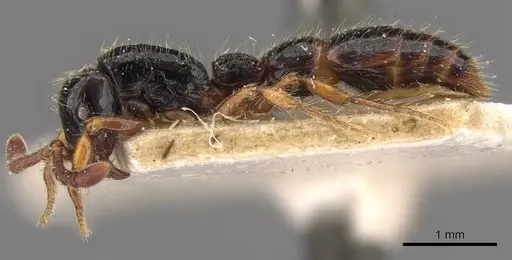
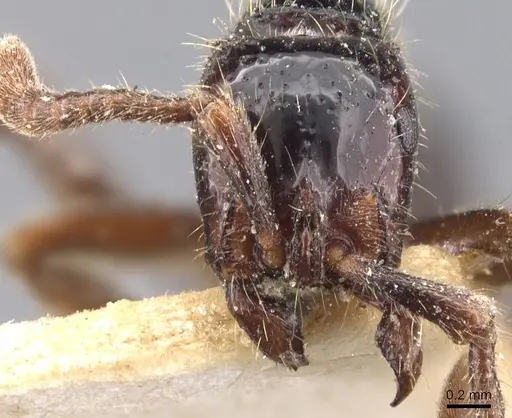
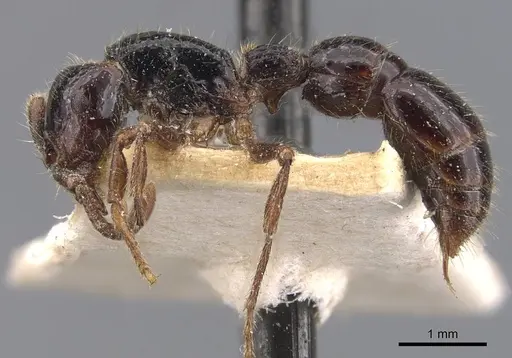
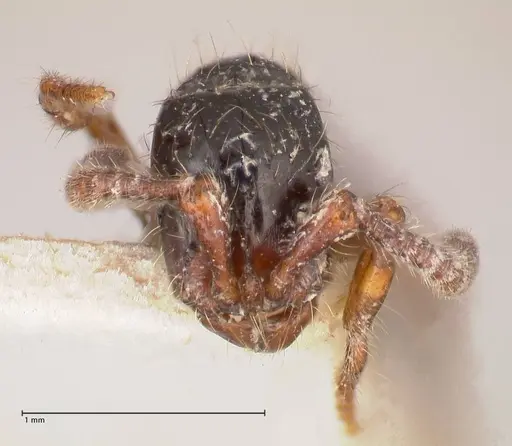
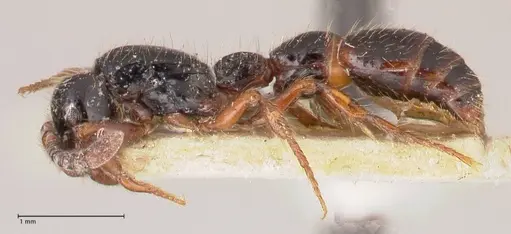
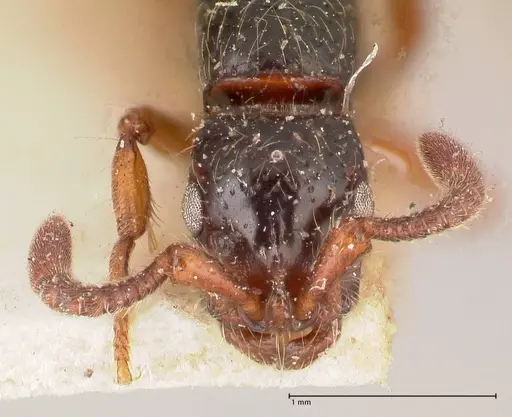
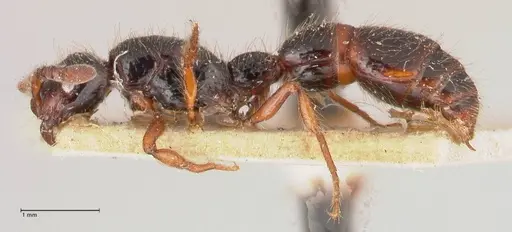
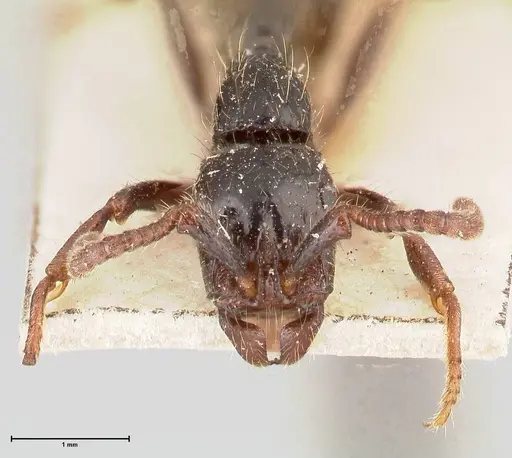
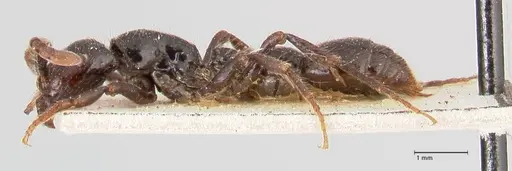
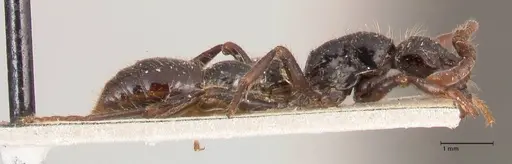
Cerapachys sulcinodis is a small predatory ant belonging to the Dorylinae subfamily, native across South and Southeast Asia from Nepal through India, China, and down to Indonesia and the Philippines . Workers measure 5.2-7.5mm with distinctive 12-segmented antennae, a long petiole with longitudinal grooves, and a functional sting . The species is notable for its ergatoid queens - permanently wingless females that are distinctly larger than workers and have three ocelli, which is unusual among ants. Colonies are polygynous, meaning they contain multiple queens (typically 3-5, up to 14), and can grow quite large with up to 1850 workers. This is a predatory species that feeds on ant brood and other small arthropods, with colonies nesting under rotting logs, stones, or in underground spaces .
Quick Summary
- Difficulty: Medium
- Origin & Habitat: Native across the Indo-Malayan region from Nepal, India, and Tibet through China, Southeast Asia to the Philippines, Sumatra, and Borneo [1][2]. Found in primary forest habitats at elevations from 500-1200m, including dry dipterocarp forest and mixed deciduous forest [6][7]. A habitat specialist restricted to primary forest, not found in secondary forest or rubber plantations [7].
- Colony Type: Polygynous (multi-queen) colonies with ergatoid (permanently wingless) queens. Most colonies contain multiple queens (median 3.5, range 1-14), and all queens are ergatoid with no winged forms ever collected. Queens are functionally polygynous with minimal reproductive skew, most queens lay eggs.
- Size & Growth:
- Queen: size data unavailable, only head measurements known
- Worker: 5.2-7.5mm [3][4][5]
- Colony: up to 1850 workers
- Growth: Moderate
- Development: 6-9 weeks (42-64 days) at laboratory conditions (Egg stage 8-38 days, larval stage average 27 days, prepupal stage about 6 days, pupal stage about 22 days. Development varies significantly with temperature.)
- Antkeeping:
- Temperature: Keep at 24-28°C. This is a tropical/subtropical species from warm forest habitats, maintain warm, stable conditions.
- Humidity: Moderate to high humidity. These forest-dwelling ants prefer damp conditions, keep nest substrate consistently moist but not waterlogged.
- Diapause: Likely minimal or none. Foraging activity is very low during dry season in the wild, suggesting a seasonal slowdown rather than true hibernation. Keep at reduced temperatures (18-20°C) for 2-3 months during winter if colony shows reduced activity.
- Nesting: Provide a naturalistic setup with multiple chambers or a Y-tong/plaster nest. In the wild, colonies nest in preexisting spaces under rotting logs, stones, or underground [1]. They prefer dark, humid nest sites with minimal disturbance.
- Behavior: This is a predatory ant that feeds primarily on ant brood and small arthropods. Workers are moderately aggressive and will sting when threatened, the sting is functional and can penetrate human skin [3]. They are not escape artists due to their moderate size (5.2-7.5mm), but standard escape prevention is still recommended. Foraging activity is very low during dry seasons in their native habitat, they are most active during wet/warm periods. Colonies are polygynous so multiple queens coexist peacefully.
- Common Issues: colonies may fail if kept too dry, forest species needs consistent humidity., predatory diet means they need regular live prey (ant brood, small insects), sugar sources rarely accepted., slow growth compared to many tropical ants (6-9 weeks egg-to-worker) can frustrate beginners., queenless colonies (50-400 workers) are sometimes collected and may be less stable., winter slowdown can be mistaken for colony death, do not discard dormant colonies.
Housing and Nest Setup
Cerapachys sulcinodis does well in naturalistic setups that mimic their natural nesting sites under rotting logs, stones, and in underground cavities [1]. A Y-tong or plaster nest with narrow chambers works well, the key is providing dark, humid conditions with minimal disturbance. These ants are not arboreal but will use vertical space if provided. Because they are predatory, include an outworld area for hunting and foraging. Test tube setups can work for founding colonies but may limit growth, transfer to a proper formicarium once the colony reaches 30-50 workers. Escape prevention is important but not as critical as for tiny species, standard barriers on container rims will suffice for their 5.2-7.5mm workers.
Feeding and Diet
This is a specialized predator that feeds primarily on ant brood and small arthropods. In captivity, offer small live prey such as fruit flies, pinhead crickets, small mealworms, and ideally ant brood from feeder colonies. They are not typically interested in sugar water or honey, unlike many ant species. Feed protein-rich prey 2-3 times per week, removing uneaten prey after 24 hours. During the dry season in their native habitat, foraging activity drops significantly, you may notice reduced interest in food during winter months, which is normal. Do not overfeed, excess prey can mold and harm the colony.
Temperature and Seasonal Care
Keep these ants warm at 24-28°C year-round, as they come from tropical and subtropical forests. A heating cable on one side of the nest creates a temperature gradient allowing the colony to self-regulate. Place the heating element on top of the nest to avoid drying out the substrate too quickly. During winter or cool periods, colony activity noticeably decreases, this matches their natural behavior where foraging is very low during dry seasons. If your colony slows down in winter, reduce feeding and maintain slightly cooler temperatures (around 20°C) for 2-3 months. Do not confuse this seasonal slowdown with colony death, they will revive when temperatures rise.
Colony Structure and Reproduction
Cerapachys sulcinodis has one of the more unusual colony structures among ants. Colonies are typically polygynous with multiple ergatoid (permanently wingless) queens, the median is 3.5 queens per colony, with some having up to 14. Unlike typical ants, these queens never develop wings and cannot fly, colony foundation likely occurs through budding or when queenless fragments establish independently. All queens are mated and functionally polygynous, meaning multiple queens lay eggs without strong reproductive skew. Nuptial flights are believed to occur in August based on male collections in the wild. The colony cycle shows phasic reproduction, brood development is synchronized, with colonies producing new workers in batches rather than continuously.
Growth and Development Timeline
Under laboratory conditions at warm temperatures, development from egg to worker takes 42-64 days (approximately 6-9 weeks). The egg stage is highly variable (8-38 days), followed by a larval stage averaging 27 days, a short prepupal stage of about 6 days, and a pupal stage around 22 days. This is slower than many tropical ants and requires patience. Workers show significant size variation within colonies, the largest workers can be 1.4 times wider than the smallest. This size variation increases in larger colonies. Unlike some ant species, there are no distinct worker subcastes, all workers perform general tasks. Queens do not become physogastric (visibly swollen with eggs) during laying periods, making queen health harder to assess visually.
Frequently Asked Questions
How long does it take for Cerapachys sulcinodis to produce first workers?
Expect 6-9 weeks (42-64 days) from egg to first worker at warm temperatures (around 26°C). The egg stage is particularly variable (8-38 days), so be patient, this is slower than many common ant species.
Can I keep multiple Cerapachys sulcinodis queens together?
Yes, this species is naturally polygynous. Wild colonies typically have 3-5 queens (up to 14), and they coexist peacefully without aggression. You can introduce multiple ergatoid queens to an established colony.
What do Cerapachys sulcinodis ants eat?
They are predators that need live prey. Feed small insects like fruit flies, pinhead crickets, small mealworms, and ideally ant brood from feeder colonies. They typically do not accept sugar sources like honey or sugar water.
Do Cerapachys sulcinodis ants sting?
Yes, they have a functional sting that can penetrate human skin [3]. The sting is exerted (visible at the abdomen tip) and they will use it defensively when threatened. Pain level is moderate, similar to other Dorylinae ants.
Are Cerapachys sulcinodis good for beginners?
This is a medium-difficulty species. They require more specialized care than sugar-feeding ants, specifically needing live prey and higher humidity. However, their polygynous colony structure makes them more forgiving of queen loss. Not recommended as a first ant, but manageable for those with some experience.
How big do Cerapachys sulcinodis colonies get?
Colonies can reach up to 1850 workers in the wild. In captivity, expect 500-1000 workers with proper care over 2-3 years.
Do Cerapachys sulcinodis need hibernation?
They do not require true hibernation. In the wild, they reduce activity during dry seasons rather than cold winters. A slight cooling period (18-20°C for 2-3 months) during winter may benefit colonies but is not strictly necessary.
Why are my Cerapachys sulcinodis not eating?
Reduced appetite is normal during dry season or winter months, foraging activity drops significantly in their native habitat during dry periods. Also ensure you are offering live prey, as they rarely accept dead food. If temperatures are below 24°C, try warming the nest area.
What temperature do Cerapachys sulcinodis need?
Keep nest temperatures between 24-28°C. This is a tropical/subtropical species from warm forest habitats. Use a heating cable on one side of the nest to create a gradient.
When do Cerapachys sulcinodis queens lay eggs?
Egg production likely starts in mid-to-late March in the wild, with nuptial flights occurring around August. In captivity at warm temperatures, colonies can reproduce year-round with phasic (batch) broods every few months.
Can I keep Cerapachys sulcinodis in a test tube?
Test tubes work for small colonies but these ants prefer naturalistic conditions. A test tube founding setup is fine for queenless fragments or small groups, but transfer to a formicarium with soil or plaster once the colony exceeds 30-50 workers [1].
Why are my Cerapachys sulcinodis dying?
Common causes include: too dry conditions (they need consistent humidity), insufficient live prey (they are obligate predators), temperatures below 24°C, or mold from overfeeding. Check humidity levels and ensure prey is being consumed. Queenless colonies (50-400 workers) collected in the wild may also be less stable.
Report an Issue
The current care sheet is based fully on literature. See inconsistencies, or something that's incorrect? Please , it will be resolved after review from an admin. Contributing to the blogs tab also helps providing information, to make us be able to further improve the caresheets. Thank you for your support!
References

This caresheet is licensed under CC BY-SA 4.0 .
Community Blogs
CASENT0281976
View on AntWeb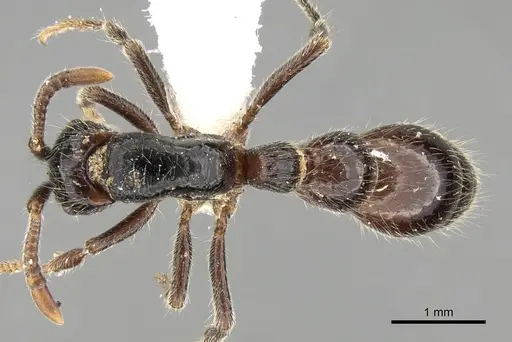
CASENT0903772
View on AntWeb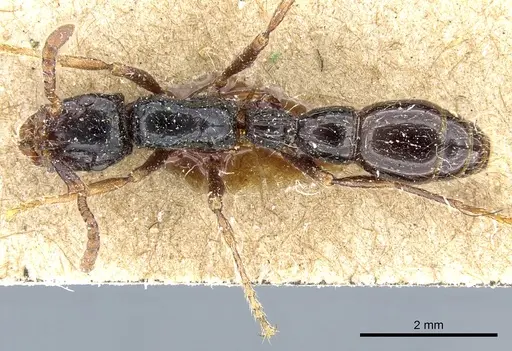
CASENT0907050
View on AntWeb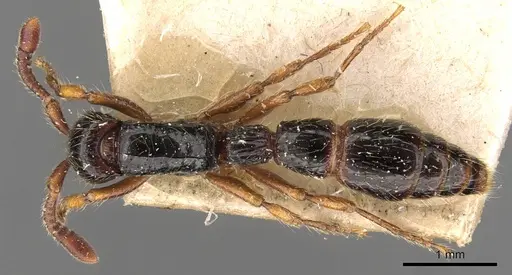
CASENT0907053
View on AntWeb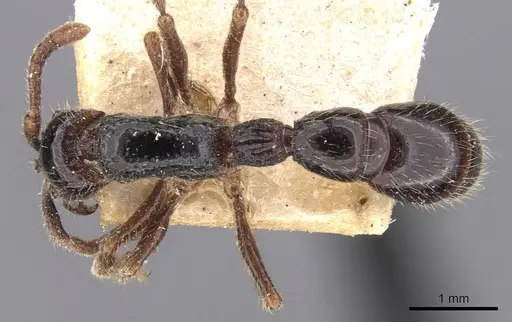
FOCOL0795
View on AntWeb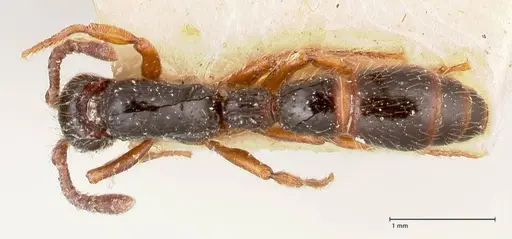
FOCOL0796
View on AntWeb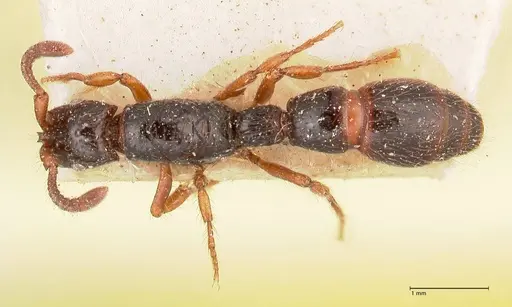
FOCOL0798
View on AntWeb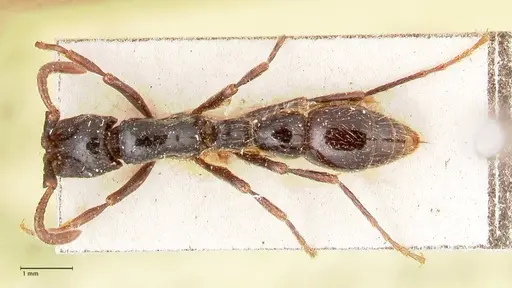
Literature
Loading distribution map...Loading products...