
Cerapachys jacobsoni
- Sci. Name
- Cerapachys jacobsoni
- Subfamily
- Dorylinae
- Author
- Forel, 1912
- Distribution
- Found in 2 countries
Introduction
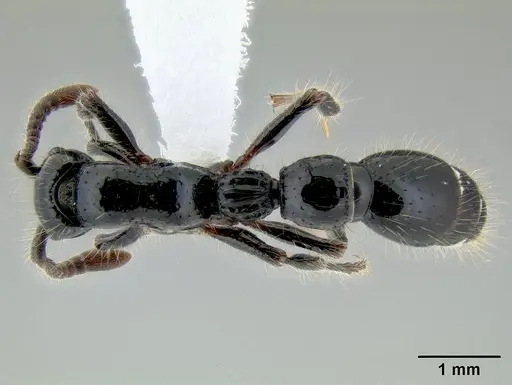
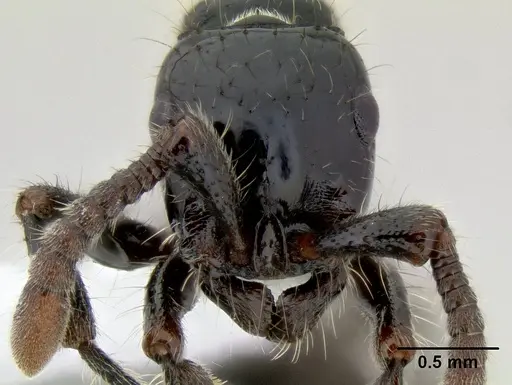
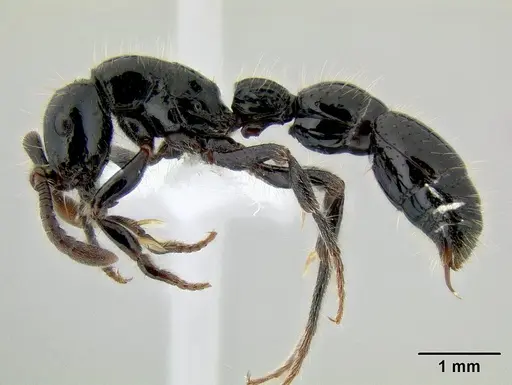
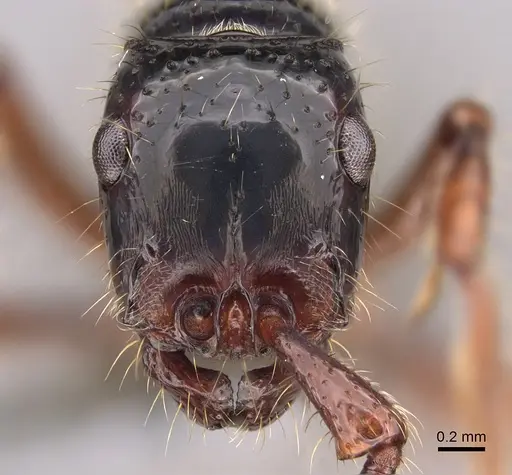
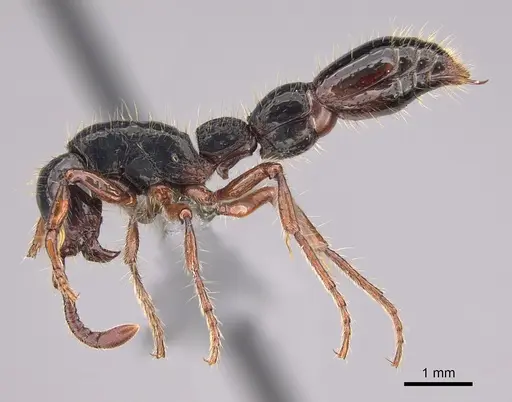
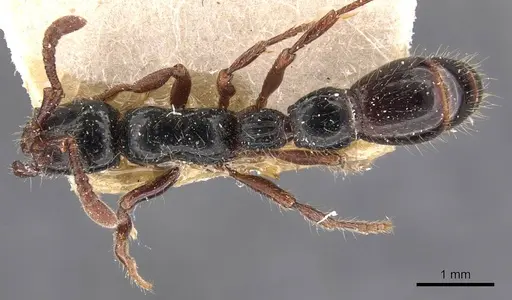
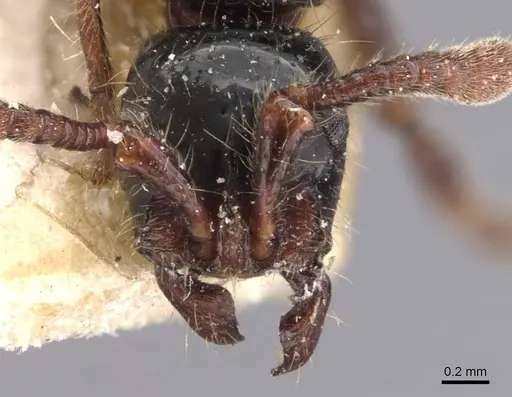
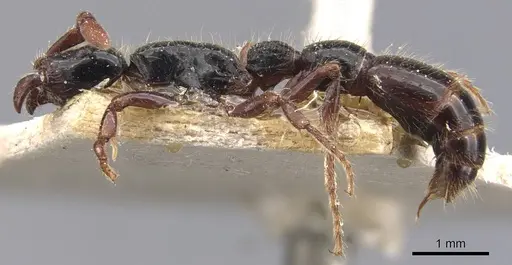
Cerapachys jacobsoni is a small predatory ant species native to Southeast Asia, found across Indonesia (Java, Kalimantan, Sumatra), Malaysia (Peninsula, Sabah), and the Philippines . Workers are small, measuring under 8mm in total length, with distinctive physical features including a petiole covered in coarse longitudinal rugae and a small tooth-like projection on the face between the antennae . This species belongs to the Dorylinae subfamily, which contains army ants and their specialized predatory relatives. These ants are known for their distinctive raiding behavior where they attack other ant nests in groups, stealing larvae and pupae to feed their own colony . Cerapachys jacobsoni represents a true Cerapachys species in the strict sense, forming a distinct and species-poor evolutionary lineage within the doryline ants .
Quick Summary
- Difficulty: Medium
- Origin & Habitat: This species originates from the Indomalaya region, specifically Indonesia, Malaysia, and the Philippines. In the wild, they have been collected from tropical forest habitats in West Java (Gunung Halimun) at various elevations [2]. They are specialized predators that raid other ant colonies.
- Colony Type: Colony structure is not well documented in scientific literature. Based on related Cerapachys species, they form relatively small colonies [2]. The genus is known for group recruitment to food sources and raiding behavior.
- Size & Growth:
- Queen: size data unavailable
- Worker: under 8mm total length [1]
- Colony: relatively small colonies based on genus patterns [2]
- Growth: Unknown
- Development: Unknown, no direct development data available for this species (Development timeline is unconfirmed. Related Dorylinae species typically require several weeks to months under warm conditions.)
- Antkeeping:
- Temperature: Keep at 24-28°C as a starting point. Tropical species from Southeast Asia typically require warm conditions. Adjust based on colony activity and observe preferences.
- Humidity: Maintain moderate to high humidity. Their natural habitat in Indonesian rainforests is consistently humid. Use moist substrate and provide a water source.
- Diapause: Unknown, likely minimal or no true diapause given their tropical origin. Some reduced activity during cooler months may occur.
- Nesting: Use a naturalistic setup with moist substrate or a Y-tong/plaster nest. They prefer dark, humid conditions. Provide chambers scaled to their small size.
- Behavior: Cerapachys jacobsoni is a specialized predator that raids other ant colonies. Workers forage in groups and use chemical recruitment to coordinate attacks on target nests, bringing back larvae and pupae as prey [2]. Unlike some related species, C. jacobsoni did not show volatile compounds in their poison or pygidial glands, suggesting they may use different recruitment mechanisms than close relatives like Lioponera turneri [2]. They are likely more active and aggressive during foraging. Their small size means escape prevention is important, use fine mesh barriers. They possess defensive secretions in their Dufour glands containing compounds like tetradecyl acetate which may serve as alarm or deterrent signals [2][5].
- Common Issues: limited availability in the antkeeping hobby, rarely available for purchase, specific dietary requirements as specialized ant predators may be challenging to meet, escape risk due to small size, requires fine mesh barriers, lack of species-specific care information means some trial and error required, tropical humidity requirements can lead to mold issues if not managed properly
Natural History and Predatory Behavior
Cerapachys jacobsoni is a specialized predator that belongs to the Dorylinae subfamily, the same group that includes army ants. Unlike typical ants that forage individually for scattered food, these ants have evolved a raiding lifestyle. Workers hunt in coordinated groups and target specifically the nests of other ant species, raiding them to steal larvae and pupae which they carry back to their own nest as food [2]. This predatory specialization on other ants makes them fascinating but challenging to keep, as they require a constant supply of brood from other ant colonies or suitable alternative prey. The species has been observed conducting group recruitment to target ant nests, suggesting they use chemical signals to coordinate their raids [2]. Interestingly, research on their exocrine glands found no volatile compounds in the poison or pygidial glands, unlike the related Lioponera turneri which uses these glands for trail pheromones, this suggests C. jacobsoni may use different communication mechanisms [2].
Housing and Nest Setup
For keeping Cerapachys jacobsoni successfully, replicate their natural humid, tropical environment. A naturalistic setup with a moist soil substrate works well, use a mix that holds humidity without becoming waterlogged. A Y-tong or plaster formicarium with narrow chambers scaled to their small size also works, but ensure the substrate or nesting material stays consistently damp. These ants prefer dark conditions and will be more active in dimly lit setups. Provide a water source, a small test tube with water and a cotton plug works as both drinking water and humidity reservoir. Because of their small size, escape prevention is critical, use fine mesh on any openings and ensure all connections between outworld and nest are secure. The outworld can be simple with just a feeding area, as these ants are not particularly arboreal.
Feeding and Diet
As specialized ant predators, Cerapachys jacobsoni requires a diet based primarily on protein from other insects, particularly the brood of other ant species. In captivity, you can offer small live prey such as fruit flies, pinhead crickets, small mealworms, and other appropriately sized insects. They may also accept other arthropods. Unlike many ants, they are unlikely to accept sugar water or honey as a significant food source, their metabolism is tuned for protein-rich diets. Feeding should be done every 2-3 days with fresh prey, removing any uneaten remains promptly to prevent mold. The key challenge is that in the wild they specialize on ant brood, so for long-term success you may need to culture small ant colonies as a sustained food source or provide varied small arthropod prey. [2]
Temperature and Humidity Requirements
Being a tropical species from Indonesia and Malaysia, Cerapachys jacobsoni requires warm and humid conditions. Aim for temperatures in the range of 24-28°C, which matches their natural habitat in tropical rainforests. A heating cable on one side of the nest can create a temperature gradient, allowing the ants to self-regulate. Humidity should be maintained at moderate to high levels, the substrate should feel consistently moist but not waterlogged. Monitor condensation levels in your setup, some condensation is normal and indicates good humidity, but excessive moisture can lead to mold problems. Room temperature in most homes may be too cool, so consider using a small heat mat or placing the colony in a warmer location. Observe your colony's activity levels, if they become sluggish, the temperature may be too low. [2]
Behavior and Colony Dynamics
Cerapachys jacobsoni workers are small but exhibit complex social behaviors centered around their predatory lifestyle. They use group recruitment to coordinate raids on other ant colonies, with foragers returning to recruit nestmates to profitable food sources [2]. This means your colony may show periods of heightened activity followed by quieter periods as they process their prey. They possess defensive glands, their Dufour glands contain compounds like tetradecyl acetate and tetradecanal which likely serve as alarm pheromones or defensive secretions [2][5]. When disturbed, they may release these compounds. Workers are relatively short-lived compared to some ant species, so expect some turnover in the worker population. The colony will likely grow slowly at first as they establish, then accelerate once the first few workers are established and foraging efficiently.
Frequently Asked Questions
How long does it take for Cerapachys jacobsoni to produce first workers?
The exact development timeline is unknown for this species. Expect several months from egg to worker at optimal temperature. Colonies may grow slowly at first as the queen establishes the initial brood.
What do Cerapachys jacobsoni ants eat?
They are specialized predators that primarily eat other insects, particularly the larvae and pupae of other ant species. In captivity, offer small live prey like fruit flies, small crickets, mealworms, and other appropriately sized insects. They are unlikely to accept sugar sources as a major food item.
Can I keep multiple queens together in one colony?
Colony structure for this species is not well documented. Combining unrelated queens is not recommended since it has not been studied and could result in aggression. Start with a single queen colony for best success.
Are Cerapachys jacobsoni good for beginners?
This species is rated as medium difficulty. While fascinating due to their predatory behavior, they require more specialized care than typical ants, specifically their requirement for live prey and tropical humidity conditions makes them more challenging. They are best suited for keepers with some antkeeping experience who can provide consistent warm, humid conditions and appropriate prey.
What size colony do Cerapachys jacobsoni reach?
Based on related species, they form relatively small colonies. Maximum size is not well documented, but Cerapachys ants are known to form relatively small colonies compared to some army ant relatives.
Do they need hibernation or diapause?
Given their tropical origin from Indonesia and Malaysia, they likely do not require a true hibernation period. Some reduced activity during cooler months may occur, but maintained warmth year-round is probably best.
What is the best nest type for Cerapachys jacobsoni?
A naturalistic setup with moist substrate or a Y-tong/plaster nest with narrow chambers works well. They prefer dark, humid conditions. Ensure the nesting material can hold moisture without becoming waterlogged.
Why are my Cerapachys jacobsoni dying?
Common causes include: temperatures too low, humidity too low or too high, lack of appropriate live prey, mold from excessive moisture, or escape through small gaps. Review each parameter and adjust accordingly.
Report an Issue
The current care sheet is based fully on literature. See inconsistencies, or something that's incorrect? Please , it will be resolved after review from an admin. Contributing to the blogs tab also helps providing information, to make us be able to further improve the caresheets. Thank you for your support!
References

This caresheet is licensed under CC BY-SA 4.0 .
Community Blogs
Literature
Loading distribution map...Loading products...