
Cephalotes targionii
- Sci. Name
- Cephalotes targionii
- Tribe
- Attini
- Subfamily
- Myrmicinae
- Author
- Emery, 1894
- Distribution
- Found in 4 countries
Introduction
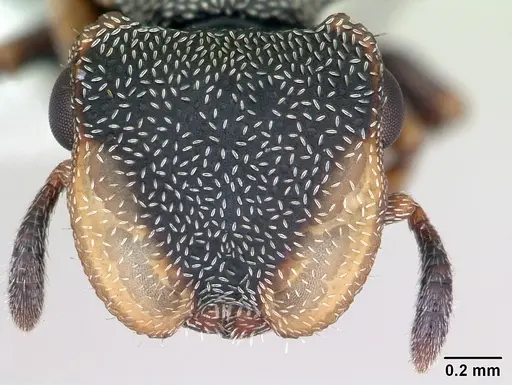
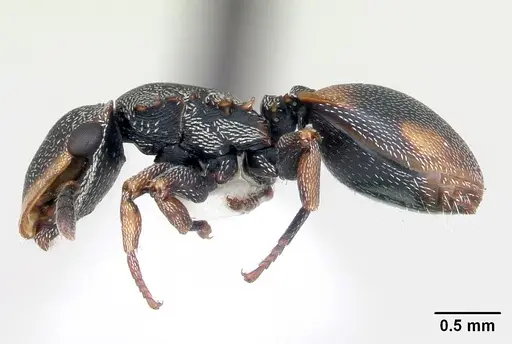
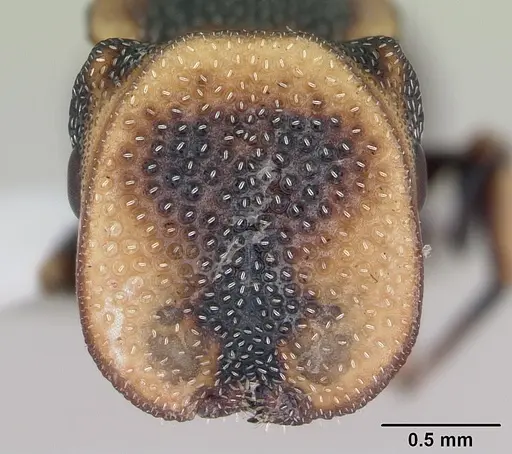
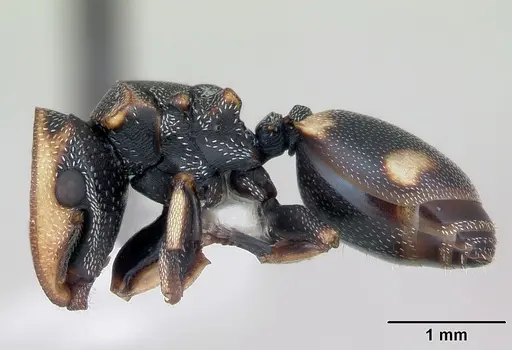
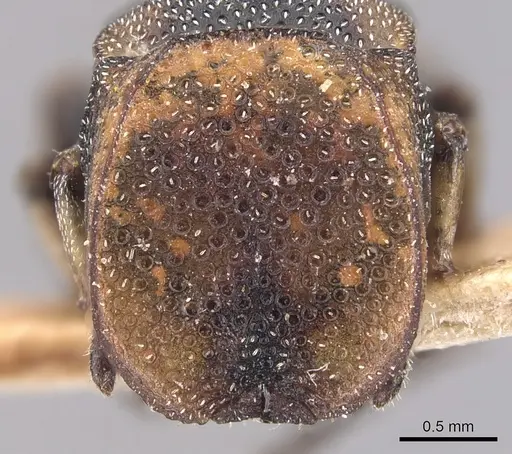
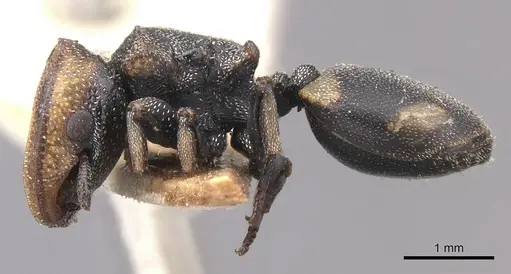
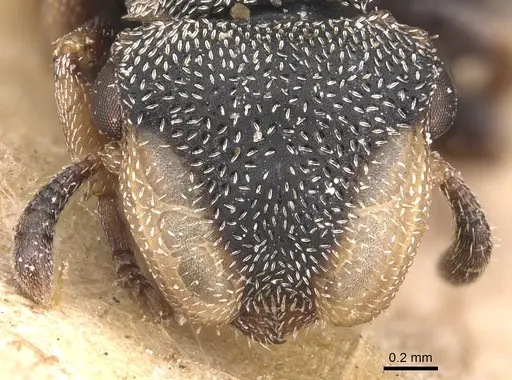
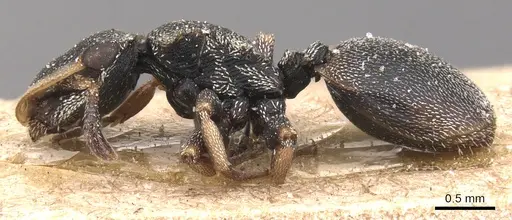
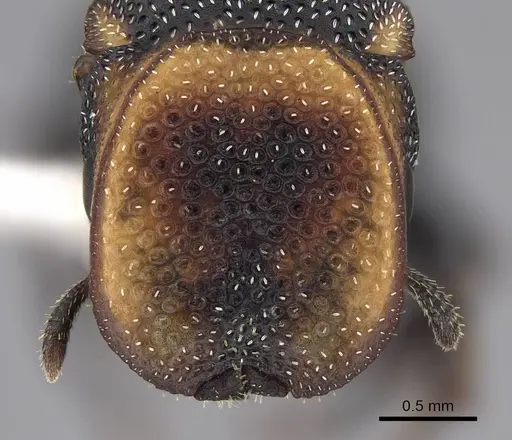
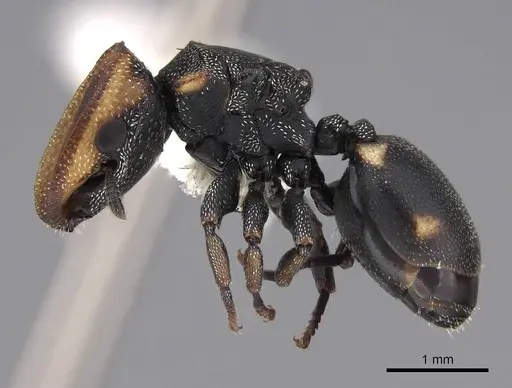
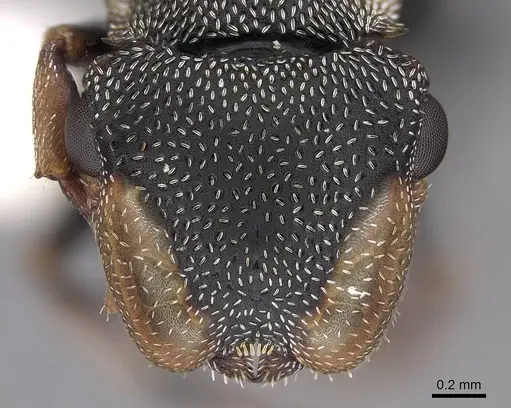
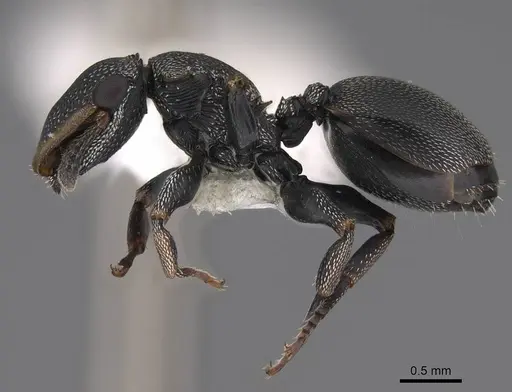
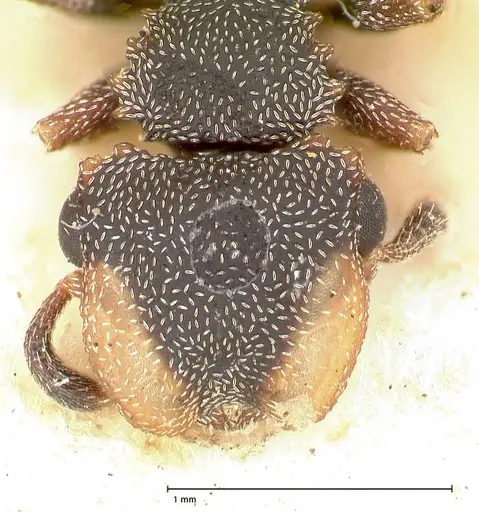
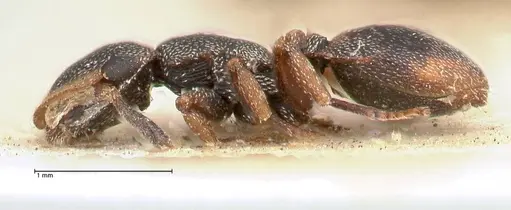
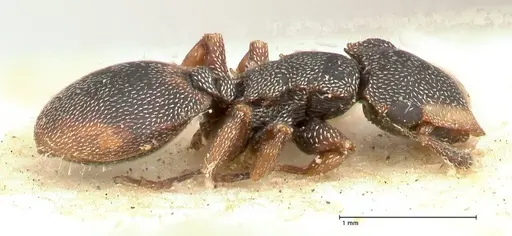
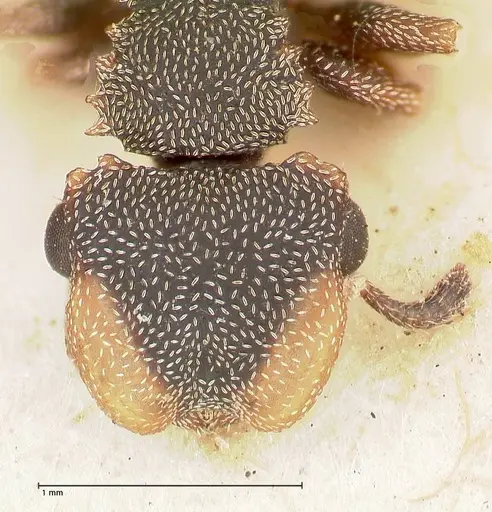
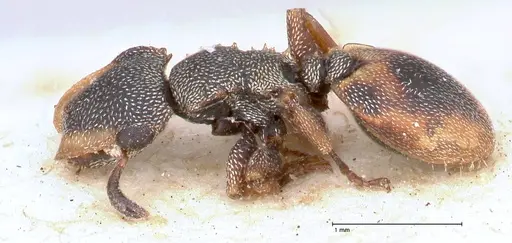
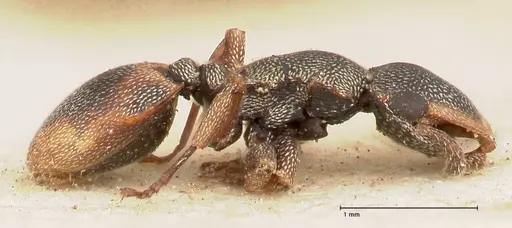
Cephalotes targionii is a Neotropical turtle ant found across northern South America, from Argentina through Colombia and the Caribbean coast. Workers measure 3.88-4.70mm with a distinctive flattened body and dark coloration marked with yellowish spines and leg tips. Soldiers are larger at 5.16-7.08mm with a broad, disc-like head that gives them their 'turtle' name. Queens come in two distinct sizes - normal queens at 6.92-7.48mm and dwarf queens at just 5.84mm, with the smaller ones having almost entirely black heads compared to the orange-headed larger queens . This species is part of the angustus group and inhabits lowland forests up to about 1000m elevation . What makes C. targionii unique is its dietary preference - laboratory colonies show a marked appetite for pollen, which they eat, store, and process in ways unlike most other ants .
Quick Summary
- Difficulty: Medium
- Origin & Habitat: Neotropical forests of South America, found in Argentina, Bolivia, Brazil, Colombia, French Guiana, Guyana, Paraguay, Trinidad and Tobago, and Venezuela at elevations from 30-1000m [4][2]. Specimens collected from forest habitat in Brazil (São Paulo) and Colombia [1][5].
- Colony Type: Colony structure is unconfirmed. Queens exist in two size morphs (normal and dwarf) within the same colony [1].
- Size & Growth:
- Queen: 6.92-7.48mm (normal), 5.84mm (dwarf morph) [1]
- Worker: 3.88-4.70mm [1]
- Colony: Unknown, no colony size data available for this species
- Growth: Unknown, no development timeline data available
- Development: Unconfirmed, no direct development data exists for this species (Development timeline has not been directly studied)
- Antkeeping:
- Temperature: Keep warm at 24-28°C. This species comes from tropical/subtropical forests and requires stable warmth.
- Humidity: Maintain moderate to high humidity (60-80%). These are forest ants that prefer moist conditions. Keep the nest substrate consistently damp but not waterlogged.
- Diapause: Unlikely, as a tropical species, they do not require hibernation. Keep temperatures stable year-round.
- Nesting: In nature, they likely nest in rotting wood or hollow twigs in forest environments. In captivity, a Y-tong nest or plaster nest works well. They prefer tight, narrow chambers scaled to their small size.
- Behavior: Turtle ants are generally calm and non-aggressive. Workers are slow-moving and tend to wander rather than run. They possess a stinger but it is less medically significant than fire ants. Their most notable behavior is the consumption and processing of pollen, which is unusual in the ant world. Escape risk is moderate, their small size means they can slip through small gaps, so use standard barrier methods.
- Common Issues: tropical species needs warmth, cold temperatures will slow or stop colony development, pollen is a key food source, without it, colonies may struggle. This is unusual and requires special attention, small size means escape prevention matters, use proper barriers, no colony size data means keepers must monitor growth carefully, humidity needs are moderate, too dry and brood will desiccate, too wet and mold becomes a problem
Housing and Nest Preferences
Cephalotes targionii is a small forest-dwelling ant that naturally nests in rotting wood, hollow twigs, and similar tight spaces. In captivity, Y-tong nests or plaster nests work well because they provide the dark, humid conditions these ants prefer. The chambers should be narrow and scaled to worker size, avoid tall, open spaces that would make them feel exposed. A test tube setup can work for founding colonies, but be prepared to move them to a more appropriate nest once the colony grows. Like other turtle ants, they appreciate some vertical space for their characteristic slow-moving forays, but the majority of the nest should consist of tight, secure chambers. Keep the nest humid but ensure some ventilation to prevent mold buildup.
Feeding and Diet - The Pollen Mystery
This is the most unusual aspect of keeping C. targionii. Unlike virtually all other ant species, laboratory colonies of this species show a marked preference for pollen [3]. They don't just collect it like some ants do for fungus cultivation, they actively eat it, store it, and process it. This makes them one of the few ants that can truly be considered pollen-eaters. Beyond pollen, they likely accept other standard ant foods: sugar water or honey as an energy source, and small protein sources like fruit flies, small crickets, or other tiny insects. However, pollen should be the primary protein source, this is what makes their care unique. Offer pollen (either fresh or dried) regularly and observe preference. The unusual gut microbiome of this species, which shows no significant difference between larvae and adults (unlike other turtle ants), may be related to their unique diet [6].
Temperature and Environment
As a Neotropical species from lowland forests, C. targionii needs warm, stable temperatures. Aim for 24-28°C in the nest area. A heating cable placed on top of the nest (never underneath where it could dry out the substrate) can help maintain these temperatures, especially in cooler rooms. Temperature affects development, too cold and brood development will slow dramatically or stop entirely. These ants come from humid forest environments, so maintain moderate to high humidity (60-80% relative humidity). The substrate should feel damp but never waterlogged. Unlike temperate species, they do not require a diapause or hibernation period. Keep conditions stable year-round to mimic their tropical home.
Behavior and Colony Dynamics
Turtle ants are known for their calm, deliberate movements. Workers are not aggressive and possess a stinger, though it is less medically significant than fire ants, making them relatively safe to handle. The most distinctive physical feature is their flattened, disc-like head (especially in soldiers), which gives them their common name. Colonies contain both normal-sized queens (6.92-7.48mm) and a dwarf queen morph (5.84mm), interestingly, both types of queens exist in the same colony without behavioral differences being observed [1]. Workers are relatively long-lived compared to many ant species, which helps colonies persist through periods of slower growth. Expect gradual growth over months and years as the colony establishes.
Queen Dimorphism
One of the most interesting biological features of C. targionii is the presence of two distinct queen morphs within the same colony. Normal (macrogynous) queens measure 6.92-7.48mm and have an orange head with a brown spot on the frons. Dwarf (microgynous) queens are much smaller at 5.84mm and have an almost entirely black head. Both types of unfertilized queens were observed in the same laboratory colony with no behavioral differences between them [1]. This dimorphism may be related to different colony founding strategies. For keepers, this means your colony may produce either type of queen, and both are capable of reproduction.
Frequently Asked Questions
What do Cephalotes targionii ants eat?
Their primary food is pollen, this species shows a marked preference for pollen in laboratory conditions, which is unusual among ants [3]. Offer pollen regularly (fresh or dried). They also accept sugar sources like honey or sugar water, and small protein prey like fruit flies or tiny crickets.
How long does it take for Cephalotes targionii to produce first workers?
The exact development timeline is unconfirmed for this species. No published data exists on egg-to-worker development time.
What size do Cephalotes targionii colonies reach?
Colony size is unknown, no published data exists for this species.
What temperature do Cephalotes targionii need?
Keep them warm at 24-28°C. This tropical species requires stable warmth for proper development.
Do Cephalotes targionii need hibernation?
Unlikely, as a tropical species, they do not require hibernation. Keep temperatures stable year-round.
Are Cephalotes targionii good for beginners?
They are rated as medium difficulty. The main challenge is providing the right diet (pollen) and maintaining warm, humid conditions.
Can I keep multiple Cephalotes targionii queens together?
Colony structure is not well-studied for this species. Keeping multiple unrelated queens together is not recommended without evidence they can coexist.
What nest type is best for Cephalotes targionii?
Y-tong nests or plaster nests work well. They prefer tight, narrow chambers scaled to their small size. Keep the nest humid with good ventilation.
Why is my Cephalotes targionii colony not growing?
Check three things: temperature (should be 24-28°C), humidity (should be consistently damp but not wet), and diet (pollen is essential, without it, they may struggle).
Report an Issue
The current care sheet is based fully on literature. See inconsistencies, or something that's incorrect? Please , it will be resolved after review from an admin. Contributing to the blogs tab also helps providing information, to make us be able to further improve the caresheets. Thank you for your support!
References

This caresheet is licensed under CC BY-SA 4.0 .
Community Blogs
CASENT0173707
View on AntWeb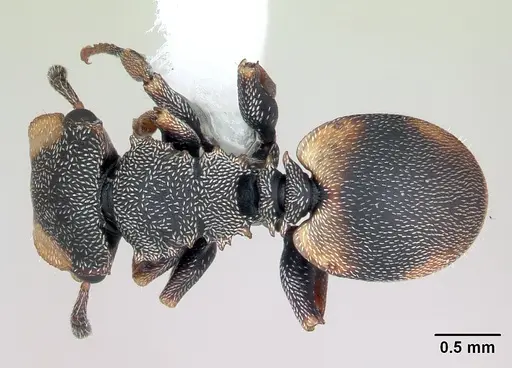
CASENT0173708
View on AntWeb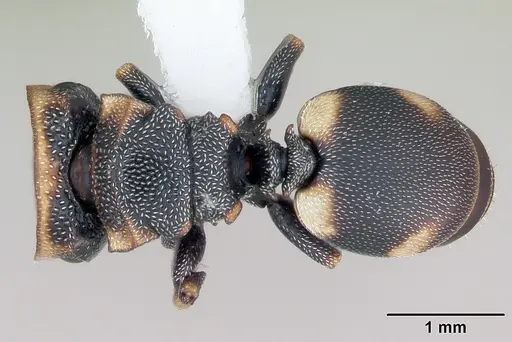
CASENT0904916
View on AntWeb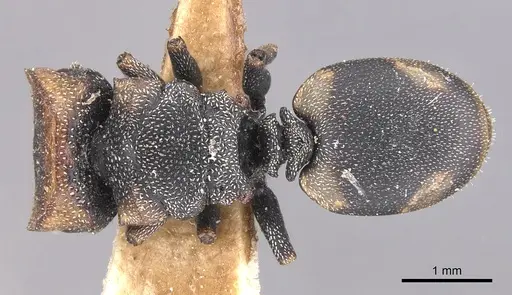
CASENT0904917
View on AntWeb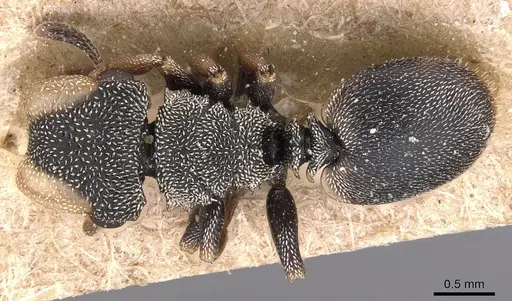
CASENT0922536
View on AntWeb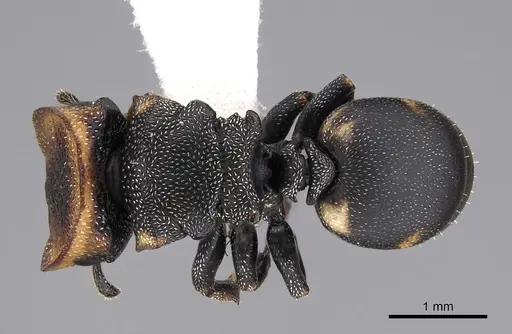
CASENT0922537
View on AntWeb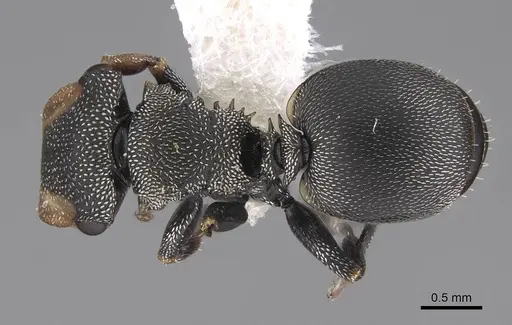
FOCOL0664-1
View on AntWeb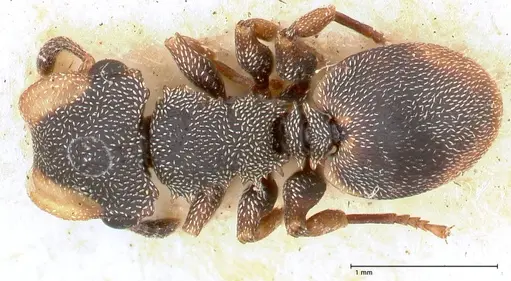
FOCOL0664-2
View on AntWeb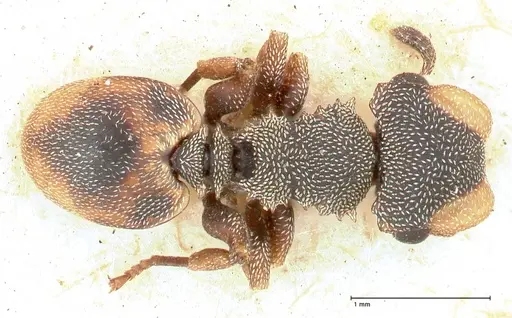
Literature
Loading distribution map...Loading products...