
Cephalotes scutulatus
- Sci. Name
- Cephalotes scutulatus
- Tribe
- Attini
- Subfamily
- Myrmicinae
- Author
- Smith, 1867
- Distribution
- Found in 5 countries
Introduction
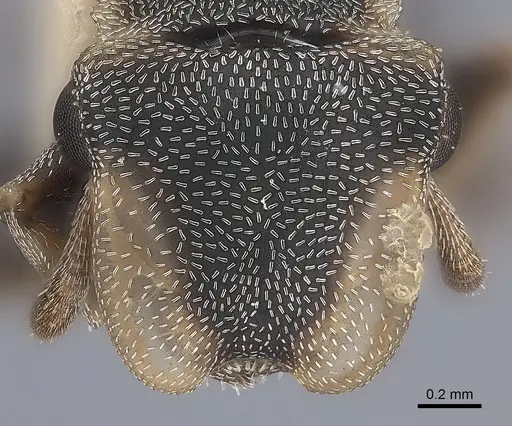
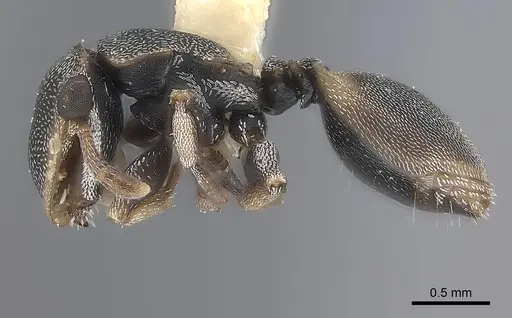
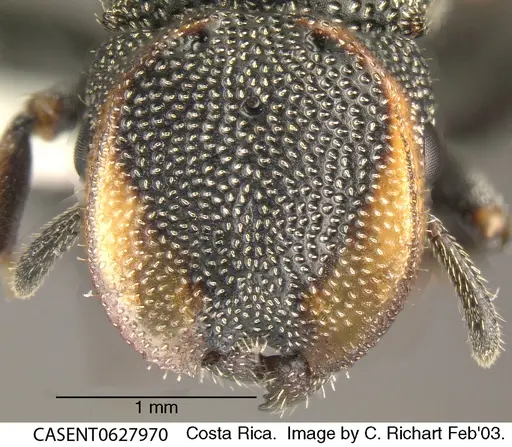
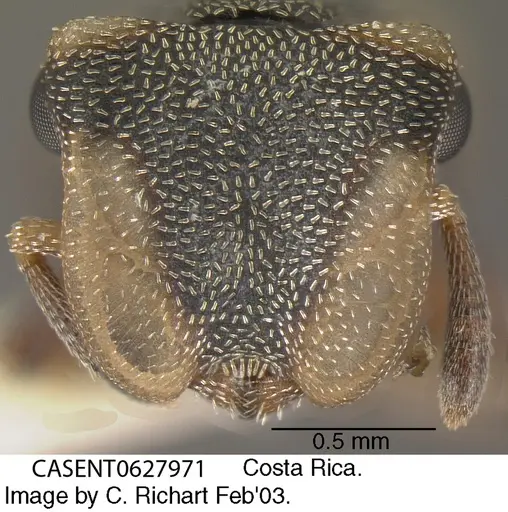
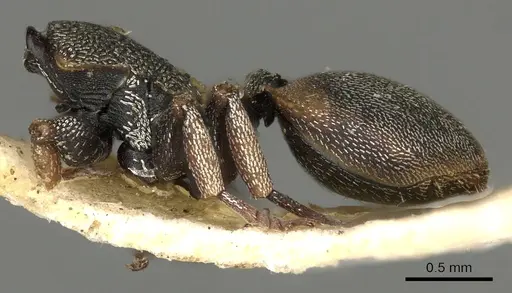
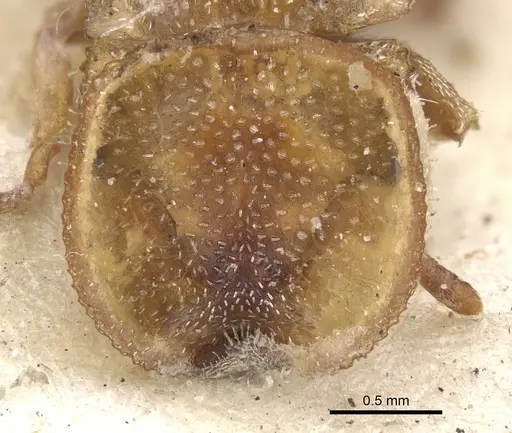
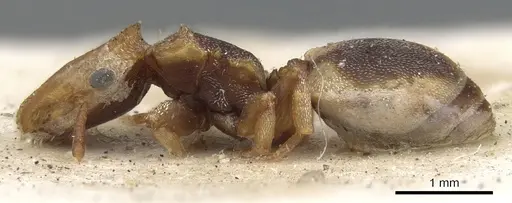
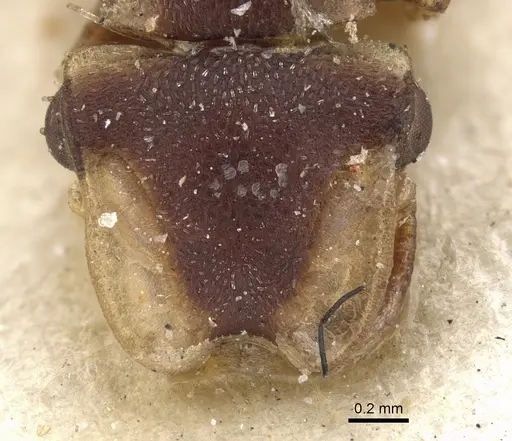
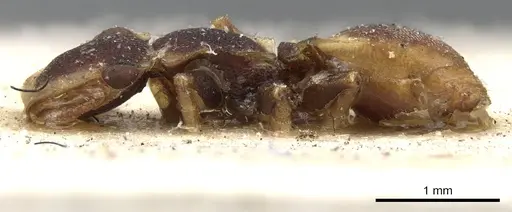
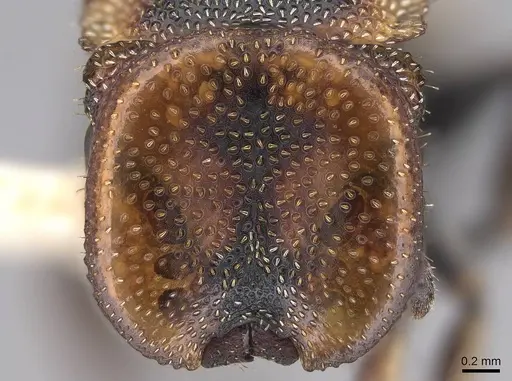
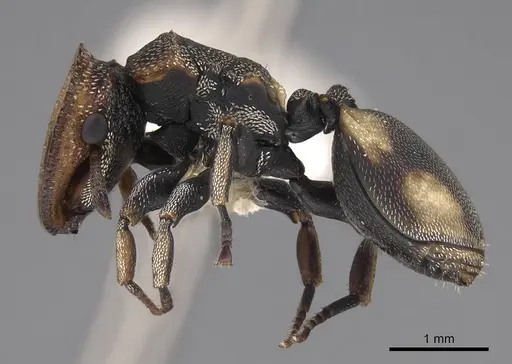
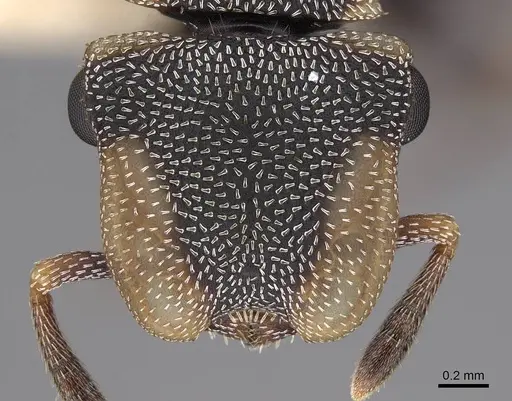
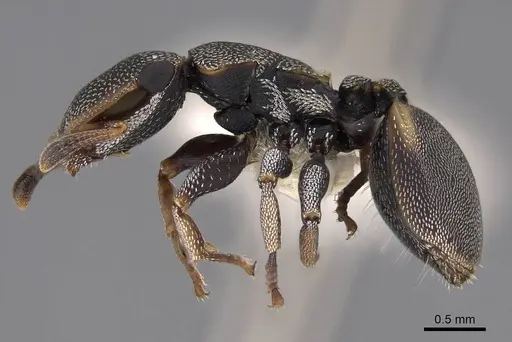
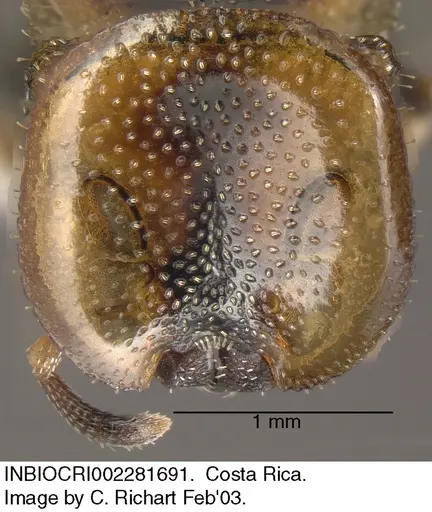
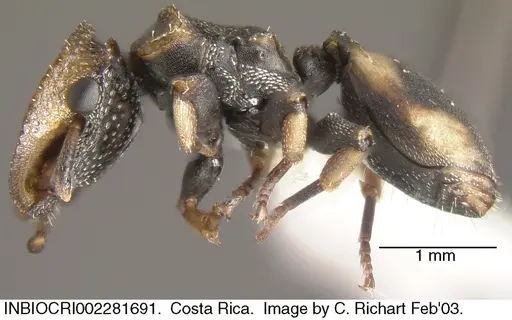
Cephalotes scutulatus is a Neotropical turtle ant known for its remarkably flattened, broad body and head. Workers measure 3.5-4.0mm and soldiers 4.5-6.5mm in total length, with a striking black coloration overlaid with white scales that give them a silvery-grey appearance . The most recognizable features are the strongly upturned frontal carinae that project above the eyes and the broad, membranaceous borders along the sides of the thorax. Soldiers feature a distinctive cephalic disc used for blocking nest entrances . This species belongs to the texanus group and is found across Central America from Mexico to Panama, living arboreally in tropical moist forest habitats including Cecropia trees at forest edges and in trees within pastureland [AntWiki].
Quick Summary
- Difficulty: Medium
- Origin & Habitat: Neotropical forest regions from Mexico to Ecuador and Venezuela. Found in diverse moist forest types including rainforest, lowland wet forest, and mangrove areas. Nests arboreally in Cecropia trees at forest edges and in trees within pastureland. Has also been found in the base of orchid specimens [5][6].
- Colony Type: Colony structure is unconfirmed. More research needed on natural colony organization.
- Size & Growth:
- Queen: 6.32-7.48mm total length [2]
- Worker: 3.5-4.0mm workers, 4.5-6.5mm soldiers total length [2]
- Colony: Unknown, no documented colony size data exists for this species
- Growth: Unknown, no species-specific growth data available
- Development: Unknown, no documented development time for this species (Development time has not been studied. Tropical ant species typically develop faster than temperate ants, but specific timing for C. scutulatus is unconfirmed.)
- Antkeeping:
- Temperature: Keep at 24-28°C. These are tropical ants requiring warm, stable temperatures. A heating cable on one side of the nest creates a gradient allowing ants to self-regulate.
- Humidity: High humidity required, aim for 70-85%. Their natural habitat in tropical moist forests is consistently humid. Keep nest substrate moist but not waterlogged.
- Diapause: No, as a tropical species, they do not require hibernation. Maintain warm conditions year-round.
- Nesting: Arboreal nesters, in captivity they do well in Y-tong (AAC) nests or plaster nests with narrow chambers scaled to their size. Provide twigs or small wooden structures they can use as natural nesting sites. Avoid large, open spaces, they prefer tight, enclosed chambers.
- Behavior: Generally peaceful and non-aggressive. Soldiers use their specialized head disc to block nest entrances, making them excellent defenders. Forages solitarily in trees, they are arboreal omnivores feeding on honeydew, small insects, and nectar. Their flattened body allows them to navigate narrow passages in tree hollows. Escape risk is moderate due to their small size, use standard barrier methods.
- Common Issues: tropical humidity needs are critical, dry conditions will kill colonies quickly, arboreal nature means they need vertical space and climbing structures in the outworld, slow colony growth can frustrate beginners, be patient through the founding phase, wild-caught colonies may arrive with parasites from their native range, test tube setups must be kept warm and humid, monitor condensation levels
Housing and Nest Setup
Cephalotes scutulatus is an arboreal species that naturally nests in tree hollows, Cecropia trees, and rotting wood in the canopy. In captivity, Y-tong (AAC) nests work well because they provide the dark, enclosed chambers these ants prefer. Plaster nests are also suitable and help maintain humidity. The outworld should include climbing structures like twigs, cork bark, or artificial plants since they naturally forage in vertical space. A test tube setup works for founding colonies, keep it humid and warm, with the cotton end containing a water reservoir. Once the colony reaches 15-20 workers, you can transition to a formicarium while maintaining high humidity. The key is providing tight chambers scaled to their flattened body shape, avoid large, open spaces they won't use. [2][5]
Feeding and Diet
In the wild, Cephalotes scutulatus is an arboreal omnivore that feeds on honeydew from aphids and scale insects, nectar from flowers, and small insects they capture. In captivity, offer a varied diet: sugar water or honey water constantly, and protein sources like small crickets, mealworms, or fruit flies twice weekly. They are not aggressive hunters like some Myrmicinae, so prey should be small and easy to handle. Fresh fruit slices are often accepted. Feed them in the outworld rather than directly in the nest, they will recruit workers to food sources. Remove uneaten food after 48 hours to prevent mold. A varied diet promotes healthy brood development. [4][5]
Temperature and Humidity Management
As a Neotropical species from moist forests, C. scutulatus requires warm and humid conditions. Keep temperatures in the range of 24-28°C. A heating cable placed on top of the nest creates a gentle thermal gradient. Monitor with a digital thermometer placed near the nest. Humidity should stay at 70-85%, check the nest substrate moisture daily. The test tube water reservoir should show condensation on the walls, if condensation disappears, add water or move to a new setup. In dry environments, mist the outworld occasionally but avoid direct spraying on the nest. Poor humidity is the most common cause of colony failure with this species. A small water tube in the outworld also helps maintain ambient moisture. [5]
Behavior and Colony Dynamics
This species is known for its peaceful temperament and fascinating soldier caste. The soldier's most remarkable trait is its specialized head disc, a flattened, plate-like structure that can be used to physically block nest entrances, protecting the colony from predators and intruders. Workers are solitary foragers, meaning they search for food alone rather than in large groups [4]. They are excellent climbers and spend most of their time in the canopy. In the outworld, they will explore vertically, so provide adequate space for climbing. The colony will establish defined foraging routes over time. Unlike some aggressive ant species, they are not prone to biting humans and pose no danger. Their flattened morphology is an adaptation for moving through narrow tree passages and hollow twigs.
Colony Growth and Development
Colony founding begins when the queen seals herself in a small chamber, living off her stored fat reserves while raising the first brood. The first workers (nanitics) are typically smaller than normal workers. After the first workers arrive, the colony enters a growth phase where brood production increases. The soldier caste develops as the colony grows and serves primarily for defense. Colonies can live for many years with a healthy queen. Be patient during the founding phase, this is when most colonies fail due to improper humidity or temperature. [5]
Frequently Asked Questions
How long does it take for Cephalotes scutulatus to produce first workers?
This has not been documented. Development time is unknown for this species. The queen seals herself in during founding and will not emerge until her first brood hatches.
What do Cephalotes scutulatus ants eat?
They are arboreal omnivores. Offer sugar water or honey water as a constant energy source, and protein like small crickets, mealworms, or fruit flies twice weekly. They also accept fresh fruit slices. Remove uneaten food after 48 hours to prevent mold.
What humidity level do they need?
Keep humidity at 70-85%. These tropical forest ants need consistently moist conditions. Monitor test tube condensation, if it disappears, the setup is too dry. A water tube in the outworld helps maintain ambient moisture.
Can I keep multiple Cephalotes scutulatus queens together?
Not recommended. There is no documented research on combining unrelated foundresses of this species. Starting with one mated queen is the standard approach.
Are Cephalotes scutulatus good for beginners?
They are rated as medium difficulty. The main challenge is maintaining proper humidity and temperature year-round. If you can provide a consistently warm, humid environment and are patient through slow colony growth, they are rewarding ants to keep. Their peaceful nature and fascinating soldier caste make them interesting to observe.
Do they need hibernation or diapause?
No. As a tropical species from Central American forests, they do not require hibernation. Maintain warm temperatures (24-28°C) year-round. Cold temperatures will slow their metabolism and can harm the colony.
What size do Cephalotes scutulatus colonies reach?
Colony size is not documented for this species. There is no research data on maximum colony size.
When should I move them from a test tube to a formicarium?
Transition when the colony reaches 15-30 workers and the test tube setup becomes crowded. Ensure the new setup maintains the humidity they need, Y-tong or plaster nests work well. Keep the transition gradual by connecting the test tube to the formicarium and allowing workers to explore before moving the queen.
Why are my Cephalotes scutulatus dying?
The most common causes are: low humidity (dry conditions kill them quickly), temperatures below 22°C (tropical ants need warmth), or improper feeding. Check that the nest shows consistent condensation and temperatures are stable. Also ensure they are not being disturbed during the founding phase, queens are sensitive to vibrations and light.
Report an Issue
The current care sheet is based fully on literature. See inconsistencies, or something that's incorrect? Please , it will be resolved after review from an admin. Contributing to the blogs tab also helps providing information, to make us be able to further improve the caresheets. Thank you for your support!
References

This caresheet is licensed under CC BY-SA 4.0 .
Community Blogs
CASENT0217843
View on AntWeb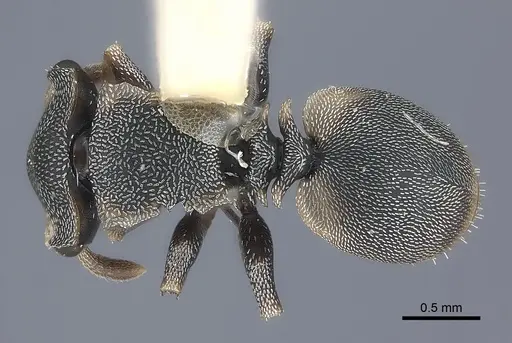
CASENT0627970
View on AntWeb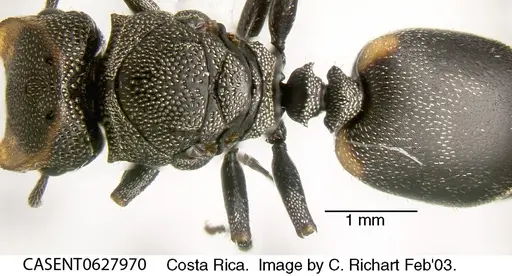
CASENT0627971
View on AntWeb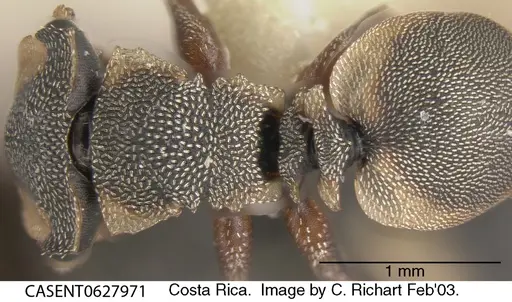
CASENT0900233
View on AntWeb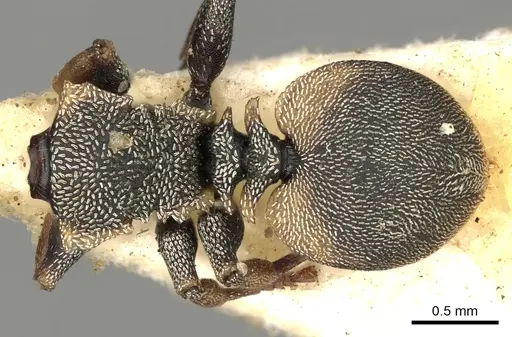
CASENT0901460
View on AntWeb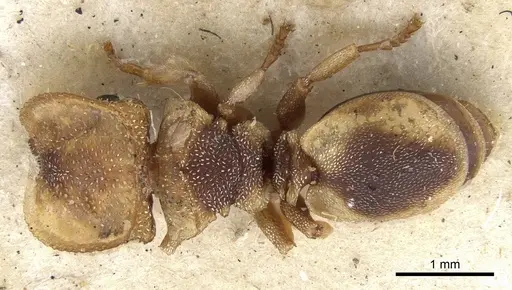
CASENT0901463
View on AntWeb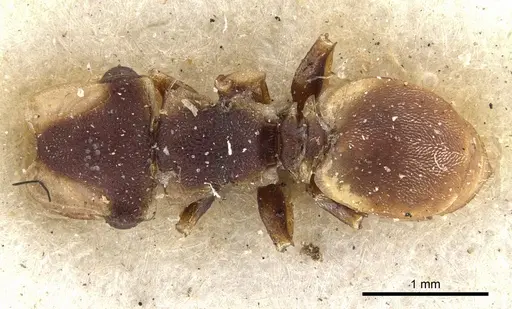
CASENT0922548
View on AntWeb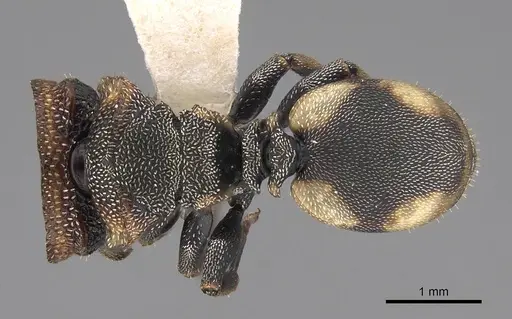
CASENT0922549
View on AntWeb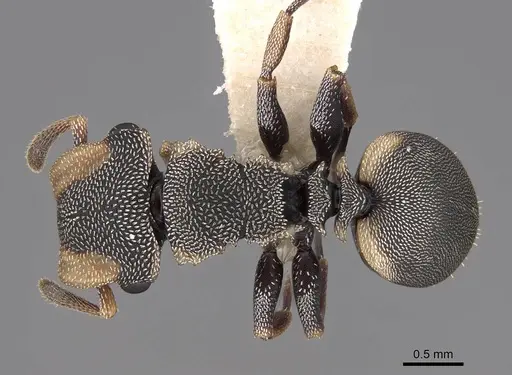
INBIOCRI002281691
View on AntWeb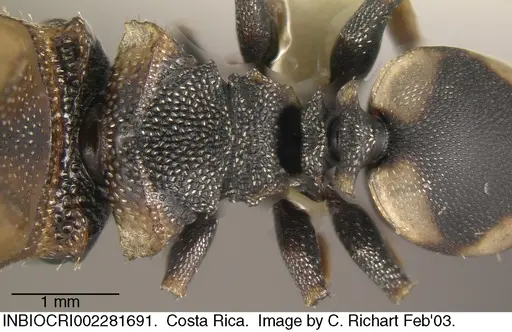
Literature
Loading distribution map...Loading products...