
Cephalotes porrasi
- Sci. Name
- Cephalotes porrasi
- Tribe
- Attini
- Subfamily
- Myrmicinae
- Author
- Wheeler, 1942
- Distribution
- Found in 5 countries
Introduction
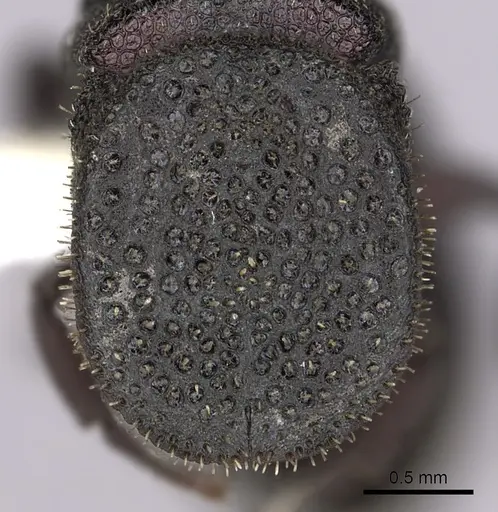
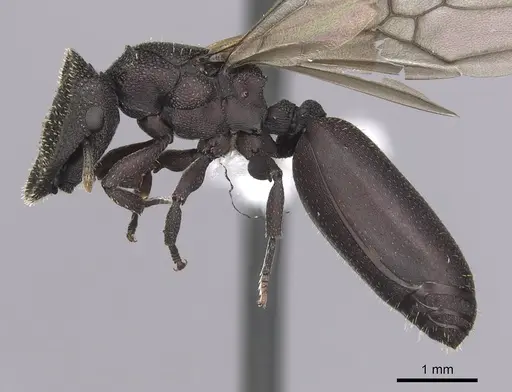
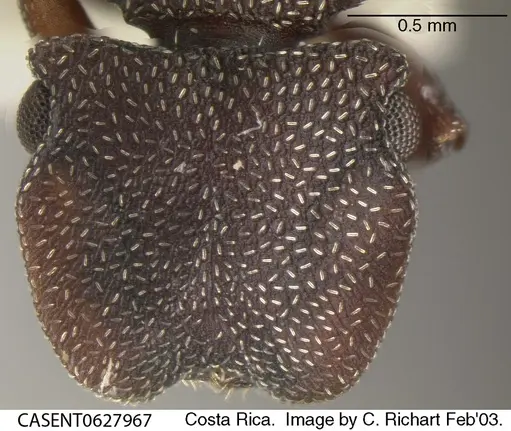
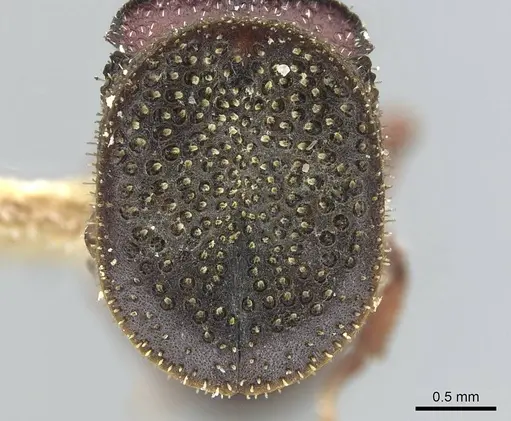
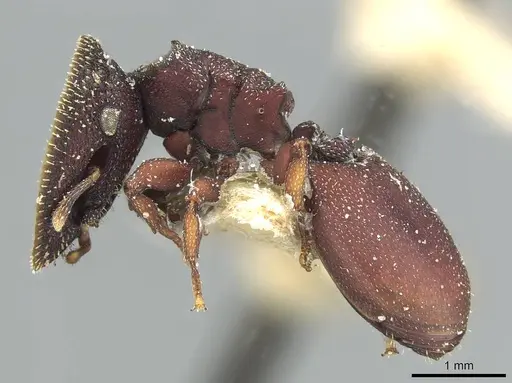
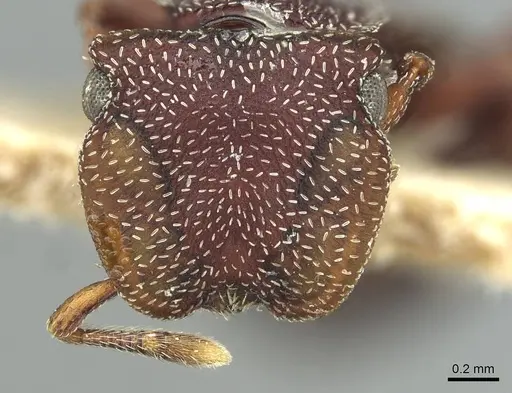
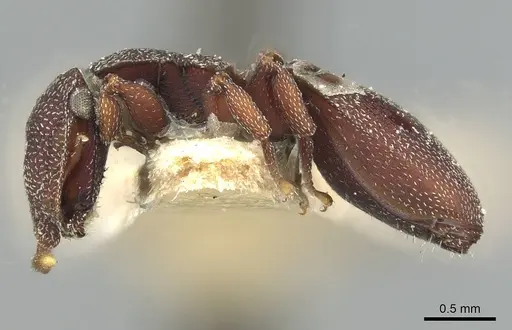
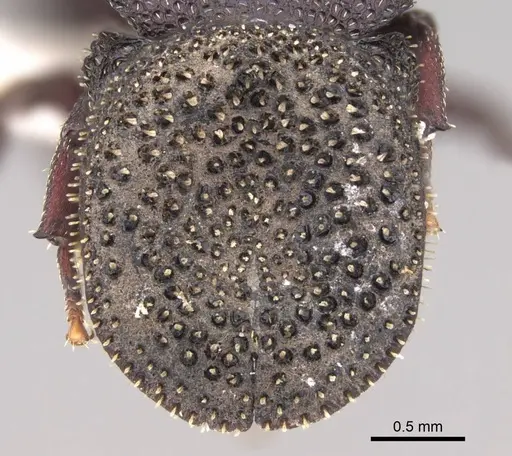
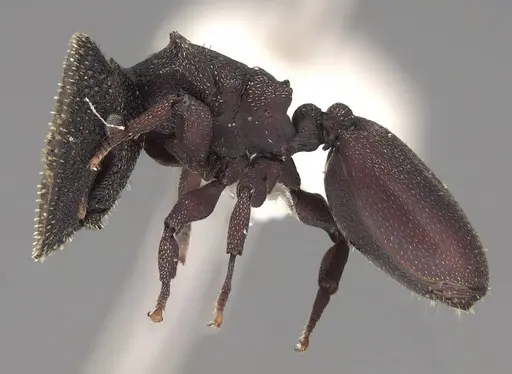
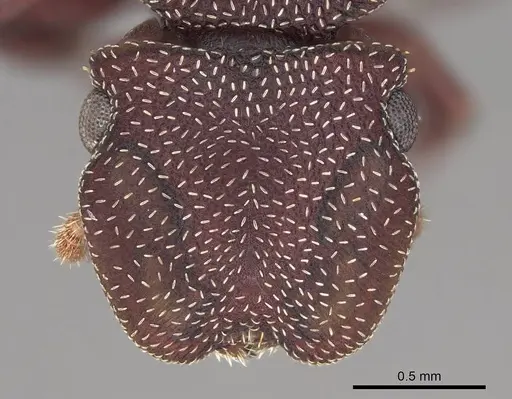
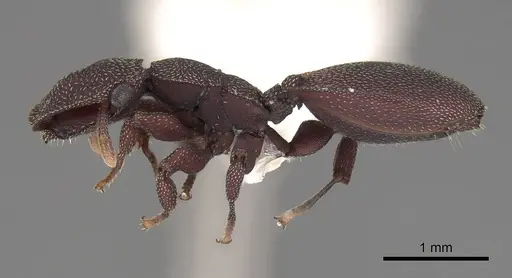
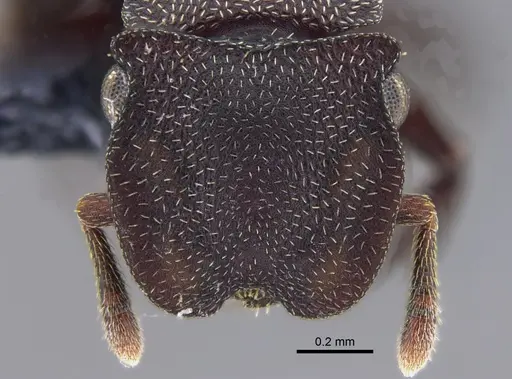
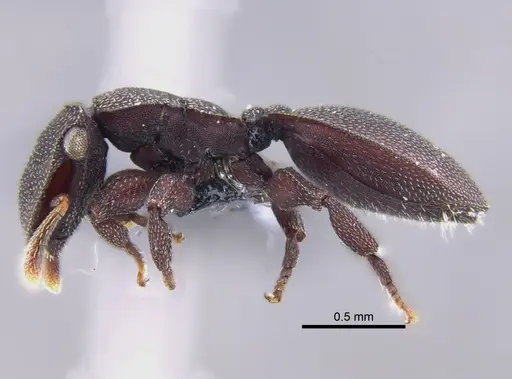
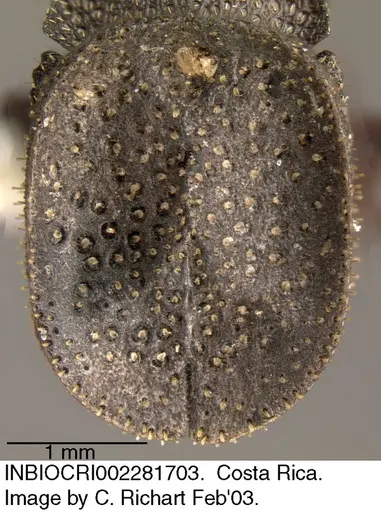
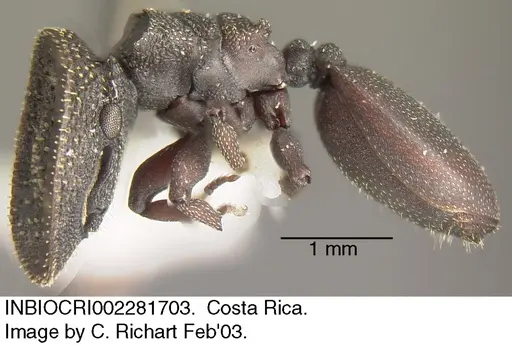
Cephalotes porrasi is a medium-sized turtle ant native to Central and South America, ranging from Mexico down to Ecuador . Workers measure 3.4-4.3mm with a distinctive appearance featuring membranaceous expansions along the sides of their body, particularly on the propodeum where they form 2-3 small teeth . Soldiers are larger at 5.5-7.1mm and possess remarkable brush-shaped hairs on their head disc that can secrete fibrous material for camouflage . Queens reach 7.4-8.2mm and share the same distinctive morphology . This species belongs to the pallens clade, a group known for their elaborate head structures and defensive behaviors . They inhabit wet forest types and are often found in acacia vegetation along water courses, typically collected at ground level on vegetation .
Quick Summary
- Difficulty: Medium
- Origin & Habitat: Tropical Central and South America, found in Belize, Colombia, Costa Rica, Ecuador, Guatemala, Mexico, Nicaragua, and Panama. They inhabit wet forests and acacia vegetation along water courses at elevations from 2m to 1020m [1][2].
- Colony Type: Likely monogyne (single queen) based on typical Cephalotes patterns. Queens are claustral, sealing themselves in to raise the first brood alone [4][5].
- Size & Growth:
- Queen: 7.4-8.2mm [2]
- Worker: 3.4-4.3mm [2]
- Colony: Up to several hundred workers based on typical Cephalotes colony sizes
- Growth: Moderate, estimated 6-10 weeks from egg to first worker based on related species
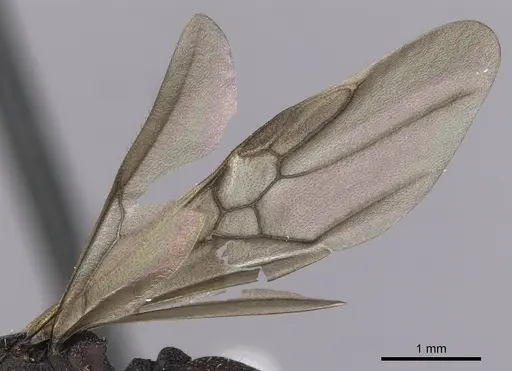
- Development: 6-10 weeks (estimated based on genus patterns) (Claustral founding means queens rely on stored fat reserves until first workers emerge. Queens have body mass of 3.978mg with wingspan of 12.33mm [4].)
- Antkeeping:
- Temperature: Tropical species, keep at 24-28°C. A gentle gradient allows workers to self-regulate.
- Humidity: High humidity required (70-85%). These ants come from wet forest habitats, so keep the nest substrate consistently moist but not waterlogged.
- Diapause: No, as a tropical species, they do not require hibernation. Maintain warm conditions year-round.
- Nesting: Y-tong (AAC) nests or plaster nests work well. They prefer tight chambers and narrow passages. Provide a water tube for humidity. Avoid dry, airy setups.
- Behavior: Turtle ants are generally calm and not aggressive. Workers are slow-moving and deliberate. They possess a stinger but rarely use it against humans. Their main defense is blocking nest entrances with their specialized head discs, soldiers use their large, flat heads as living doors [2]. Escape risk is moderate due to their medium size, but standard barrier methods work well. They are ground-dwelling and often found on vegetation at ground level [6].
- Common Issues: high humidity is critical, dry conditions will kill colonies quickly, tropical temperature requirements mean room temperature may be too cold in winter, claustral founding means founding colonies need complete darkness and disturbance-free setup, slow growth can frustrate beginners who overcheck and disturb the queen, wild-caught colonies may harbor parasites that cause colony collapse in captivity
Housing and Nest Setup
Cephalotes porrasi does well in Y-tong (AAC) nests or plaster nests that can hold moisture. These are cavity-nesting ants that prefer tight chambers and narrow passages that match their natural nesting in hollow twigs, stems, and tree cavities. The nest should have a water tube or reservoir to maintain humidity, this is critical for their survival. A test tube setup can work for founding colonies, but transfer to a proper nest once the colony reaches 20-30 workers. Provide an outworld for foraging with a shallow water dish and protein food offerings. Keep the nest in a dark, quiet location during founding, queens are claustral and should not be disturbed. [4][5]
Feeding and Diet
Turtle ants are generalist foragers that accept both sugar and protein sources. Offer sugar water, honey, or diluted syrup as a constant energy source. For protein, provide small insects like fruit flies, small crickets, or mealworms. In the wild, they forage on vegetation and likely consume honeydew from aphids and scale insects. Feed protein 2-3 times per week, removing any uneaten prey within 24 hours. Sugar water should always be available. Observe your colony's preferences, some colonies are more protein-focused than others.
Temperature and Humidity
As a tropical species from Central and South American wet forests, Cephalotes porrasi requires warm and humid conditions. Keep the nest area at 24-28°C (75-82°F). A heating cable on one side of the nest creates a temperature gradient so workers can regulate their own temperature. Humidity should be maintained at 70-85%, the nest substrate should feel consistently moist but not have standing water. Use a water tube or mist regularly to maintain humidity. Avoid temperature drops below 22°C or dry conditions, as these can stress and kill colonies. [1][2]
Unique Camouflage Behavior
One of the most fascinating aspects of Cephalotes porrasi is their relationship with their head disc morphology. Research by Wheeler and Holldobler (1985) discovered that these ants can produce and accumulate material on their head disks, this is actually secreted by the ants themselves, not externally collected debris [2]. The material appears fibrous and filmy, likely produced by specialized glands with many pores on the head disc. Soldiers use their large, flat heads to block nest entrances, and this secreted material may help them blend in and avoid detection, similar to how some other ant species affix dirt to their bodies. This is a remarkable example of evolved camouflage in ants.
Behavior and Defense
Cephalotes porrasi is a calm, non-aggressive species. Their primary defense mechanism is structural, soldiers use their uniquely shaped heads as living doors to block nest entrances. When threatened, workers may retreat into the nest while the soldier blocks the opening with its shield-like head. They possess a stinger but rarely use it against humans. Workers are relatively slow-moving compared to many ant species, reflecting their deliberate, strategic lifestyle. They forage primarily at ground level and on low vegetation, consistent with their collection as strays on vegetation in the wild. [2]
Colony Development
Queens are claustral, meaning they seal themselves in a chamber and raise the first brood without leaving to forage. They rely entirely on stored fat reserves and the energy from their now-useless wings [4][5]. The queen's wings are shed or broken off after the nuptial flight, leaving only small stubs. Development from egg to first worker (nanitics) typically takes 6-10 weeks in warm conditions. The first workers (nanitics) are often smaller than normal workers. Growth is moderate, colonies may take 1-2 years to reach significant numbers. Be patient with founding colonies and avoid disturbing them during this critical period.
Frequently Asked Questions
How long does it take for Cephalotes porrasi to produce first workers?
Expect 6-10 weeks from egg to first worker at optimal temperatures (24-28°C). This is based on typical Cephalotes development patterns. The queen is claustral and raises the first brood alone without foraging.
What do Cephalotes porrasi ants eat?
They accept both sugar and protein. Offer sugar water, honey, or diluted syrup constantly for energy. For protein, provide small insects like fruit flies, small crickets, or mealworms 2-3 times per week.
What temperature do Cephalotes porrasi need?
Keep them at 24-28°C (75-82°F). As a tropical species from Central American wet forests, they need warm conditions year-round. A heating cable on part of the nest creates a useful gradient.
Are Cephalotes porrasi good for beginners?
They are rated Medium difficulty. They require high humidity and warm temperatures, which can be challenging to maintain consistently. Their slow growth also requires patience. Not the best choice for complete beginners, but manageable for those with some antkeeping experience.
How big do Cephalotes porrasi colonies get?
Based on typical Cephalotes sizes, expect colonies to reach up to several hundred workers over 1-2 years. They are not among the largest turtle ants but can form substantial colonies.
Do Cephalotes porrasi need hibernation?
No, they do not require hibernation. As a tropical species from Central and South America, they need warm conditions year-round. Do not expose them to cold temperatures.
What makes Cephalotes porrasi special?
They have remarkable camouflage behavior, soldiers can secrete fibrous material onto their head discs to blend in when blocking nest entrances. This is one of the few ants known to produce their own camouflage rather than collecting it externally.
Can I keep multiple Cephalotes porrasi queens together?
Not recommended. This species is likely monogyne (single queen). Combining unrelated queens has not been documented and would likely result in fighting.
What humidity level do Cephalotes porrasi need?
Keep humidity at 70-85%. They come from wet forest habitats in Central America. The nest substrate should feel consistently moist. A water tube in the nest setup helps maintain humidity.
When should I move Cephalotes porrasi to a formicarium?
Keep founding colonies in a simple test tube setup until they reach 20-30 workers. Then you can transfer to a Y-tong or plaster nest. They prefer cavity nests with tight chambers.
Why is my Cephalotes porrasi colony dying?
The most common causes are: 1) Low humidity, dry conditions kill them quickly,2) Temperature too cold, they need 24-28°C,3) Disturbing the queen during claustral founding,4) Parasites from wild-caught colonies. Check your setup parameters first.
Report an Issue
The current care sheet is based fully on literature. See inconsistencies, or something that's incorrect? Please , it will be resolved after review from an admin. Contributing to the blogs tab also helps providing information, to make us be able to further improve the caresheets. Thank you for your support!
References

This caresheet is licensed under CC BY-SA 4.0 .
Community Blogs
CASENT0613103
View on AntWeb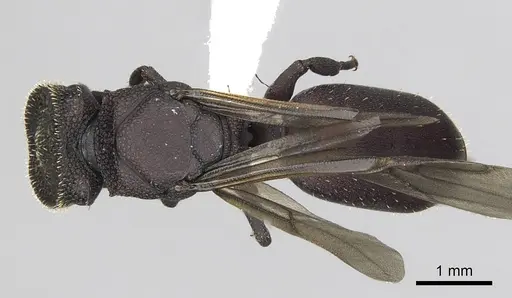
CASENT0627967
View on AntWeb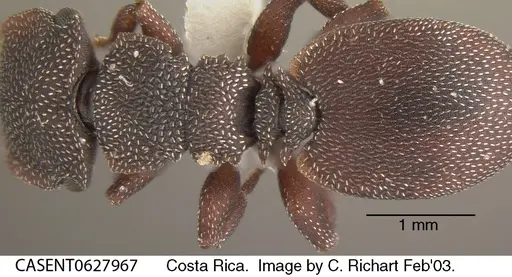
CASENT0912610
View on AntWeb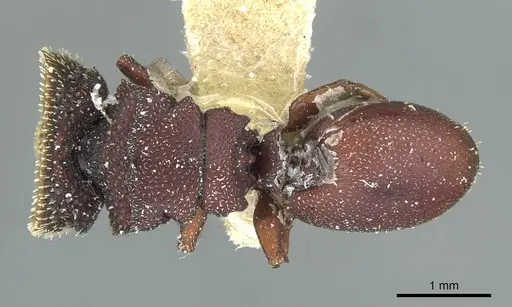
CASENT0912611
View on AntWeb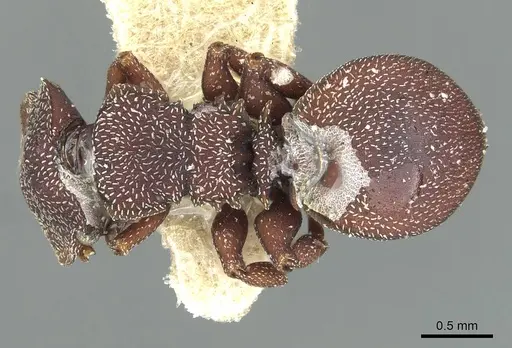
CASENT0922522
View on AntWeb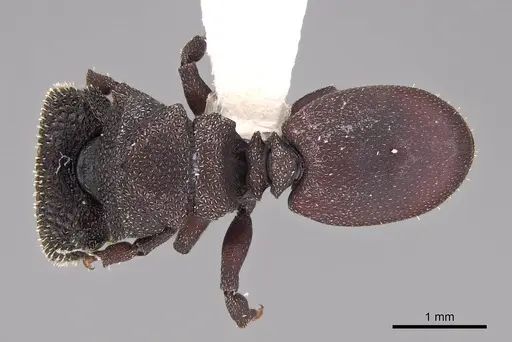
CASENT0922523
View on AntWeb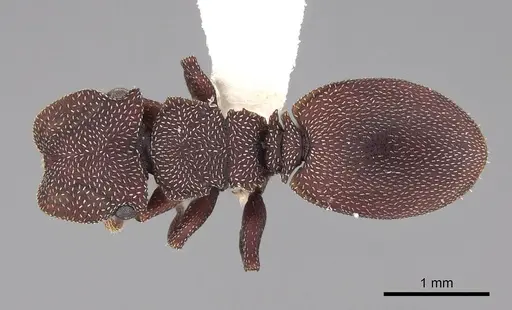
CBUMAGENT41890
View on AntWeb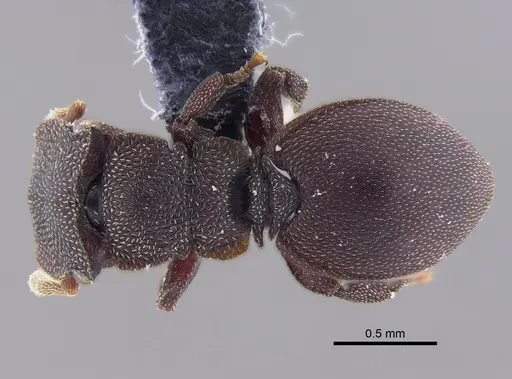
INBIOCRI002281703
View on AntWeb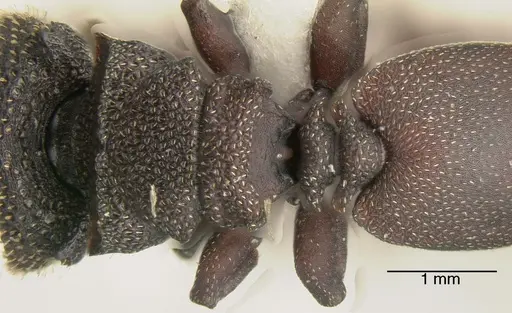
Literature
Loading distribution map...Loading products...