
Cephalotes pallidoides
- Sci. Name
- Cephalotes pallidoides
- Tribe
- Attini
- Subfamily
- Myrmicinae
- Author
- De Andrade, 1999
- Distribution
- Found in 5 countries
Introduction
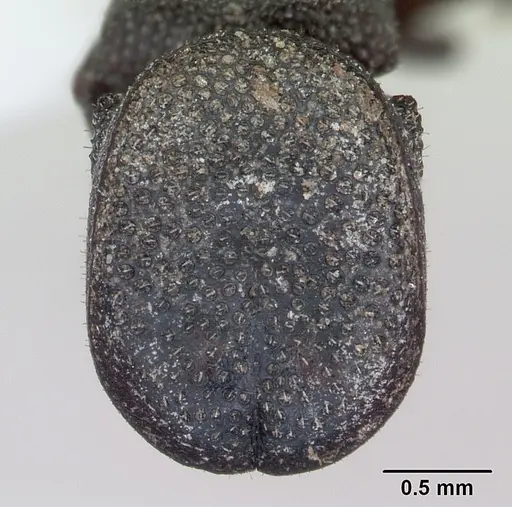
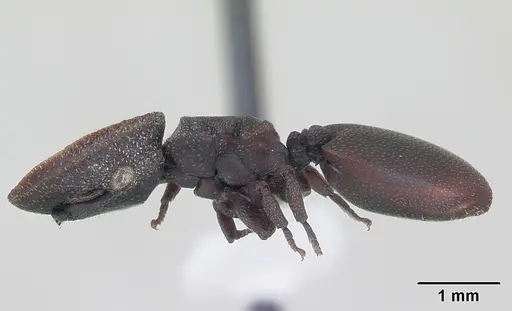
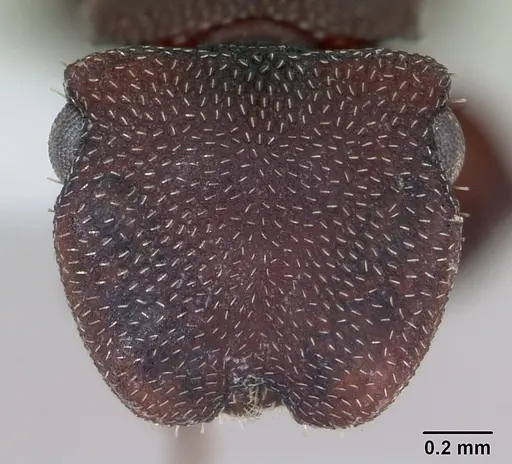
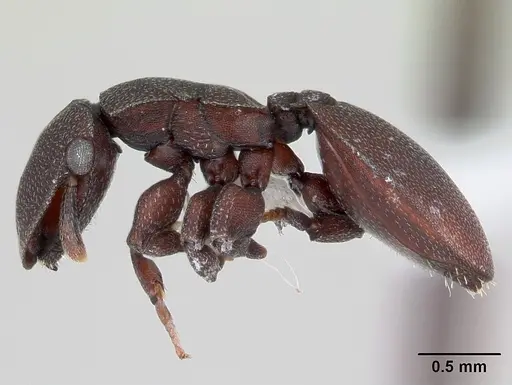
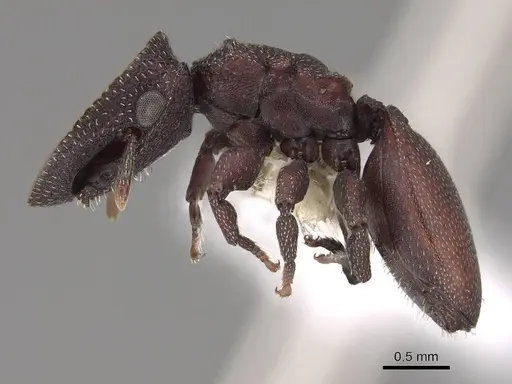
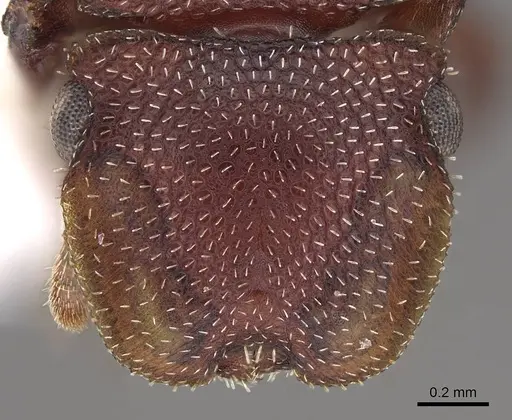
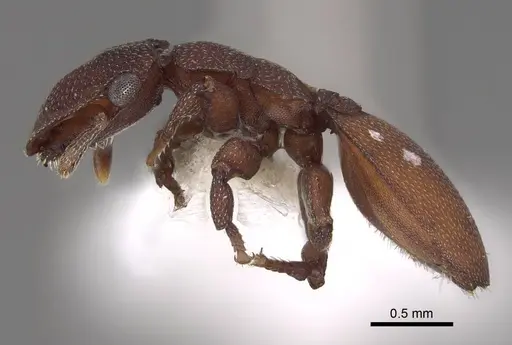
Cephalotes pallidoides is a Neotropical turtle ant belonging to the pallens species group. Workers measure 3.79-4.44 mm, soldiers 5.08-5.64 mm, and queens 7.22-7.84 mm in total length . They are dark brown to black with lighter membranaceous expansions along the sides of the body. This species is distinguished from its close relative C. pallidus by its more inflated femora and less impressed sculpture . Found across northern South America including Brazil, Bolivia, Colombia, French Guiana, Guyana, Paraguay, Trinidad, and Venezuela, typically at elevations from 30 m to 960 m . Like other turtle ants, this species nests in pre-existing tree cavities, hollow twigs, rotten wood, and abandoned beetle galleries. Their flattened bodies and specialized head morphology allow them to block nest entrances with their armored heads, acting as living doors. The biology of this specific species remains poorly studied, but general Cephalotes behavior suggests they are docile colony defenders that rely on their fortress-like nest rather than aggressive foraging.
Quick Summary
- Difficulty: Medium
- Origin & Habitat: Neotropical South America: Brazil, Bolivia, Colombia, French Guiana, Guyana, Paraguay, Trinidad, and Venezuela. In Colombia, populations occur in humid Amazon forest (Amazonas, Meta, Vichada) and dry forest to the north (Santander). Altitudinal range 30–960 m [2][4][3].
- Colony Type: Colony structure is unconfirmed. Based on genus patterns, likely single-queen (monogyne) colonies. Turtle ants typically nest in tree cavities with moderate worker counts.
- Size & Growth:
- Queen: 7.22–7.84 mm [1]
- Worker: 3.79–4.44 mm [1]
- Colony: Estimated several hundred workers based on genus patterns
- Growth: Moderate – inferred from related Cephalotes species
- Development: Estimated 6–10 weeks at optimal temperature based on genus patterns (Direct development data unavailable for this species, estimates based on typical Cephalotes development)
- Antkeeping:
- Temperature: Keep at 24–28°C. These are tropical ants that need warm, stable conditions. Provide a gentle temperature gradient so workers can self-regulate.
- Humidity: Moderate to high, they inhabit forest environments. Keep the nest substrate slightly moist but avoid waterlogging. Good ventilation helps prevent mold.
- Diapause: No, as tropical ants, they do not require hibernation. Keep temperatures stable year-round.
- Nesting: Turtle ants nest in pre-existing cavities. In captivity they do well in Y-tong (aerated concrete) nests, plaster nests, or 3D-printed nests with small chambers. They prefer dark, enclosed spaces. Naturalistic setups with hollow twigs, bamboo, or rotten wood sections also work. Avoid large empty chambers as they feel insecure. Attach a small water reservoir to maintain humidity without flooding.
- Behavior: Docile and non-aggressive, turtle ants are fortress defenders rather than active foragers. Workers move slowly and methodically. They have a functional sting but it is not medically significant to humans. The soldier caste uses its flattened head to block nest entrances. They are adept climbers, so escape risk is high, use tight barriers. Diet likely includes sugar water, honeydew, and small insects like fruit flies or small crickets.
- Common Issues: tropical species requires stable warmth, cold drafts can stress and kill colonies, nesting in pre-existing cavities means they need appropriately sized chambers, too large spaces stress them, high escape risk due to small worker size and good climbing ability, use tight lids and PTFE barriers, slow colony growth compared to common ants may frustrate beginners, wild-caught colonies may harbor parasites or internal mites, quarantine and observe new colonies carefully
Nest Preferences and Housing
Cephalotes pallidoides nests in pre-existing tree cavities in the wild, they cannot excavate their own nests. In captivity, they do best in Y-tong (aerated concrete) nests, plaster nests, or 3D-printed nests with chambers sized to match colony size. They prefer dark, enclosed spaces and will readily occupy hollow twigs, bamboo sections, or rotten wood in naturalistic setups. The key is to provide existing cavities rather than expecting them to dig. Avoid overly large chambers, turtle ants feel secure in tighter spaces. A small water reservoir connected to the nest helps maintain humidity without flooding. [1]
Feeding and Diet
Like other Cephalotes species, C. pallidoides is likely omnivorous. In the wild, they probably consume nectar, honeydew from sap‑sucking insects, and small insects. In captivity, offer sugar water or honey constantly as an energy source. For protein, provide small live prey such as fruit flies, pinhead crickets, or tiny mealworms 2–3 times per week. Some turtle ants also accept seeds, but protein is likely the primary nutrition. Remove uneaten prey after 24 hours to prevent mold. Exact dietary preferences are unstudied, so offer variety and observe what is accepted.
Temperature and Care
As a Neotropical species from lowland forests, C. pallidoides requires warm, stable temperatures. Keep the nest area at 24–28°C with minimal fluctuations. A heating cable or mat on the side of the nest creates a gentle gradient for self‑regulation. Place heating on top of the nest, not underneath, to avoid drying the substrate too quickly. Unlike temperate species, they do not need hibernation or cooling periods. Maintain moderate to high humidity by keeping the nest substrate slightly moist. Ensure good ventilation to prevent mold while holding humidity. [2][3]
Behavior and Temperament
Turtle ants are among the more docile species kept by hobbyists. They are not aggressive and rely on their fortress‑like nesting in tree cavities for defense. Workers move slowly and deliberately. The soldier caste acts as living door guards, blocking nest entrances with their specialized, flattened heads. This species belongs to Myrmicinae, tribe Attini, and possesses a functional sting, but it is not medically significant to humans. They are adept climbers, so use tight barriers to prevent escape. Watching soldiers position themselves at entrances is a fascinating part of keeping this species.
Colony Development
Colony growth is expected to be moderate rather than rapid. Queens measure 7.22–7.84 mm and should produce first workers (nanitics) within 6–10 weeks under optimal conditions, based on genus patterns. Colonies likely reach several hundred workers at maturity. The soldier caste develops from regular workers once the colony reaches a certain size, this species is polymorphic, with larger soldiers serving a defensive role. Turtle ant colonies tend to be long‑lived and stable once established. Patience is key, as founding colonies can take months to become established. [1]
Frequently Asked Questions
How long does it take for Cephalotes pallidoides to produce first workers?
Based on typical Cephalotes development, expect first workers (nanitics) in 6–10 weeks after the queen lays eggs, assuming optimal temperatures around 26°C. This is an estimate, the specific development timeline for this species has not been documented.
What do Cephalotes pallidoides ants eat?
They are omnivorous. Offer sugar water or honey constantly for energy, and protein sources like fruit flies, small crickets, or tiny mealworms 2–3 times per week. Some turtle ants accept seeds, but the exact diet is not established.
What is the best nest type for Cephalotes pallidoides?
Y-tong (aerated concrete), plaster, or 3D‑printed nests with small chambers work best. The key is providing pre‑existing cavities, these ants don't excavate. Naturalistic setups with hollow twigs, bamboo, or rotten wood sections are also excellent choices.
Do Cephalotes pallidoides need hibernation?
No, as a Neotropical (tropical South American) species, they do not require hibernation. Keep temperatures stable year‑round at 24–28°C. Cold temperatures will stress and potentially kill this species.
How big do Cephalotes pallidoides colonies get?
Based on genus patterns, colonies likely reach several hundred workers at maturity. They are not among the largest ant species but can form substantial colonies over several years.
Are Cephalotes pallidoides good for beginners?
They are rated Medium difficulty. While not aggressive and requiring no hibernation, their biology is poorly studied and they may have specific humidity requirements. They are slower growing than common beginner species, requiring patience. Not the best choice for absolute beginners, but manageable for those with some antkeeping experience.
Can I keep multiple Cephalotes pallidoides queens together?
The colony structure of this species is unconfirmed. Based on genus patterns, they likely form single‑queen colonies. Combining unrelated queens is not recommended as it has not been documented and could result in fighting.
Why are my Cephalotes pallidoides dying?
Common causes include: cold stress (temperatures below 24°C), excessive dryness (they need some humidity), or improper feeding. Also check for mold in the nest. Wild‑caught colonies may carry parasites. Review temperature, humidity, and food before assuming other issues.
Where is Cephalotes pallidoides found in the wild?
They range across northern South America: Brazil, Bolivia, Colombia, French Guiana, Guyana, Paraguay, Trinidad, and Venezuela. In Colombia, they are found in both humid Amazon forest (30–960 m elevation) and dry forest regions [2][4][3].
Report an Issue
The current care sheet is based fully on literature. See inconsistencies, or something that's incorrect? Please , it will be resolved after review from an admin. Contributing to the blogs tab also helps providing information, to make us be able to further improve the caresheets. Thank you for your support!
References

This caresheet is licensed under CC BY-SA 4.0 .
Community Blogs
CASENT0173694
View on AntWeb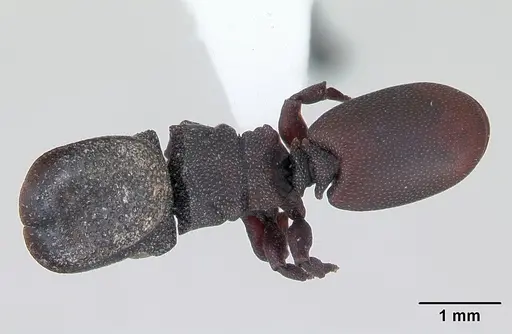
CASENT0173695
View on AntWeb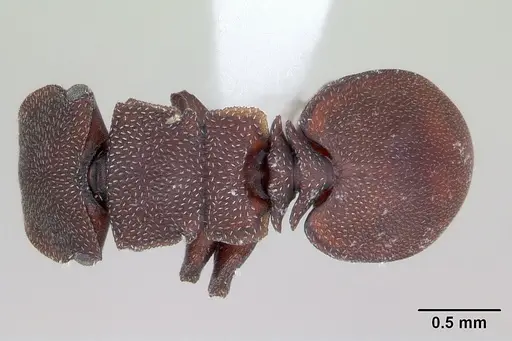
CASENT0922516
View on AntWeb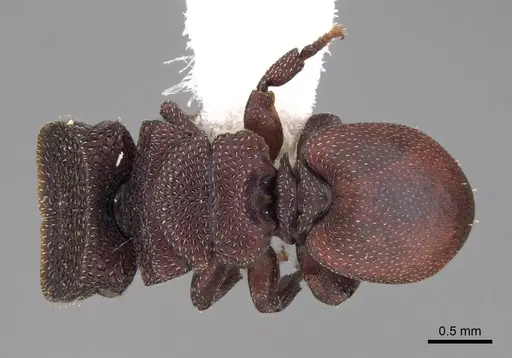
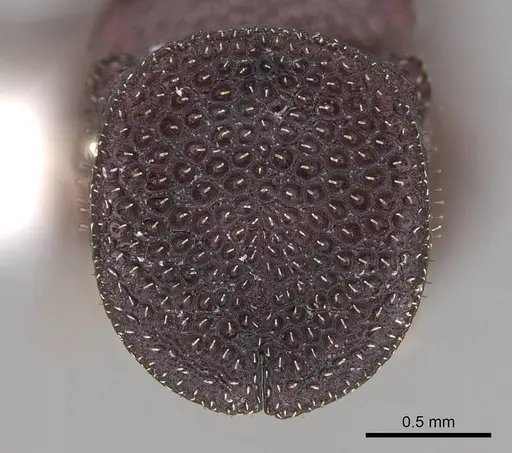
CASENT0922517
View on AntWeb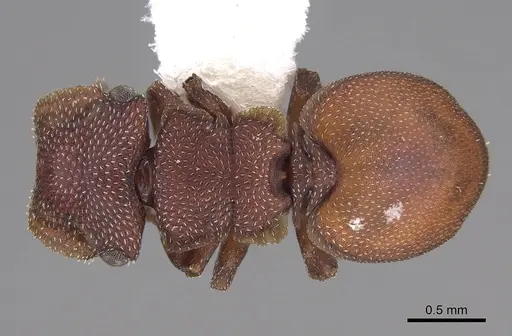
Literature
Loading distribution map...Loading products...